


Këlliçi denounces Jet Bank again: Lack of transparency since day one, serious reason for investigations
Democratic MP and DP Vice President, Belind Këlliçi, raise...

Democratic MP and DP Vice President, Belind Këlliçi, raise...


The United States began implementing sanctions against the Serbian Oil Industry, NIS, on Thursday morning because Russia is the majority owner of the company, Radio Television of Serbia reported.
NIS said in a statement regarding the sanctions that "the priorities, as before, remain the regular supply of the domestic market with petroleum products, as well as maintaining the social stability of employees."
"NIS has ensured sufficient supplies of oil for processing at this time, while fuel pumps are regularly supplied with all types of oil products," it was announced.
This company warned that, in the event that foreign payment cards cease to function, payment at gas stations will be possible with local cards, cash, and the "IPS show" method.
Regarding wholesale, the company states that it is ready to fulfill "all contractual obligations to business partners, including corporate clients and large customers."
"Corporate customer payment cards are working smoothly," she added.
NIS added that, in cooperation with partners, the Government of Serbia and shareholders, it is working to overcome this situation.
The United States placed NIS on its sanctions list on January 10 due to its ownership stake in the Russian company, Gazprom Neft, in order to prevent Russia from using revenues from the energy sector for the war in Ukraine.
The implementation of the sanctions had been postponed eight times, the last time until October 8.
Serbian President Aleksandar Vu?i? said on October 7 that Belgrade would discuss with Russia the issue of sanctions against the Serbian oil industry.
"We have nothing more to talk about with the Americans. The United States has done its job and Europe will support American sanctions," Vucic said.
In September, NIS submitted an amended request to US authorities for removal from the SDN (Specially Designated National) list, which, as they stated, is a long and complex process, and the initial request was sent on March 14 of this year.
Meanwhile, the ownership structure of NIS has changed several times, but it is still owned by the majority of Russian companies.
Gazprom exited NIS in September, and another Gazprom-controlled company – Intelligence from St. Petersburg – became one of the main owners.
Intelligence Joint Stock Company became the owner of 11.3 percent of the company's shares, according to data published on the Belgrade Stock Exchange website on September 21.
The majority of shares in NIS are still held by Gazprom Neft, a subsidiary of Gazprom (44.9 percent), while the state of Serbia has 29.9 percent of the shares.
The remaining shares are held by small shareholders.
In January, Vu?i? rejected the possibility of nationalizing NIS, adding that Serbia "will not participate in the seizure of Russian property."
The possible consequences of US sanctions will be difficulties in supplying crude oil to Serbia and exporting fuel, higher prices for oil derivatives, shortages and problems in payment transactions, experts previously told Radio Free Europe.
NIS is already recording operating losses. In its financial report published in August, it was said that the company operated with a loss of 30 million euros at the end of the first half of the year, due, among other things, to US sanctions.
The consequences may also be felt in the countries of the region where NIS operates.
NIS is the only company in Serbia engaged in oil exploration, production, refining and production.
It was state-owned until 2008, when Serbia sold 51 percent of NIS's shares to Gazprom Neft for 400 million euros.
Three years after the start of the invasion of Ukraine, Serbia remains dependent on Russia in terms of energy.
This dependence was one of the main arguments for the authorities in Belgrade not to implement Western sanctions against Russia for its invasion of Ukraine, despite calls and warnings from Brussels and Washington./REL

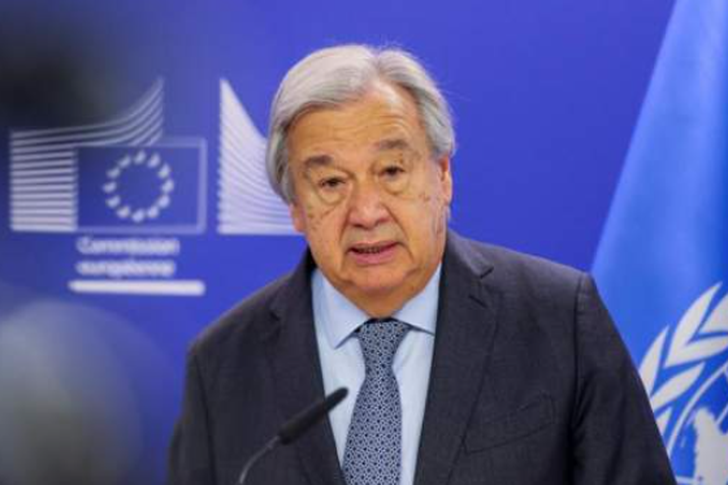
UN Secretary-General Antonio Guterres has reacted to the a...
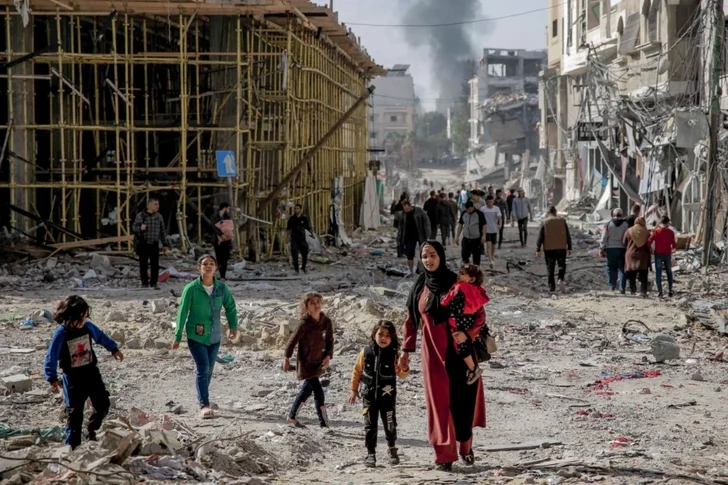
After reaching the first phase of the agreement with Israe...
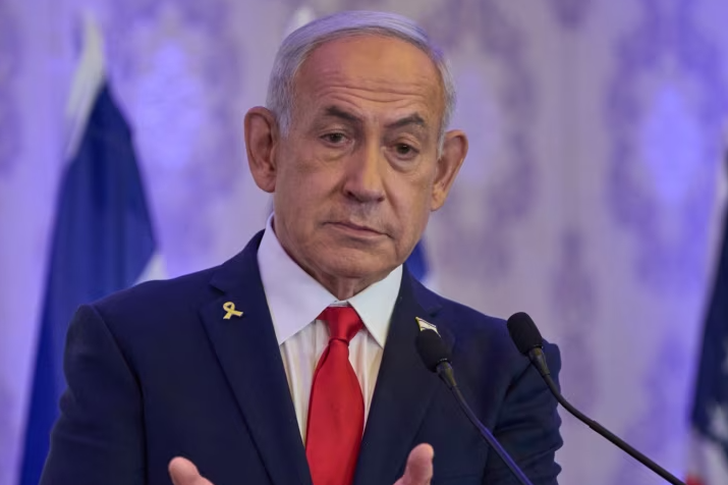
After Israel and Hamas signed the agreement for the first ...
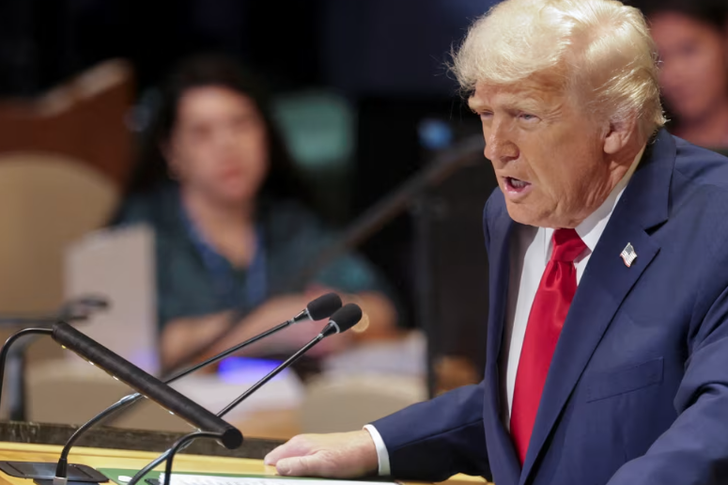
US President Donald Trump declares that the Israel-Hamas d...
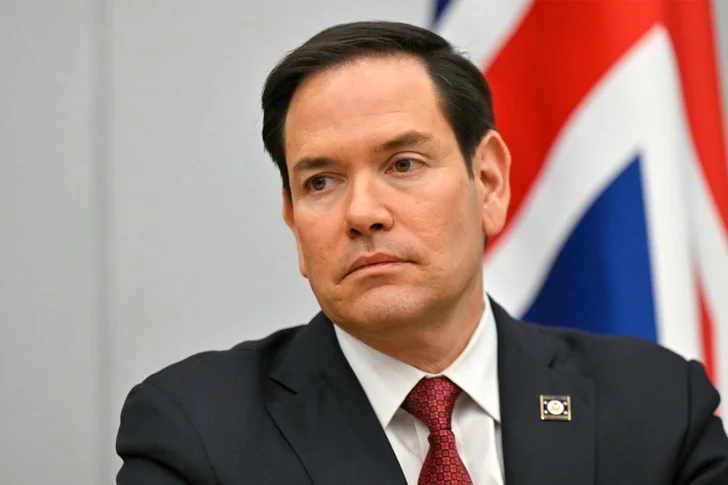
U.S. Secretary of State Marco Rubio will not attend tomorr...
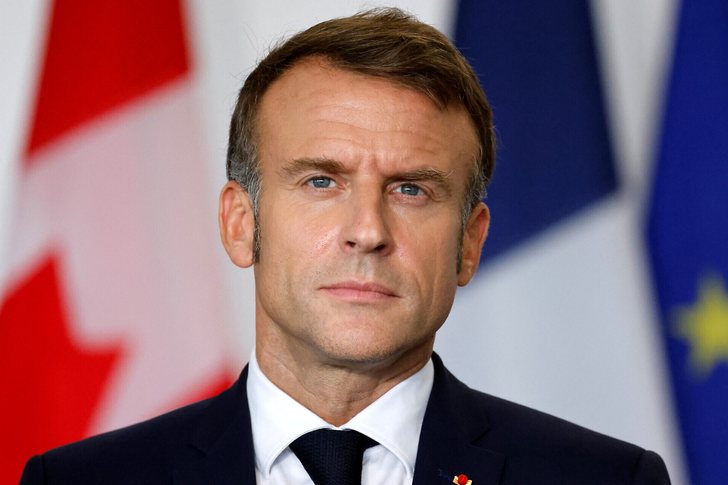
French President Emmanuel Macron is expected to name a new...
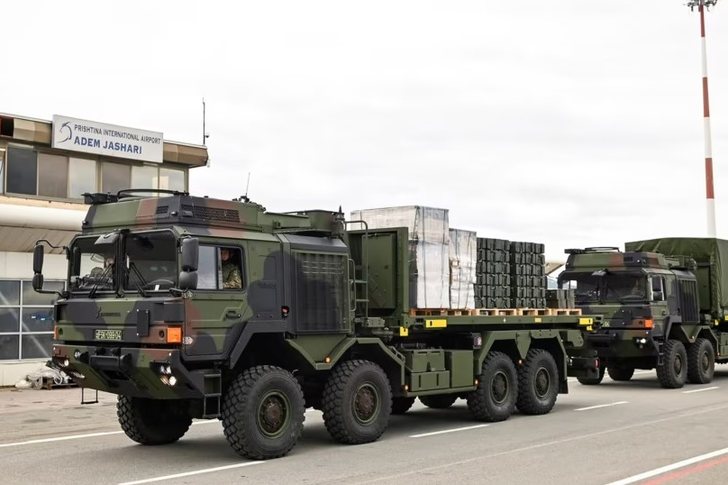
Kosovo received containers of "thousands" of Skydagger sui...

The winner of the Nobel Peace Prize will be announced on F...
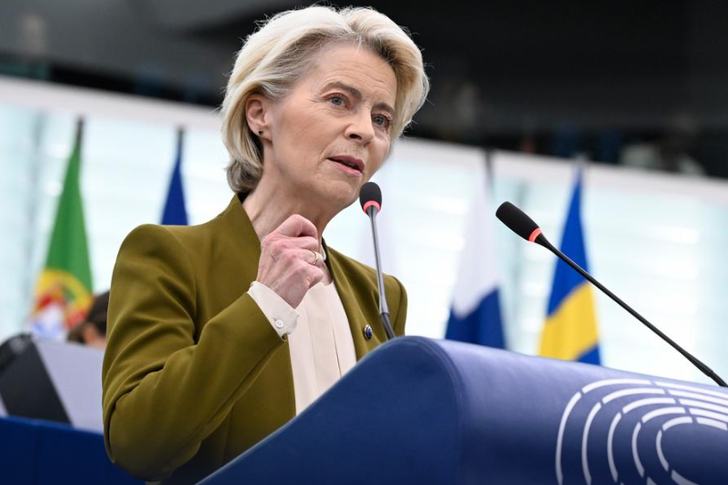
European Commission President Ursula von der Leyen today m...

The Spanish parliament recently passed a law prohibiting t...

The European Parliament rejected the Mercosur agreement at...
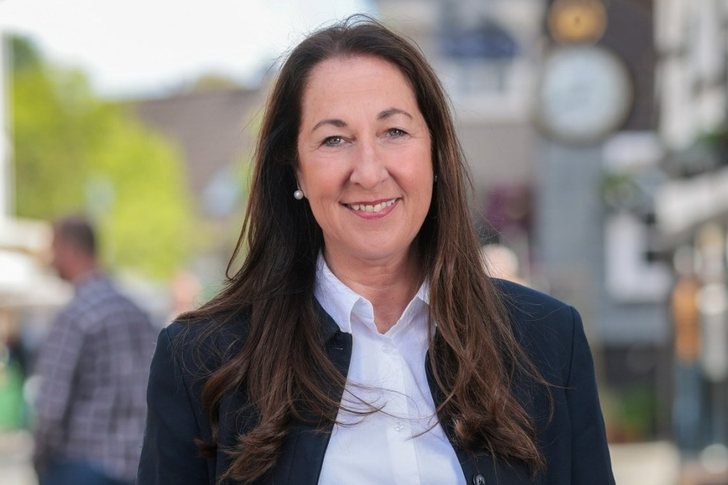
The newly elected mayor of the town of Herdecke in Germany...
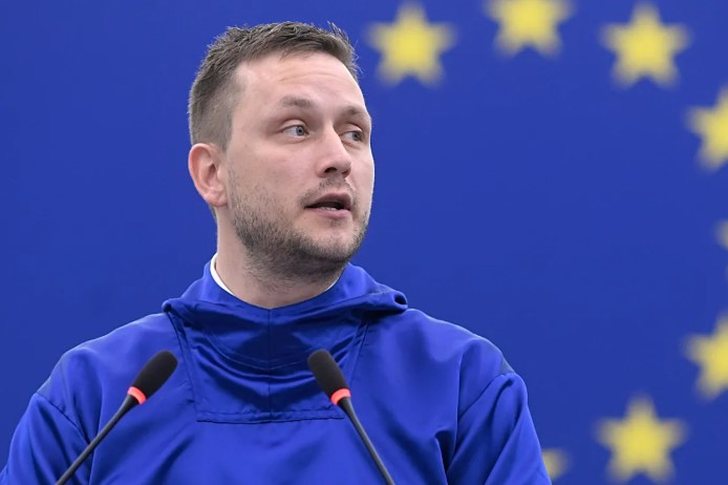
Jens-Frederik Nielsen, Prime Minister of Greenland, st...
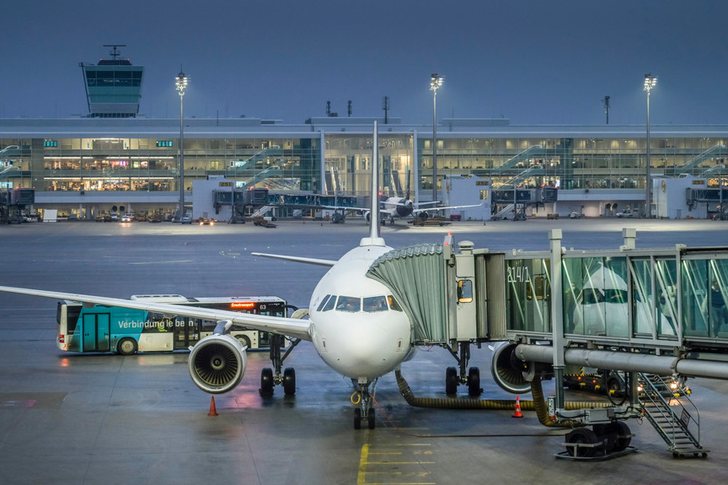
Brussels is expected to be paralyzed by strikes, stranding...

The DUI candidate for the municipality of Lipkovo was inju...

Environmental degradation threatens the European way of li...

Turkish authorities have questioned and also tested 19 wel...
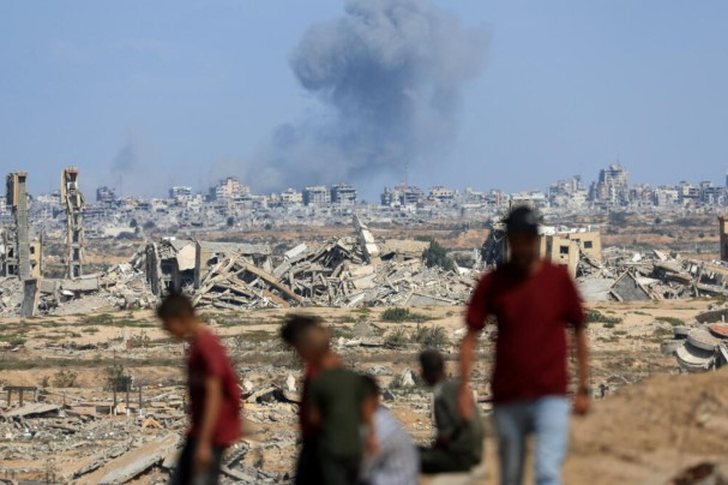
Hamas, declared a terrorist organization by the EU and the...

Kryeministri i Kosovës, Albin Kurti ka bërë me dije këtë t...

For more than a year now, Germany has been implementing ac...

CNA has launched another investigation that could lead to ...

Irfan Hysenbelliu is a businessman that we call "Irfan the...

In March 2026, CNA launched another investigation centered...
The arrested mayor of Tirana, Erion Veliaj, with 13 charge...

The Special Board of Appeal (KPA) decided this Monday ...

The KPA vetting decided this Thursday to dismiss the p...

Suela Salavaçi, a prosecutor in the Prosecutor's Offic...

The Special Board of Appeal reinstated the prosecutor ...

New details have emerged from the serious accident that oc...

A serious accident occurred this Wednesday on the Elbasan-...
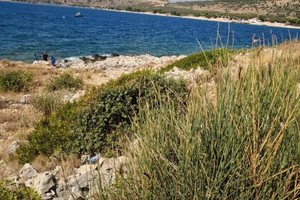
Citizen MH, 61, a fisherman, was found dead near the islan...

Another phase of the international operation, codenamed "T...

The Institute of Geosciences has shared a forecast for wea...
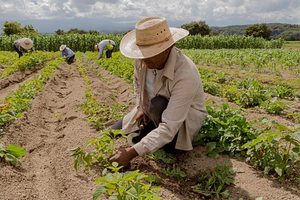
Rising energy and fertilizer prices are expected to contin...

Over 18,000 foreign citizens from 140 countries have appli...

This Wednesday, our country will be under the influence of...

Prime Minister Andy Burnham has announced that most bus fa...

France's parliament has passed a law to ban social media f...

US Secretary of State Marco Rubio arrived in Manila on Jul...

In the space of a few days, Ukrainian President Volodymyr ...

At a time when industrial products are increasingly taking...

Trust among people is not just a three-syllable word. It c...

Master of humor Todi Llupi has passed away at the age of 7...

The ninth edition of "MIK Festival" kicked off with one of...

Businesses will no longer be required to simply register t...

Despite economic growth and income in recent years, Albani...

This Wednesday, one US dollar is bought for 81.4 lek and s...

Construction company licenses will have a validity period ...