

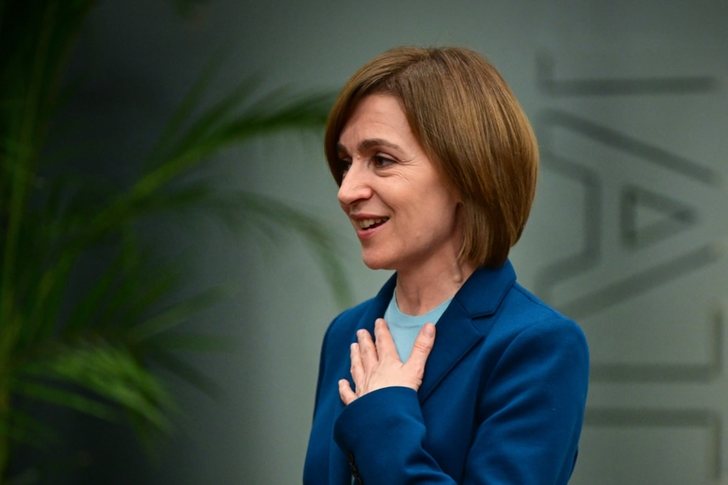
Biden: The re-election of the pro-European president in Moldova, evidence of Russia's "failure".
The President of the United States, Joe Biden, on Monday c...


American farmers are facing economic hardship in this White House election season. Voice of America correspondent Kane Farabaugh was in Illinois and talked to farmers about their concerns and what they expect from the government.
As the sun rises, John Ackerman begins work on his farm in Morton, Illinois.
"Most years we plant about 10,000 hectares of land with pumpkins," he says.
The state of Illinois is the largest producer of pumpkins in the United States. Farmer Ackerman provides half of the income from this agricultural crop. Despite the drought, his farm has produced pumpkins of various varieties.
His biggest uncertainty isn't the weather, but concerns about funding a farm bill.
"It gives me the opportunity to buy insurance", says the farmer.
Small farmers like Mr. Ackerman depend on federal subsidies to buy crop insurance, which helps them secure loans to keep their operations going.
"I can't secure a loan if I don't have insurance that covers when something goes wrong on the farm," says Mr. Ackerman.
Crop insurance accounts for approximately 10% of the $1 trillion in federal funds allocated to agriculture over a 10-year period.
Funding for the agriculture project ended on September 30 as lawmakers debated whether to renew it. Congress is on recess until after the presidential election. This worries Farmer Ackerman.
"This year the income from the farms will decrease".
The reason for this, he says, is the high price of fertilizers and low prices for the corn and soybeans that his farm grows.
He says prices are low in part because of Chinese tariffs on US soybeans in retaliation for tariffs on Chinese steel during Mr Trump's presidency, unchanged during President Joe Biden's administration.
"Buys from China have fallen, so farmers will be affected first by the tariffs," says Mr Ackerman.
The debate during the presidential campaign about more tariffs is also a concern for farmer David Isermann.
As farmer Isermann processes the grain harvested in his fields, he is debating whether to sell the crop now, or hope for better prices later. He worries about the long-term damage of tariffs.
"China buys soybeans from us now from South America," says farmer Isermann.
"We need new markets to sell our crops," says Ryan Whitehouse, who is with the Illinois Farm Bureau, which works with lawmakers to protect farmers' interests.
"Ensuring that tariffs are not imposed is a top priority for us," he adds.
Farmer Isermann says the trade war with China had a wider impact than just crop prices.
"It probably drove up the price of a lot of farm equipment as a result of the increase in the price of steel and aluminum."
President Trump's administration gave farmers additional subsidies to offset the effects of the tariffs, but did not cover all the losses for Mr. Isermann.
"Still how have we covered the losses", he says.
Farmer Ackerman hopes that no matter who wins the White House, the House and the Senate, they have to keep farmers in mind.
"I don't think we've been adequately represented," says Mr. Ackerman.
The two farmers, Isermann and Ackerman, say it is critical that agriculture legislation be passed as soon as possible, regardless of who wins the election./ VOA

The President of the United States, Joe Biden, on Monday c...
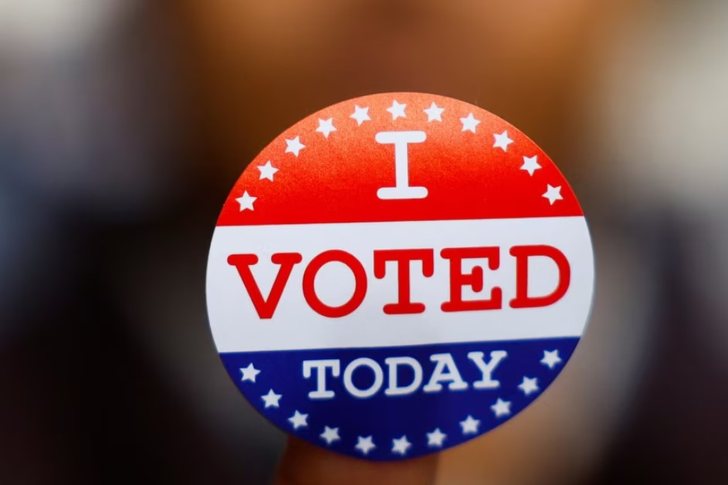
In the US presidential elections, special attention is pai...
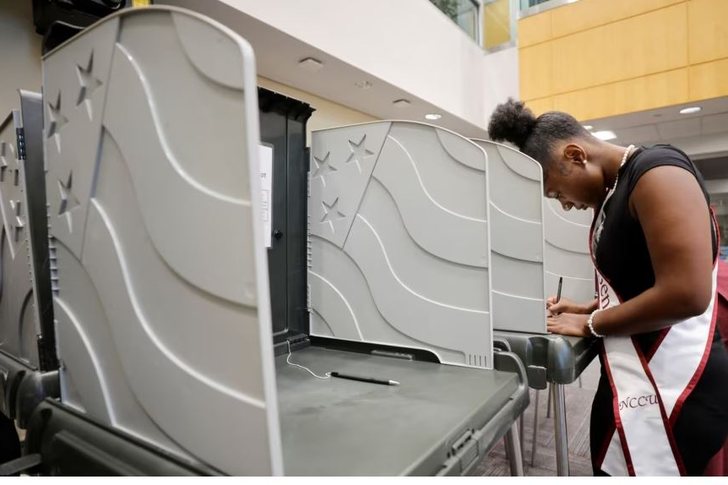
North Carolina is one of seven so-called swing states that...
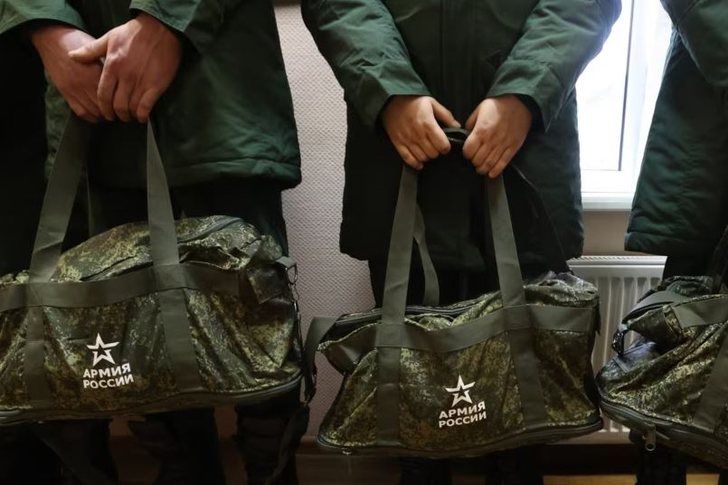
Russia has granted citizenship to 3,344 foreigners since t...

The Foreign Minister of Kosovo, Donika Gërvalla, said on M...
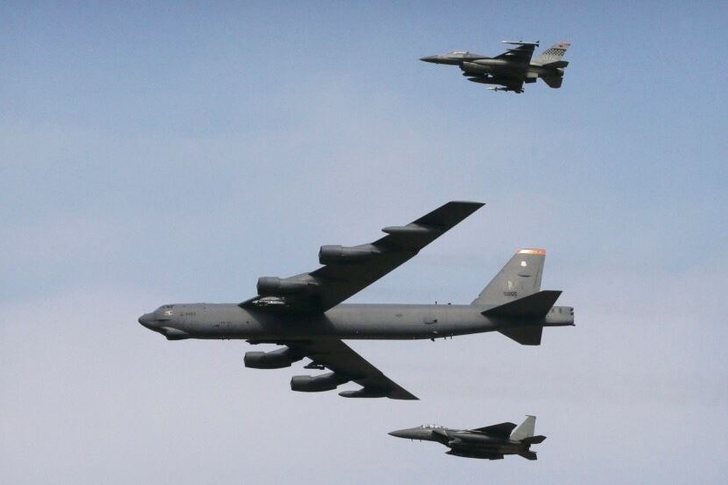
Iranian Foreign Ministry spokesman Emaeil Baghaei criticiz...

Turkey has sacked three mayors in the Kurdish-majority sou...

The November 5 presidential election in the United States is...
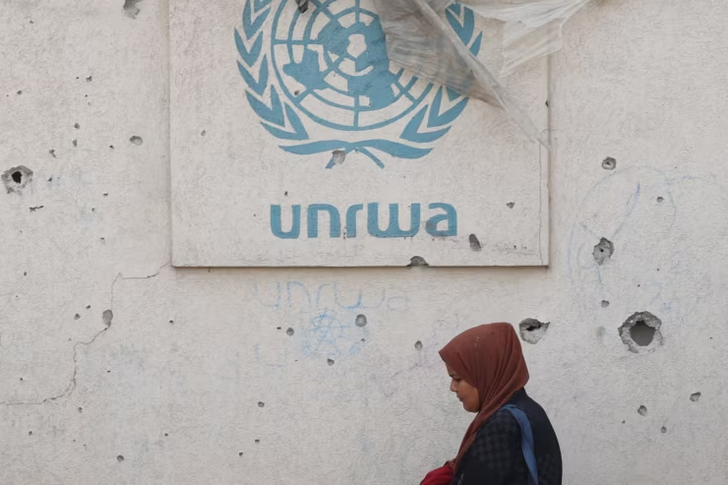
Israel said it formally notified the United Nations on Nov...
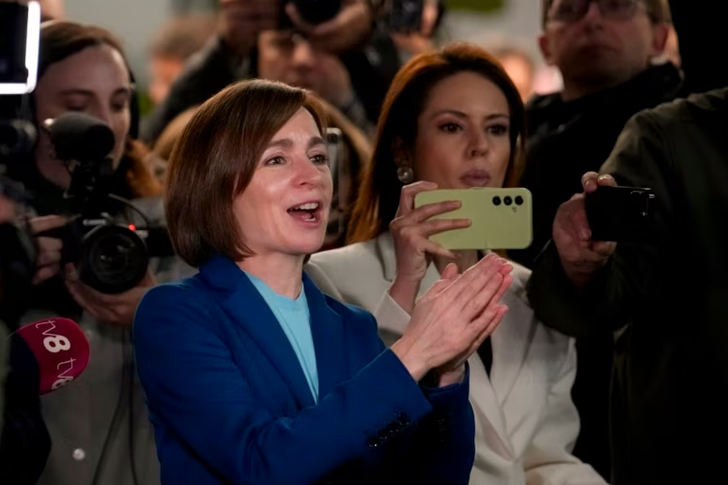
Moldova's pro-EU president, Maia Sandu, has declared victo...
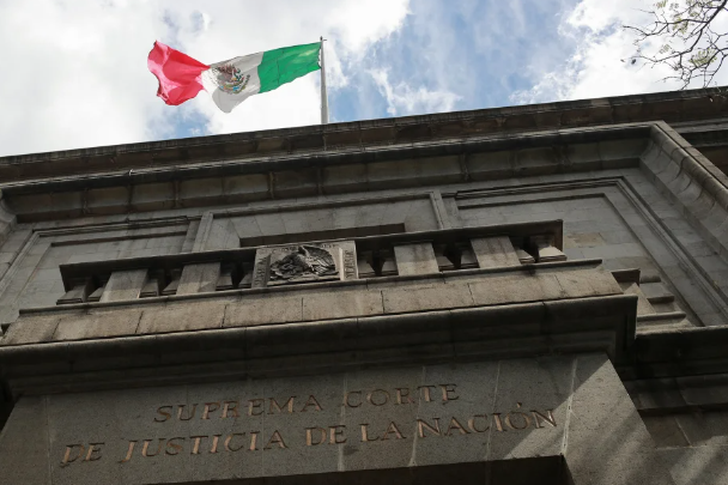
Eight of the 11 judges on Mexico's Supreme Court have resi...
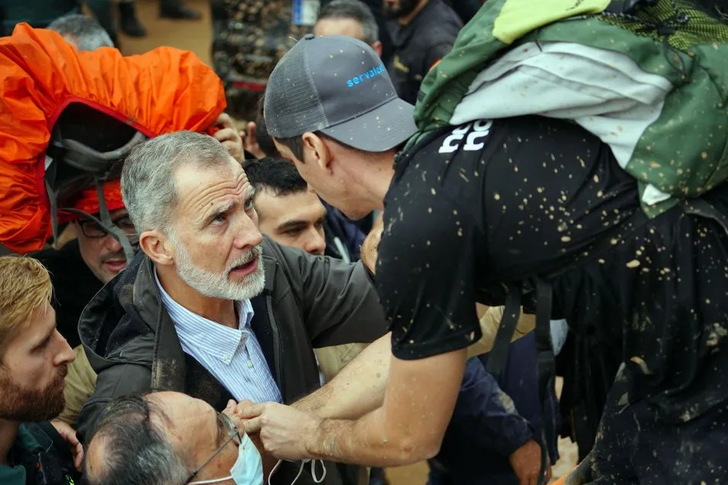
Spain's king and queen have been pelted with mud and other...
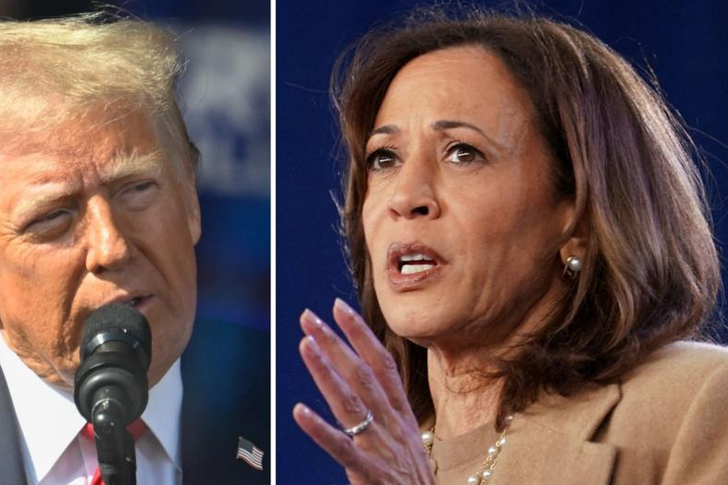
Donald Trump and Kamala Harris are giving their closing me...
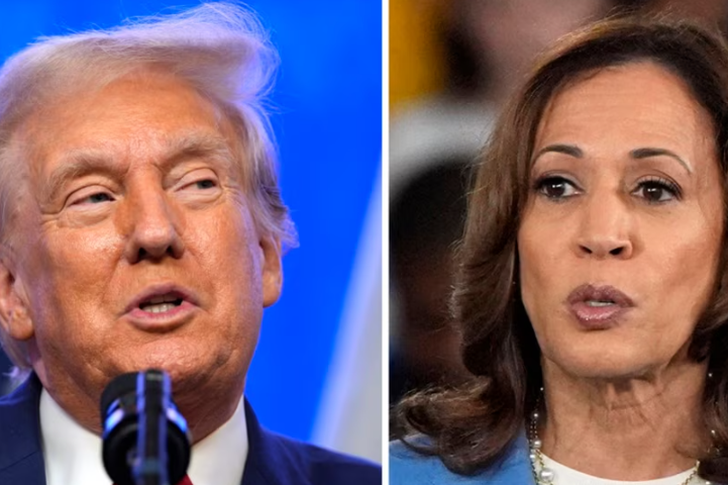
In the last days of the election campaign, the Democratic ...

Europe should rethink support for Ukraine if Donald Trump ...
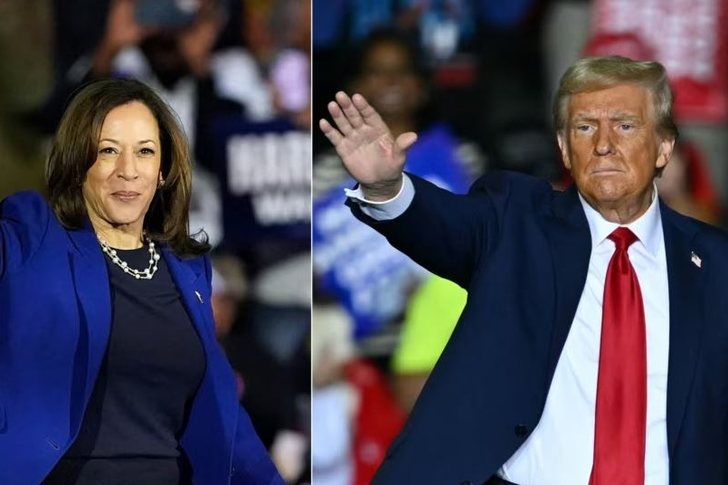
The US presidential candidates said that the fight against...
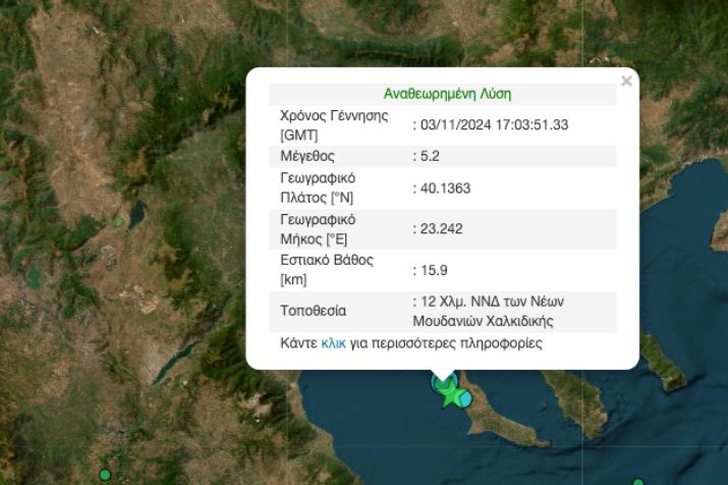
An earthquake with a magnitude of 5.2 on the Richter scale...

Ukrainian President Volodymyr Zelensky has called on f...
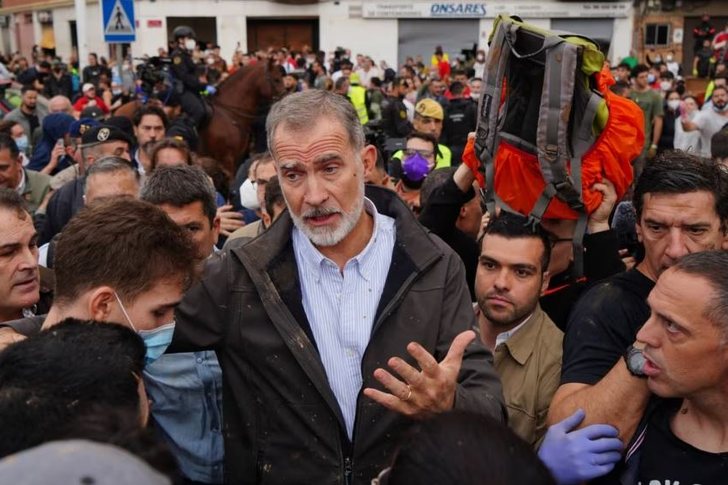
Spain's King Felipe VI was confronted by angry protesters ...
Kemi Badenoch has said that she will tell "bitter truths" ...

CNA has launched another investigation that could lead to ...

Irfan Hysenbelliu is a businessman that we call "Irfan the...

In March 2026, CNA launched another investigation centered...
The arrested mayor of Tirana, Erion Veliaj, with 13 charge...

The Special Board of Appeal (KPA) decided this Monday ...

The KPA vetting decided this Thursday to dismiss the p...

Suela Salavaçi, a prosecutor in the Prosecutor's Offic...

The Special Board of Appeal reinstated the prosecutor ...

Footage emerges from the serious accident that occurred th...

A Shkodra traffic police officer was hit with hard objects...

This Wednesday, around 4:00 PM, a serious accident occurre...

Tirana Police have shared details regarding the accident t...
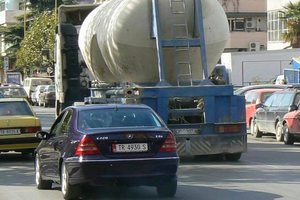
A serious accident that occurred this Wednesday with the c...

The Institute of Geosciences has shared a forecast for wea...
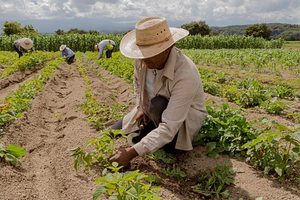
Rising energy and fertilizer prices are expected to contin...
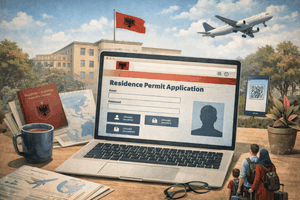
Over 18,000 foreign citizens from 140 countries have appli...

The trial of ousted Venezuelan President Nicolas Maduro on...
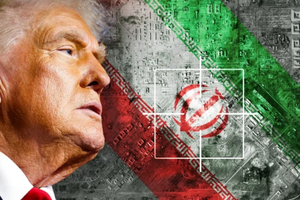
US President Donald Trump has issued another warning to Ir...
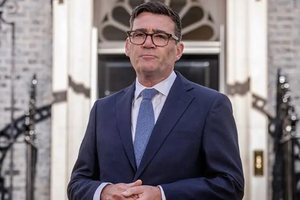
Prime Minister Andy Burnham has announced that most bus fa...

France's parliament has passed a law to ban social media f...

At a time when industrial products are increasingly taking...

Trust among people is not just a three-syllable word. It c...

Master of humor Todi Llupi has passed away at the age of 7...

The ninth edition of "MIK Festival" kicked off with one of...
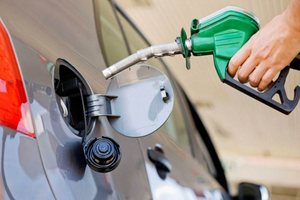
The price of diesel reached 206 lek per liter from 198 lek...

Businesses will no longer be required to simply register t...
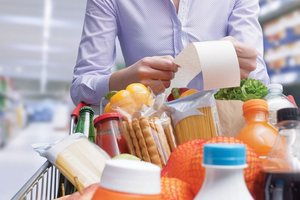
Despite economic growth and income in recent years, Albani...

This Wednesday, one US dollar is bought for 81.4 lek and s...