

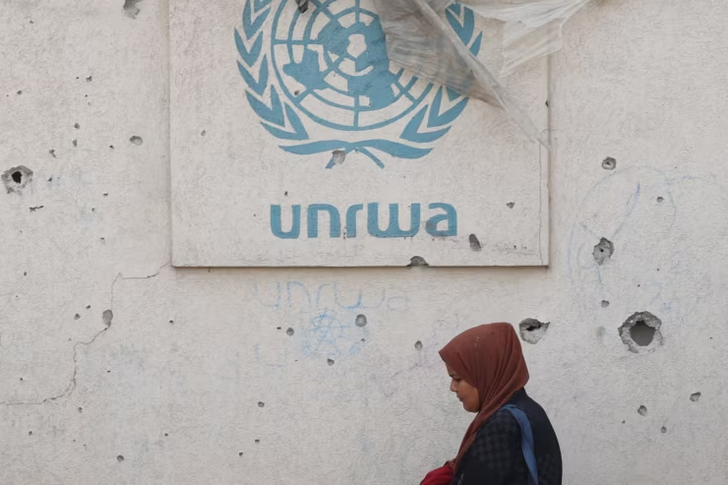
Israel notifies the UN of severing ties with the agency for the Palestinians
Israel said it formally notified the United Nations on Nov...


The November 5 presidential election in the United States is expected to have a significant impact on Washington's policy toward Iran.
US Vice President Kamala Harris, the Democratic candidate for president in this election, is expected to advance policy with a focus on diplomacy, experts have said.
Former U.S. President Donald Trump, the Republican nominee, has pursued a "maximum pressure" policy during his tenure in the White House, and is expected to take a similarly tough approach, analysts say. Harris' calculated severity?
In early October, Harris surprised quite a few people when he described Iran as Washington's "greatest enemy", leaving behind Russia and China.
Alex Vatanka, director of the Iran Program at the Washington-based Middle East Institute, said her comments should not be taken at face value. Harris said "what he had to say", for the sake of domestic politics, and to appease the pro-Israel lobby.
Harris' campaign aims to "position him almost in line with Trump when it comes to Iran," said Gregory Brew, senior analyst at the US-based Eurasia Group.
"Harris is expected to continue Biden's approach, to advance diplomacy, without offering major concessions, and being careful not to provoke internal political reactions," said Brew.
Experts say the conflict in the Middle East, where Israel is fighting Iran-backed groups in the Gaza Strip and Lebanon, could influence Harris to create a tougher policy toward Tehran.
Diplomacy with Tehran will remain an option under a Harris presidency, experts said, but any negotiations would have to focus on regional issues, not Iran's nuclear program.
Dialogue or distance - who will Trump choose?
During his term in the White House, 2017 - 2021, Trump has withdrawn the United States from the nuclear agreement - signed between Tehran and world powers - reinstated sanctions on Iran, and ordered the assassination of top Iranian general Qassem Soleimani.
However, it is unclear whether Trump will adopt a similar policy toward Iran again if he wins the election, experts said, citing the former president's instability. Throughout the election campaign, Trump has suggested, without providing evidence, that Iran is involved in the latest assassination attempts on him, and has threatened to tear the country to "smithereens."
However, Trump has also said that he is ready to talk with Iran, including nuclear issues.
Under a Trump presidency, there will be much less interest in diplomacy with Tehran, Brew said.
According to him, among Republicans there is "greater willingness to tolerate military action against Iran", especially after Israel's first attack against Iran, on October 26.
However, the possibilities of the involvement of the United States in the war against Iran remain small.
"It is difficult for me to see, at this moment in American history, an American president planning a major war," Vatanka said. According to him, Iran will be more willing to talk with Trump, because "it may seem more suitable to reach an agreement" with a former president, and with a seductive approach, "it may feed his ego" .
Vatanka believes that, in general, American policy towards Iran would work more "through an institutional consensus of decision-making", under the presidency of Harris, while with Trump, the situation would be based on "the mind and feelings of a man"./ Rel

Israel said it formally notified the United Nations on Nov...
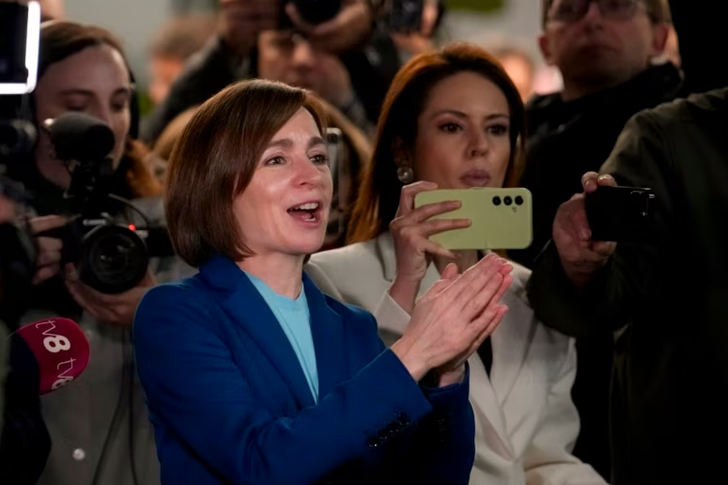
Moldova's pro-EU president, Maia Sandu, has declared victo...
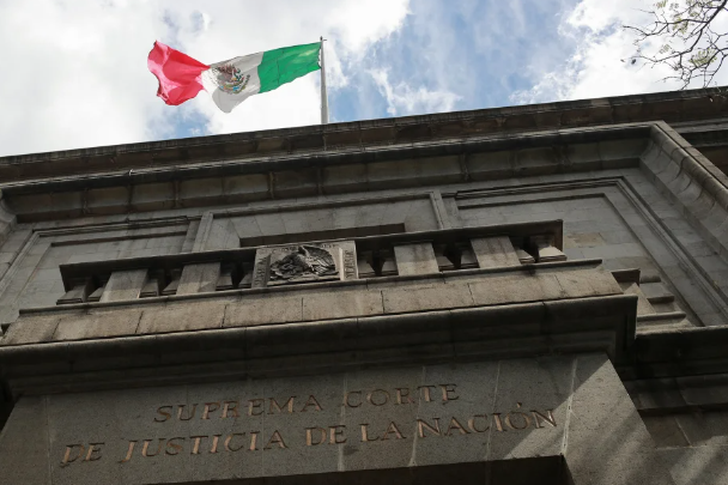
Eight of the 11 judges on Mexico's Supreme Court have resi...
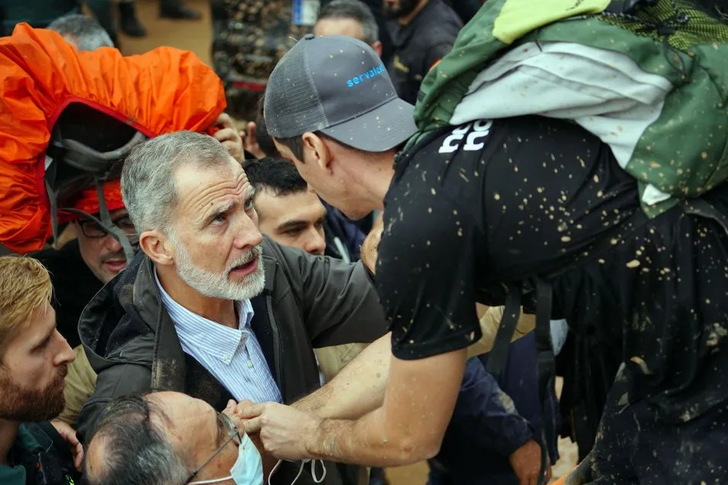
Spain's king and queen have been pelted with mud and other...
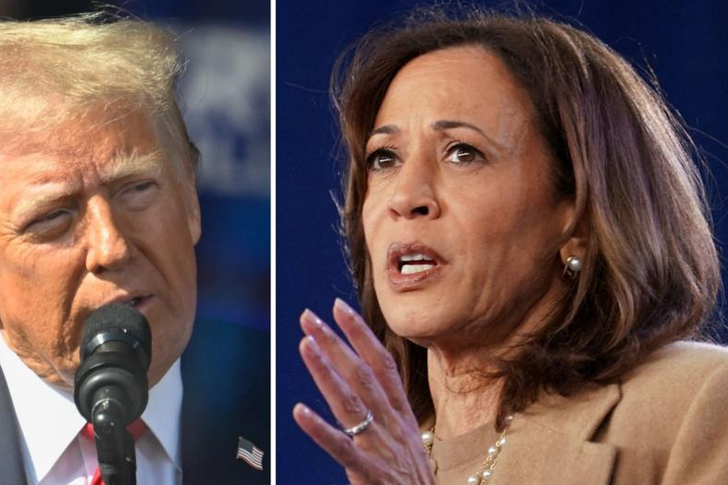
Donald Trump and Kamala Harris are giving their closing me...
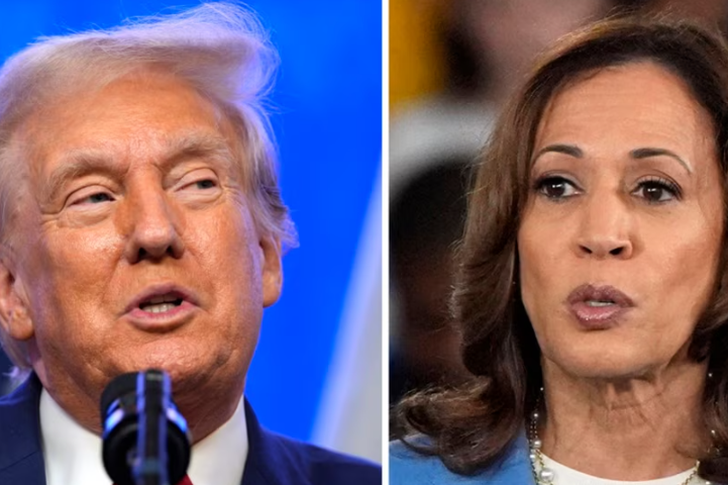
In the last days of the election campaign, the Democratic ...
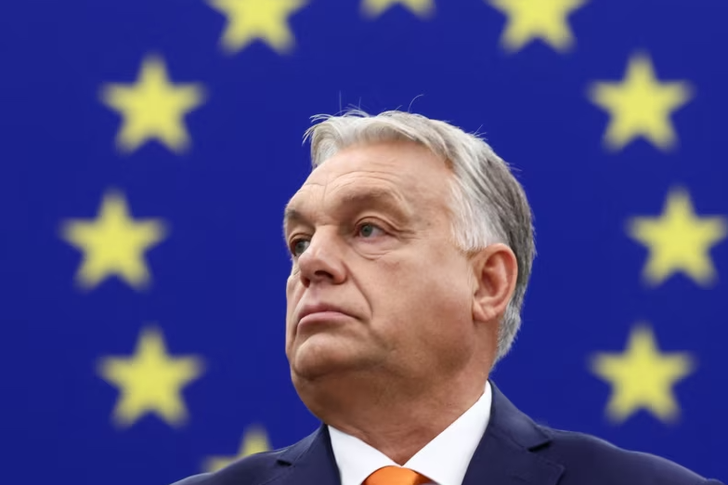
Europe should rethink support for Ukraine if Donald Trump ...
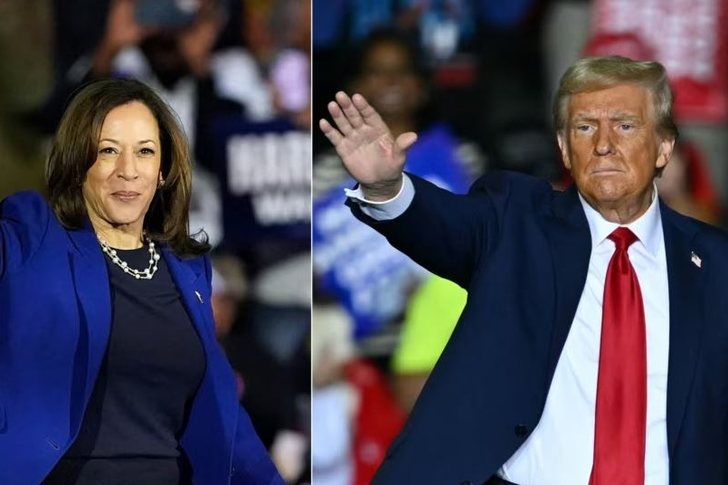
The US presidential candidates said that the fight against...
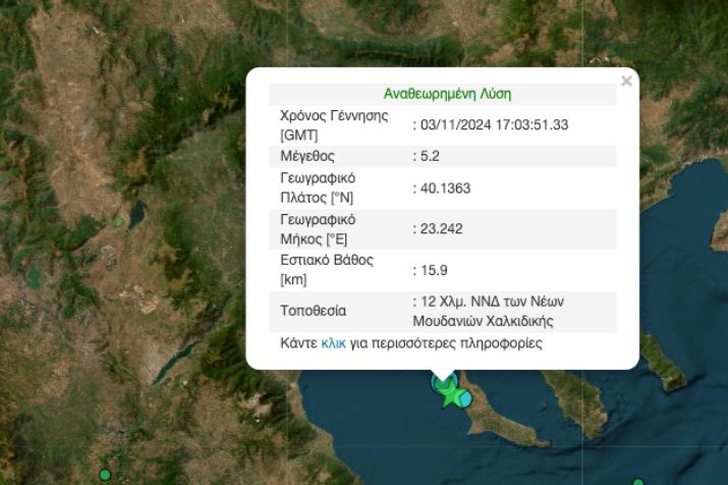
An earthquake with a magnitude of 5.2 on the Richter scale...
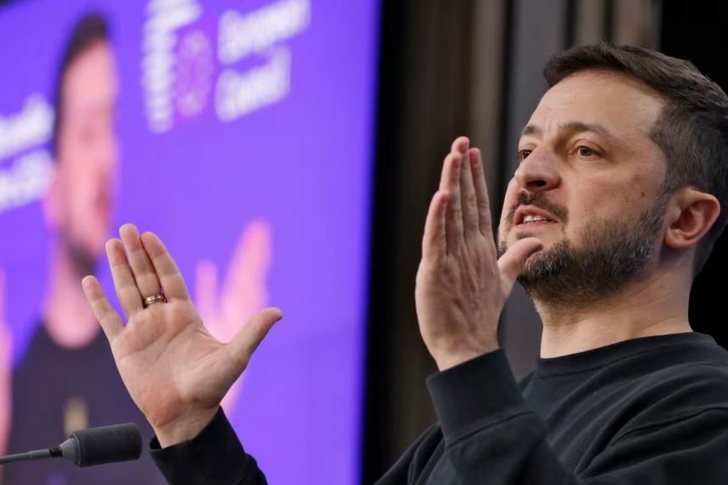
Ukrainian President Volodymyr Zelensky has called on f...
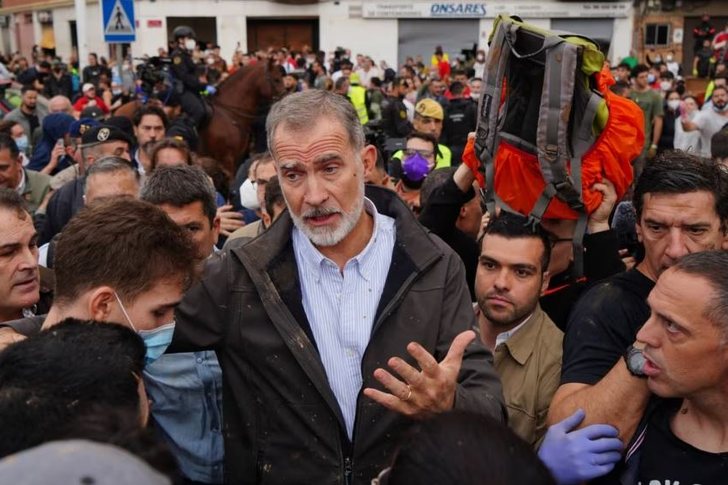
Spain's King Felipe VI was confronted by angry protesters ...
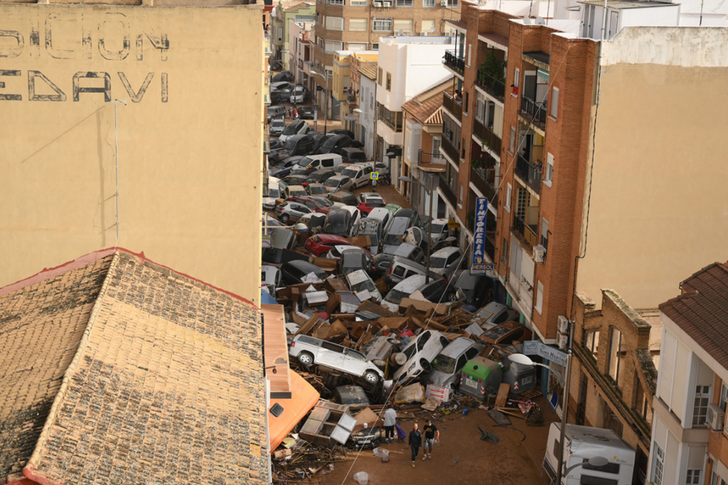
Kemi Badenoch has said that she will tell "bitter truths" ...
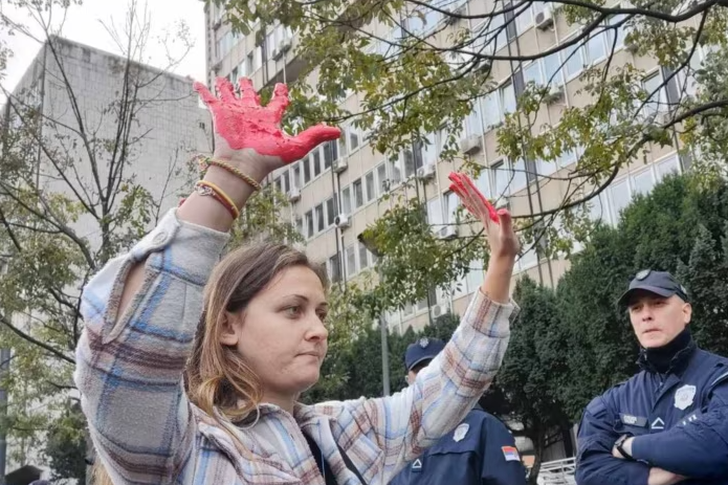
Hundreds of people gathered in front of the Ministry of Co...
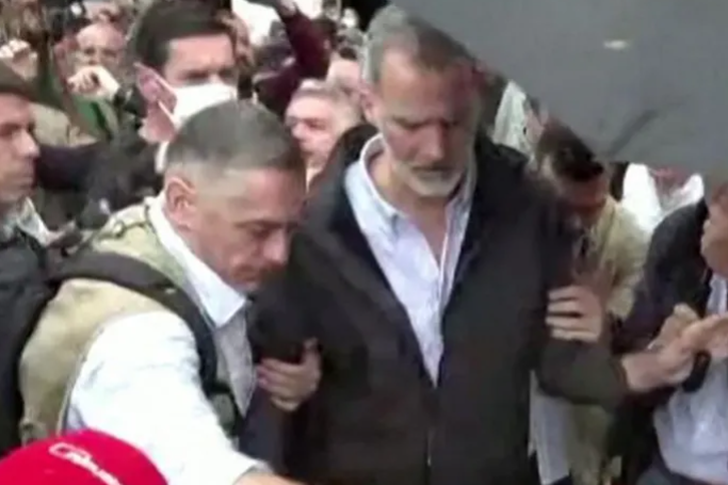
Spain's King Felipe VI has been confronted by angry protes...
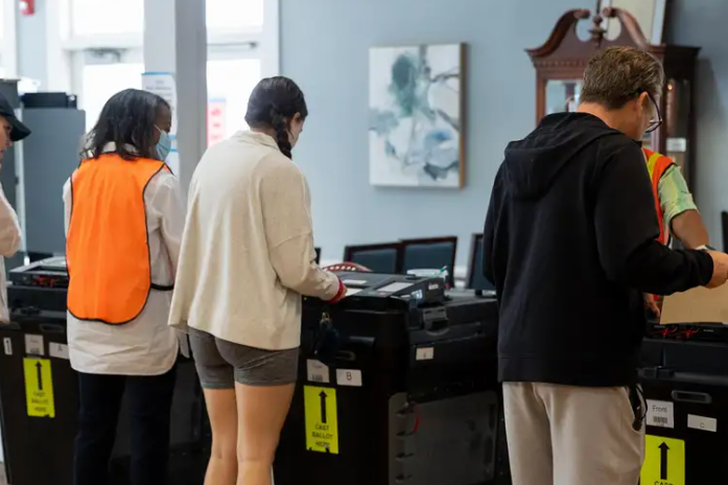
When Americans choose the new president, she/he with the m...
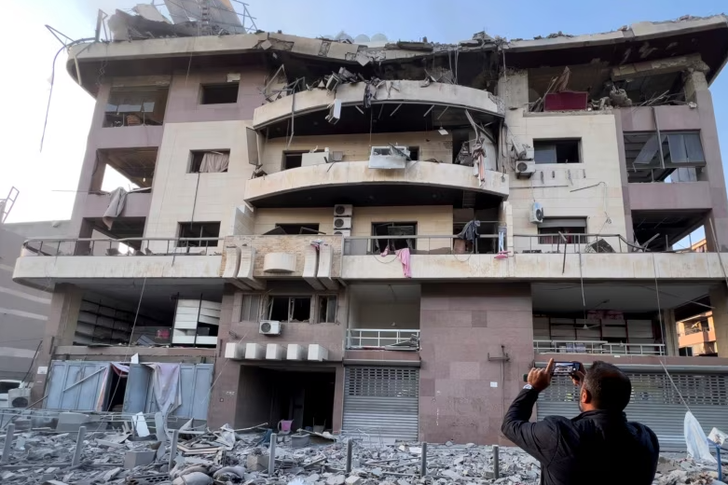
The United Nations has said that the humanitarian situatio...
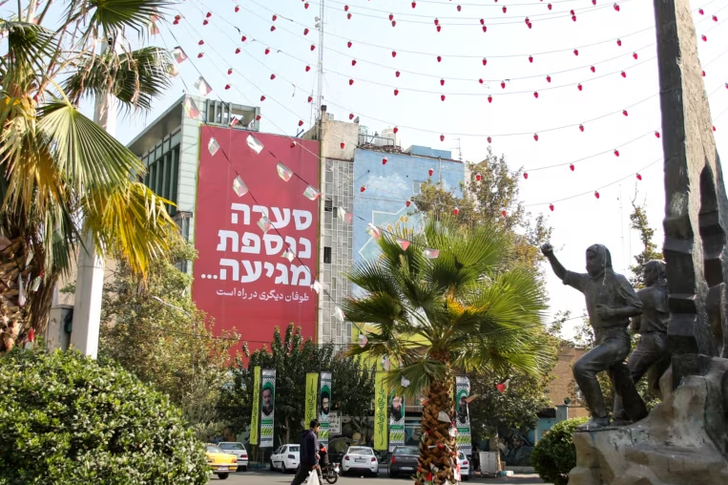
The US administration has warned Tehran in recent days tha...
Albania, since the fall of the communist regime, has ranke...
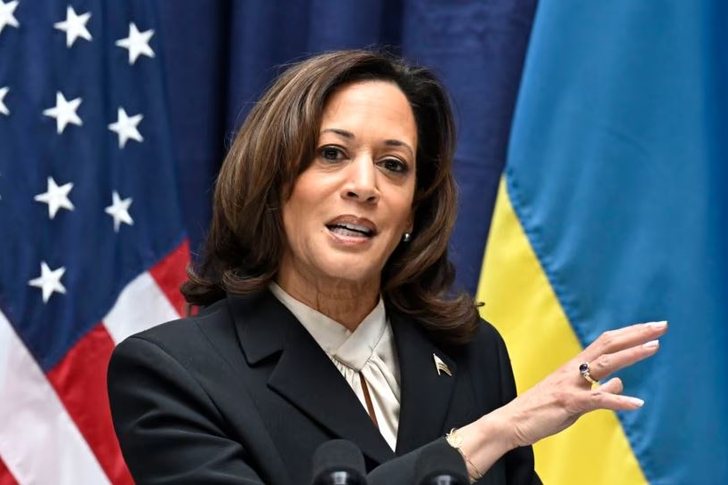
Democratic presidential candidate Kamala Harris comes from...
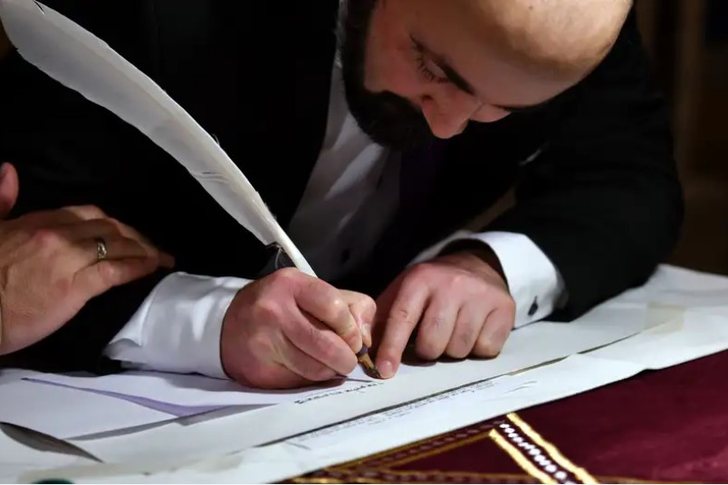
After the Hamas attack on Israel in October 2023, the numb...

CNA has launched another investigation that could lead to ...

Irfan Hysenbelliu is a businessman that we call "Irfan the...

In March 2026, CNA launched another investigation centered...
The arrested mayor of Tirana, Erion Veliaj, with 13 charge...

The Special Board of Appeal (KPA) decided this Monday ...

The KPA vetting decided this Thursday to dismiss the p...

Suela Salavaçi, a prosecutor in the Prosecutor's Offic...

The Special Board of Appeal reinstated the prosecutor ...
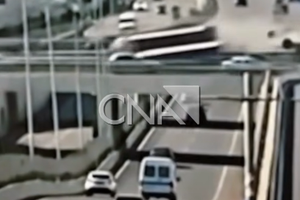
Footage emerges from the serious accident that occurred th...

A Shkodra traffic police officer was hit with hard objects...
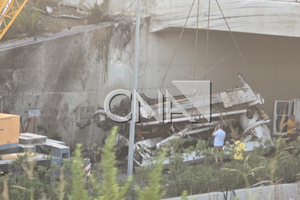
This Wednesday, around 4:00 PM, a serious accident occurre...

Tirana Police have shared details regarding the accident t...
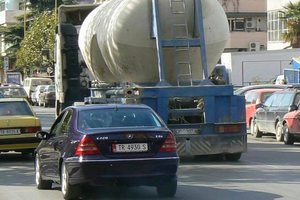
A serious accident that occurred this Wednesday with the c...

The Institute of Geosciences has shared a forecast for wea...
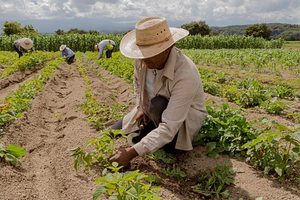
Rising energy and fertilizer prices are expected to contin...
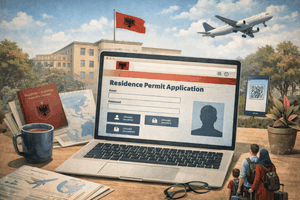
Over 18,000 foreign citizens from 140 countries have appli...
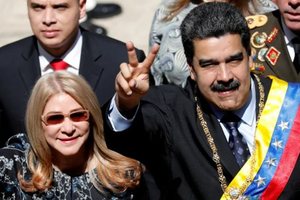
The trial of ousted Venezuelan President Nicolas Maduro on...
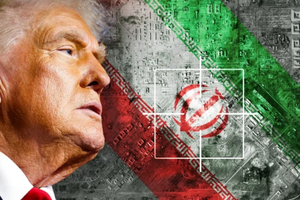
US President Donald Trump has issued another warning to Ir...
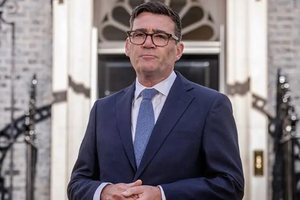
Prime Minister Andy Burnham has announced that most bus fa...

France's parliament has passed a law to ban social media f...

At a time when industrial products are increasingly taking...

Trust among people is not just a three-syllable word. It c...

Master of humor Todi Llupi has passed away at the age of 7...

The ninth edition of "MIK Festival" kicked off with one of...
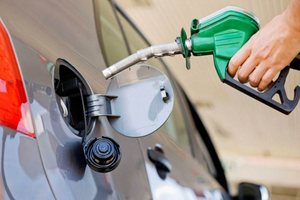
The price of diesel reached 206 lek per liter from 198 lek...

Businesses will no longer be required to simply register t...

Despite economic growth and income in recent years, Albani...

This Wednesday, one US dollar is bought for 81.4 lek and s...