

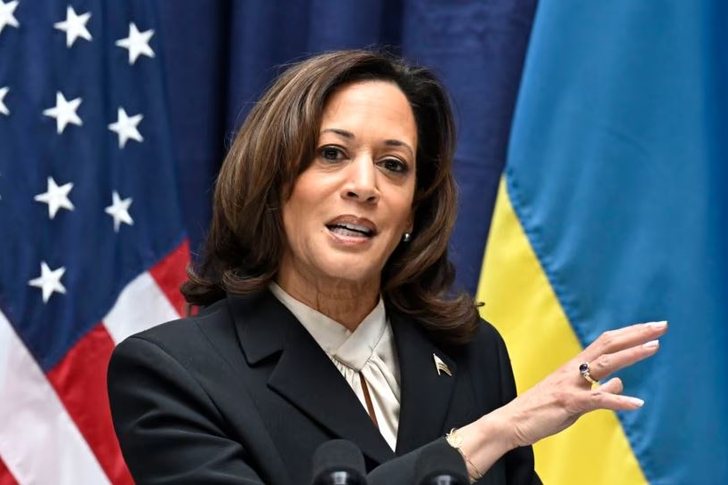
Kamala Harris: From daughter of immigrants, to running for president
Democratic presidential candidate Kamala Harris comes from...


Albania, since the fall of the communist regime, has ranked itself as one of the most loyal allies of the USA. In general, American foreign policy has been supportive of the interests of Albania and Albanians, regardless of the political force that has had power in the USA.
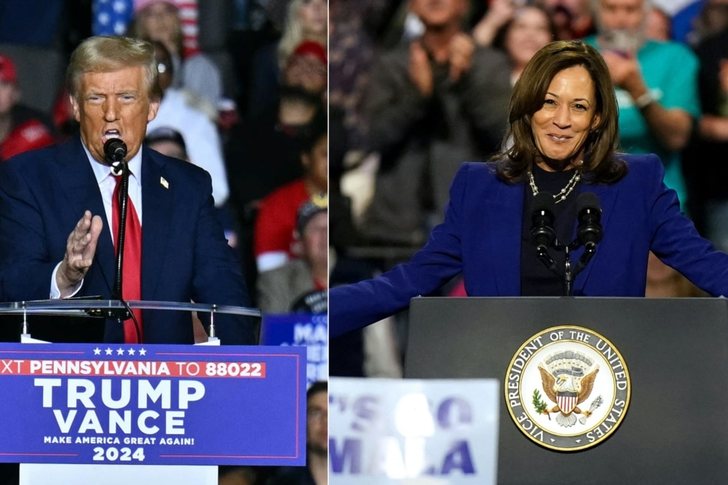
In the campaign of the two candidates Trump and Harris, no direct positions related to the Western Balkans region have been reported, which is certainly a very peripheral issue for the attention of the American electorate.
However, there are analysts who see with concern the soft attitude that Trump has taken towards Russia, which is also Serbia's main ally in our region.
Especially after the outbreak of the war in Ukraine, it is estimated that there is an increase in Russia's efforts to destabilize the region, mainly using Serbian political factors, not only in Serbia, but also in Bosnia-Herzegovina, Montenegro and Kosovo.
Also, in the first term of Donald Trump, his administration seems to have supported and promoted the secret plan to change the borders of Kosovo, in exchange for its recognition by Serbia.
Such a plan caused negative reactions in Kosovo and it is estimated that it was one of the factors that influenced the increase in support for the "Vetëvendosja" movement and the current Prime Minister of Kosovo, Albin Kurti.
Trump's victory is expected to bring cooling with the EU
Foreign policy is a very important issue in the US presidential election. The two presidential candidates have shown different attitudes regarding the conflict between Russia and Ukraine.
The Biden administration has staunchly supported Ukraine since the 2022 Russian attack, and current Vice President Harris looks set to follow suit if elected President. She has expressed her commitment to help Ukraine as long as necessary.
The Republican candidate, Donald Trump, has a different approach and has spoken out several times against the continued support of money and military aid to Ukraine.
Trump has vowed to end the war in Ukraine "within 24 hours" through a negotiated settlement with Russia. According to Democrats, such a move would embolden Vladimir Putin.
Beyond promises to end the war in 24 hours, Donald Trump has so far not given any concrete solutions on how the conflict in Ukraine can be resolved and how peace can be achieved.
Trump, in general, has followed a tougher line regarding the burden that falls on the US due to its commitment to NATO.
He has criticized all those member countries that do not spend the level of 2% of GDP on defense, and in the past he has even threatened to cut off funding for this organization, until all countries make their due contribution.
In the event of a Trump victory, it is expected that relations between the US and its European allies will cool, for several reasons. In the past, Trump has often expressed sympathy for Russian President Vladimir Putin, who today is considered the main security threat to Europe.
On the other hand, Trump's protectionist platform on foreign trade foresees the establishment of tariff barriers for goods imported from Europe, a factor that would have a negative impact on trade and economic relations between the EU and the US.
According to a Goldman Sachs analysis, a Trump victory could cost Europe a 1 percentage point cut in GDP, as a combined effect of a new trade war, increased defense spending and greater uncertainty geopolitical.
While a report by the German Economic Institute IW concluded that, in a scenario in which the Trump administration imposes 20% tariffs on the EU and the Union responds with reciprocity measures, the GDP of the Eurozone would shrink by 1.3 percentage points in 2027 and 2028; in Germany, which would be the most affected country, the drop would reach up to 1.5 percentage points. Less margin for the Middle East.
The differences between the two presidential candidates appear to be smaller in the conflict in the Middle East, where for more than a year, Israel has been engaged in war with extremist Palestinian and Lebanese Muslim factions.
Kamala Harris has long been an advocate of the two-state solution for Israel and Palestine.
While she has unequivocally supported Israel's right to self-defense, she was one of the first members of the Biden administration to call for an immediate cease-fire in Gaza, raise concerns about the humanitarian catastrophe for the Palestinians and call on Israel to end the conflict. .
In her acceptance speech at the Democratic Party Convention, she pledged that as president she would ensure "that Israel is safe, the hostages are freed, the suffering in Gaza ends, and the Palestinian people can realize their right to his for dignity, security, freedom and self-determination".
In her interview on the CNN network, Harris said she would focus on securing a ceasefire agreement, thus following the approach of the current President, Biden.
However, the Democratic administration has, more than once, openly expressed its dissatisfaction with the excesses of Israeli military action, especially in the Gaza Strip. Israeli attacks have caused thousands of innocent civilian casualties and reduced Gaza to a humanitarian disaster.
Trump has always positioned himself as a staunch supporter of Israel, however, he has at times also been critical of the way Israel has waged the war in Gaza.
As with the conflict in Ukraine, Trump has stated that the war would not have happened if he had been President, but he has not yet provided details on how he would end the war.
In his first term as president, Trump angered Palestinians by moving the US embassy to Jerusalem while his administration stopped short of declaring Israeli settlements in the West Bank illegal.
Experts, in general, think that Donald Trump is the most steadfast supporter of Israel and especially of the hard line of the prime minister, Benjamin Netanyahu.
Is Trump a danger to American democracy?
An issue that has raised many debates in the USA and beyond in the weeks before the American elections was the decision of the owners of the prestigious American media "Los Angelos Times" and "Washington Post" not to support any of the candidates for President.
The expression of support for one of the candidates for President (endorsement) is a tradition of the main American media for almost 50 years.
The abandonment of such a practice is evaluated by a part of analysts and public opinion as an interference in the freedom of the media and a violation of the principles of American democracy.
Several editors and editorialists of the above two media outlets resigned, after the owners objected to the intention to align with the Democratic candidate, Kamala Harris, and ordered to remain neutral, not supporting either candidate.
In particular, the decision of the "Washington Post" newspaper, which is owned by billionaire Jeff Bezos, has sparked debate.
Bezos is the second richest man in the world after Elon Musk, (who has become a prominent supporter of Trump's campaign for a second presidency). Bezos bought the Washington Post in 2013 for $250 million.
Bezos is also the owner of the online sales company Amazon and the space exploration company, Blue Origin.
According to analysts, the two companies compete for lucrative federal government contracts, hinting that Bezos' decision is aimed at maintaining good relations with Trump as he sees his chances of winning the race for the White House increasing.
Hours after the Washington Post announced it would not endorse either candidate, senior Blue Origin officials met briefly with Trump after a campaign speech in Austin, Texas.
According to the Associated Press, Trump met with Blue Origin CEO David Limp and vice president of government relations Megan Mitchell.
Meanwhile, CNN reported that Amazon CEO Andy Jassy also recently reached out to speak with the former president by phone.
The news was also cited by longtime Washington Post editor and columnist Robert Kagan, who resigned in late October following the decision to withdraw support for Harris.
According to him, the meeting of the leaders of Blue Origin with Trump would not have happened if the "Washington Post" had supported Vice President Harris, as planned.
Eighteen Washington Post columnists signed a statement opposing the decision, calling it "a terrible mistake."
In their criticism of the Post's decision, the resigned journalists cited the dangers to democracy posed by Trump, who has openly expressed his admiration for authoritarian rule.
The Washington Post's decision came shortly after the owner of the Los Angeles Times, Patrick Soon-Shiong, refused to allow his media's editorial board to publicly endorse Kamala Harris.
Meanwhile, several other major media groups stayed true to their practice.
The New York Times in September announced its endorsement of Kamala Harris, calling her "the only patriotic choice for president" and writing that Trump "has proven himself morally unfit for an office that requires the holder to decide the good of nation over self-interest".
The Guardian also strongly endorsed Harris, saying she would "unlock the potential of democracy without succumbing to its flaws" and calling Trump a "transactional and corrupt politician".
Meanwhile, the "New York Post", controlled by tycoon Rupert Murdoch, has supported candidate Trump.
Many analysts have pointed out that big entrepreneurs, such as the case of Murdoch or Bezos, seem to find themselves closer to candidate Trump, whose platform is more attractive to the wealthy; or, at least they don't want to face the hostility of Trump, in case he is elected President./ Monitor magazine

Democratic presidential candidate Kamala Harris comes from...
After the Hamas attack on Israel in October 2023, the numb...
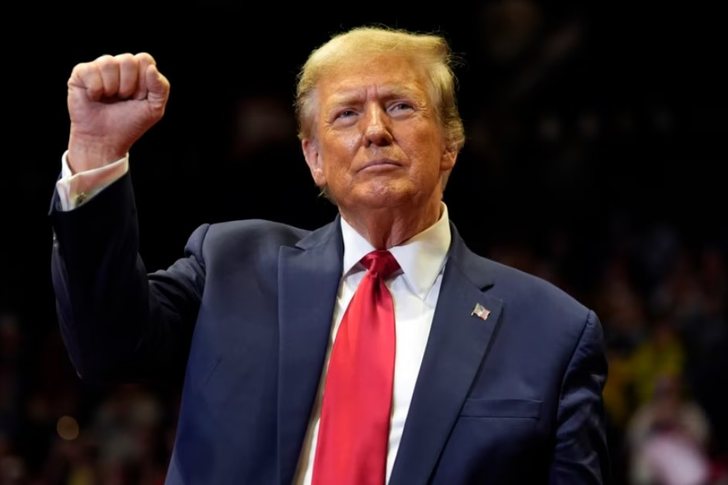
In just over nine years, former president and possibly...
According to the ARD-Deutschlandtrend survey, Germans ...
A court in Russia's far east said on Friday it had convict...
Pope Francis, before his audience in St. Peter's Squar...
Democrat Kamala Harris and Republican Donald Trump will be...

The United States will decide on Tuesday who will lead the...
Kemi Badenoch has become the new leader of the Conserv...
Iran's supreme leader threatened Israel and the United Sta...
The Pentagon has announced new military aid to Ukraine wor...
Iran's Supreme Leader Ayatollah Ali Khamenei vowed on Satu...
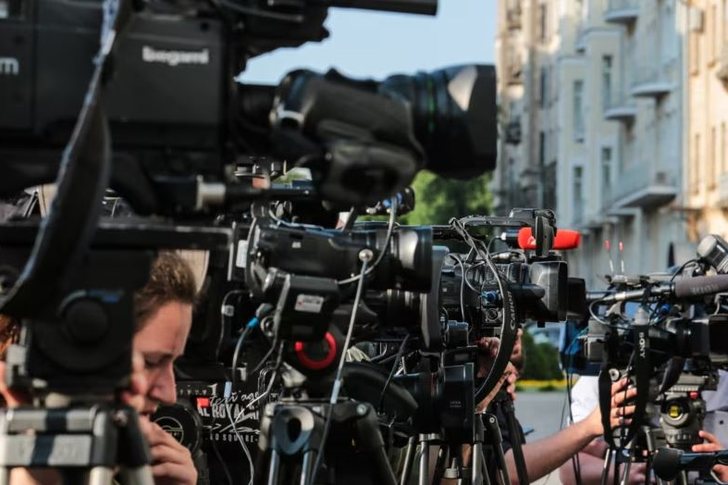
A journalist has been killed every four days in the past t...

At least 14 people have lost their lives in Novi Sad, Serb...

Rockets fired from Lebanon injured 11 people in central Is...
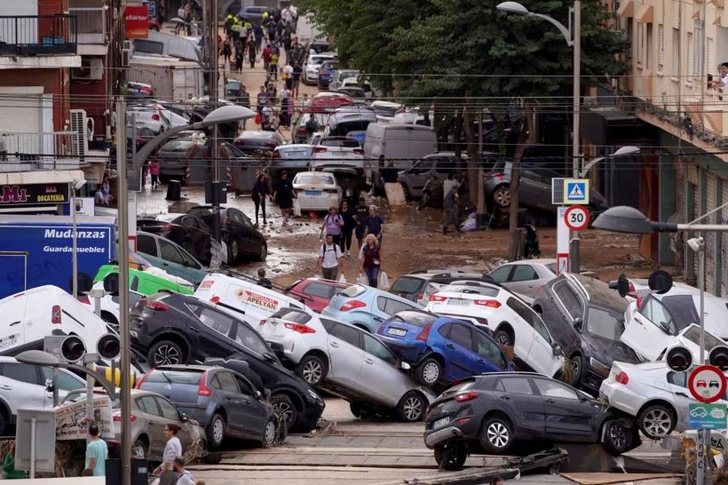
Around 500 extra soldiers will be deployed in the Vale...
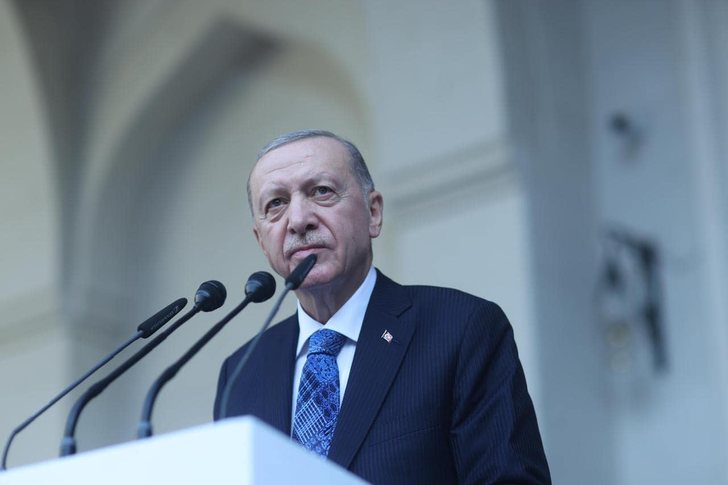
The President of Turkey, Recep Tayyip Erdogan, has sue...
Russia has fined Google an amount worth more than the enti...
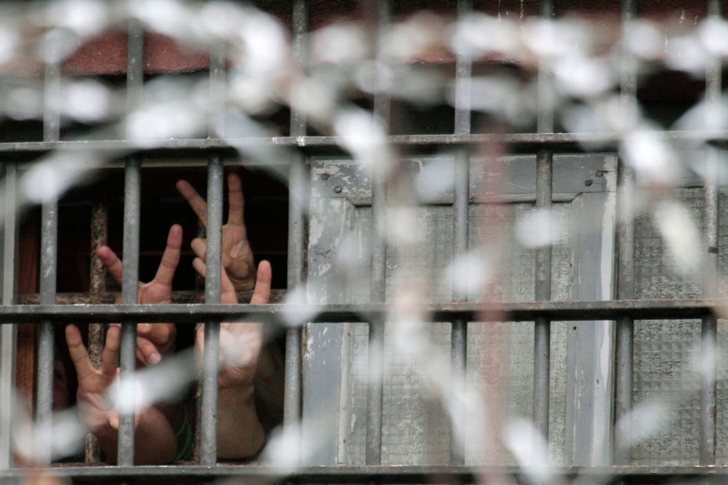
A 22-year-old Russian man, who was sentenced to 12 years i...
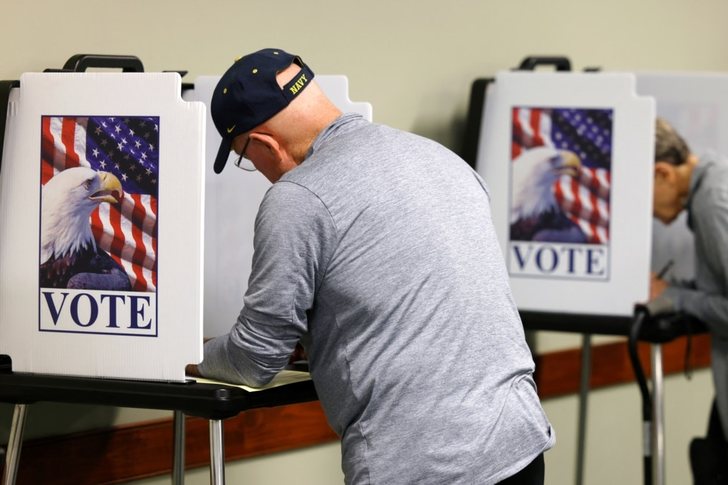
US intelligence on November 1 accused "Russian influence a...

CNA has launched another investigation that could lead to ...

Irfan Hysenbelliu is a businessman that we call "Irfan the...

In March 2026, CNA launched another investigation centered...
The arrested mayor of Tirana, Erion Veliaj, with 13 charge...

The Special Board of Appeal (KPA) decided this Monday ...

The KPA vetting decided this Thursday to dismiss the p...

Suela Salavaçi, a prosecutor in the Prosecutor's Offic...

The Special Board of Appeal reinstated the prosecutor ...

Footage emerges from the serious accident that occurred th...

A Shkodra traffic police officer was hit with hard objects...

This Wednesday, around 4:00 PM, a serious accident occurre...

Tirana Police have shared details regarding the accident t...

A serious accident that occurred this Wednesday with the c...

The Institute of Geosciences has shared a forecast for wea...
Rising energy and fertilizer prices are expected to contin...
Over 18,000 foreign citizens from 140 countries have appli...
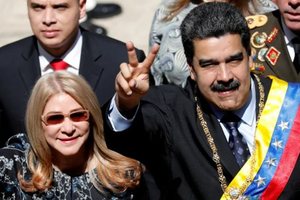
The trial of ousted Venezuelan President Nicolas Maduro on...
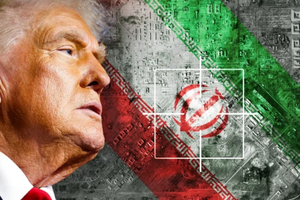
US President Donald Trump has issued another warning to Ir...
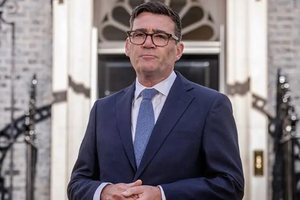
Prime Minister Andy Burnham has announced that most bus fa...

France's parliament has passed a law to ban social media f...

At a time when industrial products are increasingly taking...

Trust among people is not just a three-syllable word. It c...

Master of humor Todi Llupi has passed away at the age of 7...

The ninth edition of "MIK Festival" kicked off with one of...
The price of diesel reached 206 lek per liter from 198 lek...

Businesses will no longer be required to simply register t...

Despite economic growth and income in recent years, Albani...

This Wednesday, one US dollar is bought for 81.4 lek and s...