

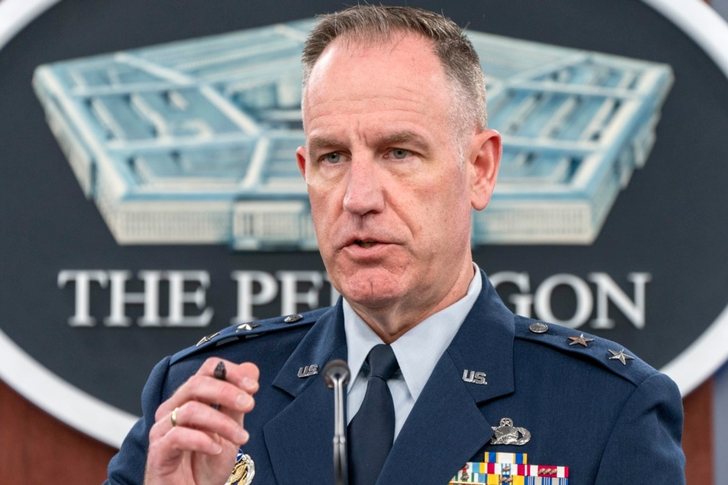
Pentagon: Russia launched a space weapon into the path of a US satellite
The Pentagon has accused Russia of possibly placing a spac...


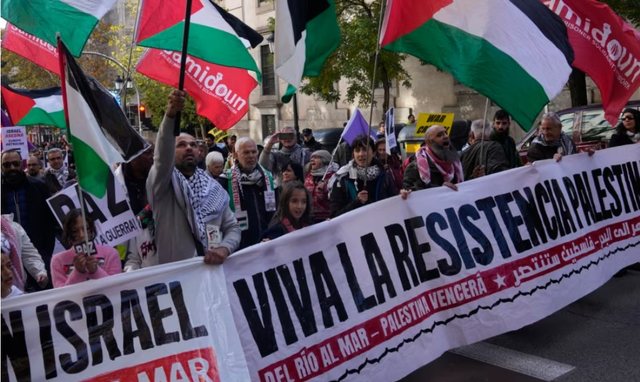
Spain, Ireland and Norway said Wednesday they would recognize a Palestinian state on May 28, a step toward realizing a long-held Palestinian aspiration that comes amid international outrage over the civilian death toll and humanitarian crisis from Israel's offensive in the Gaza Strip.
The near-simultaneous decisions by the two countries of the European Union and Norway could trigger a wave of recognition of a Palestinian state by other EU countries and could prompt further steps at the UN, deepening Israel's isolation. Malta and Slovenia, which are also members of the 27-nation European Union, could follow the example of Spain and Ireland.
About 140 of the 190 UN member states have already recognized the Palestinian state.
The announcement of recognition by the three European countries could be an important decision.
The 1948 UN resolution establishing Israel envisioned a neighboring Palestinian state, but some 70 years later control of the Palestinian territories remains divided and Palestinian efforts for full UN membership have been blocked.
The United States, Britain and other Western countries have supported the idea of ??an independent Palestinian state, existing alongside Israel, as a solution to the Middle East's most complicated conflict, but they insist that Palestinian statehood be achieved through a negotiated settlement. But there have been no substantive negotiations between Israel and the Palestinians since 2009.
Although the two EU countries and Norway will not recognize an existing state, but only the possibility of such a state, their symbolic step helps to strengthen the international position of the Palestinians and increases the pressure on Israel to start negotiations to end the the war.
The move gives added importance to the problem in the Middle East ahead of the June 6-9 elections for the European Parliament, in which some 370 million people are eligible to vote and is expected to bring a surge of the far right.
Diplomatic pressure on Israel has increased as its war with Hamas has now entered its eighth month. The UN General Assembly voted by a large majority on May 11 to grant new "rights and privileges" to Palestine, a sign of growing international support for a vote on its full membership. . The Palestinian Authority currently has observer status at the UN.
The leaders of Spain, Ireland, Malta and Slovenia said in March they were considering recognizing a Palestinian state as "a positive contribution" towards ending the Israel-Hamas war.
Spanish Prime Minister Pedro Sánchez said on Wednesday that "this recognition is not against anyone, it is not against the Israeli people." "It is an action in favor of peace, justice and in accordance with moral attitudes", he added.
Although dozens of countries have recognized Palestine, none of the major Western powers have done so, and it is not clear what difference the three European countries' decision could make.
However, their recognition would mark a significant achievement for the Palestinians, who believe it lends international legitimacy to their struggle.
This is unlikely to have an impact on the ground in the short term. Peace talks have stalled and Israel's hardline government has taken a strong stance against Palestinian statehood.
Israel reacted swiftly on Wednesday by recalling its ambassadors to Ireland, Norway and Spain.
The Israeli government sharply criticized the talks on Palestinian independence, calling them a "reward" for a Hamas attack in southern Israel on October 7 that killed 1,200 people and took more than 250 hostages. Israel's leaders oppose any move to legitimize the Palestinians in the international arena.
Decisions, like those of the three European countries on Wednesday, will strengthen the positions of the Palestinians and undermine the negotiation process, Israel says, insisting that all issues must be resolved through negotiations.
Israel often responds to decisions by other countries, deemed to be against its interests, by recalling ambassadors from these countries and also punishing the Palestinians through measures such as freezing the transfer of tax revenue to the Palestinian Authority.
About 140 countries have already recognized Palestine, more than two-thirds of the UN member states.
Several major powers have signaled that their stance may be evolving amid protests against Israel's offensive in the Gaza Strip, where more than 35,000 Palestinians have been killed, according to the Gaza Health Ministry. In the reports of the Ministry of Health in the Gaza Strip on the number of people killed, no distinction is made between civilians and militants.
British Foreign Secretary David Cameron said recognition of Palestine cannot happen as long as Hamas remains in the Gaza Strip, but it can be achieved through negotiations between Israel and Palestinian leaders.
French President Emmanuel Macron said in February that it is not "taboo" for France to recognize the Palestinian state./ VOA

The Pentagon has accused Russia of possibly placing a spac...

Russian opposition politician Ilya Yashin, who is serving ...
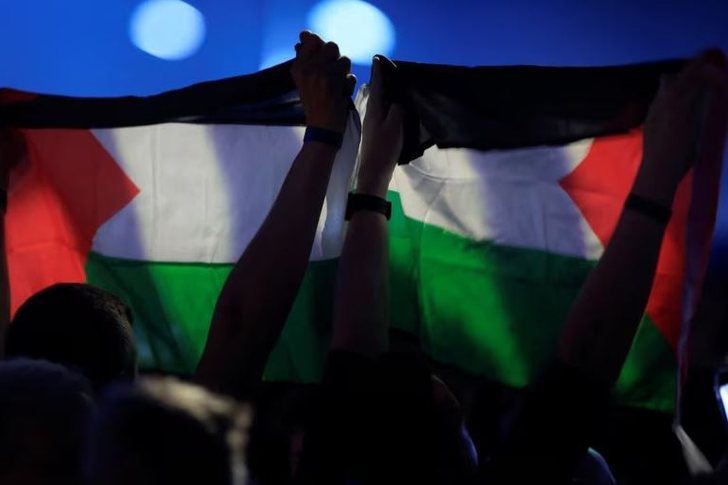
Spain, Ireland and Norway said on Wednesday they would...
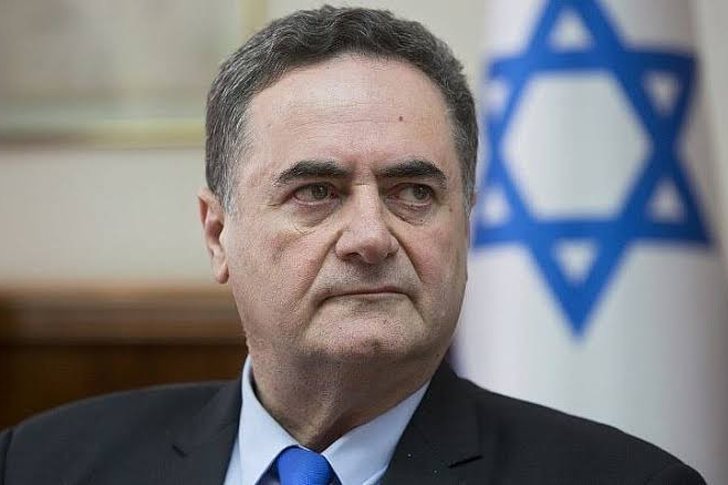
Foreign Minister Israel Katz has stated that he is ord...
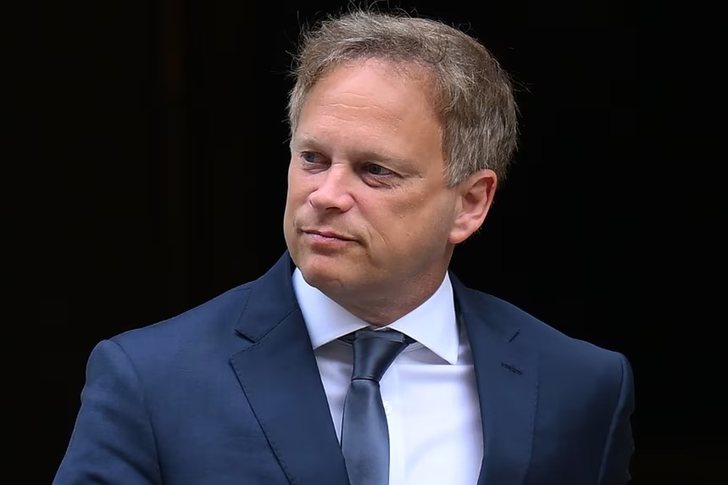
Spain, Ireland and Norway have announced on Wednesday that...
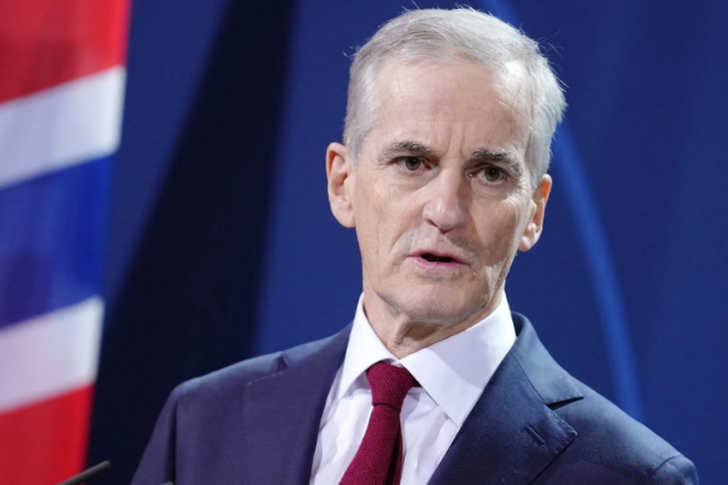
After the press conference by the Prime Minister of No...
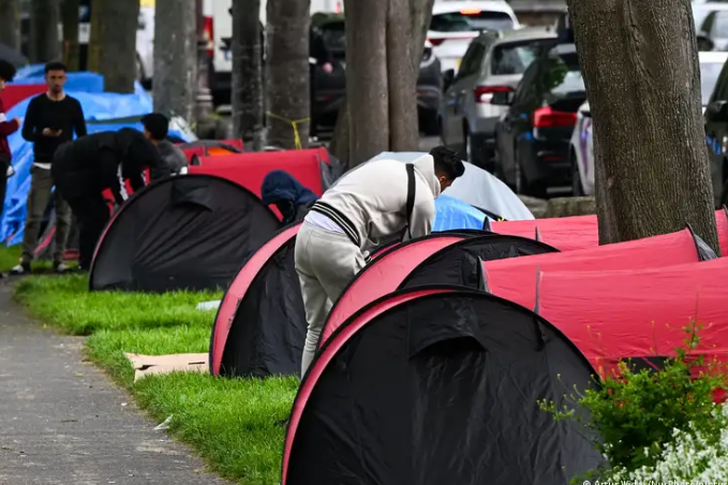
In Dublin, the capital of Ireland, the tents of migrants w...
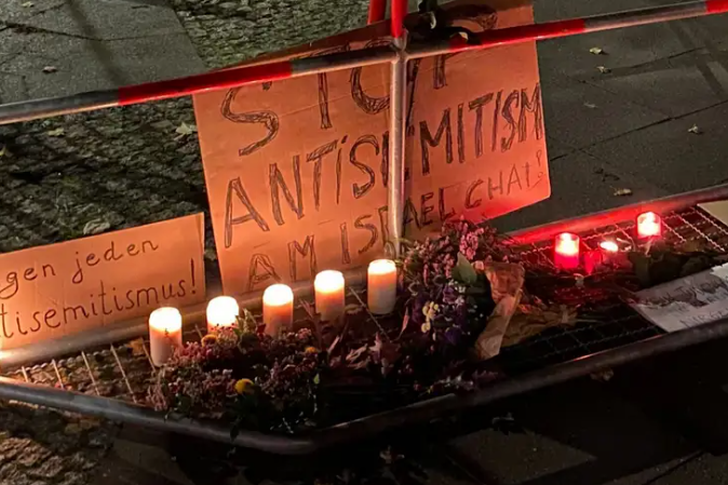
Criminality with political and religious motives has incre...
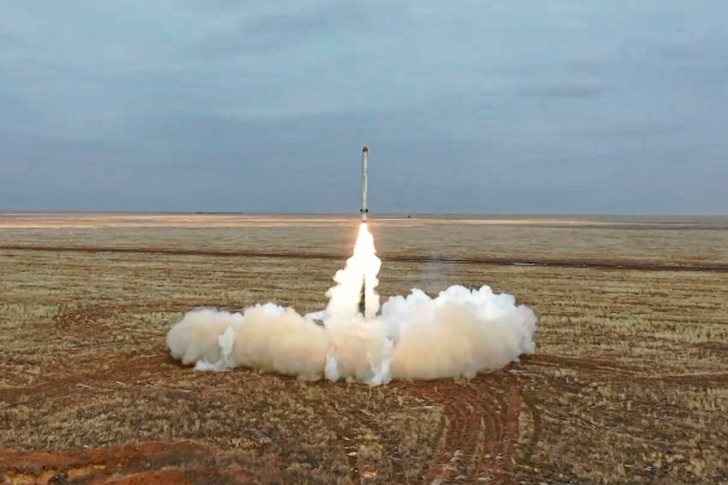
Russia has launched the "first phase" of exercises in the so...

Spain recalled its ambassador to Buenos Aires on Tuesday, ...
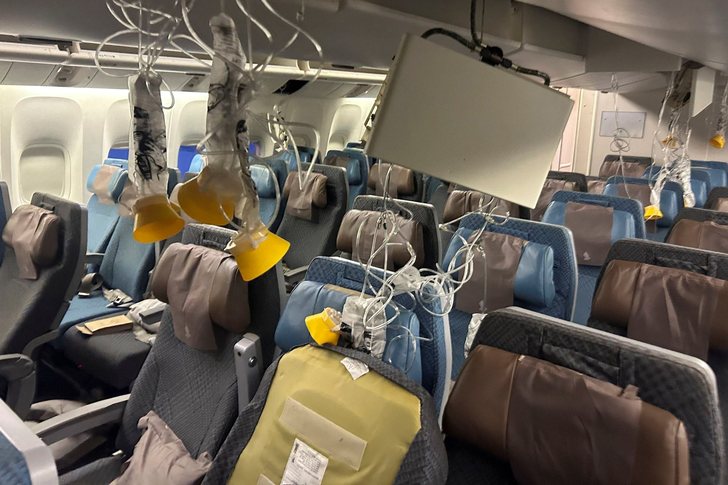
One passenger has died and 71 others have been injured on ...
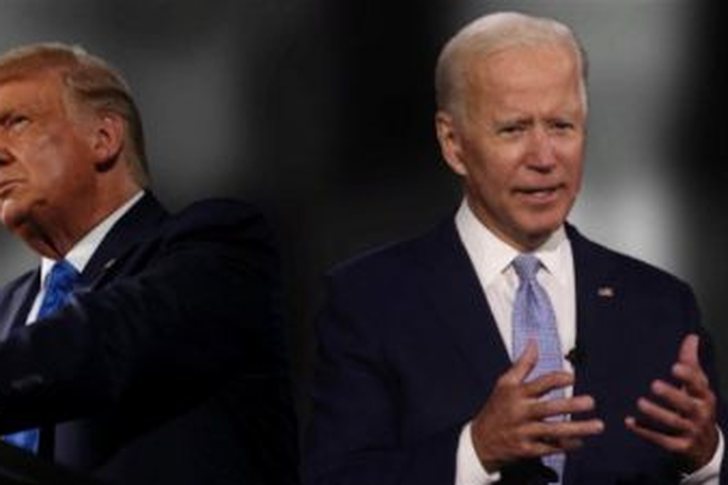
A poll on the issue of gun ownership, conducted by the...
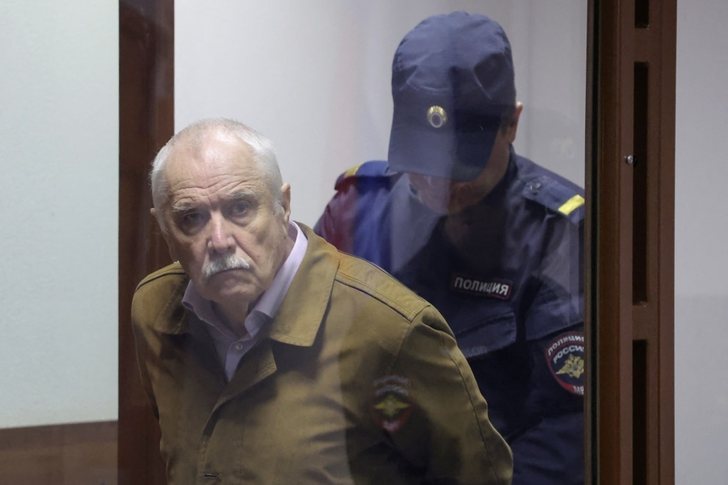
A court in St. Petersburg has sentenced Russian physicist ...
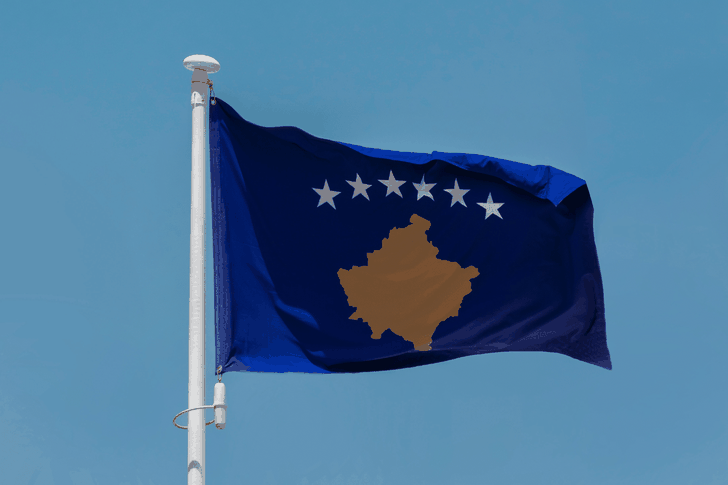
DW: Kosovo was not on the agenda of the Council of Europe ...

The European Union expressed concern on Tuesday about ...
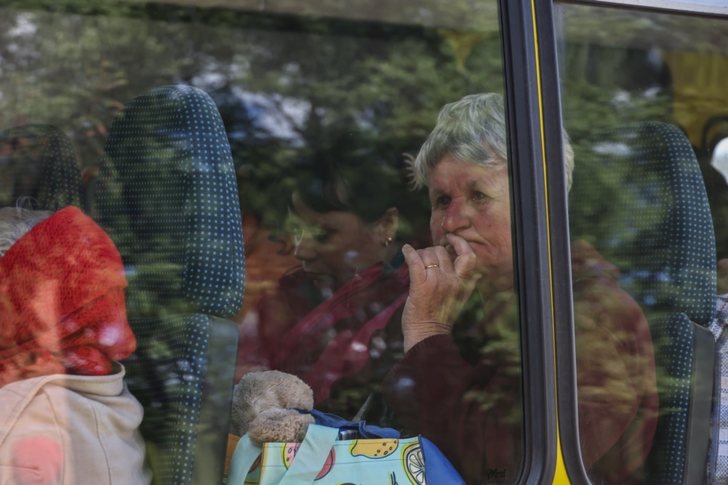
More than 14,000 people have been displaced in recent days...

"The situation in Ukraine has further deteriorated dra...

On April 25, the authorities in Venice introduced an entra...
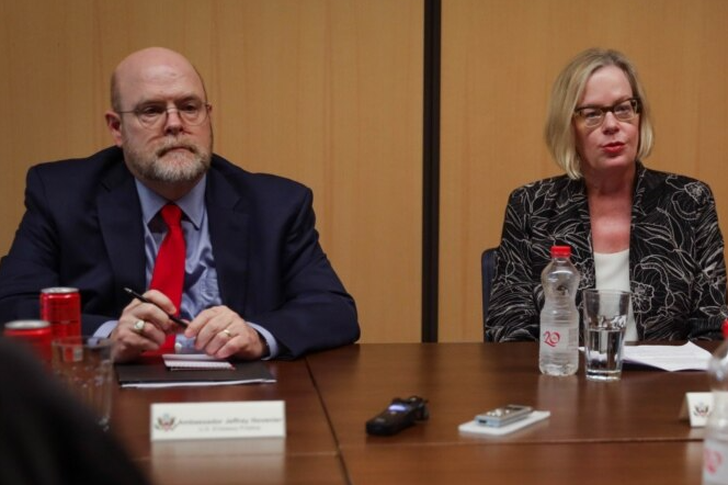
The US Deputy Assistant Secretary of State in the Bureau f...

European Union member states today approved a law aime...

CNA has launched another investigation that could lead to ...

Irfan Hysenbelliu is a businessman that we call "Irfan the...

In March 2026, CNA launched another investigation centered...
The arrested mayor of Tirana, Erion Veliaj, with 13 charge...

The Special Board of Appeal (KPA) decided this Monday ...

The KPA vetting decided this Thursday to dismiss the p...

Suela Salavaçi, a prosecutor in the Prosecutor's Offic...

The Special Board of Appeal reinstated the prosecutor ...

A road accident occurred this evening on Nikolla Zoraqi St...

Three people were shot and wounded in Elbasan last night b...

A serious incident occurred this Tuesday in the Yrshek are...

An accident occurred this Tuesday on "Dituria" street in K...
All of Southern Europe will face changing weather conditio...
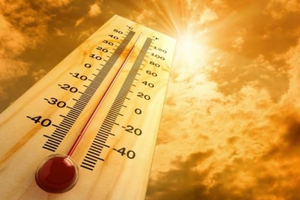
Albania was hit by temperatures significantly higher than ...

For the first time, Pogradec welcomed the Inter-Lake Chess...

Albania has achieved a record for the employment of foreig...

US Secretary of State Marco Rubio arrived in Manila on Jul...
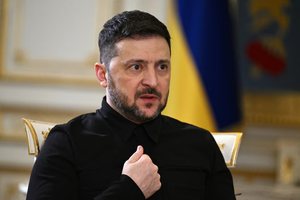
In the space of a few days, Ukrainian President Volodymyr ...
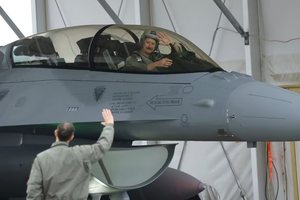
The spokesman for the Iranian Foreign Ministry warned Bulg...

Autoritetet italiane sekuestruan pako me afër 800 kilogram...

At a time when industrial products are increasingly taking...

Trust among people is not just a three-syllable word. It c...

Master of humor Todi Llupi has passed away at the age of 7...

The ninth edition of "MIK Festival" kicked off with one of...

Construction company licenses will have a validity period ...
The Centralized Purchasing Operator recently opened a tend...
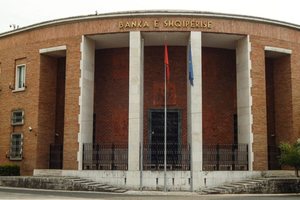
The new draft law "On the Bank of Albania" provides that t...

This Tuesday, one US dollar is bought for 81.2 lek and sol...