


EU: Closing the branches of the Serbian bank in the north of Kosovo, against the spirit of normalization
The European Union expressed concern on Tuesday about ...


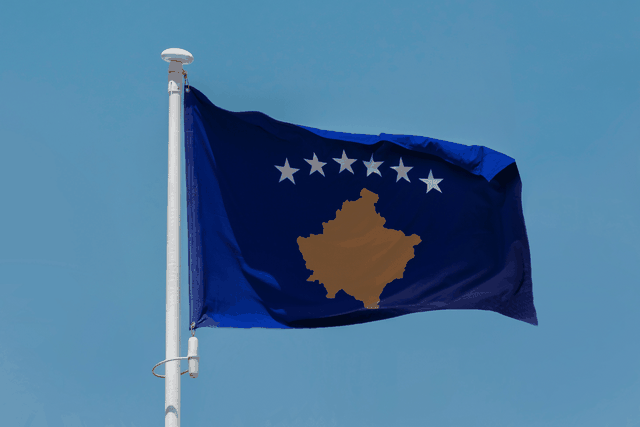
DW: Kosovo was not on the agenda of the Council of Europe (CoE), although the Parliamentary Assembly of the CoE recommended Kosovo's membership with 82 percent. Where lies the error?
Konrad Clewing: Kosovo made many mistakes. First, it was based on the fact that Kosovo's western partners, looking at Serbian politics, would pave the way for membership in the Council of Europe. He mistakenly thought that the big three EU powers would help at the last minute.
Second, the current and previous governments did not develop a plan for the Association of Municipalities after the Constitutional Court's decision in 2015. To think that this issue will resolve itself is naive and a big political mistake. This gave Western actors – from Laj?ak to leaders in Berlin, Paris and Rome – room to intervene. The precondition to submit Laj?ak's plan without further negotiations with and in Kosovo to the Constitutional Court was an intervention that deserves criticism. The three leaders' letter to Kurt on May 15 was also very harsh. However: If the government had acted earlier, this could have been avoided.
Third, last week's actions by the Foreign Ministry came too late and without much substance. It is incomprehensible how it could be believed that at the last minute Germany, France or Italy and the whole QUINT would change their minds and accept a still unfinished plan like that of the FES Foundation.
Who should be held responsible?
The Constitution of Kosovo states: the president leads the country's foreign policy; the government proposes and implements the country's foreign policy; the assembly oversees foreign and security policy. It is a bad sign that the president, according to her statement, was not consulted about the important step of the foreign minister. It is also a bad sign that the ruling majority in parliament has little international expertise. But it is clear: The main responsibility for the lack of preparation of a plan for the Association of Municipalities and for the poor presentation of positions to the partners lies with the government. So, to the Ministry of Foreign Affairs and the Prime Minister. If external advisors contributed, it can be said that they did not do a good job. But the main responsibility for the poor result lies with the government.
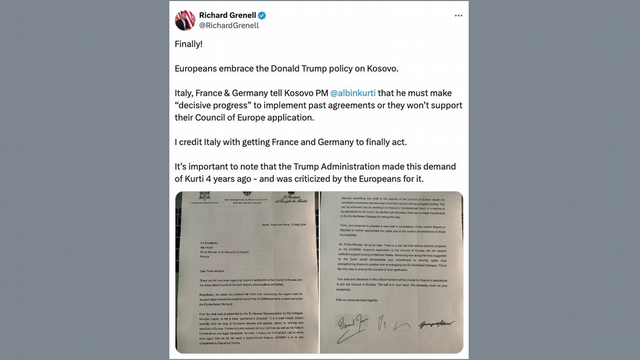
Former US President Donald Trump's ex-charger for the Kosovo-Serbia dialogue, Richard Grenell, especially thanked Meloni in a post on X for the letter that the heads of government sent to Kurti. How do you comment?
I do not want to comment on the motives of Mr. Grenell. But the question makes us think about how dangerous it is for European governments and those of small countries not to worry about the turbulence and unpredictability that a possible Trump victory in the fall could bring to international relations.
Kurti is considering the possibility of early elections. What can his camp gain from this step?
If Prime Minister Kurti resolutely pursues this goal, he reckons he and his party can win voter support for successes, particularly in weakening Serbian institutions in the north of the country and on issues like currency across the country. Domestically, the government has few successes – in the fight against corruption, economic development and improving daily living conditions, the performance is poor. In foreign policy, he may speculate that Western partners will moderate their criticism if he is re-elected and remains the main partner in Kosovo. It is likely that the Western partners will hope for new elections to find a more suitable partner. The current government has caused much anger among allies with its undiplomatic approach.
Dr. Konrad Clewing studied history and economics in Munich, where he also learned Albanian from Martin Camaj, in Vienna and Zagreb. He works as a researcher at the Leibniz Institute for Eastern and Southeastern Europe in Regensburg./ DW

The European Union expressed concern on Tuesday about ...
More than 14,000 people have been displaced in recent days...

"The situation in Ukraine has further deteriorated dra...

On April 25, the authorities in Venice introduced an entra...
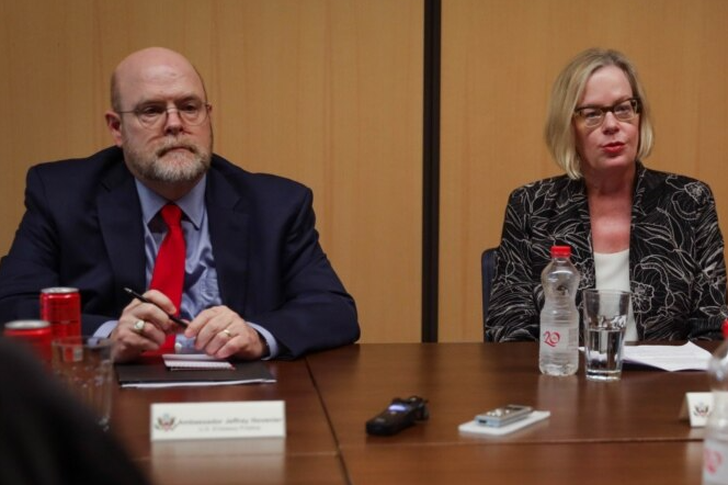
The US Deputy Assistant Secretary of State in the Bureau f...

European Union member states today approved a law aime...

One person has died and several others have been injured o...
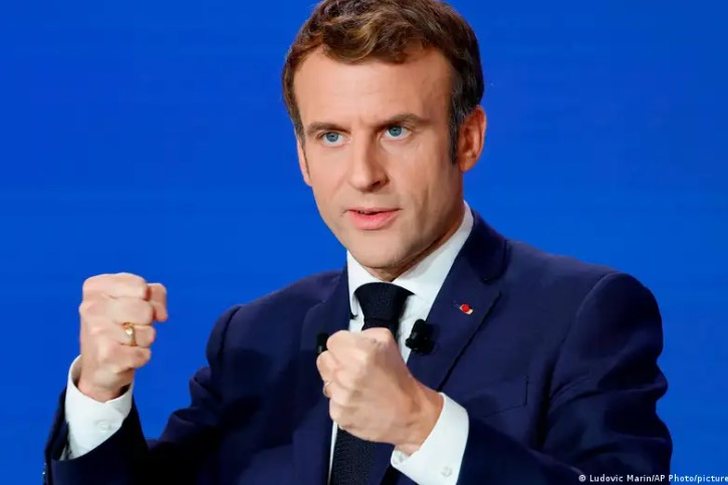
US President Joe Biden criticized the International Cr...
The Judicial Council of North Macedonia has decided to...

Like several EU countries, Spain is facing labor shortages...

Thousands of Iranians have taken to the square to bid ...
Spain and Ireland are two countries that have promoted the...

Stormy diplomatic spring in Serbia: The visit of the Chinese...
The US State Department expressed its disappointment over ...
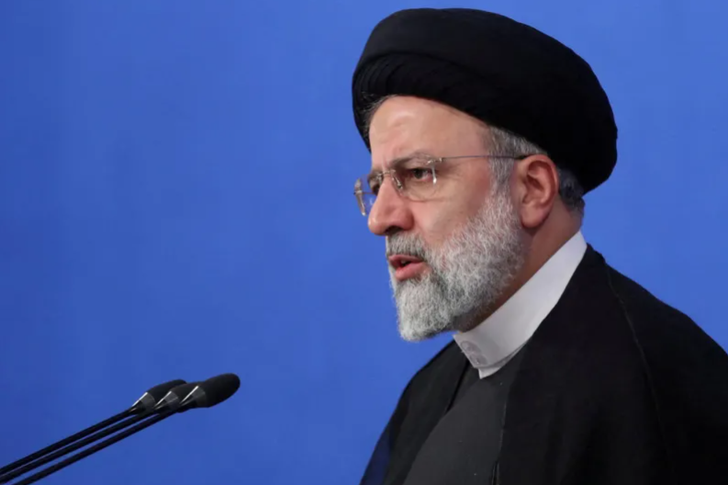
Iran's Supreme Leader Ayatollah Ali Khamenei has decla...
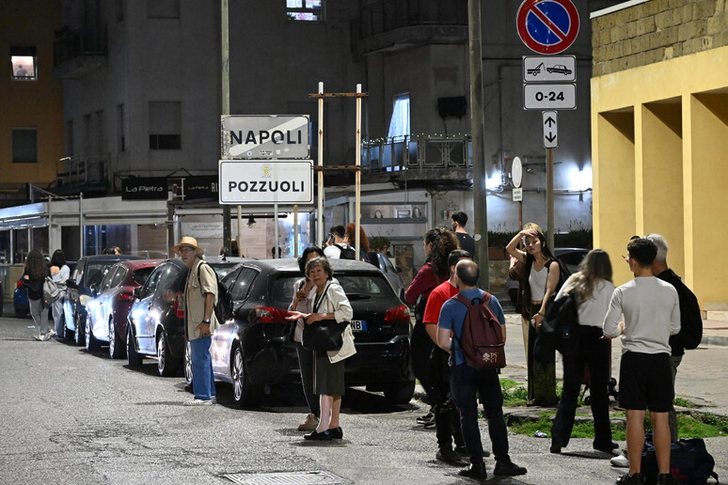
A powerful earthquake was felt this evening in Naples, Ita...

The opening of two centers for migrants in Albania, which ...
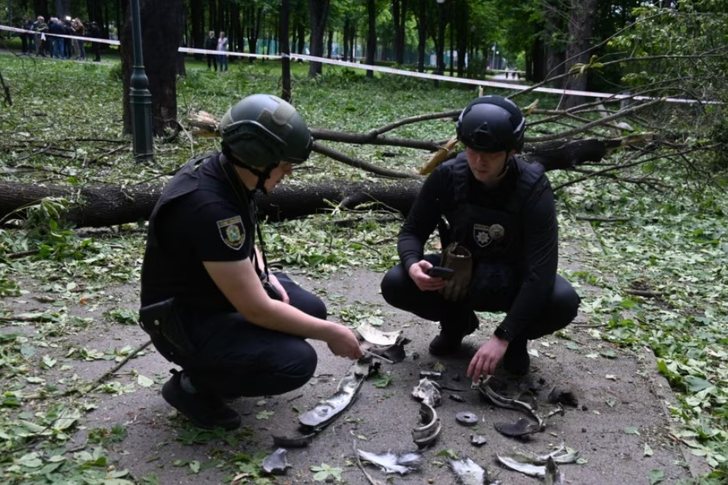
Ukraine's military said on Monday it had destroyed all 29 ...
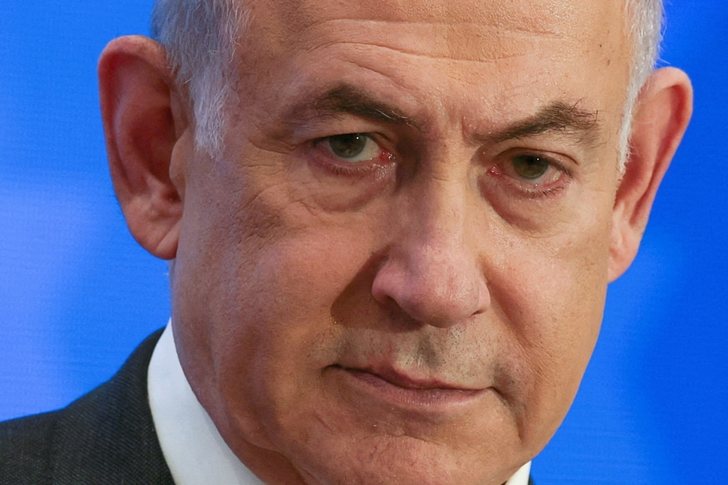
After the announcement by the prosecutor of the Intern...
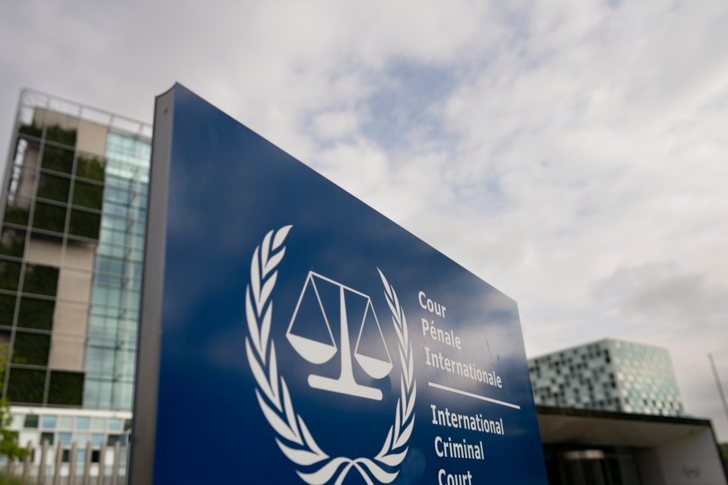
The chief prosecutor of the International Criminal Court s...

CNA has launched another investigation that could lead to ...

Irfan Hysenbelliu is a businessman that we call "Irfan the...

In March 2026, CNA launched another investigation centered...
The arrested mayor of Tirana, Erion Veliaj, with 13 charge...

The Special Board of Appeal (KPA) decided this Monday ...

The KPA vetting decided this Thursday to dismiss the p...

Suela Salavaçi, a prosecutor in the Prosecutor's Offic...

The Special Board of Appeal reinstated the prosecutor ...

A road accident occurred this evening on Nikolla Zoraqi St...

Three people were shot and wounded in Elbasan last night b...
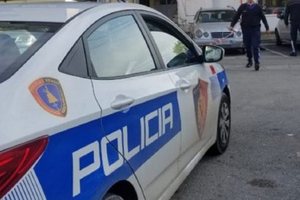
A serious incident occurred this Tuesday in the Yrshek are...

An accident occurred this Tuesday on "Dituria" street in K...

This Wednesday, our country will be under the influence of...

All of Southern Europe will face changing weather conditio...
Albania was hit by temperatures significantly higher than ...

For the first time, Pogradec welcomed the Inter-Lake Chess...
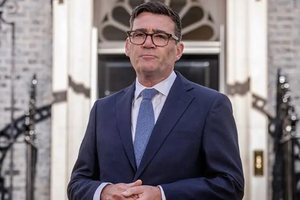
Prime Minister Andy Burnham has announced that most bus fa...

France's parliament has passed a law to ban social media f...

US Secretary of State Marco Rubio arrived in Manila on Jul...
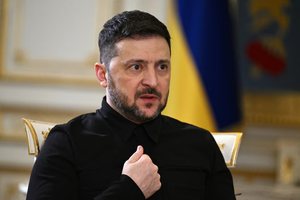
In the space of a few days, Ukrainian President Volodymyr ...

At a time when industrial products are increasingly taking...

Trust among people is not just a three-syllable word. It c...

Master of humor Todi Llupi has passed away at the age of 7...

The ninth edition of "MIK Festival" kicked off with one of...

Businesses will no longer be required to simply register t...

Despite economic growth and income in recent years, Albani...

This Wednesday, one US dollar is bought for 81.4 lek and s...

Construction company licenses will have a validity period ...