


Armë, kokainë dhe cannabis në zonat bregdetare/ Arrestohen dy persona
Policia e Vlorës ka finalizuar operacionin e koduar “Sigur...

Policia e Vlorës ka finalizuar operacionin e koduar “Sigur...

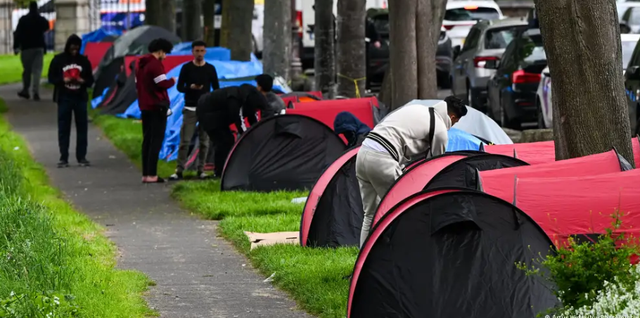
In Dublin, the capital of Ireland, the tents of migrants who do not have protection status are broken from time to time. The lack of housing and the consequences of the new British "Rwanda" law make the situation in the country even more difficult.
In the center of Dublin, the lights of the offices of many global corporations shine. But more and more umbrellas are seen on the first floors of modern glass facades. Some of them are homeless, because there is a lack of housing in the whole country and the capital, which has taken off, cannot be afforded financially by many. Currently, the housing crisis is the main topic in Ireland. When he took office in April, new Prime Minister Simon Harris promised to build 250,000 new homes by the end of the decade.
The second group of those sleeping in tents is the group about which there is also much talk in the island republic of northwestern Europe: Ireland is confronted with an increasing number of migrants, and not only recently but also before the lack of of housing have made the capacities for the settlement of migrants reach the maximum. The situation is also complicated by the Russian occupation of Ukraine, since the beginning of the war more than 100 thousand Ukrainian refugees have been registered in Ireland, who, due to an agreement in force in the EU, do not need to seek asylum first
The Irish government often admits that it is unable to accommodate all asylum seekers whose asylum claims are being processed. According to its data, as of May 14, 1,780 male asylum seekers had not yet been accommodated.
Around the International Protection Office (IPO) in Dublin, which is responsible for examining asylum claims, a veritable tent city had been set up, where the men who were not elderly slept, who had to washed and cooked on the street and charged cell phone batteries at bike rental shops. On May 1, Irish authorities dismantled the camp and sent the 285 asylum-seeking men to two centers for migrants with urgent needs.
Since that time, new settlements with tents have been created several times in the vicinity of the IPO, which have also been demolished by the authorities.
More hostility towards foreigners, more asylum claims
These situations arise in an Irish society that has historically been very welcoming. For months, demonstrations have been shouting loudly: "Ireland is full", at the end of 2023 there were clashes in Dublin. In many parts of the country, buildings that were expected to be restructured to accommodate refugees were even set on fire. According to a current survey of according to the "Irish Times", 63 percent of the population wants tougher immigration policy.
Last year, 12,300 asylum applications were made in Ireland. Since then, the numbers have grown rapidly: "Irish Times" wrote, referring to an opposition politician, that the government thinks that this year the number of asylum requests will be 20,000. If this figure is placed in front of the number of inhabitants of Ireland, which is 5 million, then the level becomes similar to that of Germany. New driver: Rwanda law in the UK
The Irish government has dealt in recent weeks with another factor driving more asylum applications in the Republic: neighboring United Kingdom's controversial law under which migrants who have entered illegally will be forcibly deported and will be sent to Rwanda in East Africa, where it will then be decided to obtain local protection status. The conservative government of Prime Minister Rishi Sunak thus bypasses a court decision and threatens to ignore possible decisions of the European Court of Human Rights (ECHR).
That won't be too easy with the next ruling: On May 13 a High Court in Belfast struck the "Rwanda Act" out of Northern Ireland law. The court's ruling states that the Rwanda Act violates the "Windsor Framework," which takes with the regulation of British-European relations after the exit of the United Kingdom from the European Union. Legal affairs professor Colin Murray, who lives in Belfast and teaches at Newcastle University, told Deutsche Welle that: "As part of the Brexit deal, EU laws protecting asylum seekers remain in place in Ireland of the North, just as all the fundamental rights of the EU, which come from the Good Friday Agreement of 1998, remain in force".
Brexit complicates the situation even more
The Good Friday Agreement ended Northern Ireland's bloody decade-long conflict between Irish unionists, London loyalists and pro-Irish republicans. This agreement provides, among other things, that the borders of Northern Ireland will not be closed. As long as both North and South were part of the EU, this was not a problem: People and goods circulated in a unique economic and legal space. Since defining the border would endanger the peace of Northern Ireland, within the framework of the agreement on leaving the EU, Great Britain committed with great effort that in Northern Ireland, for example, certain EU laws would continue to remain in force .
But the decision taken by Belfast does not mean that the "Rwanda Act" is not valid throughout the UK: "In other parts of the country it remains in force and applies as such," says lawyer Murray. But: "In this way it is difficult to put migration policy into practice, until now asylum seekers have simply been scattered throughout the UK. But if they now go to Northern Ireland, then they get more rights." Many come from Northern Ireland - and London objects
Since before the decision by the Belfast Court, many of the migrants went to the North of the Republic, where there is no risk of forced return to Rwanda. According to the data of the Irish Minister of Justice, Helen McEntee, since the beginning of the year, 80 percent of all asylum seekers have gone to Northern Ireland this way, which is more than 6,000 people. Given the current overcrowding, her cabinet is looking at ways to return these migrants back to the UK.
Irish Prime Minister Harris reminded British Prime Minister Sunak of an agreement reached in 2022, according to which Great Britain is obliged to accept migrants coming from the north of the Republic again. Sunak objected, saying that the agreement deals only with procedural matters and does not contain legally binding promises. The conservative politician, who risks losing his post after a few months, asks other EU countries, such as France, to accept migrants returned from Britain./ DW

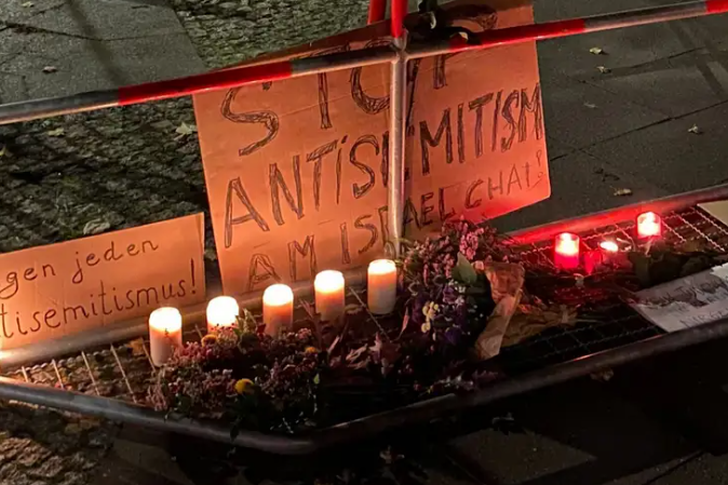
Criminality with political and religious motives has incre...
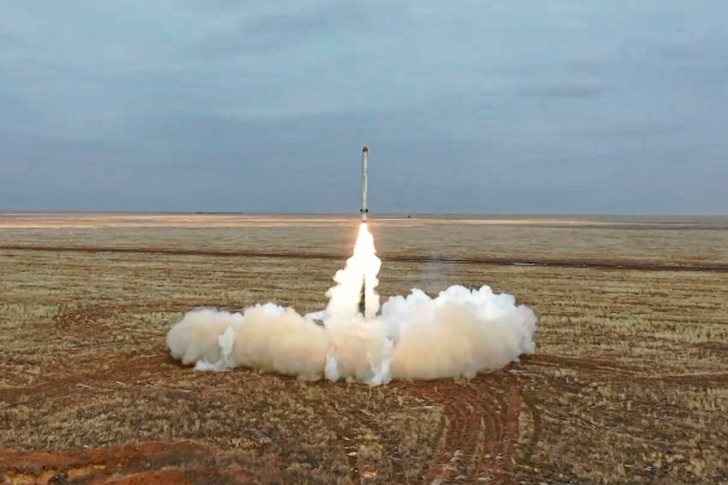
Russia has launched the "first phase" of exercises in the so...

Spain recalled its ambassador to Buenos Aires on Tuesday, ...
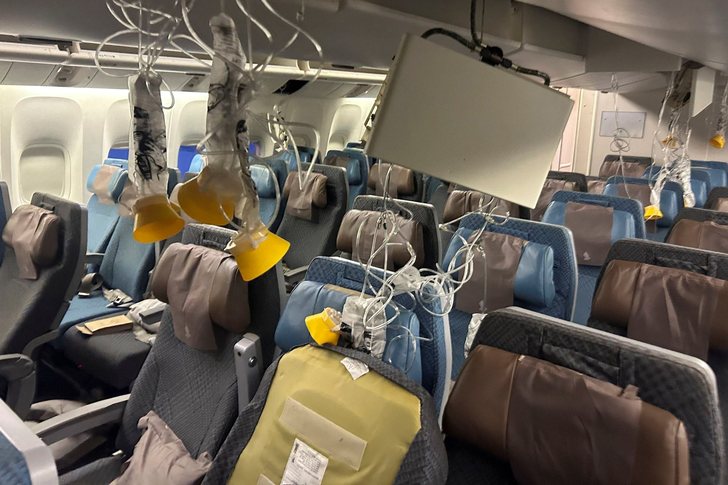
One passenger has died and 71 others have been injured on ...
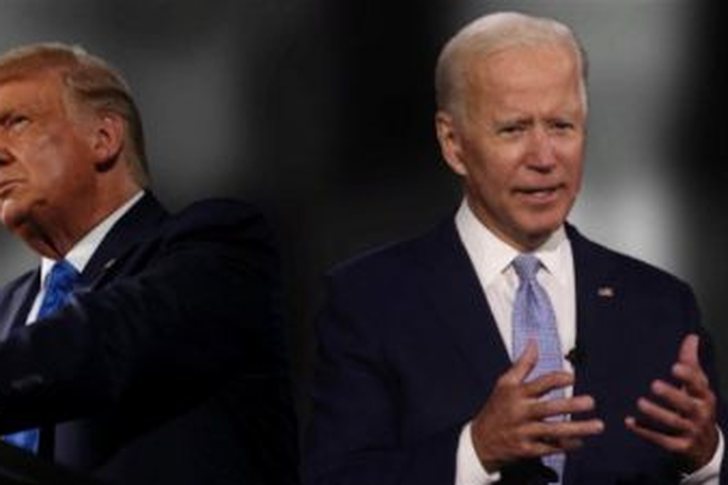
A poll on the issue of gun ownership, conducted by the...
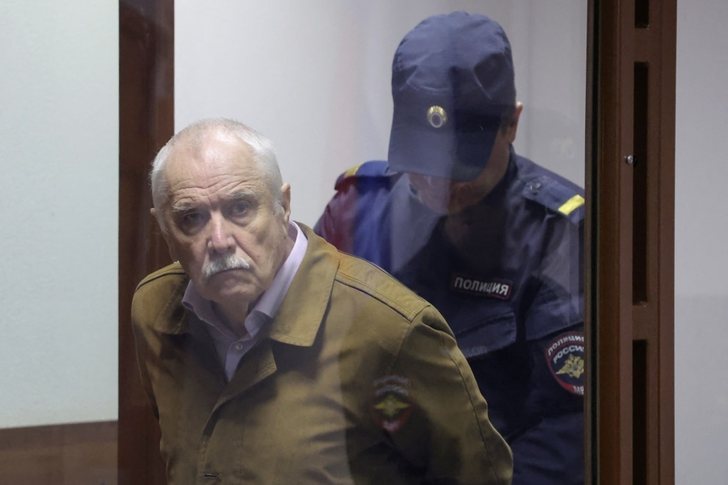
A court in St. Petersburg has sentenced Russian physicist ...
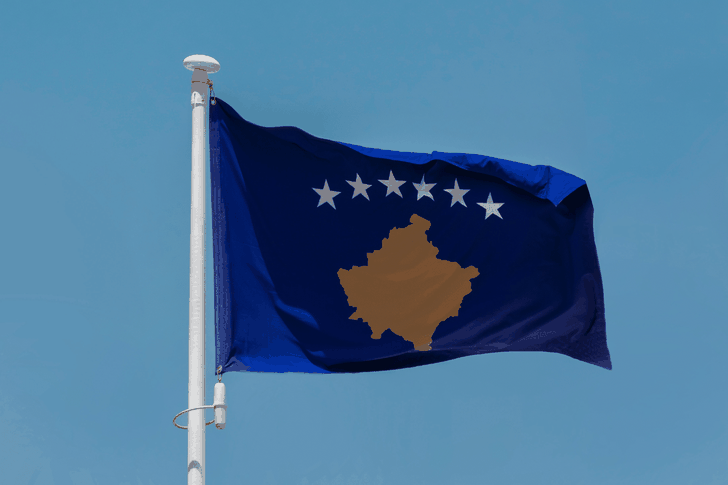
DW: Kosovo was not on the agenda of the Council of Europe ...

The European Union expressed concern on Tuesday about ...
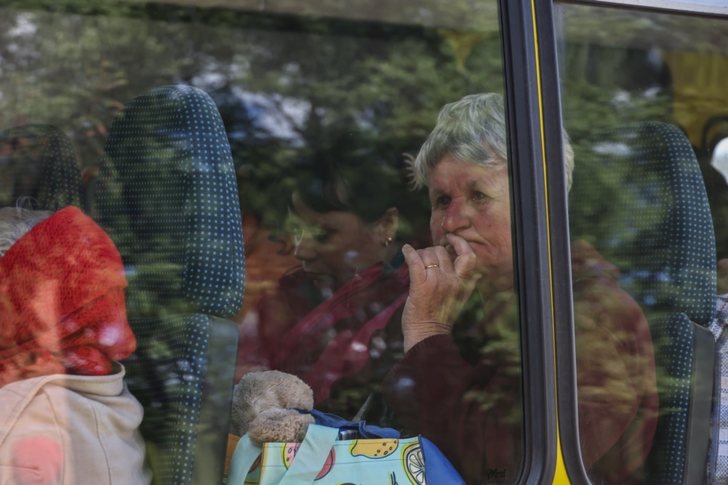
More than 14,000 people have been displaced in recent days...
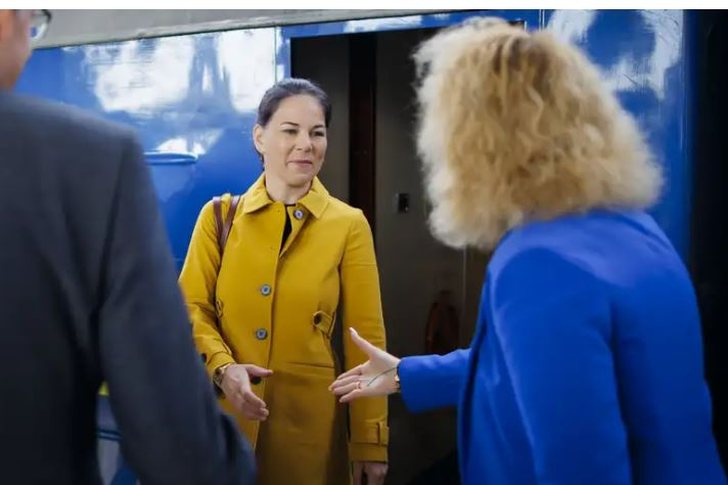
"The situation in Ukraine has further deteriorated dra...
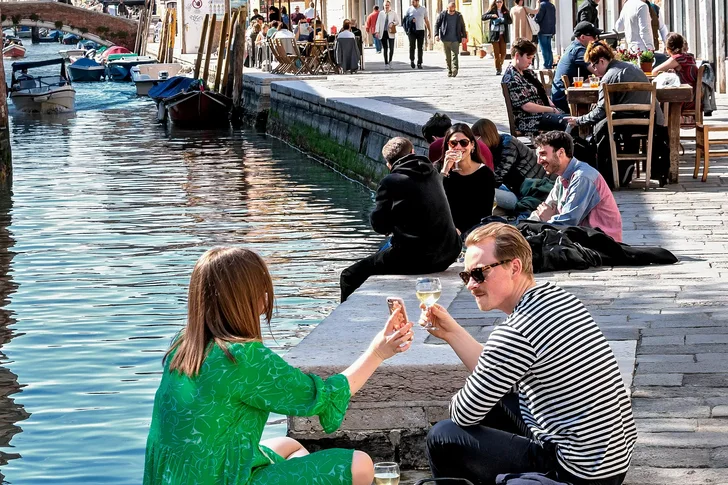
On April 25, the authorities in Venice introduced an entra...
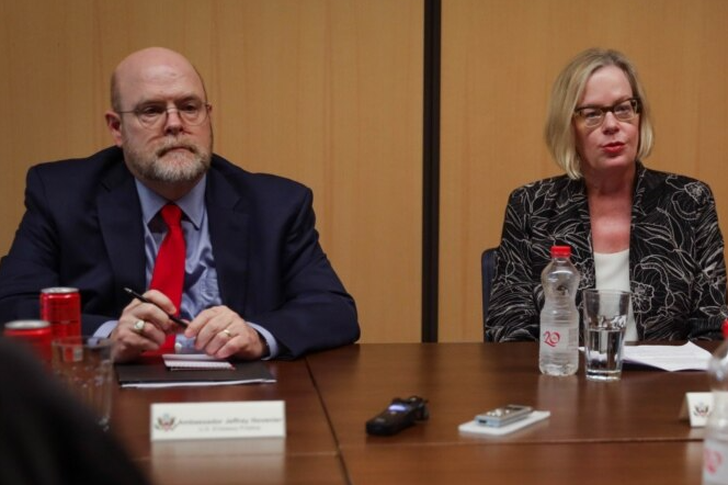
The US Deputy Assistant Secretary of State in the Bureau f...

European Union member states today approved a law aime...

One person has died and several others have been injured o...

US President Joe Biden criticized the International Cr...
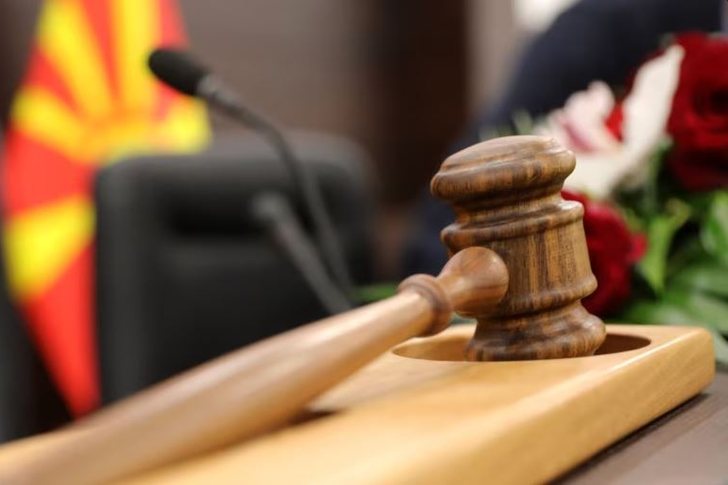
The Judicial Council of North Macedonia has decided to...

Like several EU countries, Spain is facing labor shortages...
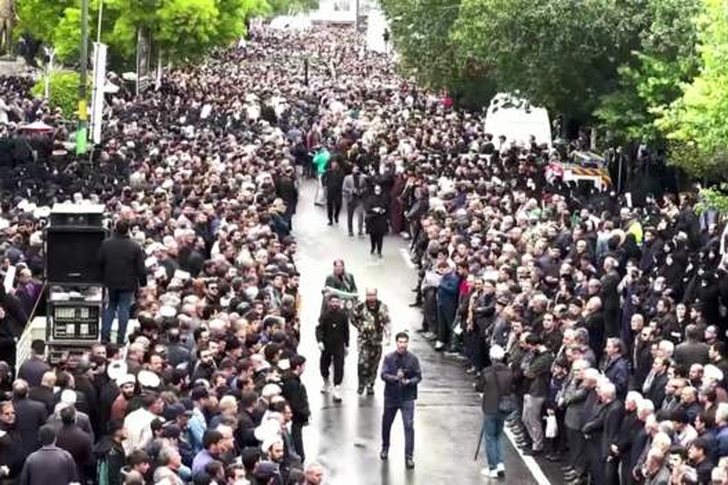
Thousands of Iranians have taken to the square to bid ...
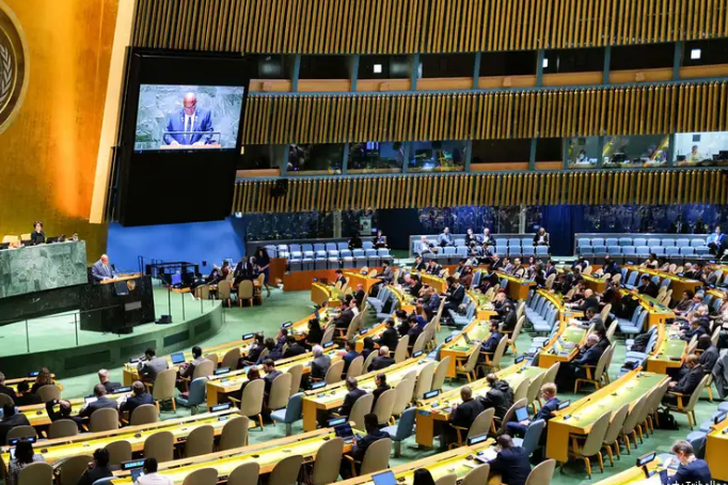
Spain and Ireland are two countries that have promoted the...

Stormy diplomatic spring in Serbia: The visit of the Chinese...

There have been 12 days of protests in the capital, which ...
Dritan Prençi is the SPAK prosecutor who is sleeping on th...
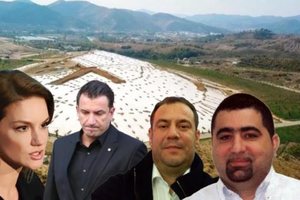
The in-depth investigations that SPAK conducted into Ajola...
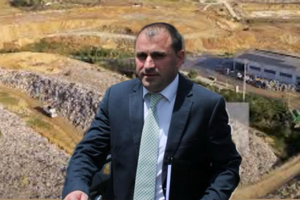
SPAK's standards, the way it investigates, how it secures ...

The Special Board of Appeal (KPA) decided this Monday ...

The KPA vetting decided this Thursday to dismiss the p...

Suela Salavaçi, a prosecutor in the Prosecutor's Offic...

The Special Board of Appeal reinstated the prosecutor ...

Policia e Vlorës ka finalizuar operacionin e koduar “Sigur...

New details have emerged regarding the serious accident th...

An Albanian businessman was arrested this afternoon in Gre...

A serious accident has occurred on the Korça-Ersekë axis, ...

Today our country will be affected by stable weather condi...
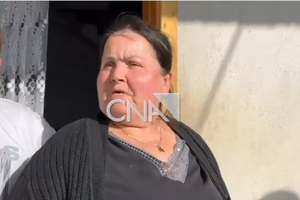
A tragic accident occurred this Friday afternoon in Kameni...

Today our country will be affected by unstable weather con...

On Thursday, our country will be affected by relatively un...
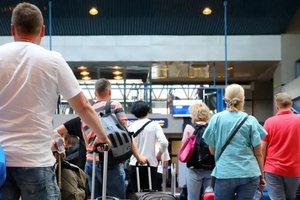
Good news for those who fly: After years of negotiations, ...

It took more than two years, but now the EU can begin acce...

US President Donald Trump announced that the US military h...
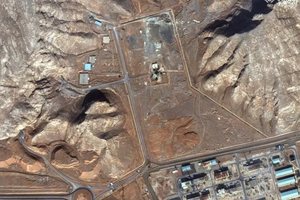
Iran has taken new measures to strengthen the protection o...

Several archaeological excavations conducted during this s...

At the Museum of Fine Arts in Chambéry, France, an exhibit...

Korça has transformed this weekend into the capital of cel...
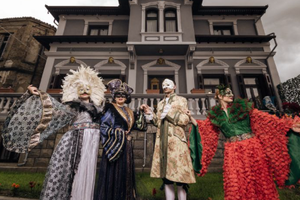
Korça is ready to open the summer season with one of the c...

This Saturday, one US dollar is bought for 81.5 lek and so...
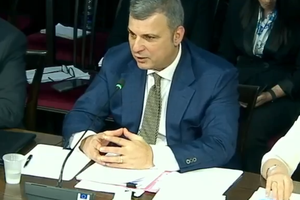
The Governor of the Bank of Albania, Gent Sejko, shared to...

Business lending has increased in the first half of this y...

The labor market has shown worrying trends in early 2026. ...