

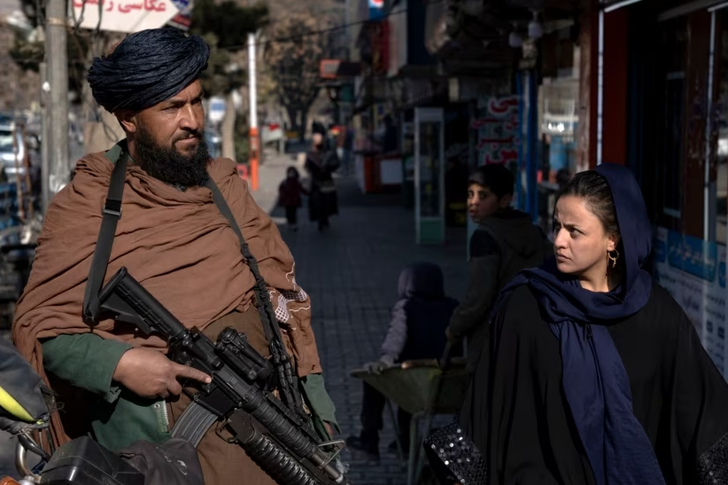
Taliban arrest women for "bad hijab"
The Taliban have arrested women in the Afghan capital ...


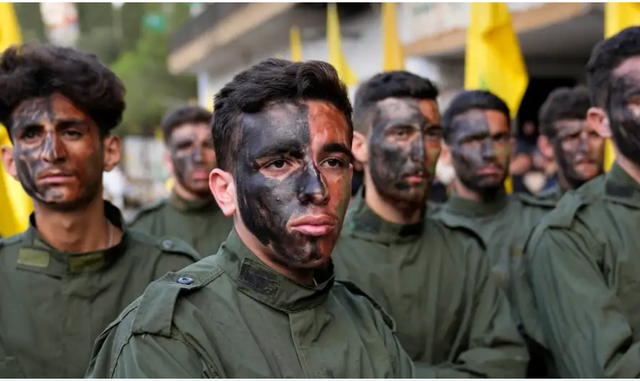
Deeply rooted in Lebanese society, the Islamist group Hezbollah has a political and military wing. Its role in the current Israel-Hamas conflict may increase.
Saleh Arouri, the senior Hamas official killed in a drone strike in Beirut on Tuesday, was the main contact for Hamas and Hezbollah, two Iranian-backed groups that Israel, the United States, Germany and many other countries have declared as terrorists.
Although no one has yet claimed responsibility for the attack, which also killed several other Hamas officials, Lebanon's interim prime minister, Najib Mikati, said the blast was "a new Israeli crime that aims to inevitably draw Lebanon in a new phase of confrontation".
Israel has so far refused to comment on whether it was behind the blast, which happened in a Beirut neighborhood where Hezbollah's offices are located. However, Mark Regev, a senior adviser to Israeli Prime Minister Benjamin Netanyahu, said on US television that the attack, "whoever did it", was not aimed at Lebanon or Hezbollah.
"Whoever did this very precise attack targeted Hamas because Israel is at war. Whoever did this is at odds with Hamas," Regev told MSNBC.
Arour's death could be a red line for Hezbollah. The Shiite Muslim group's leader, Hassan Nasrallah, has repeatedly vowed to strike Israel if its army attacks Palestinian officials in Lebanon. On the other hand, observers fear a wider conflict in the Middle East. Nasrallah has limited his reactions to Israel's war in Gaza, which began after a Hamas terror attack on October 7.
What is Hezbollah?
Hezbollah's armed wing was described in 2022 as "the most formidable non-state military actor in the Middle East — and perhaps the world" by the Washington-based Wilson Center.
The Iranian-backed group, whose name means "Party of God," is based in Lebanon, where it was formed. Hezbollah is more than a military group because it is also deeply involved in Lebanese politics and society.
"Its extensive security apparatus, political organization and network of social services fueled its reputation as 'a state within a state,'" the US-based Council on Foreign Relations (CFR) explained in a 2022 description of the group.
Several countries, including the US (in 1997) and Germany (in 2020), have designated Hezbollah as a terrorist organization. The European Union designated its armed wing as such in 2013. This decision was considered controversial due to the role Hezbollah has played in Lebanese governments since 1992.
The vast network of social services that Hezbollah provides – including hospitals, schools and welfare facilities – means that the group is relatively popular in the country, particularly among Shiite Muslims. A 2020 poll found that 89% of respondents had a positive view of Hezbollah.
Other Lebanese do not support the group, saying it pushes the country into conflict situations.
How was Hezbollah created?
The group was founded in 1982 during the chaos of the 15-year Lebanese Civil War. The conflict began in 1975 in various sectors of Lebanese society, including Muslims, Christians, leftists and Arab nationalists. Syria and Palestinian armed groups were also involved in the conflict.
Then, "amidst [Lebanese] internal fighting, Israeli forces occupied southern Lebanon in 1978, then again in 1982, driving out Palestinian guerrilla fighters who used the region as their base to attack Israel," the CFR wrote.
A group of Shia Muslims decided to fight the Israeli forces. Seeing an opportunity for influence in the Arab world, Iran began training and funding the newly formed militia. Iran is still behind several groups in the Middle East, including Hamas in the Palestinian territories and militia groups in Iraq. The US government recently estimated that Iran finances Hezbollah with about 700 million dollars (661 million euros) a year.
Over time, Hezbollah's armed wing has gained a reputation for extremism, due to the way it has attacked other groups in Lebanon and staged terrorist attacks on foreign targets, including suicide bombings and assassinations.
Hezbollah policies
In 1985, Hezbollah published a manifesto in which it listed a number of objectives: the expulsion of Western colonizing nations from Lebanon, the destruction of the Israeli state, and loyalty to Iran. Part of Hezbollah's original vision also called for an Islamic religious regime in Lebanon inspired by Iran's theocratic model.
Over time, Hezbollah's local objectives have softened a bit as the group has become more involved in mainstream politics. In 2009, he published a new manifesto admitting that an Islamic regime might not be suitable for Lebanon. However, the group still opposes Israel and regularly clashes with the neighboring country, usually by firing rockets across the Lebanese border.
How many weapons and fighters does Hezbollah have?
The group's leader, Hassan Nasrallah, has boasted that Hezbollah has about 100,000 fighters. But other expert estimates suggest that this figure may be lower. Hezbollah has a sizable arsenal at its disposal, "consisting primarily of small, man-portable artillery rockets," the Washington-based Center for Strategic and International Studies calculated in a 2021 report.
Analysts are not sure how many missiles Hezbollah has today, but the number could be as high as 130,000, and possibly more. Most of them are not directed against any other country, but Hezbollah is suspected to have been able to obtain missiles capable of precision targeting.
Hezbollah's munitions are mostly produced in Iran, China or Russia, and most have come in via Iran or Syria.
How effective is Hezbollah as a fighting force and where is it active?
Hezbollah is considered a formidable foe, and there is no doubt that at least some of its fighters are battle-hardened. Along with its sponsor, Iran, the group has long been an ally of Syria's brutal government, where some of its members have fought against the Islamic State (IS) extremist group.
Hezbollah fighters have also fought IS in Iraq since 2014 and are allied with Iranian-sponsored militias in Iraq. The group also sent training forces and fighters to Yemen in 2015 to help the Houthis in their fight against Saudi Arabia./ DW

The Taliban have arrested women in the Afghan capital ...
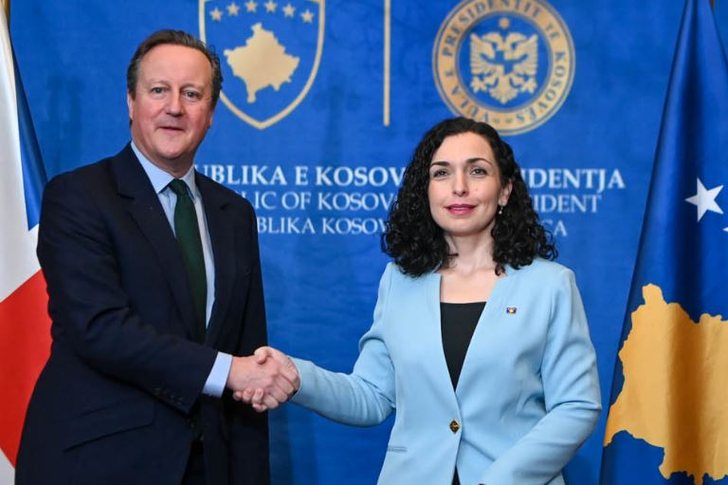
Presidentja e Kosovës, Vjosa Osmani ka zhvilluar sot n...
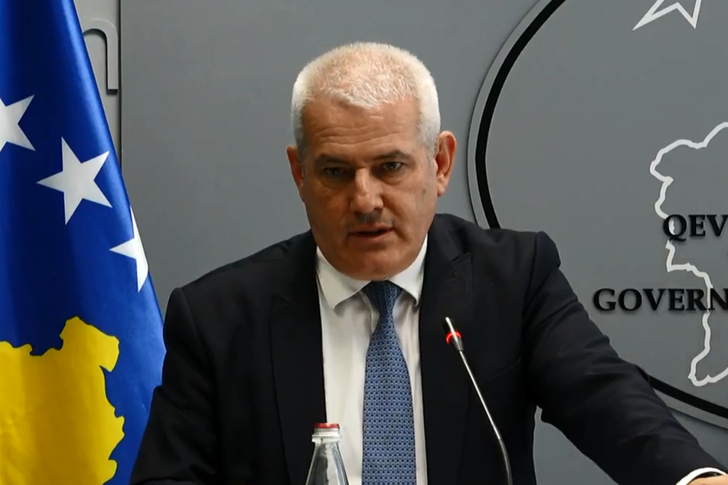
Ministri i Brendshëm i Kosovës, Xhelal Sveçla, ka dekl...
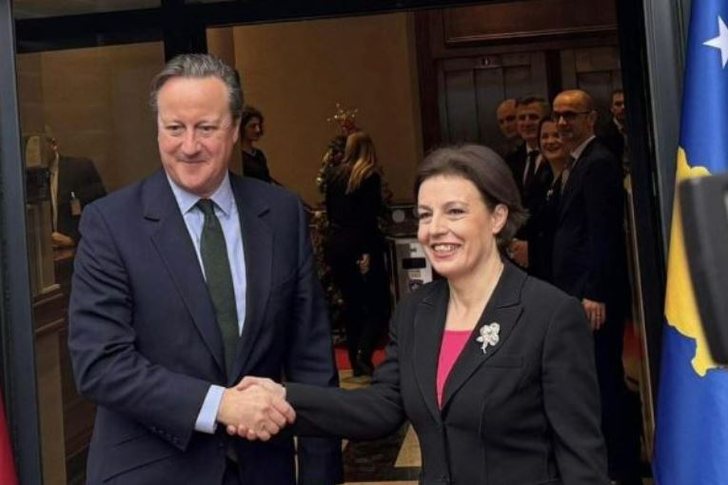
Ministri i Punëve të Jashtme të Britanisë së Madhe, Da...
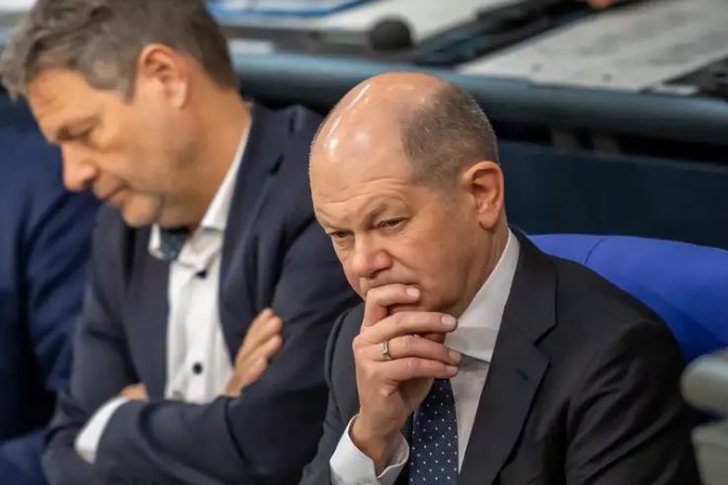
He has been in the ranks of the German Liberal Party (...
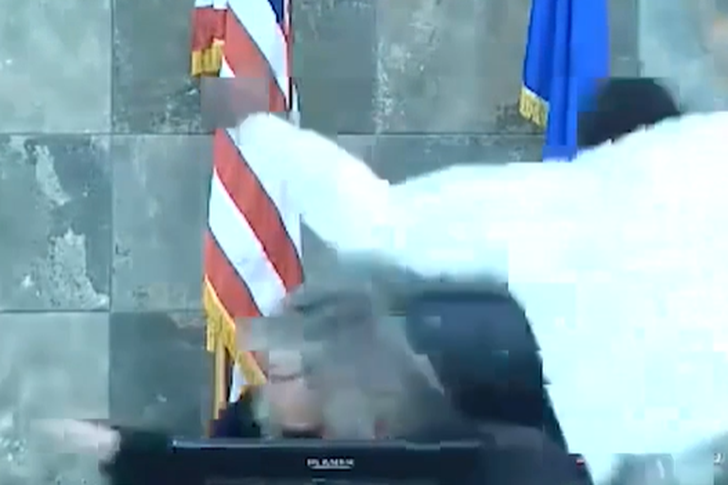
Judge Mary Kay Holthus was attacked in the courtroom while...
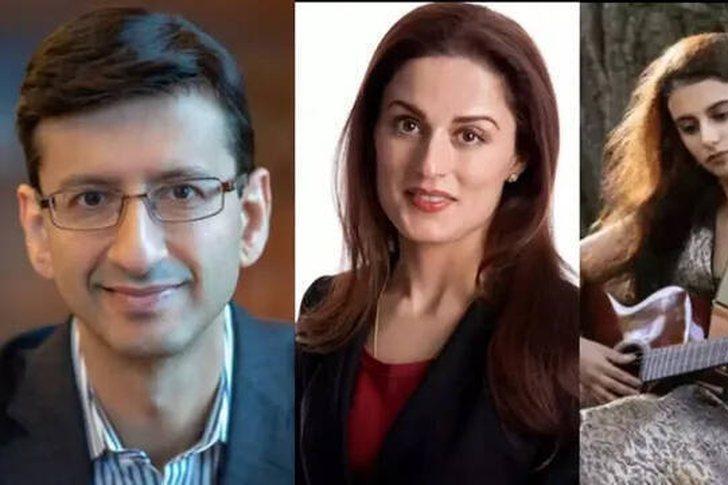
A serious family crime has occurred in Massachusetts, Unit...

SpaceX has been accused of illegally firing eight work...
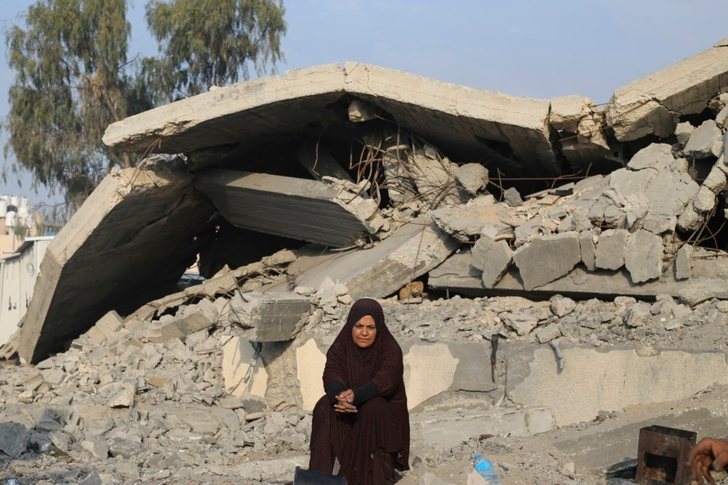
The United States has not seen acts in the Gaza Strip ...
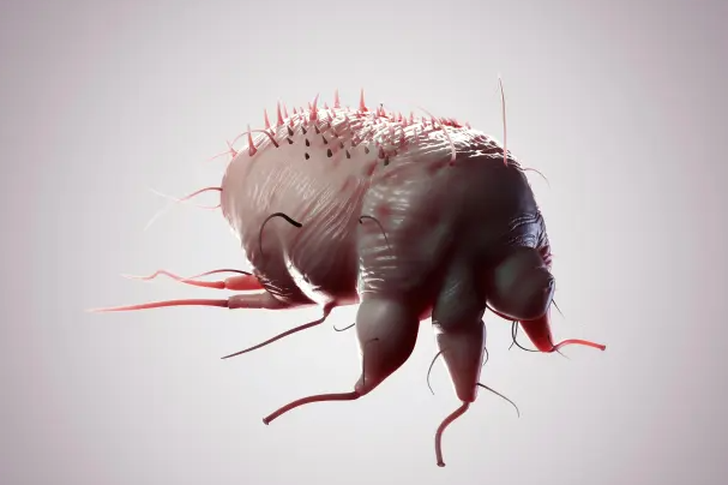
Britain is facing an alarming shortage of the most com...
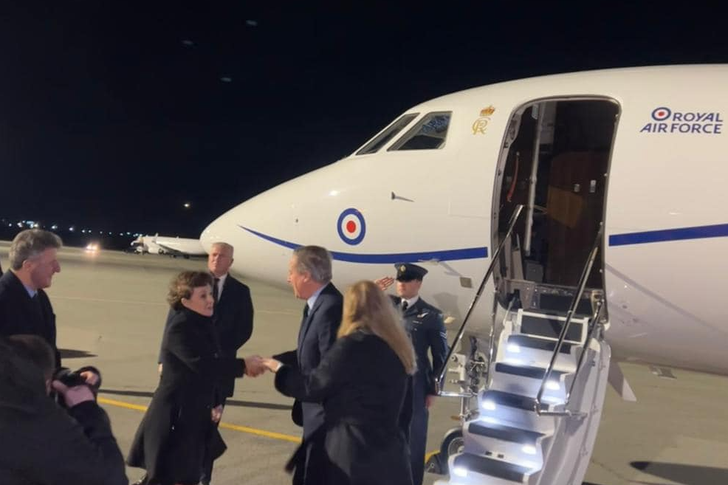
The Foreign Minister of the United Kingdom, David Came...
The year 2023 was characterized by an extreme escalati...
The European Union has condemned today's attack in the...
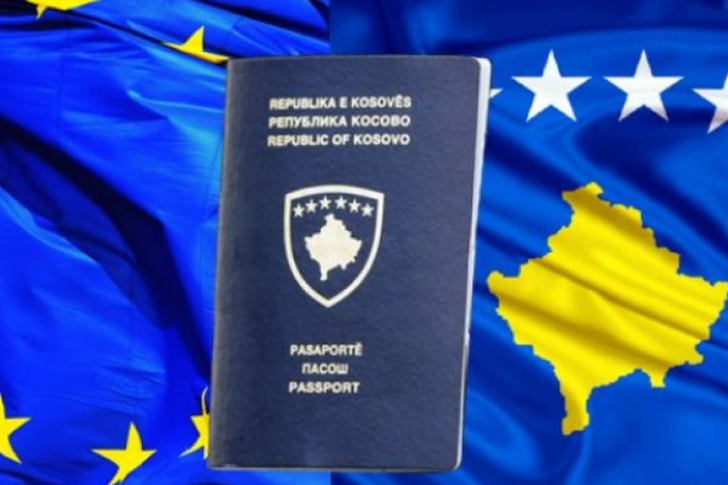
The passport of Kosovo has increased by 90 place...
As geopolitical tensions between Beijing and Washington ra...
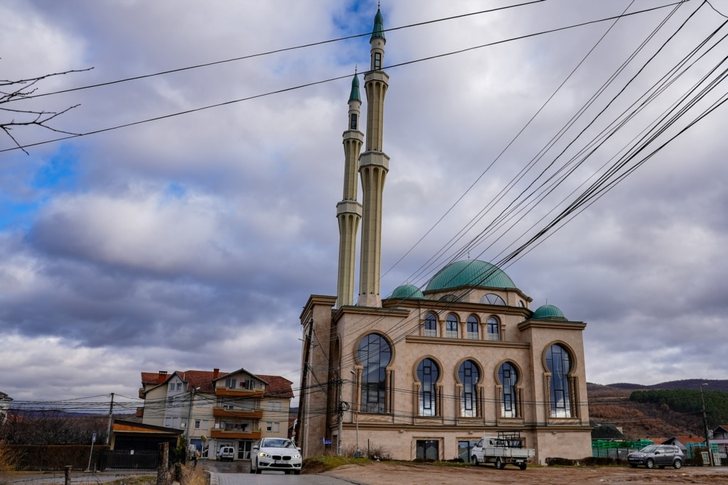
The Islamic Community of Kosovo (BIK) has distanced it...
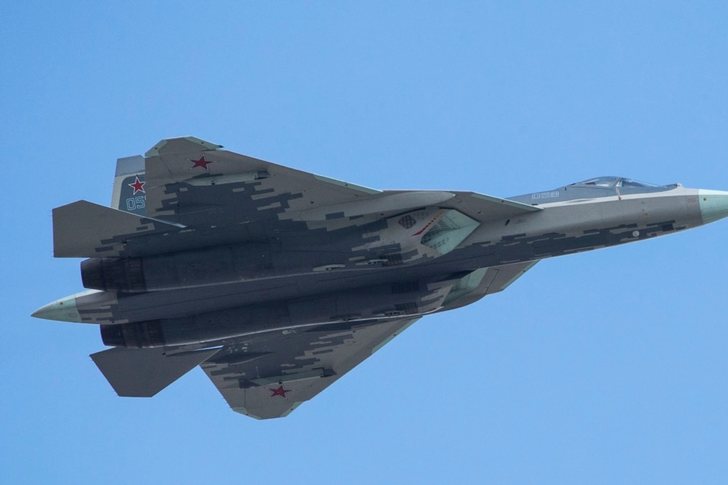
A Russian governor said Wednesday that he has ordered ...
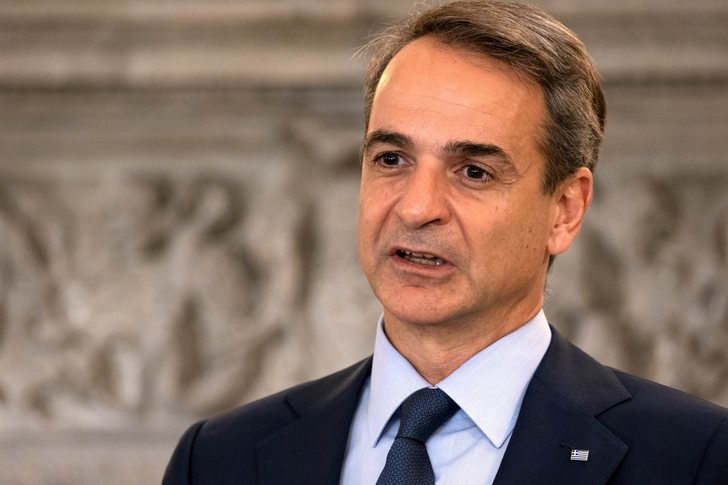
The Prime Minister of Greece, Kyriakos Mitsotakis, has...
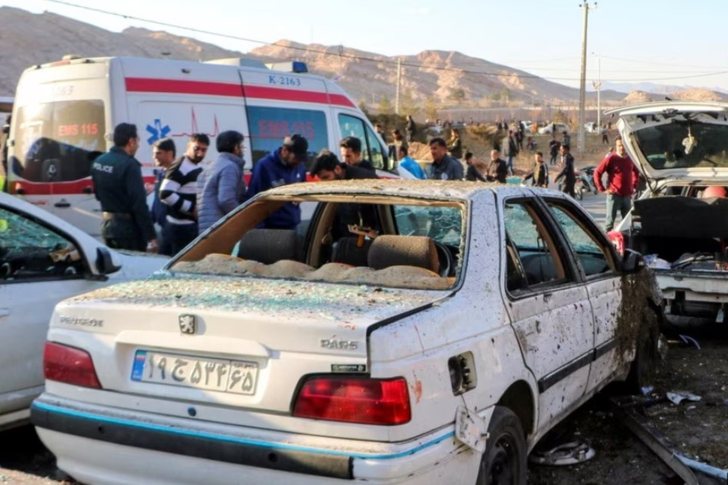
Iranian officials said two consecutive explosions within 1...
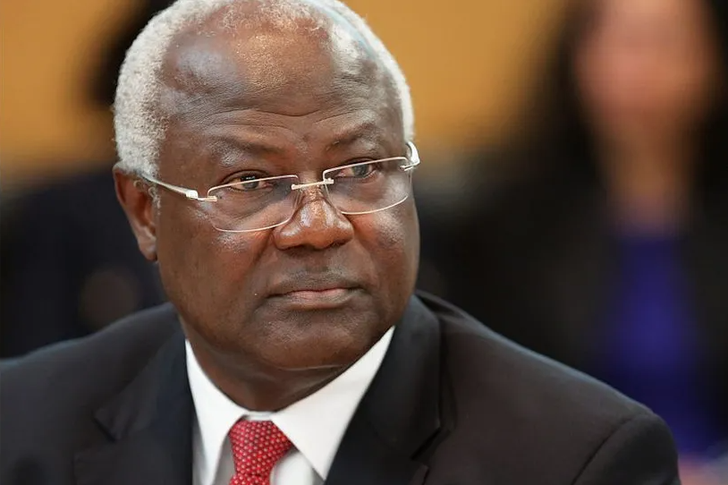
Sierra Leone's former president, Ernest Bai Koroma, ha...
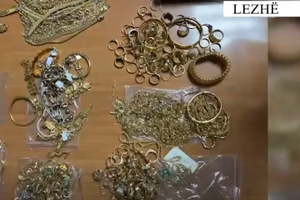
A 39-year-old citizen has been arrested in Lezha, after se...

CNA has launched another investigation that could lead to ...

Irfan Hysenbelliu is a businessman that we call "Irfan the...

In March 2026, CNA launched another investigation centered...

The Special Board of Appeal (KPA) decided this Monday ...

The KPA vetting decided this Thursday to dismiss the p...

Suela Salavaçi, a prosecutor in the Prosecutor's Offic...

The Special Board of Appeal reinstated the prosecutor ...
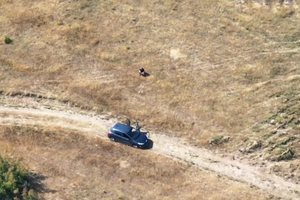
Police Announcement: Following preliminary information...
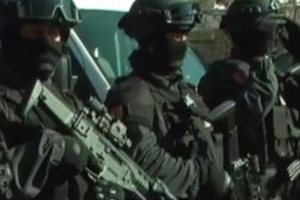
New details from the operation being carried out in Fier t...
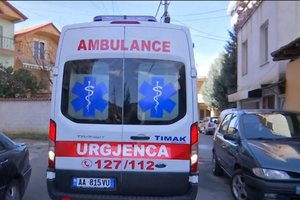
The 17-year-old, who was seriously injured yesterday after...
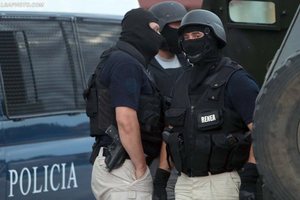
RENEA is headed towards Roskovec after the murder that occ...

By noon, cloudiness is expected to prevail in almost all o...

Children without parental care, for whom alternative famil...

On Thursday, our country will be under the influence of st...
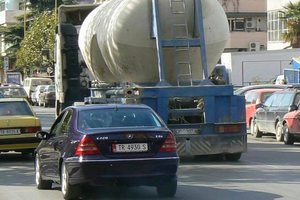
A serious accident that occurred this Wednesday with the c...
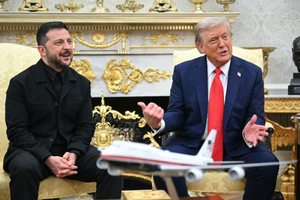
US President Donald Trump will host his Ukrainian counterp...
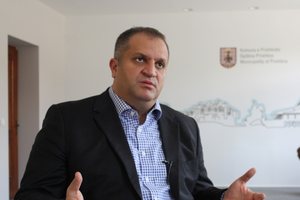
The Basic Court in Pristina found the former mayor of Pris...

The European Union Office in Kosovo has called on all poli...
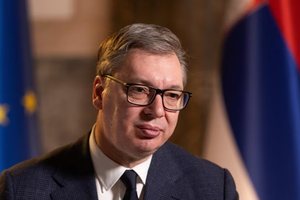
Serbian President Aleksandar Vučić, at a press conference ...

At a time when industrial products are increasingly taking...

Trust among people is not just a three-syllable word. It c...

Master of humor Todi Llupi has passed away at the age of 7...

The ninth edition of "MIK Festival" kicked off with one of...
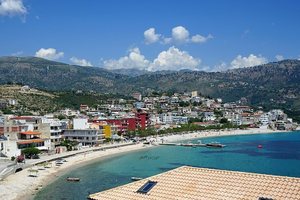
The number of active enterprises in Albania continued to g...
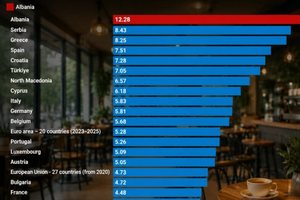
In Albania, the bar-cafe has long become an almost unique ...

This Friday, one US dollar is bought for 81.7 lek and sold...
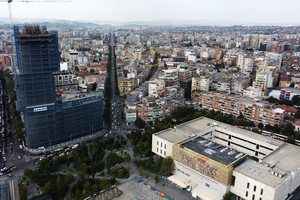
The average sale price of apartments in Tirana reaches rec...