


Rama government's "BESA" document revealed
The strategic document "Besa" that was presented yesterday...

The strategic document "Besa" that was presented yesterday...

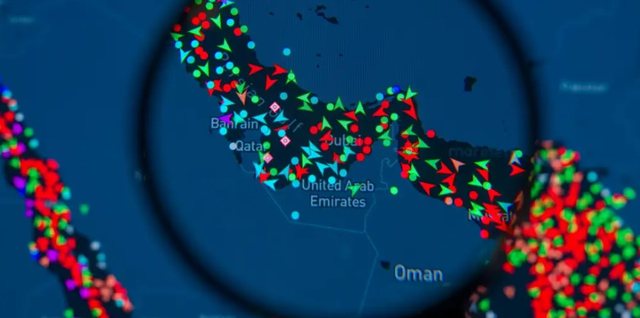
The relief created by the announcement of a ceasefire between the US and Iran is accompanied by considerable uncertainty. One of the key questions is whether the strategically important Strait of Hormuz will reopen to shipping.
What have both parties agreed on?
Shortly before his ultimatum expired, US President Donald Trump announced that, at the request of Pakistan, he had accepted a two-week ceasefire with Iran. On the Iranian regime's side, the National Security Council approved the ceasefire. Foreign Minister Abbas Araghchi declared that the Strait of Hormuz, a maritime corridor that plays a key role in the global economy due to the transport of oil and gas, would be opened.
Basis of the agreement
The basis of the agreement is a ten-point plan, which was submitted to Washington by the Iranian side. So far, neither the Islamic Republic of Iran nor the United States of America have officially made the content of the document public.
According to the Iranian Tasnim news agency, the ten-point plan includes a demand for a permanent cessation of aggressive actions. Iran would be allowed to maintain control over the Strait of Hormuz and continue uranium enrichment. It also calls for the lifting of international sanctions and punitive measures imposed by the UN Security Council.
Fighting is expected to end on all fronts, including in Lebanon. Israel, however, denied this, stressing that the agreement does not apply to the fight against the Hezbollah militia.
Trump initially described the agreement as a "solid basis for negotiations." According to him, almost all previous points of conflict had been resolved. However, there are considerable doubts about this assessment.
According to media reports, different versions of the ten-point plan are circulating, one in English and one in Persian (Farsi). The Associated Press reports that the Farsi version mentions "acceptance of uranium enrichment," while this wording is missing from the English version.
One of Trump's main justifications for launching attacks on Iran was to stop the country's nuclear program. For this reason, it seems unlikely that the American side will agree to this point in the peace talks currently planned.
Meanwhile, Defense Secretary Pete Hegseth warned at a press conference that the United States is prepared for further strikes against Iran if Tehran does not hand over its enriched uranium. Furthermore, the US president threatened, in a post on his Truth Social platform, to impose tariffs on all countries that supply Iran with weapons in the future.
What is happening with the Strait of Hormuz?
Although Iran's Foreign Minister Araghchi declared that the sea strait between the Persian Gulf and the Gulf of Oman would be reopened, he accompanied this announcement with the condition that such action would be taken "in coordination with the Iranian armed forces and taking into account technical limitations."
According to the Iranian Fars news agency, Iran has closed the strait again in protest against Israeli attacks on Hezbollah in Lebanon. According to this information, only two oil tankers managed to pass through the strait before maritime traffic was suspended again.
According to the Iranian leadership's assessment, Israel is violating the ceasefire coordinated with the United States through continued attacks against Hezbollah.
Pakistani Prime Minister Shehbaz Sharif wrote on the X platform that the ceasefire also expressly applies to Lebanon. US President Donald Trump, in a telephone interview with the PBS television channel, emphasized that Lebanon is not part of the agreement.
According to reports, the possibility of both Iran and Oman imposing tariffs on ships passing through the strait in the future is being discussed. From the perspective of experts, the fact that Iran may have a tool to influence the world economy is considered dangerous.
"It is hard to imagine that the United States and the world would accept a situation in which Iran maintains control over a key energy hub indefinitely. That would be a significantly worse outcome than the situation before the war," Richard Fontaine of the Washington-based think tank Center for a New American Security told The New York Times. How sustainable is the deal?
Many points still remain unclear, including the question of whether the ceasefire will actually be respected and whether it will enter into force in a sustainable manner.
The Gulf states of Kuwait and the United Arab Emirates also reported on the morning after the agreement was reached about attacks by Iran. There was talk of a wave of Iranian attacks, during which 28 Iranian drones were intercepted. The attacks were also confirmed by Iranian state television, which said they were a response to previous bombings of Iranian oil facilities in the Persian Gulf.
The agreed ceasefire may offer a temporary pause, but it remains a fragile situation, Marco Overhaus of the Science and Politics Foundation told NDR Info. According to him, everything depends on whether Iran will now allow commercial ships to pass through the Strait of Hormuz.
It is clear that both sides are presenting the agreement as a success, while Iran is expected to be militarily weakened after more than a month of war. According to expert assessments, however, one cannot yet speak of a real victory for the United States – even considering the details of the ten-point plan so far.
"What has been achieved so far looks more like a strategic loss for the United States," security expert Carlo Masala told Deutschlandfunk. In the ten-point plan, he said, "there are very few concessions from Iran to American demands from the beginning."
How is the process expected to continue?
The first direct talks are expected to take place in Islamabad, the Pakistani capital, on Friday. Prime Minister Shehbaz Sharif has invited delegations from both sides to discuss a final agreement aimed at resolving the conflict. Representatives from Saudi Arabia, Turkey and Egypt may also participate in the talks.
European heads of state and government are also looking to engage diplomatically. As early as Wednesday (038.04.2026), British Prime Minister Keir Starmer headed to the Gulf region to hold talks with regional allies on diplomatic efforts to preserve the ceasefire.
The European Union's High Representative for Foreign Affairs and Security Policy, Kaja Kallas, also announced that she would travel to the region. The German federal government stated that it supports diplomatic efforts. According to her, Germany is in close contact with the United States and other international partners. "Germany will contribute in an appropriate way to guarantee freedom of navigation in the Strait of Hormuz," the statement said./ DW

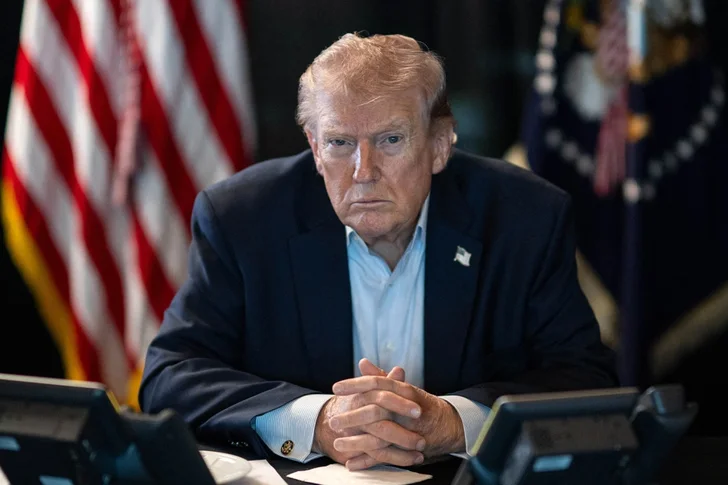
US President Donald Trump has warned Iran of possible mili...
White House spokeswoman Caroline Levitt said on Wednesday ...
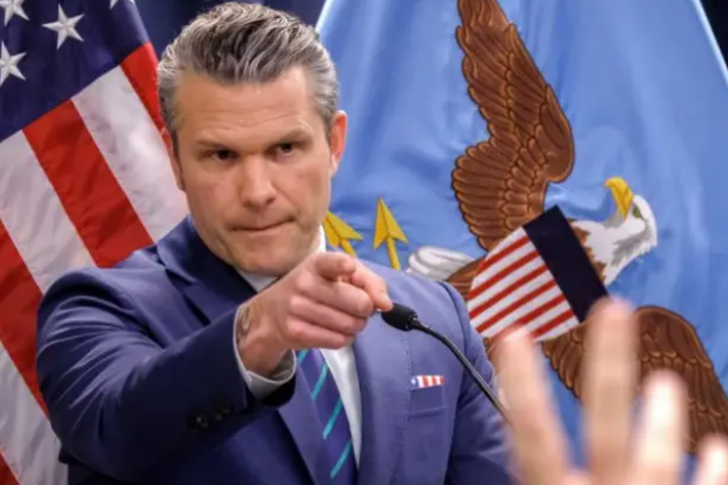
US Defense Secretary Pete Hegseth warned Iran today that i...
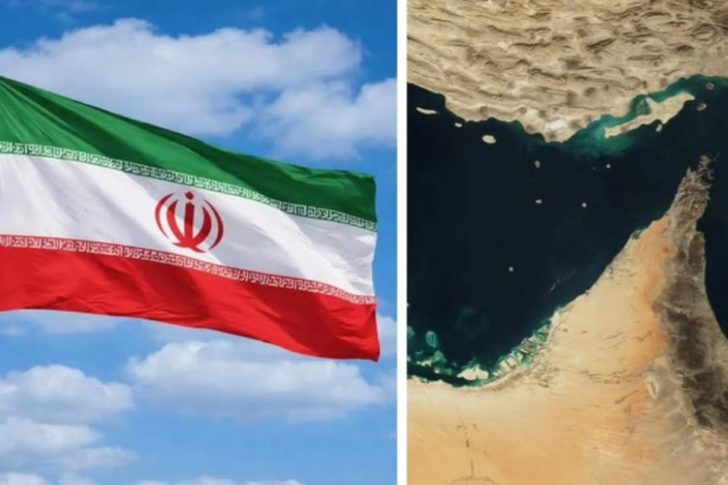
The Iranian regime is reportedly considering imposing a fe...
The FBI and other US federal cybersecurity agencies sent a...
North Korea fired several ballistic missiles on Wednesday,...
Kosovo's acting president, Albulena Haxhiu, said that the ...
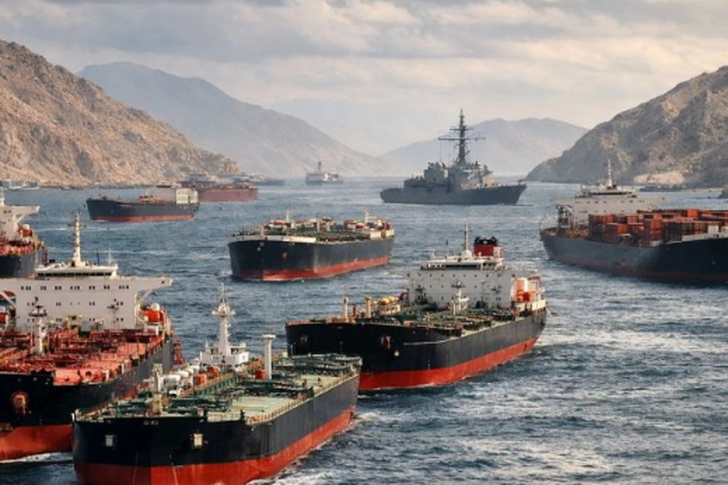
Shipping companies are trying to understand the terms of t...

The number of visitors to hotels was 56,644, of which 24,4...
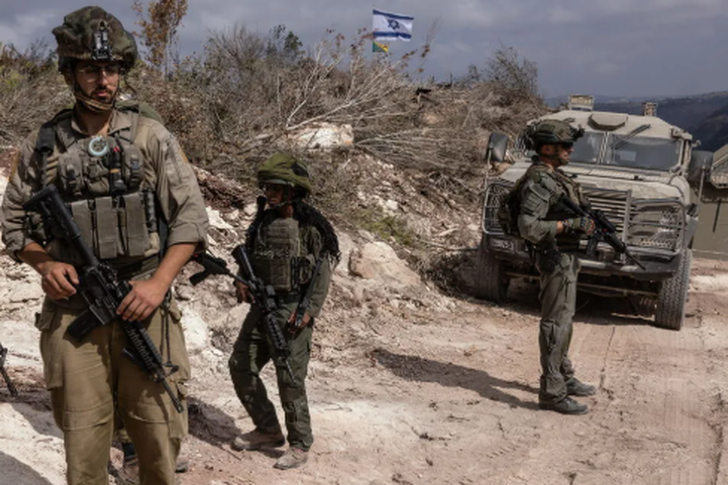
Israeli Defense Minister Israel Katz stated today that the...
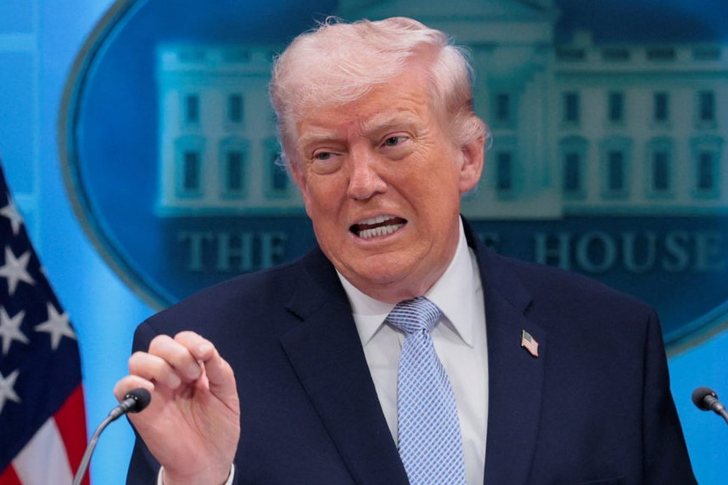
The President of the United States of America, Donald Trum...
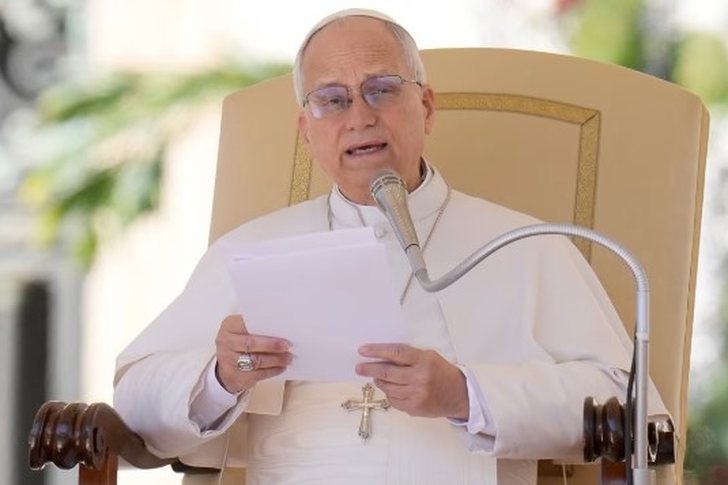
Pope Leo XIV today welcomed the announcement of a two-week...
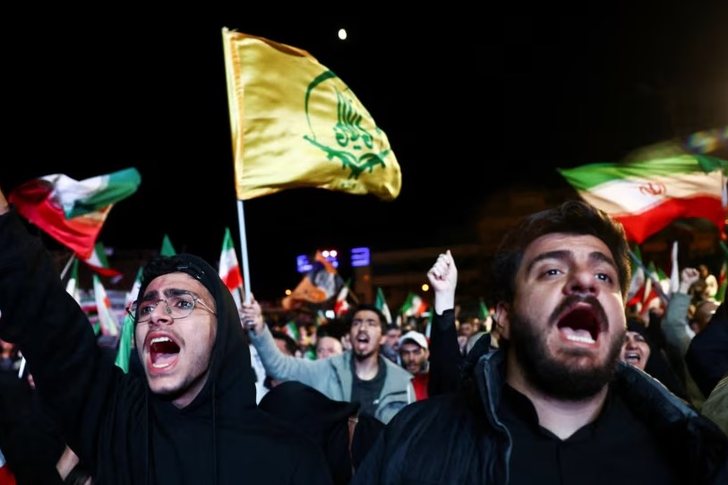
The United States and Iran agreed on Wednesday to a two-we...
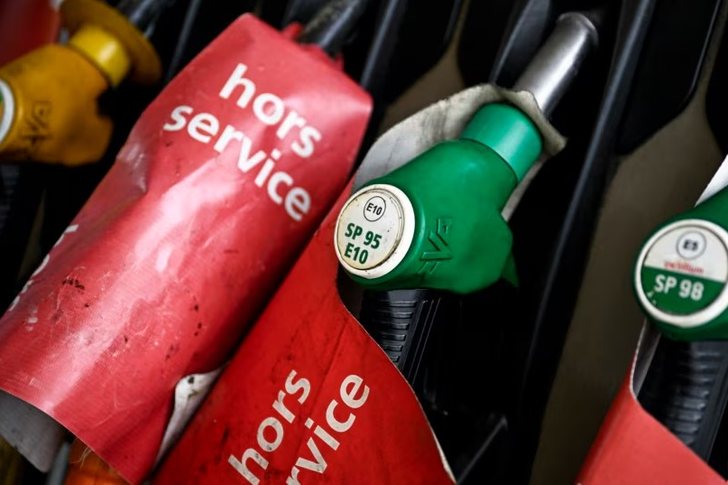
The European Union's key oil and gas groups will meet this...
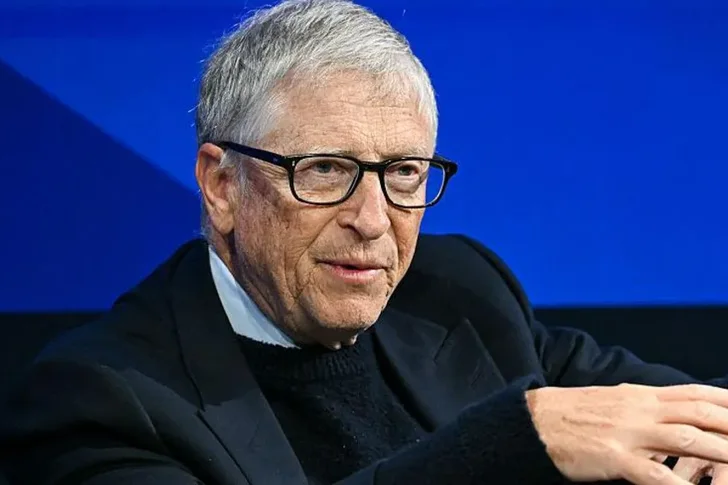
Microsoft co-founder Bill Gates will testify before the US...
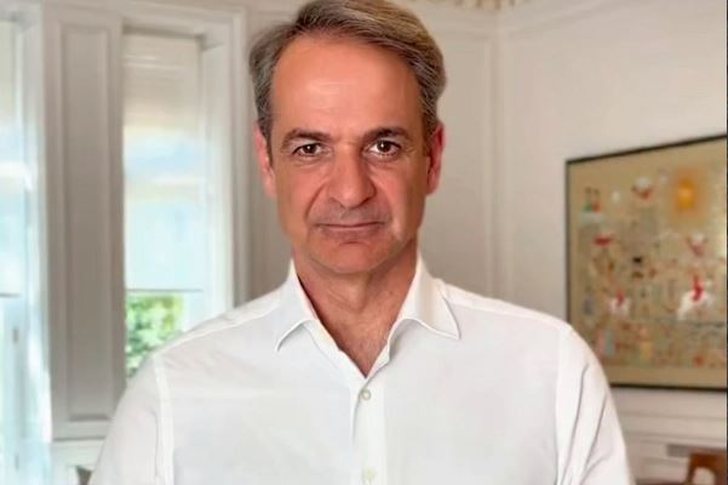
Kyriakos Mitsotakis announced a ban on access to social me...
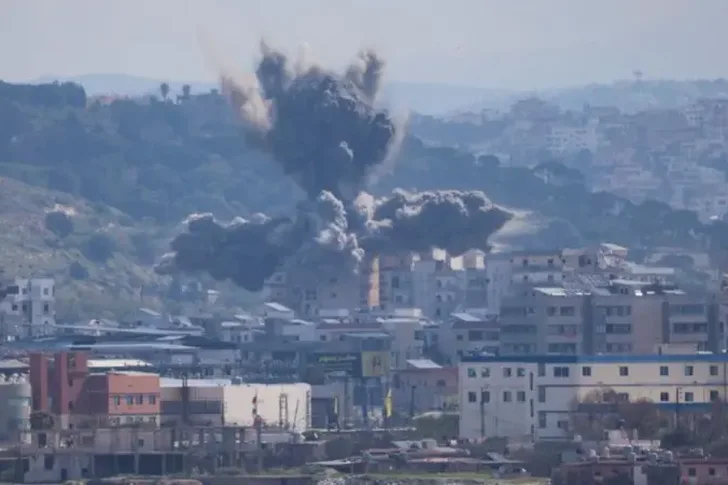
The Israeli military has carried out a wave of airstrikes ...
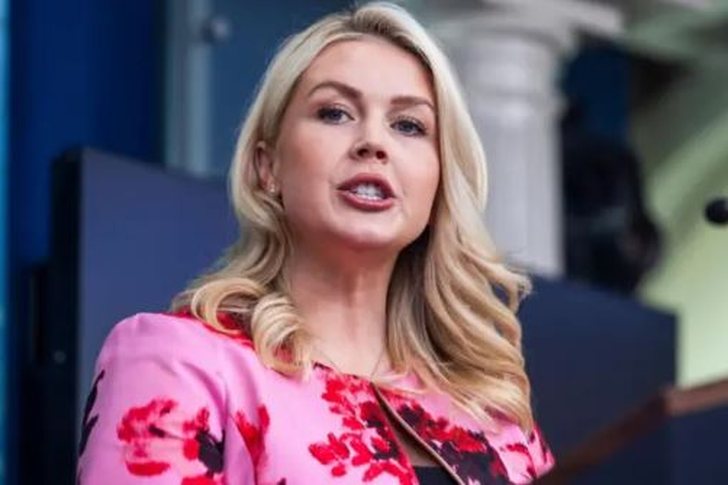
The White House has declared victory after announcing a ce...
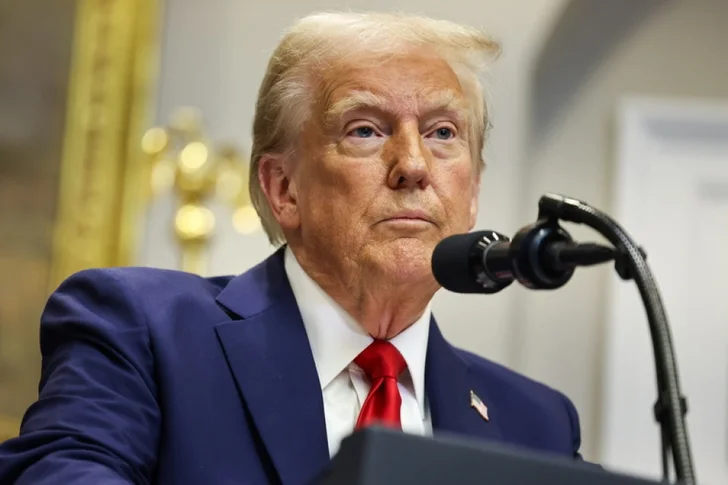
US President Donald Trump has reacted to recent developmen...
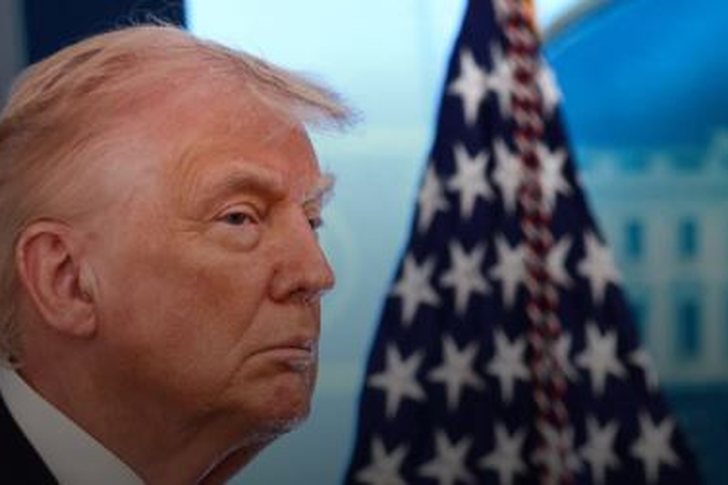
President Donald Trump has announced that he has agreed to...
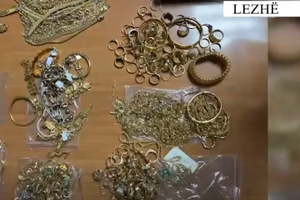
A 39-year-old citizen has been arrested in Lezha, after se...

CNA has launched another investigation that could lead to ...

Irfan Hysenbelliu is a businessman that we call "Irfan the...

In March 2026, CNA launched another investigation centered...

The Special Board of Appeal (KPA) decided this Monday ...

The KPA vetting decided this Thursday to dismiss the p...

Suela Salavaçi, a prosecutor in the Prosecutor's Offic...

The Special Board of Appeal reinstated the prosecutor ...

Following the successive operations carried out by the ope...

The Police Supervision Agency has seized the service weapo...

A serious incident occurred in Lushnje, where citizen IY, ...

As a result of the investigative and procedural actions ca...

As the year 2026 is in its second half, the world is exper...

Today, our country will be under the influence of stable a...

By noon, cloudiness is expected to prevail in almost all o...

Children without parental care, for whom alternative famil...

Serbia's Minister of State Administration and Local Self-G...
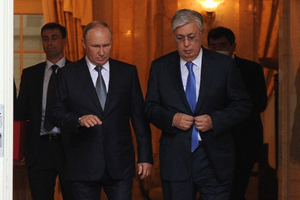
Kazakh President Kassym-Jomart Tokayev shared some critici...
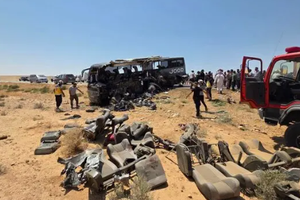
Thirty-five people were killed and 30 others were injured ...
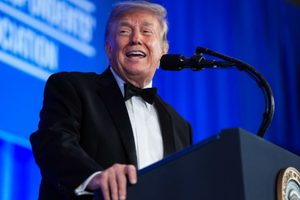
US President Donald Trump has announced that he will seek ...
Two windows, a century of history and the metaphysics of p...

In my research at the Central State Archives, specifically...

At a time when industrial products are increasingly taking...

Trust among people is not just a three-syllable word. It c...
This Saturday, one US dollar is bought for 81.7 lek and so...
War, weather and supply disruptions could send gas prices ...
The number of active enterprises in Albania continued to g...
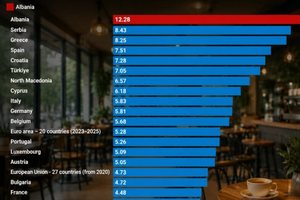
In Albania, the bar-cafe has long become an almost unique ...