

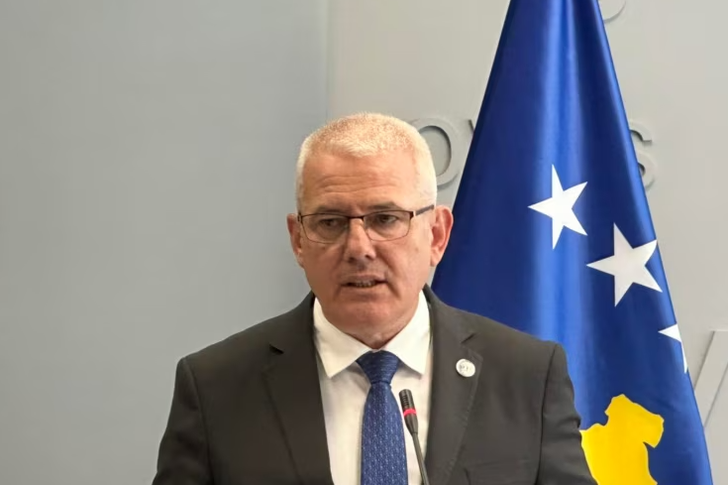
10 detonators found in Leposavic, Svečla accuses Serbia of planning terrorist attacks
Kosovo's acting Minister of Interior, Xhelal Sveçla, has c...



Forced prostitution and human trafficking are on the rise in Germany. Politicians, experts and victims are discussing how the situation can be improved. The "Nordic Model" is a hot topic.
Is Germany really the "brothel of Europe"? The President of the German Bundestag, Julia Klöckner (CDU), has reignited a debate about how the country should deal with prostitution in the future with this label.
In a speech on Tuesday, Klöckner criticized the current legislation in Germany. According to her, prostitutes are not sufficiently protected. "I am strongly convinced that we must finally ban prostitution and the purchase of sex in this country," Klöckner declared, immediately receiving support from her party colleague Nina Warken.
"Like other countries, Germany needs a legally enforceable ban on the purchase of sex," the Federal Health Minister told the Rheinische Post. "Prostitutes must remain unpunished and receive comprehensive support to leave the profession."
What is the current legal situation in Germany?
Under current law, prostitution is legal in Germany. With the Prostitution Act, which came into effect in 2002, sex work is no longer considered "immoral" as it was before, but rather a legal service. This gives those involved a legal right to the agreed payment.
In 2017, the Prostitution Protection Act was also passed to further improve the legal and social situation of sex workers. Individuals working in prostitution must register their activity with the authorities. Brothels must obtain a permit to operate. This is only granted if certain minimum requirements regarding safety, hygiene, and facilities are met.
What criticisms are there of the current regulations?
Crime has not been curbed by the legalization of prostitution. On the contrary, according to the "Report on Trafficking in Human Beings", published annually by the Federal Criminal Police Office, human trafficking and forced prostitution in particular have increased.
According to the Federal Statistical Office, there are a total of 32,300 registered sex workers in Germany, of which only 5,600 are German citizens (as of the end of 2024). One in three prostitutes comes from Romania (11,500) and another 3,400 from Bulgaria. However, experts assume a much higher number of unregistered prostitutes. Most estimates range between 200,000 and 400,000, with some sources even talking about a million.
Foreign women with insufficient German language skills are said to constitute the vast majority. Since they know very little about their rights, they have virtually no access to existing health and support services. The vast majority of these women are involuntarily involved in prostitution - either because of poverty or because they are forced into it by prostitutes.
Critics of the current legislation argue that the legalization of prostitution in Germany has caused the sex market to explode, with competition increasing and prices falling sharply. This, they claim, is attracting more and more clients who are willing to commit sexual abuse.
What is the "Nordic Model" and where is it applied?
Against this background, Julia Klöckner and Nina Warken have supported the introduction of the so-called “Nordic Model.” However, the debate on whether such a regulation is reasonable or not has been going on in Germany for years.
The "Nordic Model" is so called because it was first introduced in Sweden in 1999 and in Norway in 2009. Later, Iceland, Canada, France, Ireland and Israel, among others, followed suit. The model prohibits the purchase of brokered and organized sexual services, but not their direct sale. Thus, it criminalizes clients and pimps, while prostitutes remain unpunished.
At the same time, it offers sex workers comprehensive support and programs to exit prostitution. Clients face fines in certain cases. In Sweden, in the worst case scenario, even prison sentences of up to a year. Norway also prosecutes its citizens for purchasing sexual services abroad.
What are the arguments for and against?
Critics of this model generally view (voluntary) prostitution as “normal” work. They want to strengthen the rights of sex workers so that they can do their work autonomously. They believe that forced prostitution can be combated by strengthening the rights of those affected. They want to destigmatize sex work and fear that criminalizing the purchase of sex would push prostitution further into illegal, less protected areas, such as the digital sphere.
Supporters of the model say that most prostitution already takes place in secret and thus in a kind of parallel society. Sex workers should no longer be punished by law for being forced into sex work.
Decriminalization would make it easier for clients to report to the police or the justice system, because they would then have a sanctioned right to protection and assistance. If sex buyers were punishable, this would lead to an overall decline in prostitution.
It is no coincidence that in countries that have implemented the Nordic Model, both the number of prostitutes and their clients has fallen significantly. A recently published study by the University of Tübingen concludes that the introduction of the model contributes to an objectively measurable reduction in the number of victims of human trafficking, even in the long term.
The law alone is not enough
However, the introduction of such a law alone is not enough to improve the situation of forced prostitutes, warns the Federal Association for the Nordic Model.
Comprehensive funding for exit programs and a significant strengthening of victims' rights are needed. Funding for holistic social support should be provided, enabling those affected to afford housing, psychological care and vocational training, the Association argues.
Funding for prevention and education, as well as continued criminal prosecution of prostitution and human trafficking, are also essential for shrinking the prostitution market overall./ DW

Kosovo's acting Minister of Interior, Xhelal Sveçla, has c...

After protests in several different cities in Europe, comp...
The Democratic Party of Kosovo (PDK) has insisted on its r...
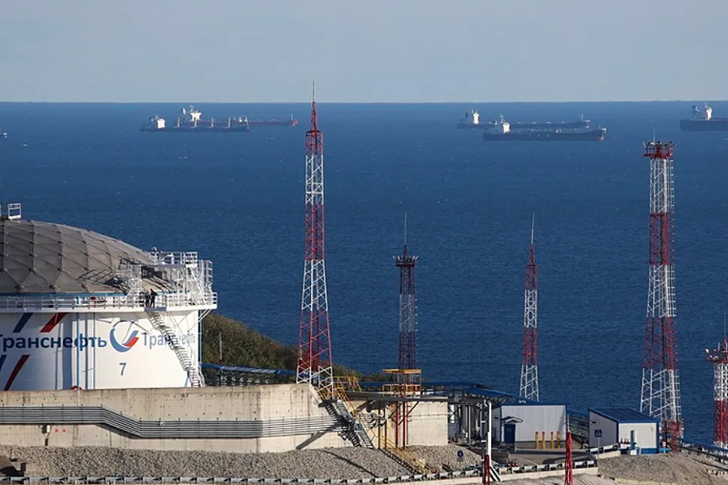
A major oil terminal in the Russian port city of Novorossi...
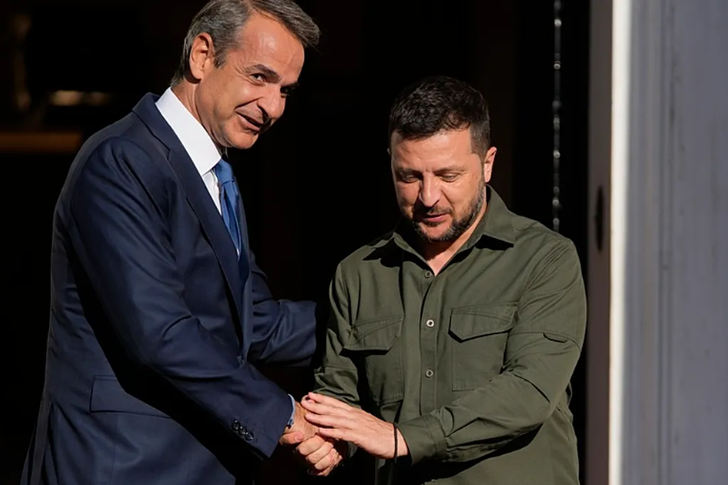
The Ukrainian president is expected to visit Athens today....
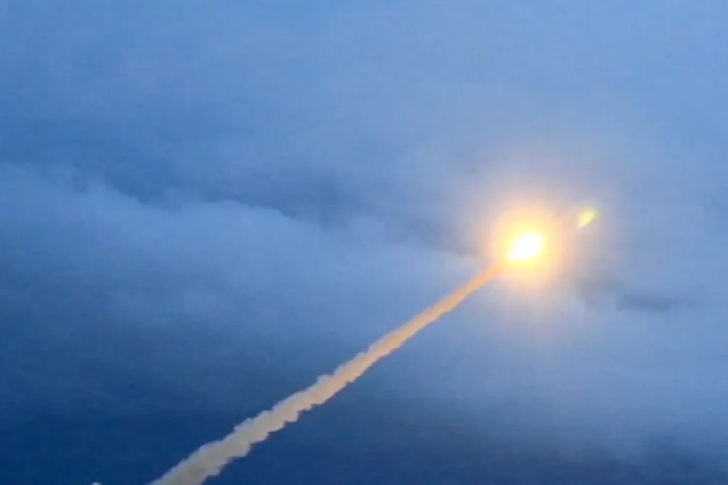
Vladimir Putin's new superweapon, the Petrel, has apparent...

Bad weather has hit the wider Genoa area in Italy today, c...
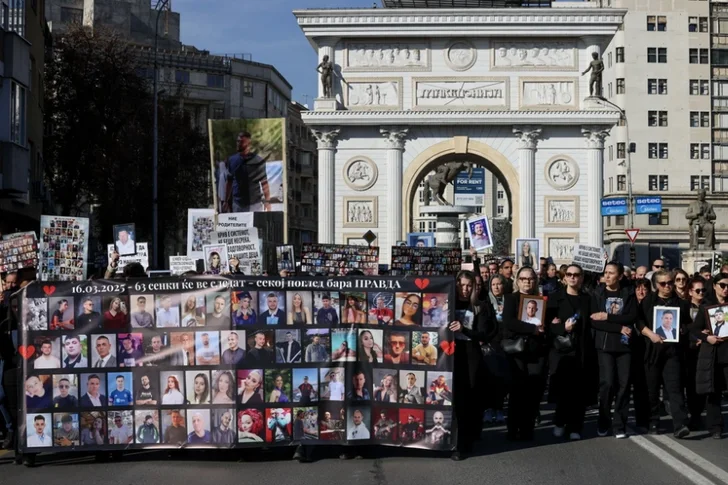
Thousands of people in Skopje protested in the city center...

Pope Leo welcomed Spike Lee, Cate Blanchett, Greta Gerwig,...
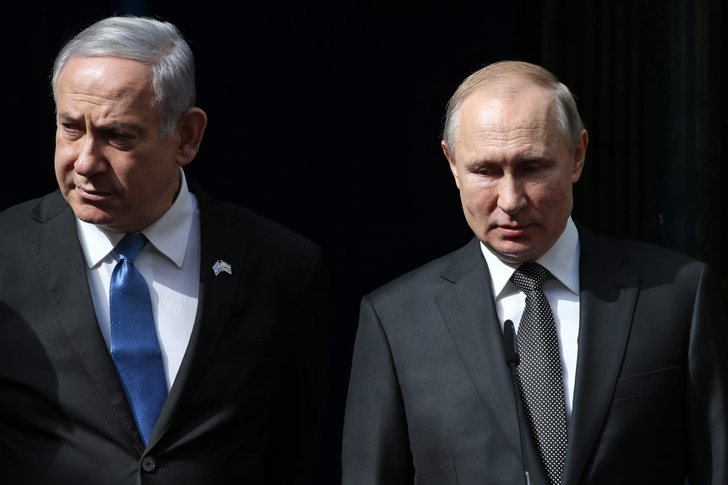
Russian President Vladimir Putin and Israeli Prime Ministe...

Ukrainian President Volodymyr Zelensky announced today tha...

US President Donald Trump has signed an executive order ex...
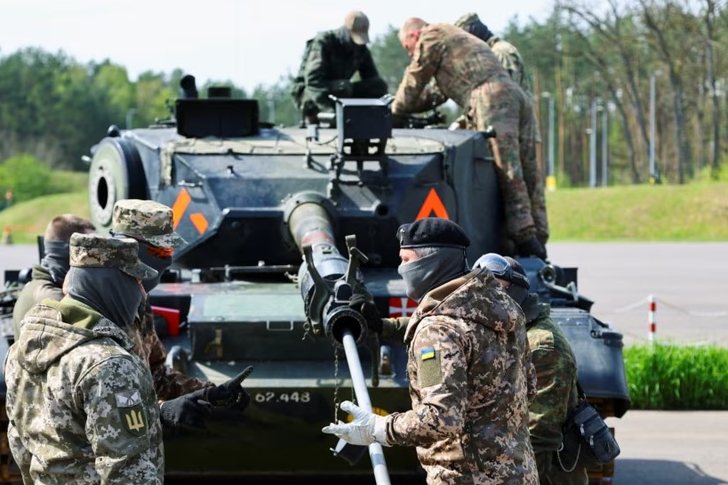
Europe is increasing its defense spending. But one issue h...

US President Donald Trump said on Friday he thinks Thailan...

In a report broadcast on October 11, 2020, a Russian state...
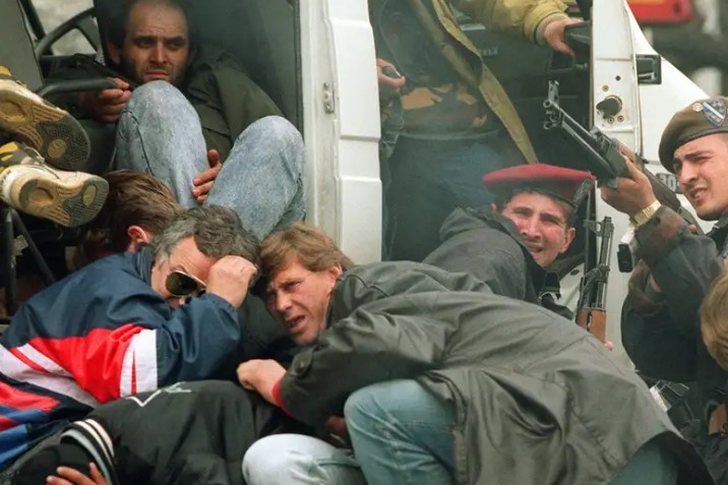
An unusual piece of evidence has reopened the wounds of th...

New York City was blanketed in the first snow of the seaso...
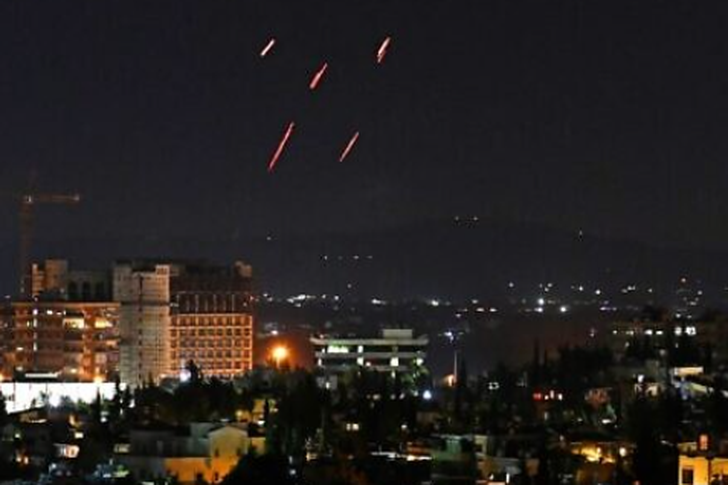
An explosion occurred on Friday evening in the Mezzeh neig...
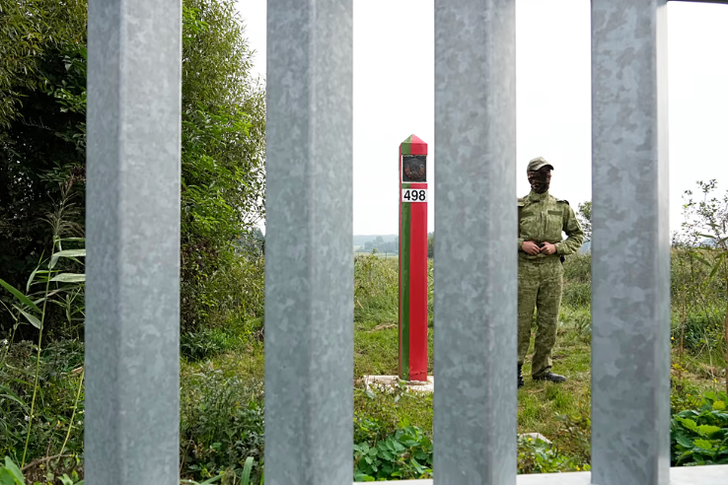
The Polish government announced this Friday that it is imp...
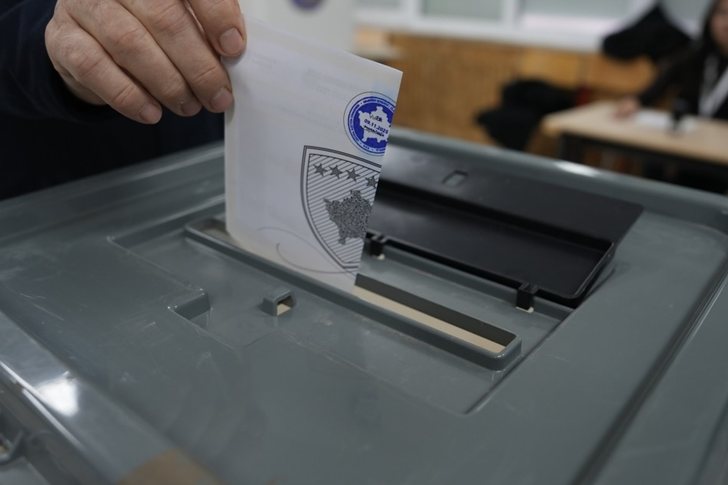
The Electoral Complaints and Appeals Panel (ECAP) on Frida...

CNA has launched another investigation that could lead to ...

Irfan Hysenbelliu is a businessman that we call "Irfan the...

In March 2026, CNA launched another investigation centered...
The arrested mayor of Tirana, Erion Veliaj, with 13 charge...

The Special Board of Appeal (KPA) decided this Monday ...

The KPA vetting decided this Thursday to dismiss the p...

Suela Salavaçi, a prosecutor in the Prosecutor's Offic...

The Special Board of Appeal reinstated the prosecutor ...

Footage emerges from the serious accident that occurred th...

A Shkodra traffic police officer was hit with hard objects...

This Wednesday, around 4:00 PM, a serious accident occurre...
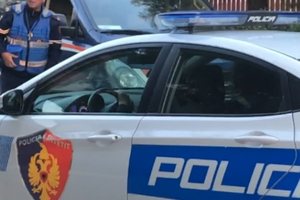
Tirana Police have shared details regarding the accident t...
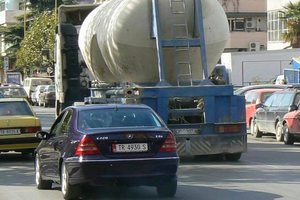
A serious accident that occurred this Wednesday with the c...

The Institute of Geosciences has shared a forecast for wea...

Rising energy and fertilizer prices are expected to contin...
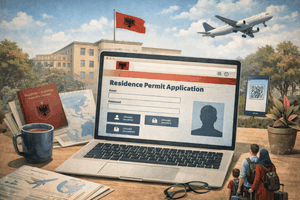
Over 18,000 foreign citizens from 140 countries have appli...

The trial of ousted Venezuelan President Nicolas Maduro on...
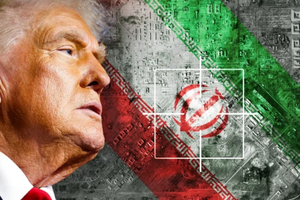
US President Donald Trump has issued another warning to Ir...

Prime Minister Andy Burnham has announced that most bus fa...

France's parliament has passed a law to ban social media f...

At a time when industrial products are increasingly taking...

Trust among people is not just a three-syllable word. It c...

Master of humor Todi Llupi has passed away at the age of 7...

The ninth edition of "MIK Festival" kicked off with one of...
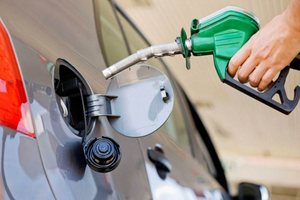
The price of diesel reached 206 lek per liter from 198 lek...

Businesses will no longer be required to simply register t...

Despite economic growth and income in recent years, Albani...

This Wednesday, one US dollar is bought for 81.4 lek and s...