

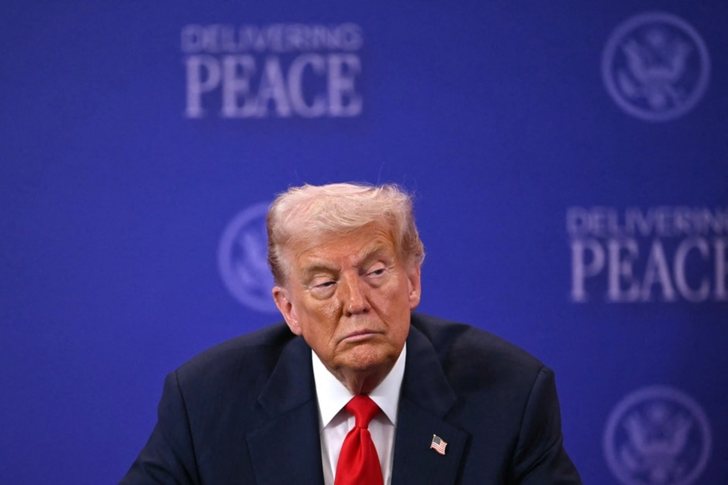
Trump calls Cambodian, Thai leaders after conflict escalates
US President Donald Trump said on Friday he thinks Thailan...


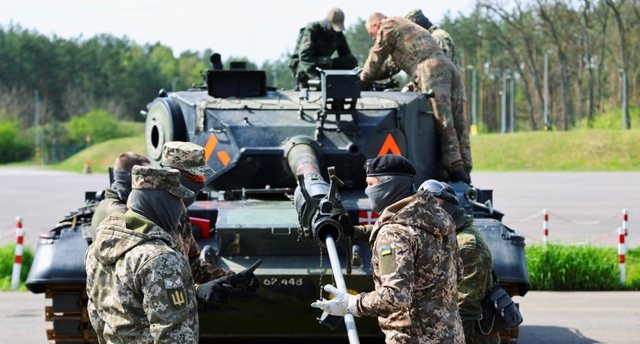
Europe is increasing its defense spending. But one issue has been largely neglected: how to move military equipment from one country to another as quickly as possible in the event of war.
A “military Schengen,” which would mean an area in which weapons and troops could move around the bloc as easily as civilians can normally move within the Schengen area without passports, has been discussed for years but has so far remained unrealized by both the EU and NATO, despite the war in Ukraine.
On November 19, the European Commission will present its latest effort to achieve this goal by the end of the decade.
An advanced copy, seen by Radio Free Europe (RFE/RL), talks about two ways to achieve this: first, major investments in hundreds of "bottlenecks" across the continent, such as railway lines, ports and bridges, including in EU candidate countries such as Ukraine and Moldova, which the document considers essential for integrating into the EU's military transport structures.
And, secondly, reducing bureaucracy, as different national legislations and bureaucratic procedures are believed to hinder any attempt to quickly and easily move military equipment from one EU country to another.
The idea of ??a “military Schengen” has been discussed in Brussels for some time. It was made a “priority area” in 2017, and action plans on the subject were drawn up by the Commission in 2018, 2022 and 2024. But progress has been slow.
EU diplomats, speaking on condition of anonymity to REL, have stressed that this topic is usually close to being at the top of the agenda when discussing EU-NATO cooperation, but that neither organization has fully embraced it.
NATO has long hoped that the European Union would devote more legislative power and funding to military mobility, especially now that 23 of the 27 EU member states are also part of the military alliance, and the war in Ukraine has created greater urgency to intensify all defense-related issues.
At the same time, there has been dissatisfaction in the EU that NATO has focused too much on spending on expensive military equipment and too little on how to move it or make it available to other members of the alliance.
NATO's new goal of achieving 3.5% of GDP in military equipment by 2035 and an additional 1.5% in non-military investment, such as military mobility, goes some way to addressing this problem.
But it still remains in the hands of individual countries, as the Commission document points out.
“Derisa Shtetet Anëtare mbeten të lira të vendosin nëse do të lejojnë forca të armatosura të huaja të kalojnë territorin e tyre si pjesë e sigurisë dhe mbrojtjes së tyre kombëtare, BE-ja duhet të ketë një kornizë për lëvizshmërisë ushtarake që baraspeshon nevojat ushtarake dhe civile”, thuhet në dokument.
Qëllimi i këtij Komisioni Evropian, mandati i të cilit përfundon më 2029, është të “krijojë një Zonë Lëvizshmërie Ushtarake në gjithë BE-në deri në fund të vitit 2027, si hap i parë drejt arritjes progresive të një ‘Shengeni Ushtarak’ në dimensionet rregullatore, infrastrukturore dhe të kapaciteteve”.
Pyetja është nëse këtë herë fondet do të jenë të mjaftueshme. Në buxhetin e fundit shumëvjeçar të BE-së (2021-2027), rreth 1.7 miliard euro u caktuan për infrastrukturë transporti me përdorim të dyfishtë civil/ushtarak, duke u fokusuar në 95 projekte në 21 vende.
Por, siç thekson dokumenti: “kërkesa për financim nga BE-ja tejkaloi ndjeshëm fondet e disponueshme dhe të gjitha thirrjet ishin të mbingarkuara”.
Për buxhetin e ardhshëm afatgjatë (2028–2034), Komisioni Evropian ka propozuar 17.65 miliardë euro për infrastrukturën e transportit me përdorim të dyfishtë, duke u fokusuar në 500 “projekte kritike”, ku transporti i pajisjeve ushtarake duhet të bëhet më i shpejtë dhe më i rrjedhshëm.
Por, pyetja është nëse kjo do të pranohet, pasi shtetet anëtare zakonisht e ulin propozimin fillestar të Komisionit dhe preferojnë të ridrejtojnë fondet e BE-së në “fitues votash” si bujqësia, peshkimi dhe shpenzime të tjera sociale.
Hekurudha është gjithashtu mënyra e transportit ku janë shpenzuar më shumë para për lëvizshmërinë ushtarake. Dhe, kjo pritet të vazhdojë. Më herët këtë vit BE-ja ra dakord për katër korridore të prioritetit të lartë për lëvizshmërinë ushtarake, veriore, jugore, lindore dhe qendrore.
Korridori verior, që lidh kryesisht Holandën me Gjermaninë e Poloninë dhe më tej me Ukrainën, është për arsye të qarta më i avancuari.
Dokumenti vë në pah një shtrirje hekurudhore 22 kilometra, që lidh Ukrainën Perëndimore me Sllovakinë dhe pjesën tjetër të Evropës Qendrore me gjerësinë standarde evropiane të shinave, e cila u hap në shtator 2025.
Gjithashtu, ai thekson se “punimet përgatitore janë në zhvillim për të vendosur gjerësinë standarde të shinave evropiane në Korridoret Evropiane të Transportit që lidhin Moldavinë dhe Ukrainën me Shtetet Anëtare të BE-së”.
Ideja është që e gjithë BE-ja, duke përfshirë vendet kandidate, të operojë me gjerësinë standarde të shinave në të ardhmen.
Komisioni Evropian dëshiron gjithashtu të investojë në elementë të tjerë që janë jetikë për lëvizjet ushtarake por që përshkruhen si “të pakët” në klub; avionë të mëdhenj transporti, tragete me përdorim të dyfishtë dhe veçanërisht vagonë për trena, në të cilët mund të transportohen pajisjet më të rënda ushtarake si raketat dhe tanket.
Ultimately, however, the biggest changes the EU can make are in legislation to facilitate the movement of troops and equipment.
The problem is clearly stated in the document: "EU rules do not apply to military transport or are not applied coherently, national regulations vary and military transport does not receive sufficient priority."
The text notes that it sometimes takes 45 days to obtain permission for military transport to move from one EU country to another. The target set by Brussels is three days.
Surprisingly, the EU's harmonised rules on the transport of dangerous goods do not apply to military transport, meaning that ad hoc agreements are often needed. This is set to change.
And the European Commission intends to ask for more. Permits to move military equipment between member states will no longer have to be renewed every year. They will remain valid until withdrawn.
Even non-EU countries can be part of this change.
Other proposals include the possibility of exempting military transport from certain civilian rules, such as traffic bans during holidays and EU cabotage rules – specific legislation that favours national transport companies over those from other EU states.
The key will be a “European Enhanced Military Mobility Response System (EMERS)” which can be activated within 48 hours following a proposal from the European Commission or an EU member state.
When activated, in the event of a potential military emergency, cross-border military transport will require only a short notice of military movement and the avoidance of standard procedures, except for customs formalities.
All of these proposals will need to be approved among EU member states, often requiring unanimity.
Given the growing urgency for the EU to strengthen its military might amid the war in Ukraine, this may be the best opportunity to achieve “military Schengen.” /REL

US President Donald Trump said on Friday he thinks Thailan...
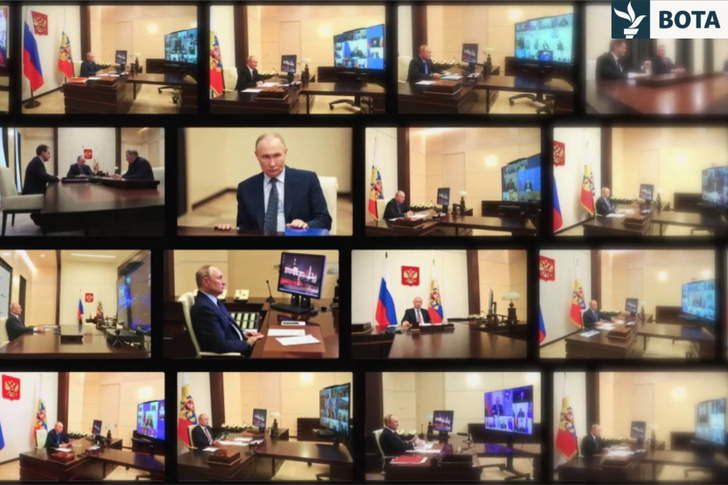
In a report broadcast on October 11, 2020, a Russian state...
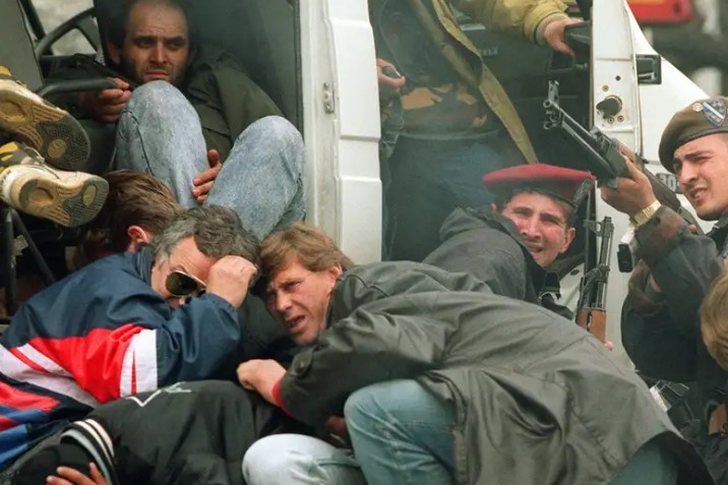
An unusual piece of evidence has reopened the wounds of th...

New York City was blanketed in the first snow of the seaso...
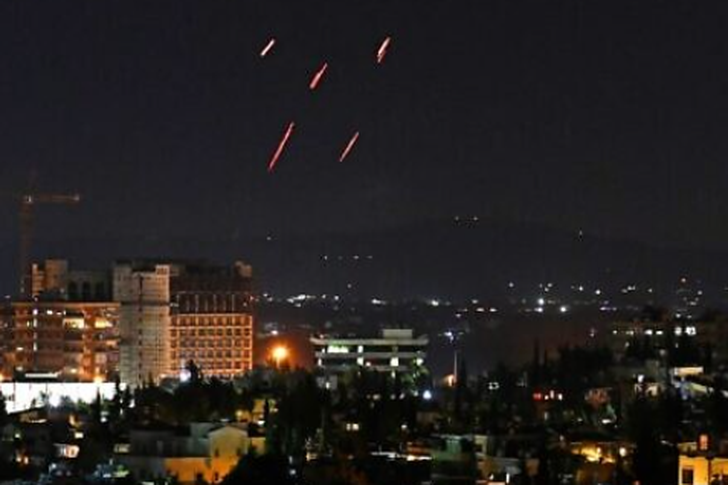
An explosion occurred on Friday evening in the Mezzeh neig...
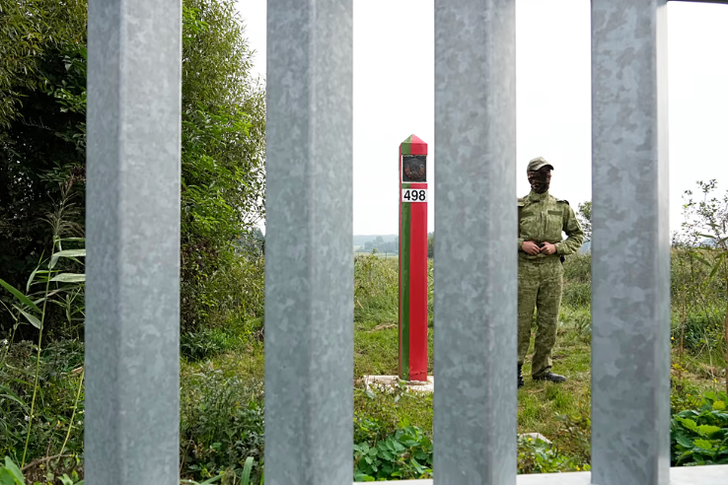
The Polish government announced this Friday that it is imp...
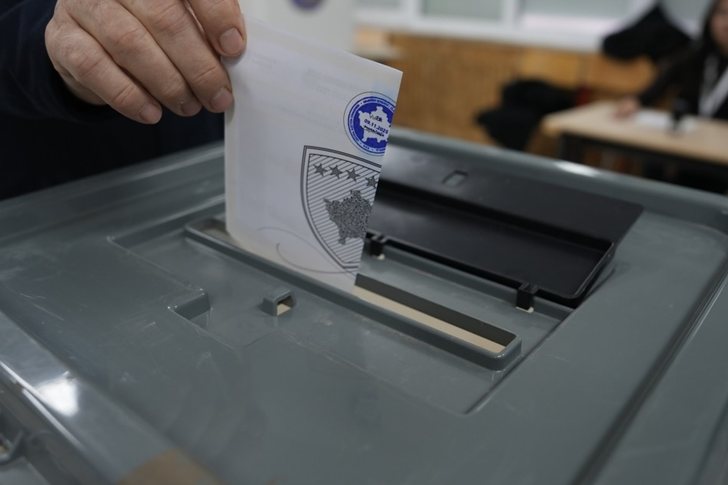
The Electoral Complaints and Appeals Panel (ECAP) on Frida...

The European Commission is aiming for EU-wide taxes on pro...
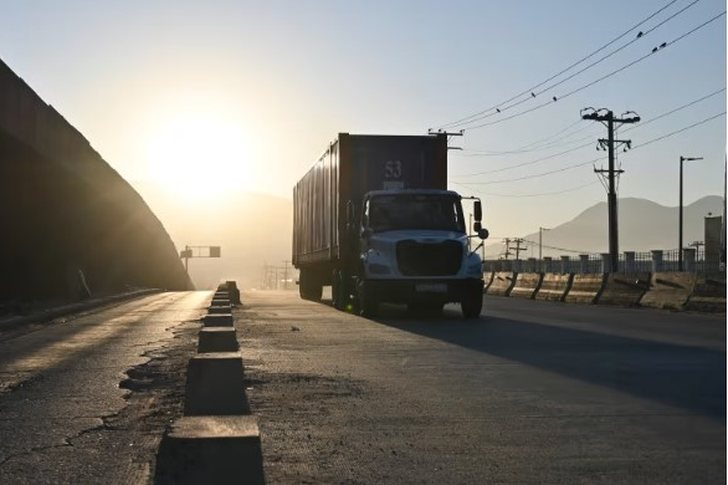
California plans to revoke 17,000 commercial driver's lice...
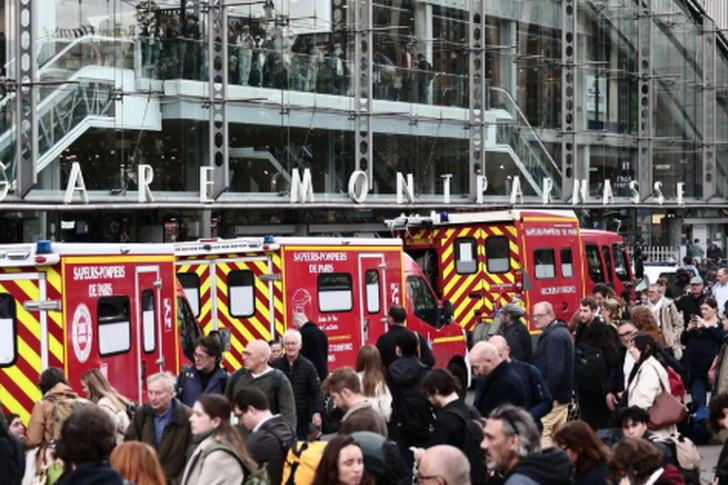
French police carried out an operation on Friday afternoon...

This Friday is a big day for the British royal family. Tha...
The Basic Prosecution Office of Gjakova and the Kosovo Pol...
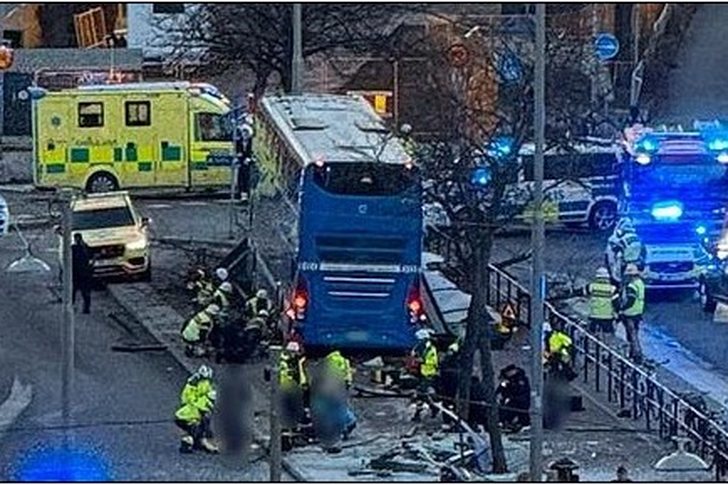
Several people have died after a bus crashed into a bus st...
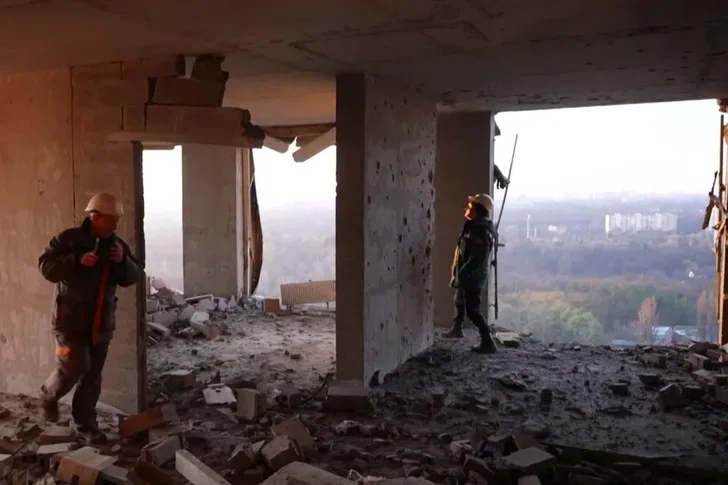
A Russian drone has crashed into an apartment block in eas...
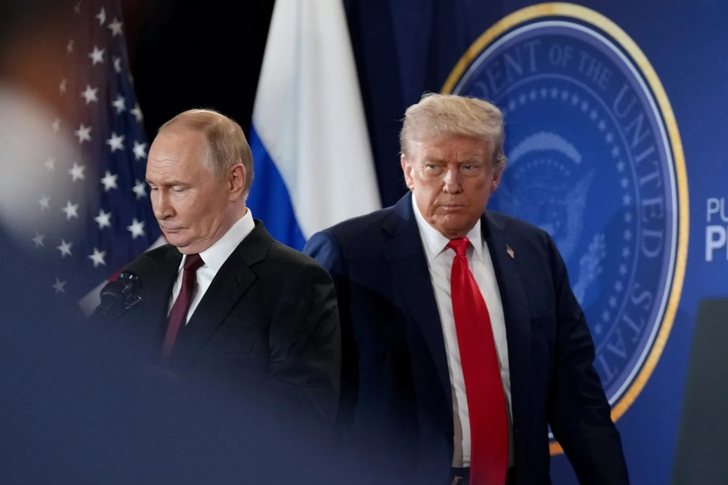
Dialogue between Russia and the United States has resumed,...

A 41-year-old Albanian from Kosovo, who was a building adm...
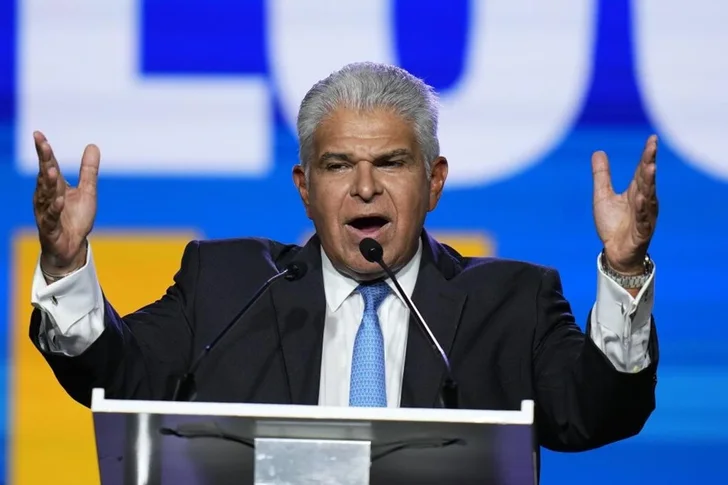
Panama's President Jose Raul Mulino said Tuesday that US m...
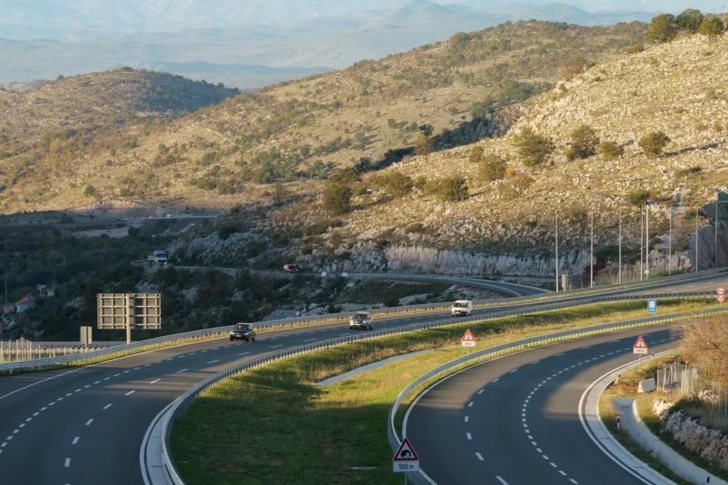
A Chinese company and three consortiums have submitted bid...

Russia has launched a massive drone and missile attack on ...
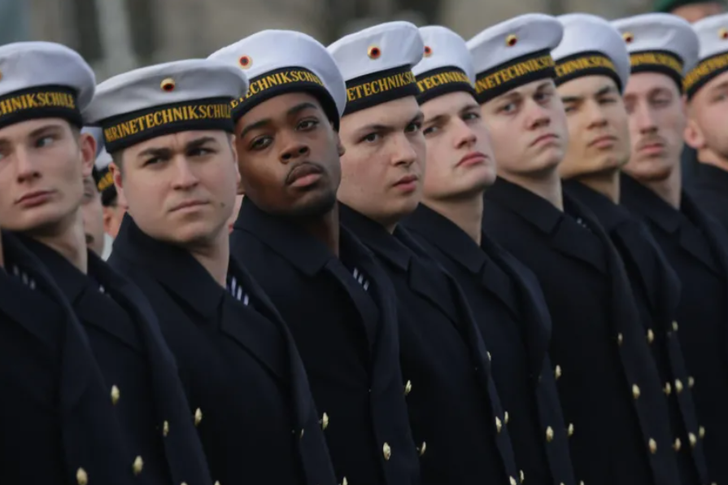
Germany's coalition government has agreed to a new militar...

CNA has launched another investigation that could lead to ...

Irfan Hysenbelliu is a businessman that we call "Irfan the...

In March 2026, CNA launched another investigation centered...
The arrested mayor of Tirana, Erion Veliaj, with 13 charge...

The Special Board of Appeal (KPA) decided this Monday ...

The KPA vetting decided this Thursday to dismiss the p...

Suela Salavaçi, a prosecutor in the Prosecutor's Offic...

The Special Board of Appeal reinstated the prosecutor ...
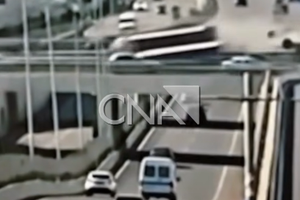
Footage emerges from the serious accident that occurred th...

A Shkodra traffic police officer was hit with hard objects...
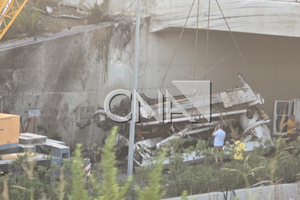
This Wednesday, around 4:00 PM, a serious accident occurre...

Tirana Police have shared details regarding the accident t...
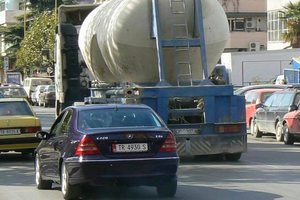
A serious accident that occurred this Wednesday with the c...

The Institute of Geosciences has shared a forecast for wea...

Rising energy and fertilizer prices are expected to contin...

Over 18,000 foreign citizens from 140 countries have appli...

The trial of ousted Venezuelan President Nicolas Maduro on...

US President Donald Trump has issued another warning to Ir...

Prime Minister Andy Burnham has announced that most bus fa...

France's parliament has passed a law to ban social media f...

At a time when industrial products are increasingly taking...

Trust among people is not just a three-syllable word. It c...

Master of humor Todi Llupi has passed away at the age of 7...

The ninth edition of "MIK Festival" kicked off with one of...
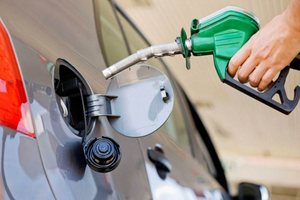
The price of diesel reached 206 lek per liter from 198 lek...

Businesses will no longer be required to simply register t...

Despite economic growth and income in recent years, Albani...

This Wednesday, one US dollar is bought for 81.4 lek and s...