

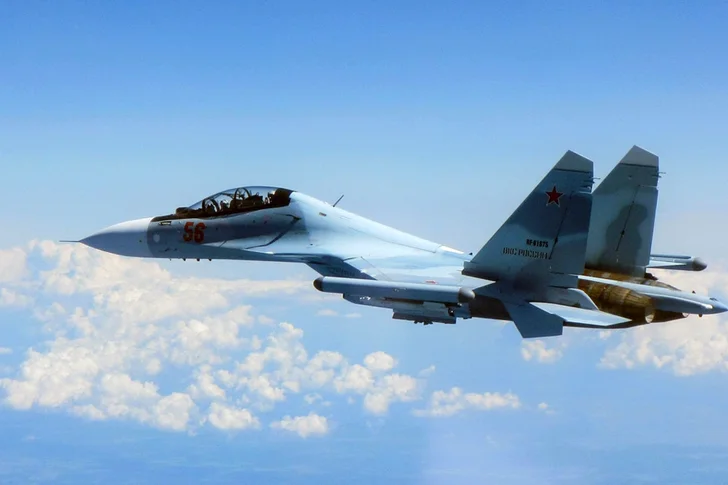
Rrëzohet një avion luftarak në Rusi/ Humbin jetën dy pilotët
Një avion luftarak Su-30 është rrëzuar gjatë një fluturimi...


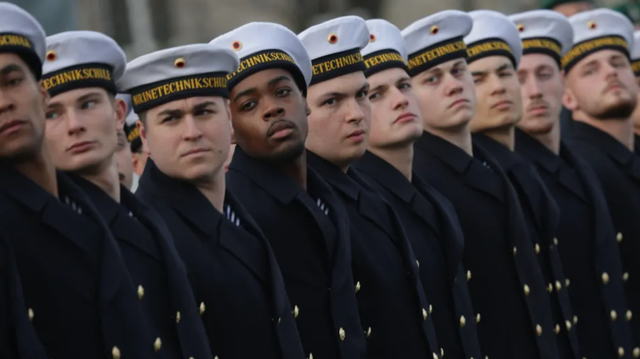
Germany's coalition government has agreed to a new military service plan to increase troop numbers after months of debate between political forces.
The new military service plan will force all 18-year-old men to complete a questionnaire on their suitability to serve and, from 2027, undergo a medical check-up.
The decision comes as Berlin aims to create Europe's strongest conventional army.
The head of Germany's largest defense firm, Rheinmetall, has told the BBC that he believes this goal can be achieved within five years.
Lawmakers are expected to vote on the plan by the end of 2025.
Armin Papperger said Chancellor Friedrich Merz's goal of strengthening the Bundeswehr was "realistic" and told the BBC that clear decisions were coming from the government.
Earlier this year, Germany's defense chief, General Carsten Breuer, warned that the western NATO alliance needed to prepare for a possible Russian attack within four years.
When they formed a coalition earlier this year, Merz's conservative CDU/CSU and the center-left Social Democratic SPD agreed to reintroduce military service, which would be voluntary from the start.
The Bundeswehr currently has around 182,000 troops. The new military service model aims to increase this number by 20,000 over the next year, rising to between 255,000 and 260,000 over the next 10 years, supplemented by around 200,000 reservists.
Starting next year, all 18-year-old men and women will be sent a questionnaire to assess their interest and willingness to join the armed forces. It will be mandatory for men and voluntary for women.
From July 2027, all men aged 18 will have to undergo a medical examination to assess their fitness for duty.
If the government's targets are not met, parliament could consider a form of compulsory conscription. If war breaks out, the army would be able to use questionnaires and medical examinations on potential recruits.
Some within Germany's political left remain deeply opposed to compulsory military service.
Many young Germans are wary, and a significant majority oppose it. A recent Forsa poll for Stern magazine suggested that while just over half of respondents favored compulsory military service, opposition rose to 63% among young people aged 18 to 29.
"I don't want to go to war because I don't want to die or get shot," said Jimi, a 17-year-old student from Berlin who took part in a protest against military conscription outside the Bundestag earlier this week. "I also don't want to shoot people."
An attack against Germany was an "impossible and abstract scenario" that the government was using to legitimize "the theft of the right of millions of young people to decide what they should do," he said.
Meanwhile, 21-year-old Jason registered as a new Bundeswehr recruit earlier this year due to the current security situation.
"I wanted to contribute to protecting peace, to protecting democracy if the worst happens," he said. By joining it, he felt he was giving something back to society, but he also believed in the deterrent potential of the military, so that potential enemies wouldn't even think of attacking you.
Defense Minister Boris Pistorius has tried to calm Germans, saying that despite the new military service plan, there is no reason for concern, no reason for fear.
"The more capable our armed forces are of deterrence and protection, through armament, training and personnel, the less likely it is that we will become party to a conflict," Pistorius said.
Defense spending in Germany fell sharply after the end of the Cold War, while military conscription was suspended in 2011.
Given its past, Germany has long been reluctant to show military might, but earlier this year, Friedrich Merz announced that the rule for German defense should now be whatever it takes, following Russia's full-scale invasion of Ukraine.
NATO countries across Europe have come under pressure from President Donald Trump's White House to increase spending./ Monitor

Një avion luftarak Su-30 është rrëzuar gjatë një fluturimi...

Workers at 65 stores in the U.S. have gone on strike for b...

A gold pocket watch found on the body of one of the Titani...

Economy ministers from the 27 EU member states reached an ...
Kosovo held parliamentary elections in February 2025, but ...

Pro-Palestinian activists used a crane to hang a banner on...

Bedri Hamza has announced his candidacy for the presidency...

The United States Treasury Department has minted the last ...
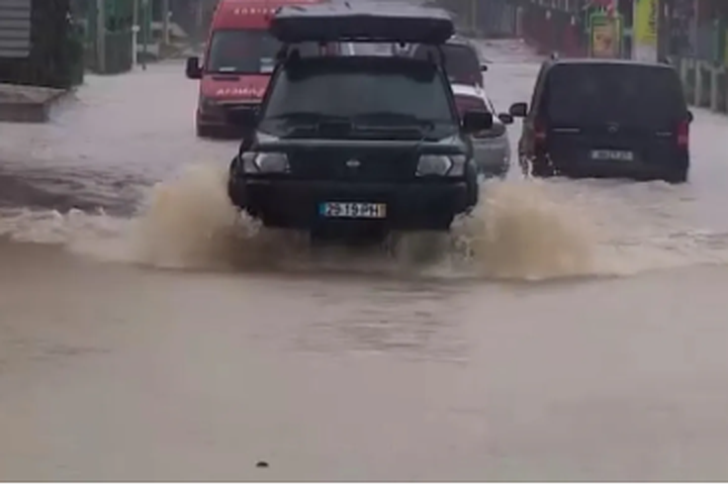
Storm 'Claudia' brought torrential rains, flooding, downed...
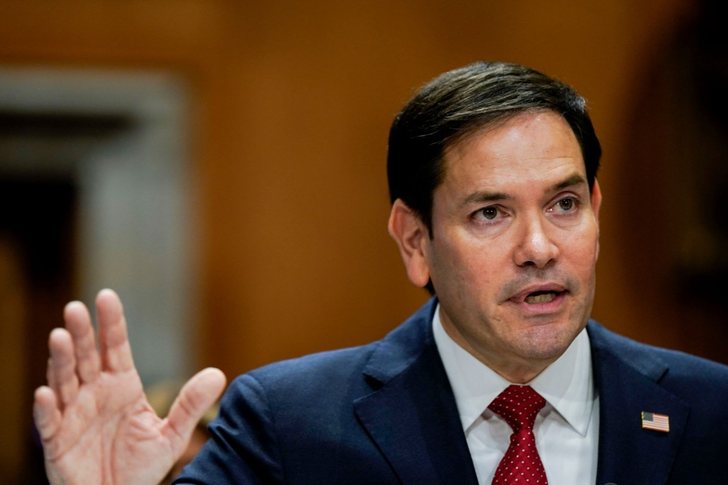
US Secretary of State Marco Rubio has stated that the US i...
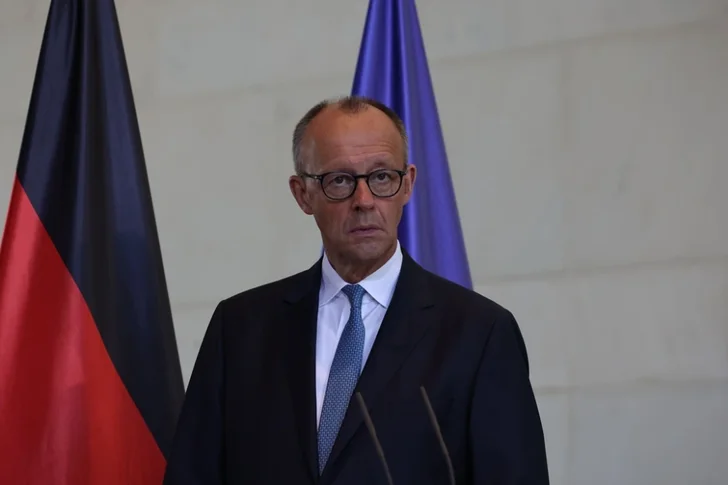
German Chancellor Friedrich Merz has called on Ukrainian P...
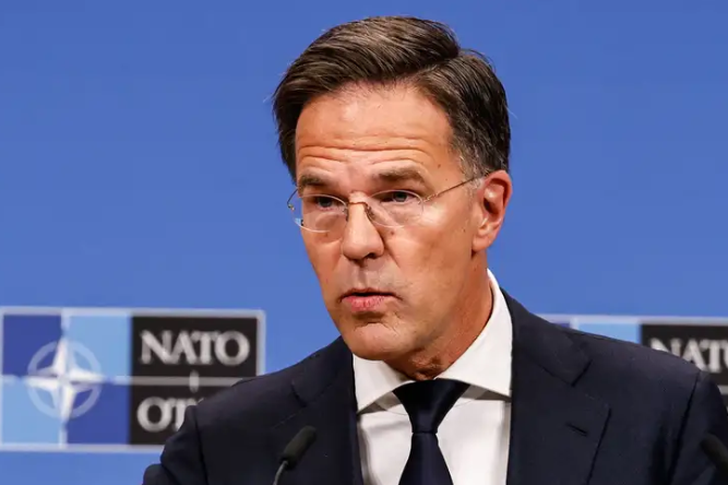
NATO Secretary General Mark Rutte stated this Thursday tha...

Kosovo continues to be in an institutional crisis awaiting...

Kosovo's chief negotiator for the dialogue with Serbia, Be...
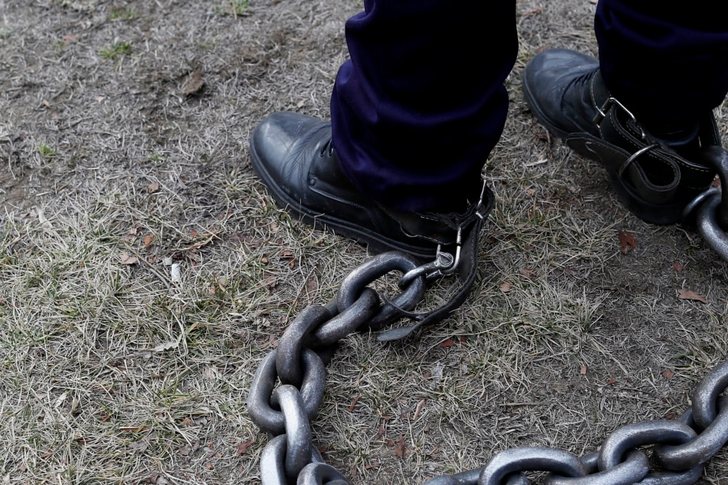
The European Police Agency [EUROPOL] announced that on Nov...

France commemorates the terrorist attacks of November 13, ...

President Donald Trump has signed a bill to reopen the gov...

Israeli President Isaac Herzog has received a letter from ...
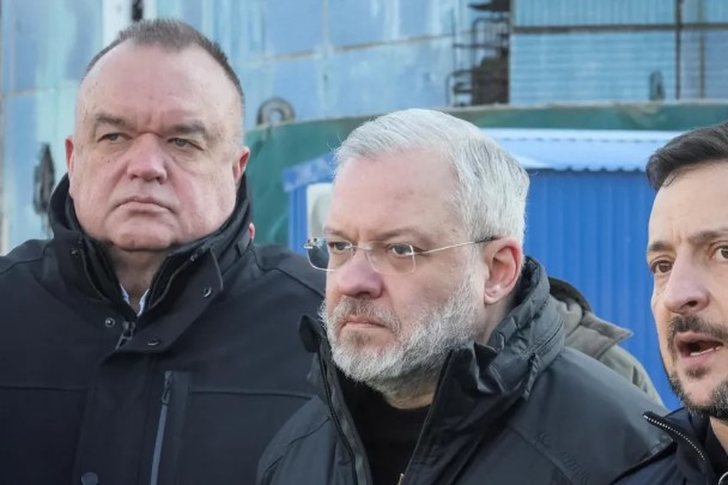
Ukraine's energy and justice ministers have resigned follo...
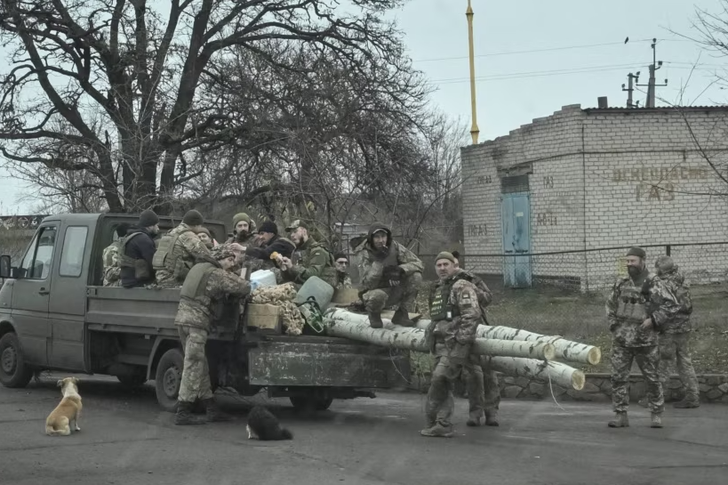
Russia said on Wednesday that its forces are continuing to...

CNA has launched another investigation that could lead to ...

Irfan Hysenbelliu is a businessman that we call "Irfan the...

In March 2026, CNA launched another investigation centered...
The arrested mayor of Tirana, Erion Veliaj, with 13 charge...

The Special Board of Appeal (KPA) decided this Monday ...

The KPA vetting decided this Thursday to dismiss the p...

Suela Salavaçi, a prosecutor in the Prosecutor's Offic...

The Special Board of Appeal reinstated the prosecutor ...

Footage emerges from the serious accident that occurred th...

A Shkodra traffic police officer was hit with hard objects...

This Wednesday, around 4:00 PM, a serious accident occurre...

Tirana Police have shared details regarding the accident t...

On Thursday, our country will be under the influence of st...

A serious accident that occurred this Wednesday with the c...

The Institute of Geosciences has shared a forecast for wea...

Rising energy and fertilizer prices are expected to contin...

Yemen's Houthis have claimed to have attacked two Saudi oi...

The trial of ousted Venezuelan President Nicolas Maduro on...

US President Donald Trump has issued another warning to Ir...

Prime Minister Andy Burnham has announced that most bus fa...

At a time when industrial products are increasingly taking...

Trust among people is not just a three-syllable word. It c...

Master of humor Todi Llupi has passed away at the age of 7...

The ninth edition of "MIK Festival" kicked off with one of...

The average sale price of apartments in Tirana reaches rec...

This Thursday, one US dollar is bought for 81.5 lek and so...

The price of diesel reached 206 lek per liter from 198 lek...

Businesses will no longer be required to simply register t...