

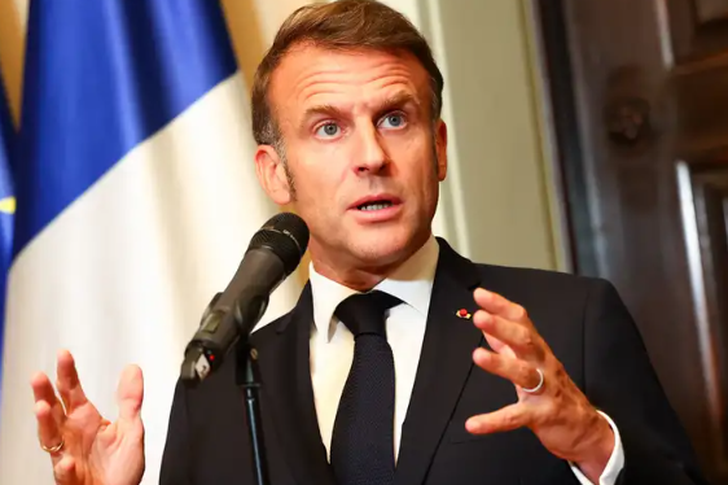
Macron: Kiev should be included in talks to end the war
French President Macron on the eve of the meeting between ...


A BBC investigation has uncovered the French and British operations of a powerful and violent smuggling gang that transported people across the English Channel in small boats.
A journalist, posing as a migrant trying to cross the border, helped us gain unprecedented access to a notorious forest smugglers' haven in northern France - an area plagued by armed battles between rival gangs.
Undercover footage at a major UK railway station also caught gang associates collecting payments to secure seats for illegal immigrants.
Multiple sources have described how gang leaders, who stay one step ahead of authorities by changing cell phone numbers and gang names, rape immigrants.
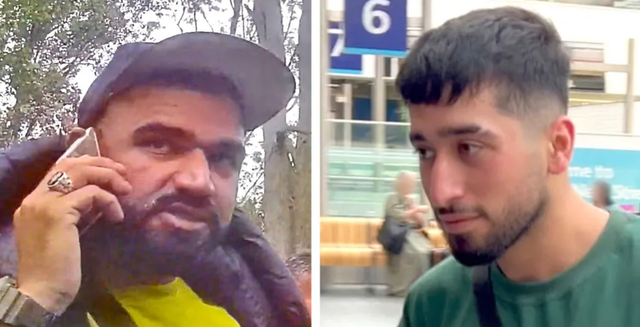
"We have managed to identify three men - Jabal, Aram and al-Millah - all Iraqi Kurds, who are believed to lead the group, which is one of the main groups in northern France transporting people to the UK in small boats.
We also encountered other senior figures, including a man called Abdullah, who we saw leading groups of migrants to the boats. We learned that another member of the gang, Besha, who had accompanied migrants to France, took a small boat to the UK himself, ending up in a migrant hostel in West Yorkshire after claiming asylum.
The findings are the culmination of months of undercover fieldwork and the creation of multiple false identities to engage with the smugglers. We have been able to build a detailed picture of the tentacle-like structure of the gang and the ways in which it has successfully evaded the police.
"Our investigation began in April 2024, after we saw French police trying to stop the gang from throwing an inflatable boat into the Channel. In the chaos, five people were trampled to death on board, including a 7-year-old girl named Sarah," the journalist recounted.
"There is no risk," smuggler Abdullah said last week, as he spoke to our undercover colleague and gestured from a cluster of tents hidden deep within a forest outside the French port of Dunkirk.
"You are welcome to stay here. We will prepare a boat nearby and put it out to sea. We have to move early to avoid the police - it is a game of cat and mouse," Abdullah continued. "God willing, the weather will be on our side."
The journey across the Channel would be with "a mix of Somalis, Sudanese, Kurds and so on," he explained, boasting of two successful launches last week, with 55 people on each.
“Should I take a life jacket?” asked our colleague, an Arabic-speaking BBC reporter who posed as a Syrian immigrant and carried a hidden camera.
"That really depends on you," the smuggler replied.
Crisscrossed by narrow sandy paths, the forest was located near a main road, a large canal and a train line, about 4 km (2.5 miles) from the French coast. For years, rival gangs and their clients have hidden from French police here - gang spotters carefully guard every possible entrance.
Deadly gunfights and stabbings are not uncommon, especially during the summer, as gangs settle scores and compete for the lucrative and highly competitive industry of people smuggling by small boats. The day after the meeting, we heard of another murder.
We knew that Abdullah was an increasingly powerful and credible figure in a gang that has emerged as one of the major players in northern France.
It is one of perhaps four gangs that now manage their own crossings and specific departure areas - rather than simply supplying passengers like many of the smaller gangs.
We suspected that Abdullah was a close relative of a higher-ranking figure. Well-dressed, friendly, and constantly on the phone with clients, he seemed completely at ease in the forest.
"Don't worry," he smiled, as our infiltrator colleague declined the offer to stay overnight at the camp and left.
A few days later we would follow the gang and its paying clients towards the coast as they tried to hide from the police, at night, in another wooded area.
Abdullah would even try to convince our team of journalists that he was just another desperate person trying to reach the UK, rather than a smuggler earning hundreds of thousands of pounds by risking people's lives in the Channel.
When we first began investigating the gang, those who used its services knew it as Mali (or Jabal, in Arabic). This was the word customers used when making payments - and the word we had heard from those who had been on Sarah's ill-fated boat.
We soon learned that Jabal was also the name of one of the gang leaders, all from the same area of Iraqi Kurdistan, near the city of Sulaymaniyah.
Jabali controlled logistics from Belgium and France. Another man, Aram, had spent time in Europe but now appeared to be back in Iraq, perhaps more involved in attracting new clients. The third leader, even more shadowy than the others, was known as al-Millah (the Boss in English). He appeared to be in charge of the gang’s financial operations.
In June 2024, we tracked Jabali to a migrant reception center in Luxembourg and confronted him on the street. He denied any involvement and, although we immediately informed the French police, he quickly disappeared.
"He fled after your intervention in Luxembourg, changed his phone and probably fled abroad," said Xavier Delrieu, who heads the French police's anti-smuggling unit. "His whereabouts are currently unknown. The investigation is ongoing."
Delrieu later told us that there had been "an arrest [of an Iraqi] linked to Sarah's death," but declined to provide any further information, citing operational secrecy. We do not believe Jabal has been arrested.
"As long as it's profitable, they'll continue," Delrieu said.
Pascal Marconville, the chief prosecutor at the regional Court of Appeal for northern France, agreed: "It's like chess. And they have the advantage on the board. So they are always one step ahead of us."
It's a grim assessment, supported by some of our findings during this investigation, and shows how difficult it may be for UK Prime Minister Keir Starmer to deliver on his promise to "crush gangs".
The “one in, one out” pilot scheme between the UK and France, which is now in place, will “deliver real results”, says Sir Keir. The deal will see some of those arriving in small boats stopped and returned to France.
'Little hands'
Following Jabal's disappearance in Luxembourg, we returned to northern France to continue our investigation. We spoke to more than a dozen people who had used the gang to reach - or attempted to reach - the UK by small boat.
With their help, and by analyzing other footage we had filmed the night of Sara's death, we identified several new members of the gang - known as "little hands" or simply "guides" in Kurdish, including some who had helped launch Sara's boat.
We tracked the little hands on their social media accounts as they moved around Europe, often appearing to flaunt their wealth.
We learned that a mid-level smuggler, known as Besha, had set off in a small boat with his Iranian girlfriend to seek asylum in the UK. We had initially followed him, undercover, as he escorted groups of migrants from Calais to Boulogne train station, before attempting to cross the Channel.
Months later, we tracked him and his girlfriend to a migrant hostel in Wakefield, West Yorkshire. We followed him for three days, but lost track when they suddenly left.
After Sarah's death and the widespread publicity it attracted, the band changed their name from Mali to Ghali Ghali. It's an unusual Arabic and Kurdish phrase that can probably best be translated as "Exclusive."
For a while, we heard a lot about Ghali Ghali, both online and at train and bus stations in Calais and beyond. The gang was known as a cheap and relatively reliable company. Some people who had failed to cross the Channel with the group said they were immediately reimbursed. For many migrants, the gangs are seen primarily not as dangerous criminals but as entrepreneurs who provide a valuable service.
The gang then changed its name twice more - first to al-Millah, the nickname of the gang's third shadowy leader, and then to Kaka, which means Brother, but which we believe is also another of his nicknames. At least two other names have been used recently.
Unlike many other gangs - which advertise prominently online, particularly on TikTok, using videos of their passing and other scenes, and seek to appeal to certain ethnic groups - our gang has kept a low profile. It works with a wide range of nationalities, particularly from Iraq and Africa, and seems to rely on reputation and word of mouth for business.
But that reputation has continued to be tarnished by news of more deaths in the Channel. We discovered at least seven more people - after the first five people on Sarah's boat - had died in two separate incidents while trying to cross with the gang.
On the ground, disturbing evidence of gang violence has also emerged. Earlier this year, two sources told us that the shadowy figure, al-Millah, was running the gang’s operations in the woods near Dunkirk. Independently of each other, our sources describe a scene, one winter day, when he ordered his small hands to stand in line, before tying one of them to a tree and severely beating him. It seems the boss suspected the man was stealing money.
Al-Millah is "the leader," a young woman told us, separately, via text message. "No expatriate meets him. They're all family... they're thieves too."
We had met the woman at a food distribution point run by a local charity outside Dunkirk. She had paid the gang for a pass, she said, but had waited two months in the forest camp and was distraught by the abuse she had encountered.
In her texts, she described how she feared one of al-Millah's aides, whom she called "Abdullah."
"He put a gun to my head one night. He's a very dangerous guy, he shoots me so many times," she wrote - before sharing a short video she had secretly filmed of him.
Based on that video and other details, we believe this is the same Abdullah that our undercover reporter would later meet in the forests around Dunkirk.
A few days later, on what she said was her 13th attempt, the woman crossed over to the UK with another gang. She has since lost contact with us.
Mobile phone number
It was at this point that we escalated our investigation - trying to engage more directly with the gang and penetrate its operations.
While its leaders had repeatedly changed phone numbers, we were able to confirm that a mobile number belonging to al-Millah remained in use.
We later learned that the phone had been handed over to Abdullah, who had apparently taken over the direction of operations in Dunkirk.
Two weeks ago, we made a strategic visit to Brussels - a common transit point for migrants heading to the coast of northern France. Having already used multiple fake identities to contact Abdullah on his mobile phone, we now called him again.
We knew it was important to be careful when making a call like this. The gang would often ask customers to send a PIN code to confirm their location and then make a video call to confirm this and make sure they were real.
Standing on a street near Brussels' Gare Du Midi, our Arabic-speaking colleague, who introduced himself as an immigrant named "Abu Ahmed," immediately got into the subject.
"Hello. Brother, I'm traveling alone. I want to leave quickly, please. Do you have any departures tomorrow, the day after tomorrow, or this week?"
"Tomorrow, God willing," Abdullah replied.
"I prefer to pay in the UK if possible. My money is in a safe place there."
This was not an unusual or suspicious request on our part. Although some people carry cash on them, many others manage to pay the smugglers through bank transfers or through intermediaries in a number of countries, including Turkey, Germany, Belgium and the United Kingdom. The money sometimes goes directly to the gang, or it may be held "in trust" to be handed over only after a successful crossing.
Birmingham New Street Corridor
We wanted to uncover the gang's connections in the UK, having already traced one member to Wakefield.
"Okay. The price is 1,400 euros," Abdullah said - over 1,200 pounds. He seemed in a hurry.
A few hours later, in a message, he sent us a UK mobile phone number and indicated that his name "Abdullah" should be used as the payment reference, along with the single word "Birmingham".
Leaving our colleague Abu Ahmed to go to the French coast on his own, we rushed to Birmingham to arrange the payment. Giving money to criminals is not something we do lightly - but in this case we decided there was a public interest in doing so, as it was the only way we could further expose the gang and its wider network.
A few hours later, after we had arranged for another BBC colleague, who also spoke Arabic, to pose as one of Abu Ahmed’s relatives in the UK and deliver an envelope containing the money, we arranged a meeting point in the centre of New Street in Birmingham. Abdullah had given us a UK phone number for his contact, and we arranged to meet the man next to a giant metal sculpture of a bull.
Our colleague stood in silence as the crowd swarmed around him. We sat on nearby benches, scanning every face, waiting to see if anyone would show up, or if the gang had suspected our plan.
Ten minutes later, and right on time, someone showed up.
"Hello, brother."
"It's all here," said our colleague, holding up the money to show it to a bearded, glassy-eyed man. The man said his name was Bahman and that his uncle had sent him.
Bahmani seemed calm and unobtrusive as the two men chatted briefly in the middle of the crowded lobby, while we secretly filmed their meeting.
"Money is a problem. I swear, it is a problem," Bahman said, implying that he was not just a "runner" sent to collect the money, but someone with at least a passing knowledge of the wider operation. He did not explain why the money was a "problem," but took the money - an agreed payment of 900 pounds, about three-quarters of the smugglers' total bill - and left.
Passengers on small ships can deposit money for their passage into their accounts in the UK and elsewhere using "hawala" intermediaries. It is a global honor system, widely used in the Middle East, in particular, that enables money to be transferred through mutually trusted third parties.
But there is a fee paid to businesses that provide such a service. The fact that Bahman did not ask for additional money strongly suggested that he was not simply an agent or middleman, but directly connected to our gang in France.
Initial final payment
Then we traveled back to Dunkirk, where our colleague Abu Ahmed was finally in a reliable position to make direct contact with Abdullah in the forest.
Abdullah told us that he had received confirmation from Birmingham that most of the money for the crossing had been handed over. We had deliberately left a sum unpaid to give our colleague a good reason to meet Abdullah at his camp, rather than rejoin the group later as he headed south along the coast to attempt a crossing.
With two undercover security guards watching him from a distance, Abu Ahmed walked towards the forest, following the instructions Abdullah gave him, one message at a time, until he was told to leave the road and go down a steep bank. There, he gave Abdullah another 400 euros (348 pounds), as agreed, before excusing himself, explaining that he was staying with other friends in Calais who were also looking to cross to England.
Two days later, our undercover reporter received confirmation from Abdullah that a crossing attempt would be made early the next morning.
"We are waiting for you near the main station in Boulogne," Abdullah said in one of several short voice messages.
The weather forecast for the Channel was ideal. There would hardly be any wind. As we had often noted before, French police were already positioned outside the bus and train stations in Dunkirk, Calais and Boulogne - the main gathering points for migrants heading for the beaches. But they made no attempt to stop anyone from boarding the boats.
Instead, their goal seemed to be to gather information about the numbers of people and places, to help determine where they might later have the best chance of capturing and destroying the inflatable boats to which the gangs would inevitably head.
Cutting the dinghies off inflatable boats before they reach the sea has become the police's main method of preventing escapes. As a result, gangs have begun to change tactics.
About half of all small boats crossing the Channel are now so-called "taxi boats," a police source told us, setting off with few or no passengers and in secret. The boats then cruise along the coastline to pick up people waiting in shallow water.
“Forty-three tickets,” said one of the small hands, addressing a bus driver as he and a crowd of mostly African men and women gathered at the door, alongside our undercover colleague. It was a familiar scene, with various smuggling gangs arranging to gather their clients and travel along the French coast on public transport to various departure points.
Our colleague, Abu Ahmed, initially traveled with the migrants, but - for his safety - we had agreed that he would leave the group before dusk and before they approached the beaches.
'Fifteen women. Forty people in total'
From a distance, we saw Abdullah walking down a street in Boulogne, having escorted some of his passengers there from Dunkirk and Calais. He was dressed in black and carrying a large backpack. More people arrived and sat or lay down next to him, behind some bushes at a bus stop. They waited for several hours, until early evening, before boarding a local bus heading south to Ecault beach, an area we knew was a favorite hangout for the gang.
At seven o’clock that evening, with our cameras in full view, we were openly following Abdullah and perhaps 40 other people as they walked along a sandy path through the forest and toward the long, straight expanse of Ecault beach. Many in the group hid their faces from us, but made no move to discourage us from filming, as they abruptly turned away from the path and then sat down in a wooded area.
Only one person in the group agreed to talk to us. It was Abdullah himself.
In calm, slurred English, he claims he was an Iranian migrant named Ahmed and that this was his second, or perhaps third, attempt to cross the border.
Perhaps Abdullah thought that by telling reporters this story, he was building a useful public alias that he could use later - as others in the gang have done - if he ever sought asylum in the UK.
Suddenly, the distant blare of police radios put an end to all conversation. The group of immigrants - including many Somalis, a few Sudanese and perhaps a few Iranian families - sat in complete silence for perhaps an hour.
Finally, two French gendarmes spotted them through the bushes and slowly walked forward. The younger officer was holding a canister of pepper spray in his right hand, and it seemed as if all eyes in the group were fixed on her.
“Women?” the older office asked in English.
“Babies?” he continued, walking around the group, counting heads. We had heard that the police tend to intervene more often when there are babies involved. The officers also checked our team’s press cards as we sat nearby.
"Fifteen women. Forty people in total," the officer concluded, and then, kindly, greeted everyone with a big, "good luck."
A few hours later, as darkness fell, a somber-looking family left. Their child, a boy of about 10, was coughing heavily. A lone policeman remained, leaning against a nearby tree and occasionally shining a flashlight at the rest of the group, until around 11 p.m., when he left.
The tension quickly dissipated. Small smiles appeared in the darkness. Despite all the fatigue and danger, the younger men in the group seemed inspired by a collective sense of adventure. By 2:00 a.m., the last murmured conversations had faded. It was now a cold, silent night, broken only by snoring, the occasional cry of someone dreaming, and the hoot of a lone owl.
By around 6:30 the next morning, word had spread throughout the group. The police had found every boat the gang had prepared for them during the night—at one point we had watched Abdullah disappear into the darkness for at least an hour—and destroyed it.
Calmly, the people stood up, gathered their life jackets and blankets, and, following Abdullah and his team, began walking back down the trail to the nearest bus stop to return to their camps and wait for another opportunity to cross.
Meanwhile, we had another trip to make and a showdown.
Back to Birmingham
We had considered seeing if we could get a refund from Abdullah by claiming that our colleague, Abu Ahmed, had changed his mind about the move. Instead, we decided it was more important to try to challenge the gang’s UK-based associates. And so, later that day, our undercover reporter called Abdullah once again.
Abu Ahmed said that his two friends in Calais also wanted to cross the border and that he had left Abdullah's group on the bus because he preferred to travel with his friends. Could they pay in Birmingham too? Same as last time?
The next day, we returned to the New Street Station. It was an almost identical repeat of our previous visit there, except this time, when another nameless man - also young and bearded - arrived near the bull sculpture to collect even more money for the smugglers' gang, we escaped and walked straight to him, our cameras rolling.
"We're from BBC News. We know you're connected to a people smuggling gang..."
The man looked around, confused for a moment, his eyes darting around. Then he turned and broke into a furious run, heading for the station exit and crossing the street beyond, before disappearing into the city.
A few days later, we called Abdullah and asked him about his smuggling activities on the phone. At first, he denied any wrongdoing. Then he offered us money. Then he said he had to call his boss. Then he hung up./ Taken from BBC

French President Macron on the eve of the meeting between ...
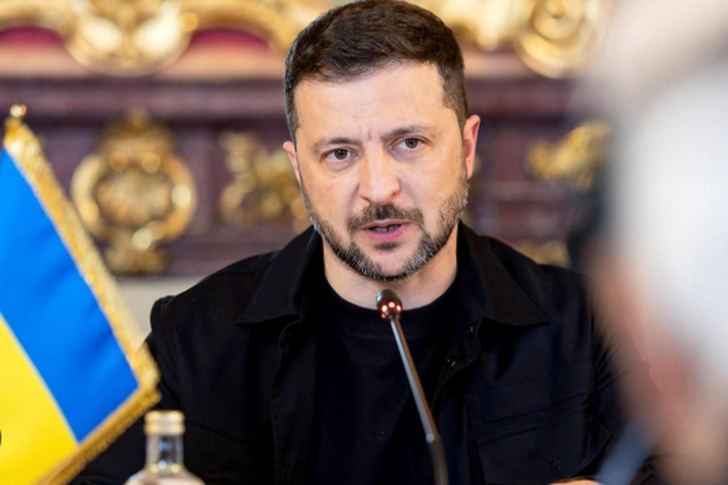
Ukrainian President Volodymyr Zelensky said talks between ...
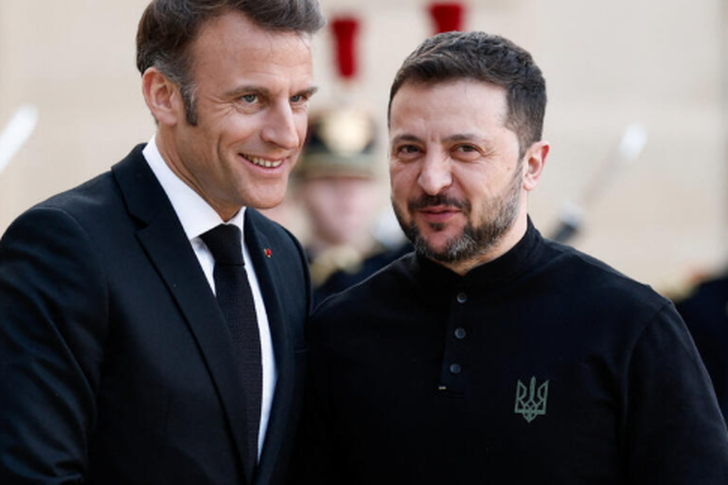
French President Emmanuel Macron today reiterated the call...
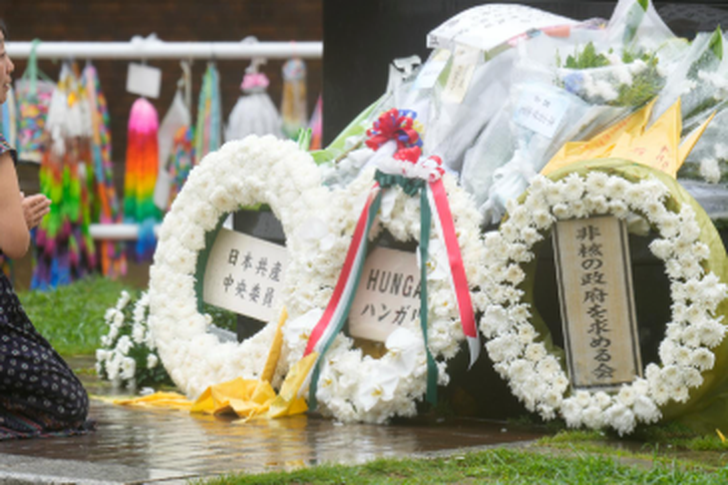
People in Japan are commemorating the 80th anniversary of ...
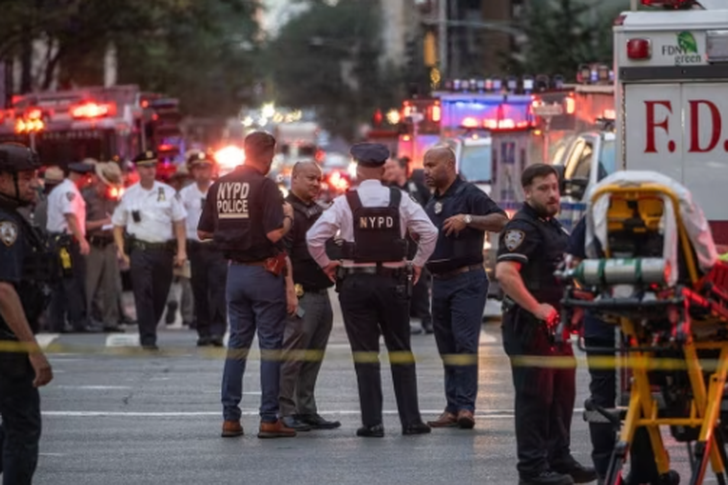
A shooting in New York City's Times Square left three peop...
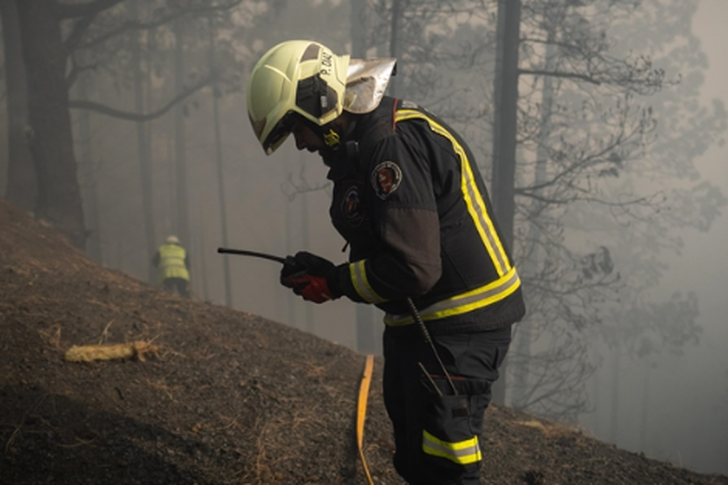
Southern Europe is facing several major wildfires this sum...
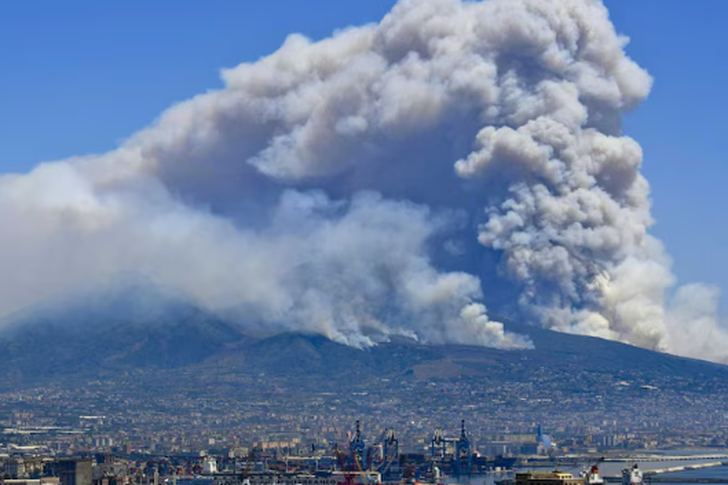
A huge fire has broken out in the Vesuvius National Park i...
The bridge to Sicily is the heart project of Transport Min...
Foreign Secretary David Lammy and US Vice President JD Van...
Iran has arrested 20 people it suspects are operatives of ...
This year, several European countries have introduced heav...
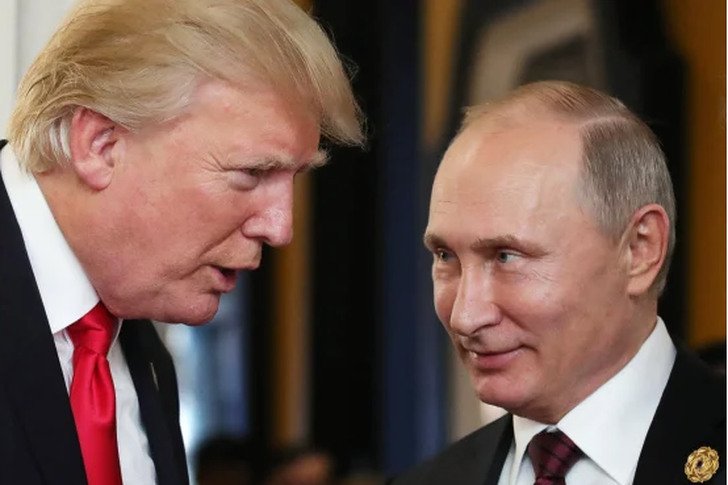
President Donald Trump told reporters at the White House t...
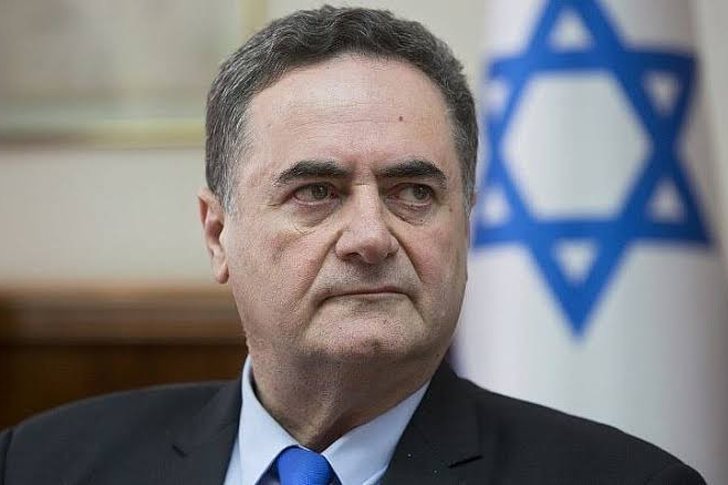
Israel has reacted sharply to criticism from world leaders...
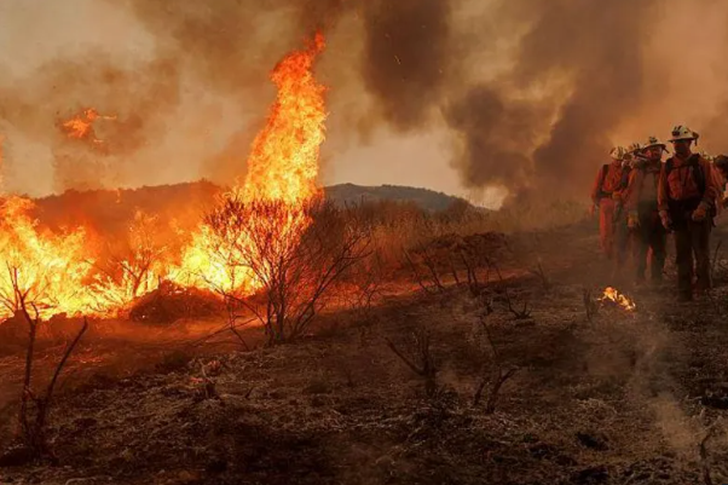
A large fire has engulfed northwest Los Angeles. Thousand...
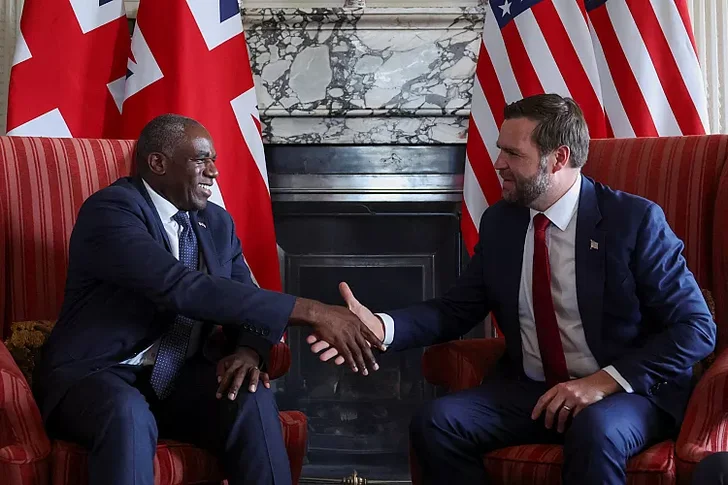
US Vice President JD Vance says Washington has no plans to...
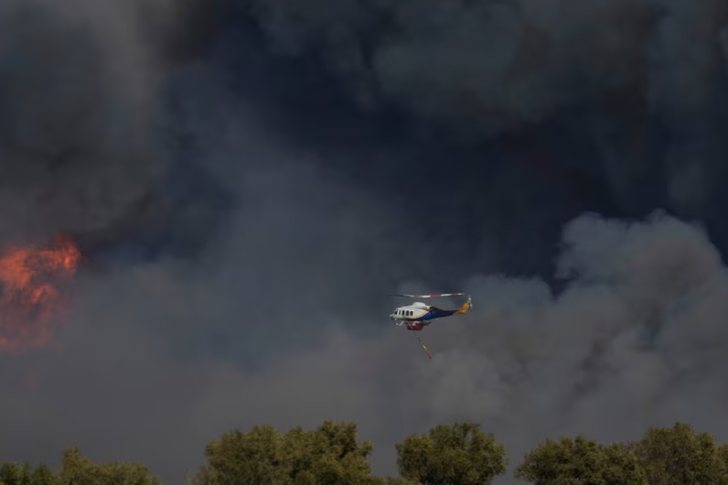
One person died in Greece on Friday as a result of wildfir...
The European Union on Friday called on parliamentary parti...
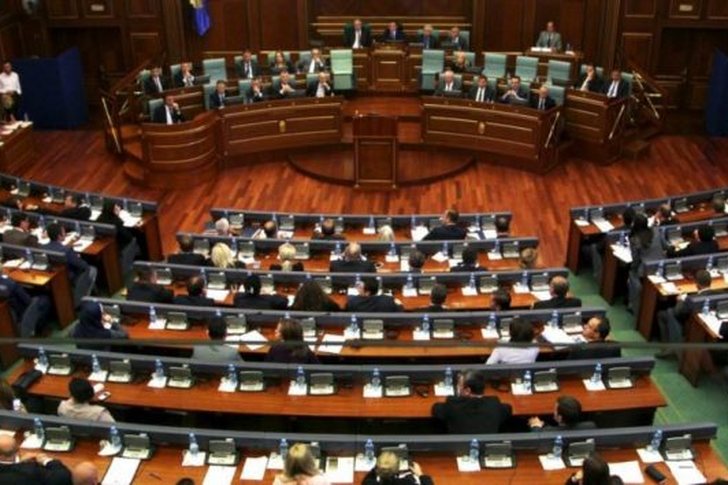
The Constitutional Court in Kosovo decided today that the ...
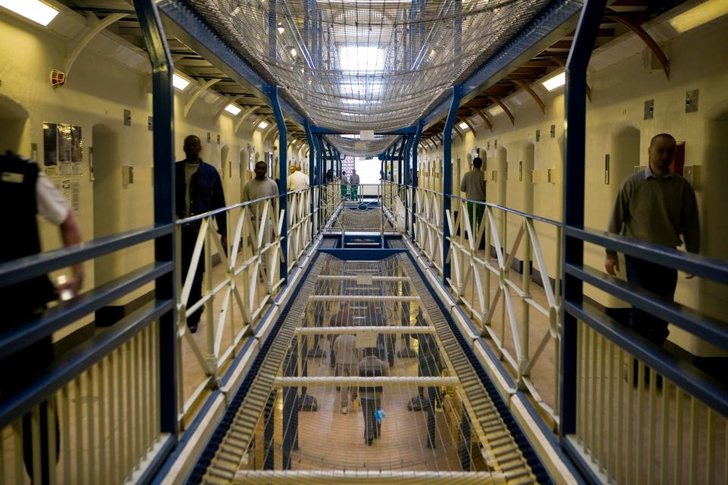
EU disease prevention and drugs agencies have jointly laun...
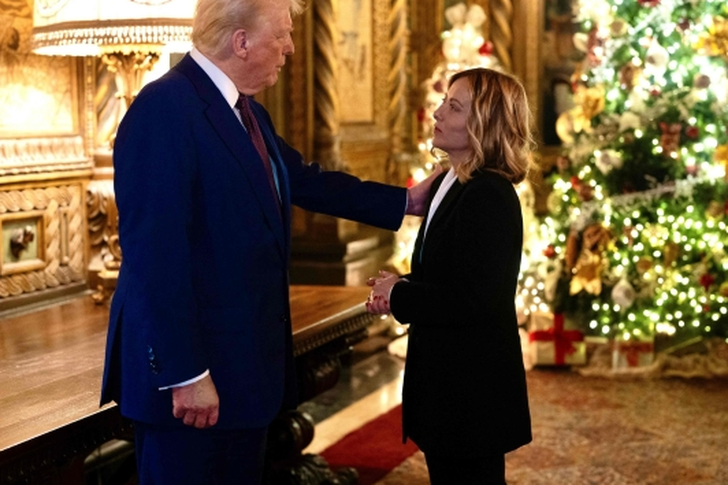
Italian media reports that Prime Minister Giorgia Meloni h...

CNA has launched another investigation that could lead to ...

Irfan Hysenbelliu is a businessman that we call "Irfan the...

In March 2026, CNA launched another investigation centered...
The arrested mayor of Tirana, Erion Veliaj, with 13 charge...

The Special Board of Appeal (KPA) decided this Monday ...

The KPA vetting decided this Thursday to dismiss the p...

Suela Salavaçi, a prosecutor in the Prosecutor's Offic...

The Special Board of Appeal reinstated the prosecutor ...

Footage emerges from the serious accident that occurred th...
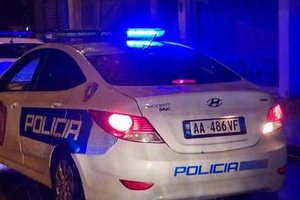
A Shkodra traffic police officer was hit with hard objects...
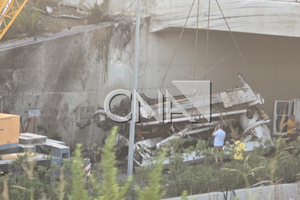
This Wednesday, around 4:00 PM, a serious accident occurre...
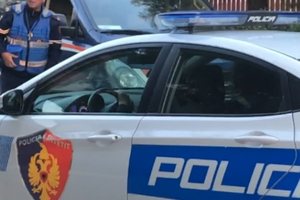
Tirana Police have shared details regarding the accident t...
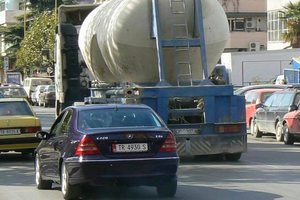
A serious accident that occurred this Wednesday with the c...

The Institute of Geosciences has shared a forecast for wea...
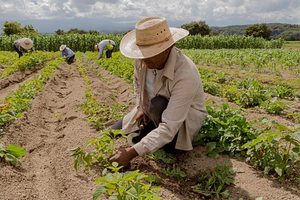
Rising energy and fertilizer prices are expected to contin...
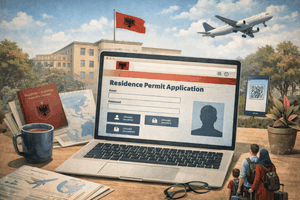
Over 18,000 foreign citizens from 140 countries have appli...
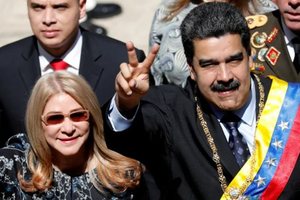
The trial of ousted Venezuelan President Nicolas Maduro on...
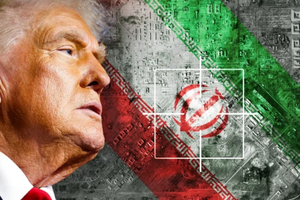
US President Donald Trump has issued another warning to Ir...
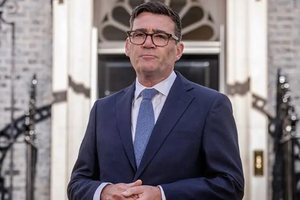
Prime Minister Andy Burnham has announced that most bus fa...
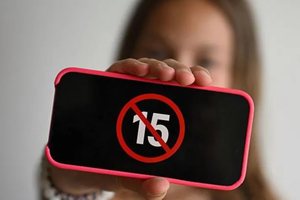
France's parliament has passed a law to ban social media f...

At a time when industrial products are increasingly taking...

Trust among people is not just a three-syllable word. It c...

Master of humor Todi Llupi has passed away at the age of 7...

The ninth edition of "MIK Festival" kicked off with one of...
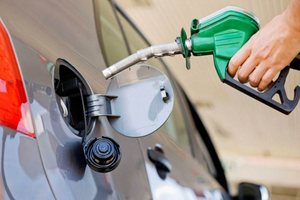
The price of diesel reached 206 lek per liter from 198 lek...

Businesses will no longer be required to simply register t...

Despite economic growth and income in recent years, Albani...

This Wednesday, one US dollar is bought for 81.4 lek and s...