

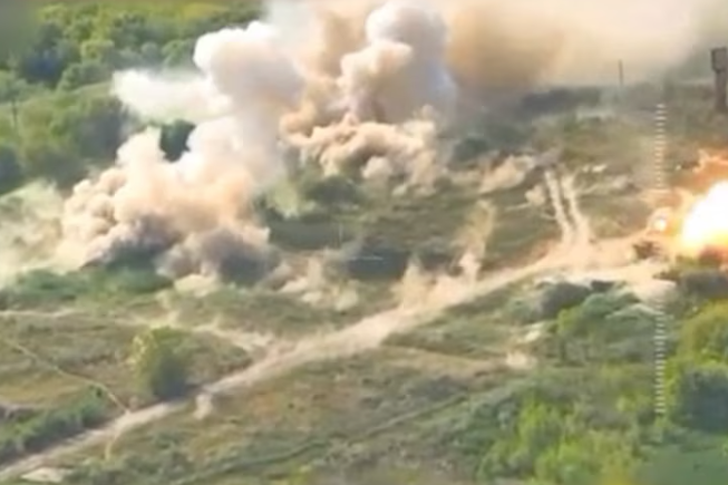
Putin and the consequences of the surprise Ukrainian offensive
Ukraine's surprise offensive in Russia's Kursk region has ...


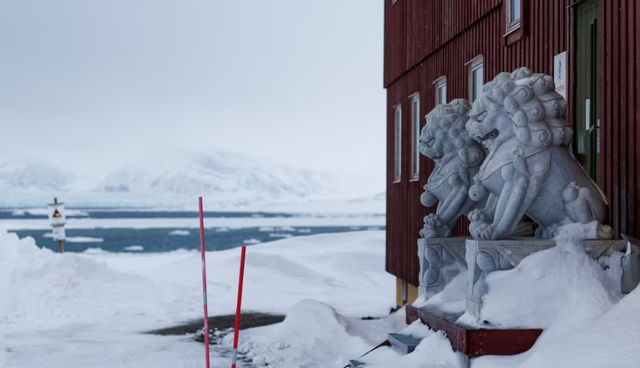
As China and Russia seek to deepen cooperation in the Arctic, analysts highlight concerns about growing geopolitical competition in the region, forcing countries to think more about how to respond to potential threats.
Following a meeting in Moscow on August 21 between Chinese Premier Li Qiang and Russian Prime Minister Mikhail Mishustin, China issued a wide-ranging communique on ways the two countries are increasing cooperation.
As for the Arctic, Beijing and Moscow pledged to strengthen cooperation in areas including maritime transport, navigational safety, technology and polar shipbuilding.
"Both countries will encourage their companies to actively engage in cooperation in shipping through the Arctic, based on market principles and to pay special attention to the protection of the Arctic ecosystem," the communique said.
Analysts say this is part of efforts by Beijing and Moscow to deepen cooperation in areas such as transportation, energy exploration and Arctic security.
"China has invested in Russian energy projects in the Arctic, cooperated with Russia in the development of ships and infrastructure, and conducted military exercises in the strategically important region," says Patrik Andersson, an analyst at the Swedish National China Center.
In July, the North American Aerospace Defense Command announced that it had tracked four long-range strategic bombers, two Chinese and two Russian, flying in the skies over Alaska.
Since 2023, Beijing and Moscow have been cooperating to develop the "Northern Sea Route" along the Russian Arctic coastline, which President Vladimir Putin has said is "absolutely essential". The two countries also signed a memorandum of understanding aimed at deepening security cooperation between their coast guards.
Despite efforts to deepen cooperation in the Arctic, Mr Andersson says there are still some points of friction between Beijing and Moscow.
"Historically, Russia has been cautious about inviting China to the Arctic, because Moscow sees the region as its backyard," he told VOA in an interview from Stockholm.
"As the balance of bilateral power has increasingly shifted in China's favor since the beginning of the Ukraine War, Russia is becoming more economically and politically dependent on China, which may compel Moscow to consider strengthening cooperation with Beijing in some areas where it was hesitant before," says Mr. Andersson.
Ndërsa patrullimi i përbashkët ajror i kohëve të fundit pranë Alaskës ka tërhequr shumë vëmendje, zoti Andersson thotë se qëllimi i bashkëpunimit të tyre ushtarak në Arktik mbetet i paqartë.
“Është e vështirë të përcaktohet se çfarë nënkuptojnë këto prova, nëse ata në të vërtetë janë të gatshëm për një bashkëpunim të ngushtë ushtarak në rajon ose nëse kanë të bëjnë kryesisht me qëndrimin dhe frenimin e Shteteve të Bashkuara dhe aleatëve të saj në Arktik”, tha ai për Zërin e Amerikës.
Shtimi i vëmendjes ndaj Arktikut
Analistët thonë se disa vende nordike po bëhen më të vetëdijshme lidhur me kërcënimin e mundshëm që mund të sjellë në rajon Kina përmes bashkëpunimit të saj me Moskën.
“Ndërsa zyrtarët në Finlandë po vëzhgojnë zhvillimet në Arktik, padyshim ka një ndërgjegjësim në rritje lidhur me kërcënimet ose sfidat e mundshme që vijnë nga rritja e pranisë kineze në rajon”, thotë Minna Alander, eksperte për sigurinë e Arktikut në Institutin Finlandez për Marrëdhëniet Ndërkombëtare.
Ajo tha se Rusia mbetet shtytësi kryesor për militarizimin e Arktikut, por që Kina mund të paraqesë sfida për Finlandën dhe shtetet tjera të Arktikut për shkak të strategjive të saj më të fshehta.
“Ekziston gjithmonë një dyshim që shumica e hulumtimeve që Kina po i bën në stacionin e saj në Svalbard të Norvegjisë nuk janë thjeshtë vetëm për përparimin e njerëzimit”, tha ajo për Zërin e Amerikës.
Ekspertët rajonalë thonë se shtetet nordike duhet të hartojnë strategjitë e tyre për t’u përballur me rreziqet e mundshme.
“Mendoj se po fillojmë ta kuptojmë ndërlikueshmërinë e kërcënimeve hibride që mund të kanosen nga Kina dhe Rusia (në Arktik), por ne nuk kemi krijuar mjetet për të na ndihmuar që të përballemi me ato sfida,” thotë analisti Patrik Oksanen pranë organizatës ‘Forumi i Botës së Lirë në Stokholm’.
Ai i tha Zërit të Amerikës se lidhjet ekonomike me Kinën po ndërlikojnë përpjekjet e Suedisë për të hartuar një plan strategjik për t’u përballur me sfidat e reja.
“Nuk ka gatishmëri për të bërë diçka që mund të interpretohet si përshkallëzim i situatës me Kinën, por do të duhet që brenda një periudhe të shkurtër t’u japim përgjigje kërcënimeve të mundshme që Kina dhe Rusia paraqesin në rajonin e Arktikut”, thotë analisti Oksanen.
Marrëveshja e akullit
Sipas zonjës Alander, ajo pret që shtete si Finlanda dhe Suedia, të cilat u bënë anëtare të NATO-s në vitin 2023, të rrisin bashkëpunimin në Arktik me aleatët e tjerë të NATO-s.
“Është në interesin e Finlandës të zhvillojë marrëdhënie me anëtarët e tjerë të NATO-s në sektorë si siguria, ekonomia dhe tregtia, ndërsa Finlanda ka investuar shumë në këto marrëdhënie transatlantike”, i tha ajo Zërit të Amerikës.
Në muajin korrik, Shtetet e Bashkuara, Kanadaja dhe Finlanda njoftuan për një nismë trepalëshe, të quajtur “Marrëveshja e Akullit”, për të bashkëpunuar në prodhimin e anijeve akullthyese polare.
The Canadian government said the initiative takes into account "the priority of countries to ensure security in the Arctic, including the continued protection of traditional international norms and rules."
Joar Forssell, a Swedish Liberal Party lawmaker, told VOA that in addition to increased cooperation among NATO allies, the Nordic countries are exploring opportunities to deepen coordination on Arctic-related issues.
As NATO countries, alongside Russia and China, seek to increase cooperation with partners in the Arctic, Ms Alander says this trend will lead to greater geopolitical tension in the region, which has long been away from global political struggles.
"There used to be a slogan 'The higher north, the lower the tension' (to describe the situation in the Arctic) but unfortunately, now the likelihood is that this slogan will change in the future to 'the higher north, the the higher the tension'", she told the Voice of America./ Voa

Ukraine's surprise offensive in Russia's Kursk region has ...

The latest wave of attempts at cease-fire talks in Gaza, w...
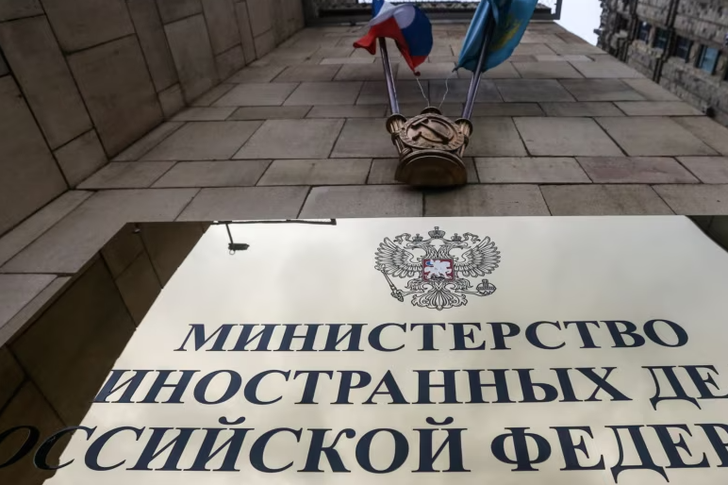
Russia's Foreign Ministry said on August 28 that it has ad...
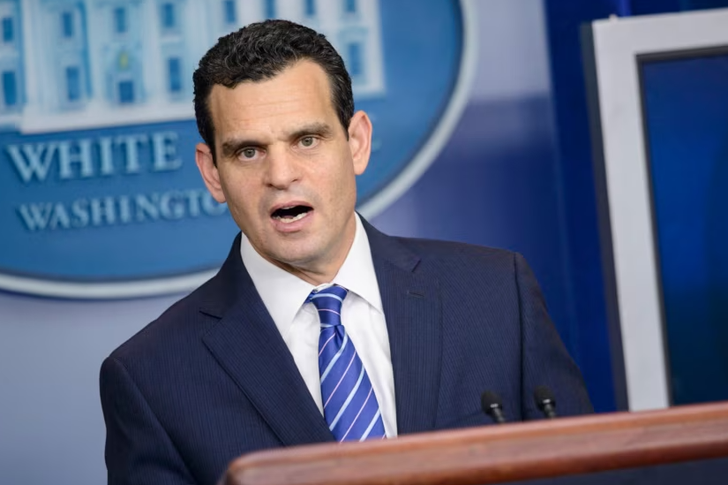
Russian President Vladimir Putin will launch a counteroffe...

White House officials welcomed the rescue of an Israeli ho...

A famous YouTuber who blackmailed hundreds of girls ar...

Autumn in Brussels usually kicks into high gear in mid...

After the prevention of the assassination attempt at Taylo...
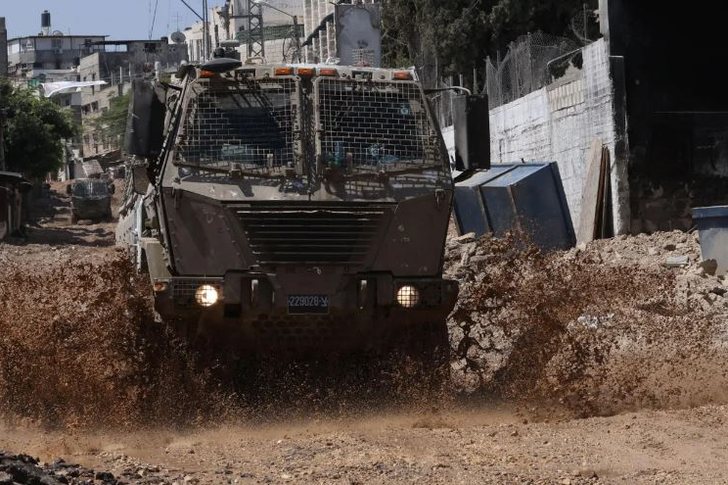
At least 11 Palestinians have been killed by Israeli force...
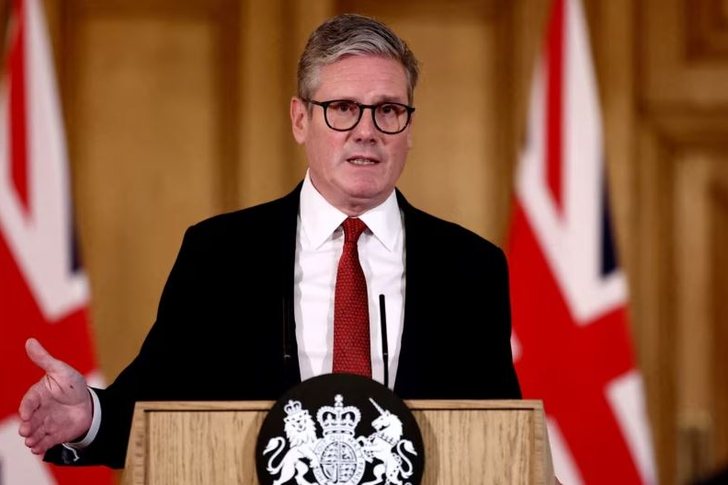
British Prime Minister Keir Starmer will discuss a landmar...
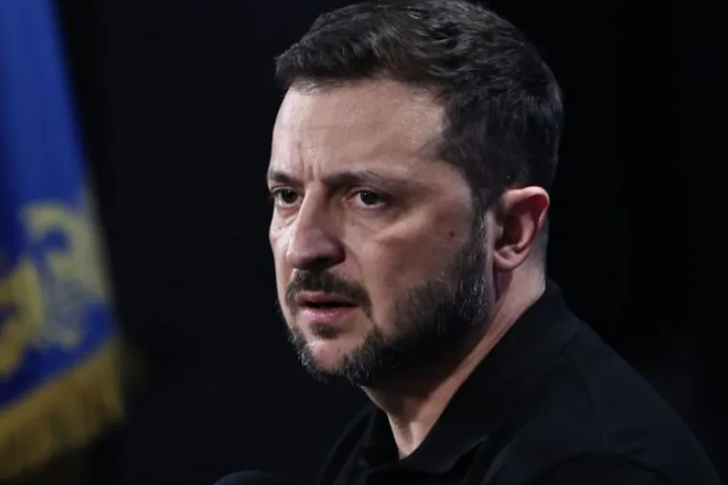
Ukrainian President Volodymyr Zelensky has said his tr...
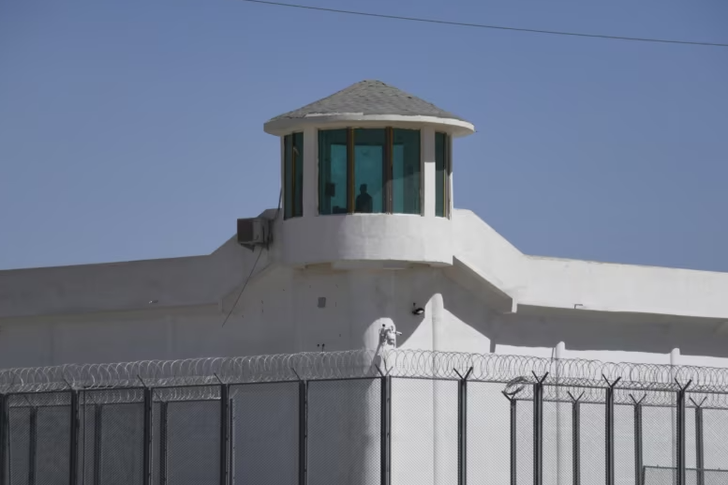
The United Nations Human Rights Office (OHCHR) said China'...

The Israeli military said it has rescued another perso...

Meta owner Mark Zuckerberg has said he regrets bowing to w...
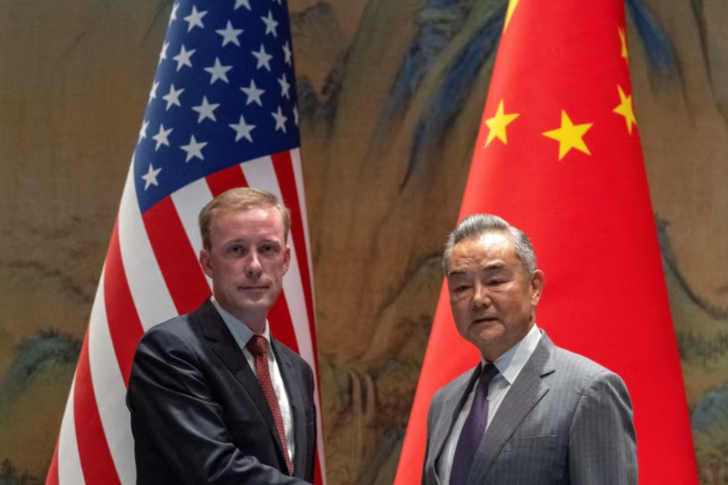
White House National Security Adviser Jake Sullivan ar...

Deposits of Kosovo citizens continue to grow in commercial...
Edward P. Joseph, a lecturer at Johns Hopkins Universi...
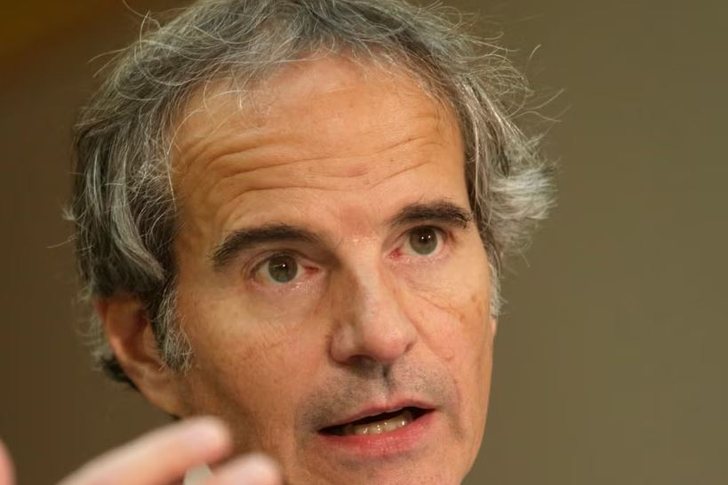
The head of the United Nations Atomic Energy Agency, Rafae...

Europol has supported the Spanish and Colombian police in ...

Special prosecutor Jack Smith asked a federal appeals ...

Dritan Prençi is the SPAK prosecutor who is sleeping on th...

The in-depth investigations that SPAK conducted into Ajola...
SPAK's standards, the way it investigates, how it secures ...

Irfan Hysenbelliu claims to be a big businessman, an hones...

The Special Board of Appeal (KPA) decided this Monday ...

The KPA vetting decided this Thursday to dismiss the p...

Suela Salavaçi, a prosecutor in the Prosecutor's Offic...

The Special Board of Appeal reinstated the prosecutor ...

The two German tourists who lost contact while exploring t...

After finding 7446 narcotic plants in the village of Reç i...

Following Operation "The Wanted", a 42-year-old man wanted...

As a result of intensive investigative and operational act...

The UN's World Meteorological Organization now warns that ...
Intense rainfall has caused numerous problems in the Radom...

Today our country will be affected by relatively unstable ...

On Monday, our country will be affected by relatively stab...
Bulgaria's newly appointed Defense Minister, Dimitar Stoya...

NASA has named its crew for its next major mission to the ...

Five people have been arrested in Kosovo on suspicion of i...
Six Georgian citizens appeared before a Paris court on Tue...

Korça has transformed this weekend into the capital of cel...

Korça is ready to open the summer season with one of the c...

Two years after his passing, the renowned Korçë poet Skënd...

The Ethnographic Museum of Berat has opened its doors to v...

Predictions of a severe oil shortage this summer have not ...

Improving the performance of public parking lots in Vlora,...

Inflation has increased in May, rising to 3% compared to 2...

Exchange rate, June 8, 2026 This Tuesday, one US dollar is...