


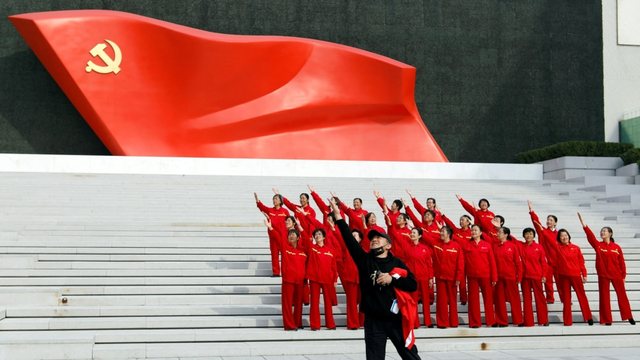
A survey of 14 countries on both sides of the Atlantic finds that climate change and immigration top the security concerns of Europeans and North Americans, as China races to rival the United States in influence. globally in the coming years.
Published on Tuesday, the German Marshall Fund's 2023 report on Transatlantic Trends also finds continued strong public support for NATO and Ukraine's membership of the transatlantic alliance and the European Union, despite warnings from some experts.
Respondents on both sides of the Atlantic, including the United States, Canada, some European Union countries as well as Britain and Turkey, also want their governments to cooperate more with China. Younger respondents are more likely to view the influence of the United States more negatively and that of Russia and China more positively.
"It seems that the period of ardent transatlanticism is over. We also see a rapidly changing world order, and the public is aware of that," said Gesine Weber, a Marshall Fund fellow, speaking of findings that show a 'status quo' in transatlantic ties, while fewer respondents than in last year's survey believe those ties will improve.
"The conclusion I would draw," Ms. Weber added, "is that (governments) on both sides of the Atlantic need to think about how they can create an agenda that is more meaningful to citizens and better aligned with this world order."
When it comes to climate change, for example, most respondents believe the scientific community, rather than governments, is doing more to tackle the problem.
Transatlantic views, however, are hardly uniform. While between a quarter and a third of those living in Canada, France, Italy and Portugal see climate change as a major security challenge, for example, only 14 percent of American respondents agree with this assessment, although the issue still remains at the forefront of Americans' overall security concerns.
And while migration takes second place as a top global challenge this year, replacing the war in Ukraine from last year's report, Russia remains the number one security concern for respondents in Lithuania and Poland.
Public views on China are mixed, according to the survey. While six in 10 respondents generally view Beijing negatively and a quarter believe China is doing nothing to combat climate change, significant shares of young respondents aged between 18 and 24 in the United States, the United Kingdom the United Kingdom and France have a positive view of China.
Most respondents on both sides of the Atlantic also want more cooperation with China in areas such as trade, energy and technology. But many also want a tougher approach to it on human rights. An impressive 30 percent see China as the most influential global actor in five years, while 37 percent see the United States as such.
The lesson for cautious governments, Ms Weber said, is policies that emphasize "de-risking" with China, an approach used by the European Union, among others, to reduce potential risks in relations in areas such as trade and investment, in instead of severing ties with Beijing. The next lesson she said is; "acknowledge China's role in international affairs and make more efforts to work with China on issues such as climate."
Other indicators according to the survey suggest that governments are not in line with their populations. While Europeans and North Americans strongly support NATO, older respondents are more enthusiastic about the defense alliance. The majority of respondents also want the European Union to invest more in the field of security and defence.
The importance of democracy does not always come first, with majorities in countries as diverse as the United States, Lithuania, and Romania, among others, considering sustainability more important.
Young people in particular, Ms. Weber says, are more reserved about assessments by leaders like US President Joe Biden on the importance of democracy versus autocracy in relation to China, for example.
“It's something that Gen Z doesn't necessarily accept,” Ms. Weber said. against black people in the United States."
China, on the other hand, "offers a powerful counter-narrative," she said.
Another potential pitfall is long-term support for Ukraine. The survey's findings show that support remains strong for offering Kiev potential EU and NATO membership, as well as funding for post-war reconstruction.
But that sentiment may be fading, Ms. Weber warns, not least in the United States, which faces elections next year and where polls show waning Republican enthusiasm for aid to Ukraine. but also in Europe, where far-right supporters in countries such as France and Germany are also growing.
"Long-term support is really a crucial issue, and not an easy one for the Europeans," Ms. Weber said, especially if the U.S. election results in an administration less willing to send more aid to Ukraine, leaving Europe to " the lion's share".
European governments must "start building safeguards" now, she said, emphasizing the budgeting of long-term aid to Ukraine and better communication on the importance of such support. "And that will be challenging," said Mrs. Weber./ VOA


The streets of Sao Lourenco do Bairro in Portugal were pai...
New details have come to light regarding the exchange ...

Passengers and crew on an EasyJet flight from Luton to Ibi...

The health condition of the mafia boss, Matteo Messina Den...

Colombia reached a record high last year in terms of cocai...
The agenda for the high-level meeting that will be held on...

The Food and Veterinary Agency of Kosovo (AUV) ensures tha...
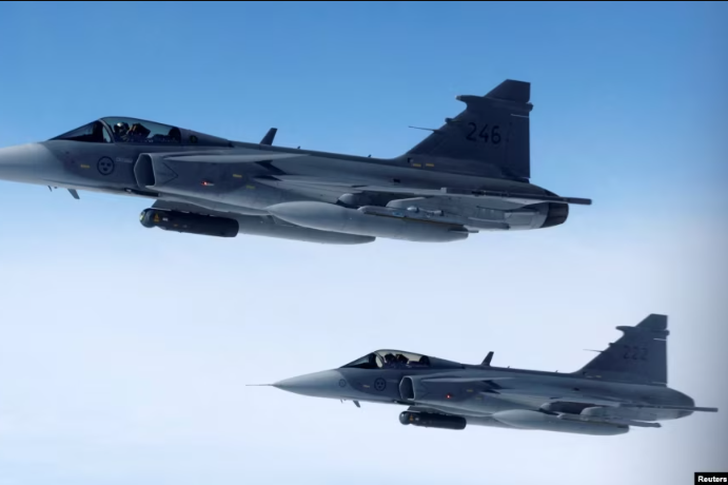
The Swedish government is considering donating Gripen figh...

Shepherd Bushirin a media owner and agricultural land owne...

This morning, the Serbian police launched a major acti...

The Federal Parents' Council in Germany spoke clearly for ...

Over 2,000 people have lost their lives in the catastro...
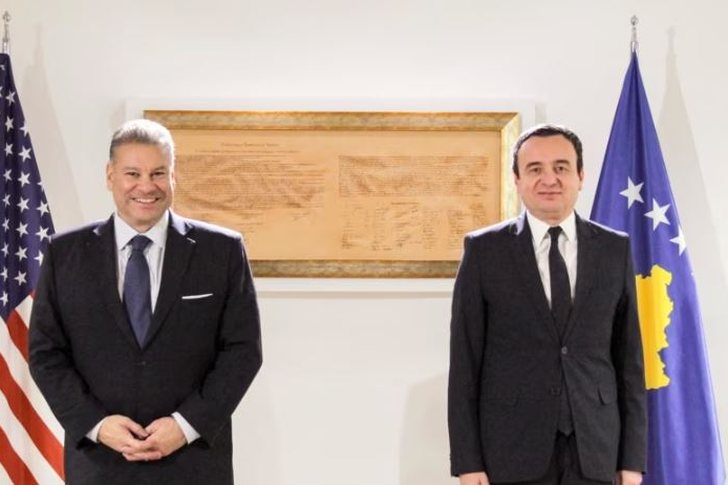
The Prime Minister of Kosovo, Albin Kurti, said that h...
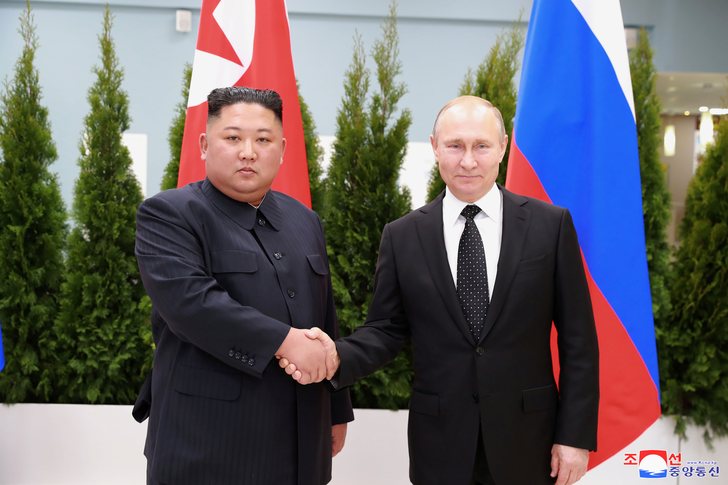
The leader of North Korea, Kim Jong Un, has arrived...
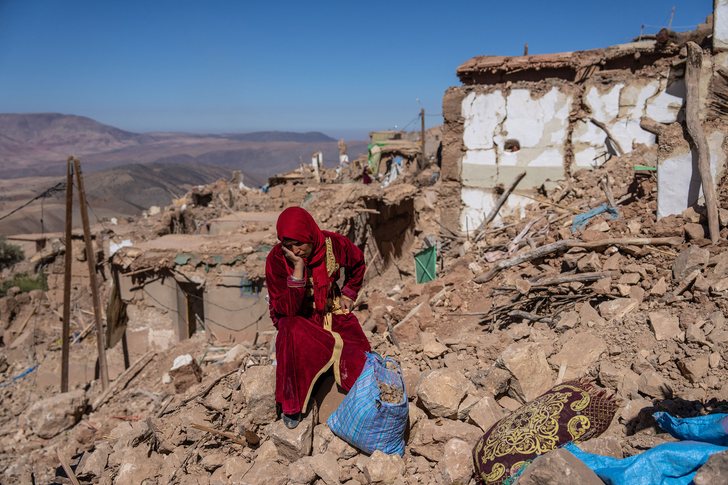
Rescue teams are still continuing operations to find survi...
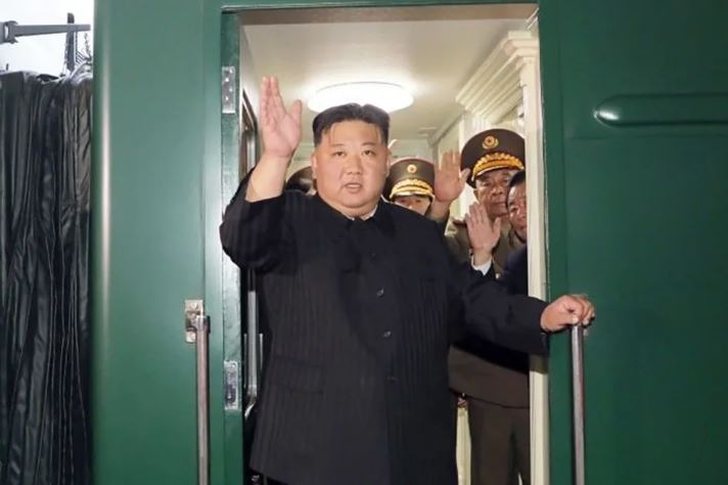
Kim Jong Un's heavily armed private train has arrived in R...

Mijëra njerëz dyshohet se kanë vdekur pas një stuhie t...
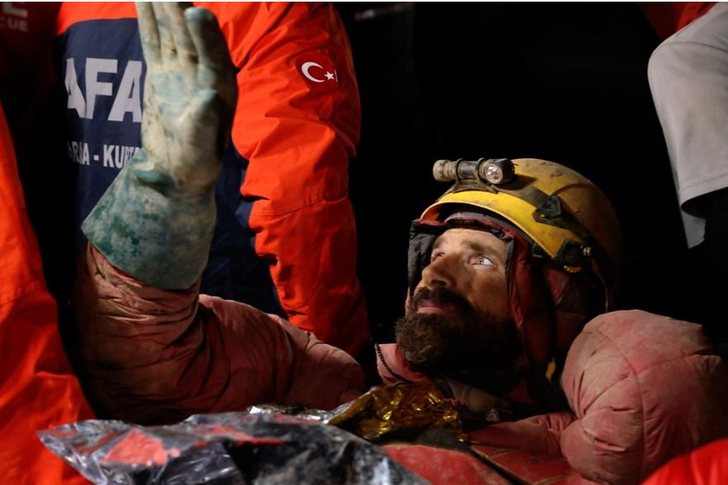
The rescue team was able to get out of the deepest cave in...
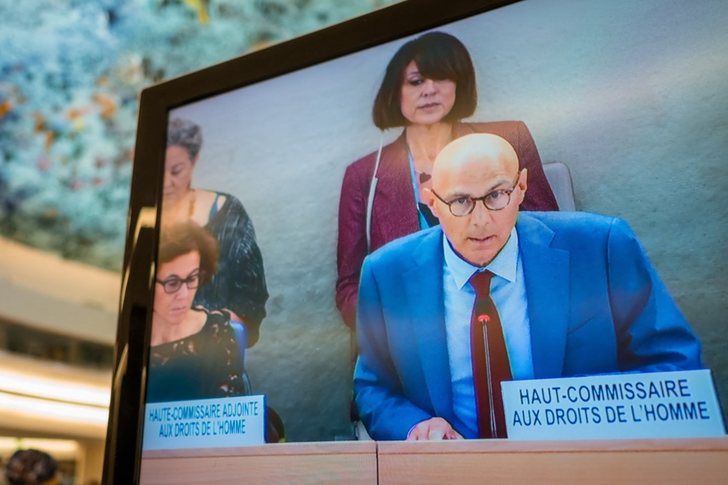
UN human rights chief Volker Turk said on Monday that ...

Germany has asked Kosovo and Serbia to implement the Agree...

A 39-year-old citizen has been arrested in Lezha, after se...

CNA has launched another investigation that could lead to ...

Irfan Hysenbelliu is a businessman that we call "Irfan the...

In March 2026, CNA launched another investigation centered...

The Special Board of Appeal (KPA) decided this Monday ...

The KPA vetting decided this Thursday to dismiss the p...

Suela Salavaçi, a prosecutor in the Prosecutor's Offic...

The Special Board of Appeal reinstated the prosecutor ...

Following the successive operations carried out by the ope...
The Police Supervision Agency has seized the service weapo...

A serious incident occurred in Lushnje, where citizen IY, ...

As a result of the investigative and procedural actions ca...

As the year 2026 is in its second half, the world is exper...

Today, our country will be under the influence of stable a...

By noon, cloudiness is expected to prevail in almost all o...

Children without parental care, for whom alternative famil...

Thirty-five people were killed and 30 others were injured ...
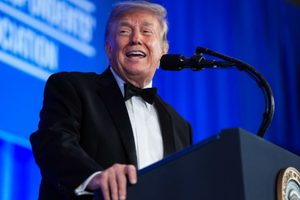
US President Donald Trump has announced that he will seek ...
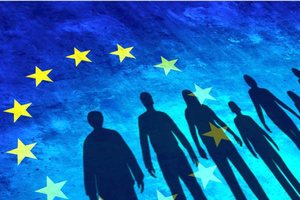
Almost half of people living in France, Germany, Italy and...
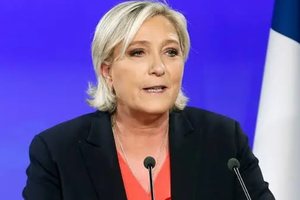
Marine Le Pen is entering the decisive phase of the presid...

Two windows, a century of history and the metaphysics of p...

In my research at the Central State Archives, specifically...

At a time when industrial products are increasingly taking...

Trust among people is not just a three-syllable word. It c...
This Saturday, one US dollar is bought for 81.7 lek and so...
War, weather and supply disruptions could send gas prices ...

The number of active enterprises in Albania continued to g...
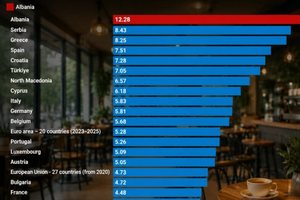
In Albania, the bar-cafe has long become an almost unique ...