

The Social Democrats are on the verge of victory in the Romanian parliamentary elections
The Social Democratic Party of Romania, currently in power...


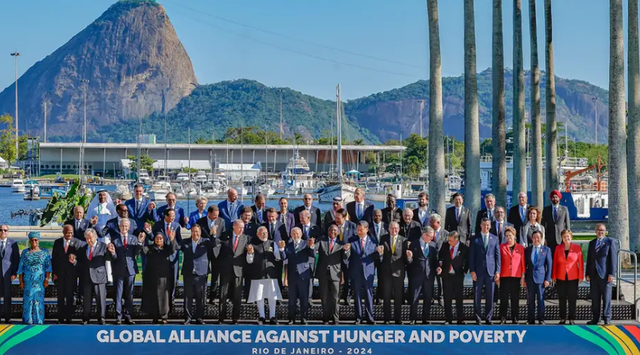
Brazil handed over the G20 presidency to South Africa. The fight against global poverty and the climate crisis also remain important to the South African presidency.
Does the international community still have a common denominator? The good news is: yes. The initiative of the Global Alliance Against Hunger and Poverty, recently initiated at the G20 summit, is one such example. Government representatives from the most important industrialized and developing countries met at the summit in Rio de Janeiro from November 18 to 19 on this very issue. The cooperation initiated by Brazil is joined by 82 countries, the EU and the African Union.
Also 24 international organizations, including the World Bank and the UN Food and Agriculture Organization (FAO), as well as 31 non-governmental organizations. There should be no shortage of money for the project. The International Development Bank (IDB) will provide approximately $25 billion to advance food production projects, social compensation programs, school meals and microcredit. The goal is to lift 500 million people out of poverty by 2030.
World hunger shame for humanity
Germany was one of the first supporters of the initiative. Development Minister Svenja Schulze also brought into this initiative the Alliance for Global Food Security, founded two years ago as part of the German G7 presidency at the time. The informal group of G20 countries is one of the few forums in which government representatives from countries with conflicting interests still meet in person. Originally established in 2008 in response to the financial crisis of the 1990s in Asia, today this group is a forum that brings together the global north and south, the G7 and the BRICS countries.
Flavia Loss de Araujo, Brazilian international relations expert, considers Brazil's G20 presidency, which will be handed over to South Africa on December 1, a success. "Brazil received support for the most important issues it proposed: hunger and poverty, issues that have always been neglected by rich countries," she wrote in a contribution to the online platform The Conversation, a forum for academic and journalistic exchange.
"Lots of funding for defense and energy turnaround"
In the summit's final statement, the G20 countries acknowledged that "the world produces more than enough food to eradicate hunger." There is no lack of knowledge on how this will be done, but the political will to create the conditions for better access to food". However, Latin America expert Claudia Zilla from the Science and Policy Foundation (SWP) warns against excessive expectations: "At the moment, a lot of industrialized countries' money is going towards defense and energy transition," she told DW.
The energy transition and the climate crisis were also mentioned in the final G20 statement, but they remain abstract statements. The states "reiterate" there, that they would "limit global warming to 1.5 degrees" and announce that they would "increase climate finance from all sources from billions to trillions".
Given the not-so-optimistic results of the recent UN climate conference in Baku, Brazil now has many tasks ahead of it on this issue even after the end of the G20 presidency. Because the next climate conference, COP30, will take place in Belém, Brazil, in November 2025. Brazil will also take over the presidency of the BRICS countries in 2025.
Succeeding Brazil as the next G20 chairman from December 1, South Africa is likely to continue to address the issue of climate change during its presidency, but with a different focus. According to finance and debt expert Magalie Masamba, from the University of Pretoria, the financing of climate protection measures can be linked, for example, to the large increase in the debts of many countries in the region.
Debt forgiveness for climate protection?
"Many African countries are facing a serious debt crisis that threatens economic growth and development," Masamba wrote in an analysis for the African Studies Institute, APRI. South Africa's chairmanship of the G20 is a unique opportunity to link debt relief initiatives with the achievement of the Sustainable Development Goals (SDGs) and costly climate change adaptation measures. This is only possible with innovative financing instruments.
And the plans favored by Brazil during the G20 presidency for a global minimum tax on the super-rich, with which to finance climate protection measures and social programs against hunger and poverty, will probably only appear in the final statements.
G20 coordinator Gustavo Westmann, responsible for international relations in the Brazilian presidential office, is pleased with the small steps: "We have managed to establish the taxation of the super-rich as an issue that needs to be addressed, but nothing more," he admitted. in an interview with DW./ DW

The Social Democratic Party of Romania, currently in power...
Late Sunday evening local time, US President Joe Biden iss...
US President-elect Donald Trump has chosen Kash Patel ...
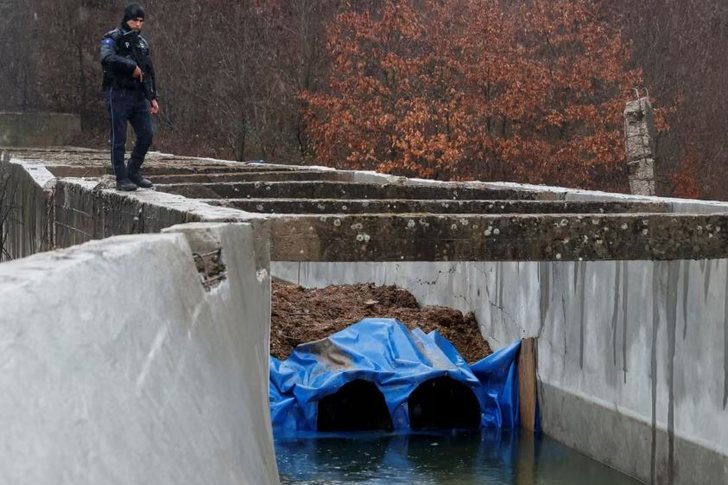
The authorities in Kosovo said that the water supply from ...
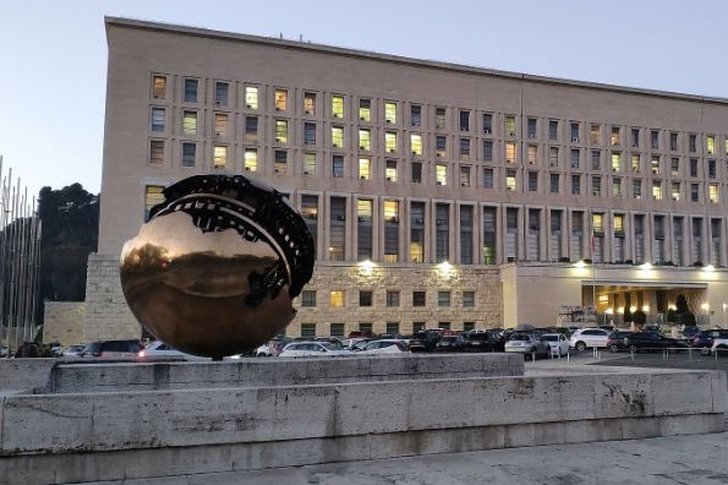
The Ministry of Foreign Affairs of Italy has condemned the...
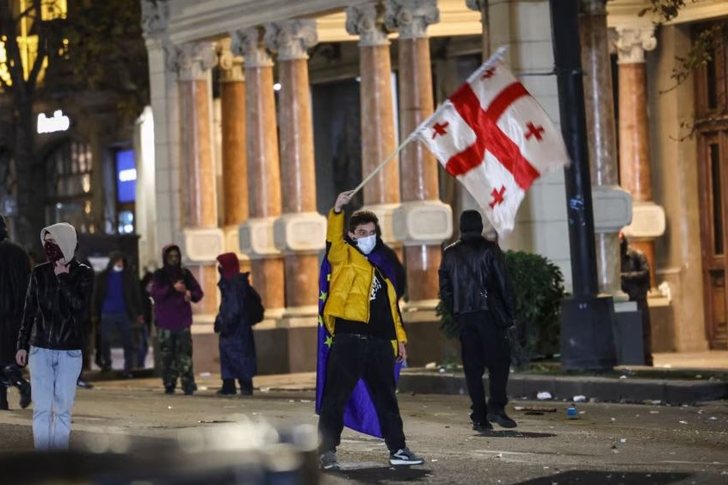
The United States of America and the European Union have c...
The United States will help find and punish the perpet...
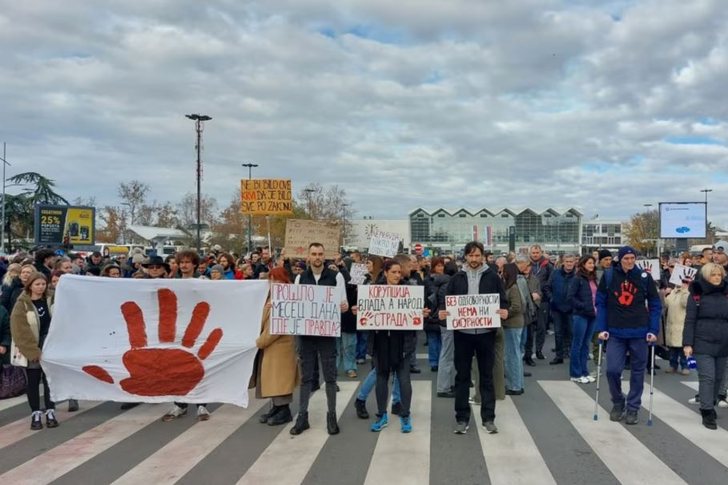
Thousands of people joined a protest march on Sunday in th...
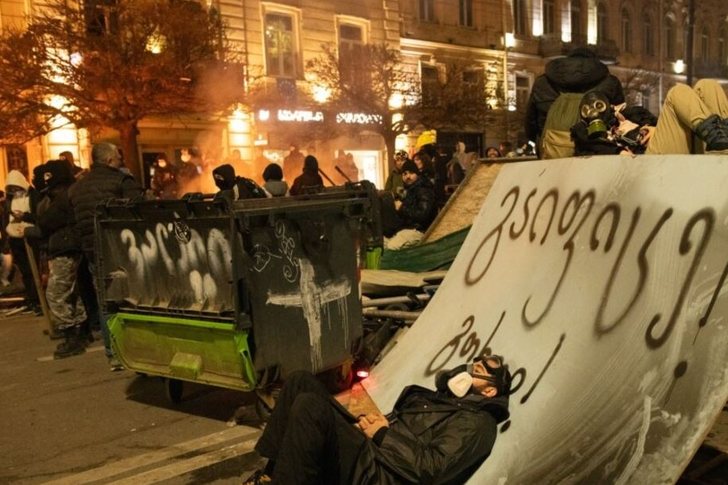
The Prime Minister of Georgia, Irakli Kobakhidze, has said...
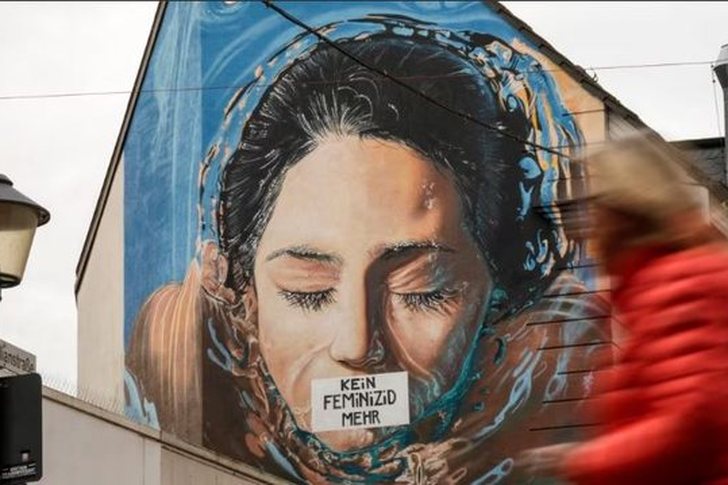
The latest United Nations report reveals gruesome deta...
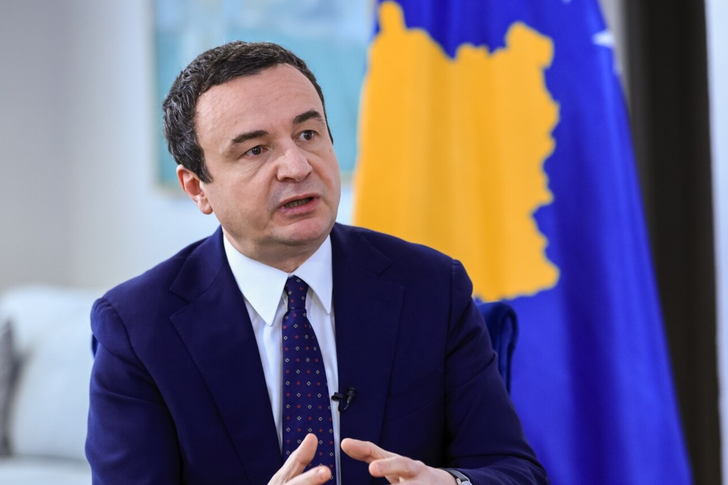
The Prime Minister of Kosovo Albin Kurti, in the confe...
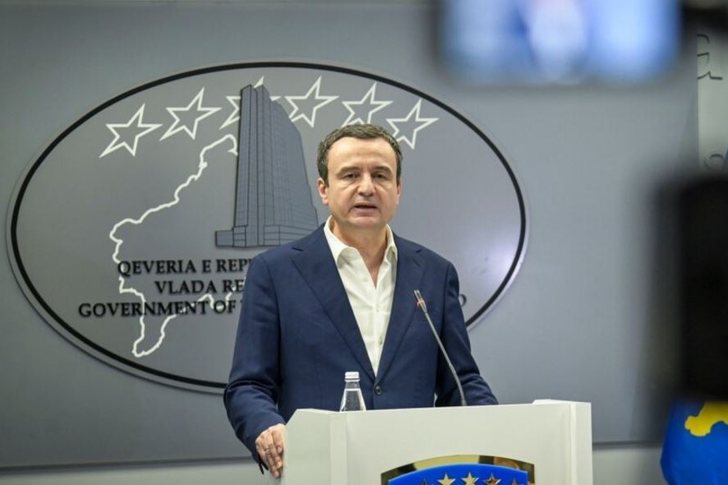
The Prime Minister of Kosovo, Albin Kurti, called on t...
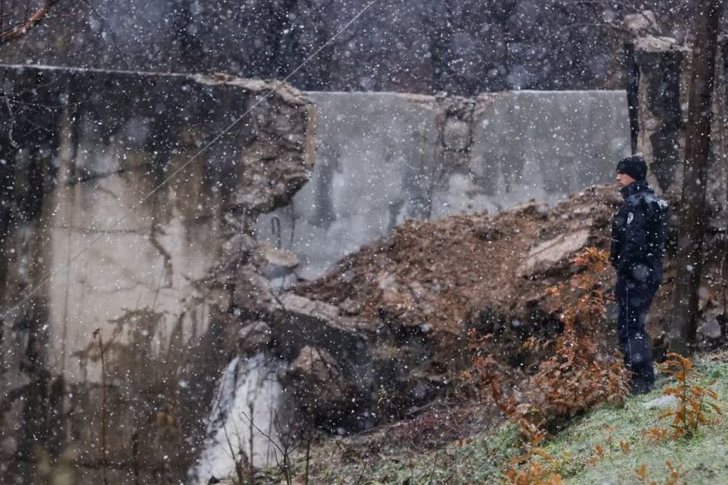
The European Union condemned on Saturday, as it said, "wit...
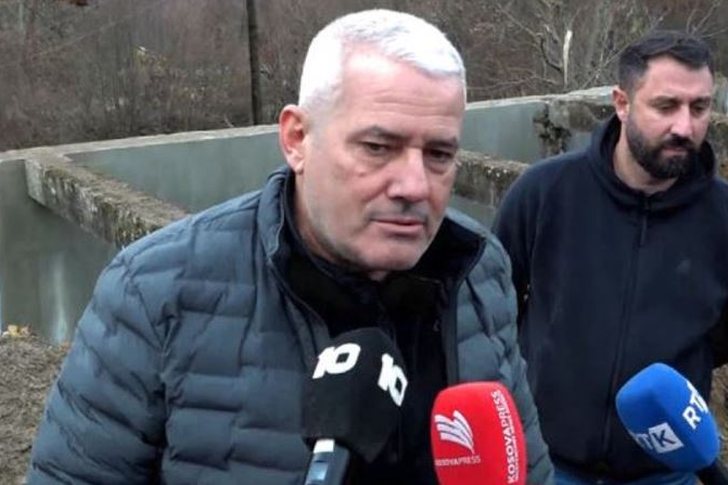
The Minister of Internal Affairs, Xelal Sveçla, made a...
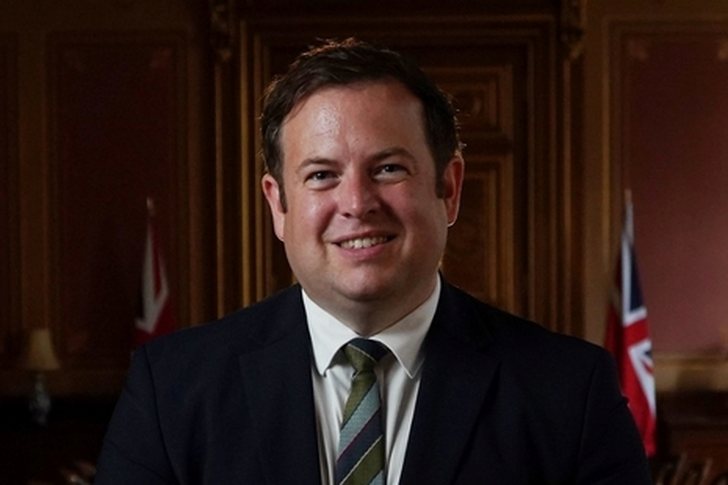
The British Minister for Europe, Stephen Doughty, has ...
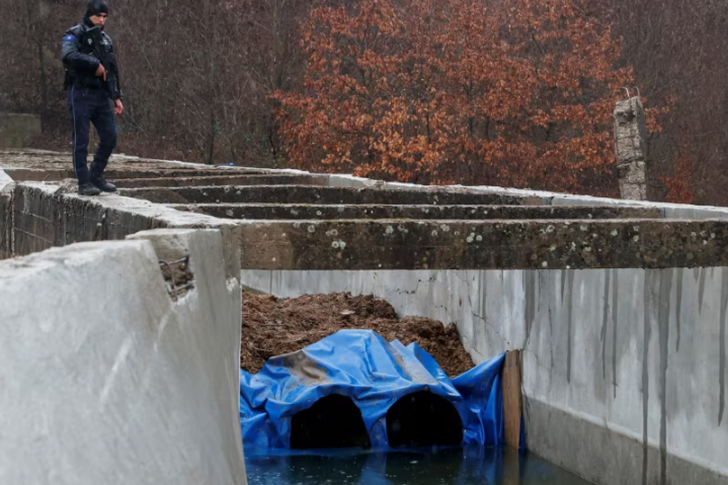
The authorities in Kosovo said that the water supply from ...
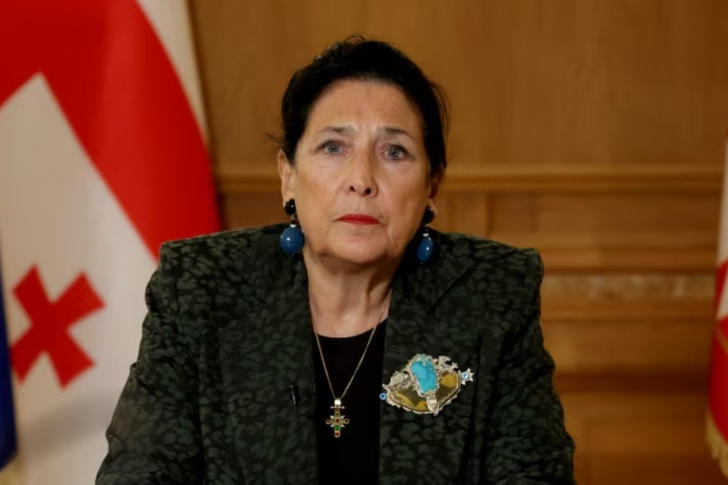
Georgia's president, Salome Zurabishvili, a staunch critic...
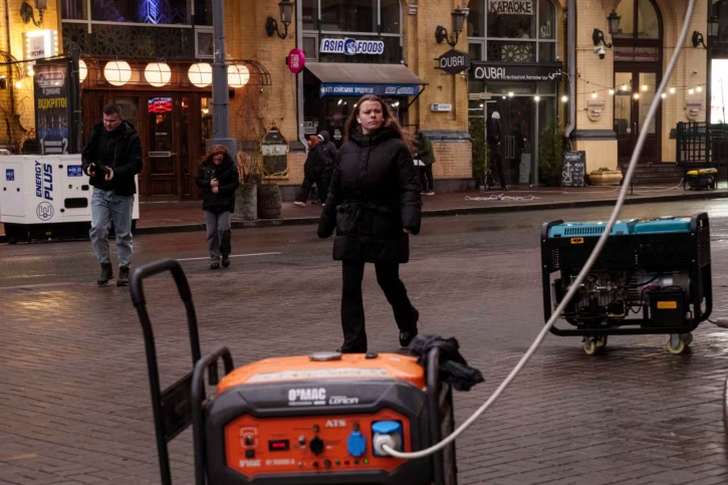
Russia attacked Ukraine's capital on Sunday with dozens of...
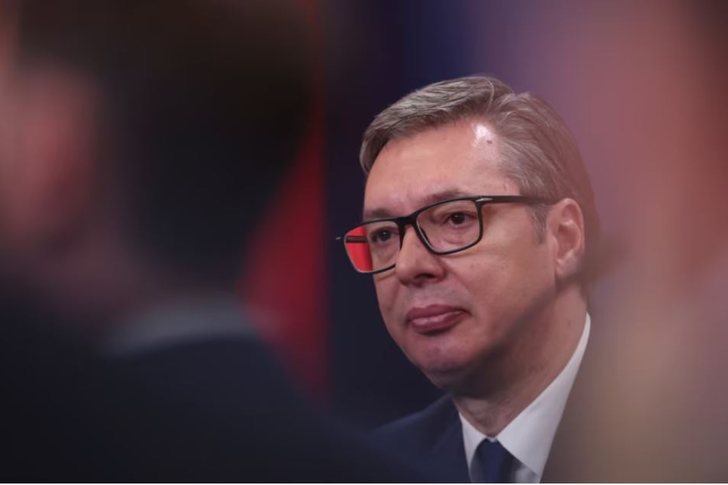
President Aleksandër Vucic has spoken about the attack...
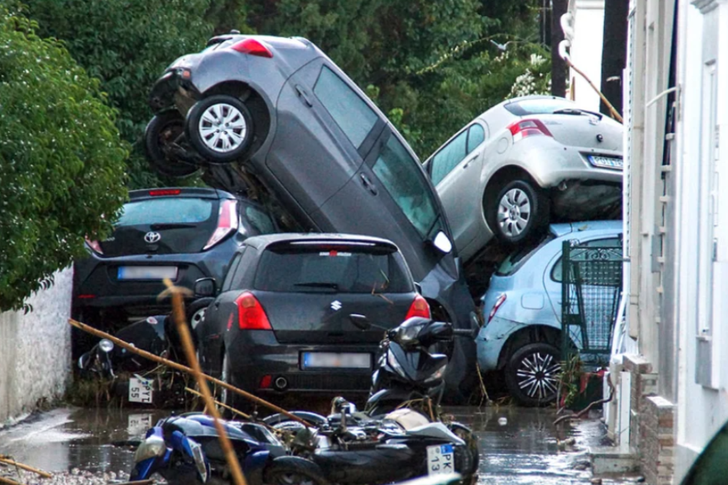
The island of Limnos is in a state of emergency in the las...

CNA has launched another investigation that could lead to ...

Irfan Hysenbelliu is a businessman that we call "Irfan the...

In March 2026, CNA launched another investigation centered...
The arrested mayor of Tirana, Erion Veliaj, with 13 charge...

The Special Board of Appeal (KPA) decided this Monday ...

The KPA vetting decided this Thursday to dismiss the p...

Suela Salavaçi, a prosecutor in the Prosecutor's Offic...

The Special Board of Appeal reinstated the prosecutor ...
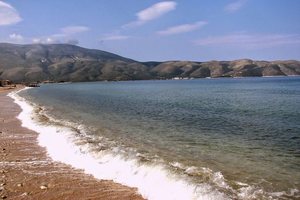
A person has died today on Orikum beach. According to repo...

Footage emerges from the serious accident that occurred th...

A Shkodra traffic police officer was hit with hard objects...
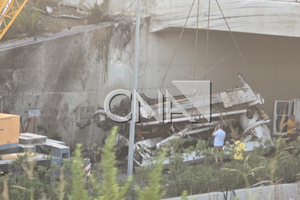
This Wednesday, around 4:00 PM, a serious accident occurre...

Children without parental care, for whom alternative famil...

On Thursday, our country will be under the influence of st...
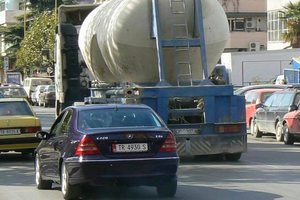
A serious accident that occurred this Wednesday with the c...

The Institute of Geosciences has shared a forecast for wea...

Artificial intelligence (AI) models from the American comp...
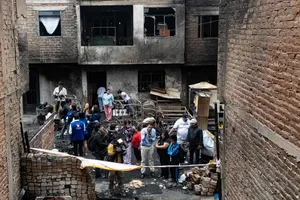
At least 10 people have died after a fire broke out in a h...
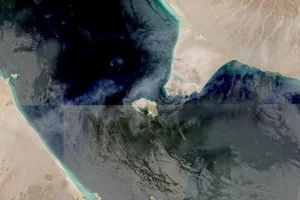
Yemen's Houthis have claimed to have attacked two Saudi oi...
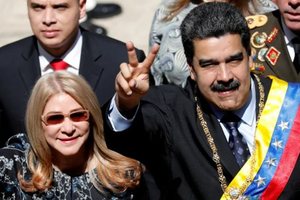
The trial of ousted Venezuelan President Nicolas Maduro on...

At a time when industrial products are increasingly taking...

Trust among people is not just a three-syllable word. It c...

Master of humor Todi Llupi has passed away at the age of 7...

The ninth edition of "MIK Festival" kicked off with one of...
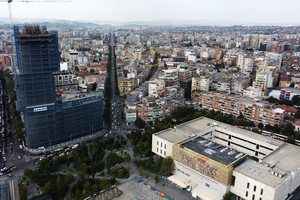
The average sale price of apartments in Tirana reaches rec...
This Thursday, one US dollar is bought for 81.5 lek and so...
The price of diesel reached 206 lek per liter from 198 lek...

Businesses will no longer be required to simply register t...