


"GIVE UP, ELISA!"
I must say from the beginning, I have liked MP Elisa Spiro...

I must say from the beginning, I have liked MP Elisa Spiro...

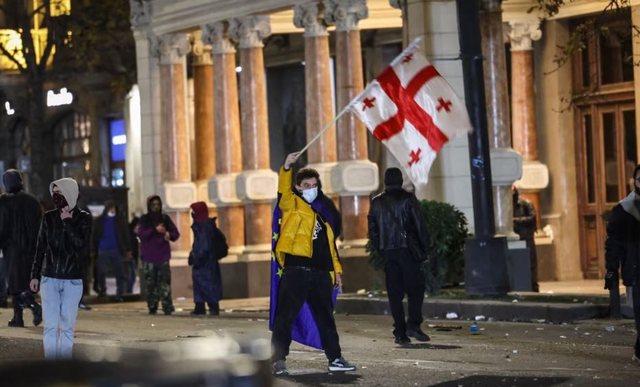
The United States of America and the European Union have condemned the "excessive use of force" by police in Georgia against protesters who took to the streets of Tbilisi to oppose a government decision to suspend membership negotiations with the EU. But despite the criticism, Georgian Prime Minister Irakli Kobakhidze praised the police on Sunday for the way they reacted to protesters who he said were "following foreign orders to undermine the state".
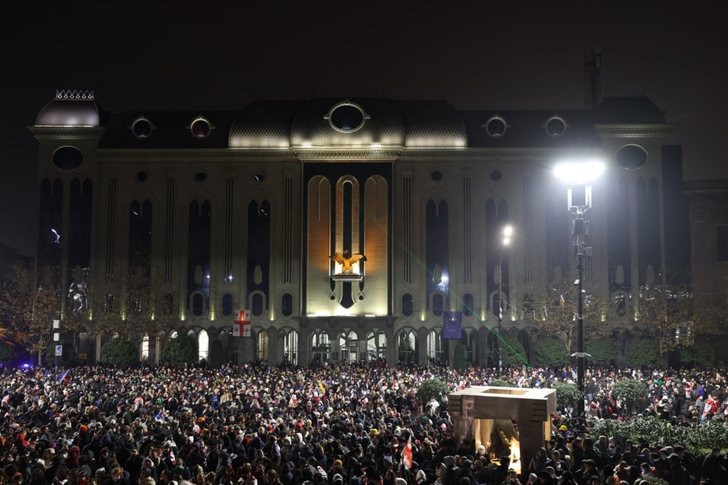
For the third night in a row, protesters gathered in the Georgian capital to oppose a government decision to suspend negotiations to join the European Union.
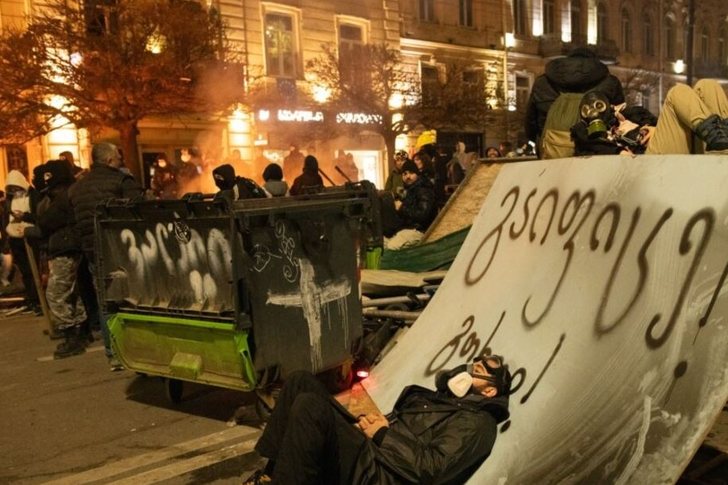
Protesters set up barricades and threw fireworks in front of parliament, some at police, who responded with water cannons and tear gas. The police continued to arrest the protesters.
"I am protesting against Russia. Russia is trying to take over all of Georgia and they are trying to take over us by electing the government they want in Georgia. They want to enslave us. We want peace, but we are able to fight for our freedom," says a resident.
"We are choosing a European way. Freedom of speech. Freedom of human rights. We are for this. And we won't give up. We will not give up. And we will do our best to regain our right", says a resident.
The United States and the European Union have condemned the way the police have reacted to the protesters and pointed out that Georgia has chosen to move from a pro-Western path towards Russia.
Georgia, a country of 3.7 million people that was once part of the Soviet Union, has been mired in crisis since the ruling party
"Georgian Dream" said on Thursday that it would suspend talks on membership in the European Union for the next four years.
The government's announcement that it was suspending negotiations to join the EU came hours after the European Parliament passed a resolution condemning the October elections as "not free and not fair".
European observers said the October election took place in a divisive atmosphere, with cases of vote-buying, double voting and physical violence. The opposition says that the elections were manipulated.
But despite the criticism, Georgian Prime Minister Irakli Kobakhidze praised the police on Sunday for the way they reacted to protesters who he said were "acting on foreign orders to undermine the state".
Deepening the country's constitutional crisis, outgoing president Salome Zourabichvili - a government critic and strong advocate of Georgia's EU membership - said on Saturday that she would refuse to leave office when her term ends at the end of the month of December.
She will remain in office because the new parliament, which emerged from October's elections, was illegitimate and had no authority to appoint her successor.
“I understand her emotional state, but of course on December 29 she will have to leave her residence and hand over this building to a legitimately elected president. I remind you that she lost the October 26 elections. She fought for the radical opposition to win the October 26 election and thought this would guarantee her stay in office. But she lost the October 26 election very badly," said the Prime Minister of Georgia.
Georgia's prime minister also rejected Washington's announcement on Saturday that it was suspending its strategic partnership with Georgia. He said this was a "temporary event" and Georgia would talk to President-elect Donald Trump's new administration when he takes office in January.
Meanwhile, Russian security official Dmitry Medvedev said on Sunday that an "attempted revolution was taking place in Georgia". The former Russian president said on the Telegram network that Georgia "was moving rapidly along the Ukrainian road, into the dark abyss."
For most of the period since the fall of the Soviet Union in 1991, Georgia has leaned strongly toward the West and tried to distance itself from Russian influence. But the decisions of the "Georgian Dream" party have recently alarmed Western governments, saying that these decisions have increasingly authoritarian and pro-Russian tendencies.
In June, the government passed a law that forces NGOs to register as "foreign agents" if they receive more than 20% of their funding from abroad. In September, parliament passed a law curbing the rights of the LGBT community.
The government says it is acting to protect the country from foreign interference and to avoid a new war with Russia./VOA

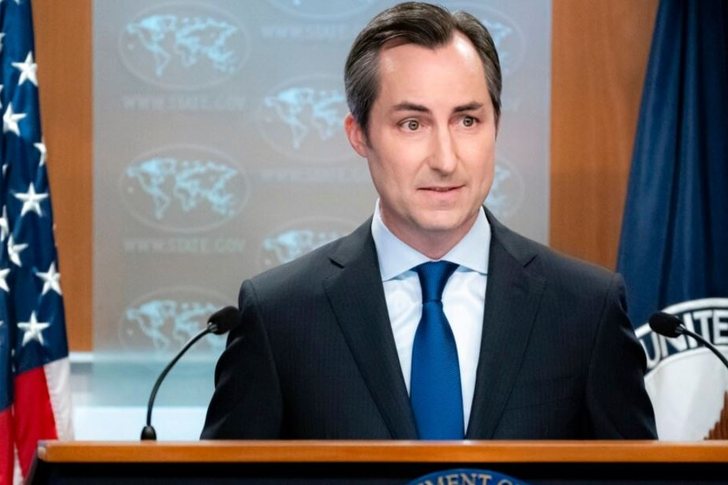
The United States will help find and punish the perpet...
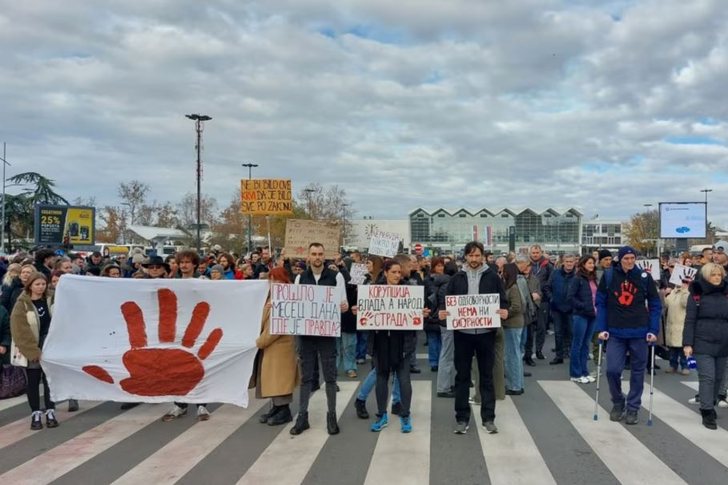
Thousands of people joined a protest march on Sunday in th...
The Prime Minister of Georgia, Irakli Kobakhidze, has said...
The latest United Nations report reveals gruesome deta...
The Prime Minister of Kosovo Albin Kurti, in the confe...
The Prime Minister of Kosovo, Albin Kurti, called on t...
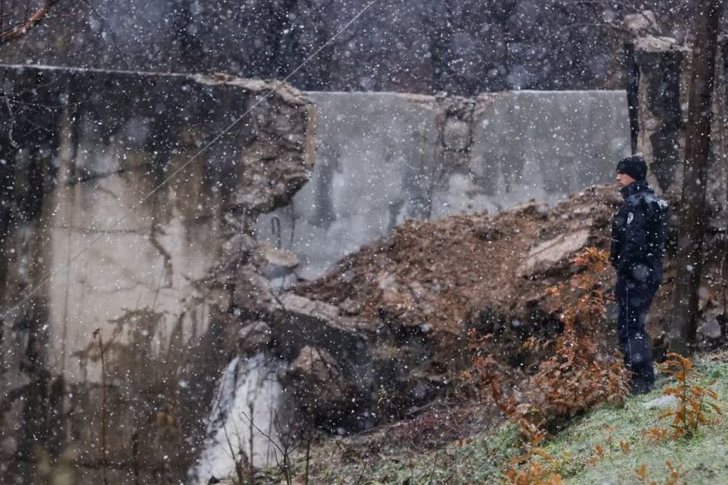
The European Union condemned on Saturday, as it said, "wit...
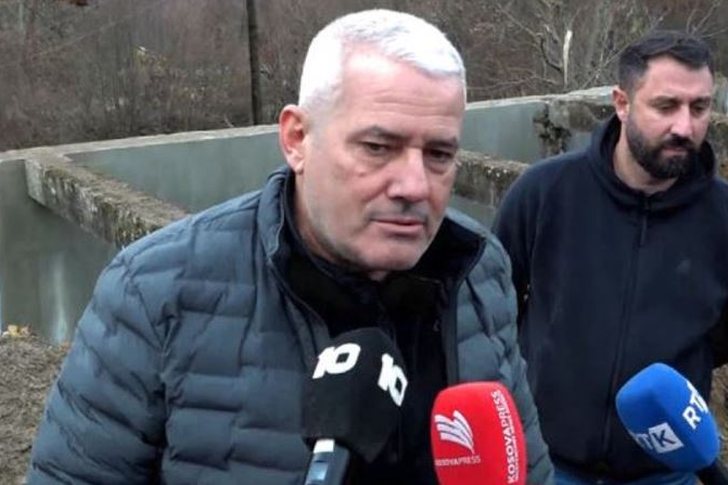
The Minister of Internal Affairs, Xelal Sveçla, made a...
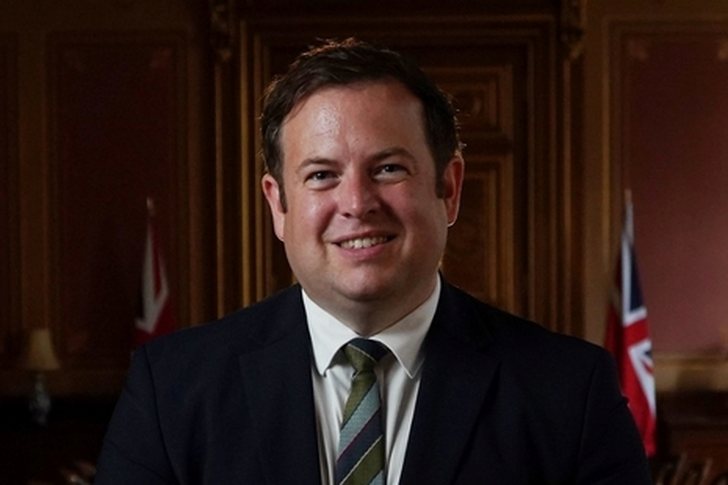
The British Minister for Europe, Stephen Doughty, has ...
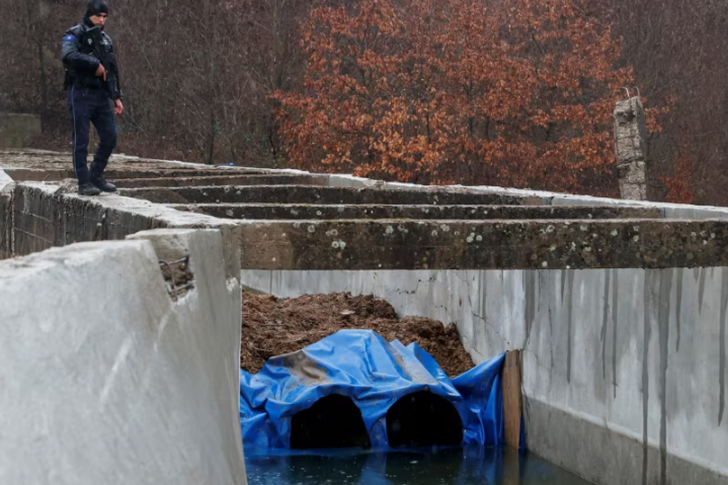
The authorities in Kosovo said that the water supply from ...
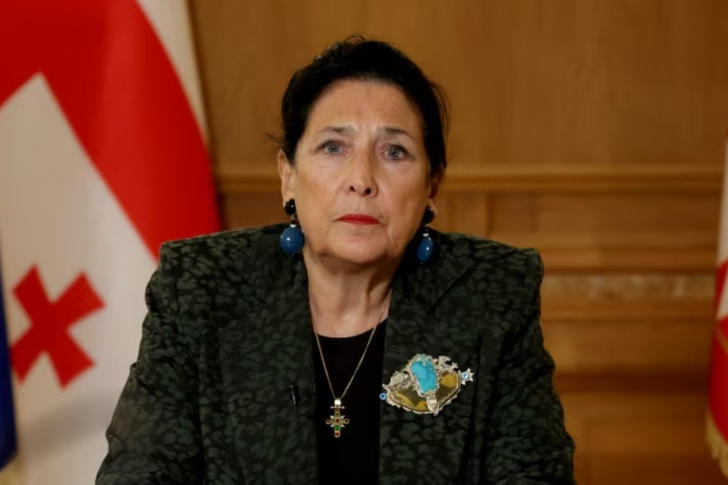
Georgia's president, Salome Zurabishvili, a staunch critic...
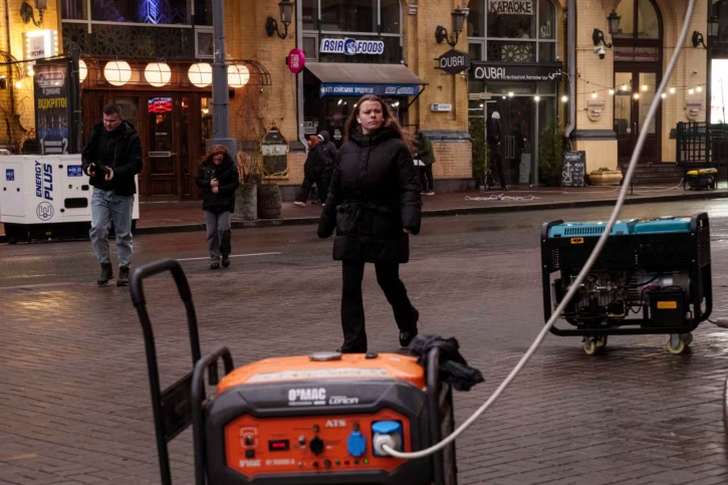
Russia attacked Ukraine's capital on Sunday with dozens of...
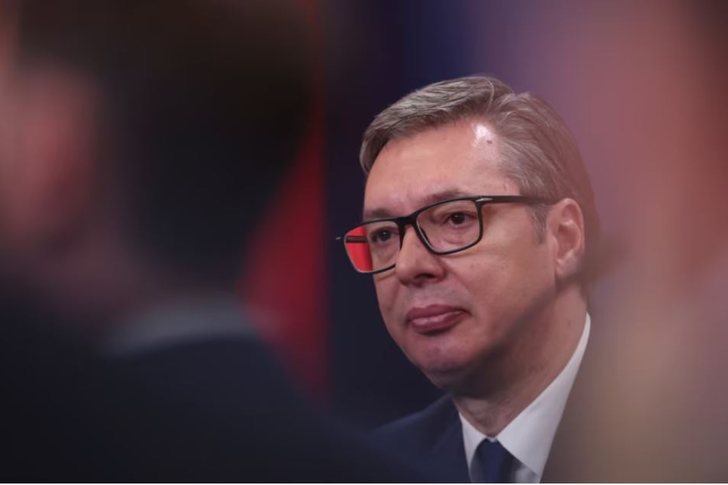
President Aleksandër Vucic has spoken about the attack...
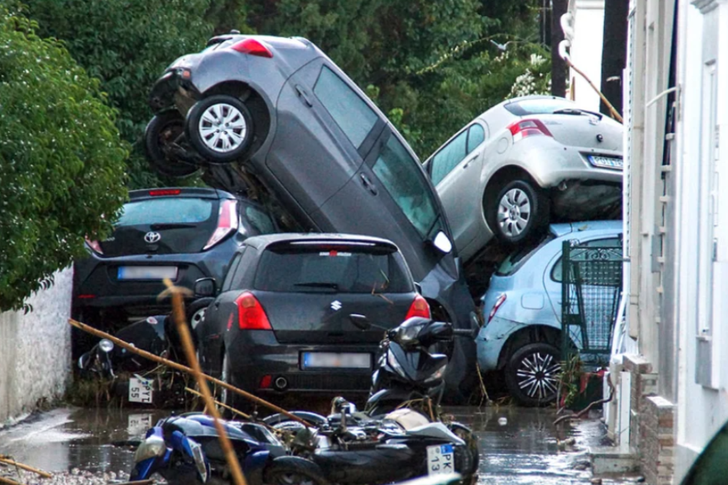
The island of Limnos is in a state of emergency in the las...
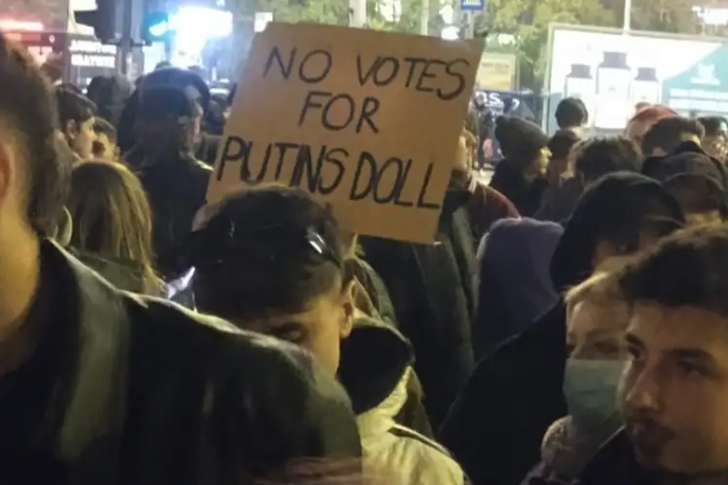
After the shock in the first round of the presidential ele...
The EU described the explosion in the Ibër-Lepenci can...
US President-elect Donald Trump has tapped a former aide, ...
Georgian President Salome Zourabichvili branded the govern...
US President-elect Donald Trump said on Saturday he had a ...
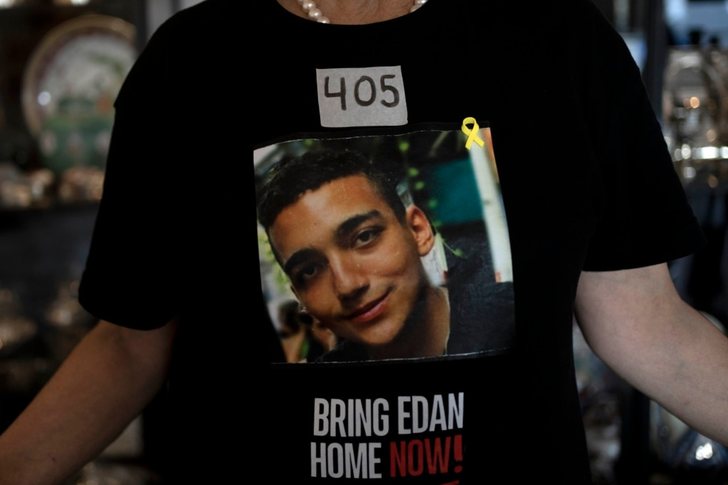
The Palestinian militant group Hamas released a video on S...

CNA has launched another investigation that could lead to ...

Irfan Hysenbelliu is a businessman that we call "Irfan the...

In March 2026, CNA launched another investigation centered...
The arrested mayor of Tirana, Erion Veliaj, with 13 charge...

The Special Board of Appeal (KPA) decided this Monday ...

The KPA vetting decided this Thursday to dismiss the p...

Suela Salavaçi, a prosecutor in the Prosecutor's Offic...

The Special Board of Appeal reinstated the prosecutor ...
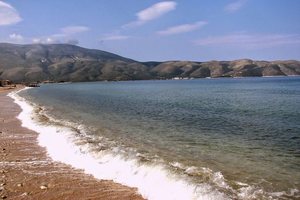
A person has died today on Orikum beach. According to repo...
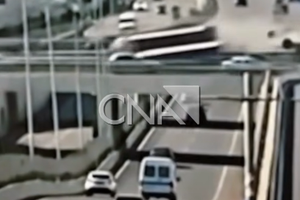
Footage emerges from the serious accident that occurred th...
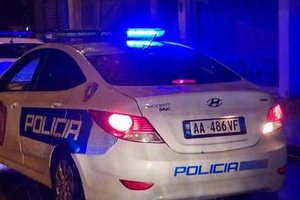
A Shkodra traffic police officer was hit with hard objects...
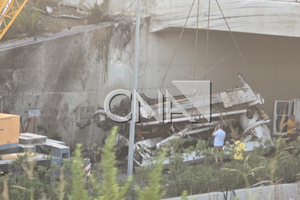
This Wednesday, around 4:00 PM, a serious accident occurre...

Children without parental care, for whom alternative famil...

On Thursday, our country will be under the influence of st...
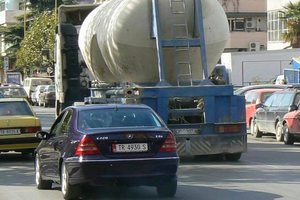
A serious accident that occurred this Wednesday with the c...

The Institute of Geosciences has shared a forecast for wea...

Artificial intelligence (AI) models from the American comp...
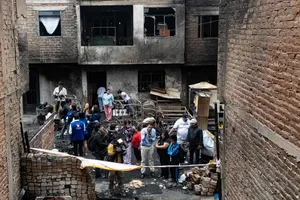
At least 10 people have died after a fire broke out in a h...
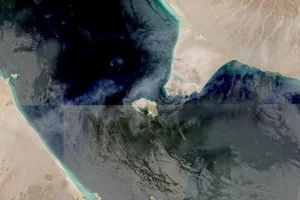
Yemen's Houthis have claimed to have attacked two Saudi oi...
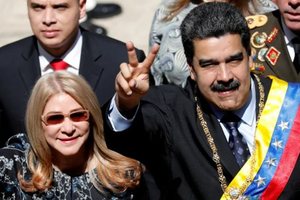
The trial of ousted Venezuelan President Nicolas Maduro on...

At a time when industrial products are increasingly taking...

Trust among people is not just a three-syllable word. It c...

Master of humor Todi Llupi has passed away at the age of 7...

The ninth edition of "MIK Festival" kicked off with one of...
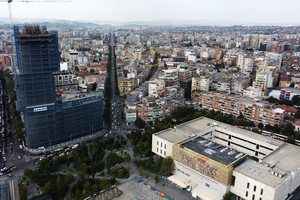
The average sale price of apartments in Tirana reaches rec...

This Thursday, one US dollar is bought for 81.5 lek and so...
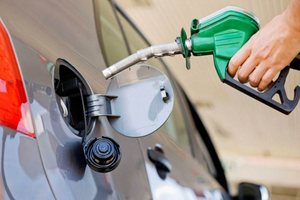
The price of diesel reached 206 lek per liter from 198 lek...

Businesses will no longer be required to simply register t...