


"Stupidity has left us 100 years behind"/ Rama: The 2 brothers who invest in Zvërnec, with projects on the island of Qatar
Prime Minister Edi Rama reacted again this Saturday regard...

Prime Minister Edi Rama reacted again this Saturday regard...

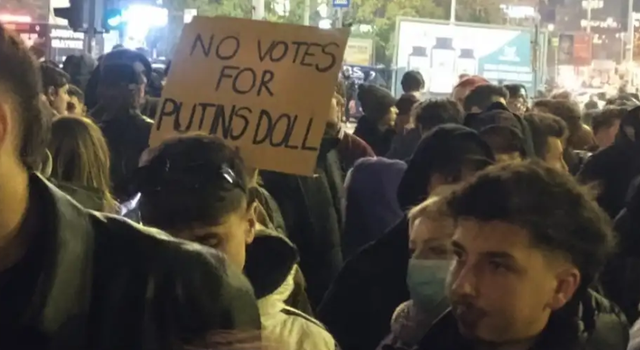
After the shock in the first round of the presidential elections, Romania faces parliamentary elections. Many fear a right-wing extremist success. Even for Europe this would be a disaster scenario.
Thousands of young people, who demonstrate in the evenings in the streets of the big cities of Romania against extremism and pro-Europe. The messages on social networks of personalities from different fields are: don't allow the homeland to sink into the abyss. These are intellectuals, talking about the greatest tragedy in the country's recent history. This is the topic that currently dominates the media.
Romania after the first round of presidential elections (24.11.2024) is in a state of shock. In this round, the non-partisan Calin Georgescu won out of thin air with about 23 percent: a Putin-glorifying right-wing extremist, an apologist for interwar Christian-Orthodox Romanian fascism, a conspiracy theorist and a tongue-in-cheek esoteric.
On Sunday (1.12.2024) the parliamentary elections will take place in Romania, and a week after them the presidential runoff. Many in Romania fear that far-right parties may win a majority. And in the end, a right-wing extremist who is a fan of Putin can even become president.
This would plunge not only Romania into chaos, but would also create major problems for the EU and NATO. Romania is the sixth largest country in the EU and the most important NATO partner in Southeast Europe.
The missile defense station and the most important combat aviation bases of the region are located there. A significant part of military aid to Ukraine passes through Romania. Also, this country lies on the Black Sea and is located on the route through which Ukrainian grain supplies pass. Therefore, the geopolitical importance of Romania is much greater than that of countries like Hungary or Slovakia, which are governed by nationalists like Viktor Orban and Robert Fico, who have deviated from the EU and NATO consensus.
Not a disaster that fell from the sky
That in Romania, a Putin-glorifying right-wing extremist, who comes out with Christian messages like the Messiah, wins the majority of votes, this is not a disaster that fell from the sky - the new history of this country is full of tragedies: The pro-fascist dictator in the time between the two wars, Ion Antonescu, and the megalomaniac dictator Nicolae Ceau?escu followed a similar messianic cult. Under Ceausescu, Romania, along with Albania, experienced the worst dictatorship in the Eastern bloc.
In Romania alone in 1989 there was a bloody system change, with over a thousand dead during the riots. Ten years later, in 1999, Romania was on the verge of civil war during the miners' uprising. A year later, the ultranationalist and former employee of Ceausescu Corneliu Vadim Tudor won the presidential mandate by winning a runoff. However, he was chosen as the lesser evil against the communist defector Ion Iliescu, who was jointly responsible for the deaths after the overthrow of Ceausescu and later founder of the so-called social democratic party, PDS, but which was in fact a populist and nationalist party. . Inconclusive polls
Now Romania is once again faced with the decision, whether by choosing the right-wing extremists it will follow a more solitary path or not. In these circumstances, one cannot even speak of normality. It doesn't even feel like there are parliamentary elections. This is despite the fact that before the presidential elections there was no question of Calin Georgescu's success in any poll - and even now there are no reliable polls about party preferences.
According to the predictions of the past weeks, six parties can enter the parliament: those that until now have governed together with the pseudo-social democrats and the national-liberals of the PNL, as well as some extreme right-wing parties, among them the Alliance for the Union of Romania (AUR ) and SOS Romania, as well as the progressive-liberal party Union Save Romania (USR) and the Hungarian minority party, UDMR.
Initially, in the polls, the social democrats reached about 30 percent, the national-liberals about 15 percent. Now this is not even discussed, because the candidates of both parties, the prime minister Marcel Ciolacu (PSD) and the president of the senate Nicolae Ciuca (PNL) failed miserably in the presidential elections and therefore both resigned respectively from the leadership of the parties.
The parties AUR and SOS Romania in the polls so far have had 25 to 28 percent. In the presidential elections, they together reached 38 percent. After the shock of the first presidential round, some observers fear that the right-wing extremists may reach the parliamentary majority.
Another winner in the election could be the progressive-liberal party USR, whose candidate Elena Lasconi is in the second position in the presidential runoff on 8.12.2024 and has a good chance of winning. According to the polls, USR so far has a weak double-digit result, but it may benefit from the failure of the parties that have governed so far.
The hated "Establishment".
Much more is at stake in parliamentary elections than in presidential elections. Although the President of Romania has important powers in foreign and security policy, he cannot make decisions without the parliament and the government. So an extreme right-wing president like Georgescu would be a disaster for Romania, and the worst scenario that could happen is a far-right parliamentary majority.
Many voters in Romania see in these extreme parties the opportunity to remove the hated "establishment". Since the overthrow of Ceausescu, the country has been dominated by clientelistic networks, which, among other things, have gathered in today's social democratic party. Many in Romania consider PSD to be synonymous with corruption and nepotism. But the reputation of the national-liberals, who have co-governed with the social democrats for the last three years, is no better. This has to do with the blocking that both parties have been doing for decades, of basic reforms in the state administration and in justice. Which has aroused deep hatred in society towards this establishment. Uncertain times
Even the president in office for ten years, Klaus Johannis, has his responsibility in this regard. Since 2014, Johannis was elected promising to fight resolutely for radical state reforms and against corruption. But for most of his mandate, he has remained withdrawn, even though the president can influence the executive, through constitutional opportunities. Even to the current political developments, Johannis has not reacted until now.
Meanwhile, the situation is complicated by the instruction of the Constitutional Court to recount the votes of the first presidential round. The constitutionalist came into play after complaints of electoral fraud and manipulation raised by two presidential candidates who failed in the polls. But practice in Romania has shown that the Constitutional Court is often used for political intrigues. This was also seen in October, when a far-right female presidential candidate was excluded, apparently to give the ruling Social Democrats a more favorable election result.
It is unclear what effect the decision of the Constitutional Court will have. One thing is known: In general, the parliamentary elections in Romania can outline difficult political relations, where no party wins an absolute majority. Since far-right parties are divided among themselves, this could create chaos in domestic politics if they get a majority. If the USR progressive-liberals win, they would be dependent on a coalition partner – and for this reason, only the option of one of the establishment parties or a minority government can be presented. Romania is facing uncertain times./ DW

The EU described the explosion in the Ibër-Lepenci can...
US President-elect Donald Trump has tapped a former aide, ...
Georgian President Salome Zourabichvili branded the govern...
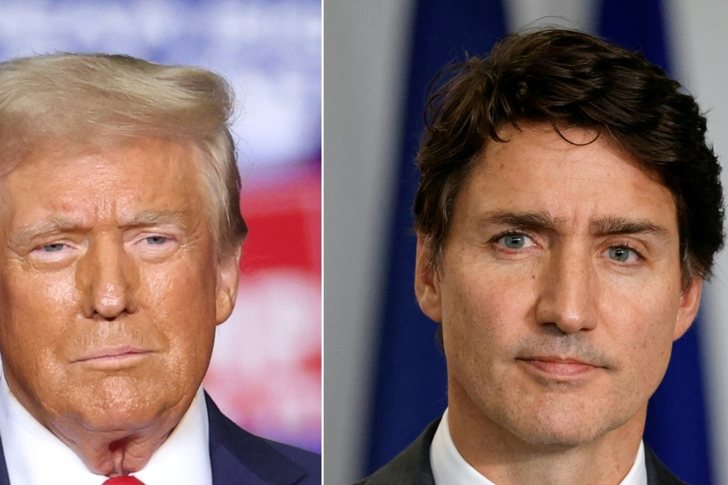
US President-elect Donald Trump said on Saturday he had a ...
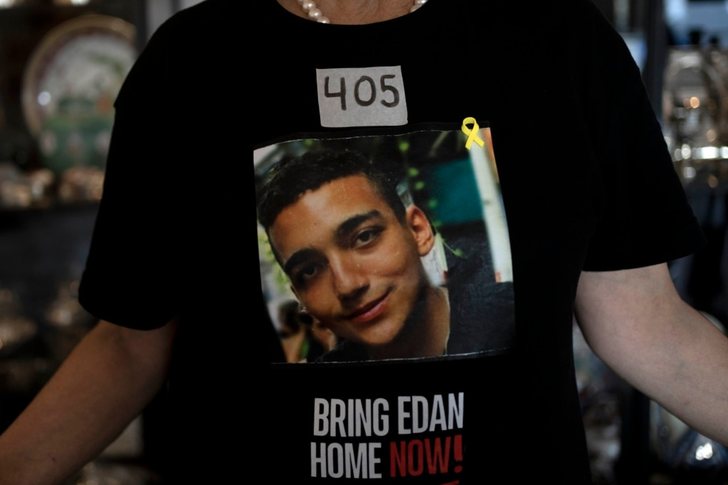
The Palestinian militant group Hamas released a video on S...
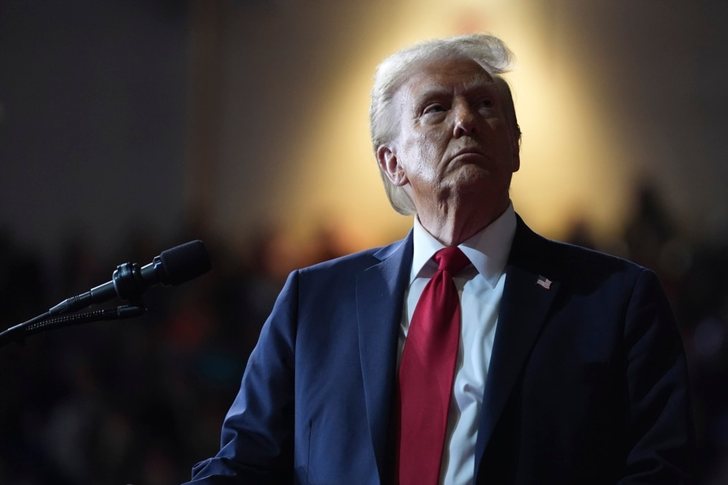
Iran is expected to be high on the foreign policy agenda o...
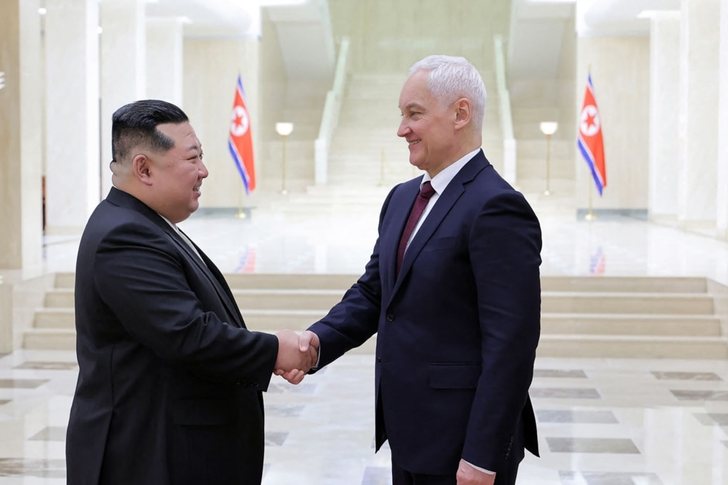
The leader of North Korea, Kim Jong Un, said that his coun...
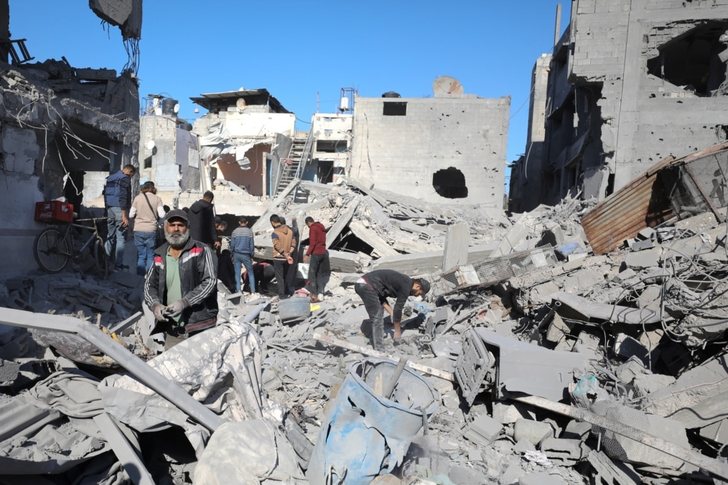
According to Palestinian doctors, at least 32 people lost ...
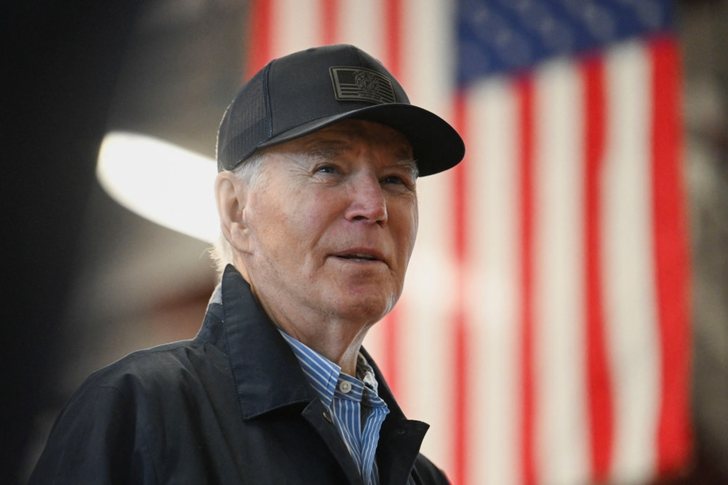
President Joe Biden's visit to Angola, the first by a US p...
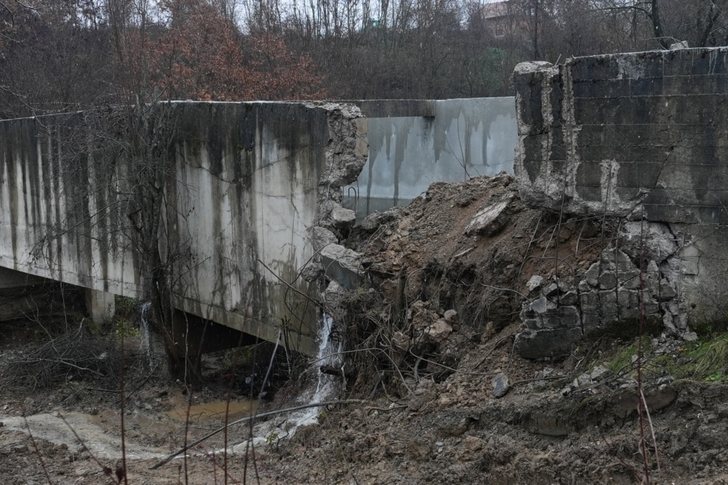
Kosovo authorities have arrested eight suspects and confis...
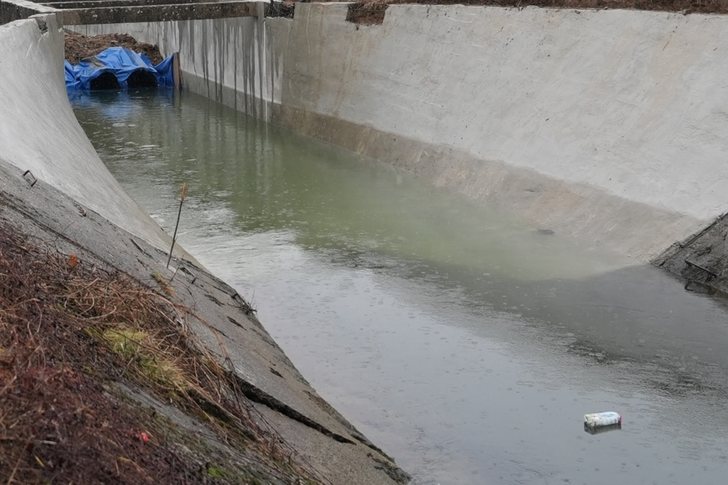
The water that passes through the Ibër-Lepenci canal is un...
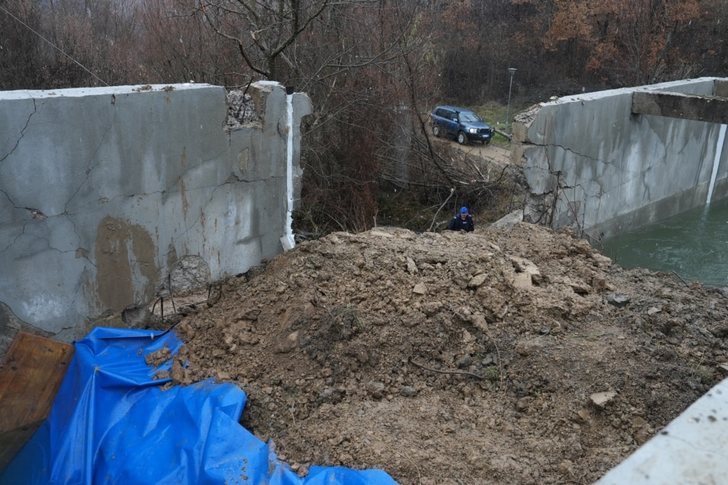
The European Union (EU) has described as a "terrorist" att...
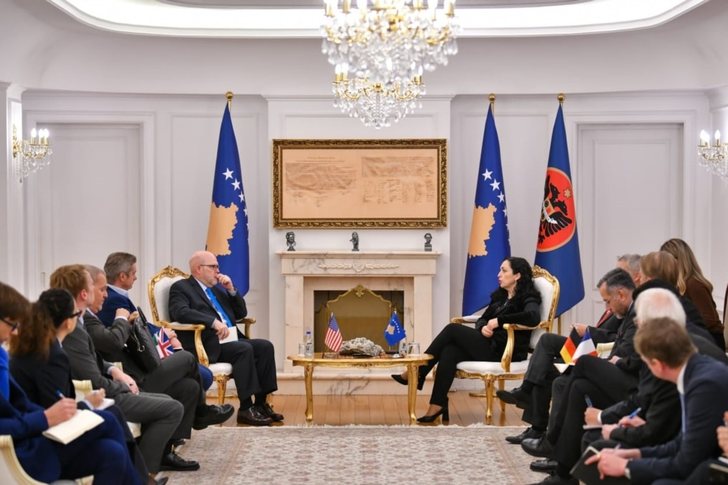
The President of Kosovo, Vjosa Osmani, spoke with the amba...
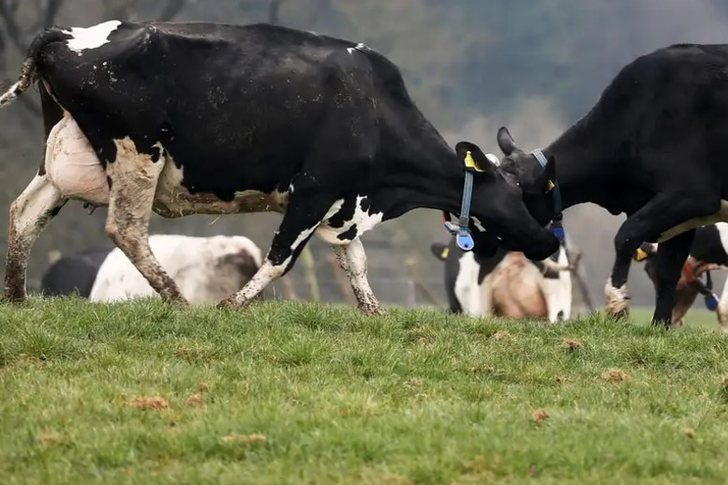
Giant free trade zone It is about the creation of a free ...
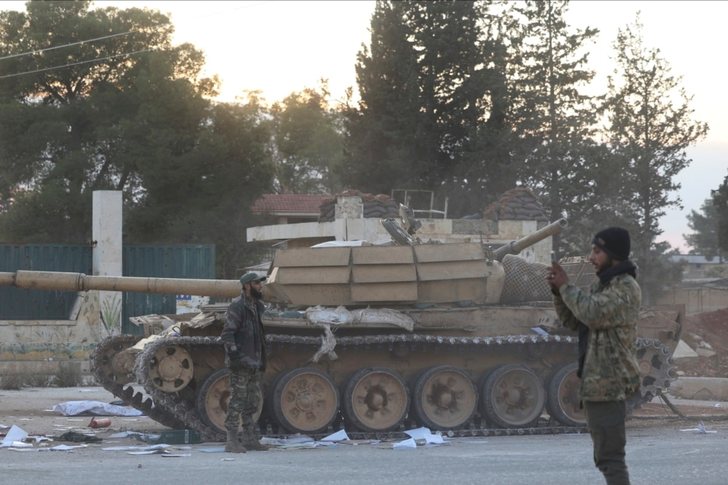
Syrian rebel fighters have taken control of most of Aleppo...
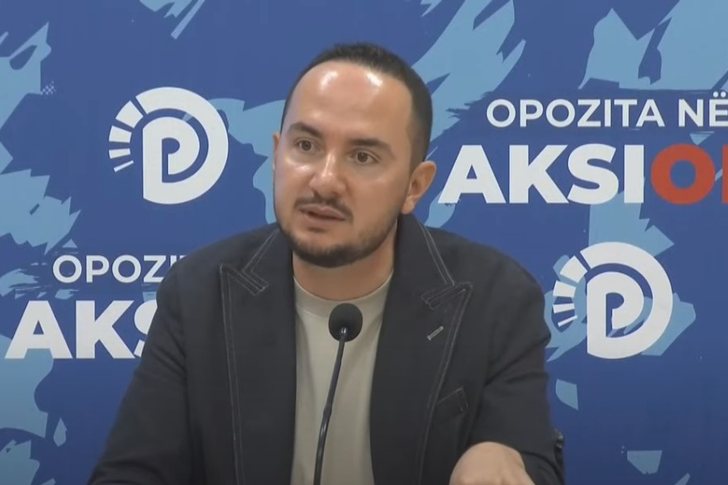
Former deputy Ervin Salianji has reacted to the release of...
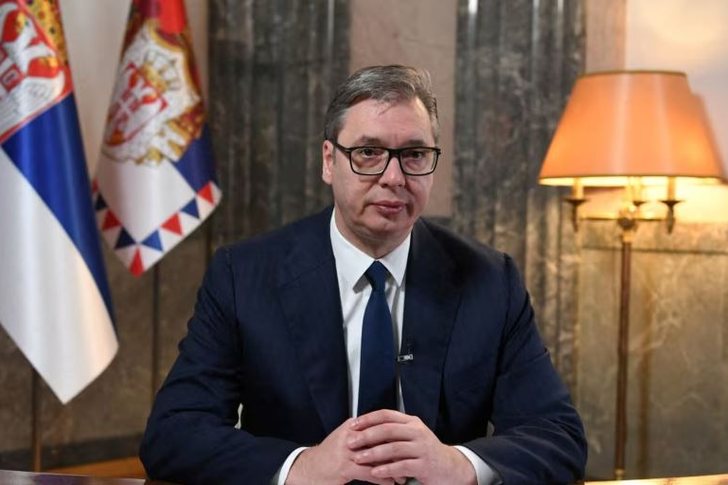
The President of Serbia, Aleksandar Vučić, has reacted...
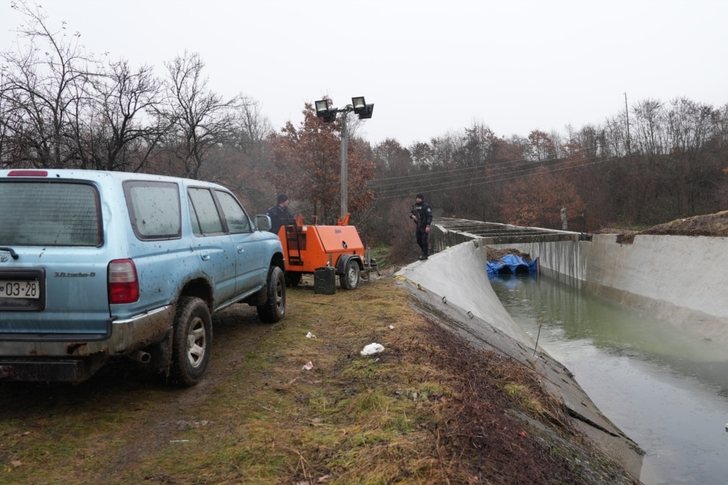
The Prime Minister of Kosovo announced on Saturday that se...
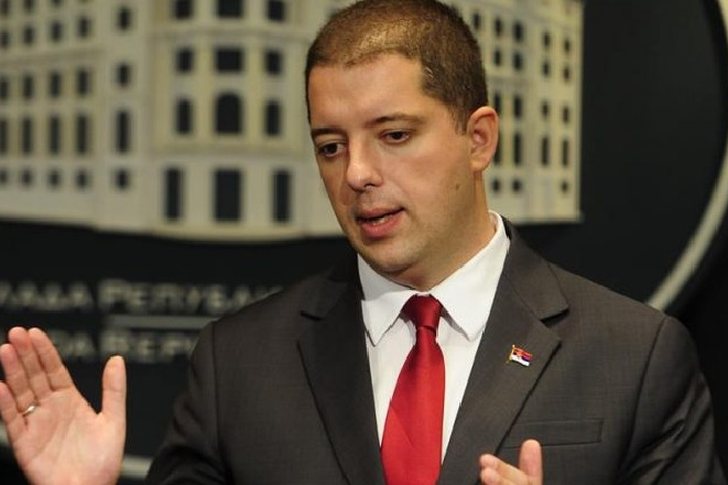
For the explosion in Zubin Potok in the water channel ...
A 22-year-old YouTuber tragically lost his life in a snows...
Irfan Hysenbelliu claims to be a big businessman, an hones...
The murder of officer Enea Mekolli in the line of duty has...
The next case broadcast on the show "Stop", this Thursday,...
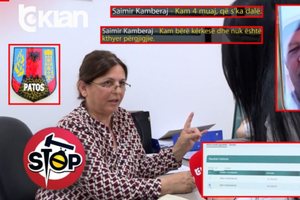
The case published this Thursday, June 4, on the show "Sto...

The Special Board of Appeal (KPA) decided this Monday ...

The KPA vetting decided this Thursday to dismiss the p...

Suela Salavaçi, a prosecutor in the Prosecutor's Offic...

The Special Board of Appeal reinstated the prosecutor ...
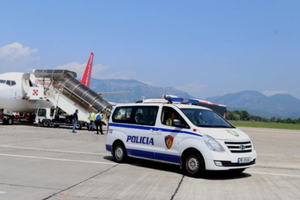
Following the cooperation of Interpol Tirana with Interpol...

An accident occurred this Saturday morning at Shkëmbi i Ka...
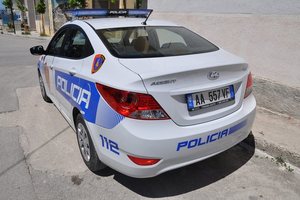
A TNT explosion occurred in Lezha in the early hours of th...
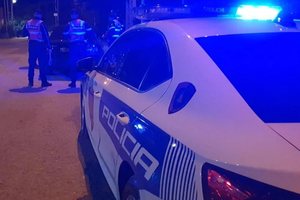
A massive brawl was recorded on Friday evening in Saranda,...
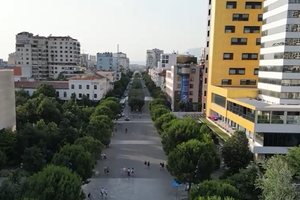
Albanians are officially the hardest working people in Eur...
This Saturday will be characterized by mostly clear weathe...
Today our country will be affected by stable weather condi...

For many children and teenagers, the long summer holidays ...
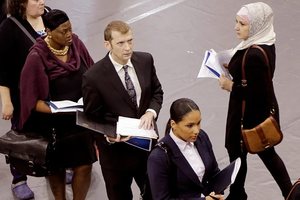
Millions of Europeans still apply for jobs without knowing...
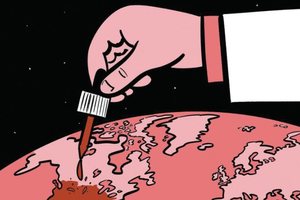
Following the Covid-19 pandemic, the World Health Organiza...
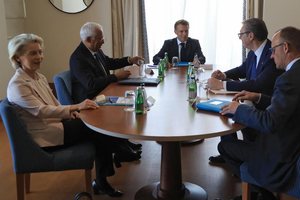
Leaders of the European Union and Western Balkan countries...
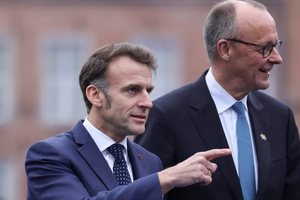
On the eve of the EU-Western Balkans summit, Germany and F...
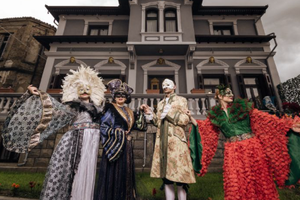
Korça is ready to open the summer season with one of the c...
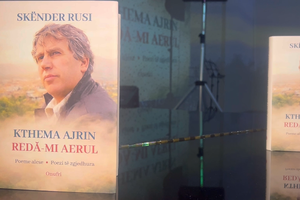
Two years after his passing, the renowned Korçë poet Skënd...
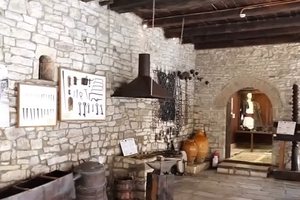
The Ethnographic Museum of Berat has opened its doors to v...
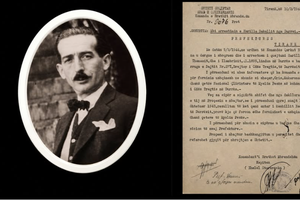
The story of Harilla Bakalli is one of the most chilling t...
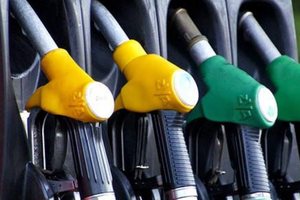
The Transparency Board, in today's meeting, decided to red...

This Saturday, one US dollar is bought for 81.4 lek and so...
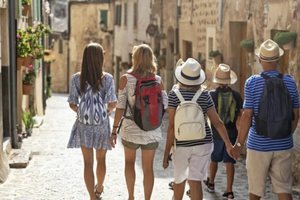
Despite years of efforts at regional cooperation and free ...
Albania is the country with the highest level of severe ma...