


Mandiant: Chinese spies have hacked into hundreds of public and private networks around the world
US cybersecurity firm Mandiant says Chinese hackers, suspe...


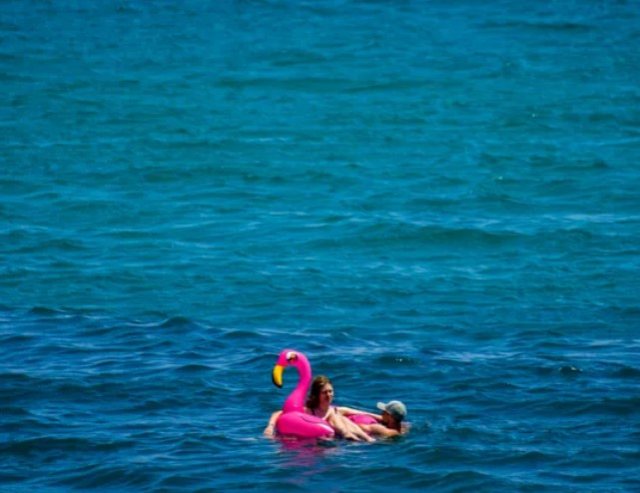
Russian tourists are a thing of the past in Europe, following the Kremlin's devastating invasion of Ukraine. But what impact has this had?
If you're looking for Russian tourists in Europe this summer, they're likely to be harder to spot than ever.
According to Schengen Visa Info, there were 90% fewer Russian visitors to Europe, and as this year's summer tourist season approaches, this figure is unlikely to change at all.
While wealthier Russians continue to visit the region, middle-class tourists have almost entirely disappeared, citing difficulties and rising logistical costs.
The reason, of course, is Russia's deadly invasion of Ukraine, which has prompted the West to erect barriers not seen since the dark days of the Cold War in support of its embattled ally.
But what effect does this loss of Russian tourists have on Europe?
We look at two destinations that border Russia, and two destinations that welcomed tens of thousands of Russian tourists to learn more:
Latvia
Latvia has long been a magnet for Russian travelers, due to its location and historical ties as part of the Soviet Union.
The tiny Baltic state's vibrant tourism industry was hit by the COVID pandemic, like many others, but the loss of visitors from Russia really set it off.
In solidarity with Ukraine, Russian tourists were banned in September 2022, with the country's foreign minister Edgar Rinkevics tweeting: "you are not welcome here - you need to end the war against Ukraine and leave that beautiful country !"
"Russia was an important market," Vladislavs Korjagins, CEO of Baltic Travel Group, told Euronea. "Of course we miss him."
"From an economic point of view, this decision may not have helped local businesses. But, at the political level, we support Ukraine."
finland
About 1.2 million Russian travelers traveled by bus or car over the border in eastern Finland each year, before the Kremlin's full takeover, official figures show.
While some were checking into hotels, most were spending money in local supermarkets - an average of €170 per day in the town of Lappeenranta.
But much of the tourism infrastructure in Finland's Lakeland district did not necessarily rely on Russian tourists, despite their large volume.
Spain
Not only those on Russia's borders are affected.
Although the country was never a major source of visitors to Spain, dwarfed by the English, Germans and French, Russians were one of the fastest-growing groups in recent years, according to data from the Salou Cambrils La Pineda Hotels Association.
About 1.3 million Russian travelers arrived in the southern European country in 2019, representing 1.3% of the total, according to Spain's National Institute of Statistics.
However, their absence is still felt, especially as some areas depended more on Russian tourists than others, such as the Costa Dorada, where they represented between 10% and 15% of all visitors.
"Last year the effects of the lack of tourism were clear and this year it is also visible," said Albert Save, President of the Costa Dorada Hotel Association, in Catalonia, to Euronea.
It says there were 1,290,000 overnight stays in the area in 2019, which has now gone to zero - bar "one or two Russians" who come by car either through Turkey or Finland.
What set the Russians apart, Savé continues, was the high level of luxury consumption, which supported local specialty businesses.
Czech Republic
Czech cities have seen a sharp decline in wealthy Russian visitors, as has Spain.
The cities of Karlovy Vary, Marianske Lazne and Frantiskovy Lazne saw a glimmer of hope when UNESCO listed them as World Heritage Sites in 2021.
But their joy was short-lived.
When Russian tanks steamed across the Ukrainian border, the central European country joined European sanctions imposed on the country. The share of Russian customers - their biggest spenders, who also stay much longer than locals - fell from 61,000 in 2019 to just a few thousand last year.
However, the loss of Russian tourists was only part of their problems.
Cities are also facing staff shortages, with Czech unemployment at 3.5% over the past two years, and inflation only now falling from a record high of 18% in September./ CNA

US cybersecurity firm Mandiant says Chinese hackers, suspe...
The United States on Thursday demanded the unconditional r...
The High Representative of the European Union for Fore...
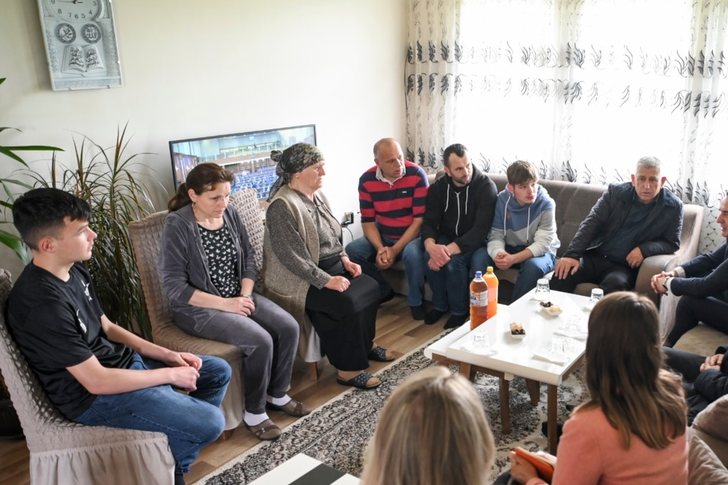
The Prime Minister of Kosovo, Albin Kurti, visited on Thur...
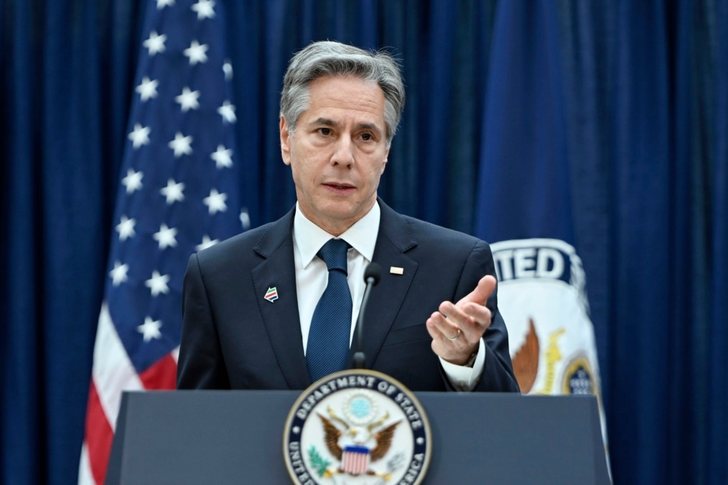
US Secretary of State Antony Blinken heads to China on...
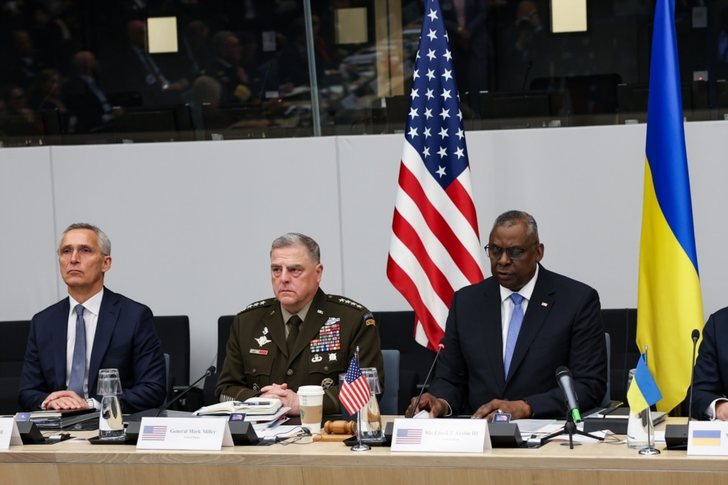
Ministrat e Mbrojtjes të NATO-s u mblodhën të enjten në Br...
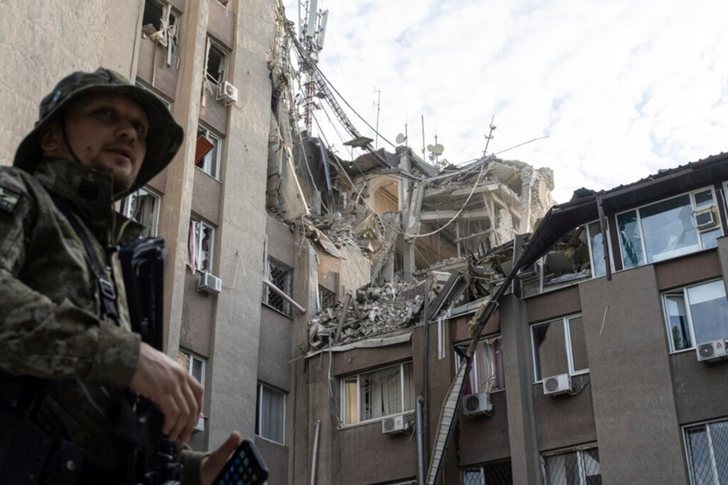
A senior Ukrainian military commander said Thursday that U...
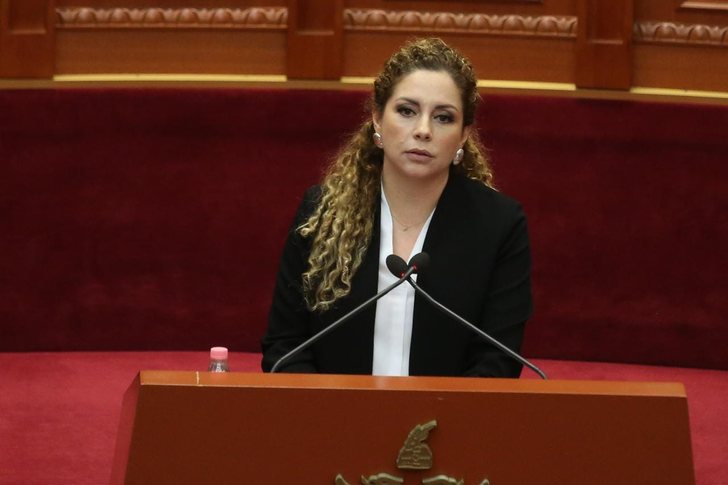
Ministrja e Punëve të jashtme Olta Xhaçka ka folur në Kuve...
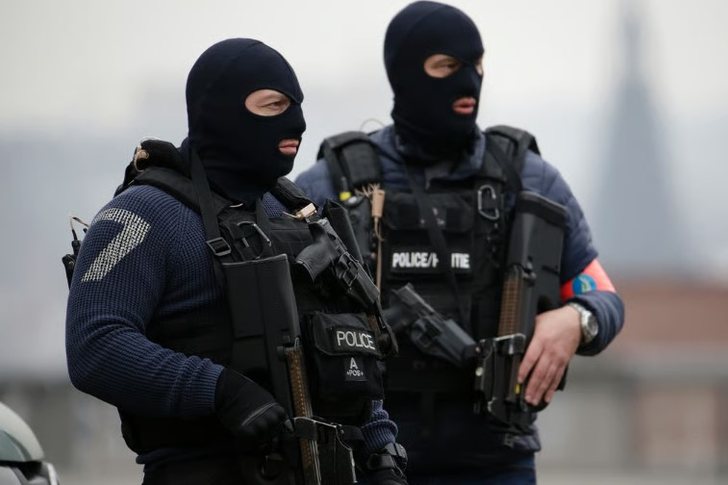
Sot, një ekip prej mbi 2 000 hetuesish tatimor, doganor dh...
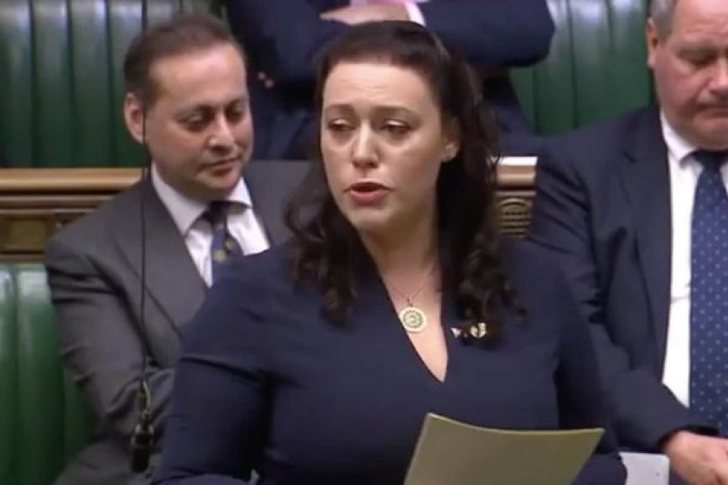
British MP Alicia Kearns has commented on the event that h...
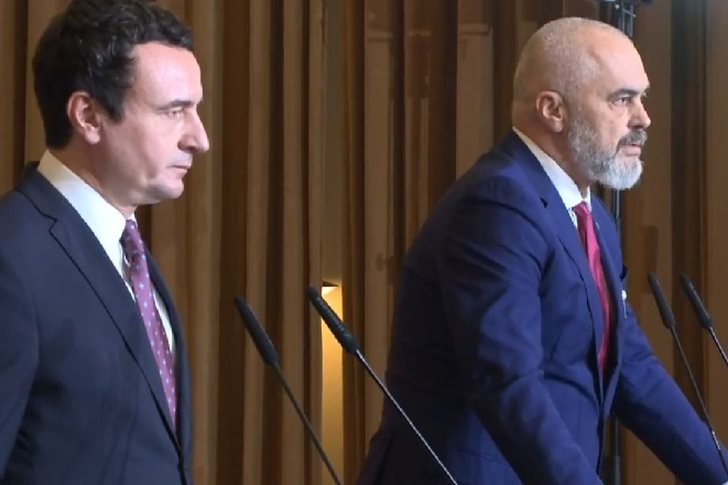
Prime Minister Albin Kurti has not withdrawn from his stat...
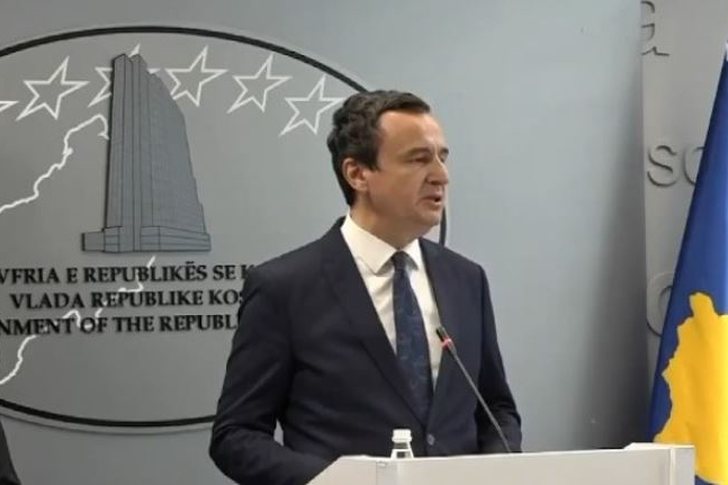
The Prime Minister of Kosovo, Albin Kurti, after the meeti...
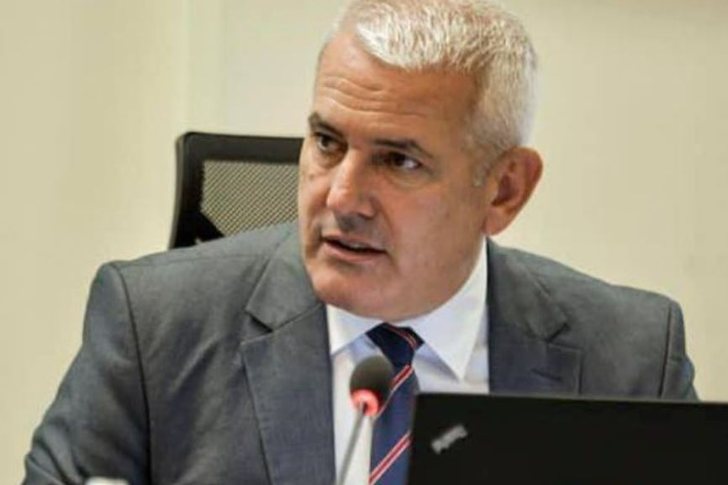
In a press conference, minister Xhelal Zveçla called the k...
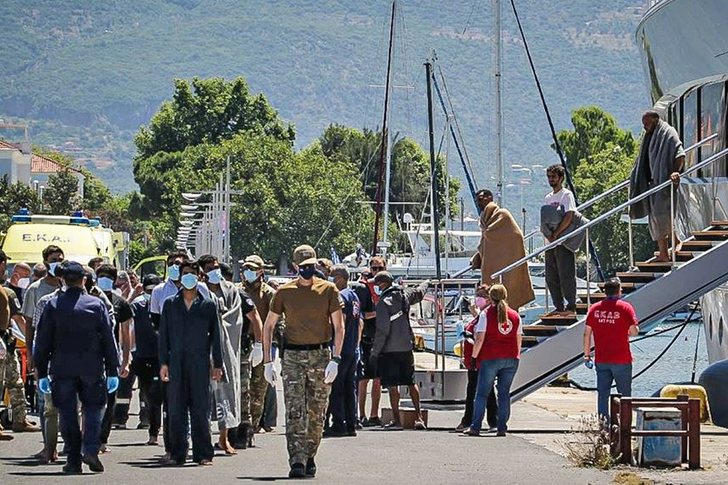
The port police are investigating the tragedy that happene...
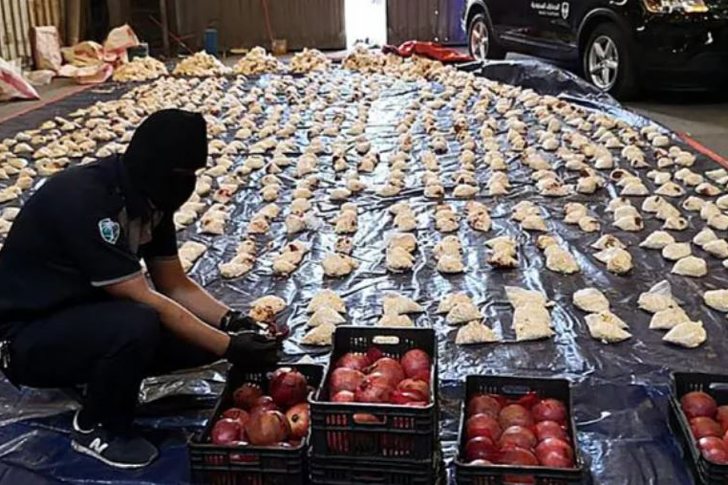
“Captagon” është një lloj droge që krijon tre herë më shum...

Police have intervened this morning across Germany against...
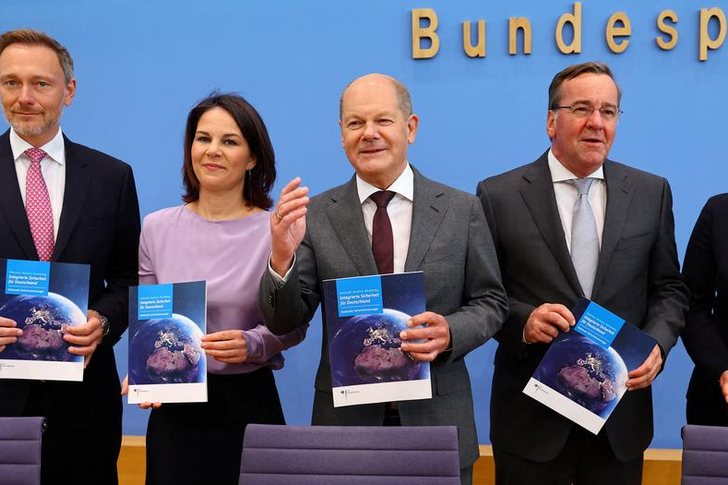
Chancellor Olaf Scholz and Foreign Minister Annalena Baerb...
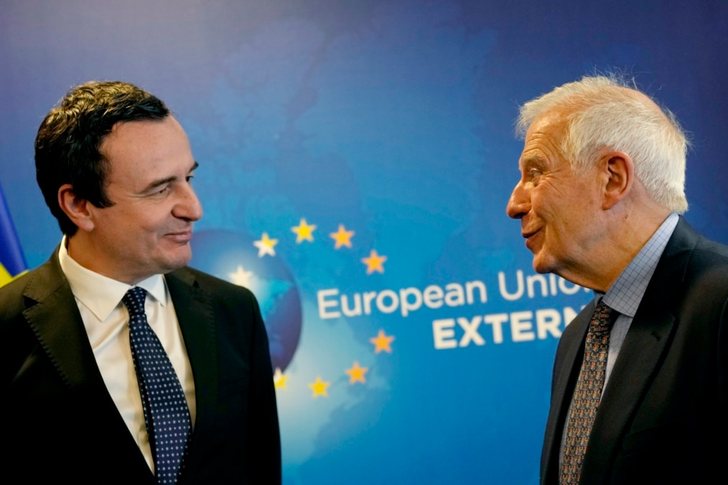
The high representative for foreign policy and security of...
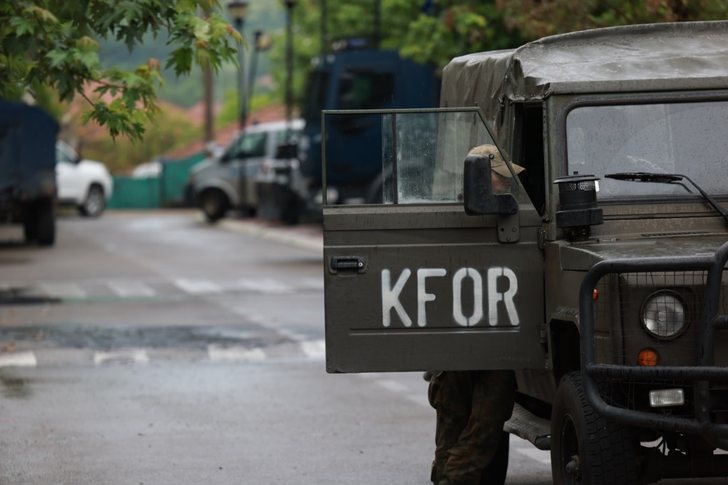
The peacekeeping mission of NATO in Kosovo, KFOR, said tha...
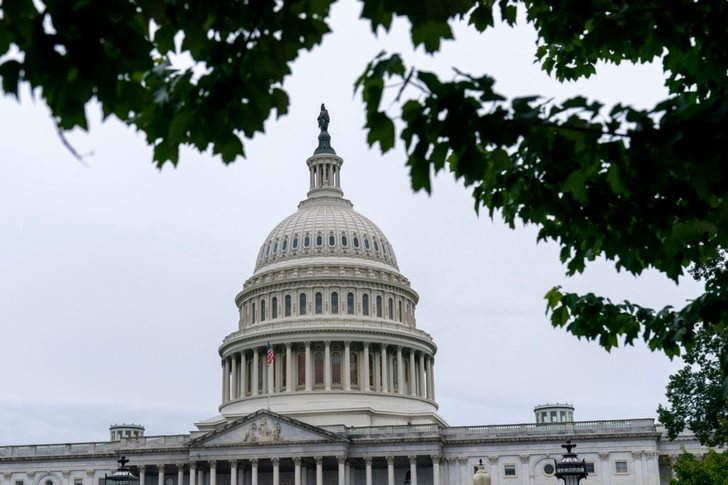
Americans, whether of left or right persuasion, have more ...

CNA has launched another investigation that could lead to ...

Irfan Hysenbelliu is a businessman that we call "Irfan the...

In March 2026, CNA launched another investigation centered...
The arrested mayor of Tirana, Erion Veliaj, with 13 charge...

The Special Board of Appeal (KPA) decided this Monday ...

The KPA vetting decided this Thursday to dismiss the p...

Suela Salavaçi, a prosecutor in the Prosecutor's Offic...

The Special Board of Appeal reinstated the prosecutor ...

A conflict occurred this Thursday evening in the toy area ...
A person has died today on Orikum beach. According to repo...
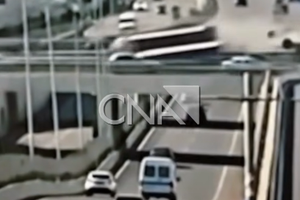
Footage emerges from the serious accident that occurred th...
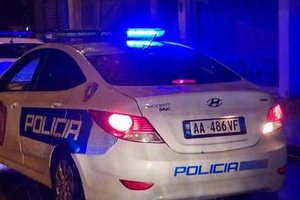
A Shkodra traffic police officer was hit with hard objects...

Children without parental care, for whom alternative famil...

On Thursday, our country will be under the influence of st...
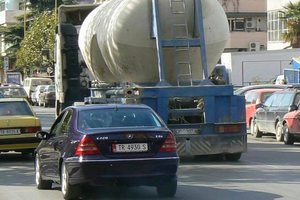
A serious accident that occurred this Wednesday with the c...

The Institute of Geosciences has shared a forecast for wea...
The European Union Office in Kosovo has called on all poli...
Serbian President Aleksandar Vučić, at a press conference ...
For the first time since the launch of the euro, European ...

Artificial intelligence (AI) models from the American comp...

At a time when industrial products are increasingly taking...

Trust among people is not just a three-syllable word. It c...

Master of humor Todi Llupi has passed away at the age of 7...

The ninth edition of "MIK Festival" kicked off with one of...
The average sale price of apartments in Tirana reaches rec...

This Thursday, one US dollar is bought for 81.5 lek and so...
The price of diesel reached 206 lek per liter from 198 lek...

Businesses will no longer be required to simply register t...