


Not only goods/ Kosovo also prohibits the entry of vehicles with Serbian license plates
The Government of Kosovo said that "after the kidnapping o...


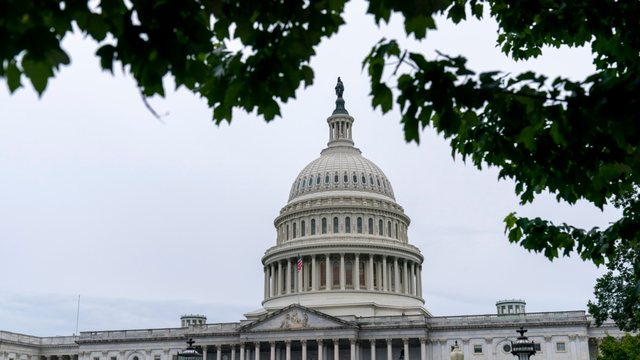
Americans, whether of left or right persuasion, have more in common than they think, including a strong lack of trust in one another.
According to a poll released Thursday, when asked about basic principles like fear, compassion, personal responsibility, about 9 in 10 Democrats or Republicans agreed they were extremely important. However, only a third of each group said they believed that this view was shared by supporters of the opposing party.
The results of the survey carried out by the Research Center on Public Affairs of the University of Chicago, in cooperation with the non-governmental organization "Starts With Us" prove the grim truth about the source of polarization that continues to have a strong role in American politics: While the majority of Americans agree on the core values ??underpinning American democracy, they do not recognize that the other side shares the same values.
"This is an opportunity for Americans to once again restore the principle of shared values," said Tom Fishman, executive director of Starts with US, a nonpartisan organization committed to overcoming political polarization.
He says Americans who support both parties need to realize they still share the same values ??and accept misconceptions about the opposing party.
A number of factors are listed as possible causes for the rise in divisions, such as the decline and fragmentation of reliable news sources, politicians who foster a lack of trust, and social media platforms that spread misinformation while too often placing users in communication networks where they rarely different views are encountered.
This lack of unity is also linked to a growing lack of trust in the media, government, science and public health, while political anger has sometimes spilled over into hate speech or violence, as was seen on January 6, 2021, when supporters of then-President Donald Trump stormed the Capitol in an attempt to reverse the Republicans' 2020 presidential election loss to Democrat Joe Biden.
"We should worry when polarization turns into a loss of high human feelings, in the sense that the other becomes less human, evil, or unable to share positive human qualities," says Nealin Parker, executive director of Common Ground . USA, a network committed to conflict resolution by fostering trust among Americans. " This should be a concern for everyone because these are the necessary psychological steps to hurt each other."
Survey respondents were asked to rate the importance of six principles, personal responsibility, fair application of the law, representative government, government accountability, mercy, respect for differences and lessons from the past.
In each case, about 90 percent of both Democrats and Republicans ranked these values ??as very or extremely important.
However, when asked whether they thought members of the opposing party also judged these values ??to be very or extremely important, about two-thirds of respondents said no.
For example, while 91 percent of Republicans think it is very or extremely important for citizens to learn from the past to improve the country, only a third of Democrats said they believed that was true of Republican voters.
Meanwhile, only 31 percent of Republicans believed that for Democrats, government accountability is very or extremely important, when, according to the survey, 90 percent of Democrats questioned expressed such an opinion.
The findings reflect the phenomenon known as "emotional polarization," where disagreements are based on hostility/antipathy and lack of trust rather than genuine debates about values ??and policies.
Julia Minson, a professor who studies conflict and polarization at the Harvard Kennedy School at Harvard University, says acknowledging the sharing of shared values ??is a good start to overcoming divisions in America.
*The national survey of 1,003 adults was conducted between May 11-14. The poll's maximum margin of error is plus or minus 4.3 percent./ VOA

The Government of Kosovo said that "after the kidnapping o...
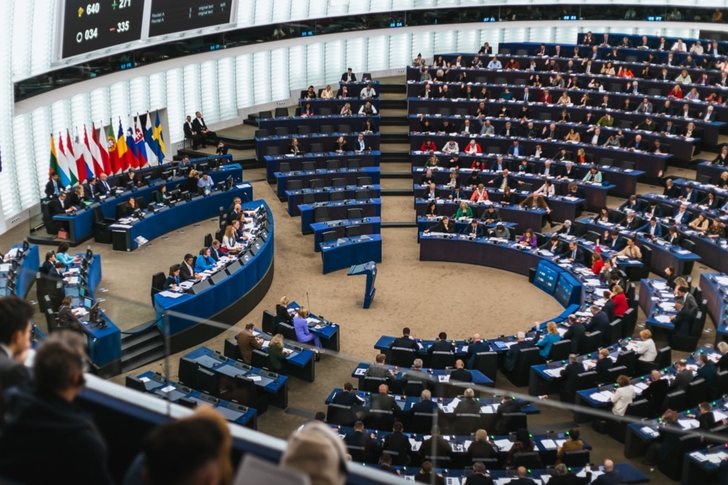
The European Parliament, by 499 votes to 28, approved the ...

The spokesperson of the European Union (EU), Peter Stano, ...
Dialogue mediated by the European Union is the only way fo...
The Government of Kosovo said that they have not received ...

The spokesperson of the Kosovo Police, Bali Kelani, appear...
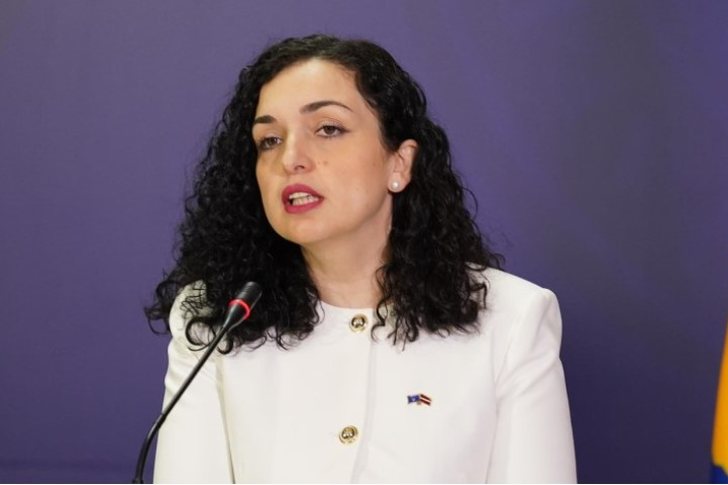
The President of Kosovo, Vjosa Osmani, reacted to the ...

Kosovo immediately took measures against Serbia, after...

The Kosovo Police announced today the kidnapping of 3 offi...
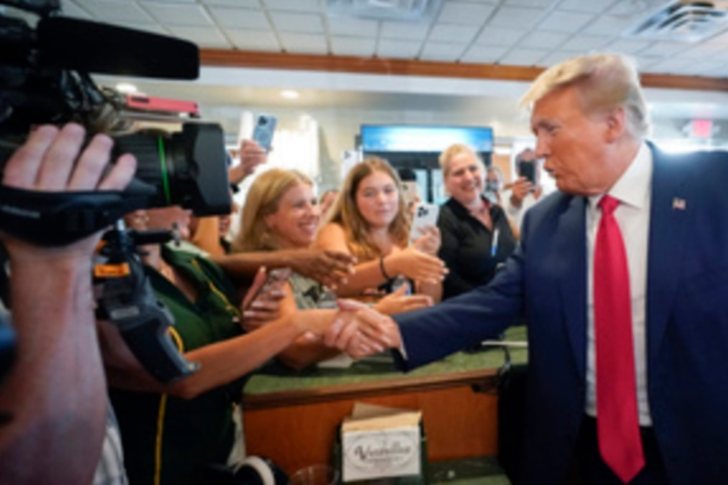
Former US President Donald Trump took a defiant stance...
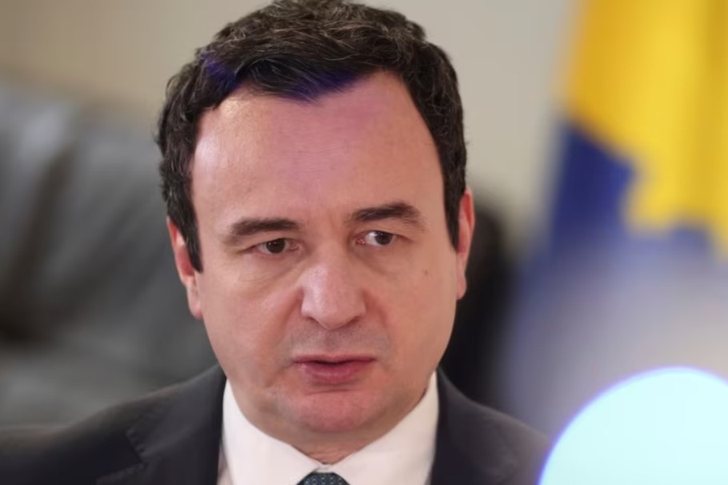
The Prime Minister of Kosovo, Albin Kurti, has reacted to ...
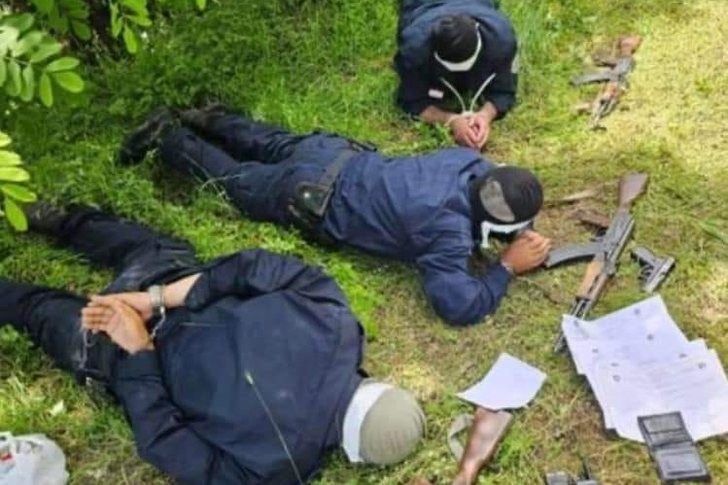
This afternoon, the Kosovo Police announced that 3 border ...
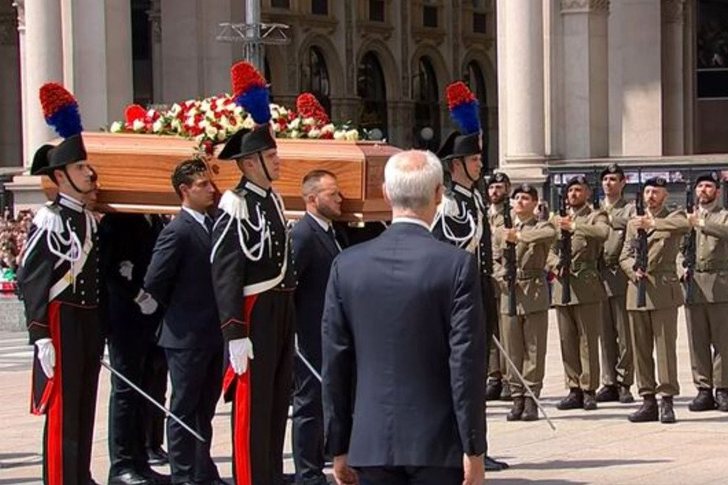
A little while ago, the funeral ceremony for the former pr...
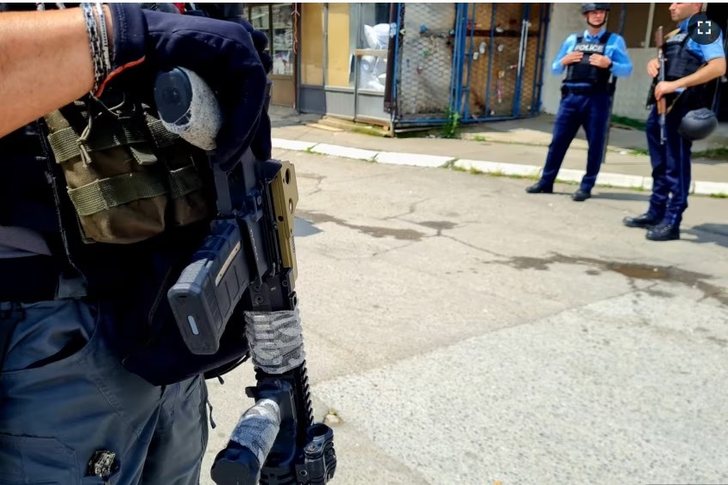
Kosovo Police said that on Wednesday afternoon, three ...
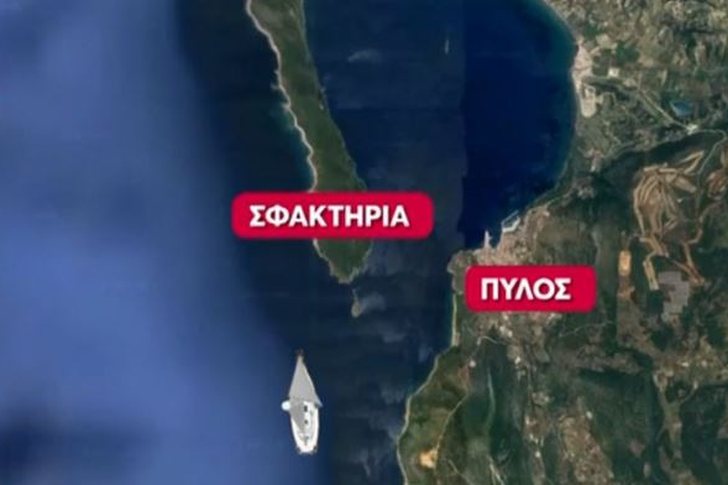
A ship with over 400 migrants is suspected to have sunk. A...
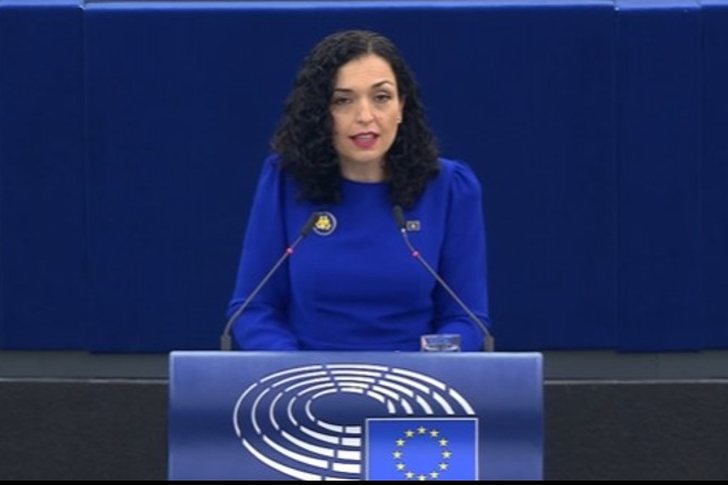
Presidentja e Kosovës, Vjosa Osmani, po mban fjalimin e sa...

The President of Serbia, Aleksandar Vučić, has decided not...
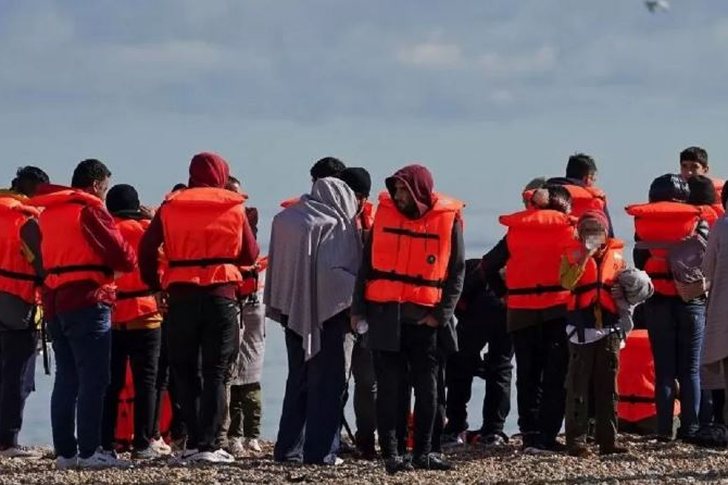
About 40 international organizations have sent a letter to...
The President of Kosovo, Vjosa Osmani, will meet today in ...

The city of Milan is preparing to say goodbye to former Pr...

CNA has launched another investigation that could lead to ...

Irfan Hysenbelliu is a businessman that we call "Irfan the...

In March 2026, CNA launched another investigation centered...
The arrested mayor of Tirana, Erion Veliaj, with 13 charge...

The Special Board of Appeal (KPA) decided this Monday ...

The KPA vetting decided this Thursday to dismiss the p...

Suela Salavaçi, a prosecutor in the Prosecutor's Offic...

The Special Board of Appeal reinstated the prosecutor ...

A conflict occurred this Thursday evening in the toy area ...

A person has died today on Orikum beach. According to repo...

Footage emerges from the serious accident that occurred th...

A Shkodra traffic police officer was hit with hard objects...

Children without parental care, for whom alternative famil...

On Thursday, our country will be under the influence of st...

A serious accident that occurred this Wednesday with the c...

The Institute of Geosciences has shared a forecast for wea...
The European Union Office in Kosovo has called on all poli...

Serbian President Aleksandar Vučić, at a press conference ...

For the first time since the launch of the euro, European ...

Artificial intelligence (AI) models from the American comp...

At a time when industrial products are increasingly taking...

Trust among people is not just a three-syllable word. It c...

Master of humor Todi Llupi has passed away at the age of 7...

The ninth edition of "MIK Festival" kicked off with one of...

The average sale price of apartments in Tirana reaches rec...

This Thursday, one US dollar is bought for 81.5 lek and so...

The price of diesel reached 206 lek per liter from 198 lek...

Businesses will no longer be required to simply register t...