


"With fake but original FB"/ Rama stings Qori, Lapaj and Shehaj
Prime Minister Edi Rama has ironically mocked the infiltra...

Prime Minister Edi Rama has ironically mocked the infiltra...

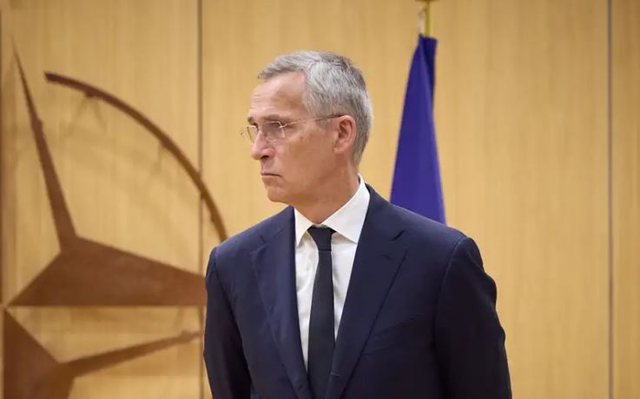
75 candles on NATO's birthday cake. It is the oldest and only military alliance made up of democratic states in the world. She is always attractive. The alliance started in 1949 with 12 members. Today, 20 more countries have joined. Finland and Sweden joined recently because they are seeking protection from Russia. Ukraine and Georgia have agreed to join for the same reason. NATO's eastward expansion began 25 years ago with the inclusion of former Warsaw Pact members such as Poland, the Czech Republic and Hungary into the alliance.
At the time, on NATO's 50th anniversary, there was a sense of optimism. The Cold War was thought to have been won. Russia was seen as a partner. In 1997, Moscow contractually agreed that it would raise no objection to eastward expansion. The Baltic States, Slovakia, Slovenia, Bulgaria and Romania followed as members in 2004. In 2009, Albania and Croatia joined the alliance. In 2017 and 2020, NATO annexed other parts of the former Yugoslavia - Montenegro and North Macedonia.
Russia says no
But Russian President Vladimir Putin began criticizing NATO's eastward course in the early 2000s. He claimed: When the former GDR was admitted to the alliance through German reunification in 1990, the Soviet Union was promised that NATO would not to expand into the sphere of influence of the former Soviets. However, this was never specified in writing. Moscow signed the Russia-NATO Act in 1997, which contains no such commitments.
In 2008, NATO promised membership in principle to Georgia and Ukraine. Later at that point, Putin made a strategic shift. He brought parts of Georgia under Russian control, in 2014 Russia annexed Ukraine's Crimea and supported separatists in eastern Ukraine. Then came the all-Ukraine attack in 2022. NATO still keeps the door open for further memberships. But why?
Doubts about the role of the US
Basically, the situation is the same as it was 75 years ago when NATO was founded on April 4, 1949 in Washington. The free West wants to counter the growing threat from the East militarily with mutual support - under the umbrella of US nuclear weapons. The Cold War began.
"In terms of NATO's threat situation and response, everything seems to be the same as it was then. Collective defense is again the main task. There is no doubt about that," says Matthias Dembinski of the Leibniz Institute for Peace and Research of Conflicts. The essential difference compared to 1949 is that there is a strong distrust of the leading nation of NATO - the USA. If the next US president is Donald Trump, the current aid formula may become invalid. "The task that the Europeans would face in the worst hypothetical case would be twofold," said Matthias Dembinski. -s so far. This is a herculean task. Whether it will succeed is not certain."
Full of energy even after 75 years?
The current US President, Joe Biden, calls the aid formula under Article 5 of the NATO Charter "sacred and inviolable". According to her, an attack on a NATO member is an attack on all member countries. At the last NATO summit in 2023 in Vilnius, Lithuania, he described the state of the North Atlantic Alliance as follows: "Today our Alliance is a bulwark for global stability and security, as it has been for more than seven decades. NATO is stronger, more energetic and more united than ever before."
Conflict researcher Matthias Dembinski says in an interview with DW that confrontation with Russia and support for Ukraine are currently uniting the Alliance. With now 32 members and their sometimes conflicting interests, the Alliance is not always in a festive mood. "NATO has significant inertia effects. And this can always present such an alliance with an existential challenge," says Matthias Dembinski. "The interesting thing about NATO is that it has somehow survived all its crises so far - and they have been really difficult. NATO has been surprisingly adaptable to situations so far."
Pistorius wants changes
The challenge for NATO today is to move from international missions to the neglected defense of its territory, says German Defense Minister Boris Pistorius, in an interview for "Deutsche Welle". We need to get back to our roots and fast. "We're turning the wheel at full speed, so to speak. Now we're stopping the direction of international crisis operations and foreign missions. We need to change direction, to national defense and the Alliance. That's going to take some time. But it's being done." more dynamic, I think."
The future of NATO will depend on the outcome of Russia's war against Ukraine, even though Ukraine is not yet a member. This is a credibility issue for the Alliance, says former NATO spokesman and communications director Jamie Shea. "Even if Ukraine manages to defeat Russia and liberate its territory, Russia will remain malicious and vindictive. It will not like NATO. Unfortunately, Russia will remain the biggest threat to NATO for many years. " /DW

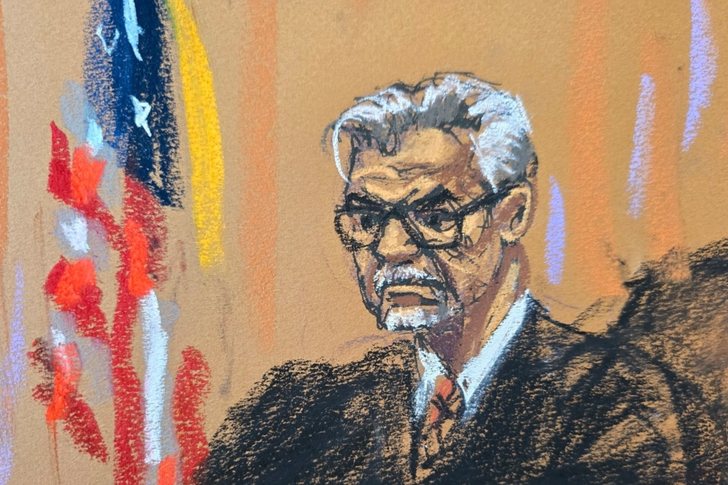
A New York judge on Wednesday rejected former President Do...
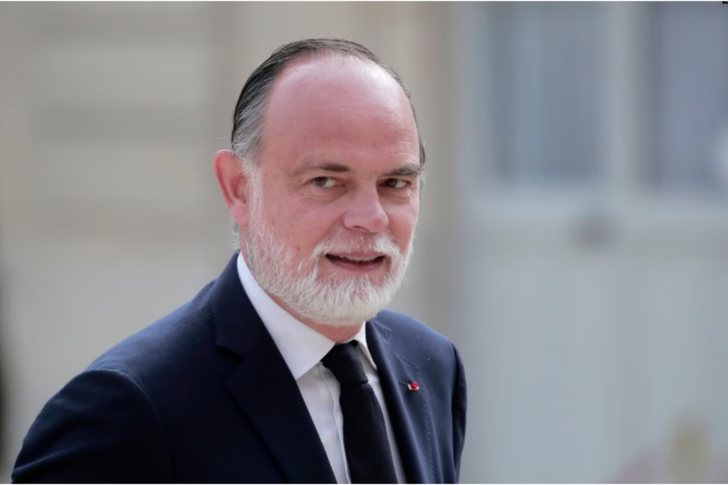
French police searched the offices of Mayor Edouard Ph...

The president of Botswana threatened today that he would s...
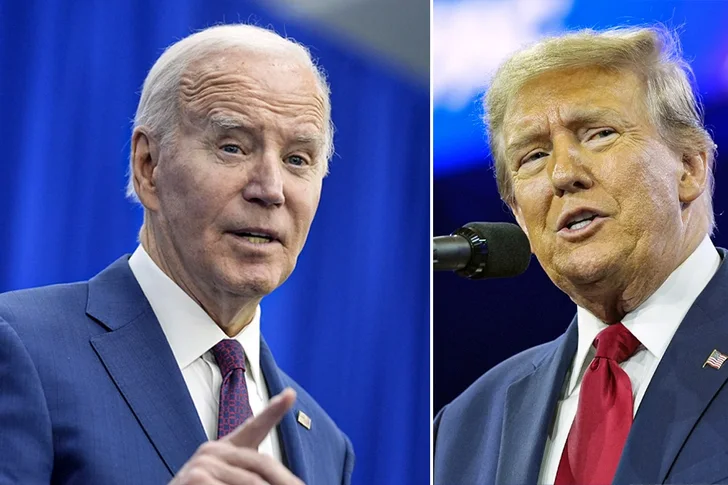
Donald Trump leads polls in six key states ahead of No...
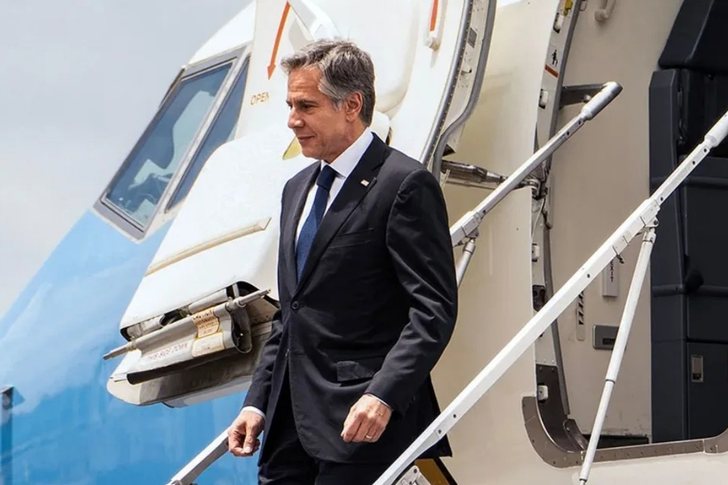
Sekretari amerikan i Shtetit, Anthony Blinken ka përje...
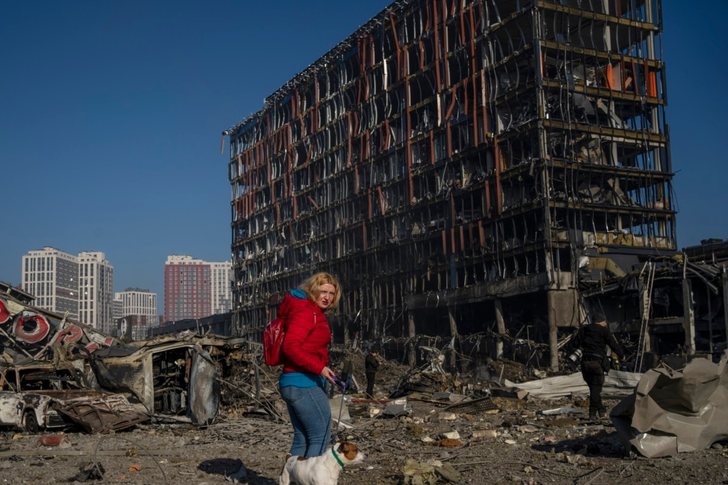
Kyiv has opened an "online" Register of Damages and called...
Një tërmet me magnitudë 4.7 ballë të shkallës Rihter u...
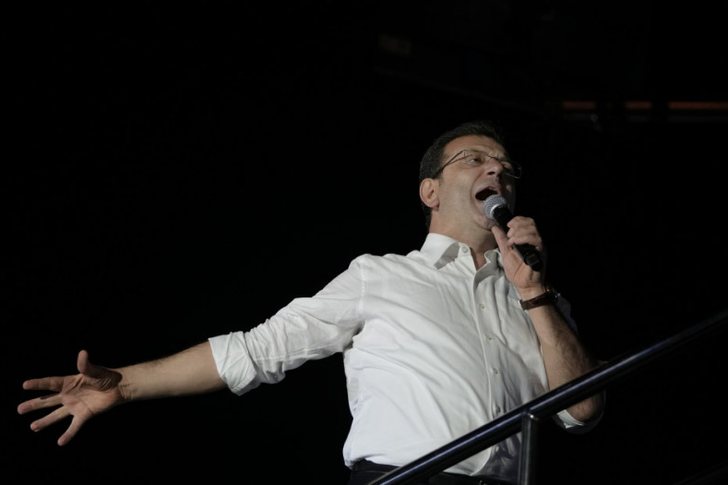
The Republican People's Party (CHP) won local election...
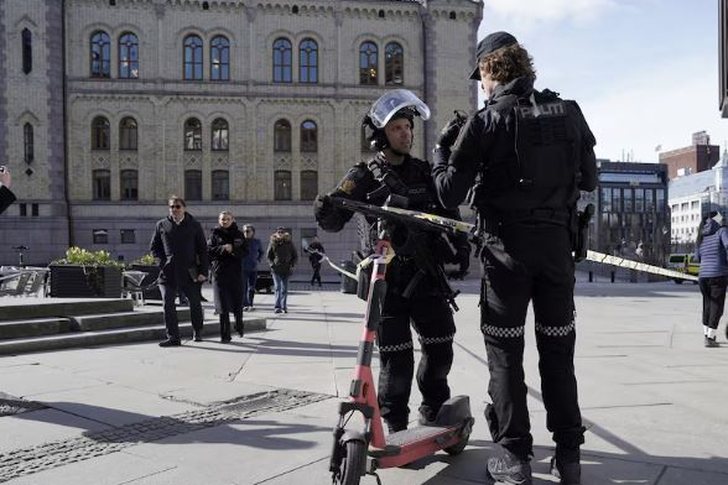
Norway's parliament received a bomb threat on Wednesda...
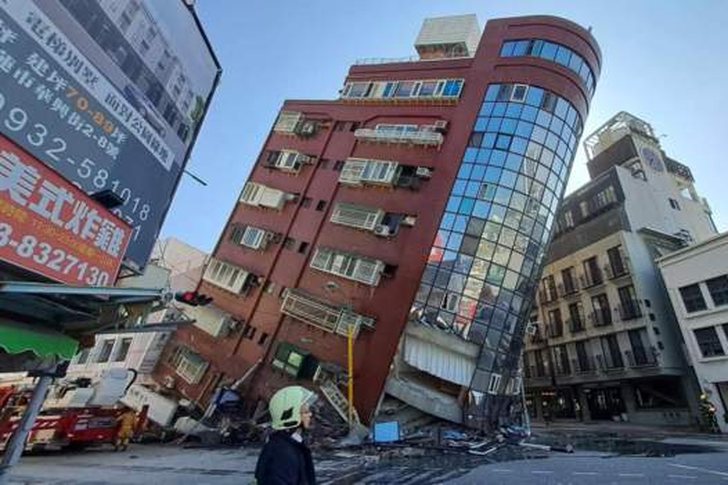
An earthquake with a magnitude of 7.4 has recently str...
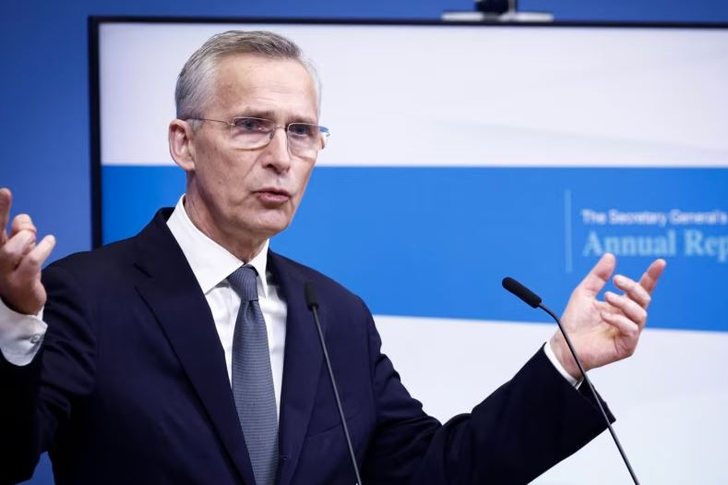
NATO chief Jens Stoltenberg has proposed a five-year m...
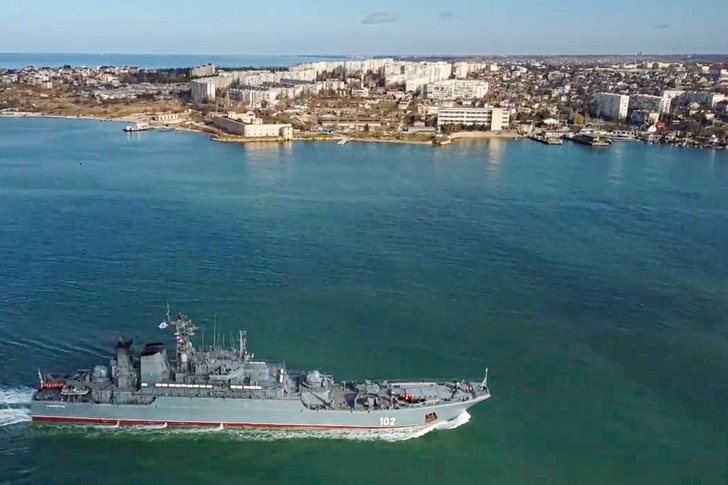
The Russian Ministry of Defense announced that it has made...
Një tërmet me magnitudë 4.6 ballë i shkallës Rihter është ...
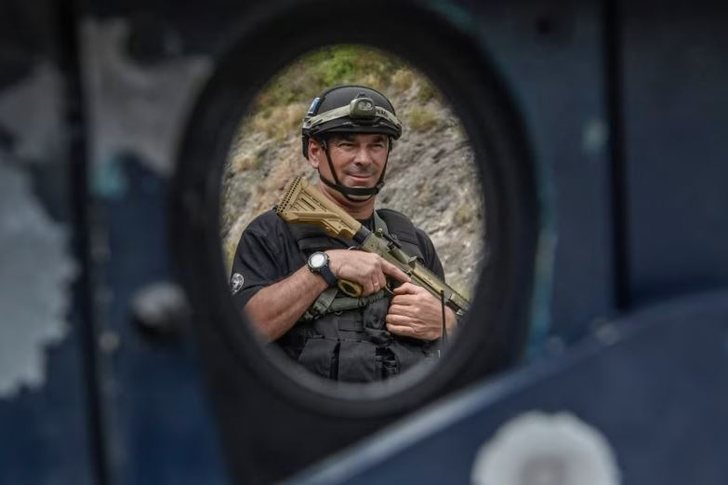
The International Crisis Group said on Tuesday that Ko...
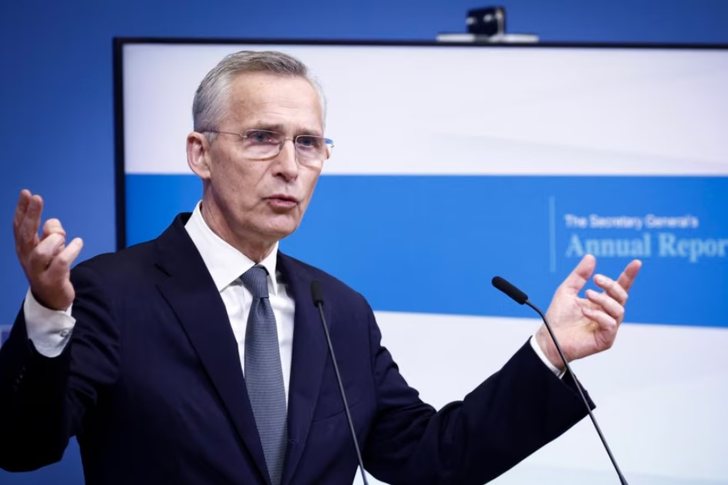
NATO chief Jens Stoltenberg has proposed a five-year milit...
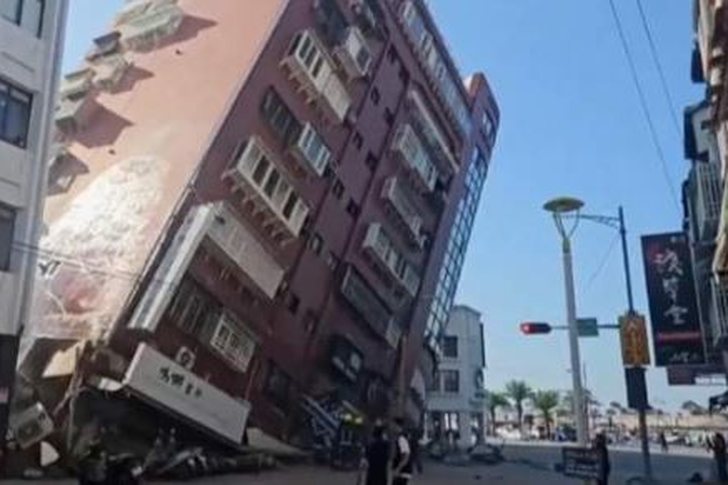
Tajvani është goditur së fundmi nga tërmeti i tij më i...
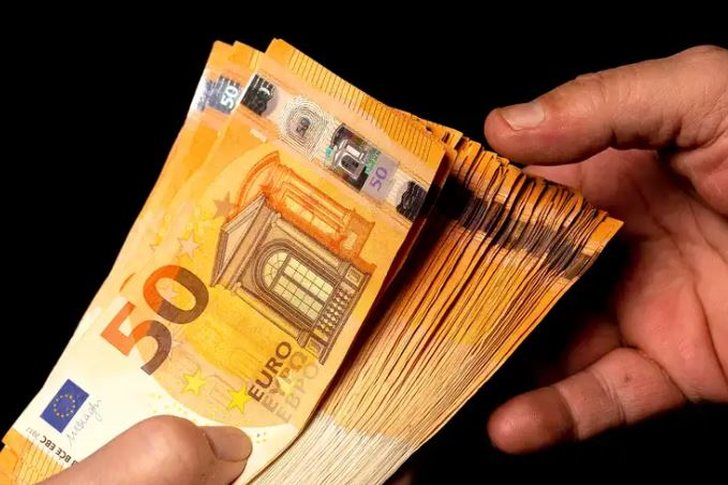
The value of the damage of economic crimes runs into b...
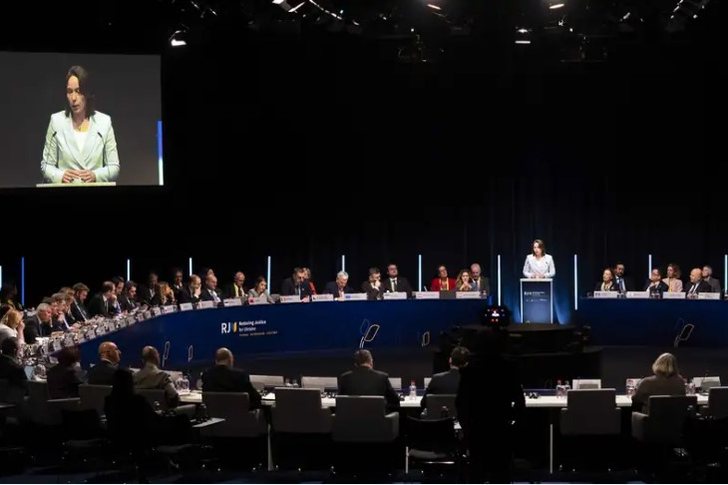
"According to estimates around $155 billion, that's how hi...
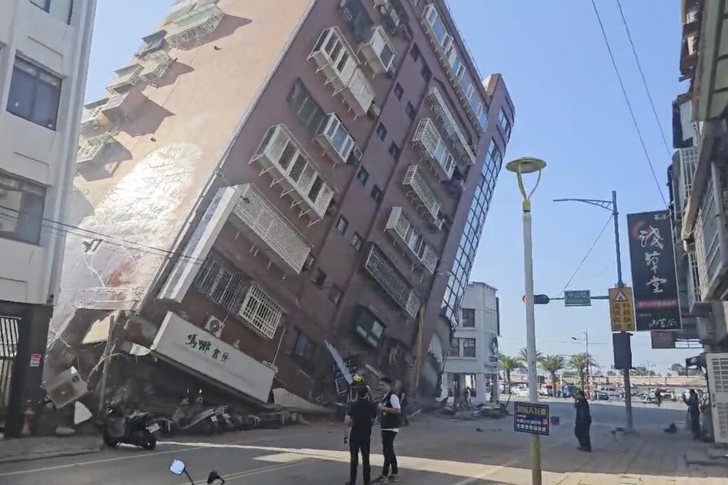
An earthquake struck the east coast of Taiwan. According t...
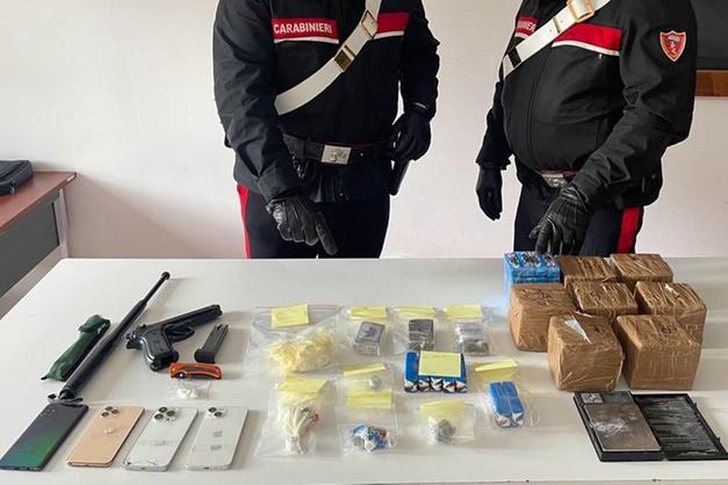
The Trentino police have arrested three Albanians for ...

CNA has launched another investigation that could lead to ...

Irfan Hysenbelliu is a businessman that we call "Irfan the...

In March 2026, CNA launched another investigation centered...
The arrested mayor of Tirana, Erion Veliaj, with 13 charge...

The Special Board of Appeal (KPA) decided this Monday ...

The KPA vetting decided this Thursday to dismiss the p...

Suela Salavaçi, a prosecutor in the Prosecutor's Offic...

The Special Board of Appeal reinstated the prosecutor ...
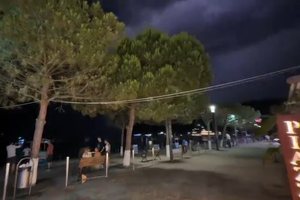
The bad weather that swept the country on Tuesday evening ...

A road accident occurred this evening on Nikolla Zoraqi St...
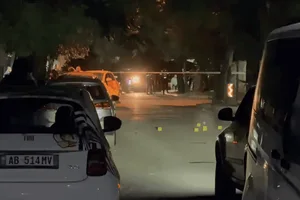
Three people were shot and wounded in Elbasan last night b...
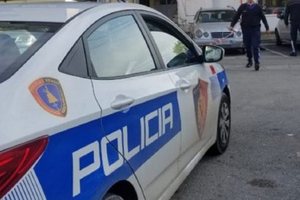
A serious incident occurred this Tuesday in the Yrshek are...

This Wednesday, our country will be under the influence of...
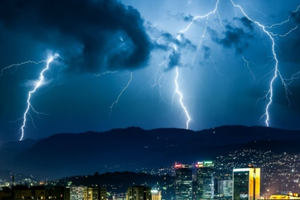
All of Southern Europe will face changing weather conditio...
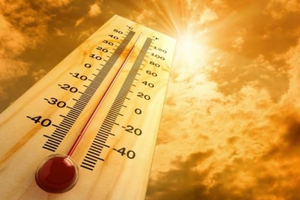
Albania was hit by temperatures significantly higher than ...

For the first time, Pogradec welcomed the Inter-Lake Chess...
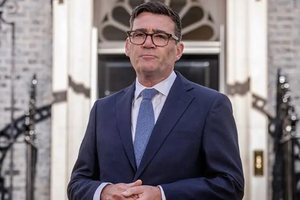
Prime Minister Andy Burnham has announced that most bus fa...

France's parliament has passed a law to ban social media f...

US Secretary of State Marco Rubio arrived in Manila on Jul...
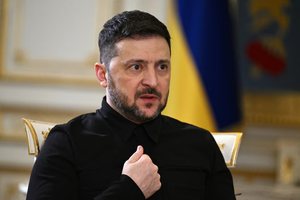
In the space of a few days, Ukrainian President Volodymyr ...

At a time when industrial products are increasingly taking...

Trust among people is not just a three-syllable word. It c...

Master of humor Todi Llupi has passed away at the age of 7...

The ninth edition of "MIK Festival" kicked off with one of...

Businesses will no longer be required to simply register t...

Despite economic growth and income in recent years, Albani...

This Wednesday, one US dollar is bought for 81.4 lek and s...

Construction company licenses will have a validity period ...