


Serious incident in Kukës/ Officer commits suicide with gun in village cemetery
A serious incident has occurred in Morina, Kukes. Citizen...

A serious incident has occurred in Morina, Kukes. Citizen...

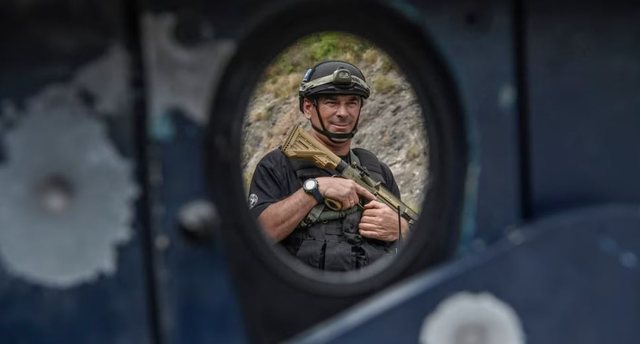
The International Crisis Group said on Tuesday that Kosovo and Serbia, as well as external backers, should work to mitigate short-term risks from violence in the Serb-majority north, and then look for ways to ensure stability in the area.
In a report by this organization, which draws up independent analyzes and advice on conflict prevention, resolution and management, it is stated that "Kosovo is winning the battle for control of its Serb-majority north, while hopes for normalization between Pristina and Belgrade are are extinguished".
The remaining Serbian institutions on the territory of Kosovo, which survived the 1999 war and Kosovo's independence in 2008, the report says, are being dismantled as a result of a Serbian-backed paramilitary operation in September 2023.
"While limited violent resistance remains possible, northern Kosovo, which hoped for autonomy or union with Serbia, is reluctantly submitting to Pristina's authority. These are difficult days for the Serbian minority, whose future is vital for the rapprochement between Belgrade and Pristina", says the report, which describes the developments since 2021, the boycott of Kosovo institutions by Serbian employees in 2022, the clashes of peacekeeping forces with Serbian protesters in the spring of 2023 and the attack by a group of armed Serbs who killed a member of the Kosovo police on September 24 last year.
The report highlights the unimplemented agreement reached between the parties in February and March last year, which provided for Serbia's de facto recognition of Kosovo and more autonomy for the Serb-majority north.
The Crisis Group notes that there is little hope that EU-facilitated dialogue will ensure that the current situation between the two countries is overcome, and Belgrade-Pristina relations are likely to remain frozen.
Against this background, both parties and external actors seeking peace in the Western Balkans should turn their attention first to mitigating the short-term risk of violence and then to achievable goals that can encourage political stability if they fail to achieve progress in the normalization agreement", says the report, which describes ideas for actions in the near future.
"Kosovo should withdraw its special police units from Serb-majority regions and, until it does so, should deploy them sparingly and only in coordination with KFOR peacekeepers, whom northerners see as the most credible, given their commitment to a neutral approach".
It further states that in order to increase the sense of security in Pristina, KFOR should help Kosovo control its border, prevent further smuggling of heavy weapons, and detect caches of weapons sent earlier.
For its part, the report states, Serbia should stop supporting paramilitary activities and prosecute those involved in the murder of the Kosovo policeman.
"In the absence of a comprehensive political solution, the burden will be on the EU, the United States and NATO to keep the peace and avoid escalation until the conditions for a negotiated agreement are ripe. This will mean pressure on Pristina to withdraw the special police and Belgrade to take the above-mentioned steps, maintaining and, if necessary, reinforcing the NATO peacekeeping presence," the report states.
Another priority, according to the group, is meeting the needs of the Kosovo Serb minority, with or without a formal framework for autonomy.
"Northerners depend on schools, universities and health care facilities that are run by Serbia. "The majority of the population works in jobs paid directly or indirectly by Belgrade, and many receive social security, all in Serbian dinars, through a network of post offices and banks that Pristina wants to close," the report said.
The group notes that "if (Serbian citizens) lose access to jobs and benefits from Serbia, many will emigrate. The EU and the US should ask Kosovo to guarantee that these key Serbian services will remain in place. They should also continue to pressure Pristina to end the ban on food and medicine imports from Serbia, as well as on the use of the Serbian dinar. For all these issues, Kosovo should follow the leadership of the EU and the USA".
Finally, the report says, the Serbian minority needs a voice. "She has lost faith in her political representatives, who were appointed by the ruling Serbian Progressive Party in Serbia. Many of them fear Pristina and feel betrayed by Belgrade, while they feel ignored by Brussels and Washington. The EU called on Kosovo to create stable democratic institutions inclusive of its Serb minority, to no avail. Instead, Prishtina is slowly moving towards new elections in the northern municipalities. New elections should be held no later than the summer of 2024."
The group states that Brussels and Washington should continue to discuss with Pristina to see "if it can embrace the terms of the normalization agreement, including the creation of an Association of Serb-majority municipalities".
This agreement, the report says, would be good for the Serbs of the north, but also for Pristina. "The move towards northern autonomy will surely be an essential part of any agreement that integrates Kosovo more deeply into the international system, and Kosovo could never have a better offer than this." /VOA

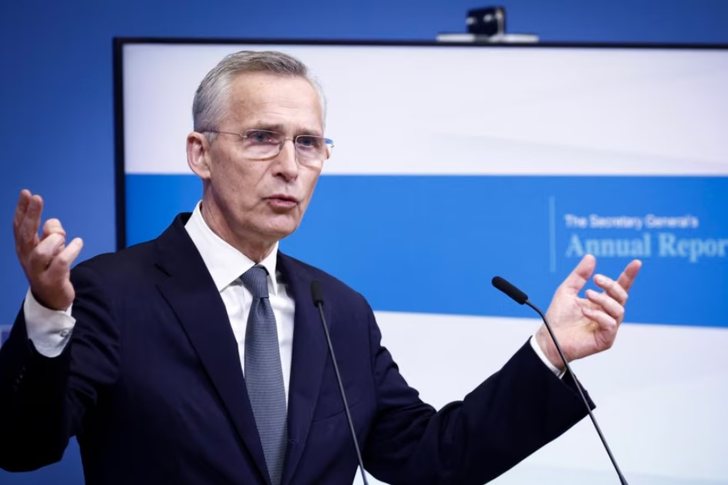
NATO chief Jens Stoltenberg has proposed a five-year milit...
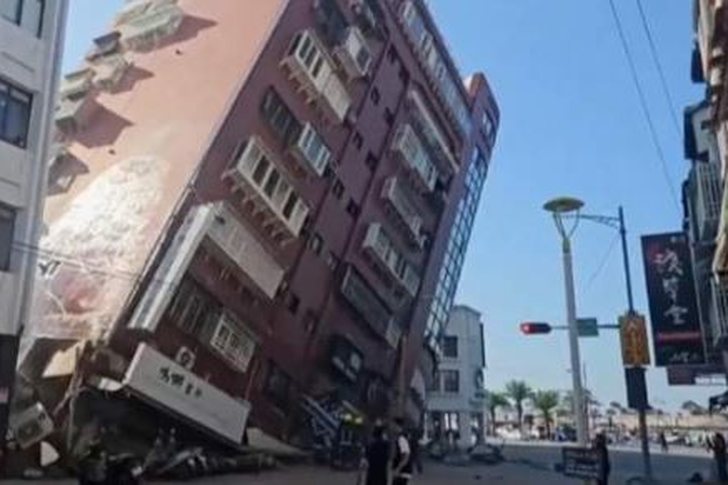
Tajvani është goditur së fundmi nga tërmeti i tij më i...

The value of the damage of economic crimes runs into b...
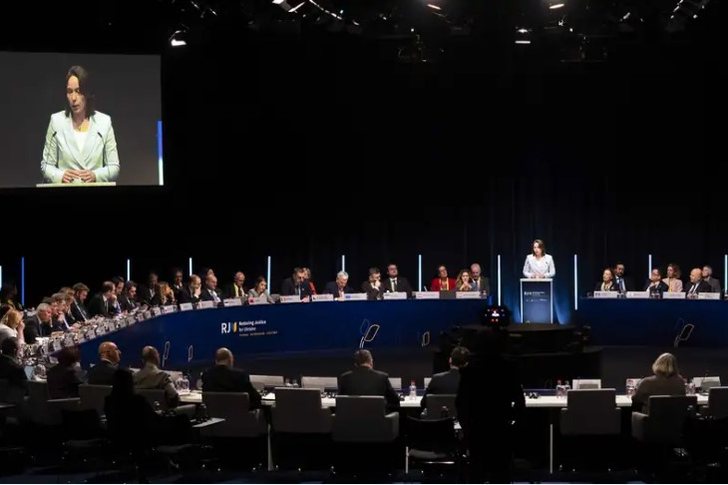
"According to estimates around $155 billion, that's how hi...

An earthquake struck the east coast of Taiwan. According t...
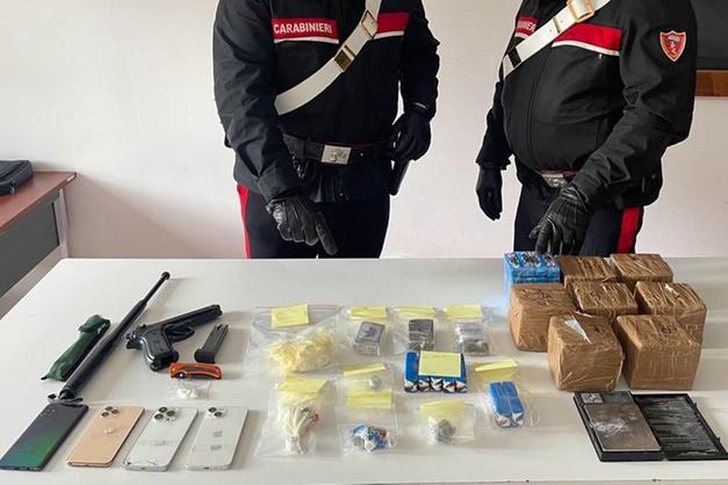
The Trentino police have arrested three Albanians for ...
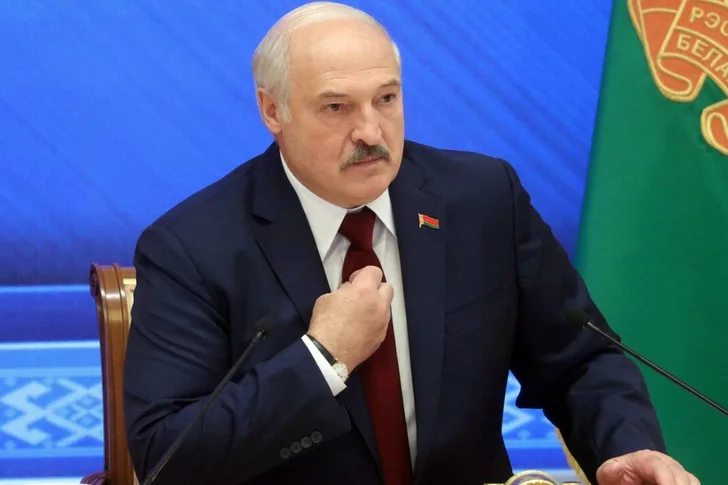
The President of Belarus, Alexander Lukashenko, spoke ...
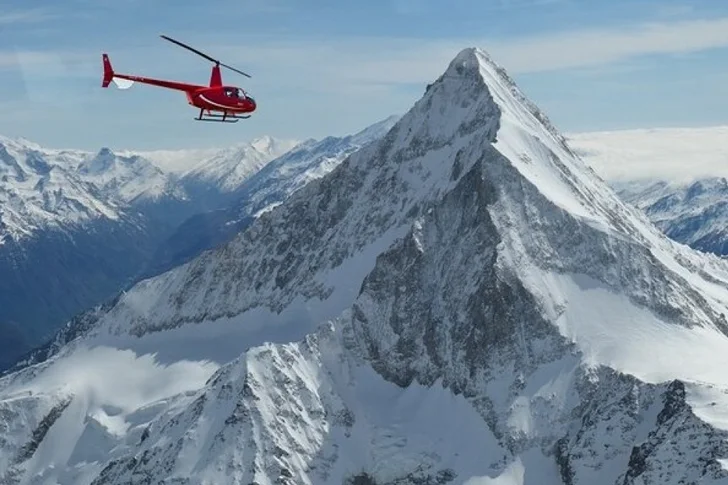
Three people were killed and three others injured afte...
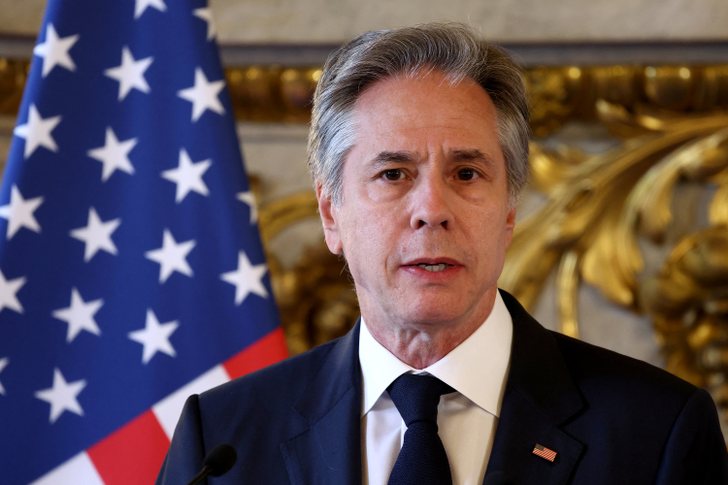
US Secretary of State Antony Blinken confirmed that th...
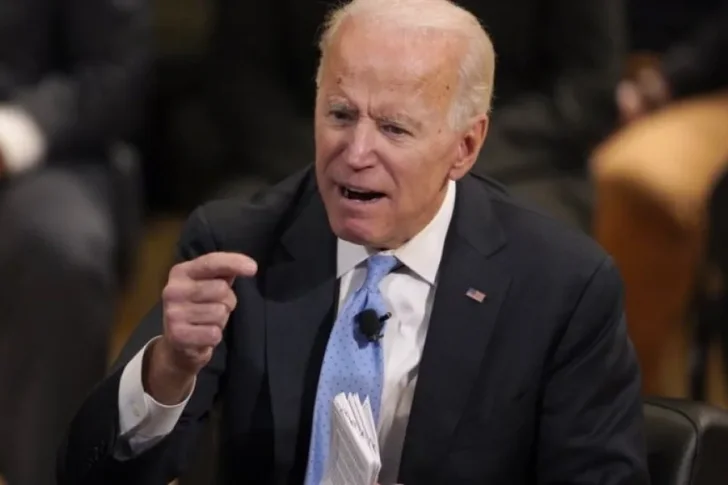
US President Joe Biden called on Florida voters today ...
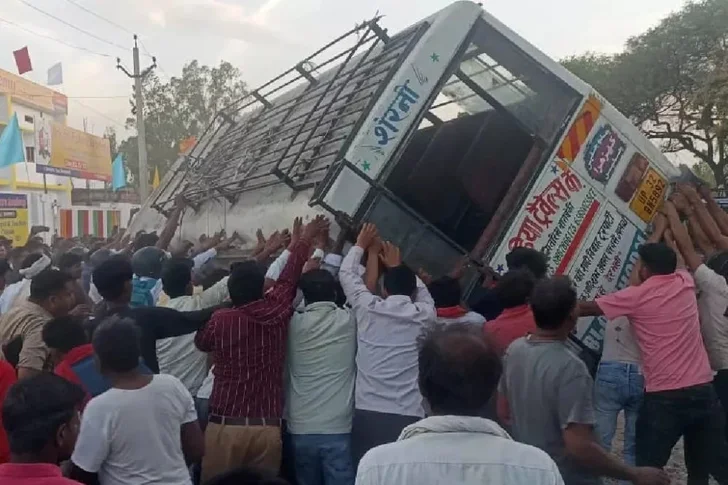
Four children were killed and twelve injured when a sc...
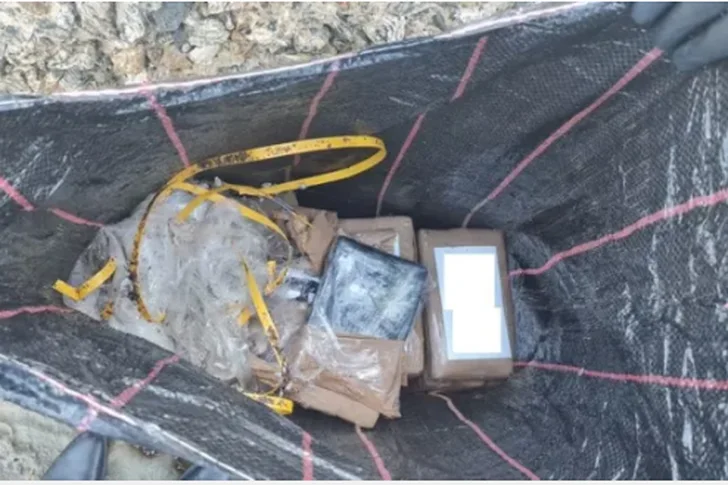
Beachgoers were surprised to find packages of cocaine ...
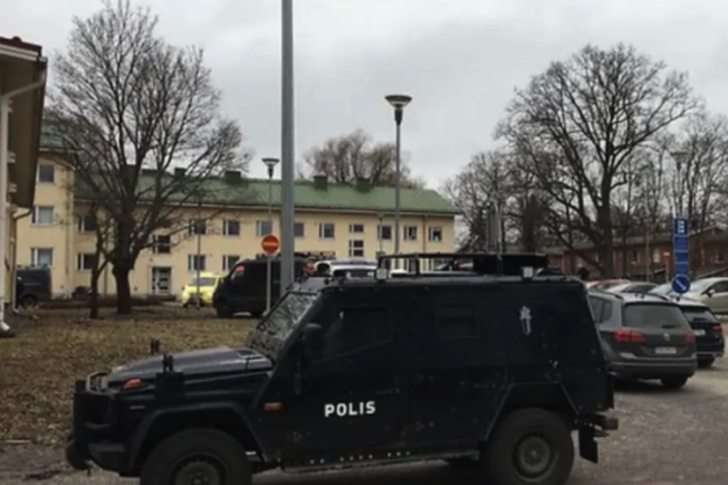
This morning, a 12-year-old shot and wounded three cla...
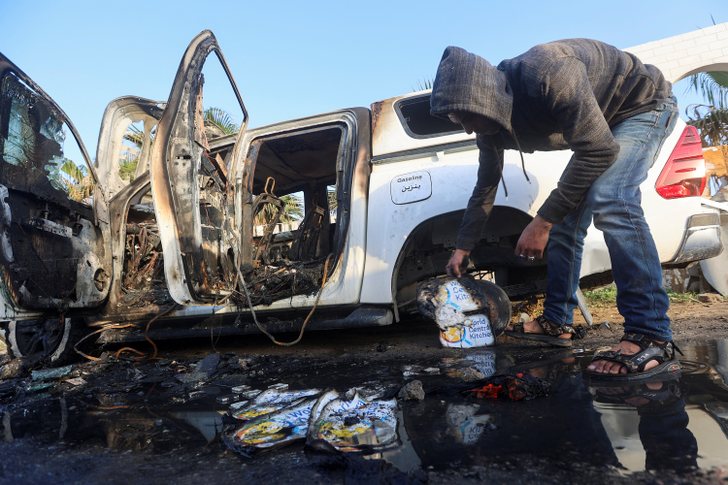
Israeli Prime Minister Benjamin Netanyahu spoke today ...
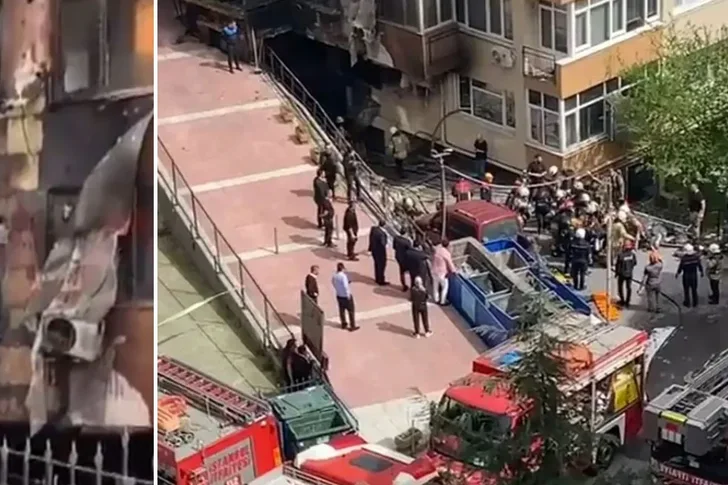
A terrifying explosion occurred on the first floor of ...

One of the UK's most wanted men, on the run after horr...
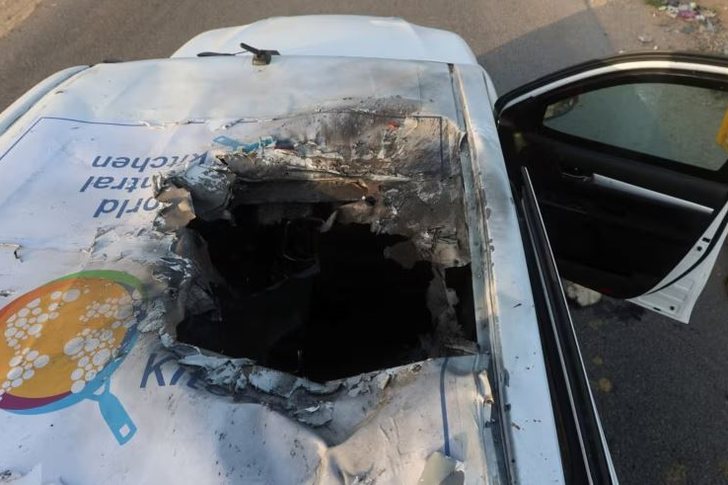
Israeli Prime Minister Benjamin Netanyahu today claime...
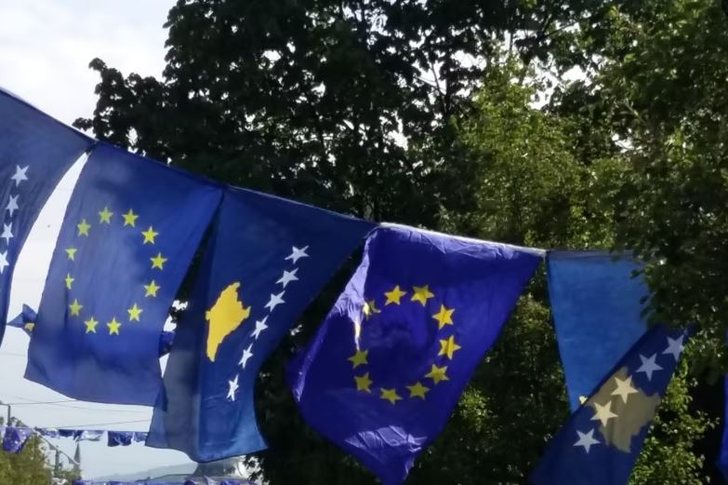
The spokesperson of the European Union (EU), Peter Sta...
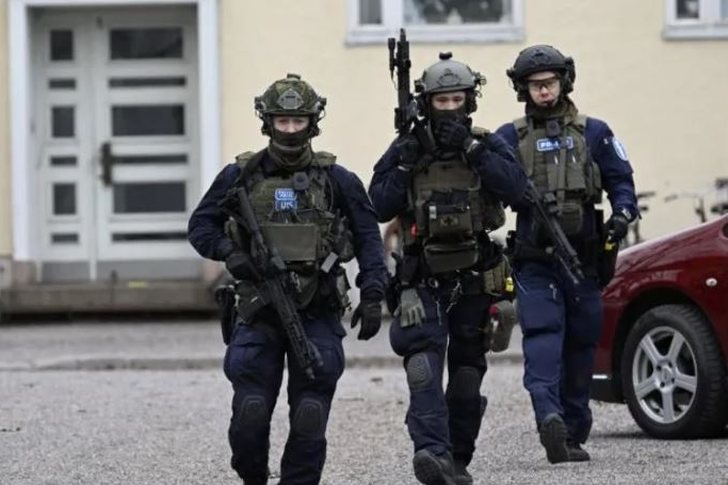
A child has lost his life and two others have been ser...
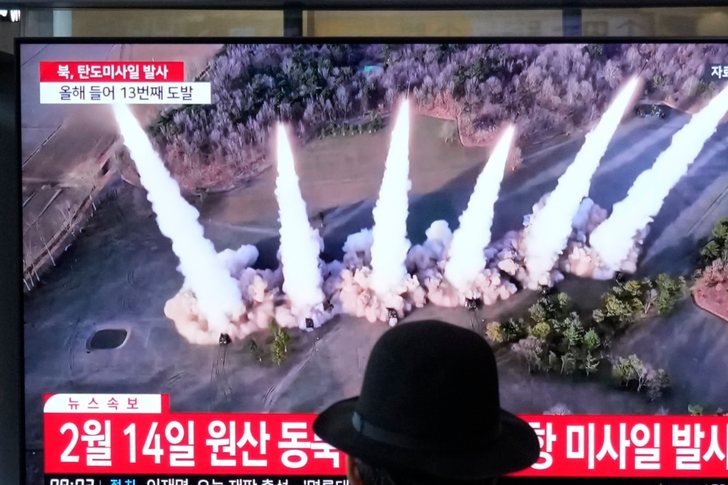
Koreja e Veriut e ka shkrepur dhe testuar një raketë balis...

CNA has launched another investigation that could lead to ...

Irfan Hysenbelliu is a businessman that we call "Irfan the...

In March 2026, CNA launched another investigation centered...
The arrested mayor of Tirana, Erion Veliaj, with 13 charge...

The Special Board of Appeal (KPA) decided this Monday ...

The KPA vetting decided this Thursday to dismiss the p...

Suela Salavaçi, a prosecutor in the Prosecutor's Offic...

The Special Board of Appeal reinstated the prosecutor ...
A serious incident has occurred in Morina, Kukes. Citizen...
The bad weather that swept the country on Tuesday evening ...

A road accident occurred this evening on Nikolla Zoraqi St...
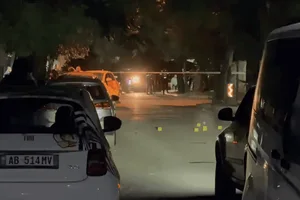
Three people were shot and wounded in Elbasan last night b...
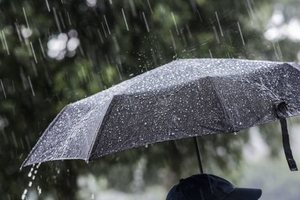
This Wednesday, our country will be under the influence of...
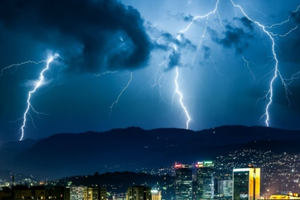
All of Southern Europe will face changing weather conditio...

Albania was hit by temperatures significantly higher than ...

For the first time, Pogradec welcomed the Inter-Lake Chess...
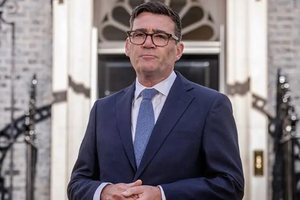
Prime Minister Andy Burnham has announced that most bus fa...
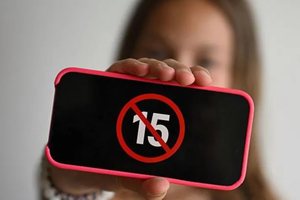
France's parliament has passed a law to ban social media f...

US Secretary of State Marco Rubio arrived in Manila on Jul...

In the space of a few days, Ukrainian President Volodymyr ...

At a time when industrial products are increasingly taking...

Trust among people is not just a three-syllable word. It c...

Master of humor Todi Llupi has passed away at the age of 7...

The ninth edition of "MIK Festival" kicked off with one of...

Businesses will no longer be required to simply register t...

Despite economic growth and income in recent years, Albani...

This Wednesday, one US dollar is bought for 81.4 lek and s...

Construction company licenses will have a validity period ...