

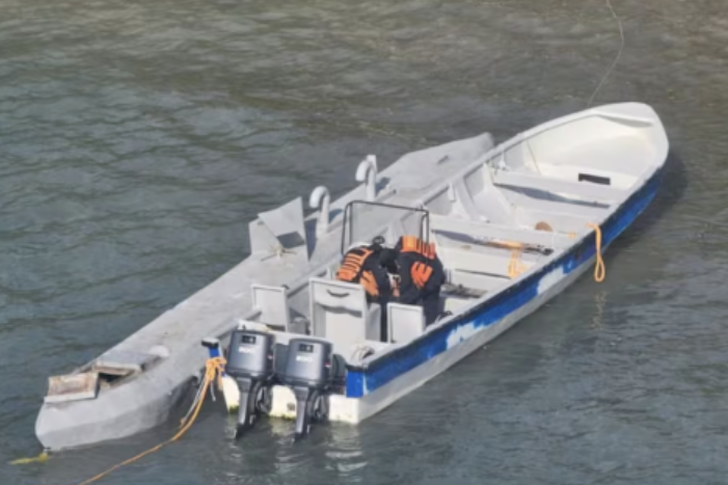
Colombia captures first underwater "narco" drone/ Starlink-powered, can transport a ton of cocaine
It is remotely controlled with a Starlink modem and can ca...


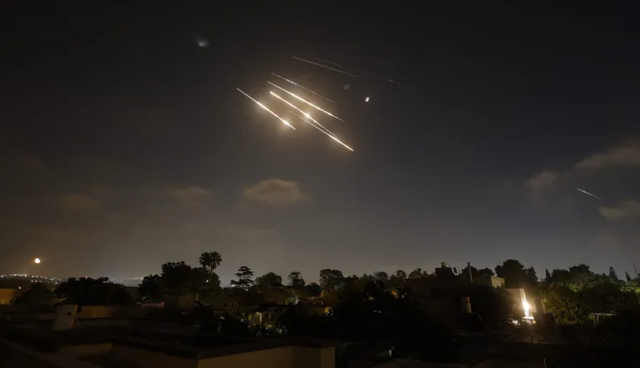
Iran launched more than 500 ballistic missiles towards Israel, most of which fell in open areas, during the last war.
Israel and the United States intercepted the rest with about 200 interceptor missiles at an estimated cost of nearly $1.5 billion, according to an analysis of IDF data and information from open sources.
The IDF reported that during the 12-day conflict, 36 Iranian missiles hit built-up areas, while air defense systems achieved an interception rate of 86 percent.
Data collected by Haaretz from IDF reports over the course of the war show that Iran carried out 42 missile barrages, firing approximately 530 ballistic missiles towards Israel.
Haaretz analyzed footage from 33 impact sites: 30 rockets were equipped with warheads containing hundreds of kilograms of explosives and hit locations in central, northern and southern Israel, such as Tel Aviv-Jaffa (5), Haifa (4), Herzliya or Ramat Hasharon (4), Ramat Gan (3), Be'er Sheva (3), Petah Tikva (2), Rehovot (2), and single hits in Bat Yam, Holon, Tamra, Rishon Lezion, Ness Ziona, Bnei Brak and Zavdiel.
Three other missiles carried cluster warheads, each releasing several smaller bombs with warheads weighing up to seven kilograms.
One hit Be'er Sheva, another hit Rishon Letzion, and the third fell in a wider area that includes Holon, Azor, Savyon, Bat Yam, and Or Yehuda.
American researchers Corey Scher and Jamon Van Den Hoek, experts in satellite imagery of conflict zones, identified 10 other impact sites that had not been previously reported.
A military source confirmed to the Haaretz newspaper that an Iranian missile had indeed hit one of the sites identified by the researchers.
The IDF reported 36 hits in populated areas and an 86 percent interception success rate for Israeli and American defense systems.
Based on this data, if 36 missiles represent 14 percent of the total that passed, air defense forces most likely attempted to intercept around 258 ballistic missiles, successfully intercepting 222 of them.
The remaining 272 missiles were most likely allowed to fall in open areas without any attempt at interception.
However, these figures are estimates, as the IDF has not published precise statistics or explanations regarding its interception strategy during the war.
Iranian ballistic missiles were intercepted by Israel's Arrow 3 and Arrow 2 systems, as well as the US THAAD system.
The American battery had been stationed in southern Israel since October 2024 and had previously intercepted rockets from Yemen.
This was the first time that the system, equipped with six missile launchers and a special radar flown towards Israel, intercepted missiles from Iran.
In the run-up to, and during, the attack on Iran, American cargo planes landed in Israel carrying additional THAAD interceptors.
Photographer Zaid al-Abbadi, based in Amman, Jordan, pointed his camera westward and captured eight volleys of missiles fired from Iran toward Israel overnight.
His footage allows counting the number of interceptors launched by Israel and the US.
According to Haaretz's count, 84 interceptors were launched during these eight barrages.
American researchers who counted 82 interceptors were able to match their launch sites to Arrow and THAAD batteries deployed in Israel.
Based on the launch characteristics, they concluded that Israel launched 34 Arrow 3 interceptors and nine Arrow 2, while the US launched 39 THAAD interceptors.
During these eight volleys documented by Jordanian photographers, Iran launched about 225 ballistic missiles, according to IDF reports.
By extrapolating (data projection – ed.) the number of interceptor missiles launched in these attacks with the total number of Iranian launches reported by the IDF, Israel and the US are estimated to have fired about 195 interceptor missiles during the 12-day war: about 80 Arrow 3 missiles, 22 Arrow 2 missiles, and 93 THAAD missiles.
Again, these are rough estimates – the ratio of launches in the eight documented bursts may differ from the 34 undocumented ones, and additional interceptor batteries may have been used in areas not captured on video.
US Navy Aegis ships also participated in the intercepts, but their involvement was not captured in the footage.
According to the US Missile Defense Agency's budget data, only 12 THAAD interceptors were produced in 2025, yet in just 12 days of fighting, the United States fired eight times that number.
Production is expected to increase only slightly in 2026, with only 32 interceptors planned, meaning it will take time to replenish depleted stocks.
At $13 million per unit, the United States has launched interceptors with an estimated value of $1.25 billion in the war with Iran.
This represents a significant operational test for THAAD manufacturer Lockheed Martin, as the company positions itself for the US missile defense initiative - a hundreds of billions of dollars effort announced by President Donald Trump.
Last month, at the height of the war with Iran, the company announced that it had delivered the US Army's eighth THAAD battery.
According to past reports, the cost of each Arrow 2 and Arrow 3 interceptor is estimated to be between $2 million and $3 million.
Based on this, Israel launched approximately a quarter of a billion dollars worth of interceptor missiles during the war, excluding the large number of Iron Dome and David's Sling interceptor missiles, also used to intercept incoming Iranian missile remnants.
Israel Aerospace Industries is currently in the advanced stages of development of the Arrow 4, which will replace the Arrow 2 in the future.
Taken from Haaretz.com

It is remotely controlled with a Starlink modem and can ca...

Members of the Kosovo Assembly have left the Kosovo Assemb...
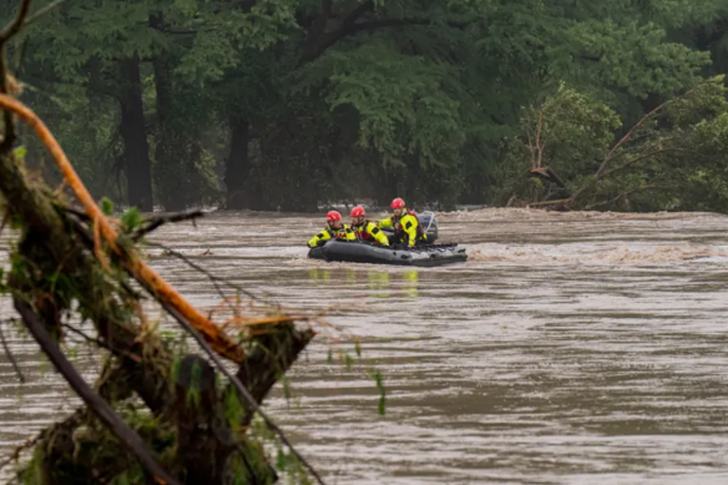
A major search and rescue operation is continuing overnigh...

According to German and Dutch intelligence services, Russi...
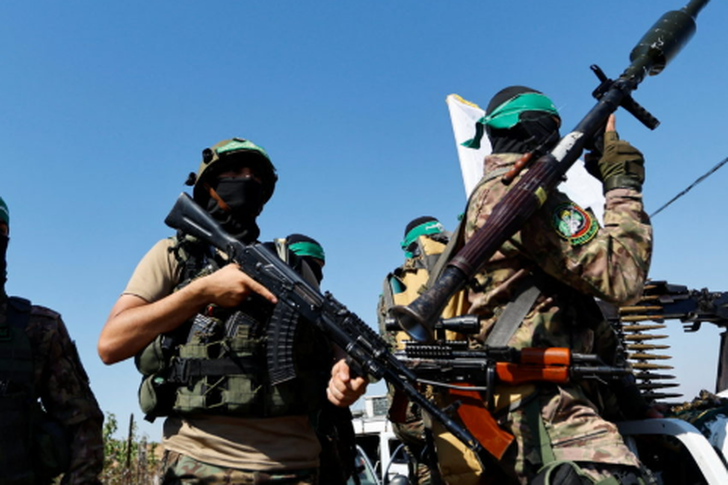
Hamas announced on Friday that it had submitted a positive...
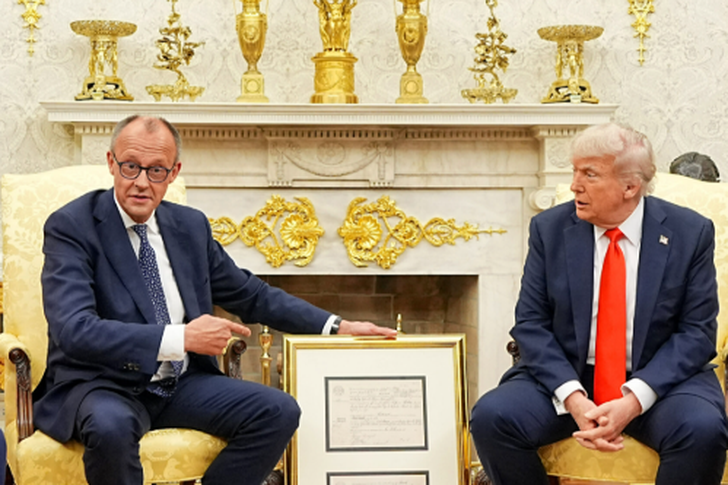
German Chancellor Friedrich Merz discussed his country's o...
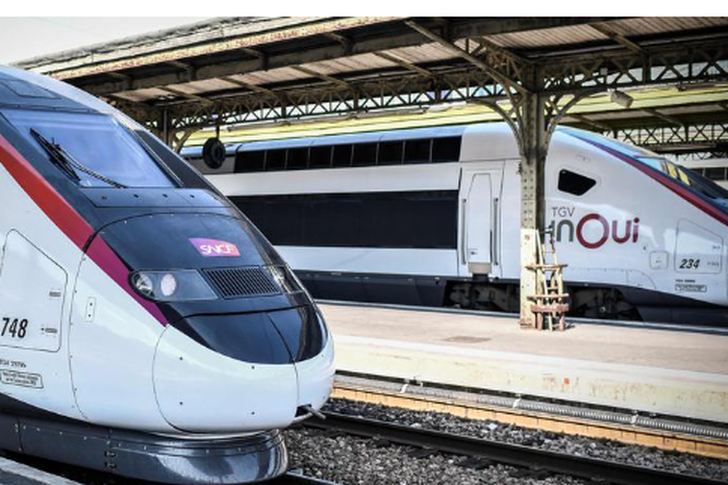
French state railway company SNCF said it was preparing to...
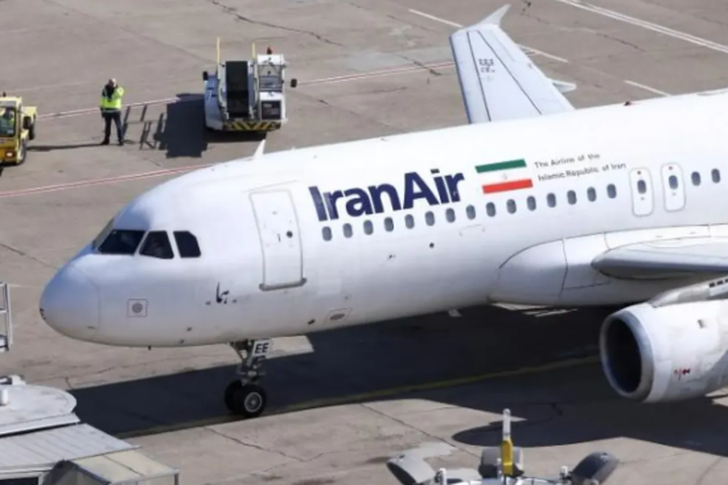
Iran's Imam Khomeini International Airport has welcomed th...
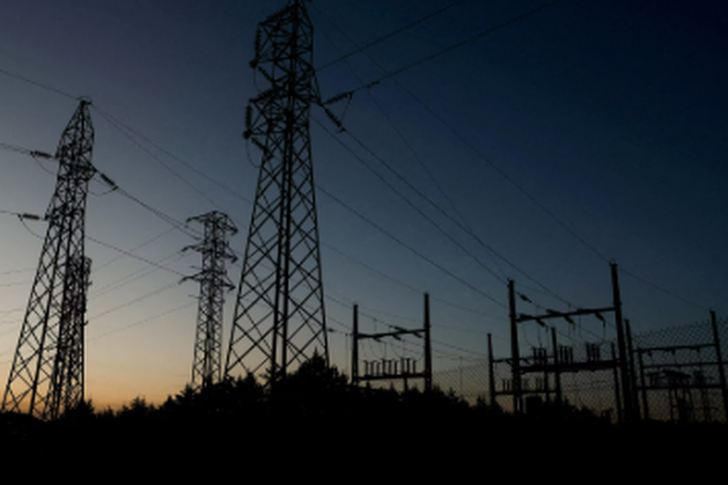
A power outage hit parts of the Czech Republic today due t...
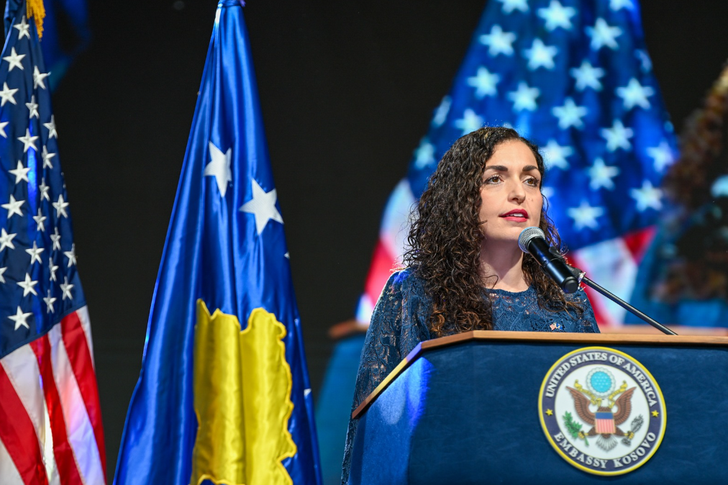
The President of Kosovo, Vjosa Osmani, has shared a messag...
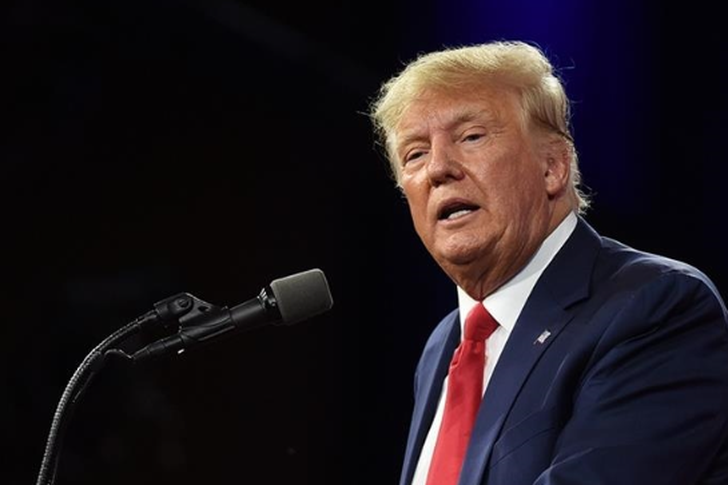
US President Donald Trump is expected to officially begin ...
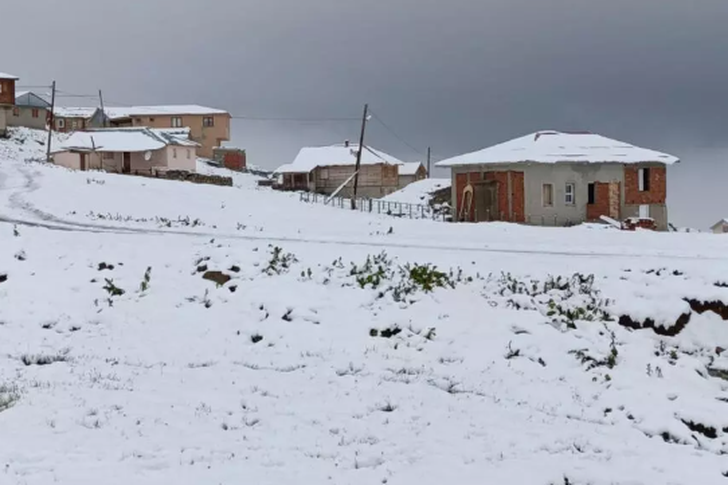
A rare layer of heavy snow fell in parts of northeastern T...
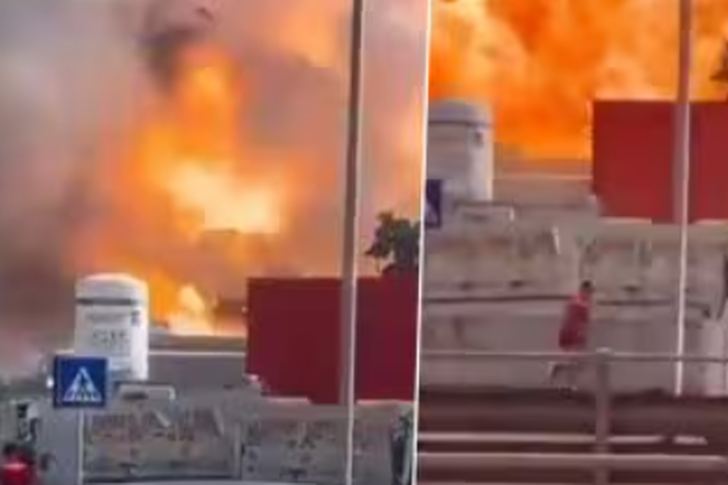
A powerful explosion at a gas station in the Centocelle ne...

US President Donald Trump and Ukrainian President Volodymy...

The organizers of the European Women's Football Championsh...
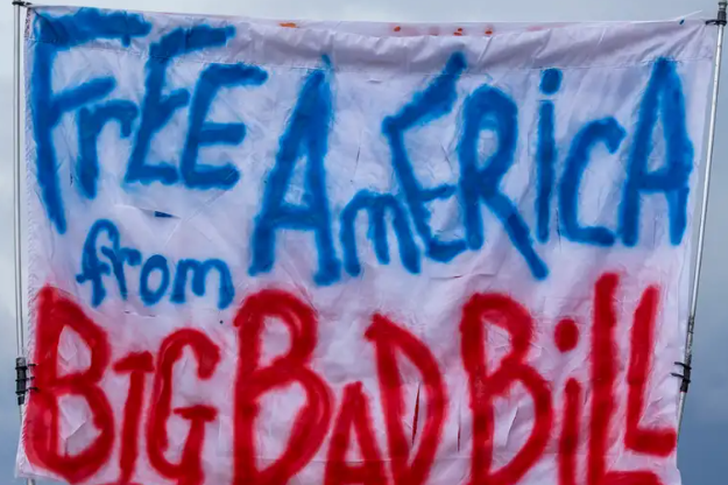
The House of Representatives narrowly voted in favor of Pr...

Around 40 percent of flights were cancelled on Friday at a...
The Fourth of July, Independence Day, is a federal holiday...
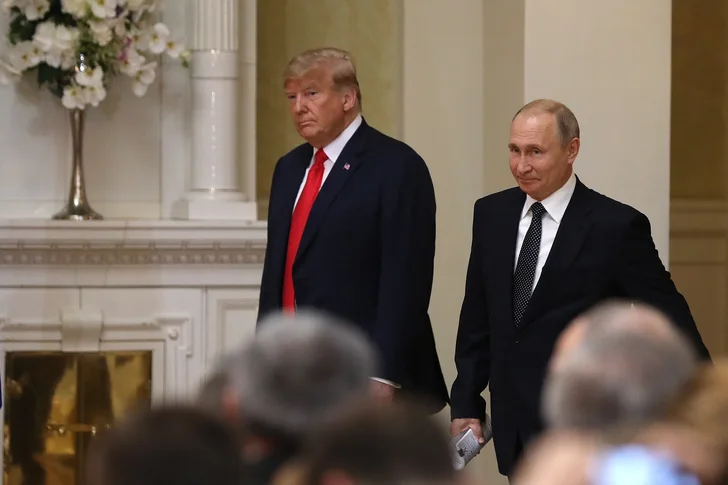
President Trump and Russian President Vladimir Putin discu...
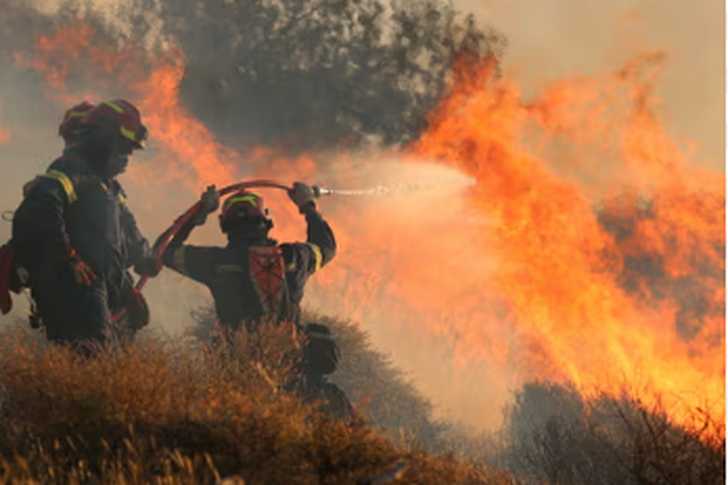
Firefighters in Greece struggled on Thursday to control wi...

CNA has launched another investigation that could lead to ...

Irfan Hysenbelliu is a businessman that we call "Irfan the...

In March 2026, CNA launched another investigation centered...
The arrested mayor of Tirana, Erion Veliaj, with 13 charge...

The Special Board of Appeal (KPA) decided this Monday ...

The KPA vetting decided this Thursday to dismiss the p...

Suela Salavaçi, a prosecutor in the Prosecutor's Offic...

The Special Board of Appeal reinstated the prosecutor ...

Footage emerges from the serious accident that occurred th...

A Shkodra traffic police officer was hit with hard objects...
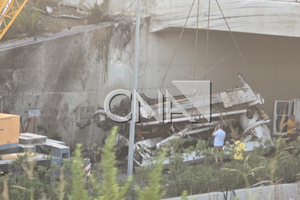
This Wednesday, around 4:00 PM, a serious accident occurre...

Tirana Police have shared details regarding the accident t...
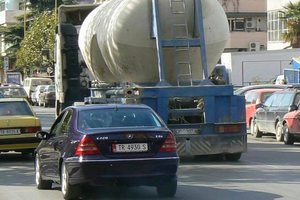
A serious accident that occurred this Wednesday with the c...

The Institute of Geosciences has shared a forecast for wea...

Rising energy and fertilizer prices are expected to contin...

Over 18,000 foreign citizens from 140 countries have appli...

The trial of ousted Venezuelan President Nicolas Maduro on...
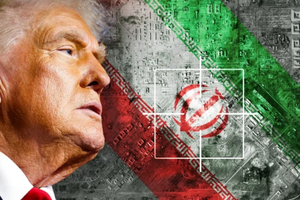
US President Donald Trump has issued another warning to Ir...

Prime Minister Andy Burnham has announced that most bus fa...

France's parliament has passed a law to ban social media f...

At a time when industrial products are increasingly taking...

Trust among people is not just a three-syllable word. It c...

Master of humor Todi Llupi has passed away at the age of 7...

The ninth edition of "MIK Festival" kicked off with one of...

The price of diesel reached 206 lek per liter from 198 lek...

Businesses will no longer be required to simply register t...

Despite economic growth and income in recent years, Albani...

This Wednesday, one US dollar is bought for 81.4 lek and s...