

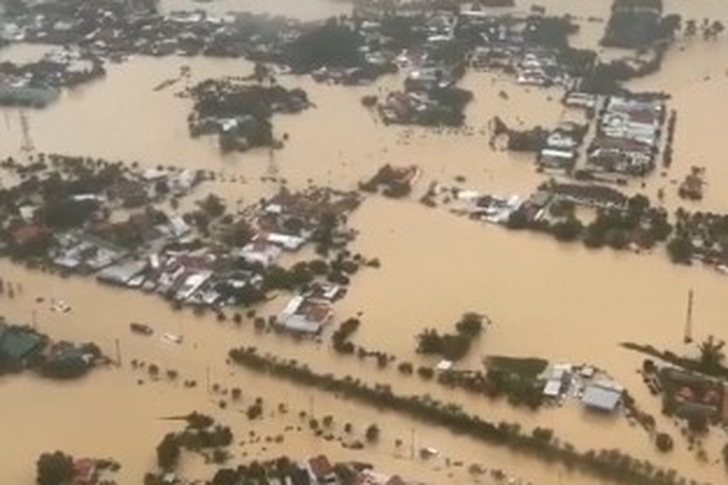
Vietnam floods: At least 90 dead, 12 missing
At least 90 people have died and 12 are missing after days...


1. How was the Dayton Agreement reached? The Dayton
Peace Agreement was reached on 21.11. 1995 in Dayton, USA and signed on 14.12.1995 in Paris. It ended the war that had lasted for three and a half years in Bosnia and Herzegovina. The fighting between Serbs, Bosniaks and Croats was characterized by "ethnic cleansing", the siege of Sarajevo and the Srebrenica genocide. A total of 100,000 people lost their lives, millions were displaced. Only with the intervention of NATO in August 1995 was a ceasefire agreement possible and in October peace talks began with the mediation of the American leadership. Under the leadership of the American diplomat Richard Holbrooke, the parties to the conflict met at the US military air base Wright Patterson in Dayton, Ohio, to discuss the peace plan.
2. Who were the protagonists of this agreement?
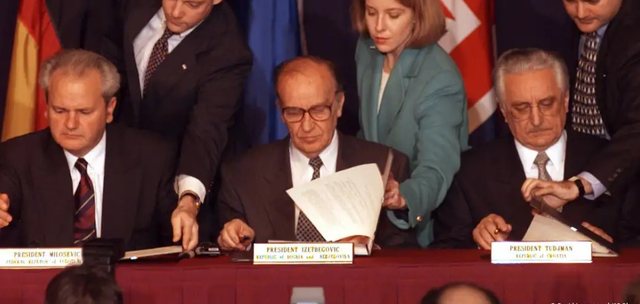
At the negotiating table were President Slobodan Miloševi? (Serbia), Franjo Tu?man (Croatia) and Alija Izetbegovi? (Bosnia and Herzegovina). Each of them pursued their own interests: Miloševi? wanted to maintain influence and secure the territories conquered in the war and ethnically cleansed of the Bosnian Serbs, Tu?man aimed at territorial advantages for Croatia, and Izetbegovi? fought for the recognition of the state entity of Bosnia and Herzegovina.
There were no negotiations with the political and military representatives of the Bosnian Serbs – such as Radovan Karadzic and Ratko Mladic. An arrest warrant was issued for Karadzic by the International Criminal Tribunal for the former Yugoslavia in 1996. He had been indicted since 1995.
3. What does the agreement contain?
The agreement stipulates: Bosnia and Herzegovina remains undivided as a sovereign state within recognized borders and with Sarajevo as its capital.
The country consists of two republics (entities): the Bosniak-Croat Federation (51 percent of the territory) and the predominantly Bosniak-Serb Republika Srpska (RS) (49 percent of the territory). The affiliation of the northern Bosnian town of Brcko will be decided later.
Bosnia and Herzegovina is governed by a three-state presidium (to maintain ethnic proportionality).
There are two chambers of parliament, a council of ministers, a constitutional court and a central bank. The institutions of the state as a whole are responsible for foreign policy and trade, customs and monetary policy, migration issues, airspace control and, since 2005, military and defence policy. All powers belong to the entities.
4. What was the basis for the Dayton Peace Agreement?
The basis for the Dayton Peace Agreement was the plan of the Contact Group for Bosnia, consisting of representatives of the USA, Russia, Great Britain, France and Germany. This plan provided for the de facto recognition of the expulsions and "ethnic cleansing" carried out by the Serbs and for them to be given 49 percent of the territory of Bosnia and Herzegovina, although based on the 1991 census, the Serb population constituted only 31 percent.
5. Why did the war break out in Bosnia and Herzegovina?
The Bosnian War broke out in 1992, after the majority of the country's population voted in a referendum for independence from Yugoslavia. Slovenia and Croatia, which were also part of Yugoslavia, had previously declared independence. Only the Bosnian and Croatian populations participated in the referendum in Bosnia. The majority of Bosnian Serbs preferred to remain in the Yugoslav state and boycotted the vote. As a result, a group of Bosnian Serb politicians declared a "Serbian republic" (Republika Srpska).
The militias, led by these politicians, began to terrorize and expel the non-Serb population (Bosniaks and Croats).
Nationalist leaders like the president of Serbia, Slobodan Milosevic, and that of Republika Srpska, Radovan Karadzic, spread hatred and fear, which fueled ethnic cleansing, massacres, and the siege of Sarajevo.
At first, Bosniaks and Croats defended themselves jointly against Serbian attacks. Later, war broke out between them. Most Bosniaks and Serbs were expelled from the territory of the Republic of Herceg-Bosna, proclaimed by the Croatian leadership. Mostar became a city divided between Croats and Bosniaks.
6. What was Germany's role in the Dayton Accords?
Germany was part of the Contact Group, which coordinated diplomatic efforts to end the war in Bosnia. Chancellor Helmut Kohl supported the political talks and stressed the importance of the agreement for the stability of Europe.
At the initiative of the USA and the German federal government, Tu?man and Izetbegovi? met in Petersberg in Bonn in January 1994. The result was the Washington Agreement of March 1994, which ended the war between Bosniaks and Croats in Bosnia and Herzegovina, dissolved the Croatian Republic of Herceg-Bosna, and established the Bosniak-Croat Federation. The German Social Democratic politician Hans Koschnik was appointed EU administrator in Mostar.
The international community also created the post of High Representative, who would monitor the implementation of the civilian part of the Dayton Agreement. In January 1996, Berlin sent German diplomat Michael Steiner to Sarajevo. Until July 1997, he was the first deputy High Representative. In 2006, former German Minister of Post, Christian Democrat Christian Schwarz-Schilling, served as High Representative for a year and a half. Since 1.08.2021, this post has been headed in Sarajevo by former German Minister of Agriculture, Christian Democrat Christian Schmidt.
A central instrument of the High Representative are the Bonn Powers, established at a conference in Bonn in 1997. These give the High Representative the right to enact laws or repeal them, as well as to dismiss elected officials, if they obstruct the peace process.
7. Criticism of the Dayton Agreement
The Dayton Agreement with the two entities established a political order with conflict potential, which fuels tensions and separatist tendencies. The complex state-building with parallel structures delays or blocks decision-making processes, which makes reforms difficult.
Only three ethnic groups defined as constitutive have national rights: Bosniaks, Croats, and Muslims. Other ethnicities such as Roma and Jews are not taken into account and are not included in the decision-making processes./DW

At least 90 people have died and 12 are missing after days...
US Secretary of State Marco Rubio has insisted that a prop...
The Kosovo Hydrometeorological Institute, through a meteor...
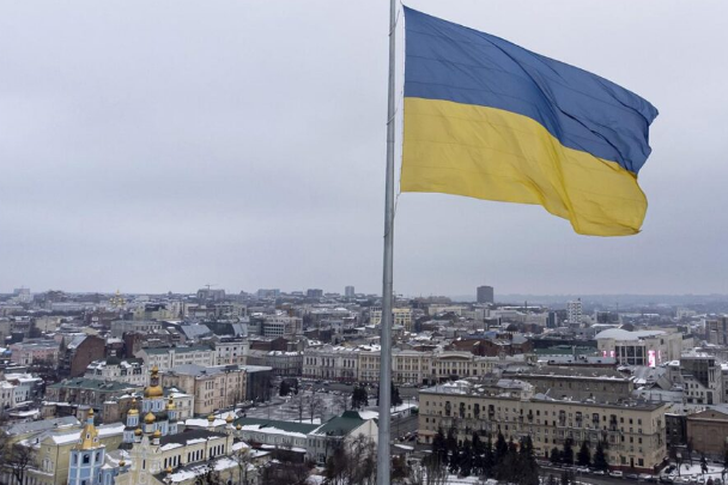
Ukraine will begin talks with the US on the 28-point peace...
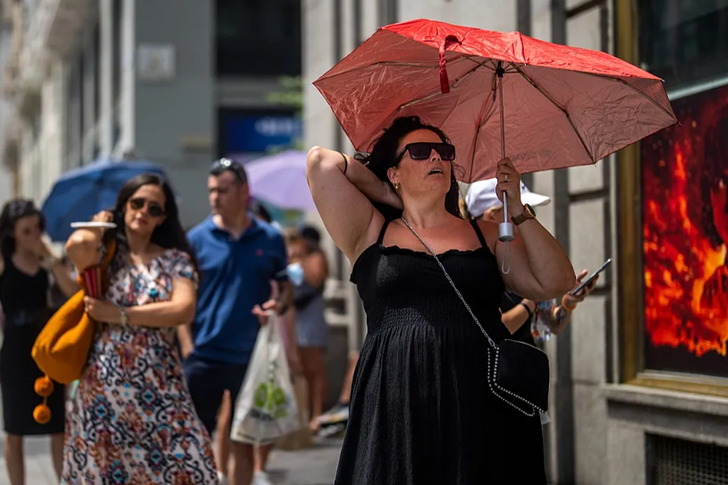
Summers on the continent could become much longer, a new s...
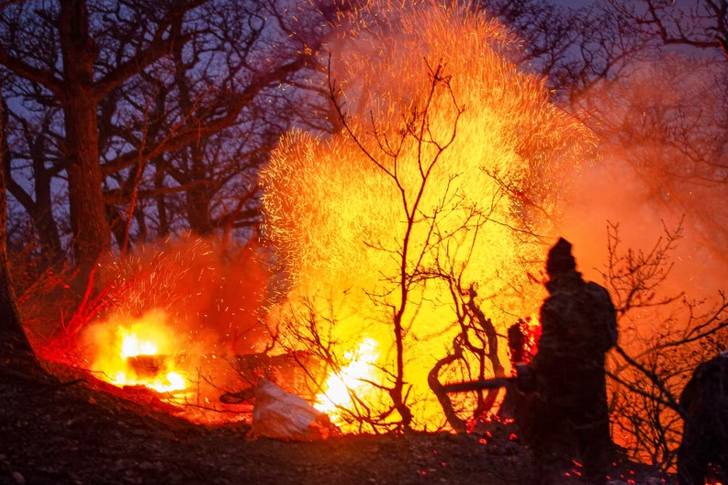
Iran has requested immediate international assistance to e...
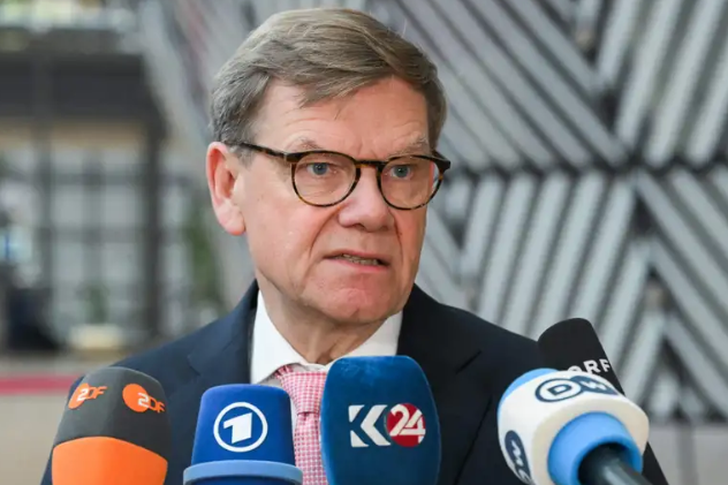
The 28-point US plan includes major concessions from Ukrai...

Brazil's far-right former president Jair Bolsonaro was arr...
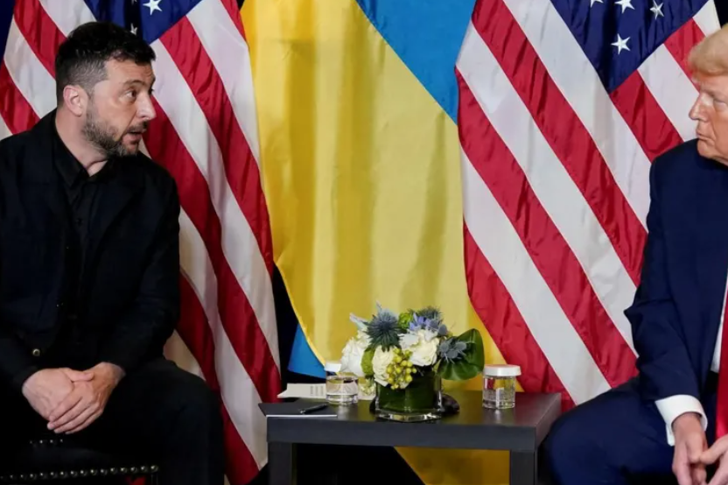
The US has drawn up a draft peace plan to end Russia's war...
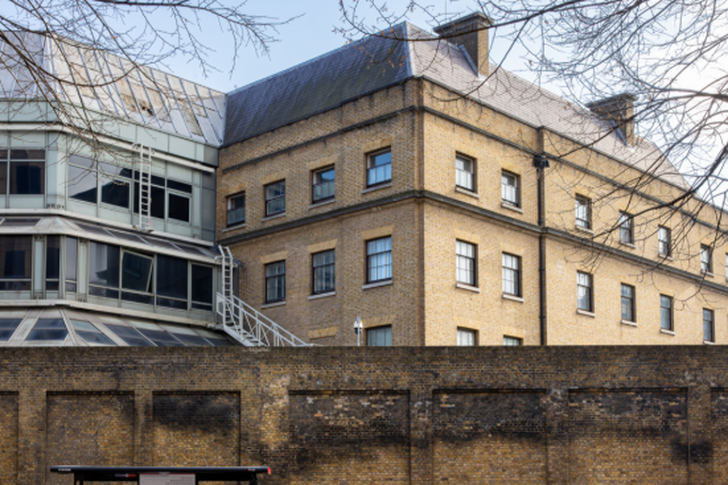
British Prime Minister Keir Starmer is expected to approve...
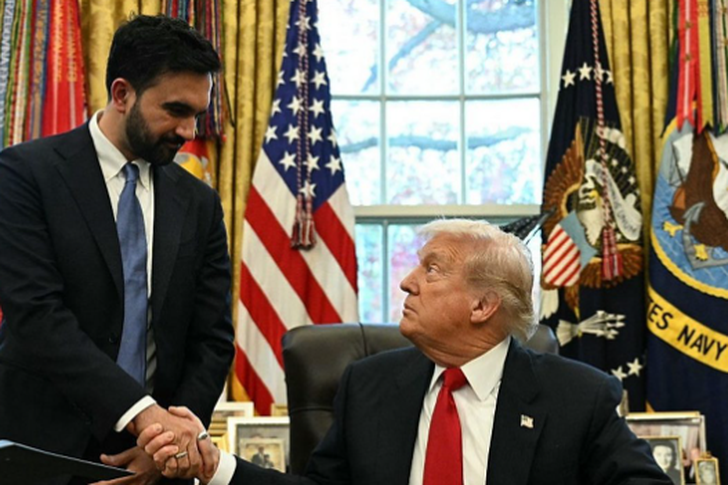
US President Donald Trump held a meeting this Friday with ...

At a meeting with his security cabinet earlier, Putin said...
The European Union has imposed sanctions on a senior leade...
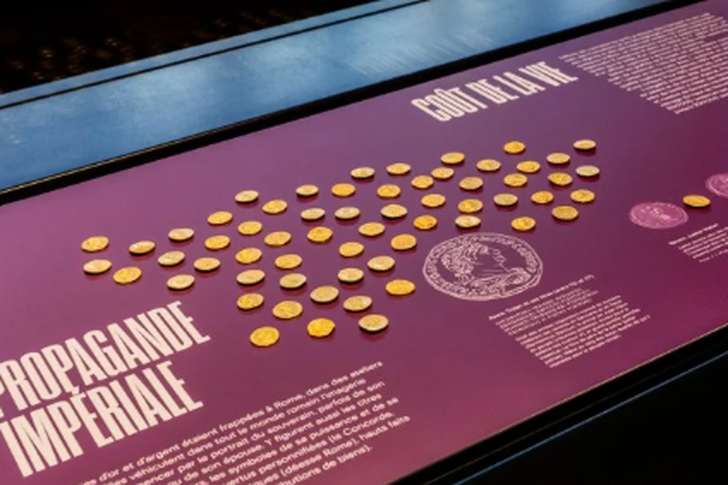
Authorities in Switzerland are searching for two robbers w...
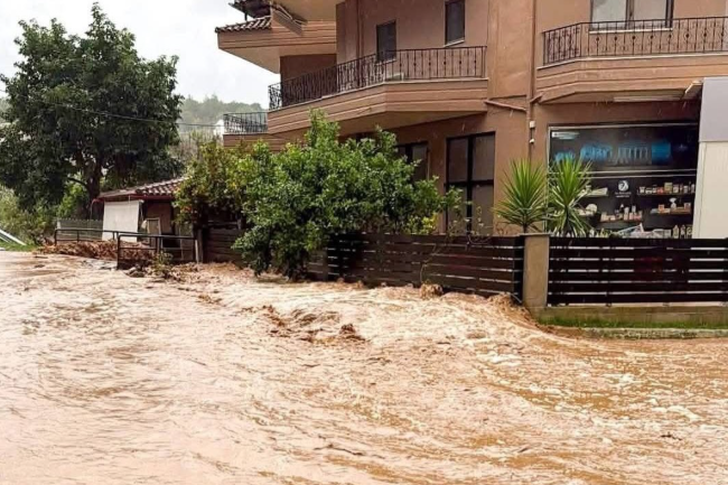
Bad weather with heavy, intense rainfall has also affected...
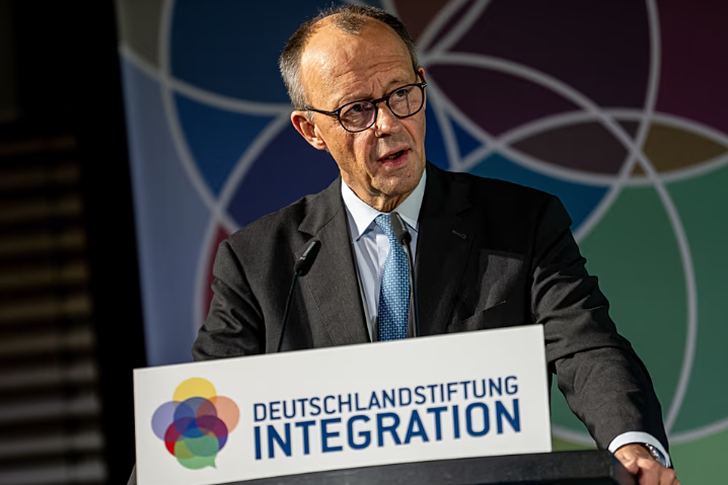
With a range of up to 500 kilometers, the Taurus missile i...
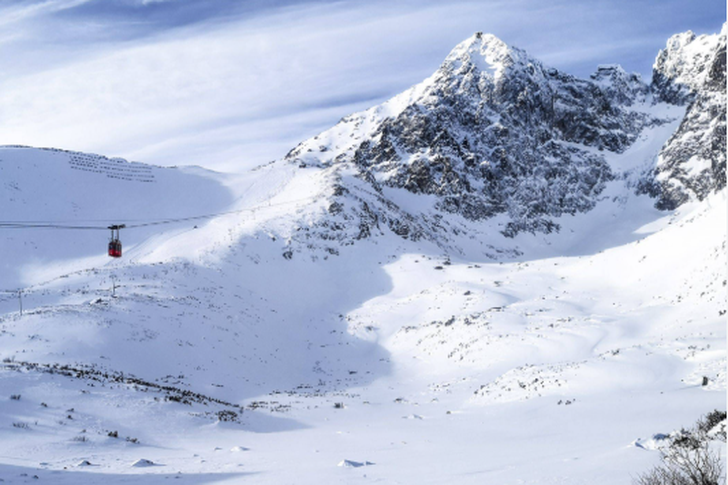
Mountain watchers in Poland's Tatra mountain range warned ...
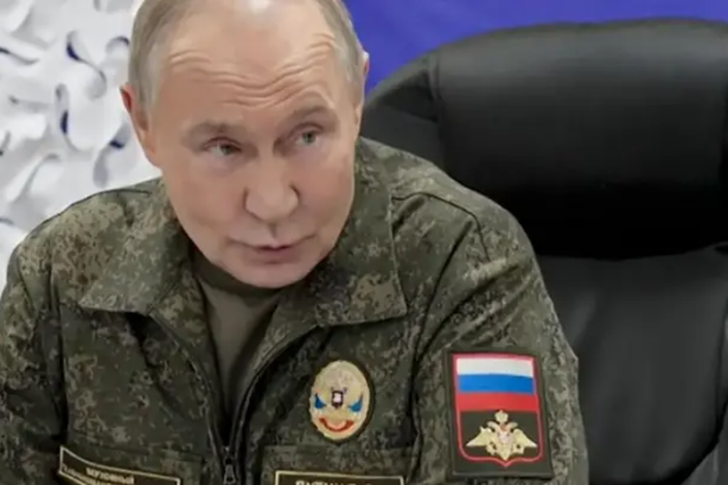
Russian President Vladimir Putin confirms he has received ...
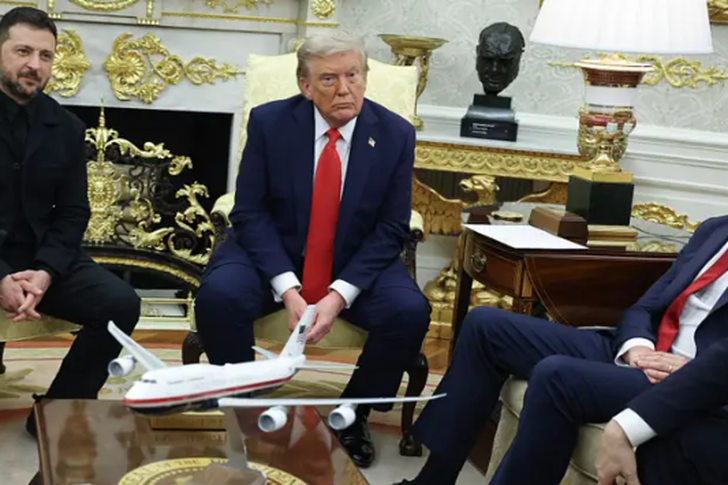
US President Trump has spoken out about the deadline his a...
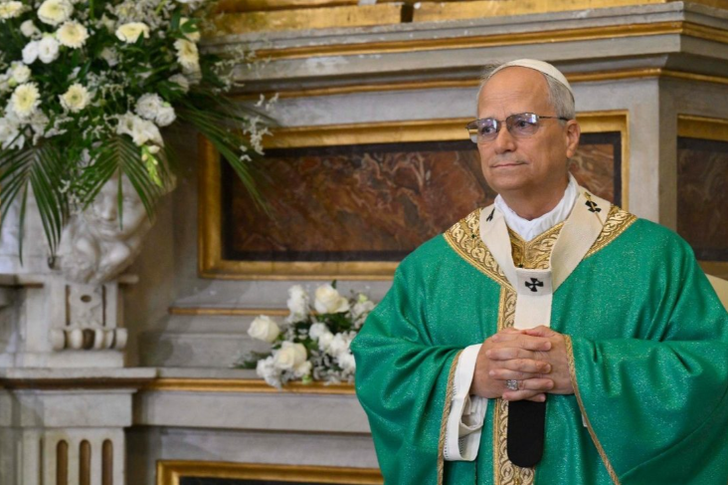
Pope Leo XIV is preparing for his first apostolic journey ...

CNA has launched another investigation that could lead to ...

Irfan Hysenbelliu is a businessman that we call "Irfan the...

In March 2026, CNA launched another investigation centered...
The arrested mayor of Tirana, Erion Veliaj, with 13 charge...

The Special Board of Appeal (KPA) decided this Monday ...

The KPA vetting decided this Thursday to dismiss the p...

Suela Salavaçi, a prosecutor in the Prosecutor's Offic...

The Special Board of Appeal reinstated the prosecutor ...

Footage emerges from the serious accident that occurred th...

A Shkodra traffic police officer was hit with hard objects...
This Wednesday, around 4:00 PM, a serious accident occurre...

Tirana Police have shared details regarding the accident t...
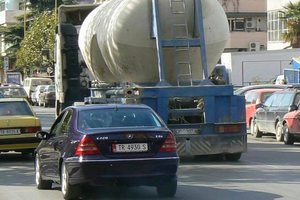
A serious accident that occurred this Wednesday with the c...

The Institute of Geosciences has shared a forecast for wea...
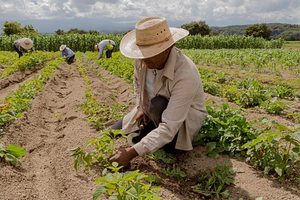
Rising energy and fertilizer prices are expected to contin...

Over 18,000 foreign citizens from 140 countries have appli...
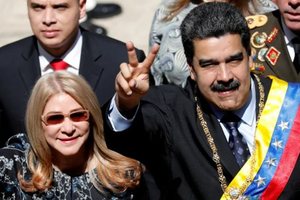
The trial of ousted Venezuelan President Nicolas Maduro on...
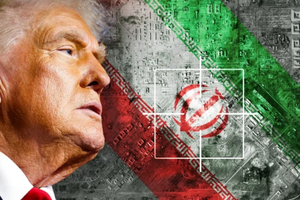
US President Donald Trump has issued another warning to Ir...
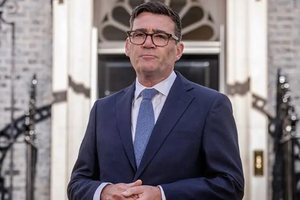
Prime Minister Andy Burnham has announced that most bus fa...

France's parliament has passed a law to ban social media f...

At a time when industrial products are increasingly taking...

Trust among people is not just a three-syllable word. It c...

Master of humor Todi Llupi has passed away at the age of 7...

The ninth edition of "MIK Festival" kicked off with one of...

The price of diesel reached 206 lek per liter from 198 lek...

Businesses will no longer be required to simply register t...

Despite economic growth and income in recent years, Albani...

This Wednesday, one US dollar is bought for 81.4 lek and s...