


"Berisha called me 1 hour before the candidacy"/ Korreshi reveals the behind-the-scenes of the DP elections
Democratic Party MP, Saimir Korreshi, shared today some un...

Democratic Party MP, Saimir Korreshi, shared today some un...

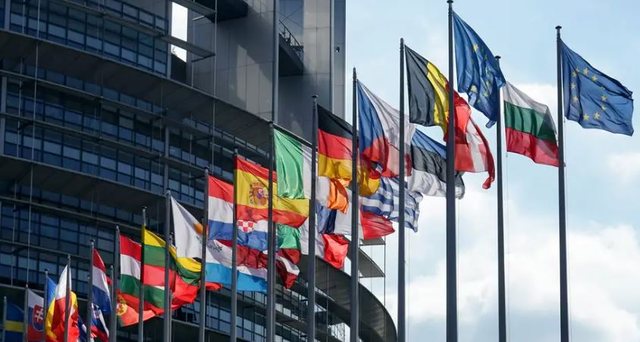
"Big Bang", this is the name given to the expansion of the European Union in the jargon of the EU 20 years ago on May 1, 2004, when ten new member countries were admitted to the bloc. The number of member countries since then reached from 15 to 25. The continent was then reunited 15 years after the fall of the Berlin Wall and the end of Soviet rule in Eastern Europe. With folk festivals and fireworks, solemn speeches and the lifting of border barriers 20 years ago, the unification was celebrated with countries from Estonia in the north to Slovenia in the south. The Mediterranean island of Malta and Cyprus were also admitted to the bloc.
"This was a strong signal to Russia, but not only that. This step showed the ability of the EU to take strong decisions, to expand its ranks and to fulfill the conditions. Everything went positively, because in the EU and the relevant political conditions existed in the candidate countries, which were favorable, compared to the candidate countries today", thinks Tefta Kelmendi from the think tank "European Council on Foreign Relations" in Brussels.
Union without alternative
Both for the EU and for the ten countries that joined, the expansion was positive, expert Kelmendi tells DW. The economic growth in the new member countries positively influenced the European internal market. Democracy, the rule of law and freedom of the press were strengthened, according to the analysis of the Bertelsmann Foundation, the research institute of political and social developments.
Exceptions are Hungary and Poland. In both of these countries, the governments distanced themselves from European values. In Poland, the trend has started to improve after the change of government after the elections last year. According to the transformation index of the Bertelsman Foundation, the Baltic states, the Czech Republic, Slovenia and Slovakia achieve the best grade of "democracy consolidation". Poland and Hungary are identified as "defective democracies".
With the enlargement of the EU in 2004 and the late accession of Bulgaria and Romania in 2007 and Croatia in 2013, there was no alternative, believes EU expert Hans Kribbe from the Brussels Institute for Geopolitics (BIG). "It was inevitable that this expansion would take place in response to historical turns and the breakup of the Soviet Union and the Eastern Bloc," says Kribbe.
Two new waves of expansion are expected
"The EU Commission naturally plays its part as an enthusiastic proponent of enlargement," opines Hans Kribbe of BIG in Brussels. But the Commission itself is aware that lessons for the future must also be learned from the great wave of expansion. The EU had to learn in the first place that it should be able to absorb other memberships and the procedures and progress of the enlargement process should be made efficient. Until now, there has been no plan and no time perspective for such a reform of the EU.
While other waves of expansion are expected. The six countries of the Western Balkans from Bosnia-Herzegovina to Albania should join. Likewise, Ukraine, Moldova and Georgia are the newest candidate countries, which, due to the threat from Russia, fail to secure an express membership ticket.
The states of the Western Balkans are constantly promised membership. Rapprochement, negotiations, adaptation, all these have been in process for decades since the civil wars in the former Yugoslavia. Chancellor Olaf Scholz always prefers to emphasize that now is the time to act. "I don't believe there will be another Big Bang, this won't work," says Tefta Kelmendi from the European Council on Foreign Relations. The six countries are quite different in terms of their development and eligibility for membership. They will be accepted one after another, the expert thinks. Initially, Albania, North Macedonia and Montenegro. Serbia and Kosovo must first resolve the conflict over Kosovo's citizenship and minorities.
However, it cannot wait until the bilateral conflict between Serbia and Kosovo is resolved. This means that other countries remain hostage to this conflict. "The way the EU tries to use the prospect of enlargement to solve bilateral problems has not helped the region. This approach is more focused on stabilization and not so much on economic development."
Ukraine's membership in the EU, a big challenge
Compared to the Balkan states, Ukraine is truly a "Big Bang" for the EU. Over 40 million inhabitants, a giant agrarian country, the poorest in Europe, devastated by the war imposed by Russia. Membership talks are expected to begin with an intergovernmental conference.
The president of the EU Commission, Ursula von der Leyen, is sure that Ukraine belongs to the European club. "Ukraine has made its European choice. And you know what that means. We have made our choice for Ukraine. Just like many years ago, we decided to bring so many countries into the common house," he said. Von der Leyen in the European Parliament.
Ukraine's accession to the EU is as inevitable as the accession of ten states 20 years ago, EU expert Hans Kribbe thinks. This country is protected against Russia and for Europe. "Ukraine is doing all the work", but in the end people have to be convinced in the EU states to accept the enlargement. For this, the approval of perhaps more than 30 states is necessary. Referendums should be held in some countries.
At the moment, notes Hans Kribbe, the real problems of this enlargement are not discussed, so as not to scare the Europeans. "This is a risky strategy. Someday we will have to face reality." Because the accession of Ukraine could require a radical change of the EU budget. Countries that receive subsidies and net funds in the meantime, such as Poland and Hungary would most likely have to pay to establish economic-financial balances according to bloc norms in new member countries such as Ukraine or other economically weak states.
The dream must go on
A prediction of when the next enlargement will take place is difficult to make now, but we must remain optimistic, thinks Jerzy Buzek, Polish MEP since 2004 when Poland joined the EU. Until 2001, he was prime minister and prepared the country's membership in the EU. "When we were young, it seemed like it wasn't real, but membership became a fact. This means that we have to keep dreaming and stick to our dreams," Buzek said in the European Parliament, referring to the countries of future candidates for membership.
Turkey, which has been negotiating for EU membership since 2005, is unlikely to join. The autocratically run state is increasingly distancing itself from European values. "This is a hopeless case when it comes to membership," says EU expert Hans Krippe from BIG in Brussels. However, the EU must maintain close bilateral relations as well as a privileged partnership, because Turkey has an important key geopolitical role, when it comes to protecting itself from Russia or from waves of migration. /DW

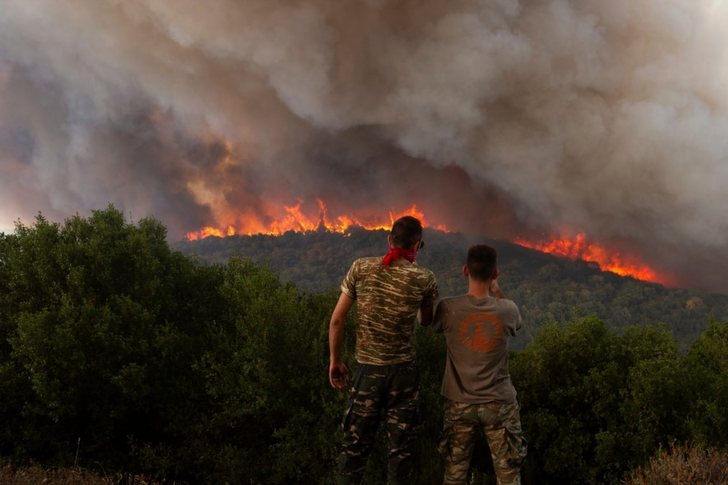
This year, Greece is doubling the number of firefighters i...
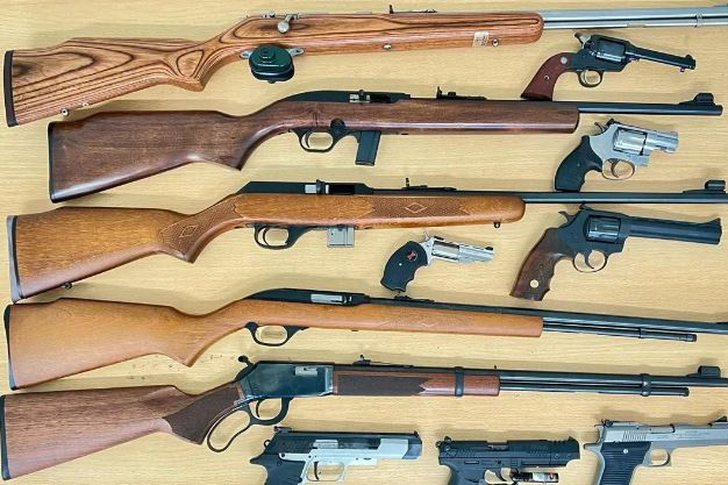
A total of 1,388 firearms were seized during an operation ...
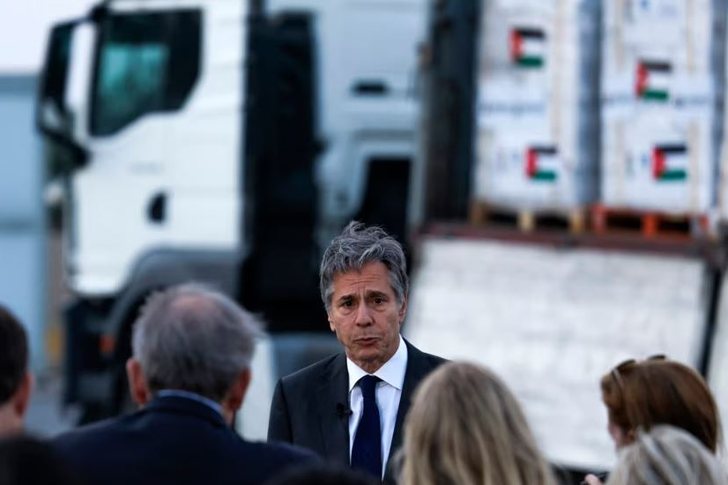
Sekretari amerikan i Shtetit, Antony Blinken, takoi li...
Akuza: Spiunazh veçanërisht i rëndë në shërbim të Rusi...
Israeli Prime Minister Benjamin Netanyahu vowed to lau...
Meta's Facebook and Instagram are subject to an investigat...
Rezultatet e barometrit të shkollave gjermane të publikuar...
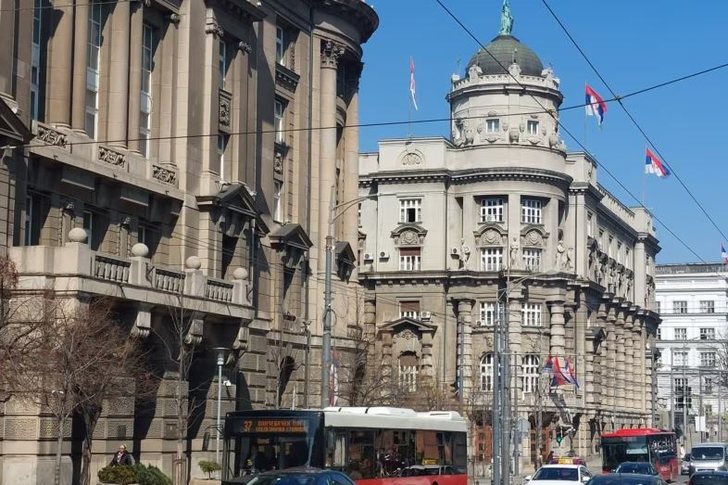
The mandate for the formation of the Government of Serbia,...
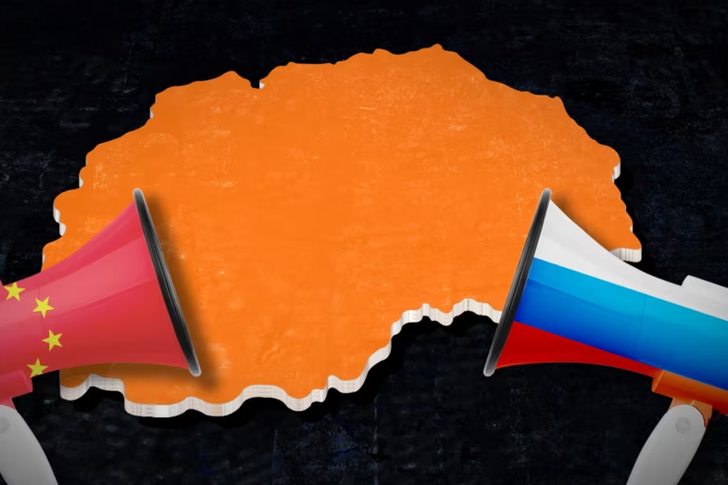
"The Western Balkans and North Macedonia are the targe...

Landy Párraga, former Miss Ecuador and model, was shot...
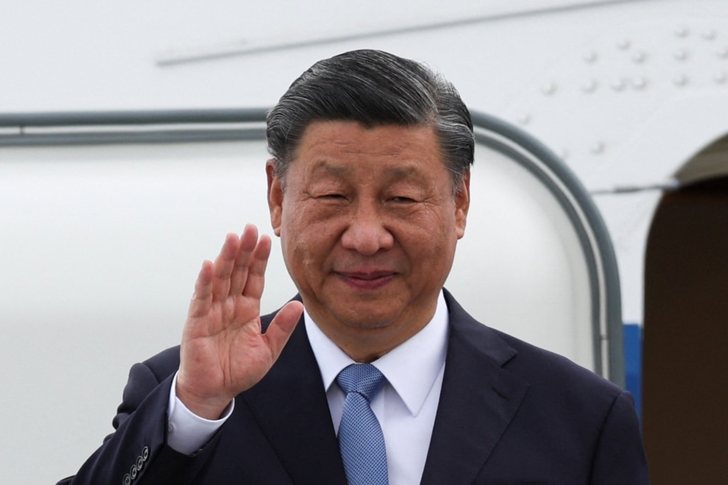
Chinese President Xi Jinping will visit France, Serbia and...
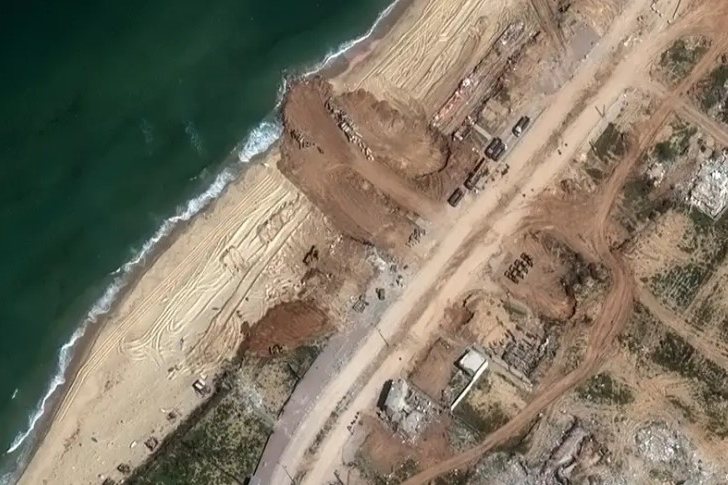
The situation of the civilian population in the Gaza Strip...

Ukraine's Defense Ministry's Main Intelligence Directorate...
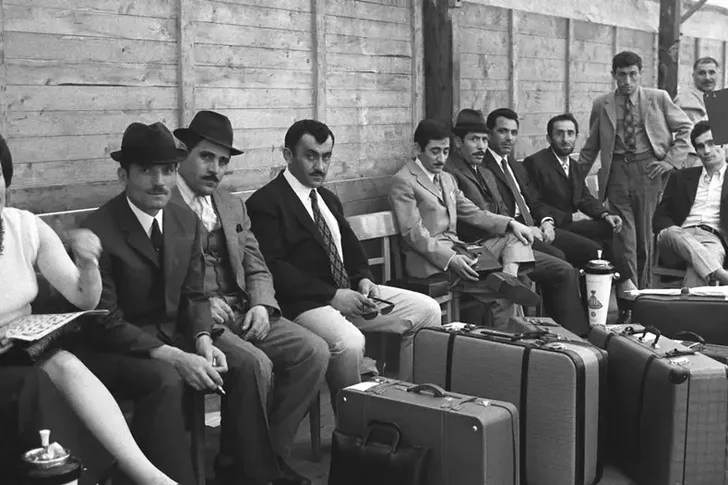
Berlin's popular Kreuzberg neighborhood remains closely as...
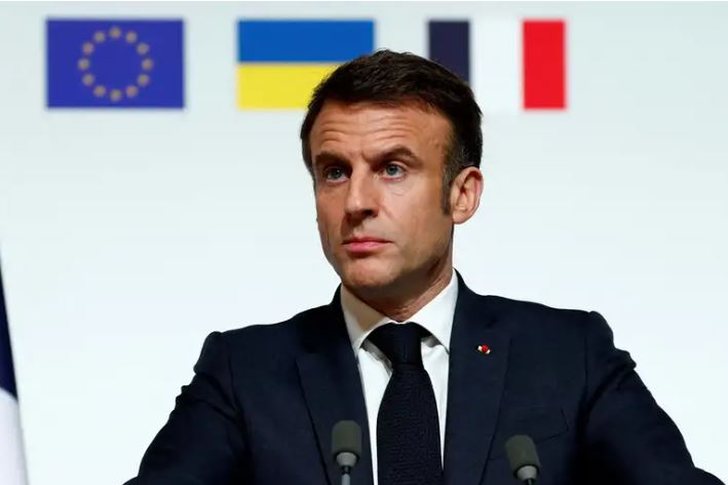
First there was French President Macron's keynote speech a...
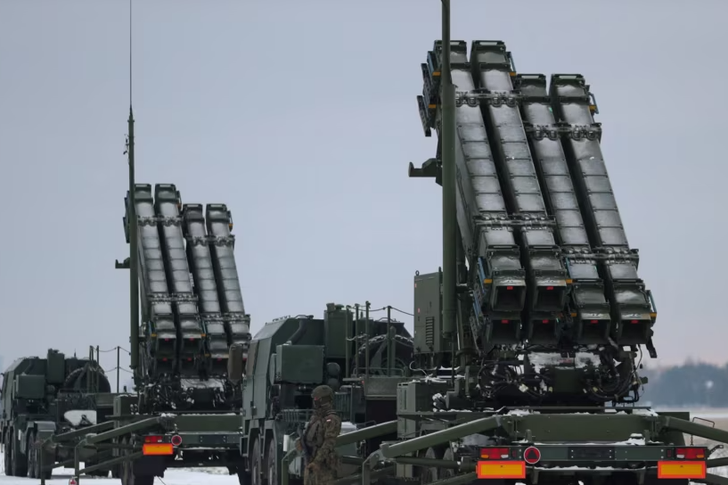
Ukrainian President Volodymyr Zelenskiy again appealed...
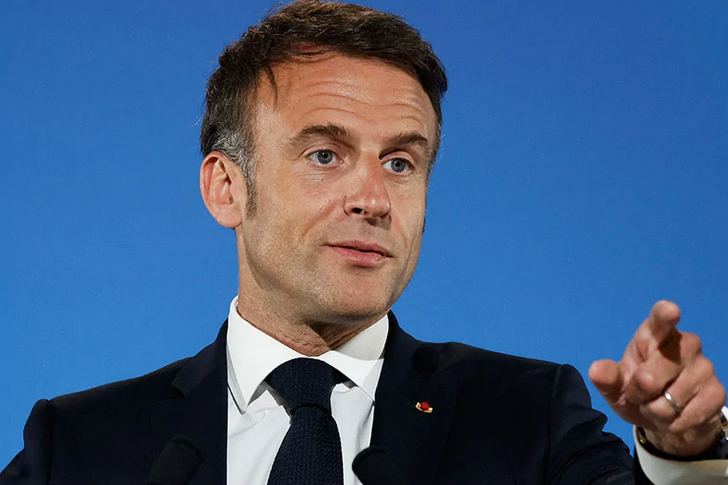
French President Emmanuel Macron has said he is ready ...
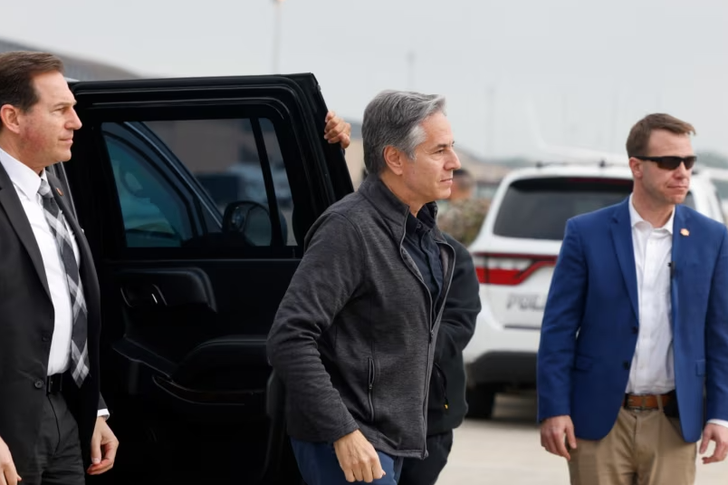
Sekretari amerikan i Shtetit Antony Blinken është nisu...
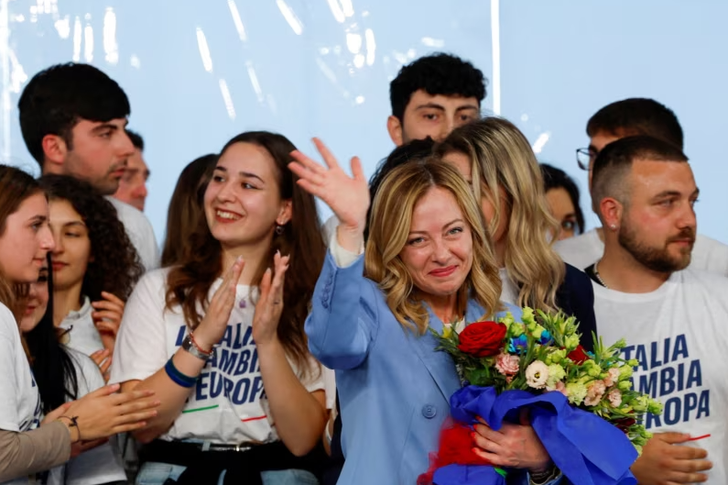
Kryeministrja italiane Giorgia Meloni njoftoi të dielë...
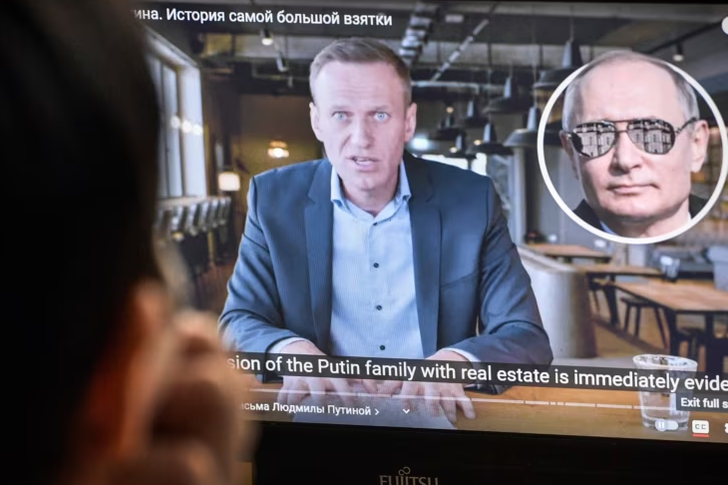
The arrest of independent journalists in Russia has co...

CNA has launched another investigation that could lead to ...

Irfan Hysenbelliu is a businessman that we call "Irfan the...

In March 2026, CNA launched another investigation centered...
The arrested mayor of Tirana, Erion Veliaj, with 13 charge...

The Special Board of Appeal (KPA) decided this Monday ...

The KPA vetting decided this Thursday to dismiss the p...

Suela Salavaçi, a prosecutor in the Prosecutor's Offic...

The Special Board of Appeal reinstated the prosecutor ...
This Wednesday, around 4:00 PM, a serious accident occurre...
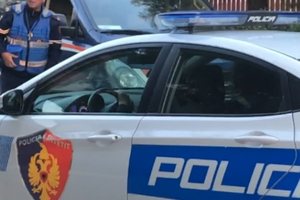
Tirana Police have shared details regarding the accident t...
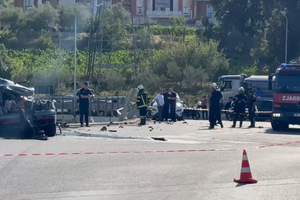
New details have emerged regarding the accident that occur...

New details have emerged from the serious accident that oc...
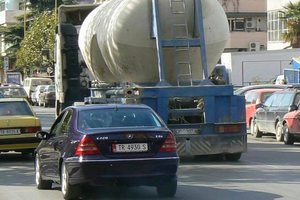
A serious accident that occurred this Wednesday with the c...

The Institute of Geosciences has shared a forecast for wea...
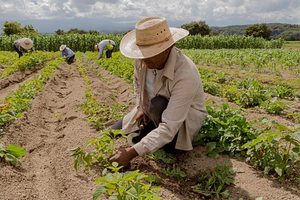
Rising energy and fertilizer prices are expected to contin...

Over 18,000 foreign citizens from 140 countries have appli...
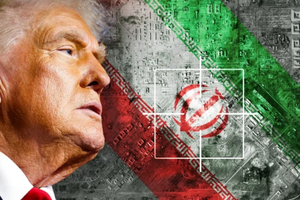
US President Donald Trump has issued another warning to Ir...
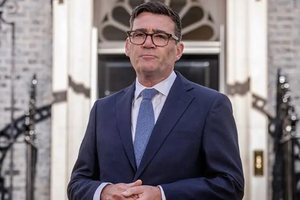
Prime Minister Andy Burnham has announced that most bus fa...

France's parliament has passed a law to ban social media f...

US Secretary of State Marco Rubio arrived in Manila on Jul...

At a time when industrial products are increasingly taking...

Trust among people is not just a three-syllable word. It c...

Master of humor Todi Llupi has passed away at the age of 7...

The ninth edition of "MIK Festival" kicked off with one of...

Businesses will no longer be required to simply register t...

Despite economic growth and income in recent years, Albani...

This Wednesday, one US dollar is bought for 81.4 lek and s...

Construction company licenses will have a validity period ...