

Macron calls for European debate on atomic weapons
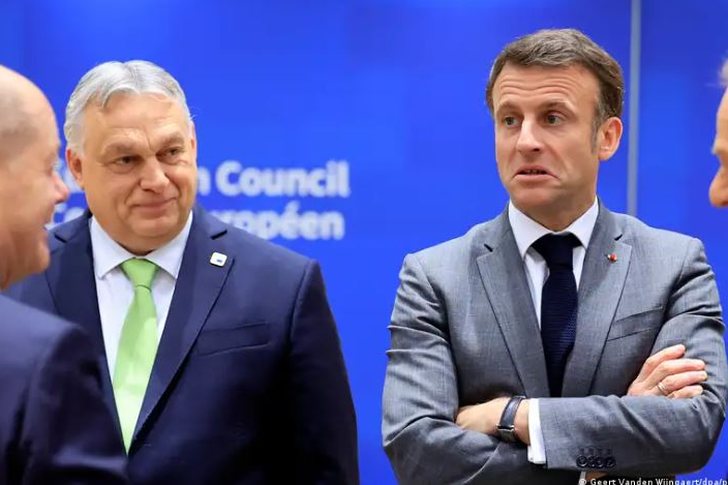
First there was French President Macron's keynote speech a...


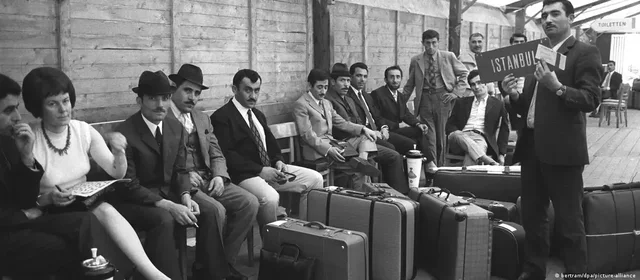
Berlin's popular Kreuzberg neighborhood remains closely associated with Turkish immigrants and their descendants – although today in the area that once stood on the western side of the Berlin Wall you're just as likely to hear English or Spanish as you are Turkish or German. Plans to erect a monument there in honor of the so-called "guest workers", especially those of the first generation, are now being concretized. The project also envisages a special memorial for former "contract workers" from Vietnam and the "brother states" during the time of communist East Berlin.
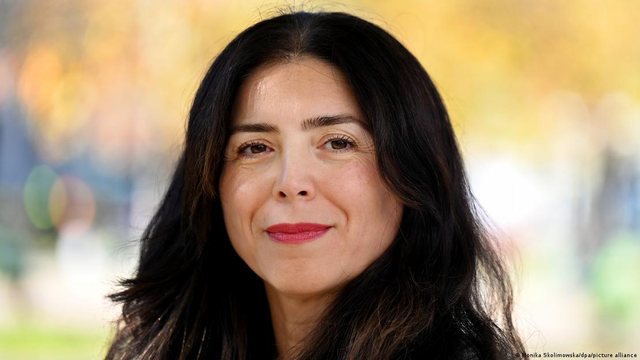
The initiator of the project is the local social democratic politician, Sevim Aydin, a member of the Berlin Senate. Aydin's parents were among the first generation immigrants who came to Germany. Aydin says that the contribution of immigrants to Germany's success has not been sufficiently recognized. "Immigrants are often depicted negatively. I think it's time to show the positive things, even for the first generation," she tells DW. "Many of them did not know how to speak German when they arrived, but they worked, raised families and contributed to make this country work. I want these people's voices to be heard."
More than 25% of Germany's 83 million inhabitants have a migrant background, according to the Federal Statistical Office. In children, this figure increases to 40%.
Over 1 million monuments are estimated to exist in Germany. However, few reflect its multicultural history. Frankfurt was the first city to come up with the idea of ??honoring the work of "guest workers" in 2004, but concrete results for the monument are not expected until the 2030s.
And while there are two museums in the northern cities of Hamburg and Bremerhaven that tell the story of German emigration across the Ocean, a museum on migration in Germany is scheduled to open in Cologne only in 2029. The project was developed from an initiative started by immigrants Turkish since the late 1980s. Social Democratic Berlin city politician Aydin hopes that the new project in Berlin will be realized sooner, so that the first generation of "guest workers" will see it alive. The aim is not only to build the same statues or monuments, but also to document the history of migration for employment reasons and the experience of migrants after the Second World War – in West and East Berlin.
"Remembrance should be about both suffering and joy," Aydin points out. She herself was six when the family reunification took place in 1978. He had left in the early 1960s, working first as a miner, then as a factory worker before opening a cafe in Berlin. Mother worked as a cleaner.
Member of the monument advisory committee and director of the FHXB Friedrichshain-Kreuzberg Museum, Natalie Bayer, tells DW that the planned project will also highlight racism. Bayer, who was raised by her Korean mother in the former West Germany, points out: "You don't really have to compare. But I think the experiences of East German 'contract workers' were racist in a much more dramatic sense."
The largest groups of immigrants arriving in the 1980s in the former communist German Democratic Republic (GDR) were from Vietnam and Mozambique. Often these contract workers were forced to surrender their passports upon arrival. But for women, pregnancy generally meant abortion or expulsion. The newcomers lived largely cut off from the East German population. Contact with the locals was not considered desirable.
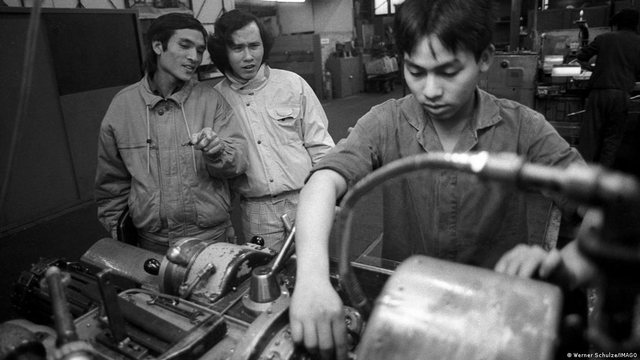
Many came with the hope or promise of better training or jobs, but they were used as free labor to support the GDR's crumbling economy. A part of their wages was kept without their consent to pay off the debts of the country they came from, to swell the coffers of the state or to fill their pockets. "We were practically modern day slaves," says Adelino Massuvira Joao, a former contract worker. Most Mozambicans returned home after the fall of the GDR and never received the portion of their wages expected with their return or promised compensation. Massuvira Joao, who stayed in Germany, has long been committed to receiving compensation from the German government.
Whereas West Germany signed the first recruitment agreement with Italy in the mid-1950s. Other countries, mainly in Southern Europe, followed. Turkish immigrants began arriving in the early 1960s and eventually became the largest group. Guest workers often ended up in poorly paid or unsavory jobs. Immigrants on both sides of the Wall faced exclusion, discrimination and racism to varying degrees. Even the Germans did not expect the guest workers to stay.
Gul Ataseven-Ozen came to Germany in 1972 when he was 18 years old. After two factory jobs, she took a job as a teacher and became politically involved. "We helped build Germany. Many people in the second generation have gone into politics or business, like my son. I spent 30 years working in education. This should be respected. We want to show future and existing generations that we are here, we have been part of the country and we have contributed", she emphasizes to DW.

Berlin's half-million-euro landmark project follows the publication a few months ago of secret far-right plans for the mass deportation of immigrants and German citizens of foreign origin. While the federal government is on the one hand seeking to attract more skilled workers from abroad due to an aging demographic, it is also taking a tough stance on irregular migration.
Migration researcher Noa Ha says the centre-left coalition government had an ambitious legislative plan to modernize Germany before it faced various crises and the rise of the far right. "We have to talk about a new German identity that is significantly more plural," says Ha, director of the German Center for Integration and Migration Research (DeZIM).
Historian and migration scholar Patrice Poutrus, whose father was Sudanese and who himself grew up in the former East Germany, said he welcomes any symbol that honors Germans with migrant roots. But given the current political climate, Poutrus adds, he fears the monument will not spark the necessary debate about who or what from the past should be commemorated and who should be accepted as an integral part of German society today.
The history of migration should be integrated into every local museum, argues Ha, adding that the planned monument in Berlin should be followed by recognition in other German cities. "The German government must start a whole new program. The monuments must be accompanied by political demand - that this is the beginning and not the end," concludes Ha./ DW

First there was French President Macron's keynote speech a...
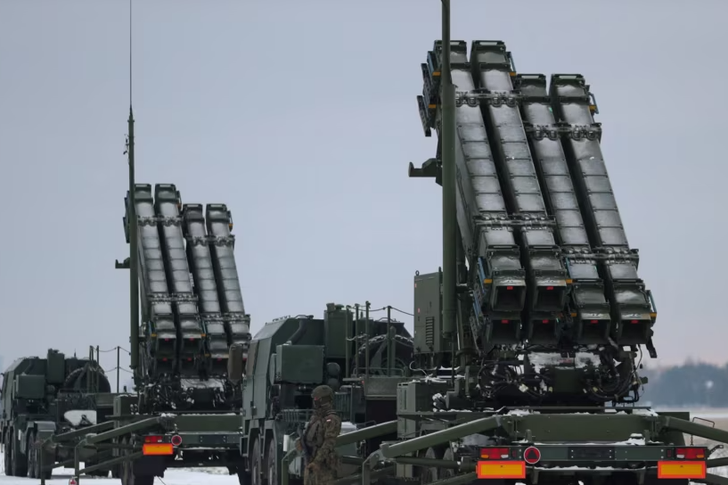
Ukrainian President Volodymyr Zelenskiy again appealed...
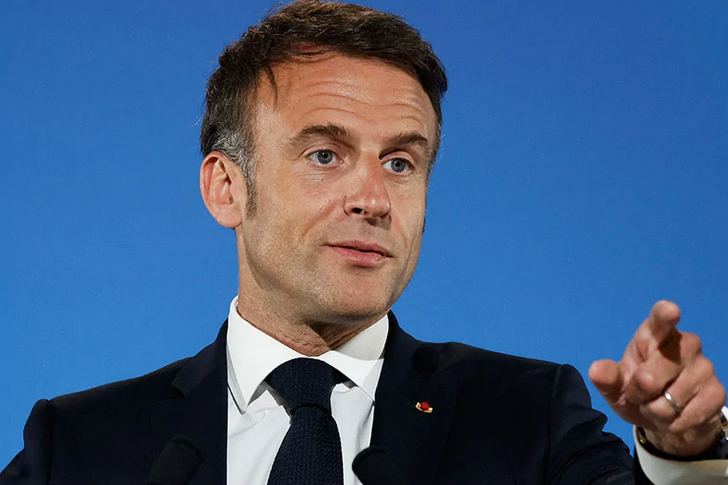
French President Emmanuel Macron has said he is ready ...
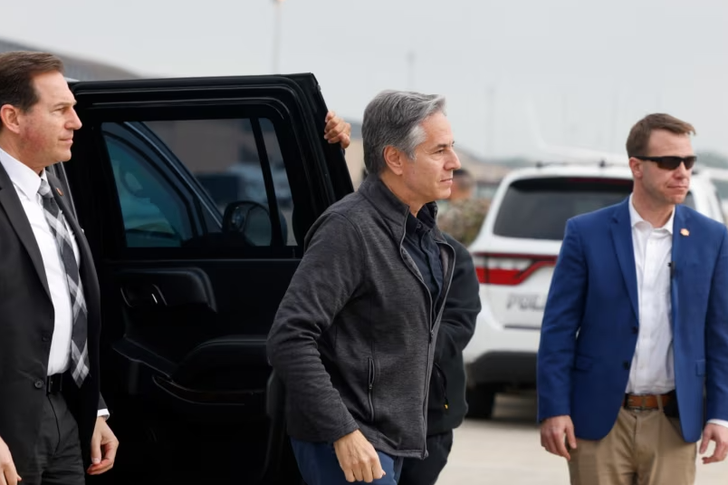
Sekretari amerikan i Shtetit Antony Blinken është nisu...
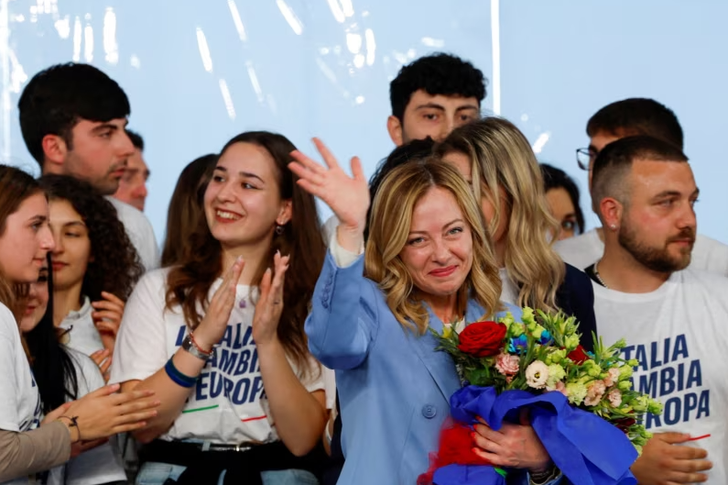
Kryeministrja italiane Giorgia Meloni njoftoi të dielë...

The arrest of independent journalists in Russia has co...
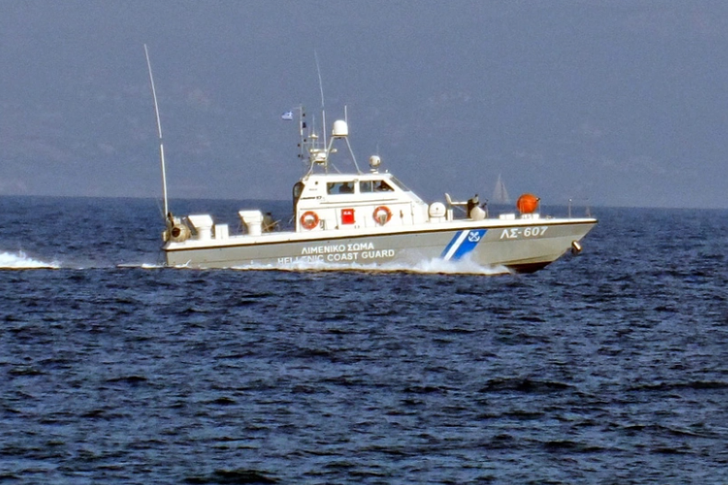
An operation by the Port Authority is underway in the ...
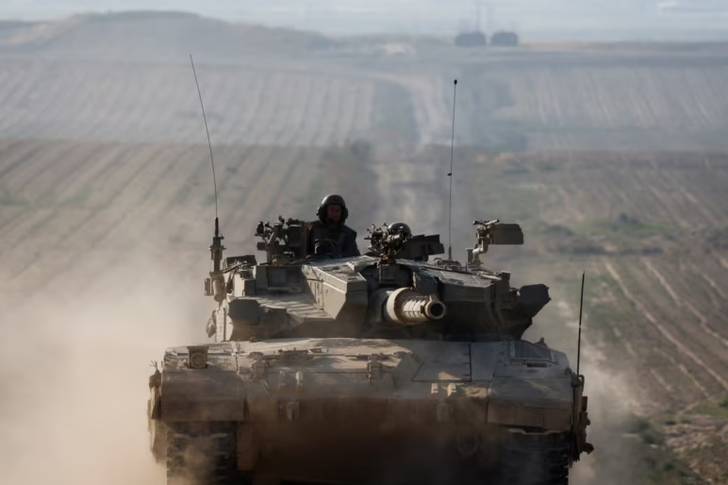
Diplomatic efforts were stepped up on Sunday with the ...
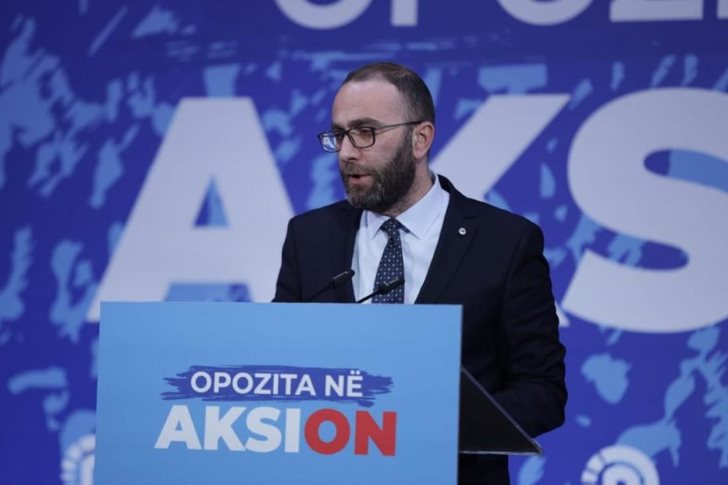
The head of the parliamentary group of the DP, Gazment...
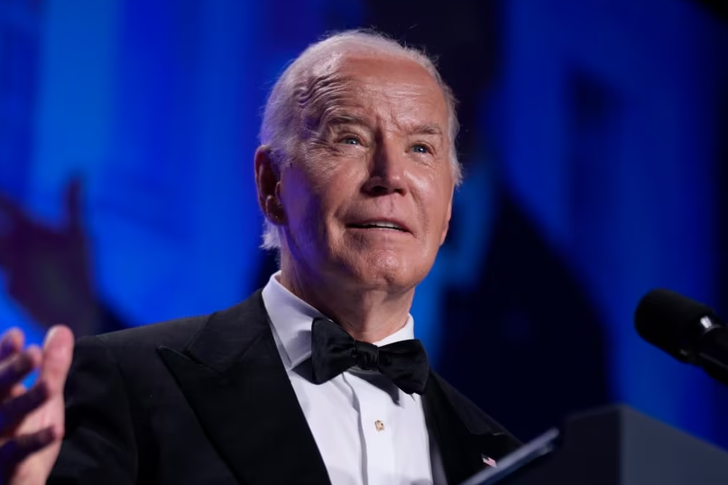
Në fjalimin mbajtur në darkën vjetore të korrespondent...
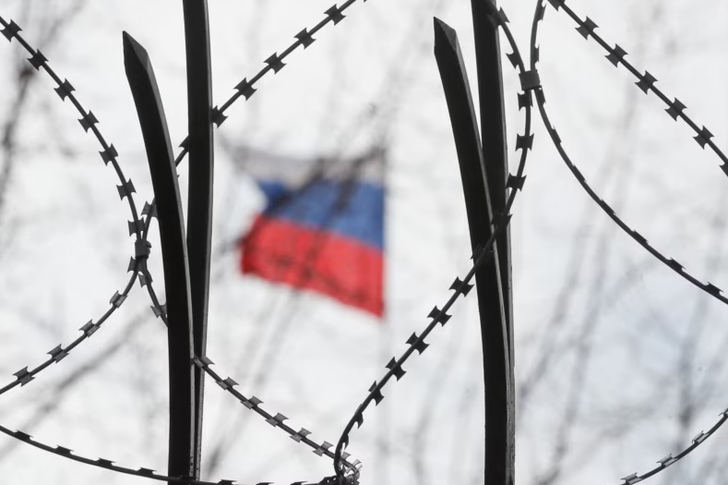
Russian officials threatened the West on Sunday that M...

China will send two adult pandas to the US state of Califo...
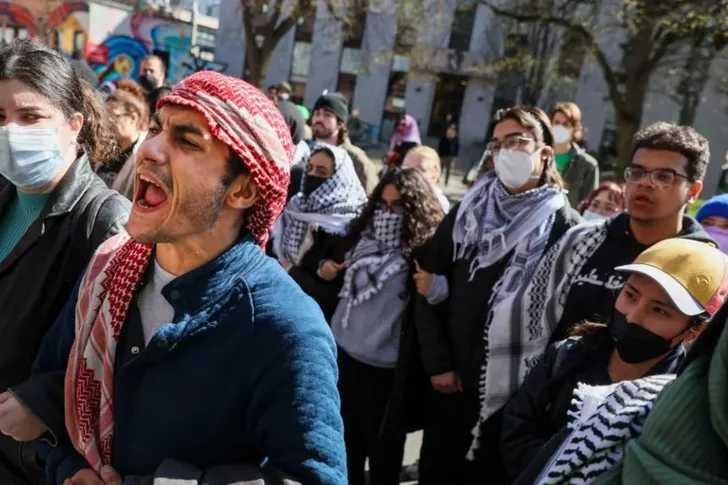
Hundreds more people were arrested on college campuses acr...
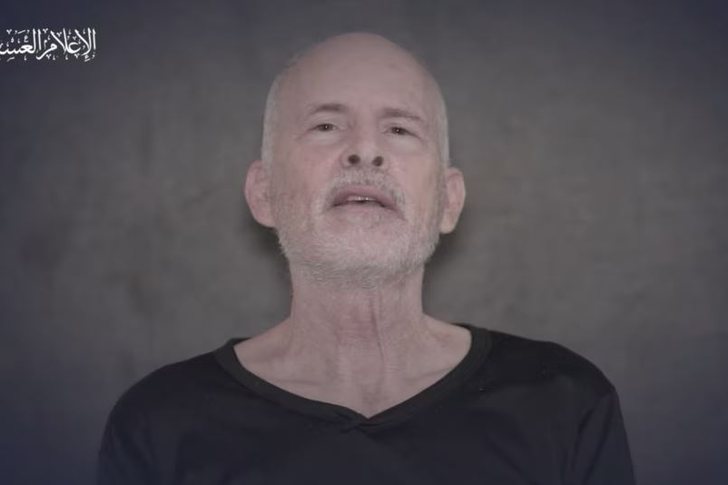
Hamas - the group designated a terrorist organization by t...
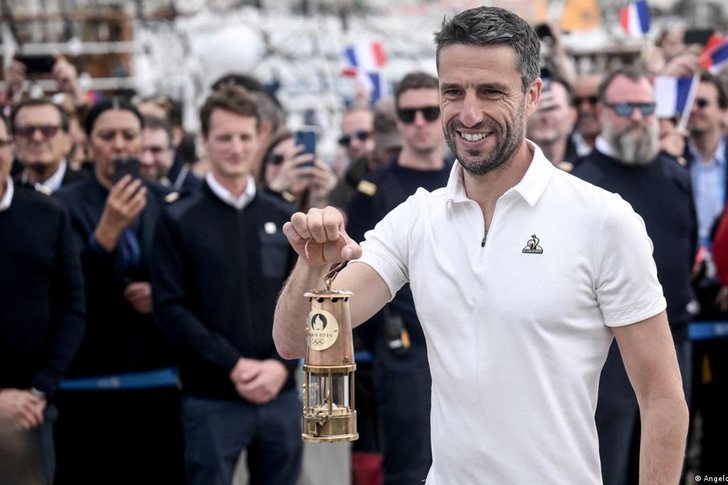
Në portin e Pireut, një delegacion francez me flakën olimp...
"Pa fermerë, nuk ka më bukë" ky ishte një slogan popullor ...
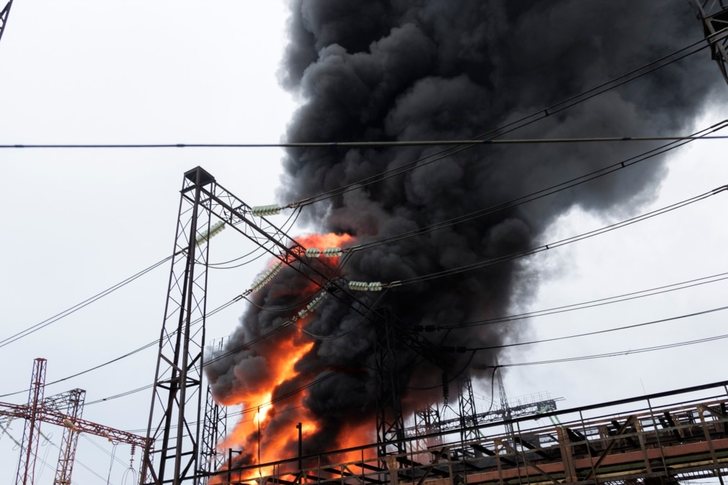
Russian missiles hit power generating facilities in centra...

About a quarter of Americans over age 50 who have not yet ...
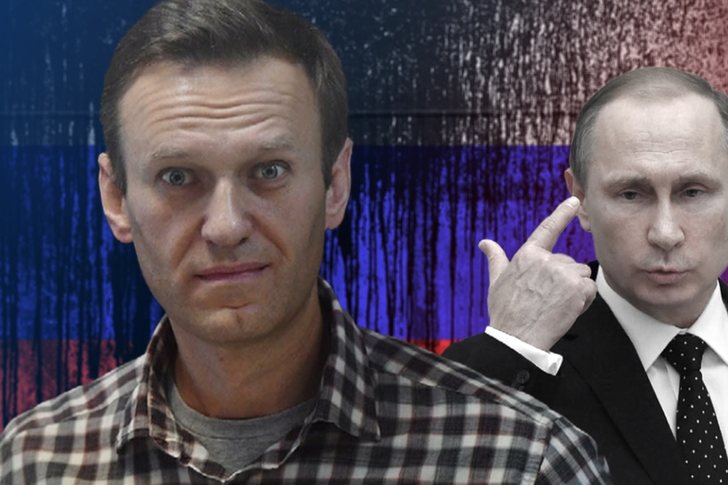
According to a Wall Street Journal article published on Sa...
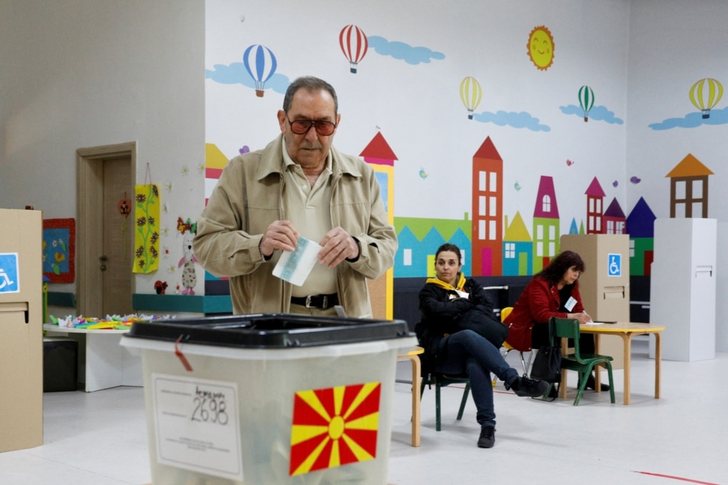
The ambassador of the European Union in Skopje, David Geer...

CNA has launched another investigation that could lead to ...

Irfan Hysenbelliu is a businessman that we call "Irfan the...

In March 2026, CNA launched another investigation centered...
The arrested mayor of Tirana, Erion Veliaj, with 13 charge...

The Special Board of Appeal (KPA) decided this Monday ...

The KPA vetting decided this Thursday to dismiss the p...

Suela Salavaçi, a prosecutor in the Prosecutor's Offic...

The Special Board of Appeal reinstated the prosecutor ...
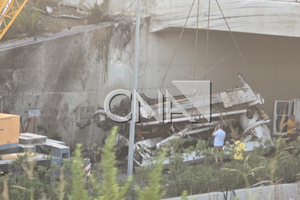
This Wednesday, around 4:00 PM, a serious accident occurre...

Tirana Police have shared details regarding the accident t...
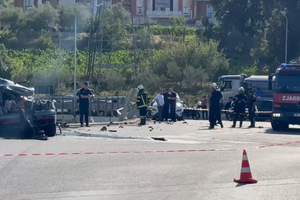
New details have emerged regarding the accident that occur...

New details have emerged from the serious accident that oc...
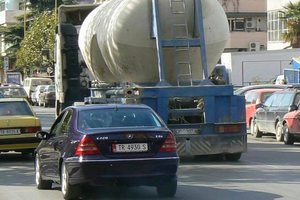
A serious accident that occurred this Wednesday with the c...

The Institute of Geosciences has shared a forecast for wea...
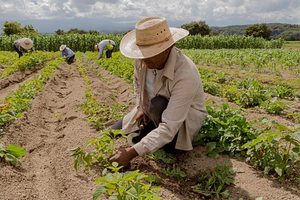
Rising energy and fertilizer prices are expected to contin...
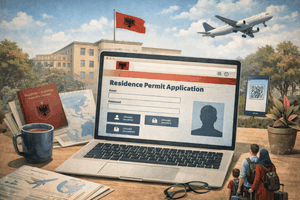
Over 18,000 foreign citizens from 140 countries have appli...
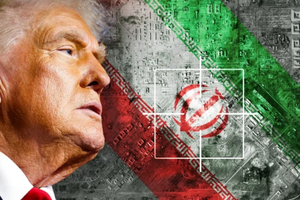
US President Donald Trump has issued another warning to Ir...
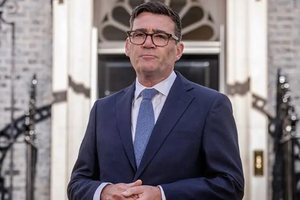
Prime Minister Andy Burnham has announced that most bus fa...

France's parliament has passed a law to ban social media f...

US Secretary of State Marco Rubio arrived in Manila on Jul...

At a time when industrial products are increasingly taking...

Trust among people is not just a three-syllable word. It c...

Master of humor Todi Llupi has passed away at the age of 7...

The ninth edition of "MIK Festival" kicked off with one of...

Businesses will no longer be required to simply register t...

Despite economic growth and income in recent years, Albani...

This Wednesday, one US dollar is bought for 81.4 lek and s...
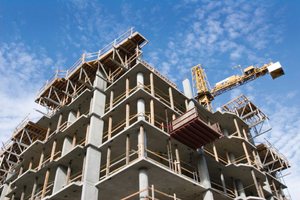
Construction company licenses will have a validity period ...