

Banks benefit from Trump's course
When companies open their books, earnings season begins in...


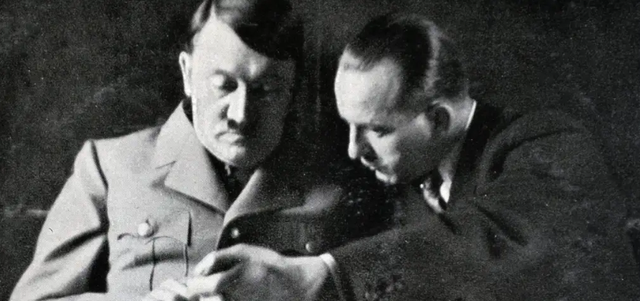
On July 18, 1925, Adolf Hitler published his ideological manifesto "Mein Kampf." The book is considered a difficult read. But its ideological legacy remains dangerous to this day.
Adolf Hitler is alive. At least on the internet. Anyone who searches for the word "Hitler" on tech billionaire Elon Musk's Platform X will instantly come across posts made just seconds ago. The internet is full of Hitler: pictures of Hitler, Hitler memes, swastikas, "Heil Hitler" slogans.
Anti-Semites, racists, conspiracy ideologues, anti-democrats and Hitler supporters are spreading their ideological poison everywhere. In Germany, in Europe, in the USA, in Latin America, in the Middle East, in India.
The German dictator died eighty years ago, but the murderer Adolf Hitler continues to do good business to this day. Second-hand shops around the world make money with old editions of Hitler's pamphlet "Mein Kampf." A German edition costs about 250 euros, the Spanish version "Mi Lucha" costs over 300 euros, and the English edition "My Struggle" costs about 600 dollars on the relevant online portals. You can also find this book for a small fee in Egyptian markets and Indian online portals.
Brutal anti-Semitism and contempt for democracy
The book is now considered a manifesto in which Adolf Hitler laid out his fanatical worldview, his brutal anti-Semitism and his contempt for democracy and social diversity - eight years before he came to power in 1933. In "Mein Kampf" he calls Germans a superior and dominant race. And long before the start of World War II he dreamed of a "Germanization" of Eastern Europe and the forcible expulsion of millions of people.
"The motive for the war is revealed in the title - that's where the whole racism really comes to the fore," Austrian historian Othmar Plöckinger explained in an interview with DW. "This means that the strongest wins, and the strongest race triumphs. But even in the individual struggle for positions and offices, the one who has the strongest will, the one with the most ruthless spirit, the one who belongs, in the broadest sense, to the best race or has the best abilities, wins."
The book's publication on July 18, 1925, caused little stir. Hitler was a failed putschist who had just spent more than a year in prison for high treason. His National Socialist movement was small and had little political influence in Germany and Austria. Hitler was facing political failure.
And at that time there were many controversial writings with nationalist content and prison memoirs on the book market. Hitler's book was also not very original - its content was a disappointment even for many of his followers, explains Othmar Plöckinger: "In the newspaper "Deutsche Zeitung" there is a famous sentence that made Hitler very angry: 'We have been fighting a nationalist defensive war for 40 years, and now a young putschist (Hitler) comes and will explain to us what political thinking means!' Nevertheless, the book became a bestseller and a financial success for Hitler.
Disaster warning
The peculiarity of Hitler's work is that, unlike other dictators, he reveals his intentions in "Mein Kampf". He does not hide his violent fantasies. In their analysis, historians say: "He decisively declares war: a future war will be a war for existence in which all considerations of humanity and aesthetics will collapse and return to nothing." Tyranny under Adolf Hitler was therefore a rule with warning.
With Hitler's suicide on April 30, 1945, and the end of World War II eight days later, his system of rule collapsed. Since then, Germans have vowed: "Never again!"
Does the phrase "Never again" still apply today?
"Despite the 'Never Again' declarations after 1945, anti-Semitism is once again showing its ugly face," says British historian Lisa Pine in an interview with DW. She teaches at the Institute of Historical Research at the University of London. "And the poisoned language today is sadly and shamefully reminiscent of Hitler's writings a century ago."
Pine even notes that not only Hitler's anti-Semitism has survived, but also his hostility to democracy. This is why it is still important to deal with Hitler's writings today. "My students were always very surprised, even shocked, when we analyzed excerpts from 'Mein Kampf.' Because when they saw the words written in black and white, they began to understand what Hitler stood for."
Alarming signals
Nikolas Lelle from the Berlin-based Amadeu Antonio Foundation, which aims to combat right-wing extremism and anti-Semitism, also sees a dangerous resurgence of right-wing extremist ideology. This is also evident in memorial visits to sites and centers where Nazi crimes are commemorated. "Among the groups and school classes that come to visit these centers from rural areas, there are now almost always some students who wear right-wing extremist symbols or right-wing extremist slogans." Graffiti with swastikas has once again become part of everyday life in Germany.
Also alarming is the fact that right-wing extremist youth in particular have become more violent in recent years.
Social media hotspot
Nearly 100 years after Adolf Hitler published his pamphlet "Mein Kampf," many of the taboos associated with his inhuman hatred have disappeared. This has been noted by historian Matthew Feldmann of Teesside University in the UK. In an essay, he describes the social and cultural de-stigmatization of the far right as a "dramatic shift." Social media is partly to blame for this.
They are well suited to the far-right's dual strategy, a strategy also used by Adolf Hitler and his fascist movement: repeatedly breaking social taboos with radical messages, in order to then present yourself as conservative and conciliatory in other places.
Nicolas Lelle of the Amadeu Antonio Foundation is therefore calling for a much greater social engagement with social media platforms. According to him, there is an essential lesson to be learned from history: "Right-wing extremism, anti-Semitism and racism need clear positions, clear lines of demarcation. This content must be despised by society - and the people who represent such content must also feel this."/ DW

When companies open their books, earnings season begins in...
The White House said U.S. President Donald Trump spoke by ...

Hungary and the Balkans are experiencing the effects of gl...
The President of Kosovo, Vjosa Osmani, expressed her posit...
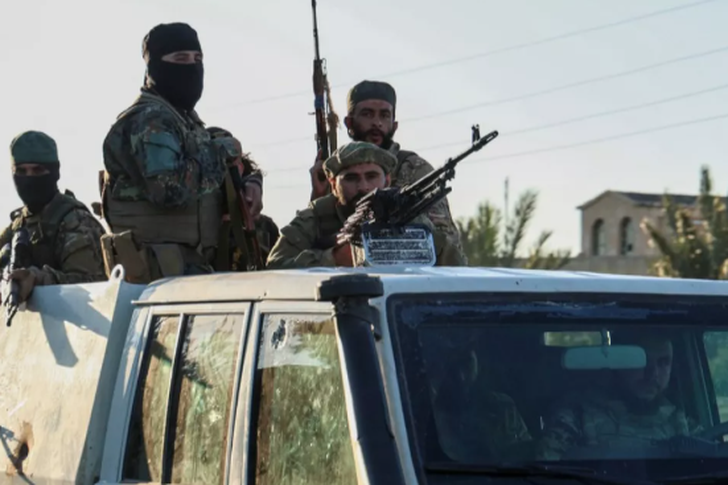
Syrian forces withdrew from the southern province of Sweid...
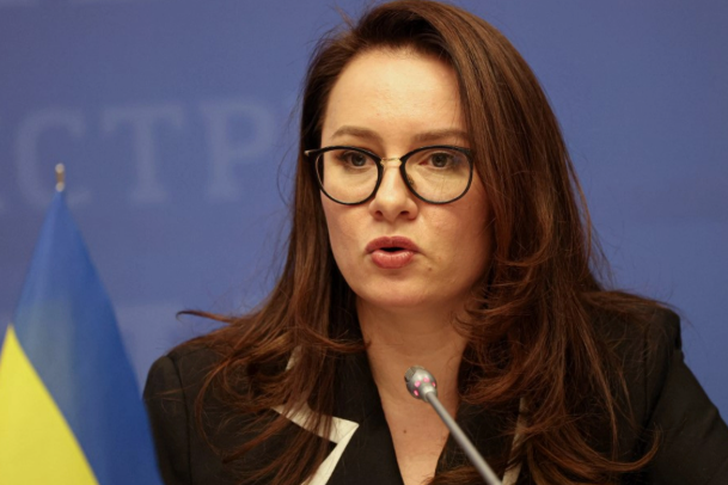
Ukrainian President Volodymyr Zelenskyy appointed a new pr...
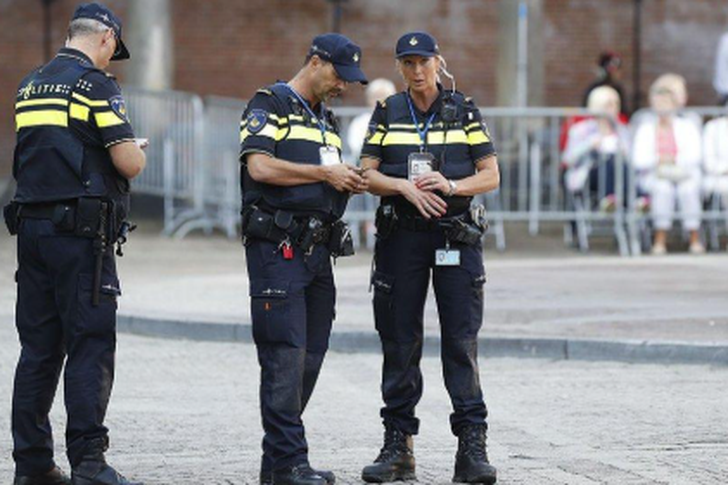
A teacher was stabbed and seriously injured at a musical p...
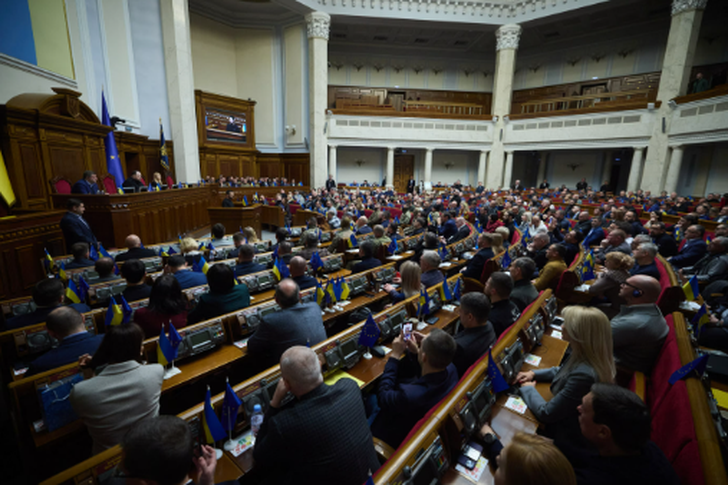
The Ukrainian parliament has approved with 253 votes in fa...
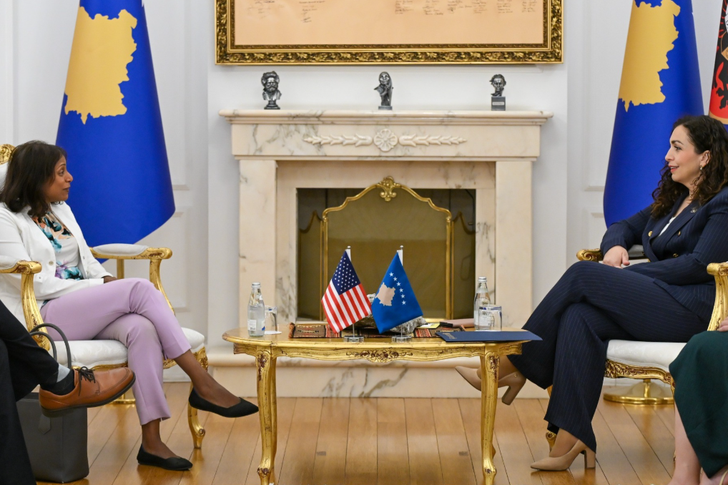
The President of Kosovo, Vjosa Osmani, received this Thurs...

The elected deputies have failed to form the new Assem...

Eight babies have been born in the UK using genetic material...
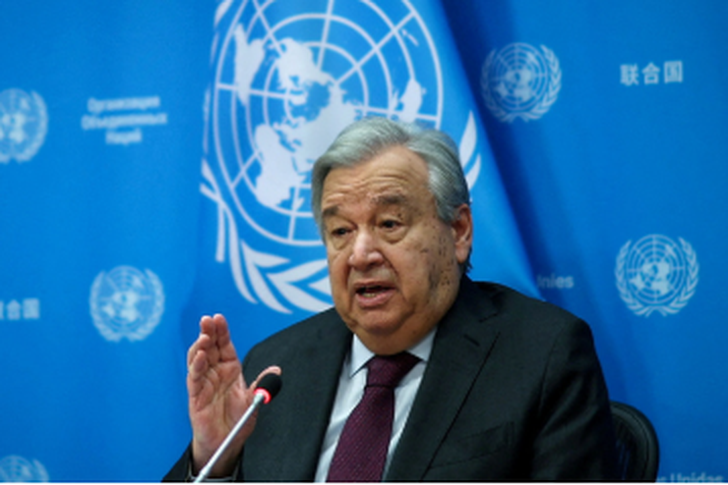
United Nations Secretary-General Antonio Guterres condemne...
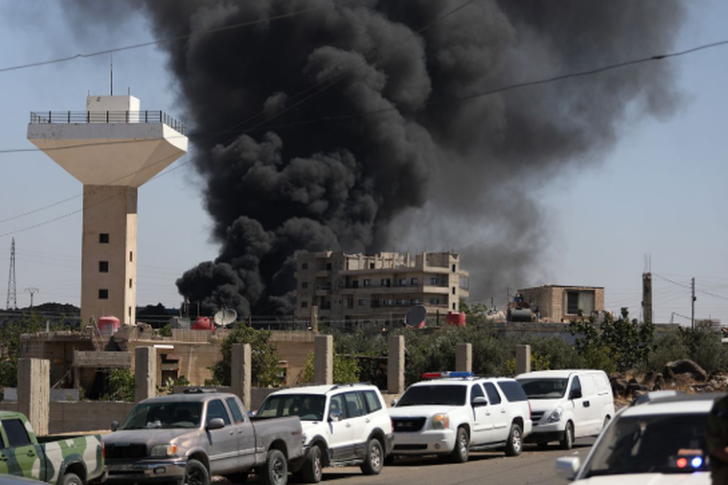
The US is calling on Syria to withdraw its troops from the...
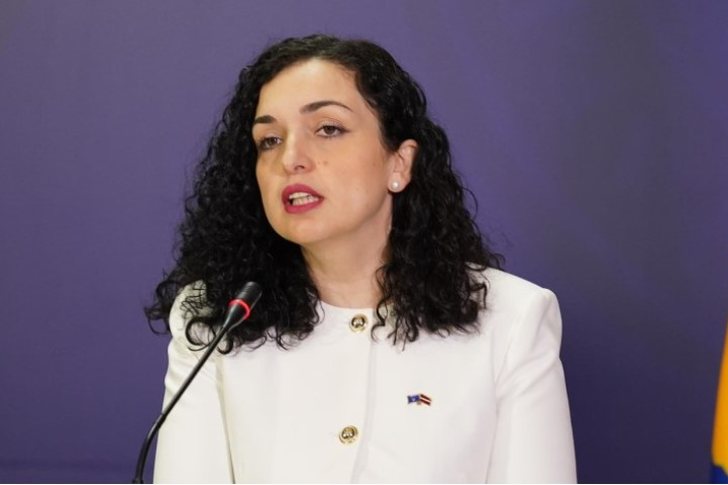
The President of Kosovo, Vjosa Osmani, has received a thre...
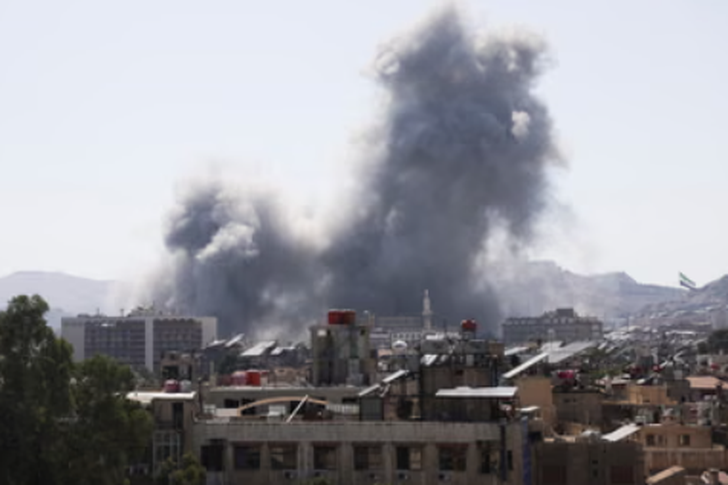
Israel struck twice today in the heart of Damascus, warnin...
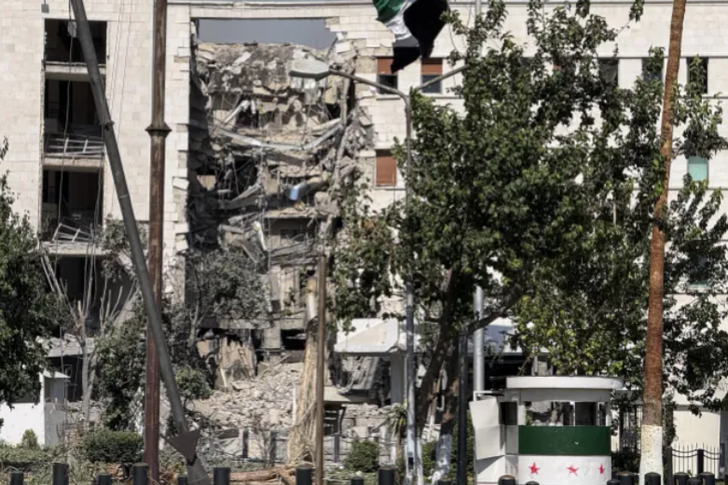
The Israeli military has launched airstrikes on the Syrian...
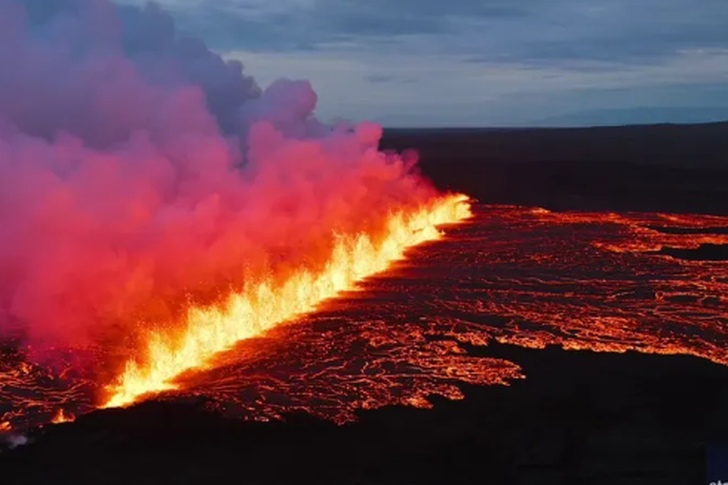
A volcanic eruption this Wednesday near Sundhnuksgígar in ...

A torchbearer for the 2012 London Olympics, Singh took up ...

The United States has made the deepest cuts, but the Unite...
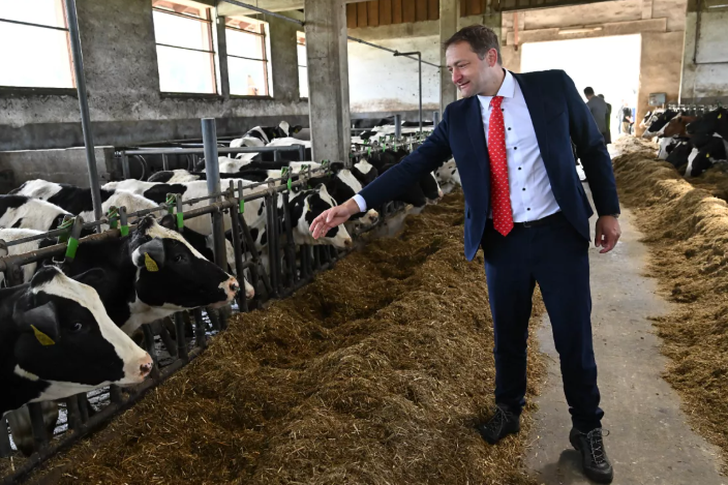
The long-awaited reform of the EU budget marks a turning p...

CNA has launched another investigation that could lead to ...

Irfan Hysenbelliu is a businessman that we call "Irfan the...

In March 2026, CNA launched another investigation centered...
The arrested mayor of Tirana, Erion Veliaj, with 13 charge...

The Special Board of Appeal (KPA) decided this Monday ...

The KPA vetting decided this Thursday to dismiss the p...

Suela Salavaçi, a prosecutor in the Prosecutor's Offic...

The Special Board of Appeal reinstated the prosecutor ...

New details have emerged regarding the accident that occur...

New details have emerged from the serious accident that oc...
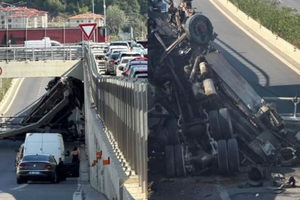
A serious accident occurred this Wednesday on the Elbasan-...
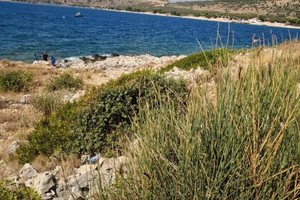
Citizen MH, 61, a fisherman, was found dead near the islan...

The Institute of Geosciences has shared a forecast for wea...
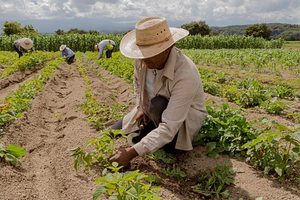
Rising energy and fertilizer prices are expected to contin...

Over 18,000 foreign citizens from 140 countries have appli...

This Wednesday, our country will be under the influence of...
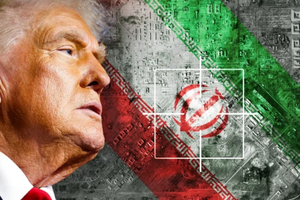
US President Donald Trump has issued another warning to Ir...

Prime Minister Andy Burnham has announced that most bus fa...

France's parliament has passed a law to ban social media f...

US Secretary of State Marco Rubio arrived in Manila on Jul...

At a time when industrial products are increasingly taking...

Trust among people is not just a three-syllable word. It c...

Master of humor Todi Llupi has passed away at the age of 7...

The ninth edition of "MIK Festival" kicked off with one of...

Businesses will no longer be required to simply register t...

Despite economic growth and income in recent years, Albani...

This Wednesday, one US dollar is bought for 81.4 lek and s...

Construction company licenses will have a validity period ...