


UN chief condemns Israeli airstrikes on Syria
United Nations Secretary-General Antonio Guterres condemne...


Eight babies have been born in the UK using genetic material from three people to prevent devastating and often fatal conditions, doctors say.
The method, pioneered by British scientists, combines egg and sperm from a mother and a father with a second egg from a donor woman.
The technique has been legal here for a decade, but now we have the first evidence that it is leading to the birth of children without incurable mitochondrial diseases.
These conditions are normally passed from mother to child, leaving the body without energy.
It can cause severe disabilities and some babies die within a few days of birth. Couples know they are at risk if previous children, family members or the mother have been affected.
Children born through the three-person technique inherit most of their DNA, their genetic blueprint, from their parents, but also receive a small amount, about 0.1%, from the second wife. This is a difference that is passed down from generation to generation.
None of the families who have gone through this process are speaking publicly to protect their privacy, but have issued anonymous statements through the Newcastle Fertility Centre where the procedures took place.
Mitochondria are tiny structures inside almost every one of our cells. They are the reason we breathe, as they use oxygen to convert food into the form of energy that our bodies use as fuel.
Defective mitochondria can leave the body with insufficient energy to keep the heart working, as well as cause brain damage, seizures, blindness, muscle weakness and organ failure.
Around one in 5,000 babies are born with mitochondrial disease. The team in Newcastle predicts there will be a demand for 20 to 30 babies born using the three-person method each year.
Some parents have faced the agony of seeing many children die from these diseases.
Mitochondria are only passed from mother to child. So this pioneering fertility technique uses both parents and a woman who donates her healthy mitochondria.
The science was developed more than a decade ago at Newcastle University and the Newcastle upon Tyne NHS Hospitals Foundation, and a specialist service opened within the NHS in 2017.
Eggs from the mother and the donor are fertilized in the laboratory with the father's sperm.
Embryos develop until the DNA from the sperm and egg forms a pair of structures called pronuclei. These contain the blueprints for building the human body, such as hair color and height.
The pronuclei are removed from both embryos and the parents' DNA is placed inside the embryo filled with healthy mitochondria.
The resulting child is genetically related to its parents, but must be free of mitochondrial diseases.
The UK not only pioneered the science of triplets, but also became the first country in the world to pass laws allowing their creation after a vote in Parliament in 2015.
There was controversy as mitochondria have their own DNA, which controls how they function.
This means that the children inherited DNA from their parents and about 0.1% from the donor woman.
Any girl born through this technique will pass this on to her children, so it is a permanent change to human genetic inheritance.
This was a step too far for some when the technology was debated, raising fears that it would open the door to genetically modified "designer" babies./ CNA

United Nations Secretary-General Antonio Guterres condemne...

The US is calling on Syria to withdraw its troops from the...
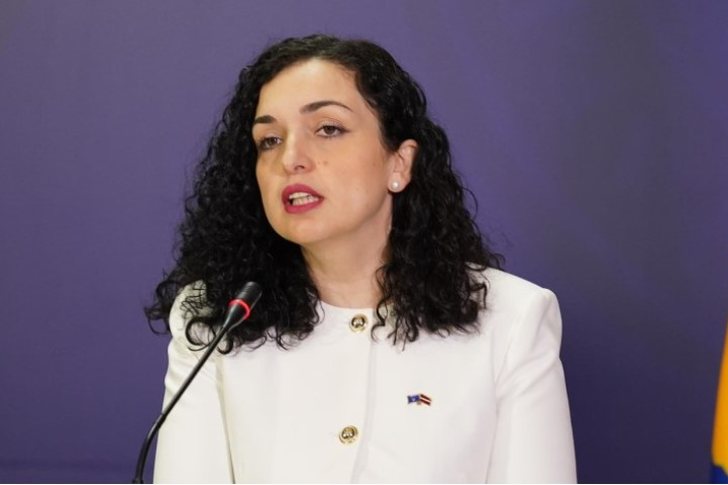
The President of Kosovo, Vjosa Osmani, has received a thre...

Israel struck twice today in the heart of Damascus, warnin...

The Israeli military has launched airstrikes on the Syrian...

A volcanic eruption this Wednesday near Sundhnuksgígar in ...

A torchbearer for the 2012 London Olympics, Singh took up ...
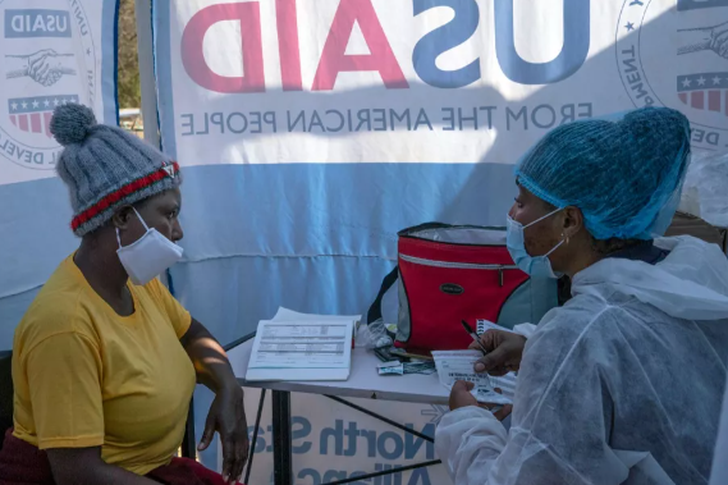
The United States has made the deepest cuts, but the Unite...
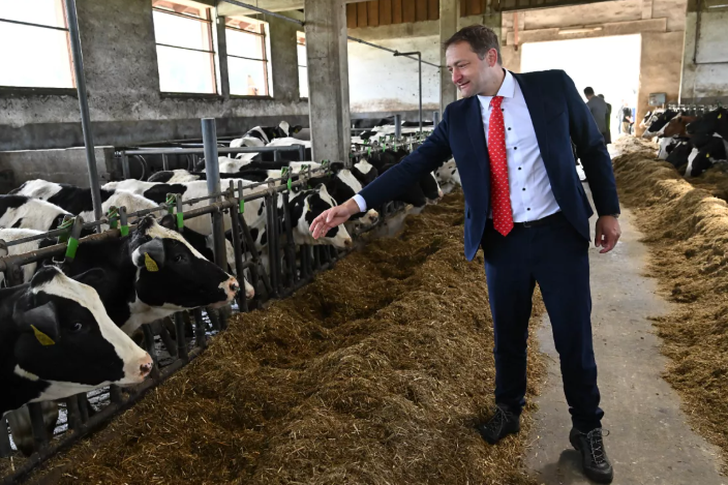
The long-awaited reform of the EU budget marks a turning p...

The Trump administration says it has launched an investiga...

Cuban Minister of Labor and Social Security, Marta Elena F...
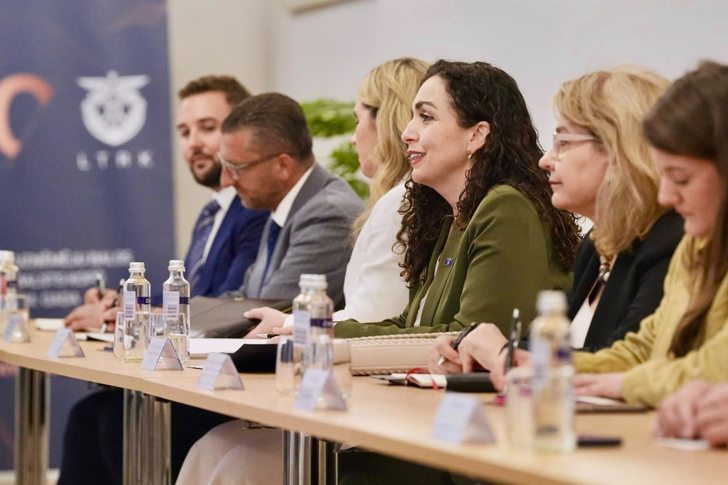
The President of Kosovo, Vjosa Osmani, continued today the...

US President Donald Trump said today that Ukrainian Presid...
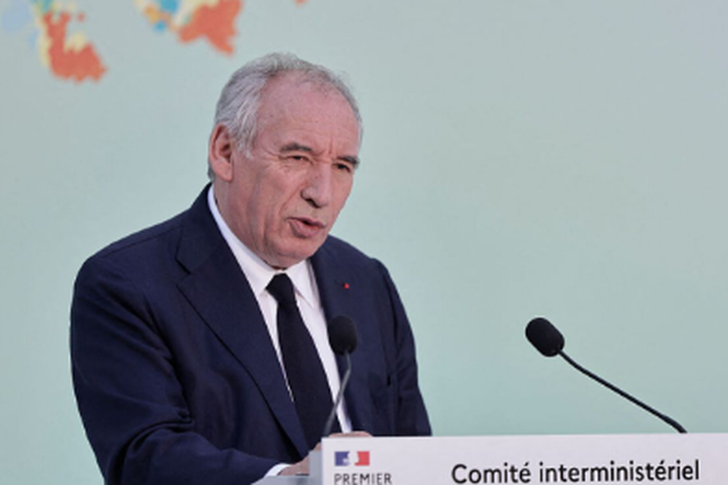
France's Prime Minister, François Bayrou, has presented pl...

Fierce fighting and an Israeli airstrike have led to casua...
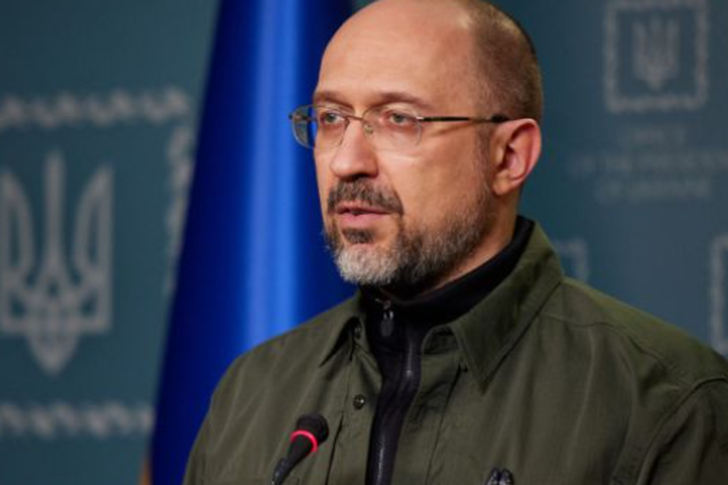
Ukrainian Prime Minister Denys Shmyhal announced on Tuesda...
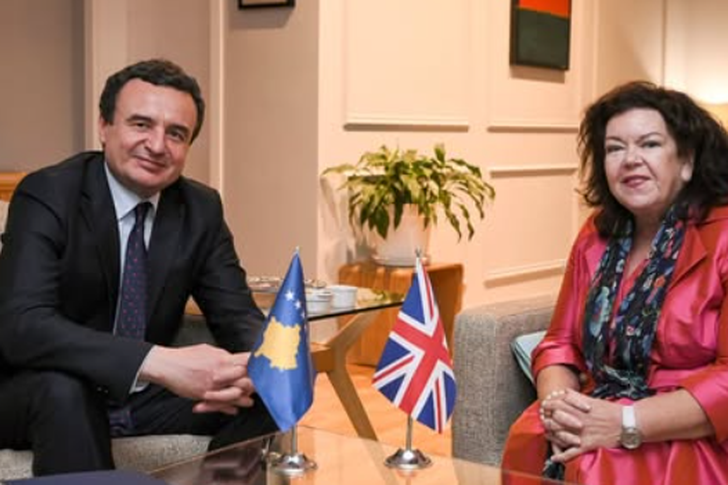
The Prime Minister of Kosovo, Albin Kurti, held a meeting ...

Kiev and Odessa are under the most massive Russian attacks...

At least 40 dead, including children: conflict between Dru...

The presence of the hepatitis A virus has been detected in...
CNA has launched another investigation that could lead to ...

Irfan Hysenbelliu is a businessman that we call "Irfan the...
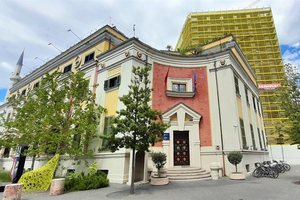
In March 2026, CNA launched another investigation centered...
The arrested mayor of Tirana, Erion Veliaj, with 13 charge...

The Special Board of Appeal (KPA) decided this Monday ...

The KPA vetting decided this Thursday to dismiss the p...

Suela Salavaçi, a prosecutor in the Prosecutor's Offic...

The Special Board of Appeal reinstated the prosecutor ...

New details have emerged regarding the accident that occur...

New details have emerged from the serious accident that oc...

A serious accident occurred this Wednesday on the Elbasan-...

Citizen MH, 61, a fisherman, was found dead near the islan...

A serious accident that occurred this Wednesday with the c...

The Institute of Geosciences has shared a forecast for wea...

Rising energy and fertilizer prices are expected to contin...

Over 18,000 foreign citizens from 140 countries have appli...

US President Donald Trump has issued another warning to Ir...

Prime Minister Andy Burnham has announced that most bus fa...

France's parliament has passed a law to ban social media f...

US Secretary of State Marco Rubio arrived in Manila on Jul...
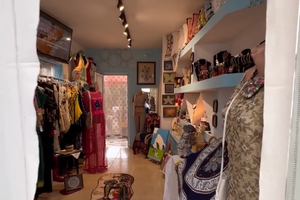
At a time when industrial products are increasingly taking...

Trust among people is not just a three-syllable word. It c...

Master of humor Todi Llupi has passed away at the age of 7...

The ninth edition of "MIK Festival" kicked off with one of...

Businesses will no longer be required to simply register t...

Despite economic growth and income in recent years, Albani...

This Wednesday, one US dollar is bought for 81.4 lek and s...

Construction company licenses will have a validity period ...