

Foreign currencies fall/ Exchange rate, May 18, 2024
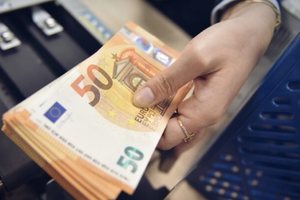
Today, on May 18, 2024, in the foreign exchange market, th...


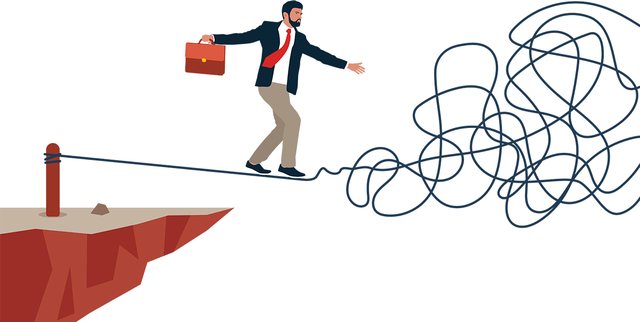
Albania has a history of transition characterized by high instability of the tax regime. The laws that regulate the tax system in the country have changed so often that they have lost their true purpose and turned into an administrative tool to fill the budget.
In theory, fiscal policy refers to the use of government spending and tax policies to influence economic conditions, particularly macroeconomic ones. These include aggregate demand for goods and services, unemployment, inflation and economic growth.
The balance between a sustainable fiscal policy that taxes fairly and spending this money to create public goods and increase the well-being of the population remains key to the success of a government's policies.
In Albania, in the last decades, for the most part, the fiscal policy has failed to create a stable environment to promote businesses and private investments.
Fiscal policy is the most unpredictable element in businesses. For example, the old income tax law in two decades has changed more than 30 times (on average it has changed at least 1.5 times a year).
Even the new law, which was approved in March 2023, was revised twice before it came into effect. The law on tax procedures, in less than two decades, has undergone over 20 changes.
In every law that you open on the website of the General Directorate of Taxes, you will see texts written in endless colors, where each of them shows how many times it has been revised. Year after year, when the government throws out the new fiscal package for discussion (often out of hand), businesses look for stability.
The latter complain that their business plans are often blown up by the simple fact that the tax regime changes in the middle of the year, making it difficult for them to plan or implement sustainable investments.
It is expected that in an economy with rapid growth and development there will be legal changes. But these revisions must be well researched and serve the objective of fiscal policy to stimulate the economy, private investment and fair competition.
In fact, the opposite happens. Business chambers have repeatedly complained that the frequent 'ad hoc' changes have undermined the stability and transparency of the tax system, increase the administrative costs of taxpayers and negatively affect the attraction of foreign investments in the country.
There are no in-depth analyses, by specialized institutions, of the effects these changes have on businesses and the country's economy. Long-term strategies that would reduce uncertainty and guarantee sustainability of tax policies are missing. All of these bring as a chain effect continuous problems in the implementation in the field, increasing uncertainties and bringing additional costs to enterprises, and not only.
If there is an indicator that best measures the failure of fiscal policies, it is the level of evasion. Today, Albania has the lowest tax yield, with revenues that are 27-28% of the Gross Domestic Product (GDP), from about 35%, which is the average of the countries of the region, and over 40% of the GDP in the countries of developed countries of Europe, despite the fact that tax levels are not among the lowest in the region or Europe.
A recent survey of businesses conducted by the Investment Council (a platform set up by the Albanian authorities with the support of the EBRD to increase dialogue between the government and the private sector) found that informality in the economy is currently higher than in 2019 .
According to the survey, the most important factor that promotes informality is the fiscal burden at the central level, which has replaced the unfair competition that resulted in 2019-2022.
Tax increases over the past decade and the pathways that legislation has enabled have undermined many efforts to broaden the taxpayer base and bring more revenue into the budget.
The most typical case is with the income tax law, which on the one hand, from 2014 charged middle-class individuals up to 23%, while leaving the tax burden on businesses almost zero, then making it completely zero in 2021.
For an entire decade, policymakers tried to combat the evasion they enabled while they "blamed" taxpayers for the trails they paved. These paths have not yet been closed, as the report of the Investment Council stated and the experts affirm, informality is expected to increase.
The reasons why the informal economy grows are not difficult to discover: high taxes, the high cost of doing business legally, unclear tax legislation with numerous exceptions and interpretations, arbitrary application of laws, inaccuracies in lending tax, corruption and so on.
Without addressing the main factors, legislative changes will not serve the economy, but will only turn into a boomerang./ Monitor.al

Today, on May 18, 2024, in the foreign exchange market, th...

Medicinal plants, tomatoes, cucumbers, peppers, olives, wa...
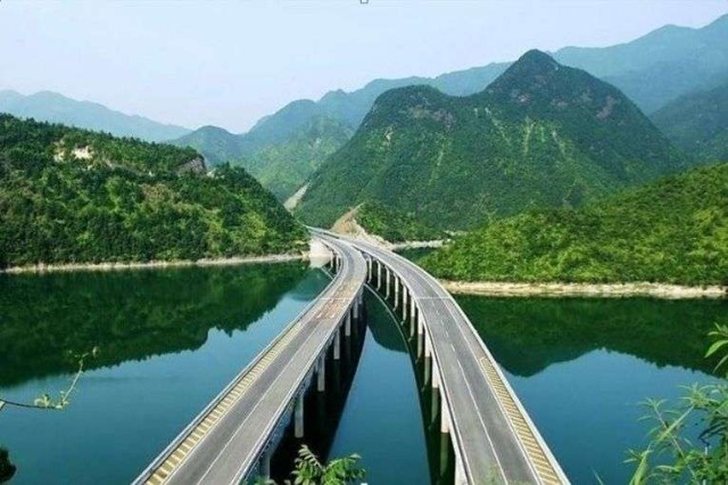
The project for the construction of the Muriqan-Lezhë ...
Government work, although it continues to be a favorit...
Today, on May 17, 2024, in the foreign exchange market, th...

The yield of 15-year bonds fell significantly at this week...
Today, May 16, 2024, in the foreign exchange market, the A...
The Albanian economy is expected to grow by 3.3 percent in...
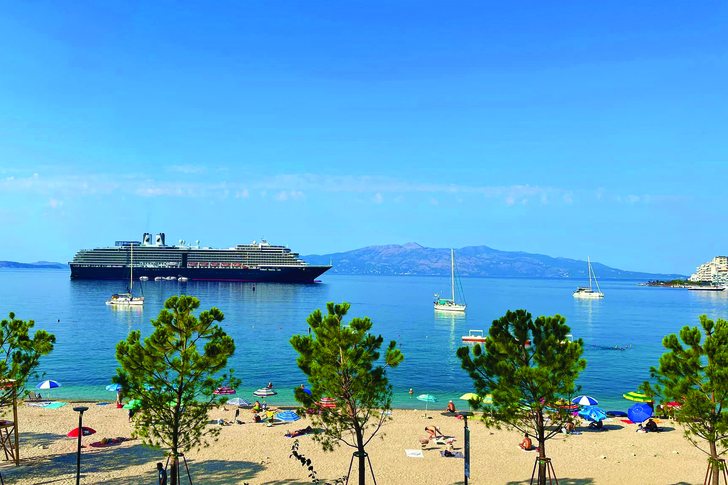
Albania is the country that had the best tourism perfo...

The majority of CEOs in Albania (62%) think that the local...
12-month bond yields fell at this week's auction. Accordi...

Today, on May 15, 2024, in the foreign exchange market, th...
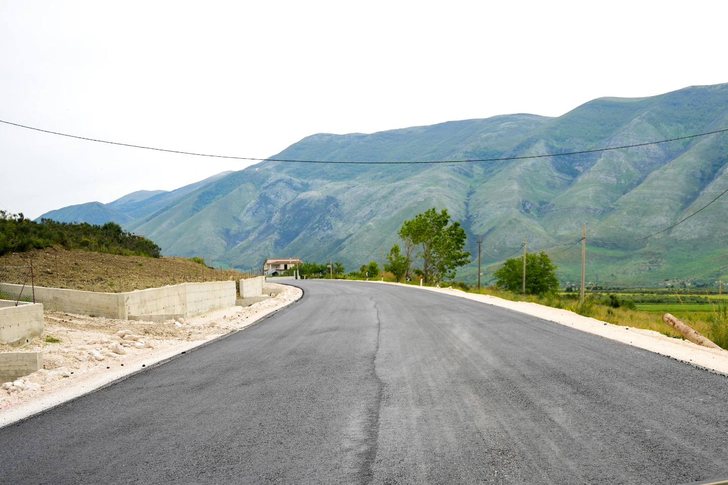
Among the most financed investment projects in 2023 were t...
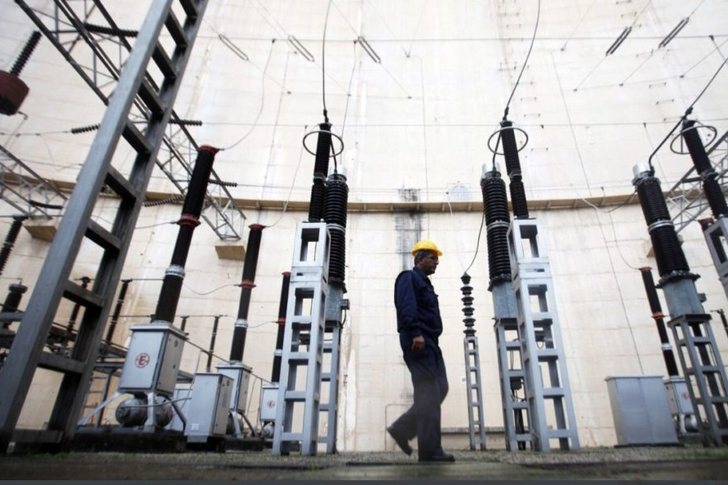
The Energy Regulatory Authority (ERE) announced that there...

Remote banking (home banking), via the Internet or mobile ...

Chronic diseases are increasing rapidly, as funds for reim...
Today, on May 14, 2024, in the foreign exchange market, th...
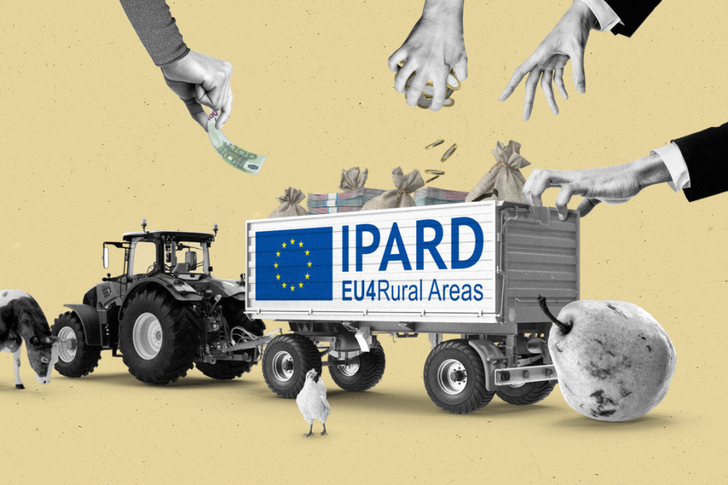
Farmers in Albania, Montenegro and North Macedonia face si...

Individuals' investments in bonds and bonds of the Albania...

Today, on May 13, 2024, in the foreign exchange market, th...

CNA has launched another investigation that could lead to ...

Irfan Hysenbelliu is a businessman that we call "Irfan the...

In March 2026, CNA launched another investigation centered...
The arrested mayor of Tirana, Erion Veliaj, with 13 charge...

The Special Board of Appeal (KPA) decided this Monday ...

The KPA vetting decided this Thursday to dismiss the p...

Suela Salavaçi, a prosecutor in the Prosecutor's Offic...

The Special Board of Appeal reinstated the prosecutor ...

A road accident occurred this evening on Nikolla Zoraqi St...

Three people were shot and wounded in Elbasan last night b...
A serious incident occurred this Tuesday in the Yrshek are...

An accident occurred this Tuesday on "Dituria" street in K...
All of Southern Europe will face changing weather conditio...
Albania was hit by temperatures significantly higher than ...

For the first time, Pogradec welcomed the Inter-Lake Chess...
Albania has achieved a record for the employment of foreig...

US Secretary of State Marco Rubio arrived in Manila on Jul...
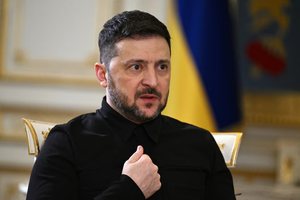
In the space of a few days, Ukrainian President Volodymyr ...

The spokesman for the Iranian Foreign Ministry warned Bulg...

Autoritetet italiane sekuestruan pako me afër 800 kilogram...

At a time when industrial products are increasingly taking...

Trust among people is not just a three-syllable word. It c...

Master of humor Todi Llupi has passed away at the age of 7...
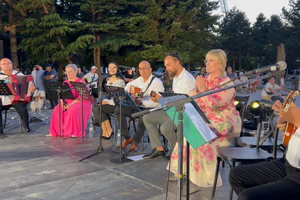
The ninth edition of "MIK Festival" kicked off with one of...

Construction company licenses will have a validity period ...
The Centralized Purchasing Operator recently opened a tend...
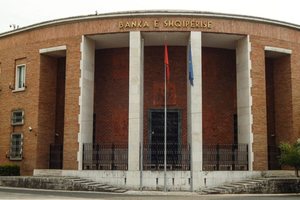
The new draft law "On the Bank of Albania" provides that t...
This Tuesday, one US dollar is bought for 81.2 lek and sol...