


Investments of individuals in bonds and bonds fell again in the first quarter of 2024
Individuals' investments in bonds and bonds of the Albania...


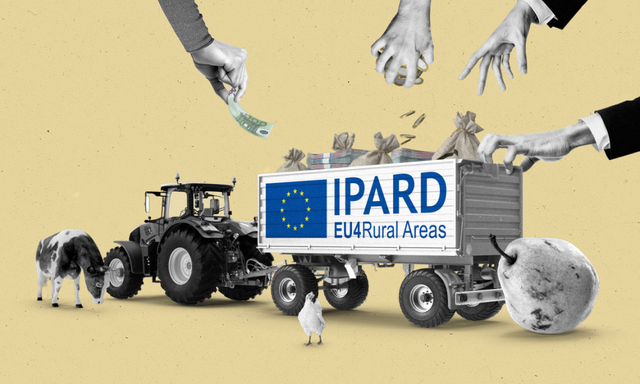
Farmers in Albania, Montenegro and North Macedonia face similar challenges when trying to access funding from the European Union's IPARD programme.
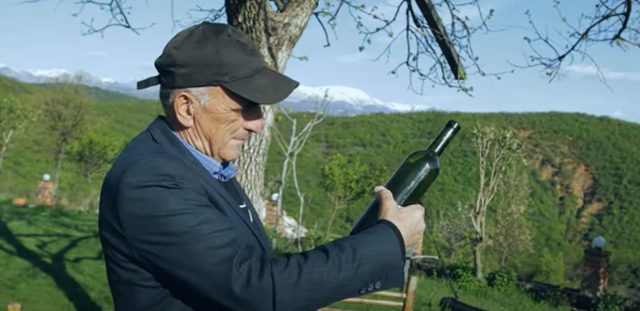
Preng Doda started farming in 1985, when Albania was still a communist state, but it was only ten years ago that he started producing wine.
Now 69 years old, Doda cultivates grapes on two hectares of land in the village of Tenë, part of the mountainous north of Albania. He built a winery from his savings and bought or borrowed equipment used to make the wine.
The climate is colder than in the south, but Doda is persistent and the vines bear fruit.
It was this same persistence that helped Doda secure funding in 2022 from the European Union to upgrade his winery and production equipment.
"I prepared the project with some specialists", he said. "The criteria were very difficult to meet."
As a candidate country for EU membership, Albania qualifies for tens of millions of euros per year in grants from the bloc's Instrument for Pre-Accession Assistance in Rural Development, IPARD.
But like its neighbors and fellow membership candidates, Montenegro and North Macedonia, Albania is struggling to spend the grants offered within the EU's deadline. Doda's success is far from the norm.
In fact, small farmers often struggle with paperwork and finding the capital they need to raise to qualify. Corruption is also a problem.
In western Albania, a veteran farmer who asked to be identified only by his first name, Kasemi, said he needed support from the state in production and sales, but had not received any information about the IPARD program.
"In Albania, the farmer's time is busy and he is busy all day", Kasemi said. "There is no time for a farmer to be on the phone or in front of the TV. So I didn't get any information. It is not that there was any campaign in the village to introduce us to this project. At least not in our village.”
In Kocani, in eastern North Macedonia, Bozhidari, who also asked to be identified only by his first name, said he had never applied for EU funds.
"I didn't have accurate information, so I had no idea that I could apply for these grants," he told BIRN. When he took a look at it, he said he had the impression that it "required a lot of documentation" and that it was difficult to understand.
In Montenegro, which is highly dependent on imports and needs large agricultural investments, data from the Ministry of Agriculture show that 80 percent of IPARD funds go to companies rather than small farmers, despite the fact that companies such constitute only two percent of the total number of registered farms.
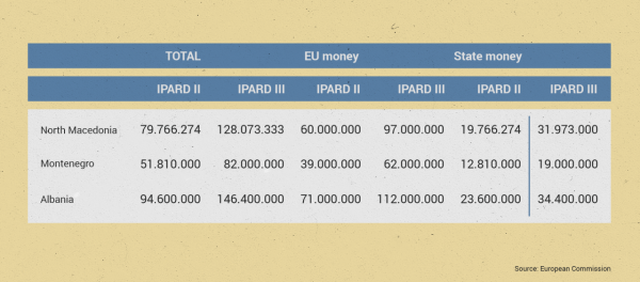
Under the IPARD II programme, Montenegro was entitled to a funding of 52 million euros between 2014 and 2024, 80 percent of this funding from the EU. By the end of 2023, around €35m had been distributed to farmers, according to government figures, prompting the European Commission – the EU's executive arm – to extend the duration of the project until the end of 2024.
The country has already returned 1.7 million euros of unused funds in 2021 and 2022.
The Ministry of Agriculture blamed the practice among suppliers of increasing the price of machinery and equipment immediately before or during any public call for applications, meaning farmers have to pay the difference out of their own pockets.
But speaking to BIRN in October last year, the EU delegation in Montenegro said the last two public calls for applications had shown growing interest, with a high number of better quality applications.
"Farmers and agribusinesses are now applying with better developed business plans," the delegation said. "The number of incomplete applications with incomplete documentation, a major problem, especially in the first calls of the program, has already decreased."
Under the next installment of the program, IPARD III, even more money will be made available – 60 percent more than in IPARD II.
"The learning process at different levels (producers, processors, suppliers, national administration) has taken some time, but the numerous information campaigns organized by the Ministry of Agriculture throughout the country have now yielded results," said the delegation.
In a report published by the European Commission in July 2023, the IPARD irregularities reported by Albania accounted for the largest part of the money involved (€33 million out of €39 million).
"This was mainly due to four irregularities that together amount to around 31 million euros," said the Commission. "Other irregularities involved much lower amounts, mostly below €100,000, in some cases below €10,000."
Afrim Krasniqi, director of the Institute of Political Studies in Tirana, said that all international donors expect a "loss of money" during a donation period, due to corruption, unaccounted expenses of human resources, political developments, etc.
"When this limit (of expected losses) is exceeded, i.e. the red line is crossed, the EU becomes concerned and intervenes in other levels of investigation," he said. IPARD II funds for Albania are a good example of EU intervention when funds are misused, he said.
Among the hundreds of beneficiaries of IPARD in Albania are a number known for political and criminal connections.
Among them is Elvis Roshi, a former politician, whose mandate as mayor of Kavaja was terminated after the discovery of his criminal records, including a conviction for rape in Italy. In 2018, Roshi was sentenced to seven months and 15 days in prison for concealing his criminal record on a declaration form for public office, although he ultimately avoided prison.
After leading Kavaja between 2011 and 2016, Roshi founded the agritourism company Kavaljon and, despite having limited experience in agriculture, secured IPARD grants twice.
According to the official data of the Albanian Agency for Agriculture and Rural Development, AZHBR, in 2021, Kavaljon won a contract worth 8.5 million lek or about 83,300 euros, for a citrus and sage plantation. But the company had to return an initial installment of 41,676 euros due to breach of contract.
In the same year, in a second application under the name Rikonstruksion Bujtine, Roshi received an IPARD II grant of 21.8 million lek or 214 thousand euros.
Roshi was not the only beneficiary who was eventually asked to repay the funds. According to the data of AZHBR, 73 grant recipients were asked to return the money they received. Therefore, 12 legal proceedings were initiated within the framework of IPARD II.
The EU delegation said that, despite some progress, corruption remains a serious concern in Albania.
"In general, corruption is widespread in many areas of public life and business, and preventive measures continue to have limited impact, especially in vulnerable sectors," the delegation said.
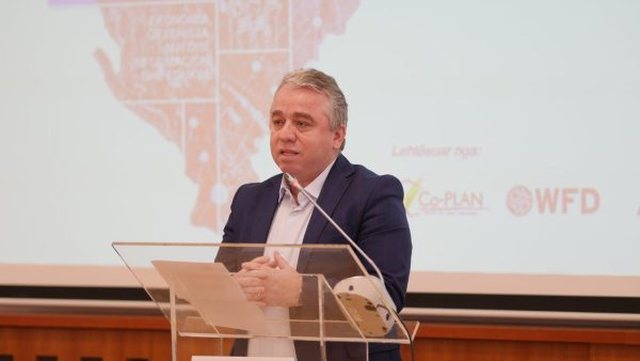
"These investments (by IPARD beneficiaries) were seen by the public as misused," said Krasniqi. "The news about them had no impact, did not attract attention. Only when they were addressed by the EU's anti-corruption structures was there a reaction."
Zef Preçi, head of the independent Albanian Center for Economic Research, agreed, telling BIRN that the implementation of the IPARD project in Albania was an example of misgovernance and the interference of patronage and corrupt interests in the agricultural sector.
Most of the money went to self-proclaimed farmers with very little farming experience.
"Regardless of the source of funding, whether from the state budget, loans from international financial institutions or donations, corruption has the same consequences in the country," he said.
"The monopolization of decision-making in the distribution of funds has deformed the purpose of the project, which is to support investments in the agro-food industry and rural areas, and has violated the principles established for the use of funds."
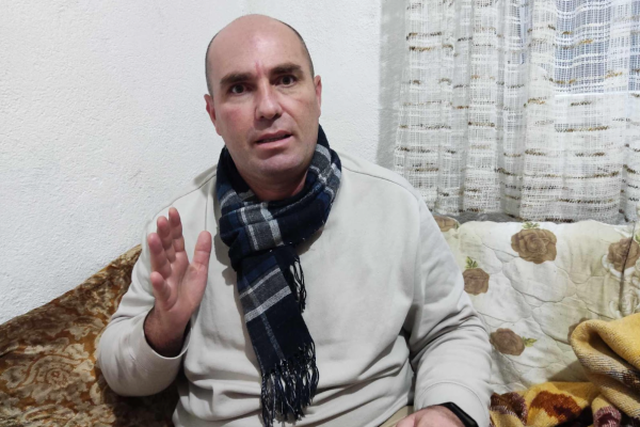
In North Macedonia, Goran Lefkov, director of the Scoop Center for Investigative Journalism, said corruption has always been present in the way public money is spent, but the EU's role in the IPARD program has left less room for manipulation.
"According to the latest information, OLAF (and the European Public Prosecutor's Office) has opened about 20 investigations for fraud with the misuse of funds from the IPARD program (in North Macedonia)," he said.
"I think this is a very small number compared to how much money North Macedonia has received and how many projects it has implemented within the framework of IPARD."
According to official data, North Macedonia received 49.3 million euros under the IPARD program between 2017 and 2021 and signed 2,155 contracts with beneficiaries.
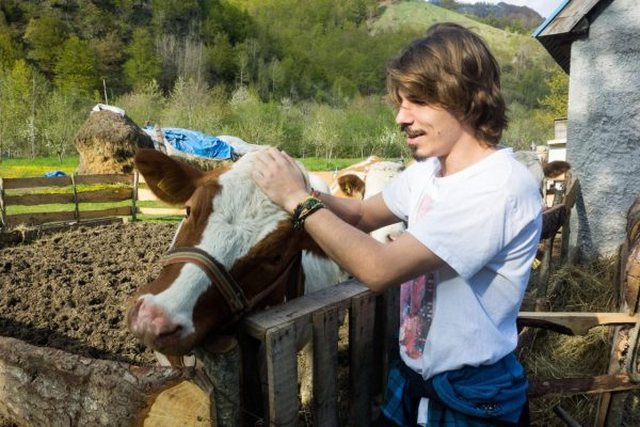
In Montenegro, there have been no reports of corruption related to IPARD funds, but the agricultural sector in general has not escaped scrutiny.
In November last year, police arrested Dragana Kandiç Perovic, the Chief Inspector of Agriculture, Wine and Fisheries at the Ministry of Agriculture, and Veterinary Inspector Marko Sekaric on suspicion of taking bribes to turn a blind eye to illegal activities. They are no longer in custody and no charges have yet been filed.
Then, late last year, the Special State Prosecutor's Office filed charges against former agriculture ministers Petar Ivanovi? and Budimir Mugosa, as well as Blagota Radulovi?, the former director of the IPARD payments office in the ministry. They are accused of malfeasance in the distribution of funds from the Abu Dhabi Development Fund between 2015 and 2017.
In Montenegro, the main problem with the IPARD program is that potential applicants lack the funds they themselves need to qualify for a grant, said Marko Maras, founder of the regional agricultural platform Seljak.me.
Maras said the government should create a special loan guarantee fund.
"How can a farmer get a loan if his land in the village is not assessed?" What will leave the guarantee? He doesn't have a house by the sea," Maras told BIRN. "The state should help here."
The government is working on such a fund, the Ministry of Agriculture told BIRN. In July last year, he said, the government decided to transform the Investment and Development Fund of Montenegro into a Development Bank, believing that this would help make better use of available EU funds by providing a variety of financial instruments.
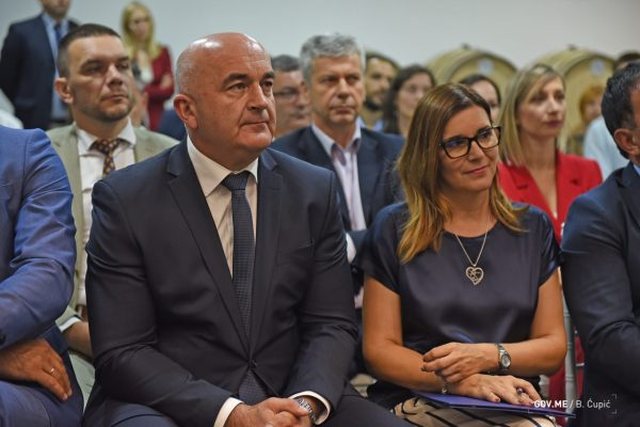
For Sabedin Kasami, a farmer from the Pollog area in North Macedonia, the initial costs of completing the documentation, as well as the initial financial costs, are very high.
"As a dedicated farmer, it is painful to see that these challenges prevent me from getting the necessary funds to further modernize agriculture, as well as to contribute to the growth of the agricultural sector in my country," Kasami told BIRN. "I hope that local and EU authorities will create easier conditions for us farmers."/ Birn

Individuals' investments in bonds and bonds of the Albania...

Today, on May 13, 2024, in the foreign exchange market, th...
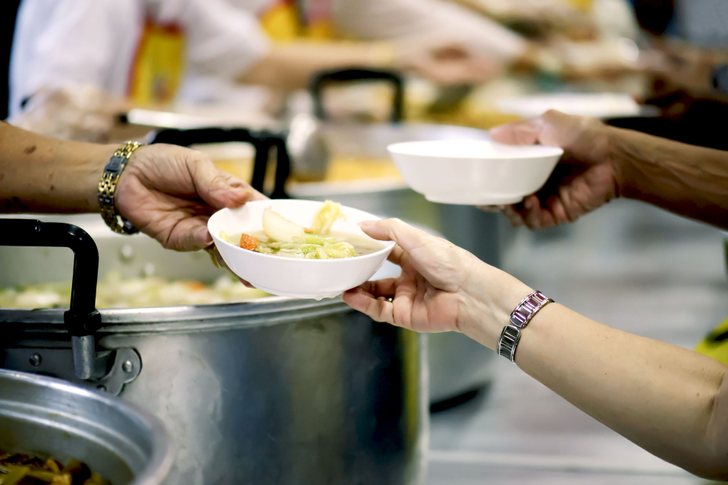
A person living in Albania needs to spend 4.4 USD per day ...

Young people belonging to Generation Z place more importan...

Today, on May 12, 2024, in the foreign exchange market...
Kredo Finance and ABI Bank successfully completed the proc...
Today, on May 11, 2024, in the foreign exchange market...

In addition to the debates about the incorrect applica...
Today, on May 10, 2024, in the foreign exchange market, th...

Commercial banks have fully repaid the sixth year's contri...
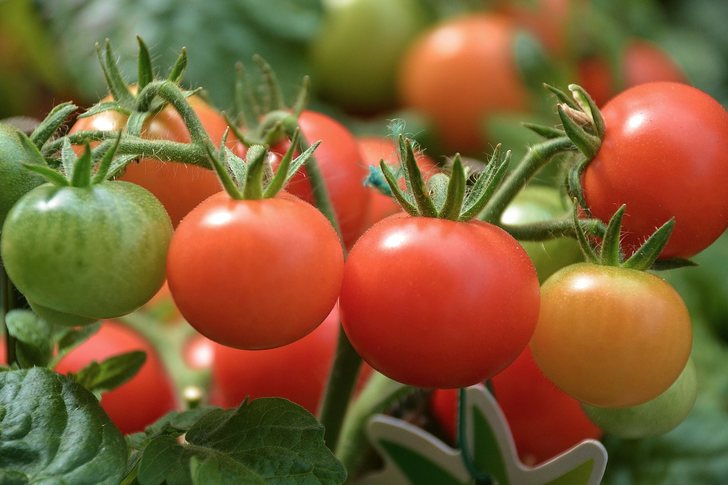
The first greenhouse tomato season is at peak production, ...

The number of Albanian bank customers who choose to in...

Today, May 9, 2024, in the foreign exchange market, th...
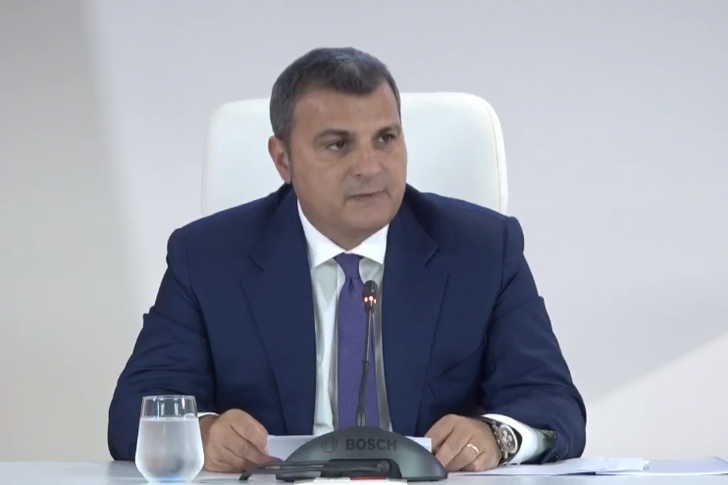
Gent Sejko, the Governor of the Bank of Albania, showe...

The banking sector in Albania last year issued 8.4 billion...
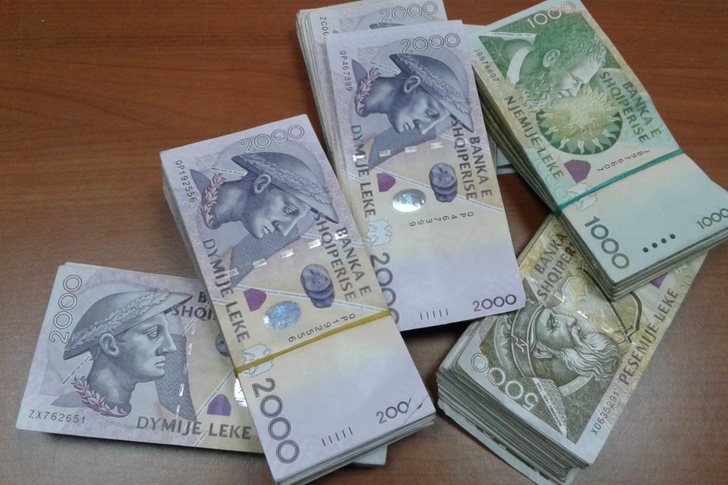
The strengthening of the lek in the exchange rate redu...
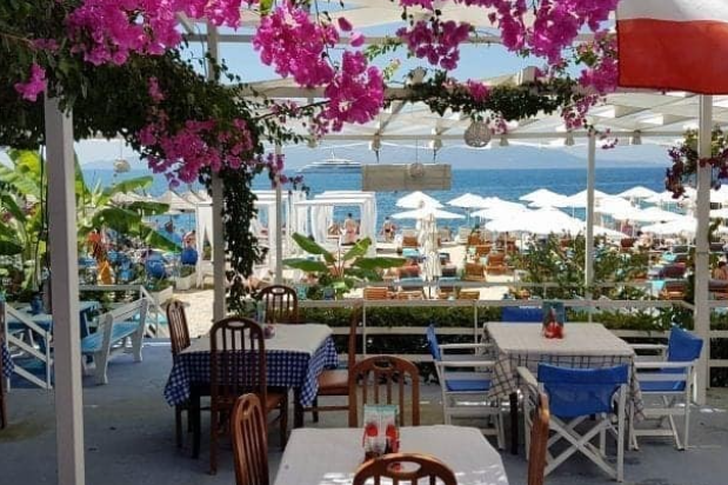
Not finding employees, one of the main challenges that...

Today, May 8, 2024, in the foreign exchange market, th...

The Income Tax Law was approved in March 2023 by the P...
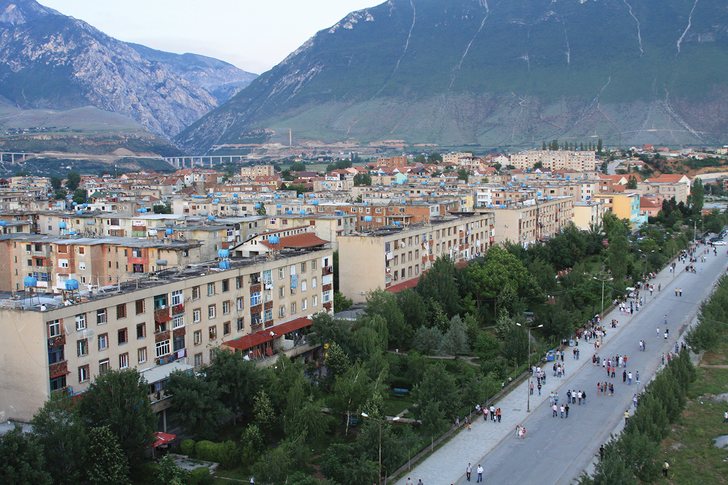
The municipalities of the Northern Region of the country a...

CNA has launched another investigation that could lead to ...

Irfan Hysenbelliu is a businessman that we call "Irfan the...

In March 2026, CNA launched another investigation centered...
The arrested mayor of Tirana, Erion Veliaj, with 13 charge...

The Special Board of Appeal (KPA) decided this Monday ...

The KPA vetting decided this Thursday to dismiss the p...

Suela Salavaçi, a prosecutor in the Prosecutor's Offic...

The Special Board of Appeal reinstated the prosecutor ...
A road accident occurred this evening on Nikolla Zoraqi St...
Three people were shot and wounded in Elbasan last night b...
A serious incident occurred this Tuesday in the Yrshek are...
An accident occurred this Tuesday on "Dituria" street in K...
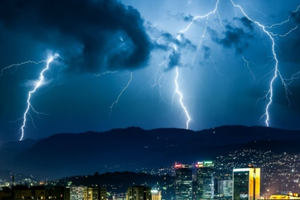
All of Southern Europe will face changing weather conditio...
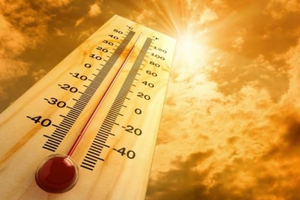
Albania was hit by temperatures significantly higher than ...

For the first time, Pogradec welcomed the Inter-Lake Chess...
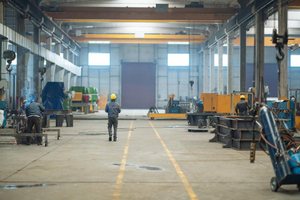
Albania has achieved a record for the employment of foreig...

US Secretary of State Marco Rubio arrived in Manila on Jul...
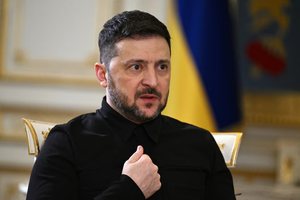
In the space of a few days, Ukrainian President Volodymyr ...
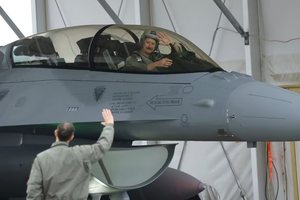
The spokesman for the Iranian Foreign Ministry warned Bulg...
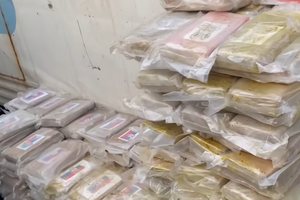
Autoritetet italiane sekuestruan pako me afër 800 kilogram...

At a time when industrial products are increasingly taking...

Trust among people is not just a three-syllable word. It c...

Master of humor Todi Llupi has passed away at the age of 7...

The ninth edition of "MIK Festival" kicked off with one of...
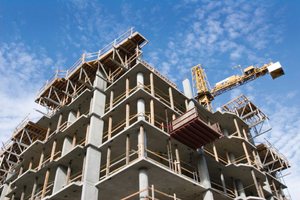
Construction company licenses will have a validity period ...
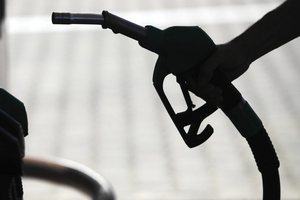
The Centralized Purchasing Operator recently opened a tend...
The new draft law "On the Bank of Albania" provides that t...
This Tuesday, one US dollar is bought for 81.2 lek and sol...