


Foreign currencies do not come out of the "abyss"/ Exchange rate, May 14, 2024
Today, on May 14, 2024, in the foreign exchange market, th...


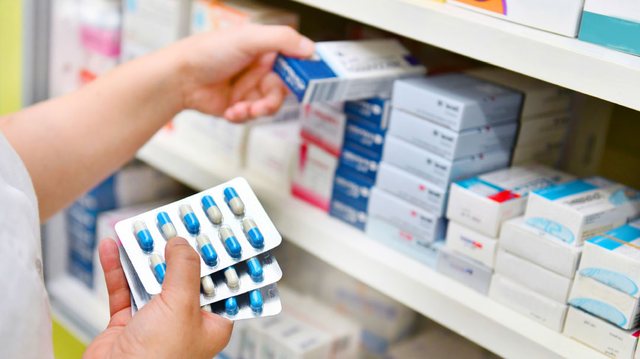
Chronic diseases are increasing rapidly, as funds for reimbursement of medications have not been sufficient in 2023.
In the middle of 2023, the government increased the budget for reimbursement of medicines to 12 billion ALL from 11.4 billion ALL, which was at the beginning of the year, but even these were not enough and arrears have been generated.
An aging population is increasing chronic diseases and is also creating a need for greater funding in health.
According to official data from the Compulsory Insurance Fund, chronic diseases increased reimbursement expenses by 227.7 million, about 6% more than the previous year.
Liquidations of liabilities from the previous year were also included in the total amount of reimbursement payments.
Although the budget plan was respected in payments, in 2023, the list-indicators accepted for the reimbursement of drugs and equipment reached the value of 12,179 million ALL, or 100.5% of the planning, more than the plan for the value of about 58 million ALL.
At the end of the year, from the list-indicators accepted for the reimbursement of drugs and equipment, about ALL 796 million remained unpaid. Compared to the previous year, the year-end liabilities increased by 5.8%, or for the value of 673 million ALL, declares FSDKSH.
In 2023, the group "Pensioner without term" recorded an increase of 441.1 million ALL more than the previous year or about 78.2% of the total increase in expenses.
For this category, the number of reimbursed prescriptions has increased by 70,018 and the average value per prescription has increased by 120 ALL, treating fewer diagnoses and higher-cost therapies.
According to official data from the Compulsory Health Care Insurance Fund, the increase in reimbursement expenses in 2023, compared to the previous year, was due to therapy treatment with higher medication costs for patients.
All diseases with a high incidence in the population such as Diabetes Mellitus, Hypertension, etc., which have been directly affected by the consequences of Covid-19, have also affected this cause.
The largest increase in reimbursement expenses is observed in Group A "Digestive tract and metabolism" with 137.9 million ALL more than the same period of the previous year.
For the year 2023, group A occupies 20.5% of reimbursement expenses, compared to 20% it occupied a year ago.
In this group, the largest increase compared to 2023 is found in the drugs of the Antidiabetics subgroup, which account for 97% of the expenses of the entire group A and about 19.5% of the total reimbursement expenses, compared to 19.2% that occupied last year.
FSDKSH analyzes that the overall growth of the insulin group has marked a high increase in reimbursement expenses.
Expenses for the reimbursement of drugs of group C "Cardiovascular system" with about 221.5 million ALL more than in 2022.
For 2023, group C accounts for 24.8% of reimbursement expenses. In this group, the biggest increase compared to 2022 is found in the drugs of the sub-group of "Drugs acting on the Renin-Angiotensin System", which account for 44% of the expenses of the entire group C and there is an increase of 128 million lek more in expenses annual reimbursement compared to the previous year.
Also drugs of group L "Antineoplastic drugs and immunosuppressants" with an increase in reimbursement expenses compared to the previous year.
This group includes many hospital drugs, which have a high financial impact. This group accounts for 24.2% of reimbursement expenses. These drugs are directly related to the increase in reimbursement expenses for tumor diagnoses that account for 24.2% of reimbursement expenses in total.
Comparable data show that while the burden of disease in the population has increased rapidly in recent years, public funds that reimburse the treatment of the sick have not followed the same trend.
For nearly a decade, the drug reimbursement budget has remained almost stagnant, at a time when budget revenues have doubled and the financial resources of the Mandatory Health Insurance Fund (MFISF) have increased.
In 2013, drug reimbursement expenses were 2.1% of total budget expenses, while in 2024, this ratio worsened, as they accounted for only 1.6% of total budget expenses.
From 2019 to 2024, the budget of FSDKSH (the structure that finances public health services) has increased by about 40%, while the item of reimbursement of medications only 20%, according to official data.
In 2019, the reimbursement fund accounted for 24% of the total expenses of FSKDSH, while in 2024 only 20.6%./ Monitor.al

Today, on May 14, 2024, in the foreign exchange market, th...
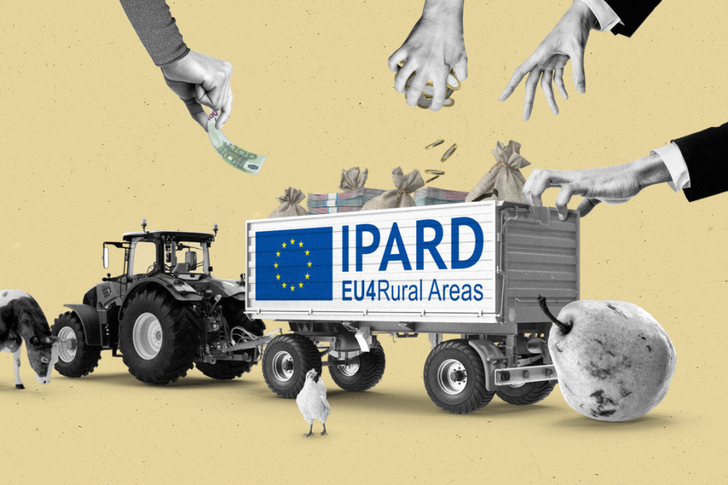
Farmers in Albania, Montenegro and North Macedonia face si...

Individuals' investments in bonds and bonds of the Albania...

Today, on May 13, 2024, in the foreign exchange market, th...
A person living in Albania needs to spend 4.4 USD per day ...

Young people belonging to Generation Z place more importan...

Today, on May 12, 2024, in the foreign exchange market...
Kredo Finance and ABI Bank successfully completed the proc...
Today, on May 11, 2024, in the foreign exchange market...

In addition to the debates about the incorrect applica...

Today, on May 10, 2024, in the foreign exchange market, th...

Commercial banks have fully repaid the sixth year's contri...
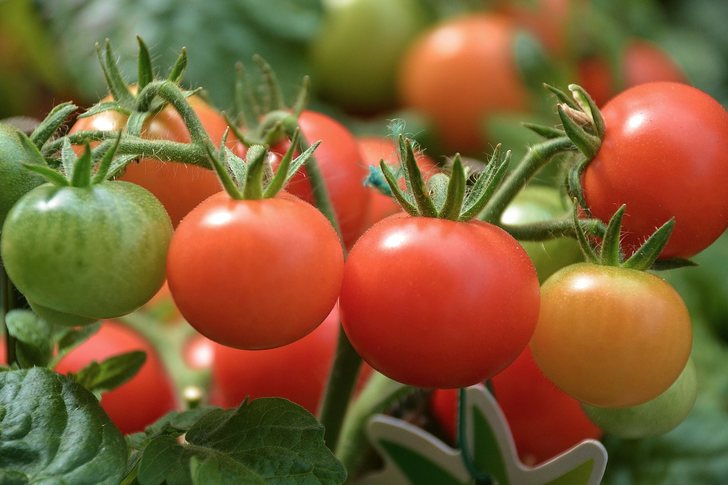
The first greenhouse tomato season is at peak production, ...

The number of Albanian bank customers who choose to in...

Today, May 9, 2024, in the foreign exchange market, th...
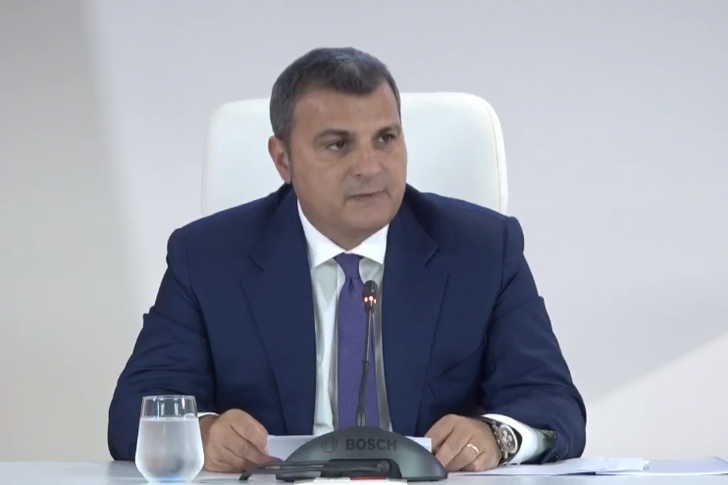
Gent Sejko, the Governor of the Bank of Albania, showe...

The banking sector in Albania last year issued 8.4 billion...
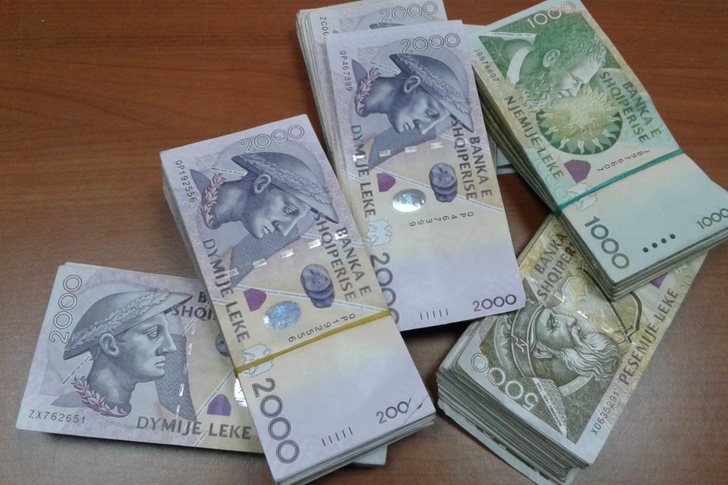
The strengthening of the lek in the exchange rate redu...

Not finding employees, one of the main challenges that...

Today, May 8, 2024, in the foreign exchange market, th...

CNA has launched another investigation that could lead to ...

Irfan Hysenbelliu is a businessman that we call "Irfan the...

In March 2026, CNA launched another investigation centered...
The arrested mayor of Tirana, Erion Veliaj, with 13 charge...

The Special Board of Appeal (KPA) decided this Monday ...

The KPA vetting decided this Thursday to dismiss the p...

Suela Salavaçi, a prosecutor in the Prosecutor's Offic...

The Special Board of Appeal reinstated the prosecutor ...

A road accident occurred this evening on Nikolla Zoraqi St...

Three people were shot and wounded in Elbasan last night b...

A serious incident occurred this Tuesday in the Yrshek are...

An accident occurred this Tuesday on "Dituria" street in K...

All of Southern Europe will face changing weather conditio...
Albania was hit by temperatures significantly higher than ...

For the first time, Pogradec welcomed the Inter-Lake Chess...

Albania has achieved a record for the employment of foreig...

US Secretary of State Marco Rubio arrived in Manila on Jul...

In the space of a few days, Ukrainian President Volodymyr ...

The spokesman for the Iranian Foreign Ministry warned Bulg...
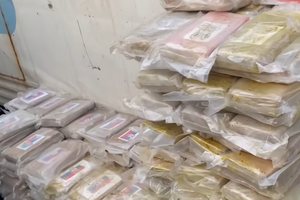
Autoritetet italiane sekuestruan pako me afër 800 kilogram...

At a time when industrial products are increasingly taking...

Trust among people is not just a three-syllable word. It c...

Master of humor Todi Llupi has passed away at the age of 7...

The ninth edition of "MIK Festival" kicked off with one of...

Construction company licenses will have a validity period ...
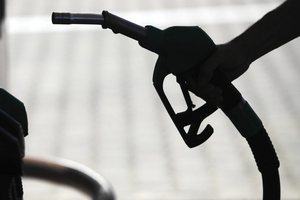
The Centralized Purchasing Operator recently opened a tend...
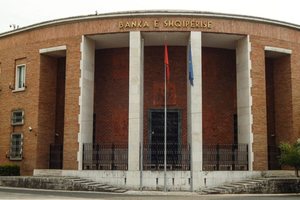
The new draft law "On the Bank of Albania" provides that t...
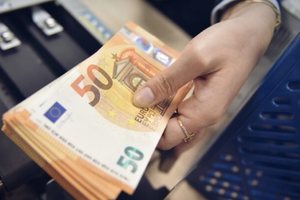
This Tuesday, one US dollar is bought for 81.2 lek and sol...