


Tourism increased by 40.3% the added value of its related industries
The growth of the tourism sector has directly transmitted ...


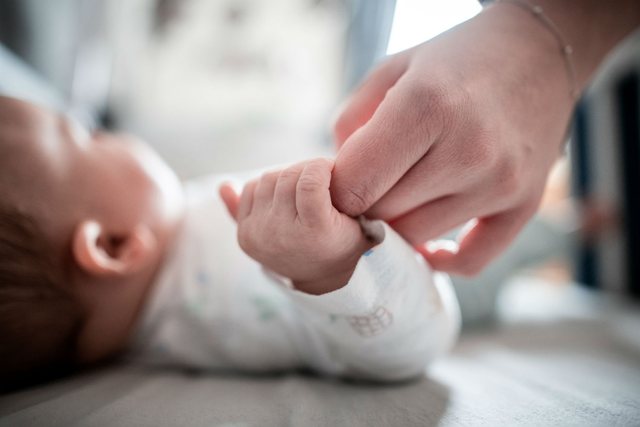
In September of this year, the Parliament of Albania approved a law according to which babies born abroad do not receive the bonus made available by the government.
This initiative came about because more than 45 percent of the annual budget fund went to children born abroad, at a time when the instrument was taken to stimulate the birth rate for those living in Albania.
Although the births in Albania have recorded an annual decrease of 12 percent in the 9th month of 2023 and the law limits the granting of the bonus abroad, the expenses in this item increased in the 11th month both with the plan of the period and as in the fact of last year.
According to data from the Ministry of Finance, during January-November 2023, about 3 billion lek (29 million euros) were allocated as a bonus for babies. This amount was 25 percent higher than the 11-month plan and 7 percent more than the actual last year.
Official INSTAT data show that in the 9th month of this year, 16,300 babies were born across the country with a 16% decrease compared to the 9th month of 2022.
Data from the Ministry of Finance show that from 2019, when the payment for the baby bonus came into effect, until November 2023, 146 billion lek or 140 million euros have been paid from the state budget. The annual data consulted on the number of births within the country show that over 45 percent of this amount, about 65 million euros, went to births abroad.
Demographers suggest that the most effective policies for increasing births are those that reduce the cost of living for young families. For example, in Albania, young families are facing increasing expenses for preschool education, high rents and in suburban areas. The high costs associated with raising children, such as education, health care, housing, and child care, can discourage couples from having more children.
Demographers suggest that economic development should be distributed towards the regions, since population movements from the periphery to the center are inversely related to economic resources. A balanced regional development and a package of pro-family policies would, in the longer term, improve fertility indicators.
In developed countries, which have experienced population decline before us, the combination of emigration and declining births, which cause population decline and change in its structure, can have harmful effects on the sustainable development of the country.
In an aging population, companies invest less for the future, as workers over 50 tend to accumulate savings to finance their retirement./ Monitor.al

The growth of the tourism sector has directly transmitted ...

Today, December 25, 2023, the US dollar is bought at 93.3 ...

On the eve of the Christmas and New Year holidays, the con...

Today, December 24, 2023, the US dollar is bought at 9...

Today, December 23, 2023, the US dollar is bought at 93.4 ...

At least 44% of the energy consumed in the country in 2022...
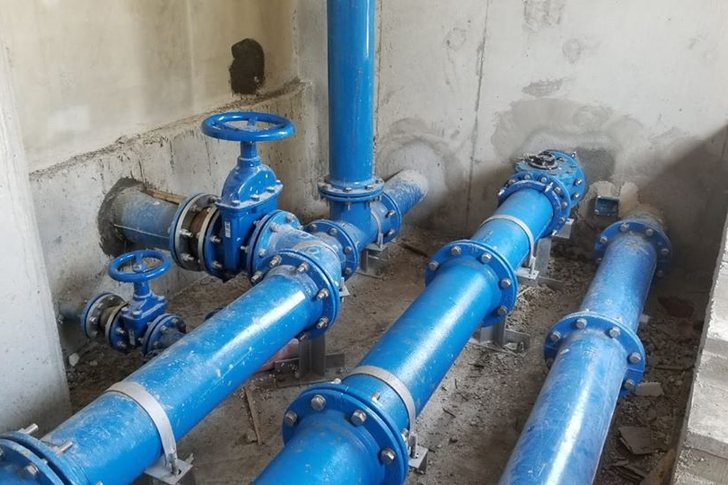
One month after the closing of the procedure, "Water s...

Today, December 22, 2023, the US dollar is bought at 93.8 ...

The European Commission has approved a new growth agenda f...

The number of employees paying social insurance reached 73...

Today, December 21, 2023, the US dollar is bought at 94 AL...
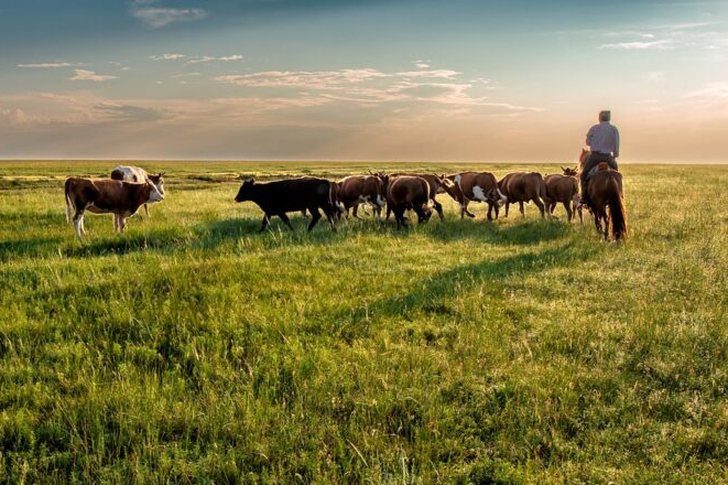
Agricultural and livestock farms will receive more VAT ded...
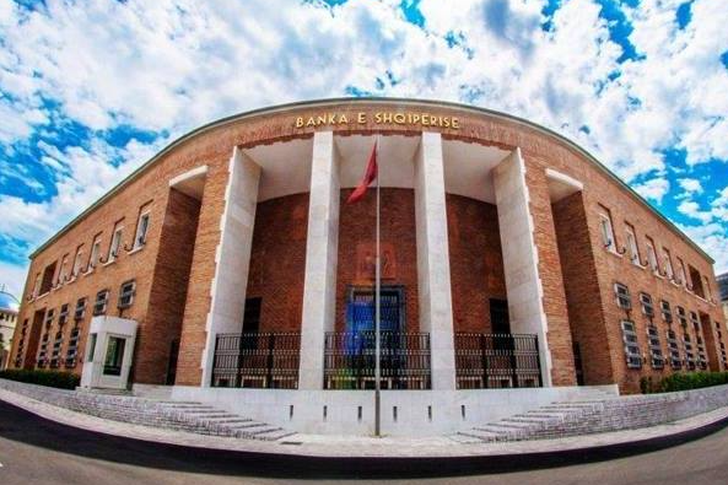
The governor of the Bank of Albania, Gent Sejko, once ...

The pressures on the labor market and especially the labor...
Today, December 20, 2023, the US dollar is bought at 93.6 ...

The price of food products has continued to increase e...
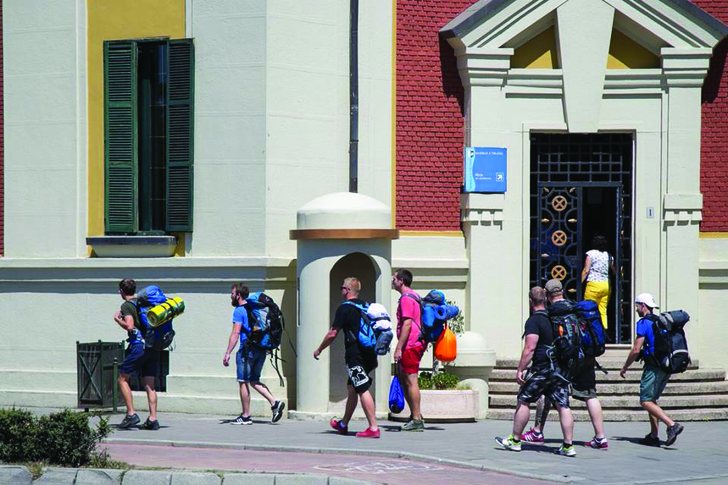
The good progress of the tourism sector has continued ...

Borxhet që ndërmarrjet e ujësjellës-kanalizimeve kanë ...

The call center sector continues to be in great diffic...

The development of public investment tenders without prior...

CNA has launched another investigation that could lead to ...

Irfan Hysenbelliu is a businessman that we call "Irfan the...

In March 2026, CNA launched another investigation centered...
The arrested mayor of Tirana, Erion Veliaj, with 13 charge...

The Special Board of Appeal (KPA) decided this Monday ...

The KPA vetting decided this Thursday to dismiss the p...

Suela Salavaçi, a prosecutor in the Prosecutor's Offic...

The Special Board of Appeal reinstated the prosecutor ...

This Wednesday, around 4:00 PM, a serious accident occurre...

Tirana Police have shared details regarding the accident t...

New details have emerged regarding the accident that occur...

New details have emerged from the serious accident that oc...
A serious accident that occurred this Wednesday with the c...

The Institute of Geosciences has shared a forecast for wea...
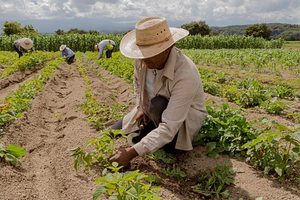
Rising energy and fertilizer prices are expected to contin...

Over 18,000 foreign citizens from 140 countries have appli...

US President Donald Trump has issued another warning to Ir...

Prime Minister Andy Burnham has announced that most bus fa...

France's parliament has passed a law to ban social media f...

US Secretary of State Marco Rubio arrived in Manila on Jul...

At a time when industrial products are increasingly taking...

Trust among people is not just a three-syllable word. It c...

Master of humor Todi Llupi has passed away at the age of 7...

The ninth edition of "MIK Festival" kicked off with one of...

The price of diesel reached 206 lek per liter from 198 lek...

Businesses will no longer be required to simply register t...

Despite economic growth and income in recent years, Albani...

This Wednesday, one US dollar is bought for 81.4 lek and s...