


Territorial reform/ Berisha, calls on citizens to protest
DP leader Sali Berisha, in a conversation with citizens, s...

DP leader Sali Berisha, in a conversation with citizens, s...

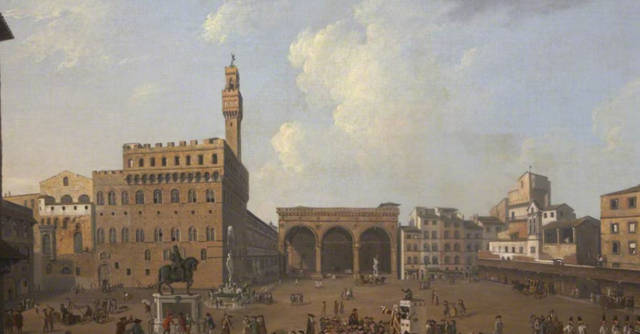
The Renaissance artists working in Florence between 1430 and 1530 were workers of beauty. They all started in the shop, a kind of workshop, where work was divided between apprentices, foremen and assistants.
Even a genius like Leonardo da Vinci had spent several years locked in a Florentine workshop, the famous one of Andrea del Verrocchio. And he was not the only star to emerge from there, artists of the caliber of Pietro Perugino, Domenico Ghirlandaio and Sandro Botticelli emerged in the most important atelier of the Medici Signoria.
The most famous masters earned well and lived a comfortable life. In Florence, Michelangelo received 3,000 florins for the fresco of the Battle of Cascina in the Sala del Gran Consiglio, a sum a hundred times higher than that paid to lesser-known names. And it was not an isolated case, Donatello received 15 to 25 percent more than his fellow sculptors.
There were different payment methods, some receiving compensation in monthly installments, others accepting small regular payments.
Finally, many accepted food, shelter, and clothing in exchange for some money. While working at the Certosa di Firenze in 1506, the young assistants of the painter Mariotto Albertinelli raided the monastery's pantry, as they did not have enough food.
In Florence, in order to work, artists were forced to join a guild. For this reason, they were divided according to specialization, joining those who did professions with which they had something in common.
Painters were enrolled in the society of doctors and apothecaries, as the latter sold them the pigments needed for mixing colors, goldsmiths were part of the silk art, along with goldsmiths and gold spinners, because they were considered the link between art of jewelry and that of silk.
The many craftsmen and workshops where wood, stone and marble were worked formed the art of the stone and wood masters, represented by sculptors and figurative carpenters./ Adapted from CNA


The Albanian state, in the framework of the revision of hi...
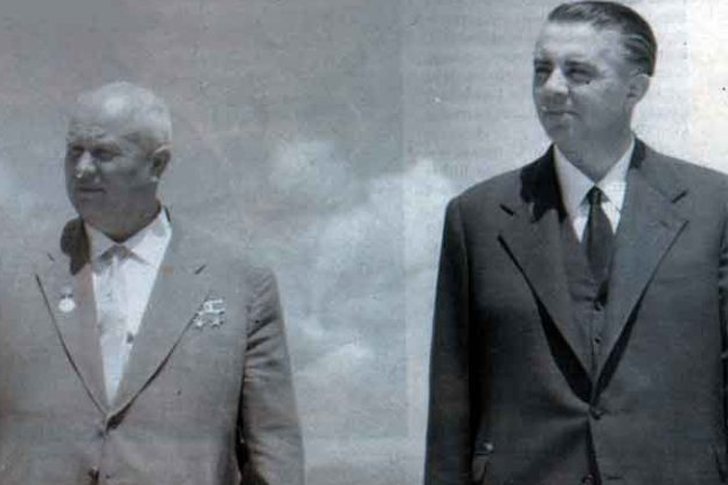
Below we publish the declassified report of the meetin...
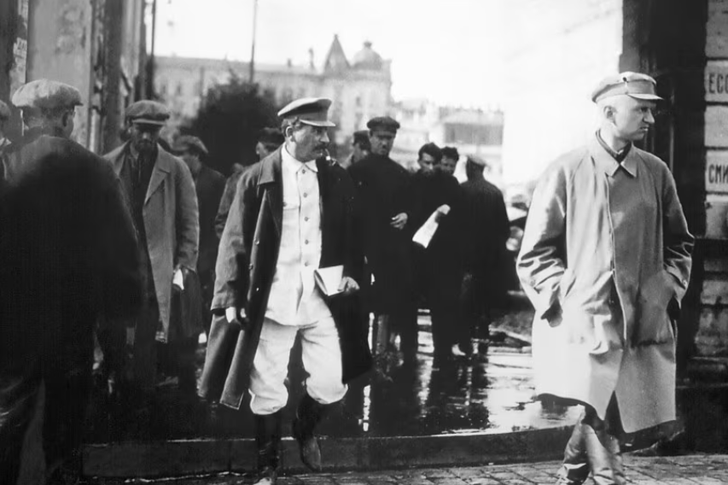
Iosif Vissarionovich Dzugasvili, known as Stalin, the ...
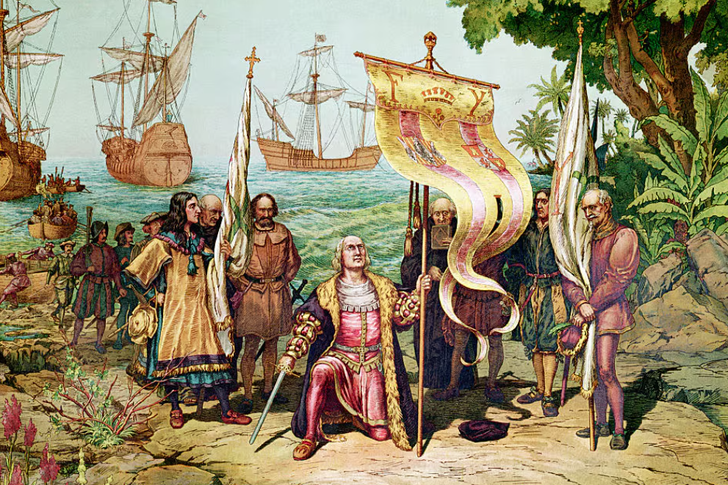
In the school books we learned that when Christopher Colum...
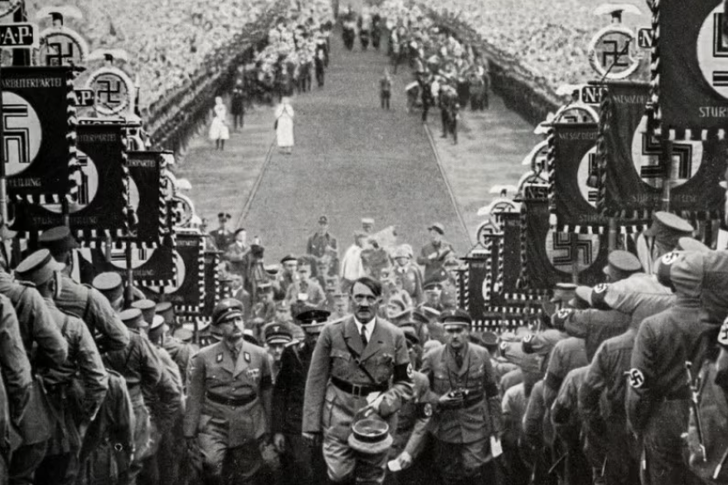
Operation "Valkyrie" (bomb attack of July 20, 1944) was th...
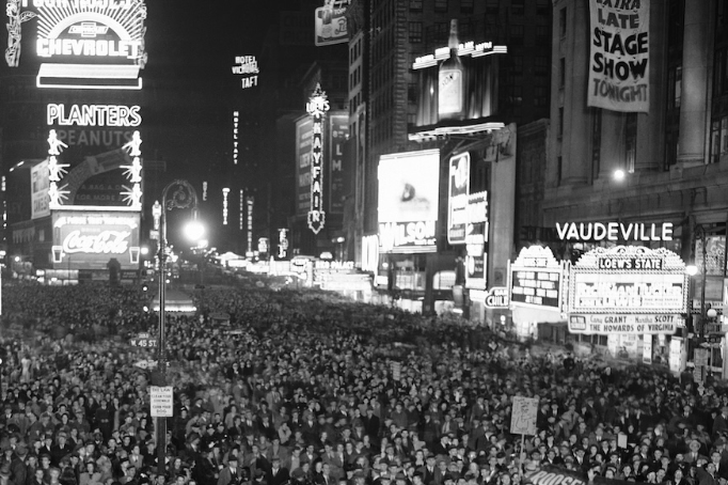
If today it is one of the most famous areas for tourists a...
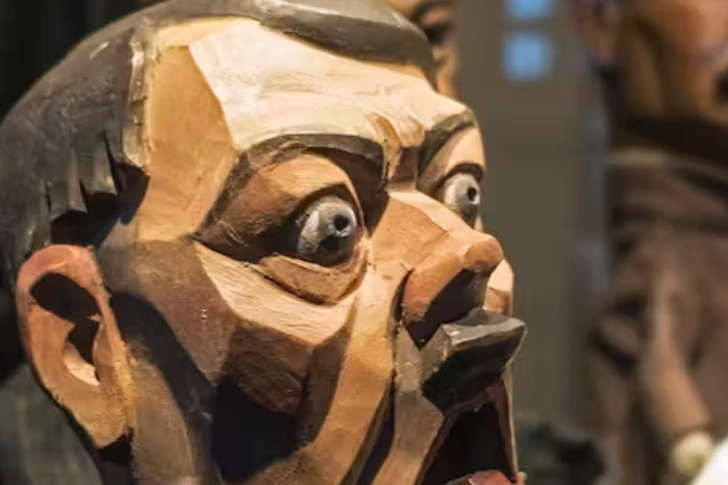
The last decade and a half has seen unrest across the glob...
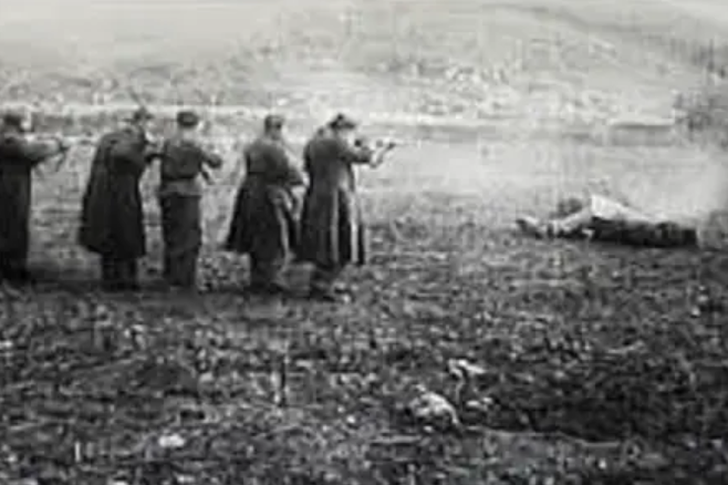
August 23 is "Black Ribbon Day", the official European Day...
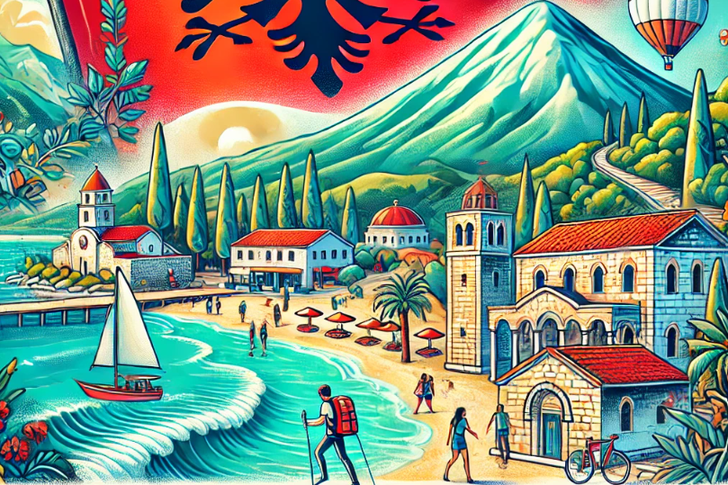
It's been a few years since Artificial Intelligence is...
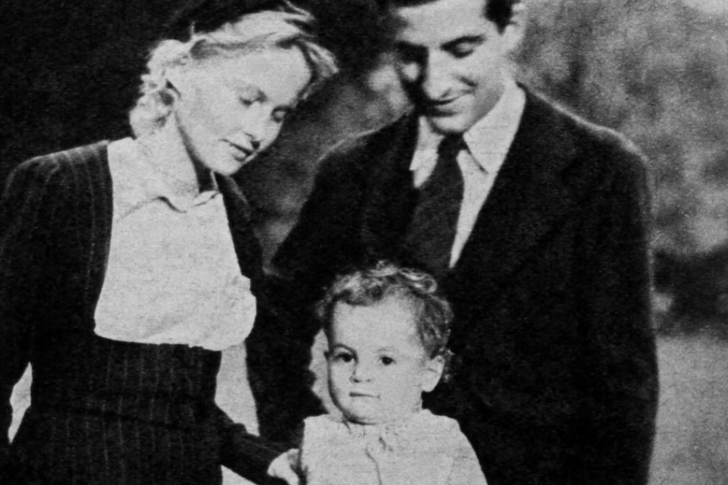
Tuscan physicist Bruno Pontecorvo (1913-1993), born into a...

Sweden has issued licenses to kill 20% of its brown bear ...
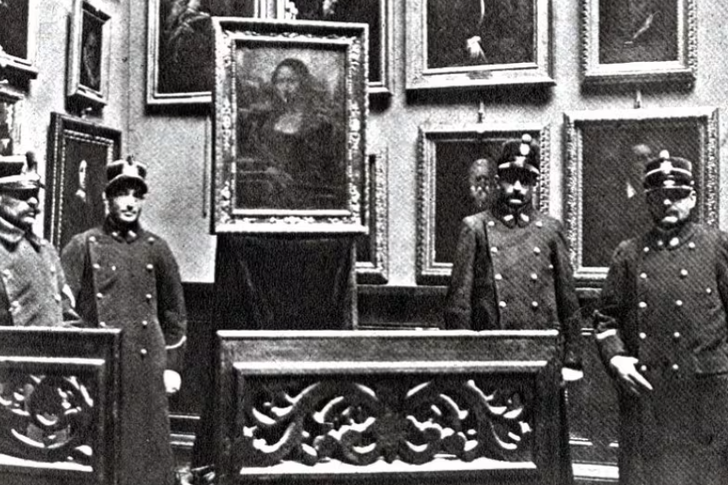
At seven o'clock in the morning on August 21, 1911, the da...
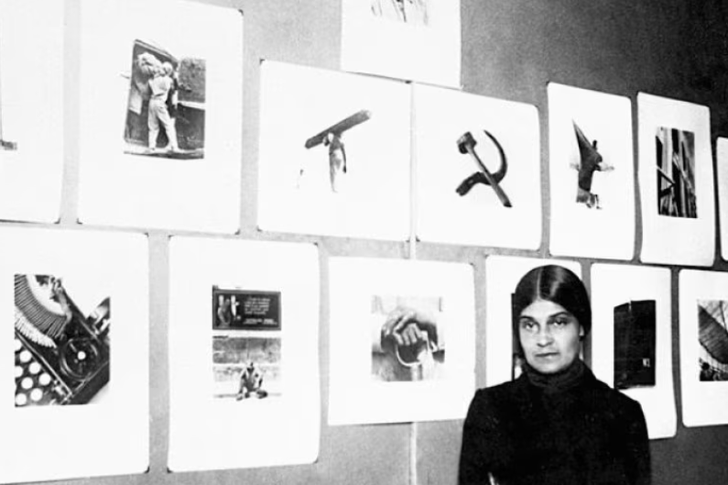
Tina Modotti, born in Friuli in 1896, is known as: actress...

During the 16th century in medieval Japan, wealthy married...
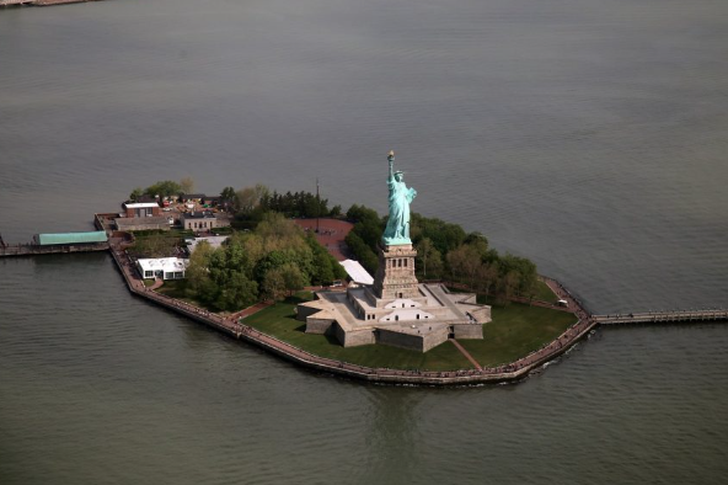
After being envisioned as a towering beacon to guide s...
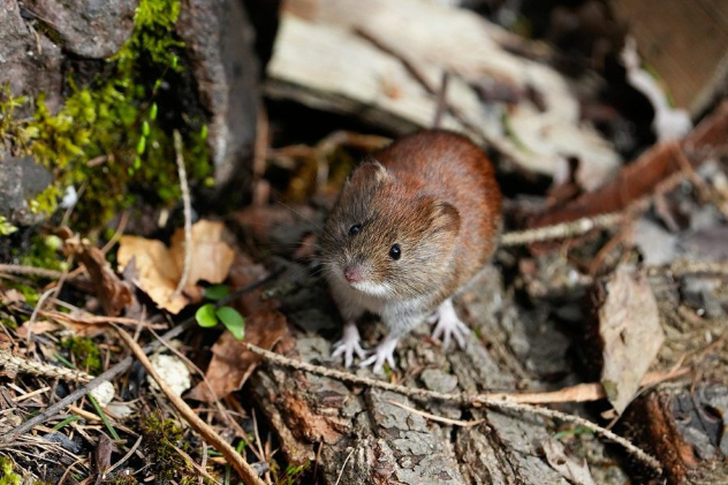
In the mid-1300s, humanity faced one of its darkest chapte...
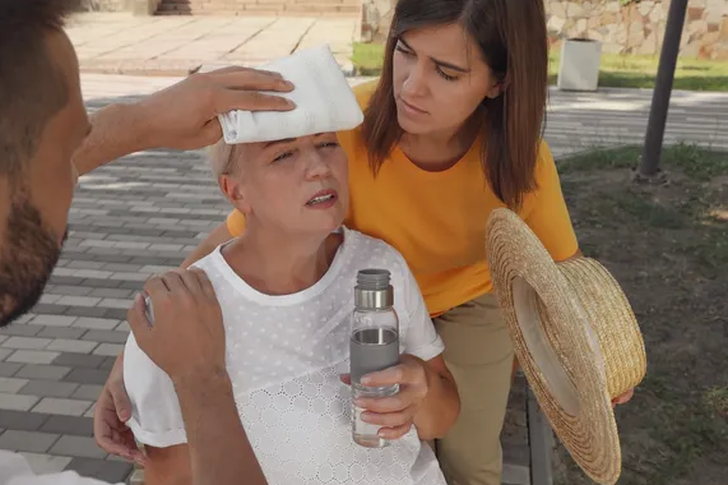
This summer the media has been filled with alarming re...
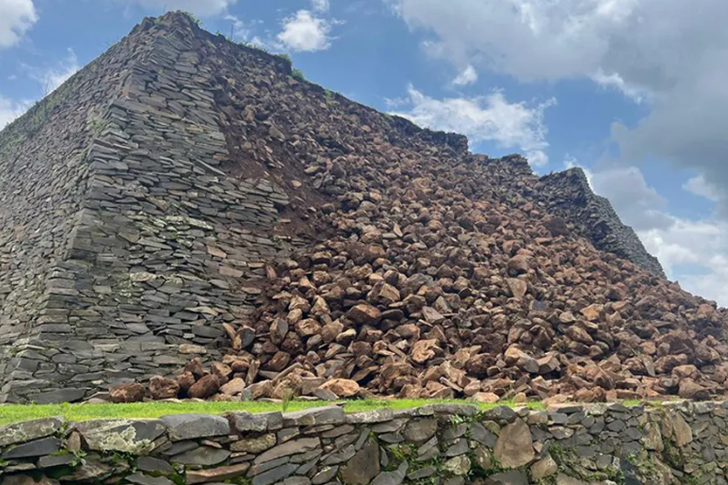
Flooding from heavy rain near Lake Pátzcuaro has caused th...
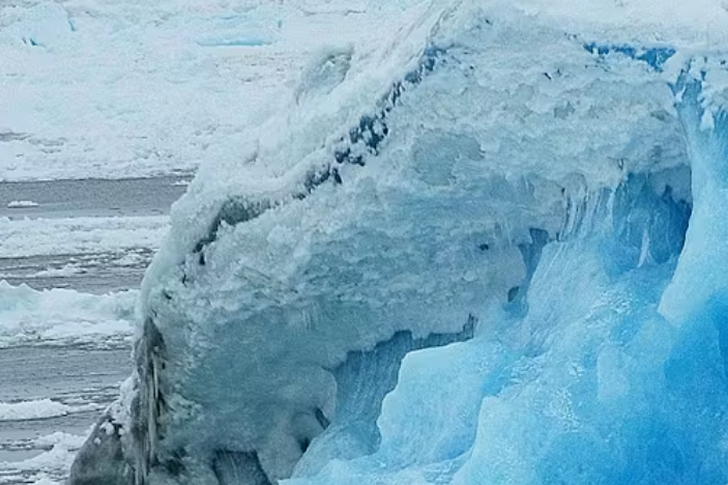
We all played the broken phone game in our childhood, ...
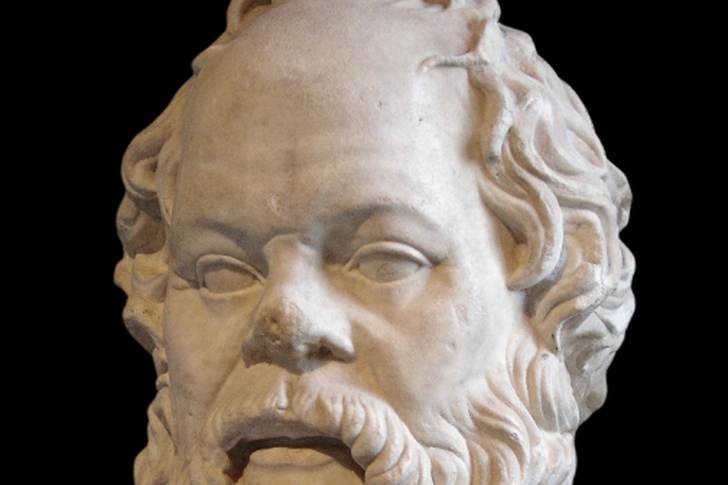
Socrates, the famous philosopher of ancient Greece, had a ...
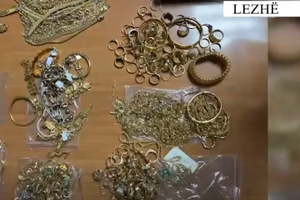
A 39-year-old citizen has been arrested in Lezha, after se...

CNA has launched another investigation that could lead to ...

Irfan Hysenbelliu is a businessman that we call "Irfan the...

In March 2026, CNA launched another investigation centered...

The Special Board of Appeal (KPA) decided this Monday ...

The KPA vetting decided this Thursday to dismiss the p...

Suela Salavaçi, a prosecutor in the Prosecutor's Offic...

The Special Board of Appeal reinstated the prosecutor ...
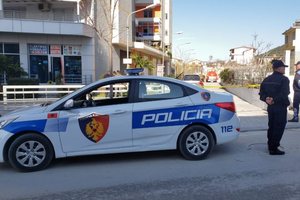
A serious incident occurred in Lushnje, where citizen IY, ...

As a result of the investigative and procedural actions ca...
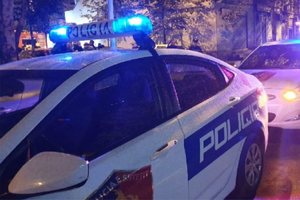
A conflict for weak motives was recorded today in the vill...
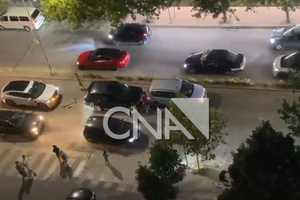
An accident involving three vehicles occurred a few minute...

Today, our country will be under the influence of stable a...

By noon, cloudiness is expected to prevail in almost all o...

Children without parental care, for whom alternative famil...
On Thursday, our country will be under the influence of st...

Marine Le Pen is entering the decisive phase of the presid...
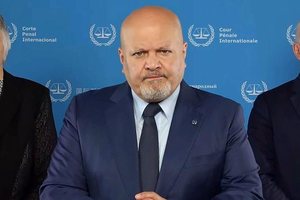
Member states of the International Criminal Court voted to...
From the declining role of exports to new public investmen...

South Korea is becoming one of the most sought-after desti...
Two windows, a century of history and the metaphysics of p...
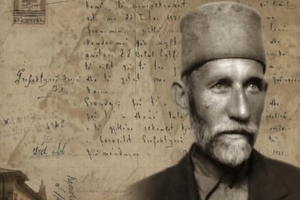
In my research at the Central State Archives, specifically...

At a time when industrial products are increasingly taking...

Trust among people is not just a three-syllable word. It c...

This Saturday, one US dollar is bought for 81.7 lek and so...
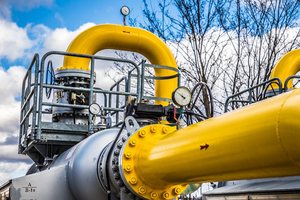
War, weather and supply disruptions could send gas prices ...
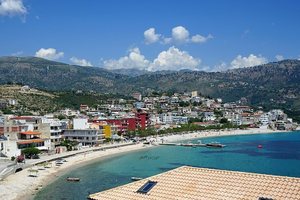
The number of active enterprises in Albania continued to g...
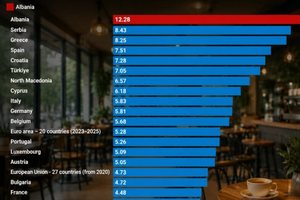
In Albania, the bar-cafe has long become an almost unique ...