


Second victim of bad weather/ Fisherman drowns in Ksamil
Citizen MH, 61, a fisherman, was found dead near the islan...

Citizen MH, 61, a fisherman, was found dead near the islan...

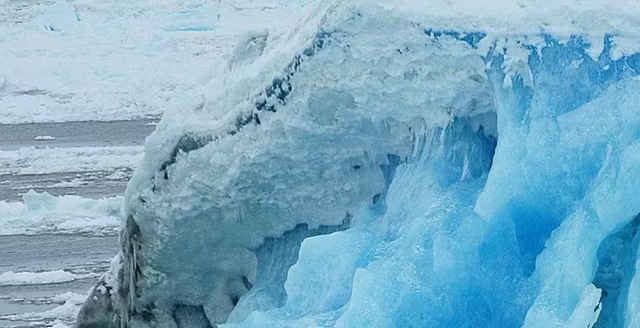
We all played the broken phone game in our childhood, where the word from ear to ear was transformed.
In this game, people's perception and understanding matter more than the original message, but as US Defense Secretary James Schlesinger said in 1975, "everyone is entitled to his opinions, but not to his facts."
Today, this statement applies to climate change. While there is broad scientific consensus that human action has contributed decisively to the warming of the atmosphere, oceans and land, causing widespread changes in a very short time, public opinion is less clear. At least 97% of scientists agree that humanity contributes to climate change, but the same cannot be said for society in general.
Same facts, different perceptions
Various studies and polls show that the social consensus on climate change is stronger in Europe than in the United States, where only 12% of citizens are aware of the almost total unanimity of the scientific community. This is the result, among other things, of misinformation, media portrayals and cognitive biases.
Presenting climate change as a legitimate debate undermines the value of scientific consensus, often validating climate denial—or its latest iteration, retardation.
Moreover, there is a tendency to present ideological interpretations of the evidence as mere scientific disagreements: 82% of US Democratic voters believe that human activity significantly contributes to climate change, compared to only 38% of Republicans. This division also extends to responses to the crisis.
No enforcement, no liability
The general reaction of the international community has not been slow. As governments and multilateral bodies have become more aware of the issue, they have committed, albeit unevenly, to mitigation and adaptation plans.
This has also happened with decarbonisation plans, although, for the most part, commitments to reduce greenhouse gas emissions, such as those set out in the 2015 Paris Agreement, are not binding.
This illustrates a clear barrier to change: these commitments include no legal obligation, no effective enforcement mechanism and no measure of accountability.
This undermines any agreement, and their uneven and inconsistent enforcement allows some countries to be "free", reaping the benefits of reduced emissions while contributing little to the costs.
Planet e tranzicionit në kompani dhe vende, madje edhe në sektorin global të energjisë, përbëhen nga strategji të detajuara drejt neutralitetit të karbonit dhe objektivit zero neto.
Këto mbulojnë një sërë masash, nga inovacioni teknologjik tek instrumentet rregullatore, investimet dhe ndryshimet në sjelljen individuale dhe kolektive.
Megjithatë, konfuzioni rreth objektivave si neutraliteti i karbonit dhe zero neto është gjithashtu një pengesë në shumë raste.
Ka pasur disa përparime që nga Marrëveshja e Parisit në 2015, e cila parashikonte që emetimet në vitin 2030 sipas politikave të atëhershme aktuale të rriteshin me 16%. Sot, një rritje prej 3% parashikohet në të njëjtën periudhë, por emetimet duhet të bien me 28% për të qëndruar brenda 2°C nga ngrohja globale dhe me 42% për të qëndruar nën 1.5°C.
Emetimet e dioksidit të karbonit nga sektori energjetik i Kinës, për shembull, u rritën me 5.2% në 2023. Kjo do të thotë se një reduktim i paprecedentë 4-6% në 2025 do të ishte i nevojshëm për të përmbushur objektivin.
Pse nuk mund të ngadalësojmë emetimet?
Nuk ka asnjë shpjegim të thjeshtë apo të vetëm për qëndrimet e paqëndrueshme të njerëzimit ndaj ndryshimeve klimatike. Është një çështje jashtëzakonisht komplekse dhe vetëm duke njohur kompleksitetin e saj mund të kuptojmë dhe të përpiqemi të ndryshojmë sjelljet.
Pavarësisht ngadalësimit të rritjes vjetore, kërkesa globale për lëndë djegëse fosile nuk ka arritur kulmin. Pritet ta bëjë këtë deri në vitin 2030, por vetëm nëse konsumimi i automjeteve elektrike rritet, dhe nëse ekonomia e Kinës rritet ngadalë dhe thellon investimet në energjinë e rinovueshme. Shuma të konsiderueshme janë ende duke u derdhur në investime në naftë dhe gaz. Midis 2016 dhe 2023, ata arritën një mesatare vjetore prej rreth 0.75 trilion dollarë.
Në vitin 2023, investimet globale në energjinë e pastër arritën rreth 1.8 trilion dollarë, megjithëse të përqendruara në disa vende: kryesisht në Kinë, Bashkimin Evropian dhe SHBA. Për çdo dollar të investuar në hidrokarbure, afërsisht 1.8 dollarë tashmë shkojnë në energji të pastër, por jo të gjitha në burime të rinovueshme.
Duhet gjithashtu të theksohet se "efektet rimëkëmbëse" afatgjata shpesh mund të kompensojnë reduktimet e suksesshme në përdorimin e disa lëndëve të para si qymyri.
Për më tepër, përfitimet e reduktimit të emetimit të karbonit janë globale dhe afatgjata, ndërsa kostot e lidhura shpesh janë lokale dhe të menjëhershme .
Ndërkohë, në vendet me të ardhura të ulëta dhe në vendet në zhvillim, shumë zhvillime janë ende më pak miqësore me mjedisin–siç është varësia e vazhdueshme e Indisë nga qymyri–pavarësisht dëshmive se përfitimet e përbashkëta të reduktimit të emetimeve të karbonit tejkalojnë koston e zbutjes në një numër sektorësh.
Zgjidhjet mbeten të pakapshme
It seems clear that there is no single solution. Some possible solutions require infrastructure or technology to manage resources more efficiently, but increasingly involve changes in our lifestyles and values.
In classical economics, the idea of ??rationality assumes that, given adequate information and income, an individual will always choose that which maximizes his welfare. However, this explanation falls short–it assumes that people live only to maximize pleasure through consumption, and ignores the dreams, hopes, and goals that other human beings may have.
Herbert Simon's work in the 1950s shows that our decisions are best explained by what is known as bounded rationality: our cognitive capacity, information and time are limited, so we simplify reality and adapt.
For his part, Zygmunt Bauman's concept of "liquid modernity" envisioned the transition from a solid modernity to a more fluid, unstable form, unable to maintain a set of behaviors for a long time and much more prone to change .
In the same way, Gilles Lipovetsky talks about the individualism and hedonism of a culture that prioritizes the immediate fulfillment of individual desires, compared to commitment and sacrifice in the service of ethical principles.
How do we reconcile these ideas that explain how we respond to imperatives of sacrifice that, implicitly or explicitly, appear in narratives of climate action and just transition?
Perhaps recognizing the complexity and trying to understand how we decide is part of the answer. Biases and inconsistencies are easier to detect in others than in oneself./ Adapted from CNA

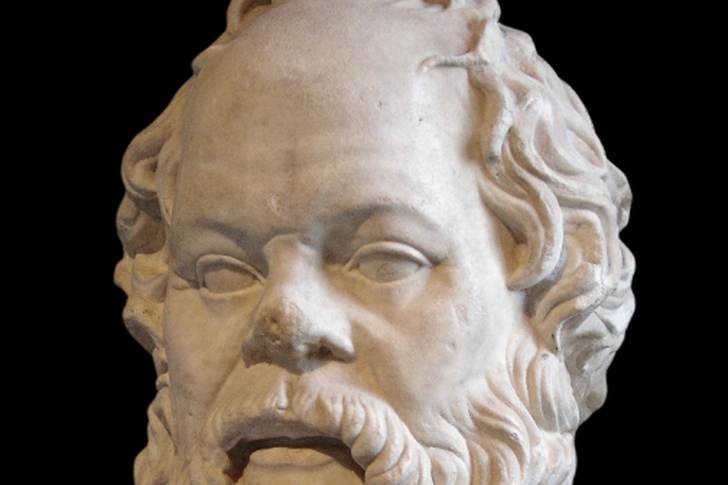
Socrates, the famous philosopher of ancient Greece, had a ...

To transport the stone blocks needed to build Djoser's pyr...

Whether you're watching from afar, cheering, competing...
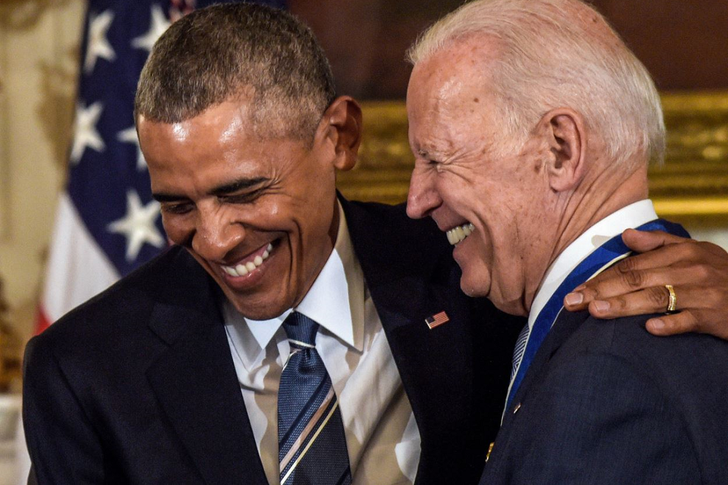
In the event that plan A is to 'revive' Joe Biden, and...
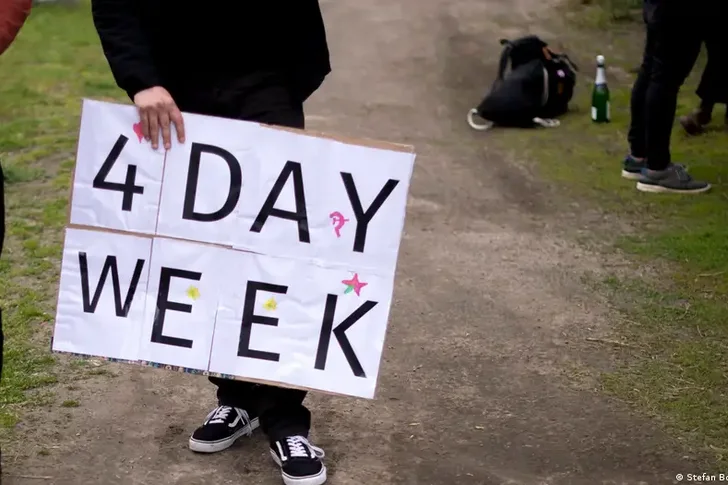
A carpet cleaning company, a construction company, a m...
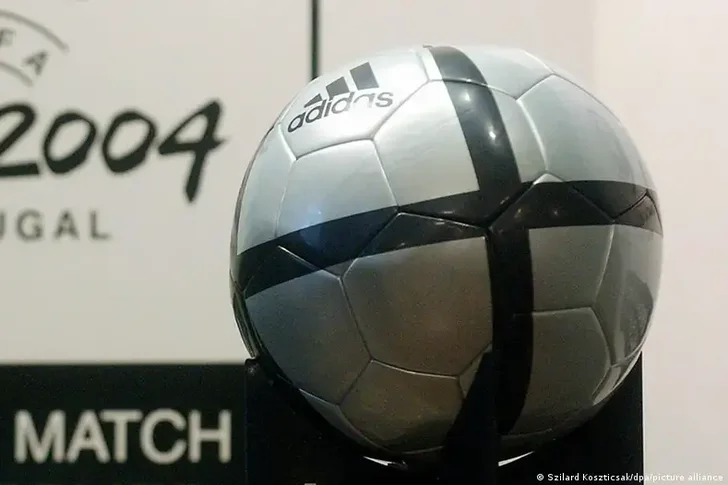
Who are the main favorites in this European Championship? ...
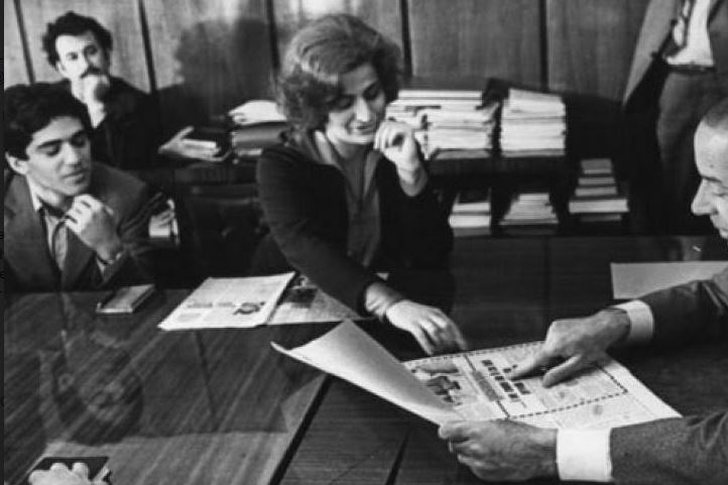
"Heydar Aljevi did not care that I was Armenian. What matt...
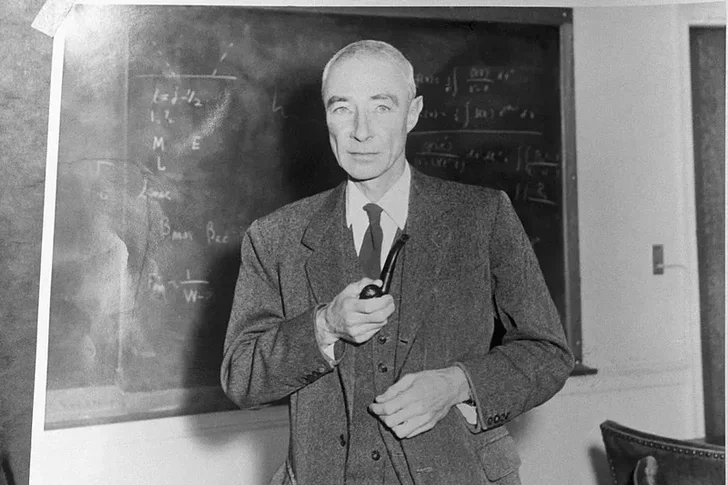
The successful film of director Christopher Nolan, "Oppenh...

Worry about layoffs, not burnout*. Worrying about being o...
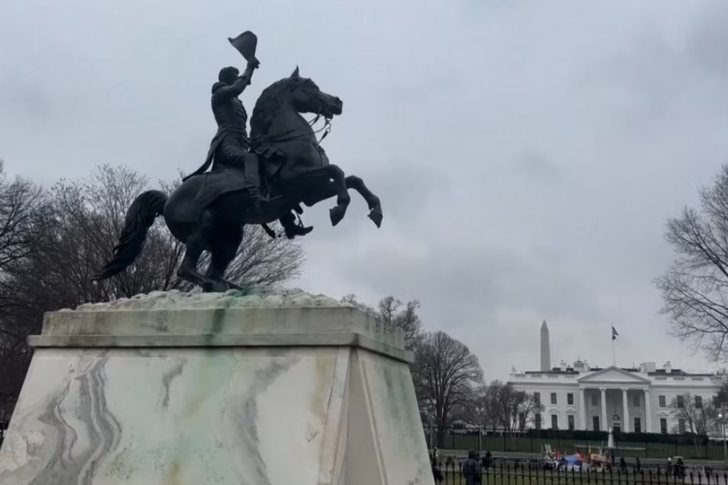
Now that President Joe Biden and former President Donald T...
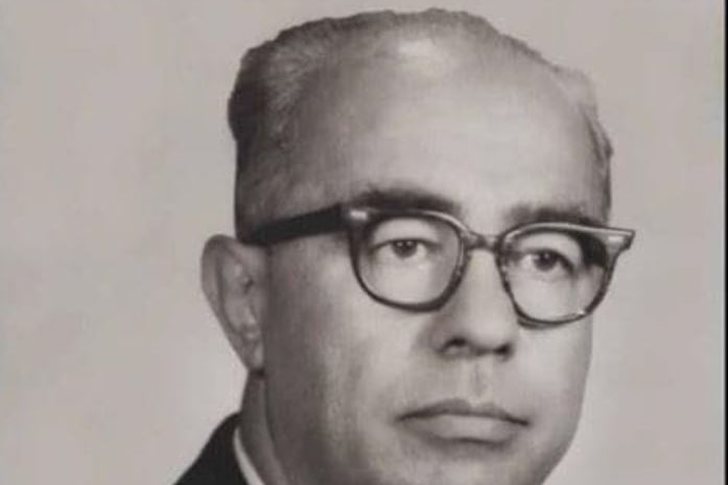
Communism is an unnatural philosophy of life, against ...

To work side by side with death! Years ago, in England, t...
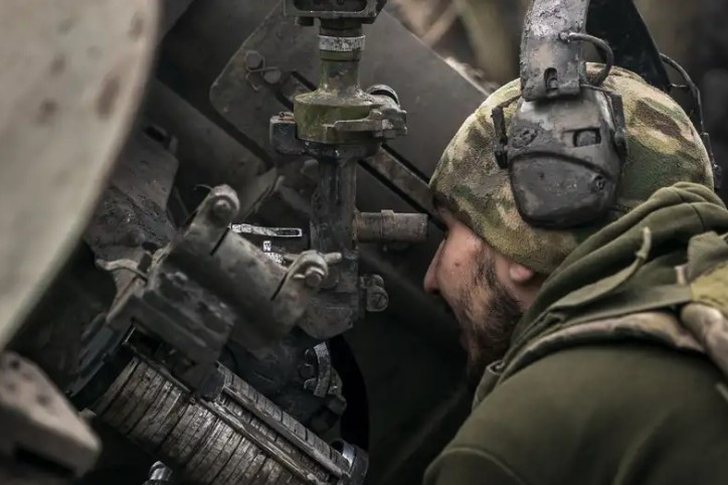
The EU's goal was quite ambitious. 1 million artillery she...
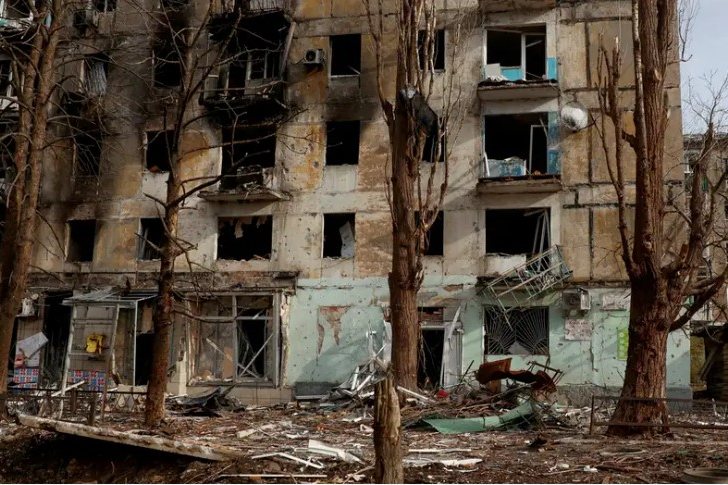
By 2026, Ukraine alone will lose the equivalent of about $...
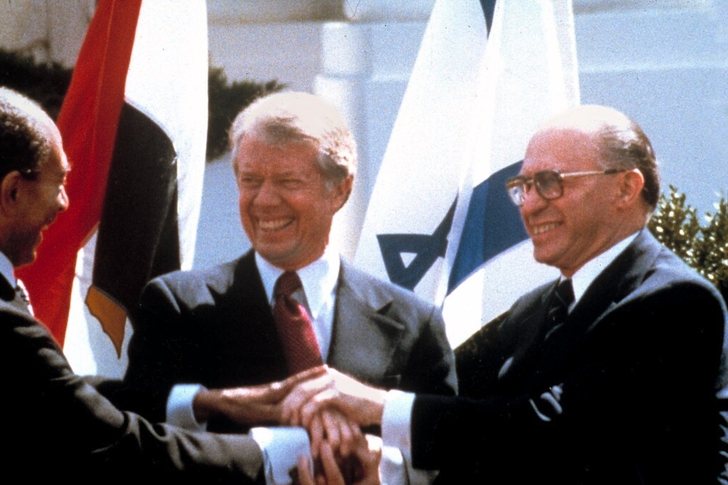
It was a warm handshake between two statesmen, conducted i...

They say one thing and they do another. This expression is...
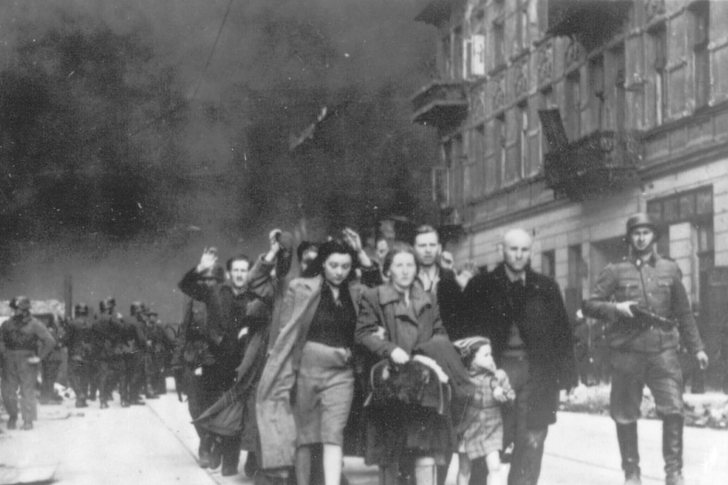
After World War II and Nazi Germany's murder of 6 million ...

"With courage and faith", this is the motto that accompani...
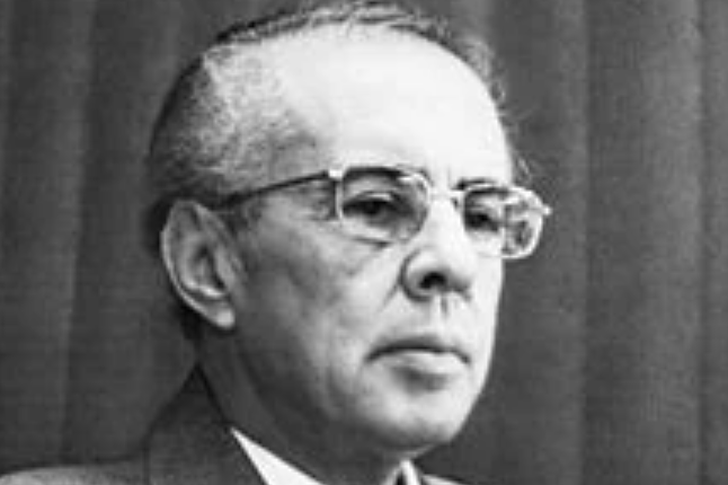
Everyone knows Hitler, Stalin, Mao and Pol Pot. But th...

Montesquieu, "De l'esprit des lois", (On the Spirit of Law...

CNA has launched another investigation that could lead to ...

Irfan Hysenbelliu is a businessman that we call "Irfan the...

In March 2026, CNA launched another investigation centered...
The arrested mayor of Tirana, Erion Veliaj, with 13 charge...

The Special Board of Appeal (KPA) decided this Monday ...

The KPA vetting decided this Thursday to dismiss the p...

Suela Salavaçi, a prosecutor in the Prosecutor's Offic...

The Special Board of Appeal reinstated the prosecutor ...

Citizen MH, 61, a fisherman, was found dead near the islan...
Another phase of the international operation, codenamed "T...
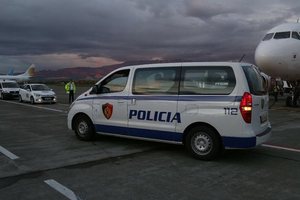
Police have arrested a 34-year-old woman at Rinas Airport ...

A serious accident has occurred on the Lezhë-Shëngjin axis...

This Wednesday, our country will be under the influence of...
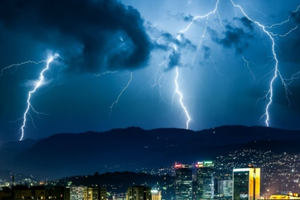
All of Southern Europe will face changing weather conditio...
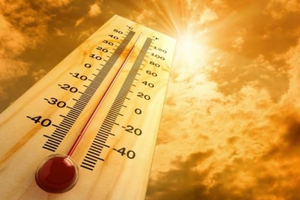
Albania was hit by temperatures significantly higher than ...

For the first time, Pogradec welcomed the Inter-Lake Chess...

Prime Minister Andy Burnham has announced that most bus fa...

France's parliament has passed a law to ban social media f...

US Secretary of State Marco Rubio arrived in Manila on Jul...
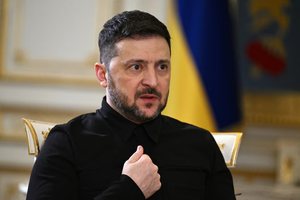
In the space of a few days, Ukrainian President Volodymyr ...

At a time when industrial products are increasingly taking...

Trust among people is not just a three-syllable word. It c...

Master of humor Todi Llupi has passed away at the age of 7...

The ninth edition of "MIK Festival" kicked off with one of...

Businesses will no longer be required to simply register t...

Despite economic growth and income in recent years, Albani...

This Wednesday, one US dollar is bought for 81.4 lek and s...

Construction company licenses will have a validity period ...