


Territorial Reform/ Berisha warns Rama: We will get Albania back on its feet
DP leader Sali Berisha has spoken about extending the dead...

DP leader Sali Berisha has spoken about extending the dead...

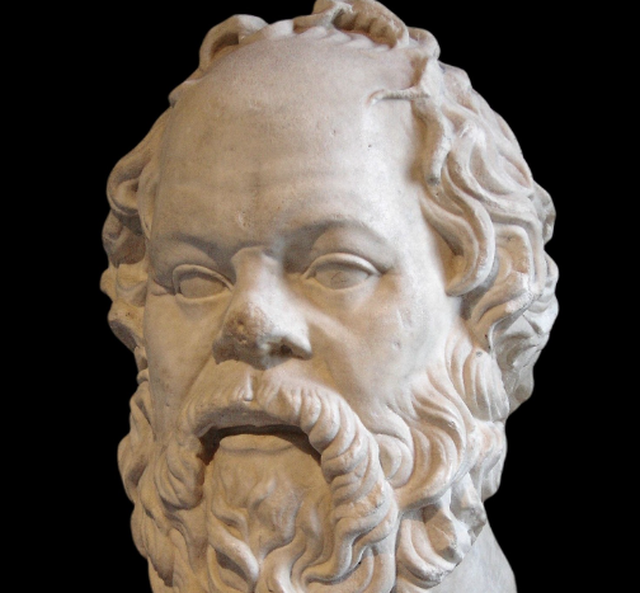
Socrates, the famous philosopher of ancient Greece, had a rather unconventional view of the written word.
In his eyes, the act of writing had the potential to diminish the human intellect rather than enhance it.
He believed that relying too much on written texts could lead to intellectual laziness, as it allowed people to read and retrieve information without really understanding it.
According to Socrates, the written word weakened memory, as individuals no longer needed to rely on their memory of knowledge.
Instead, they could consult written texts whenever they needed information, neglecting to cultivate their mental abilities.
Also, Socrates warned against the misconception that only books can provide true wisdom. While written texts may contain valuable information, Socrates argued that true knowledge came from introspection and critical thinking.
Simply reading words on a page did not equate to true understanding; rather, internalizing and interpreting those words led to true insight.
In one of Plato's dialogues, Socrates expresses his concerns about the limitations of written language to his disciple Phaedrus.
He warns that written text lacks the interactive quality of spoken dialogue, describing it as "dumb" and incapable of engaging in meaningful discourse. Socrates feared that relying solely on written communication would stifle intellectual exchange and hinder the pursuit of truth.
Despite the irony of his message being conveyed through writing, Socrates' skepticism of the written word is a thoughtful reminder of the importance of critical thinking and introspection in the pursuit of knowledge.
Socrates drew on an ancient Egyptian legend to illustrate his skepticism of the written word.
According to this tale, two Egyptian gods, Theuth and Thamus, argue over the introduction of writing to mankind.
Theuth, the god of invention, extols the virtues of writing, claiming that it enhances memory and preserves knowledge for future generations. However, Thamus, the king of Egypt, expresses concern about the possible shortcomings of writing.
Thamus recognizes that writing aids memory by providing a tangible record of information. However, he argues that this external aid comes at a cost: it reduces the need for individuals to cultivate their internal memory.
In Thamus' view, too much reliance on written texts hinders the development of true wisdom, as individuals become dependent on external sources rather than engaging in active mental processes./ Adapted from CNA

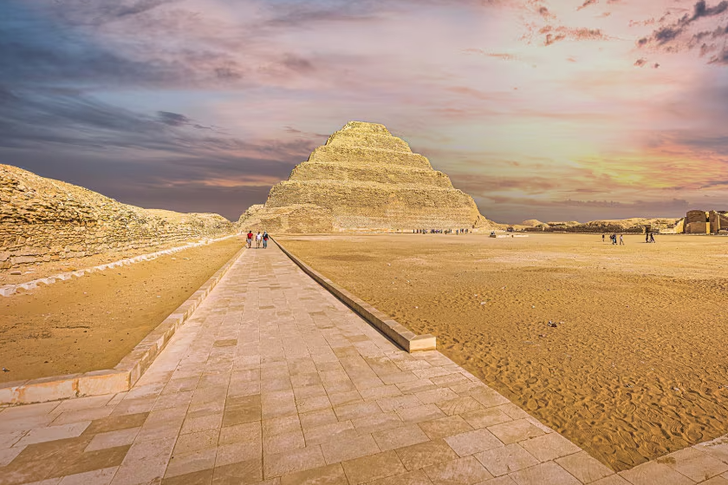
To transport the stone blocks needed to build Djoser's pyr...

Whether you're watching from afar, cheering, competing...

In the event that plan A is to 'revive' Joe Biden, and...

A carpet cleaning company, a construction company, a m...

Who are the main favorites in this European Championship? ...

"Heydar Aljevi did not care that I was Armenian. What matt...
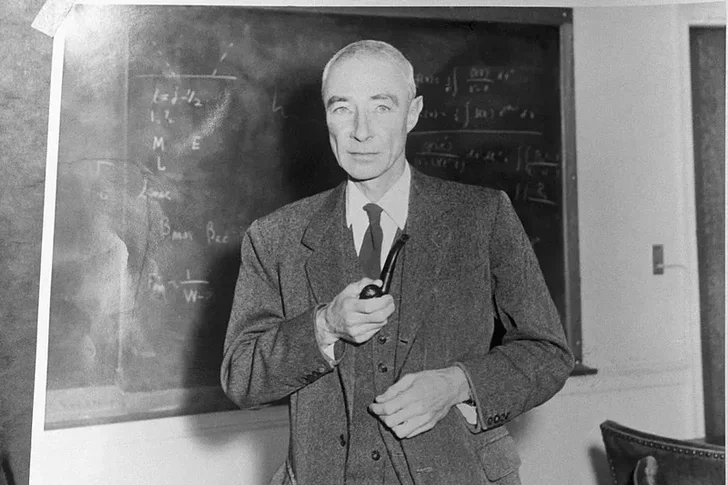
The successful film of director Christopher Nolan, "Oppenh...

Worry about layoffs, not burnout*. Worrying about being o...

Now that President Joe Biden and former President Donald T...
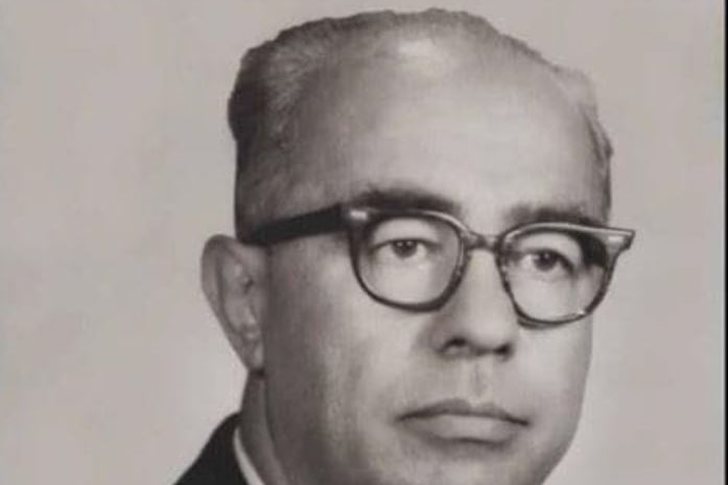
Communism is an unnatural philosophy of life, against ...

To work side by side with death! Years ago, in England, t...

The EU's goal was quite ambitious. 1 million artillery she...

By 2026, Ukraine alone will lose the equivalent of about $...

It was a warm handshake between two statesmen, conducted i...

They say one thing and they do another. This expression is...
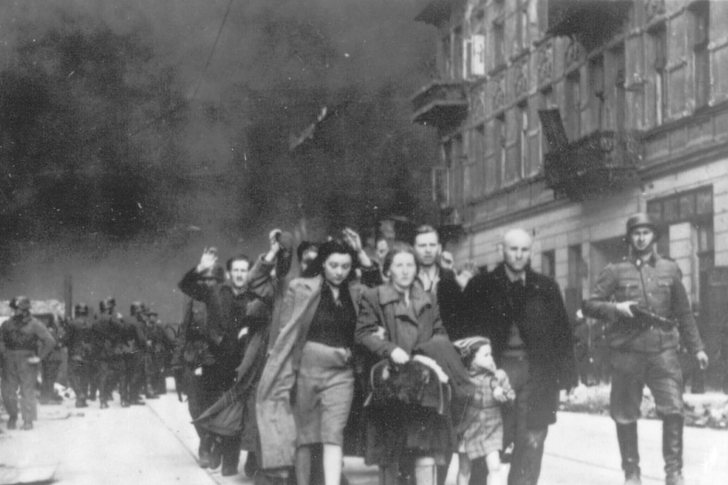
After World War II and Nazi Germany's murder of 6 million ...

"With courage and faith", this is the motto that accompani...
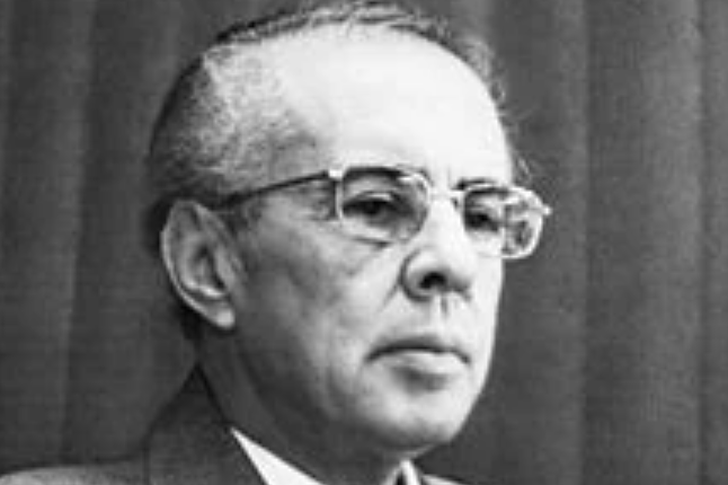
Everyone knows Hitler, Stalin, Mao and Pol Pot. But th...

Montesquieu, "De l'esprit des lois", (On the Spirit of Law...

Sot është përvjetori i 104-rt i çeljes së Kongresit të...

CNA has launched another investigation that could lead to ...

Irfan Hysenbelliu is a businessman that we call "Irfan the...

In March 2026, CNA launched another investigation centered...
The arrested mayor of Tirana, Erion Veliaj, with 13 charge...

The Special Board of Appeal (KPA) decided this Monday ...

The KPA vetting decided this Thursday to dismiss the p...

Suela Salavaçi, a prosecutor in the Prosecutor's Offic...

The Special Board of Appeal reinstated the prosecutor ...

Citizen MH, 61, a fisherman, was found dead near the islan...

Another phase of the international operation, codenamed "T...

Police have arrested a 34-year-old woman at Rinas Airport ...

A serious accident has occurred on the Lezhë-Shëngjin axis...

This Wednesday, our country will be under the influence of...

All of Southern Europe will face changing weather conditio...

Albania was hit by temperatures significantly higher than ...

For the first time, Pogradec welcomed the Inter-Lake Chess...

Prime Minister Andy Burnham has announced that most bus fa...

France's parliament has passed a law to ban social media f...

US Secretary of State Marco Rubio arrived in Manila on Jul...

In the space of a few days, Ukrainian President Volodymyr ...

At a time when industrial products are increasingly taking...

Trust among people is not just a three-syllable word. It c...

Master of humor Todi Llupi has passed away at the age of 7...

The ninth edition of "MIK Festival" kicked off with one of...

Businesses will no longer be required to simply register t...

Despite economic growth and income in recent years, Albani...

This Wednesday, one US dollar is bought for 81.4 lek and s...

Construction company licenses will have a validity period ...