


Second victim of bad weather/ Fisherman drowns in Ksamil
Citizen MH, 61, a fisherman, was found dead near the islan...

Citizen MH, 61, a fisherman, was found dead near the islan...

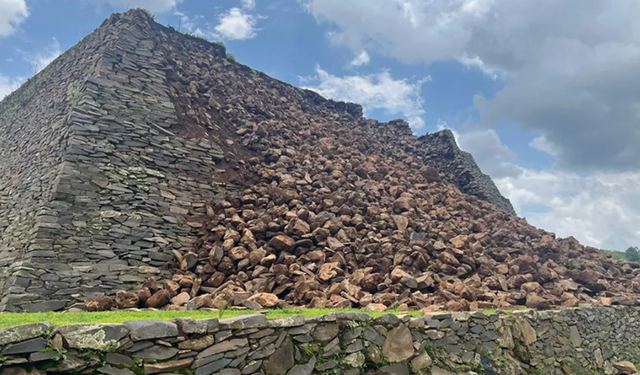
Flooding from heavy rain near Lake Pátzcuaro has caused the collapse of an ancient pyramid in Mexico, just days after the iconic "Double Arch" in Utah's Glen Canyon National Recreation Area collapsed into Lake Powell.
Both are "victims" of an increasingly wild global climate, which some say may also be an indication of impending trouble.
The structure, located in the Ihuatzio Archaeological Zone in Michoacán, had recently been damaged by temperatures, causing cracks that allowed water into its interior. On the night of July 29, it was covered in a heavy downpour, causing the central part of its southern facade to collapse, according to Mexico's National Institute of Anthropology and History (INAH).
Very quickly, the agency's experts learned the problem.
"Beginning in the early hours of July 30, personnel moved to the heritage site to assess the damage caused," INAH said in a statement.
They confirmed damage to at least six stepped sections of the southern base of the pre-Hispanic monument, both to the exterior walls and to the core and interior walls.
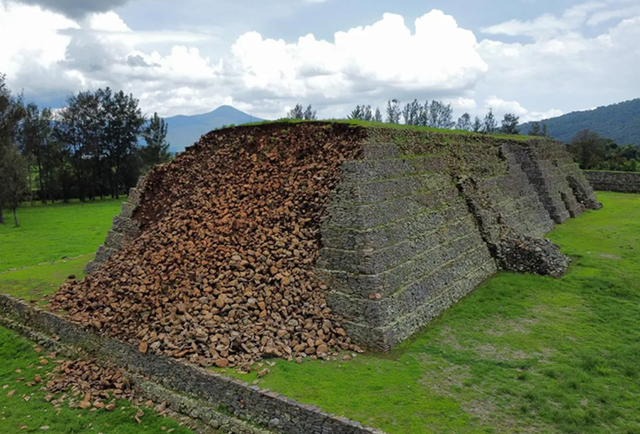
At its peak, Ihuatzio covered approximately 150 hectares and housed at least 84 structures, seven of which are currently on display in the archaeological park. The settlement was first occupied in 900 AD by Nahuatl-speaking groups, but its glory days were between 1200 and 1521 AD when it served as the first seat of the Purépecha empire.
This civilization was a contemporary and major rival of the mighty Aztec Empire. Many battles were fought between the two Mesoamerican superpowers, but the Purépechas remained one of the only indigenous groups in the region that the Aztecs failed to conquer.
The pyramidal structures at Ihuatzio were sacred spaces, most likely used for spiritual rituals and ceremonies. They also held a political role, acting as a powerful symbol of the culture's power and authority.
The Purépecha people still live in parts of Michoacán state in western Mexico and have commented on how their historical traditions may have seen the structure's collapse as a sign of impending doom.
Tariakuiri Alvarez, who referred to the pyramid builders as ancestors in a Facebook post, described how this would have been considered a bad omen, indicating "that an event is approaching".
"Before the arrival of the invaders, according to historical accounts, something similar happened to the Purhé, Purépecha worldview of that time, because the gods Nana Kuerhaépiri and K'eri Kurikweri were displeased," the translated post said./ Adapted by CNA

We all played the broken phone game in our childhood, ...
Socrates, the famous philosopher of ancient Greece, had a ...
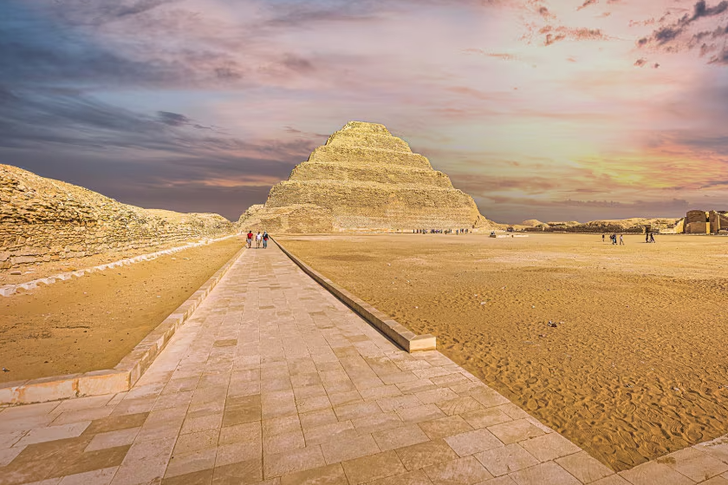
To transport the stone blocks needed to build Djoser's pyr...

Whether you're watching from afar, cheering, competing...

In the event that plan A is to 'revive' Joe Biden, and...
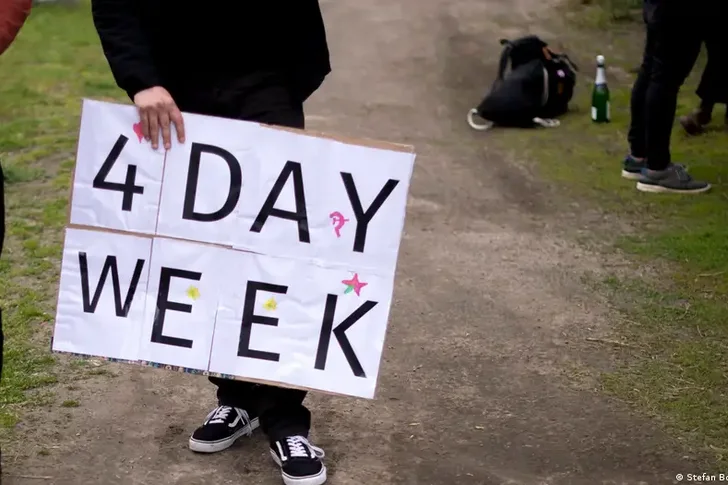
A carpet cleaning company, a construction company, a m...

Who are the main favorites in this European Championship? ...

"Heydar Aljevi did not care that I was Armenian. What matt...
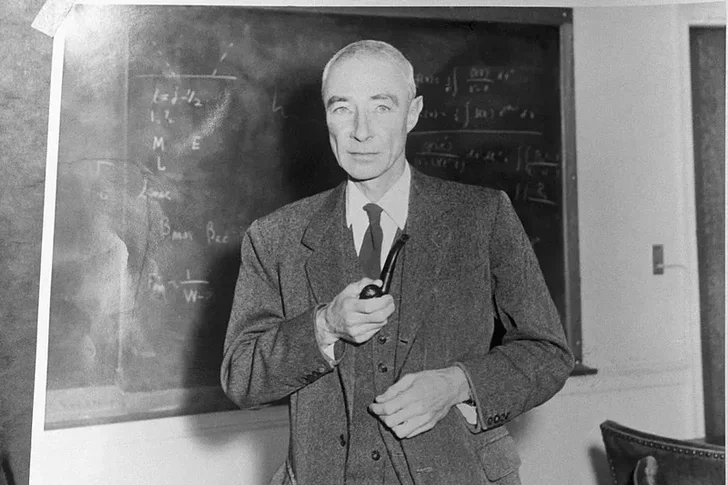
The successful film of director Christopher Nolan, "Oppenh...

Worry about layoffs, not burnout*. Worrying about being o...
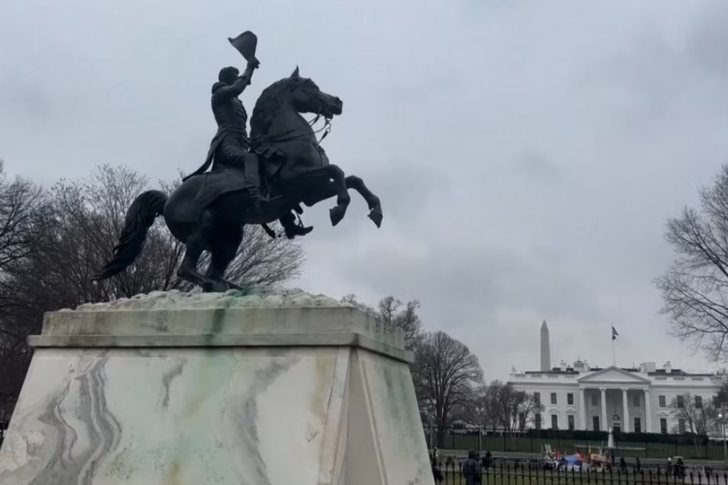
Now that President Joe Biden and former President Donald T...
Communism is an unnatural philosophy of life, against ...
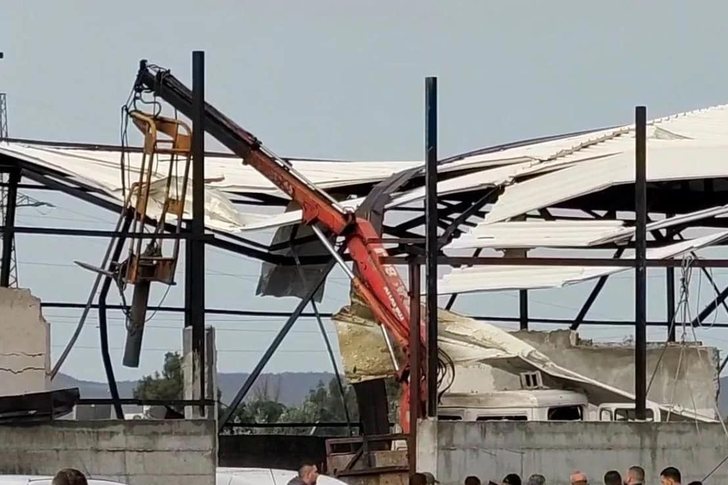
To work side by side with death! Years ago, in England, t...
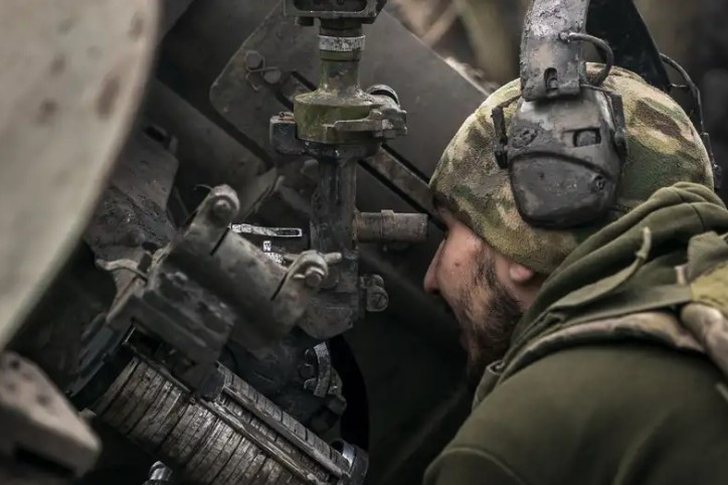
The EU's goal was quite ambitious. 1 million artillery she...
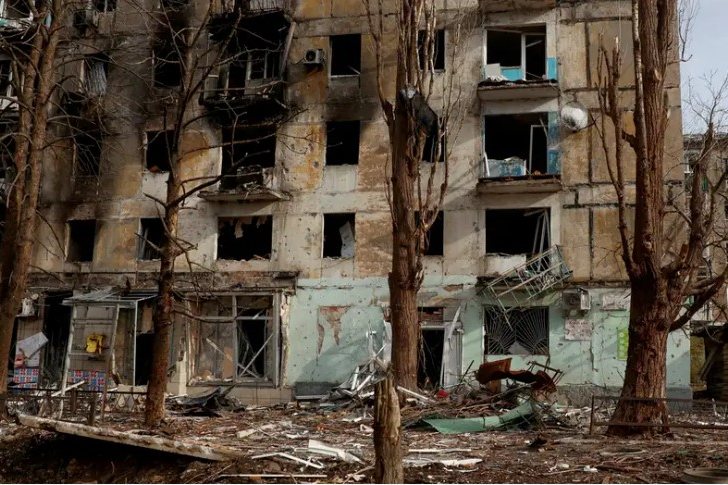
By 2026, Ukraine alone will lose the equivalent of about $...

It was a warm handshake between two statesmen, conducted i...

They say one thing and they do another. This expression is...
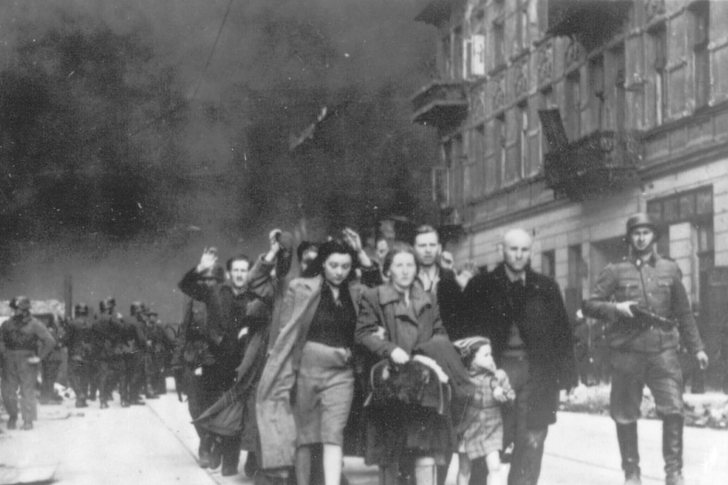
After World War II and Nazi Germany's murder of 6 million ...

"With courage and faith", this is the motto that accompani...
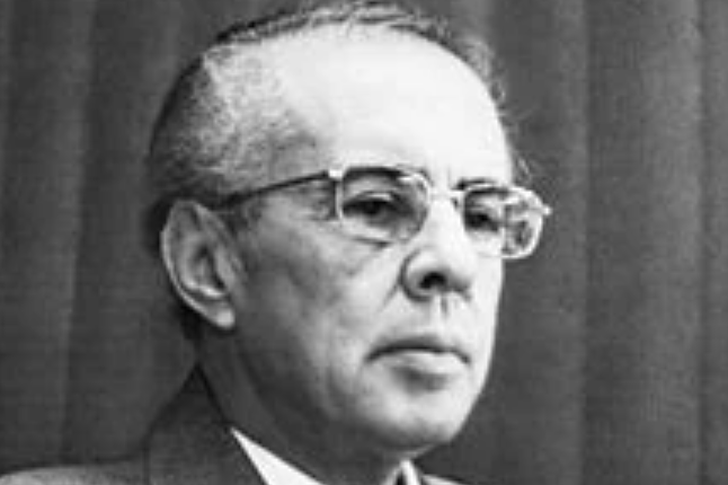
Everyone knows Hitler, Stalin, Mao and Pol Pot. But th...

CNA has launched another investigation that could lead to ...

Irfan Hysenbelliu is a businessman that we call "Irfan the...

In March 2026, CNA launched another investigation centered...
The arrested mayor of Tirana, Erion Veliaj, with 13 charge...

The Special Board of Appeal (KPA) decided this Monday ...

The KPA vetting decided this Thursday to dismiss the p...

Suela Salavaçi, a prosecutor in the Prosecutor's Offic...

The Special Board of Appeal reinstated the prosecutor ...
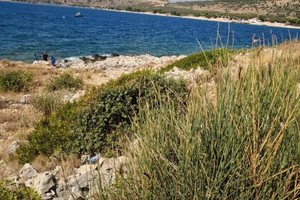
Citizen MH, 61, a fisherman, was found dead near the islan...

Another phase of the international operation, codenamed "T...

Police have arrested a 34-year-old woman at Rinas Airport ...

A serious accident has occurred on the Lezhë-Shëngjin axis...

This Wednesday, our country will be under the influence of...
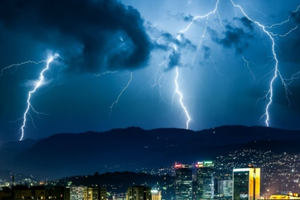
All of Southern Europe will face changing weather conditio...
Albania was hit by temperatures significantly higher than ...

For the first time, Pogradec welcomed the Inter-Lake Chess...

Prime Minister Andy Burnham has announced that most bus fa...

France's parliament has passed a law to ban social media f...

US Secretary of State Marco Rubio arrived in Manila on Jul...

In the space of a few days, Ukrainian President Volodymyr ...

At a time when industrial products are increasingly taking...

Trust among people is not just a three-syllable word. It c...

Master of humor Todi Llupi has passed away at the age of 7...

The ninth edition of "MIK Festival" kicked off with one of...

Businesses will no longer be required to simply register t...

Despite economic growth and income in recent years, Albani...

This Wednesday, one US dollar is bought for 81.4 lek and s...

Construction company licenses will have a validity period ...