


Second victim of bad weather/ Fisherman drowns in Ksamil
Citizen MH, 61, a fisherman, was found dead near the islan...

Citizen MH, 61, a fisherman, was found dead near the islan...


In the mid-1300s, humanity faced one of its darkest chapters: the Black Death.
This devastating outbreak of bubonic plague devastated vast regions, killing an estimated 75 to 200 million people.
The toll was particularly high in Europe, where 30 to 60% of the population succumbed to the relentless disease.
Originating in Asia, the Black Death spread rapidly along trade routes, reaching Europe, North Africa and Central Asia with unprecedented ferocity.
The plague was transmitted primarily by rats and fleas, which thrived in the unsanitary living conditions prevalent during the Middle Ages.
As the Black Death swept through communities, it left a trail of death and despair in its wake. Entire cities were destroyed and societies plunged into chaos as fear and uncertainty gripped the population.
The scale of the devastation was staggering, reshaping the demographic landscape of entire continents for generations to come.
Despite its medieval origins, the legacy of the Black Death lives on as a strong reminder of the fragility of human existence and the profound impact of infectious diseases on society.
Plague is a dreaded infectious disease caused by a bacterium that is carried and spread by parasitic fleas found on rodents, especially the brown rat.
These tiny pests were unwitting carriers of death, transmitting the deadly bacillus to humans as they fed on their blood.
However, it wasn't just rodents that spread the plague; Other parasites, including those that inhabit human skin, may also have contributed to its transmission.
There are three main types of plague, all of which likely played a role in the devastating Black Death pandemic.
Bubonic plague, the most common form during the 14th century outbreak, was named for the agonizing swellings it caused in the lymph nodes of the groin and armpits.
These swollen nodules, known as buboes, would turn a hideous black color, thus earning the epidemic its ominous name, the "Black Death." Affected individuals also suffered from raging fevers, joint pain, and the appearance of black sores covering their bodies, evidence of internal bleeding caused by the disease.
If left untreated, bubonic plague proved fatal in a staggering percentage of cases, killing 30 to 75% of those infected, often within just 72 hours.
The other two forms of plague, pneumonic (or pulmonary) and septicemic, were equally deadly, usually resulting in death in all cases.
The great virulence of the plague and its rapid progress left little hope for those unlucky enough to contract it, casting a shadow of fear and despair over all communities during the medieval era./ Adapted from CNA

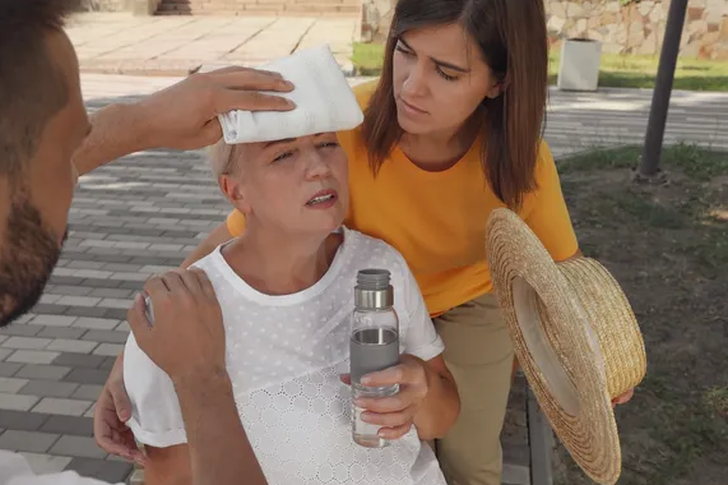
This summer the media has been filled with alarming re...
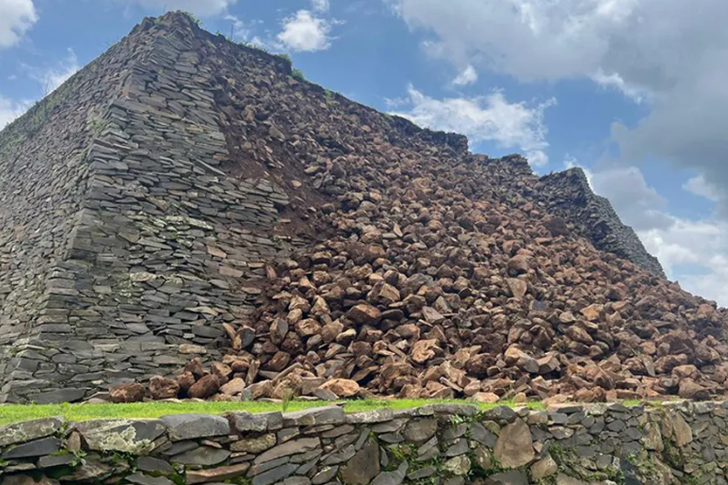
Flooding from heavy rain near Lake Pátzcuaro has caused th...

We all played the broken phone game in our childhood, ...
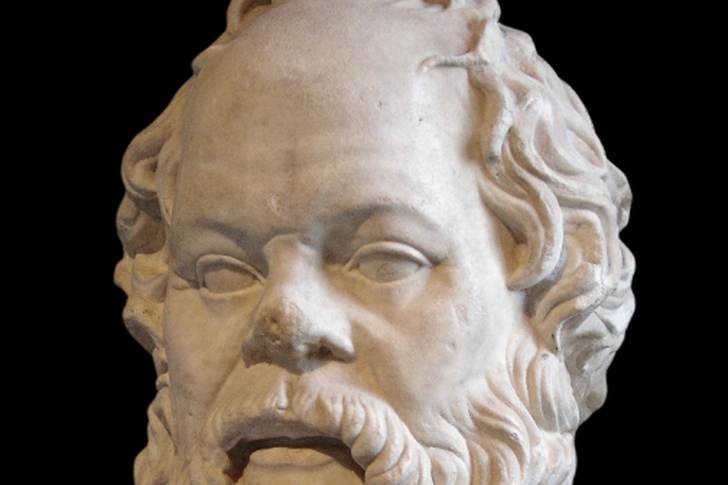
Socrates, the famous philosopher of ancient Greece, had a ...

To transport the stone blocks needed to build Djoser's pyr...

Whether you're watching from afar, cheering, competing...

In the event that plan A is to 'revive' Joe Biden, and...
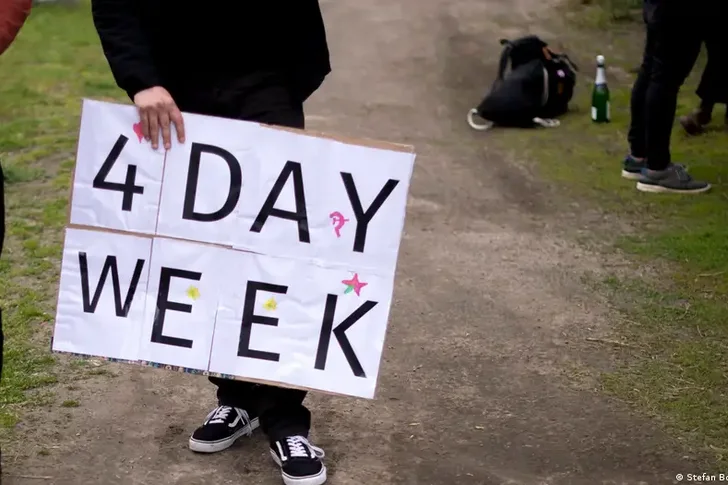
A carpet cleaning company, a construction company, a m...

Who are the main favorites in this European Championship? ...

"Heydar Aljevi did not care that I was Armenian. What matt...

The successful film of director Christopher Nolan, "Oppenh...

Worry about layoffs, not burnout*. Worrying about being o...

Now that President Joe Biden and former President Donald T...
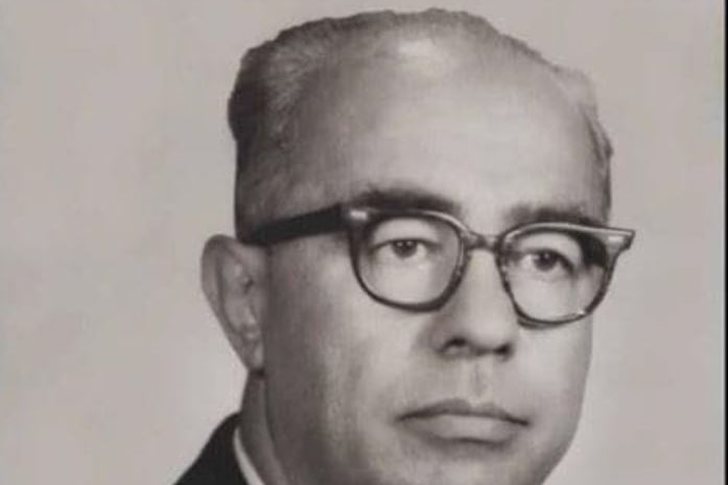
Communism is an unnatural philosophy of life, against ...

To work side by side with death! Years ago, in England, t...
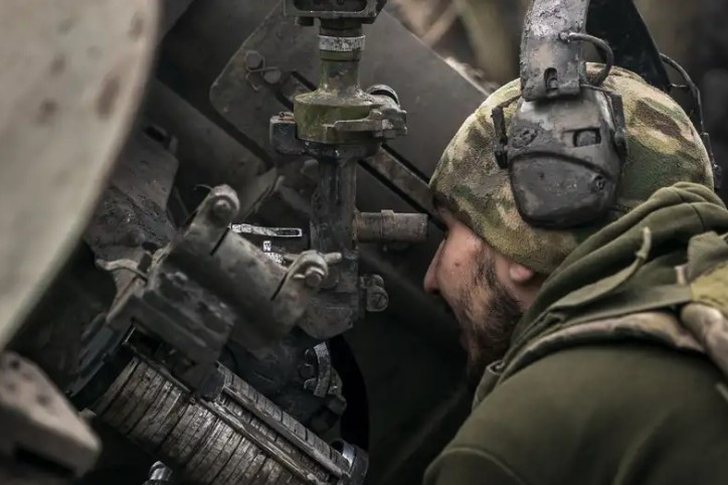
The EU's goal was quite ambitious. 1 million artillery she...
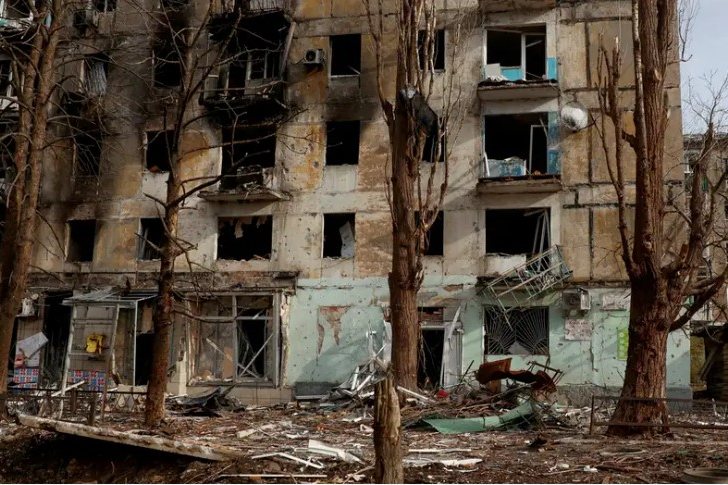
By 2026, Ukraine alone will lose the equivalent of about $...

It was a warm handshake between two statesmen, conducted i...

They say one thing and they do another. This expression is...
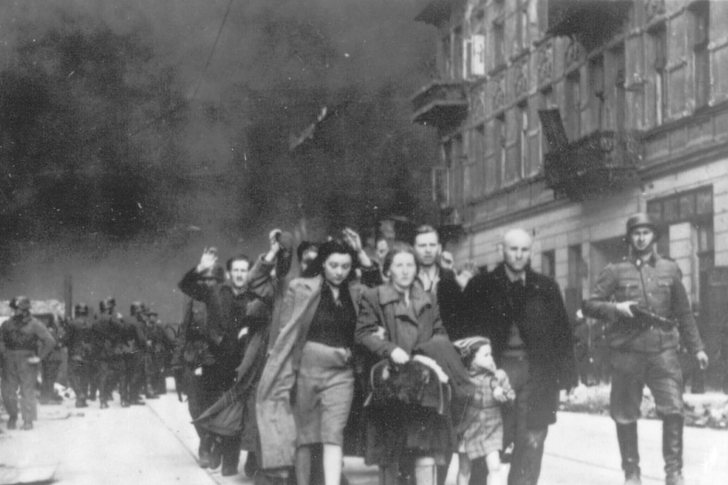
After World War II and Nazi Germany's murder of 6 million ...

CNA has launched another investigation that could lead to ...

Irfan Hysenbelliu is a businessman that we call "Irfan the...
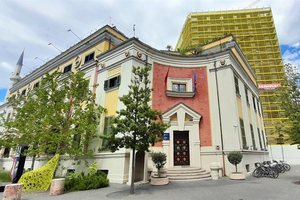
In March 2026, CNA launched another investigation centered...
The arrested mayor of Tirana, Erion Veliaj, with 13 charge...

The Special Board of Appeal (KPA) decided this Monday ...

The KPA vetting decided this Thursday to dismiss the p...

Suela Salavaçi, a prosecutor in the Prosecutor's Offic...

The Special Board of Appeal reinstated the prosecutor ...
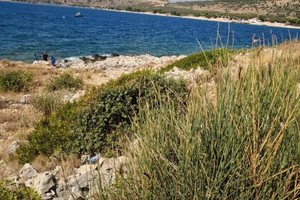
Citizen MH, 61, a fisherman, was found dead near the islan...

Another phase of the international operation, codenamed "T...

Police have arrested a 34-year-old woman at Rinas Airport ...

A serious accident has occurred on the Lezhë-Shëngjin axis...

This Wednesday, our country will be under the influence of...

All of Southern Europe will face changing weather conditio...
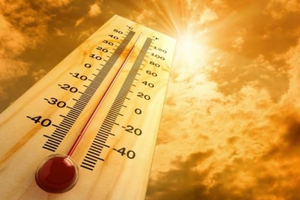
Albania was hit by temperatures significantly higher than ...

For the first time, Pogradec welcomed the Inter-Lake Chess...

Prime Minister Andy Burnham has announced that most bus fa...

France's parliament has passed a law to ban social media f...

US Secretary of State Marco Rubio arrived in Manila on Jul...

In the space of a few days, Ukrainian President Volodymyr ...

At a time when industrial products are increasingly taking...

Trust among people is not just a three-syllable word. It c...

Master of humor Todi Llupi has passed away at the age of 7...

The ninth edition of "MIK Festival" kicked off with one of...

Businesses will no longer be required to simply register t...

Despite economic growth and income in recent years, Albani...

This Wednesday, one US dollar is bought for 81.4 lek and s...

Construction company licenses will have a validity period ...