

August 23, the European Day of Remembrance, denounces the Albanian state for not punishing the crimes of communism!
August 23 is "Black Ribbon Day", the official European Day...



The last decade and a half has seen unrest across the globe. The 2008 financial crisis and its aftermath, the COVID-19 pandemic, and major regional conflicts in Sudan, the Middle East, Ukraine, and elsewhere have left residual uncertainty.
Added to this is a tense and growing rivalry between the US and its perceived adversaries, especially China.
In response to these troubled times, commentators have often reached for the facile analogy of the post-1945 era to explain geopolitics. We are told again and again, the world is entering a "new Cold War". "
But as a historian of the US's place in the world, these references to a conflict that put the West in a decade-long ideological battle with the Soviet Union and its allies and the ripples that the Cold War had around the globe are far from today's events. To a critical eye, the world looks less like the structured competition of that Cold War and more like the severe collapse of world order that occurred during the 1930s.
In 1939, the poet WH Auden referred to the previous 10 years as "the low dishonest decade", a time of uncertainty and conflict.
From the perspective of almost a century later, the period from the Wall Street Crash of 1929 to the start of World War II can be distorted by loaded terms like "isolationism" or "pacifism." The decade has been played as a morality play for the rise of figures like Adolf Hitler and Benito Mussolini, and simple narratives of aggression have been relaxed.
But the era was much more complicated. Powerful forces in the 1930s reshaped economies, societies, and political beliefs. Understanding these dynamics can provide clarity to the confusing events of recent years.
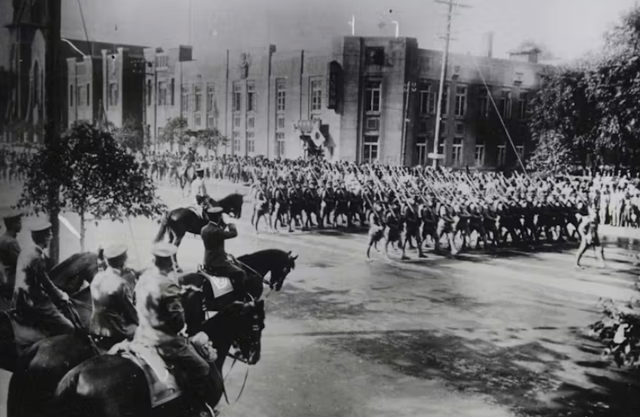
The Great Depression defined the 1930s worldwide. It was not, as is often remembered, just the stock market crash of 1929. This was simply a step forward in a large-scale unraveling of the world economy that lasted a painful time.
The ongoing economic problems affected economies and individuals from Minneapolis to Mumbai, India and caused profound cultural, social and, ultimately, political changes.
Meanwhile, the length of the Great Depression and its resistance to standard solutions, such as simply letting market forces "clean up the rot" of a massive crisis, discredited the laissez faire approach to economics and the liberal capitalist states that supported it.
The “miniature depression” that followed the financial crisis of 2008 produced something similar, throwing international and domestic economies into chaos, making billions insecure and discrediting a liberal globalization that had ruled since the 1990s.
In both major and minor depressions, people around the world had their lives turned upside down and, finding established ideas, the elites and institutions they loved, turned to more radical and extreme voices.
It wasn't just Wall Street that crashed; for many, the crisis has subdued the ideology that drives the US and much of the world: liberalism.
In the 1930s, this skepticism raised questions about whether democracy and capitalism, already beset by contradictions in the form of discrimination, racism, and empire, were fit for the demands of the modern world. Over the past decade, we've similarly seen voters turn to authoritarian-leaning populists in countries around the world.
The American essayist Edmund Wilson complained in 1931: "We have lost ... not merely our way in the economic labyrinth, but our conviction of the value of what we are doing." Writers in major magazines explained "why liberalism is bankrupt."
Today, figures on the left and right may similarly share a view articulated by conservative political scientist Patrick Deneen in his book, Why Liberalism Failed.
Liberalism—an ideology based broadly on individual liberties and the rule of law, as well as a belief in private property and the free market—was promoted by its supporters as a way to bring democratization and economic prosperity to the world.
The Great Depression had a similar effect. The optimism of the 1920s—a period some called the "first wave" of democratization—collapsed as countries from Japan to Poland established populist and authoritarian governments. The rise today of figures like Hungary's Victor Orban, Russia's Vladimir Putin, and China's Xi Jinping remind historians of the continued appeal of authoritarianism in times of uncertainty.
Both eras share a growing fragmentation in the world economy, in which countries, including the US, tried to stem the economic bleeding by raising tariffs to protect domestic industries.
Economic nationalism, although hotly debated and opposed, became a dominant force globally in the 1930s. This is reflected by recent calls for protectionist policies in many countries, including the US
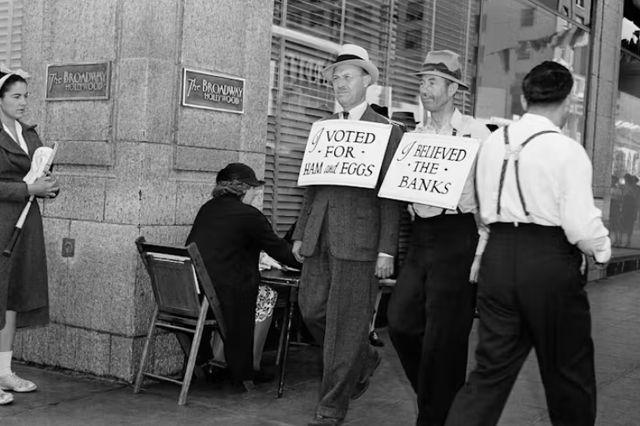
While the Great Depression sparked a "New Deal" in the United States, where government took on new roles in the economy and society, elsewhere people burned by the explosion of a liberal world economy saw the rise of regimes that placed great power in the hands of . of the central government.
The call today for the Chinese model of authoritarian economic growth, and the image of the strongman embodied by Orban, Putin and others – not only in parts of the “Global South” but also in parts of the West – echoes the 1930s.
The Depression intensified a series of so-called "totalitarian" ideologies: fascism in Italy, communism in Russia, militarism in Japan and, above all, Nazism in Germany.
Importantly, it gave these systems a level of legitimacy in the eyes of many people around the world, especially when compared to bumbling liberal governments that seemed incapable of providing responses to crises.
Some of these totalitarian regimes had pre-existing grievances with the world created after World War I. And, after the failure of a global order based on liberal principles to provide stability, they set out to reshape it on their own terms.
Observers today may express dismay at the return of large-scale warfare and the challenge it poses to global stability. But it has a distinct parallel with the Depression years.
In the early 1930s, countries like Japan moved to revise the world system by force—hence the reason such nations were known as "revisionists." The secession of parts of China, notably Manchuria in 1931, was achieved – not unlike Russia's annexation of Crimea in 2014 – with little more than unrecognition by Western democracies.
As the decade progressed, open military aggression became widespread. China became a bellwether, as its anti-imperial war of self-preservation against Japan was relentlessly supported by other powers. Ukrainians today can well understand this parallel.
Ethiopia, Spain, Czechoslovakia and eventually Poland became targets of "revisionist" states that use military aggression, or the threat of it, to reshape the international order in their own image.
Ironically, by the late 1930s, many living through those years of crisis saw their own "cold war" against the regimes and methods of states like Nazi Germany. They used those very words to describe the breakdown of normal international affairs into a series of constant, sometimes violent, contests. French observers described a period of "no peace, no war" or a "demi guerre".
The figures of the time understood that it was less of an ongoing competition than a box for norms and relationships that were being re-established. Their words echo the sentiments of those who see today the creation of a new multipolar world and the rise of regional powers seeking to expand their local influences.
It is sobering to compare our current moment with that in the past, the end of which was global war.
Historical parallels are never perfect, but they invite us to reexamine our present. Our future must be neither a repeat of the "Hot War" that ended in the 1930s, nor of the Cold War that followed.
The growing power and capabilities of countries like Brazil, India and other regional powers remind one that historical actors evolve and change. However, recognizing that our era, like the 1930s, is a complex multipolar period, beset by serious crisis, allows us to see that tectonic forces are once again reshaping many fundamental relationships. Understanding this offers us a chance to curb the forces that once led to disaster./ Adapted from CNA

August 23 is "Black Ribbon Day", the official European Day...
It's been a few years since Artificial Intelligence is...

Tuscan physicist Bruno Pontecorvo (1913-1993), born into a...

Sweden has issued licenses to kill 20% of its brown bear ...
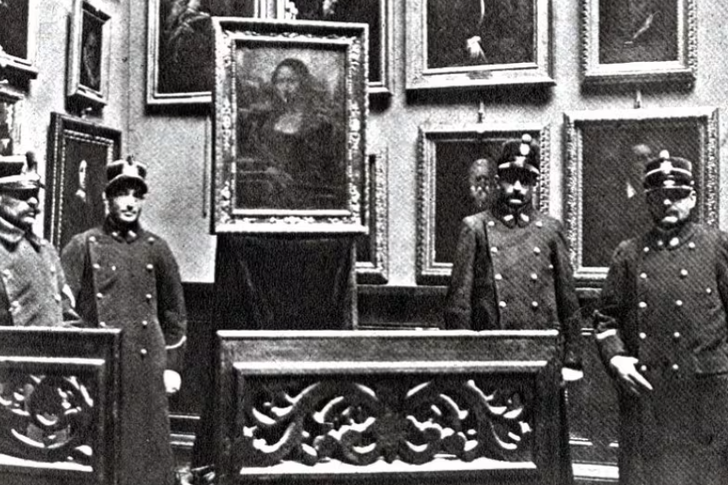
At seven o'clock in the morning on August 21, 1911, the da...
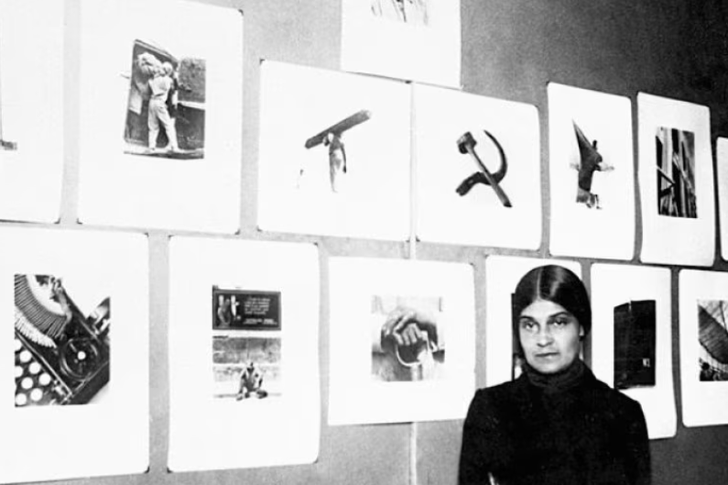
Tina Modotti, born in Friuli in 1896, is known as: actress...

During the 16th century in medieval Japan, wealthy married...
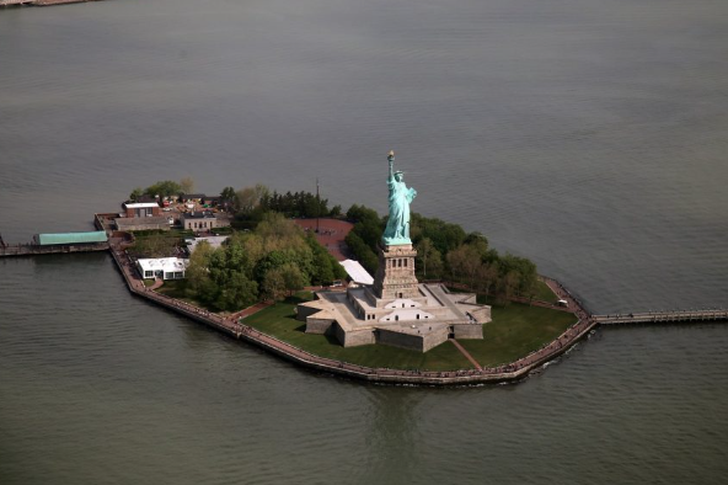
After being envisioned as a towering beacon to guide s...

In the mid-1300s, humanity faced one of its darkest chapte...

This summer the media has been filled with alarming re...
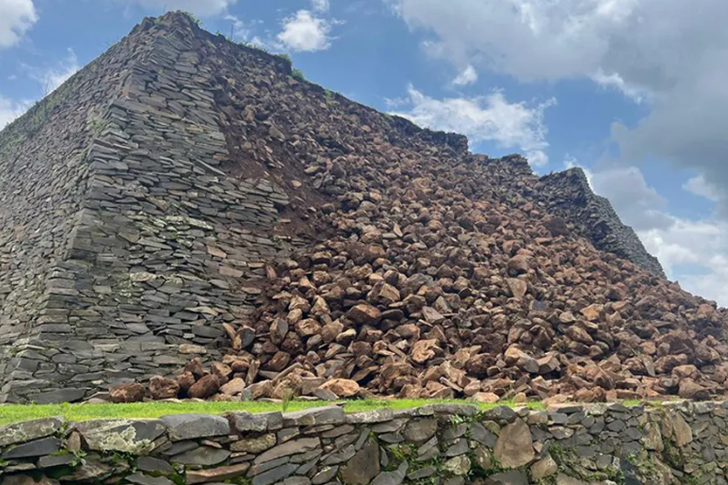
Flooding from heavy rain near Lake Pátzcuaro has caused th...

We all played the broken phone game in our childhood, ...
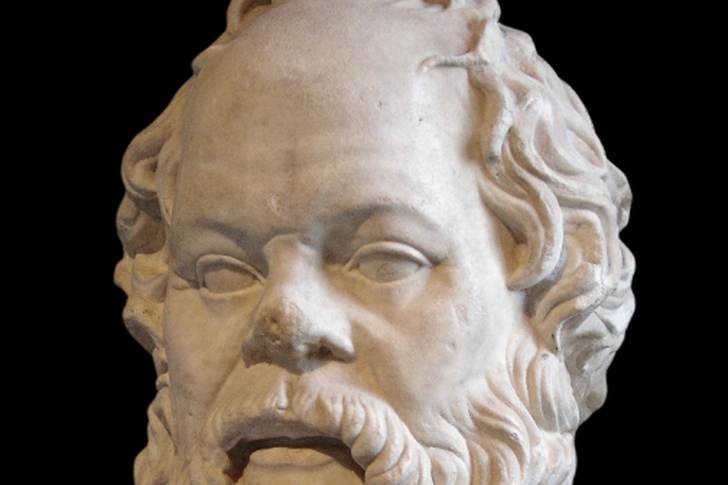
Socrates, the famous philosopher of ancient Greece, had a ...

To transport the stone blocks needed to build Djoser's pyr...

Whether you're watching from afar, cheering, competing...
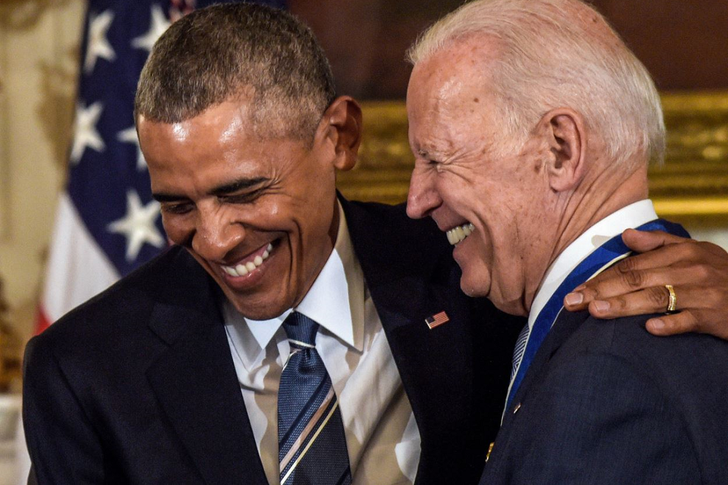
In the event that plan A is to 'revive' Joe Biden, and...
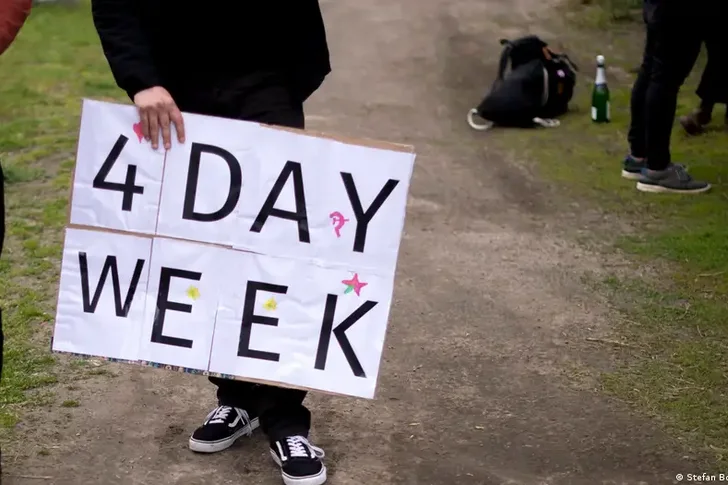
A carpet cleaning company, a construction company, a m...

Who are the main favorites in this European Championship? ...
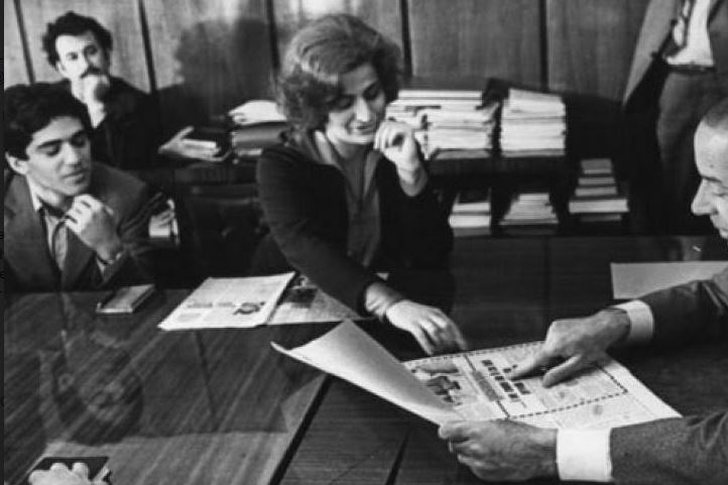
"Heydar Aljevi did not care that I was Armenian. What matt...
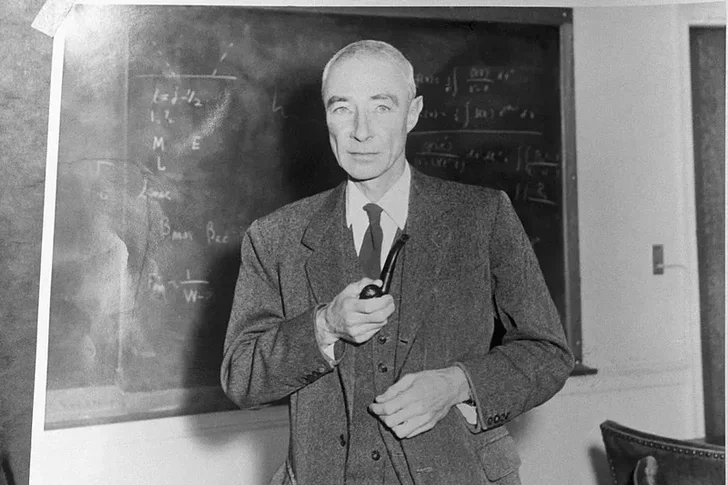
The successful film of director Christopher Nolan, "Oppenh...

There have been 12 days of protests in the capital, which ...

Dritan Prençi is the SPAK prosecutor who is sleeping on th...

The in-depth investigations that SPAK conducted into Ajola...

SPAK's standards, the way it investigates, how it secures ...

The Special Board of Appeal (KPA) decided this Monday ...

The KPA vetting decided this Thursday to dismiss the p...

Suela Salavaçi, a prosecutor in the Prosecutor's Offic...

The Special Board of Appeal reinstated the prosecutor ...

Policia e Vlorës ka finalizuar operacionin e koduar “Sigur...

New details have emerged regarding the serious accident th...

An Albanian businessman was arrested this afternoon in Gre...

A serious accident has occurred on the Korça-Ersekë axis, ...

Today our country will be affected by stable weather condi...

A tragic accident occurred this Friday afternoon in Kameni...

Today our country will be affected by unstable weather con...

On Thursday, our country will be affected by relatively un...

Good news for those who fly: After years of negotiations, ...

It took more than two years, but now the EU can begin acce...

US President Donald Trump announced that the US military h...
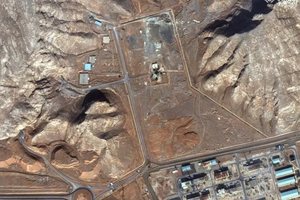
Iran has taken new measures to strengthen the protection o...

Several archaeological excavations conducted during this s...

At the Museum of Fine Arts in Chambéry, France, an exhibit...

Korça has transformed this weekend into the capital of cel...
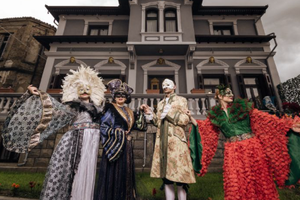
Korça is ready to open the summer season with one of the c...

This Saturday, one US dollar is bought for 81.5 lek and so...

The Governor of the Bank of Albania, Gent Sejko, shared to...

Business lending has increased in the first half of this y...

The labor market has shown worrying trends in early 2026. ...