

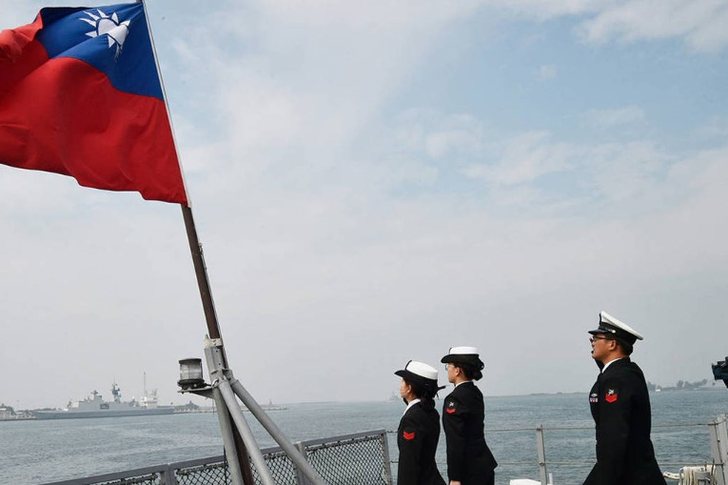
Is Taiwan worth defending?
No one seems to know how the United States would react...


Last week, Russia claimed control of the city of Bakhmut after an eight-month battle with Ukrainian forces, the longest and bloodiest war to date. But the attack was not led by the Russian Armed Forces, but by a private army that has fought alongside regular Russian troops since the invasion: the Wagner Group.
This mercenary army has always been shrouded in mystery. In the early days of the war, reports emphasized the covert nature of its military operations, including a plot to assassinate Ukrainian President Zelensky and his cabinet. Until recently, it was unclear whether there was a company registered under the name "Vagner".
That all changed in September 2022, when Yevgeny Prigozhin, a close ally of Putin, released a statement claiming he founded the group in 2014 to "protect Russians when the genocide of the Russian population of Donbas began."
Then, in January of this year, he decided to make it official, registering Wagner as a business and opening its "PMC Wagner Center" headquarters in St. Petersburg. It does not hide its activities: as the company's name, which also appears in the group's logo, makes clear, the Wagner Group is a PMC, a private military company, also known as a mercenary group.
The Russian government was forced to admit its existence. The clandestine status was officially removed. Wagner's officialization inadvertently symbolizes the changing nature of modern warfare, in which the traditional Clausewitzian paradigm—based on a clear distinction between public and private, friend and foe, civilian and military, combatant and non-combatant—has given way a much more chaotic reality, in which state armies now regularly fight alongside private and corporate paramilitary and mercenary groups.
Even when they are violent in nature, today's conflicts often occur in a "grey area", that is, below the threshold of conventional military action. Adversary states are increasingly facing each other through proxies or proxies, including private armies, rather than through their own armed forces.
And this is not only a phenomenon that occurs in Russia. The increasingly central role of private military and security companies (PMSCs) in modern warfare is a global phenomenon. Private armies have existed for centuries.
In recent decades, the use of mercenaries has been particularly widespread during the Cold War, especially in Africa, in the context of decolonization and the civil wars that followed there. They were widely used between the 1960s and early 1980s by the West to prevent colonies from achieving independence or to destabilize or overthrow newly independent governments, such as in the Democratic Republic of the Congo, the Republic of Benin, and the Republic of Seychelles.
At that time there was no international legal framework regarding mercenarism. Only in 1977, the Geneva Conventions included an international legal definition of it. According to it, a mercenary is any person who is recruited to fight in an armed conflict, who takes an active part in hostilities and who is neither a citizen of a party to the conflict nor a resident of the territory controlled by one of the parties.
It was a very narrow definition, but one that was specifically designed to address the problem of the use of mercenaries by the West against post-colonial governments. This led to the appointment in 1987 of a Special Rapporteur on the use of mercenaries.
Meanwhile, in 1989, the International Convention against the Recruitment, Use, Financing and Training of Mercenaries was drafted, which entered into force in 2001.
Ajo specifikonte se mercenarët ishin njerëz që minonin qeveritë legjitime. Për pasojë, gjatë viteve 1990, pati një rritje të ndjeshme të numrit të kompanive private ushtarake dhe të sigurisë, të cilat u përpoqën të distancojnë aktivitetet e tyre nga përkufizimi ligjor i mercenarizmit duke u paraqitur si subjekte biznesi zyrtare që ofrojnë shërbime “legjitime” të sigurisë dhe mbrojtjes, që gjoja dallohet nga ai i grupeve mercenare të paligjshme.
Dhe në përgjithësi patën sukses. Vetëm në atë dekadë, PMSC-të thuhet se trajnuan ushtarakët e 42 kombeve dhe morën pjesë në më shumë se 700 konflikte. Tek kjo rritje e këtij sektori ndikoi dhe ndikimi në rritje i logjikës neoliberale të racionalizimit dhe rregullimit ekonomik gjatë viteve 1990.
Ajo i nxiti shtetet të privatizojnë dhe të transferojnë tek privati shumë funksione dhe shërbime qeveritare, duke përfshirë luftën. Siguria nisi të perceptohej si një mall, si një shërbim si çdo tjetër, që mund të shitej dhe blihej në treg.
Po ashtu, ishte pjesë e një zhvendosje më të gjerë drejt transferimit të kompetencave kombëtare tek aktorët mbishtetërorë ose si në këtë rast, aktorët jo-shtetërorë, si një mënyrë për të zhvendosur procesin e vendimmarrjes larg institucioneve demokratike. Edhe pse PMSC-të nisën t’i shesin shërbimet e tyre vendeve në zhvillim dhe të ashtuquajturave shtete të dështuara që përballeshin rregullisht me kriza politike, nga mesi i viteve 1990 ato nisën të përdoren edhe nga qeveritë perëndimore, dhe veçanërisht nga SHBA.
Duke i kontraktuar ata për të mbështetur, trajnuar dhe pajisur forcat ushtarake dhe të sigurisë të qeverive mike - veçanërisht në ish-Jugosllavi - fuqitë perëndimore ishin në gjendje të promovonin interesat e tyre dhe agjendat e politikës së jashtme, duke shmangur përfshirjen në konflikte jopopullore dhe madje duke anashkaluar ato kombëtare ose kufizimet ndërkombëtare për dislokimin e trupave.
Nga fundi i dekadës, OJQ-të (si Oxfam) dhe madje edhe Kombet e Bashkuara kishin filluar të mbështeteshin shumë në PMSC për sigurinë e tyre dhe madje edhe për misionet paqeruajtëse. Në këtë kuptim, PMSC-të nuk e zëvendësuan rolin e shteteve por u integruan në to.
Madje në disa raste, e forcuan fuqinë ushtarake shtetërore, duke i dhënë mundësi qeverive të përfshiheshin në forma lufte që në rrethana të tjera mund të ishin penguar nga frika e provokimit të një reagimi konvencional ushtarak nga shtetet më të fuqishme, por edhe duke i shpëtuar gjithashtu kritikave të publikut.
Aktivitetet e Grupit Vagner në disa vende afrikane dhe të Lindjes së Mesme - si Siria, Libia, Republika e Afrikës Qendrore dhe Mali - janë një shembull i mirë. Ato i dhanë Moskës një shkallë të besueshme mohimi në lidhje me ndërhyrjet e saj të huaja dhe shkeljet e të drejtave të njeriut nga kjo ushtri private.
Over the years, various attempts have been made to regulate this new phenomenon at the international level, eventually leading to the creation of a UN Working Group on the use of mercenaries in 2005. But they have generally failed.
Today this sector remains largely unregulated and operates de facto in a legal vacuum. These private military companies remain largely "characterized by a fundamental lack of transparency and oversight over their operations," as the UN Working Group noted in 2021./ Adapted from CNA.al
Taken with cuts

No one seems to know how the United States would react...
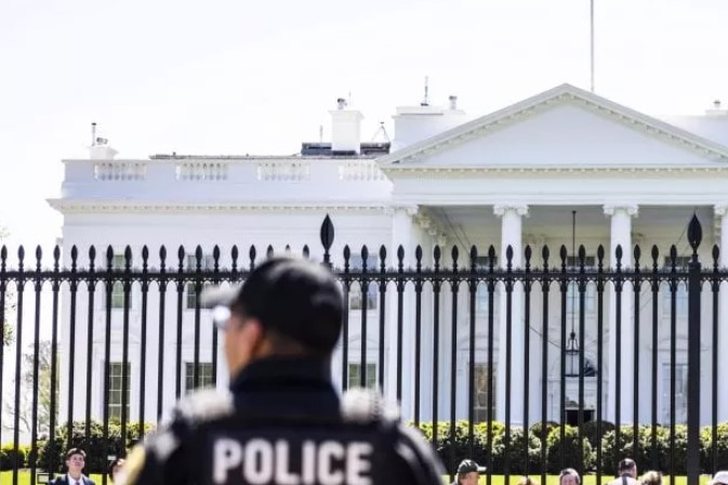
"A domestic spy, possibly recruited by the Russians, i...
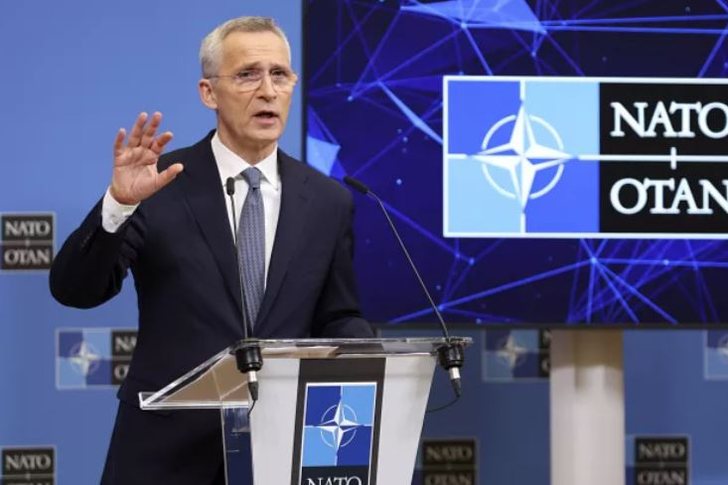
At the beginning of 2022, Jens Stoltenberg, Secretary ...
Easter is one of the most important holidays in the Ch...
Mafia organizations are increasingly infiltrating European...
Lufta në Ukrainë ka një natyrë psikologjike dhe politi...

According to the World Happiness Survey, Finland has b...
Nothing better illustrates the growing importance in w...
Enlargement policy is back at the top of the EU's geop...
If it is to remain the world's leading power, the Unit...
The global level of democracy has returned to where it...
Geopolitics can take you a long way in explaining fore...
There is a thread connecting China's success in broker...
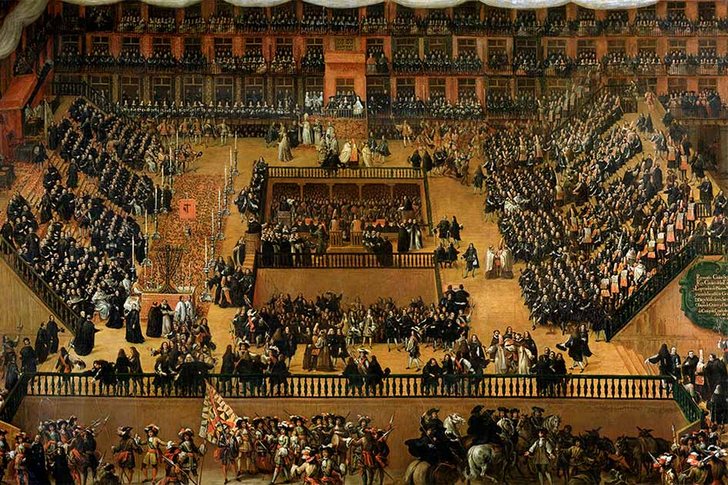
Death by hanging is an old form of punishment, dating back...
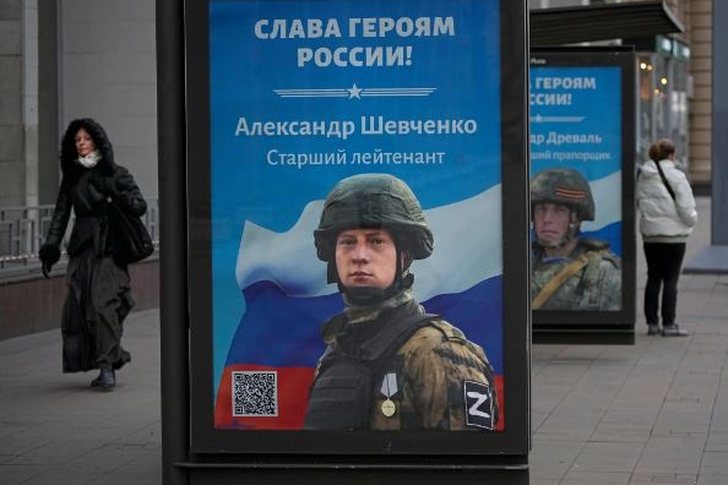
From the perspective of a Russian soldier, the war in Ukrain...
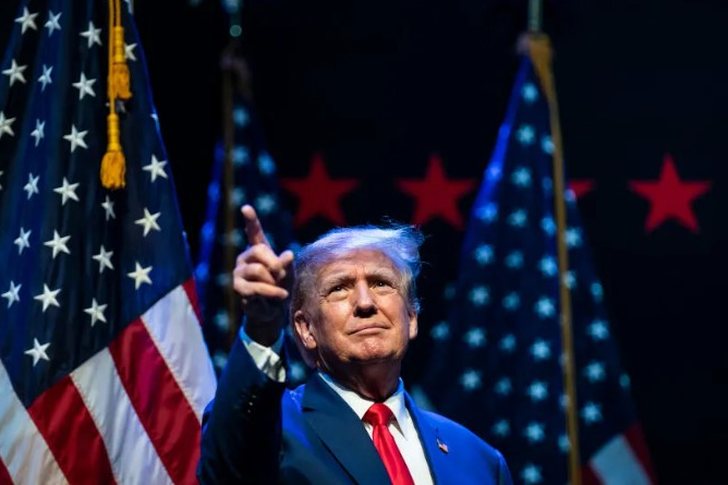
A New York grand jury has indicted former President Do...
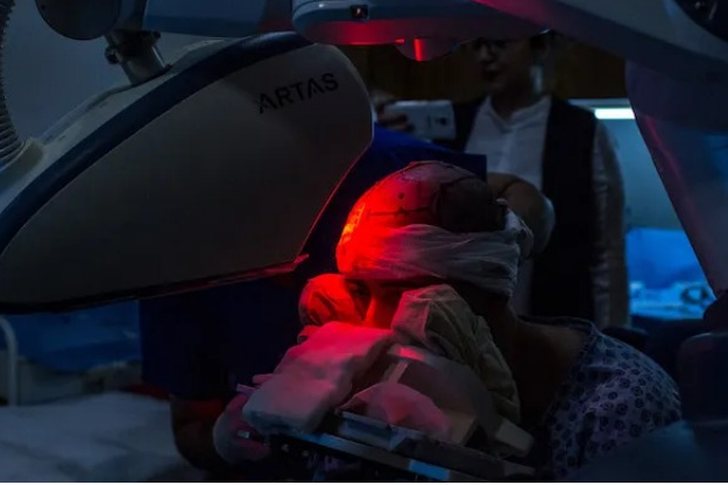
Every year hundreds of thousands of people go to Istanbul,...
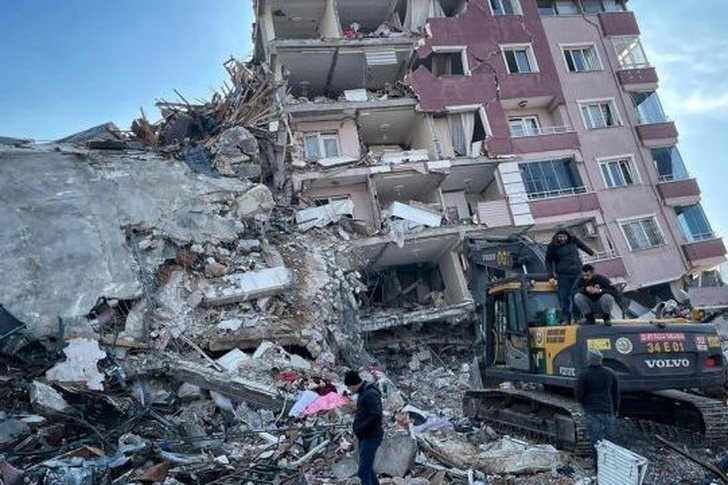
The devastating earthquakes that killed more than 50,000 p...
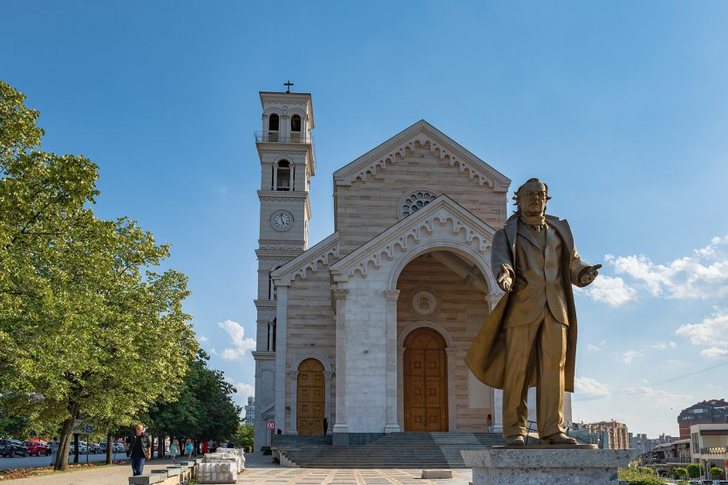
The Western Balkans is nothing less than a Rubicon's cube ...
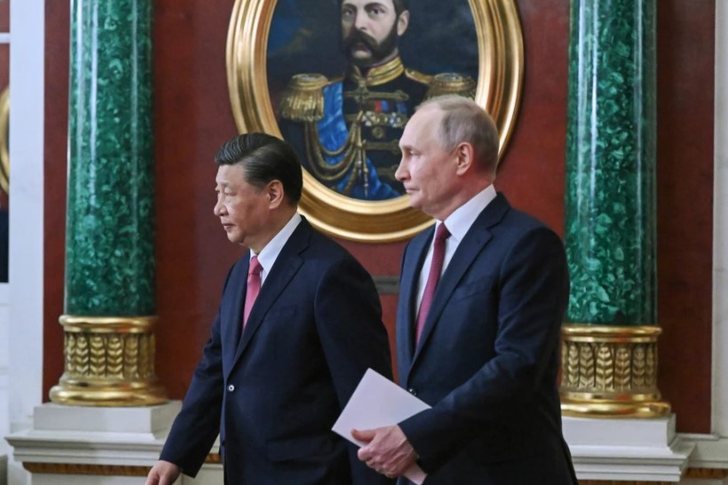
Just as Xi Jinping was saying goodbye to Vladimir Puti...

CNA has launched another investigation that could lead to ...

Irfan Hysenbelliu is a businessman that we call "Irfan the...

In March 2026, CNA launched another investigation centered...
The arrested mayor of Tirana, Erion Veliaj, with 13 charge...

The Special Board of Appeal (KPA) decided this Monday ...

The KPA vetting decided this Thursday to dismiss the p...

Suela Salavaçi, a prosecutor in the Prosecutor's Offic...

The Special Board of Appeal reinstated the prosecutor ...
Footage emerges from the serious accident that occurred th...

A Shkodra traffic police officer was hit with hard objects...
This Wednesday, around 4:00 PM, a serious accident occurre...
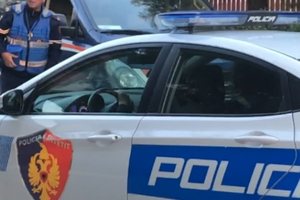
Tirana Police have shared details regarding the accident t...

A serious accident that occurred this Wednesday with the c...

The Institute of Geosciences has shared a forecast for wea...
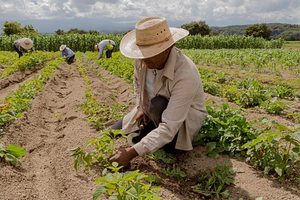
Rising energy and fertilizer prices are expected to contin...
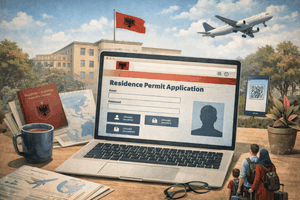
Over 18,000 foreign citizens from 140 countries have appli...
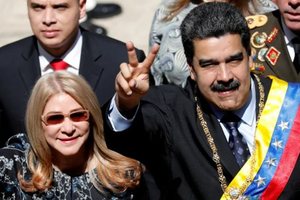
The trial of ousted Venezuelan President Nicolas Maduro on...
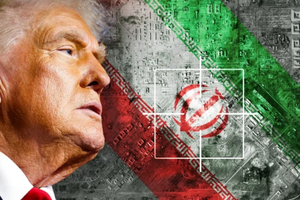
US President Donald Trump has issued another warning to Ir...
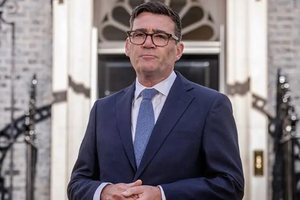
Prime Minister Andy Burnham has announced that most bus fa...

France's parliament has passed a law to ban social media f...

At a time when industrial products are increasingly taking...

Trust among people is not just a three-syllable word. It c...

Master of humor Todi Llupi has passed away at the age of 7...

The ninth edition of "MIK Festival" kicked off with one of...

The price of diesel reached 206 lek per liter from 198 lek...

Businesses will no longer be required to simply register t...

Despite economic growth and income in recent years, Albani...

This Wednesday, one US dollar is bought for 81.4 lek and s...