


Territorial reform/ Berisha, calls on citizens to protest
DP leader Sali Berisha, in a conversation with citizens, s...

DP leader Sali Berisha, in a conversation with citizens, s...

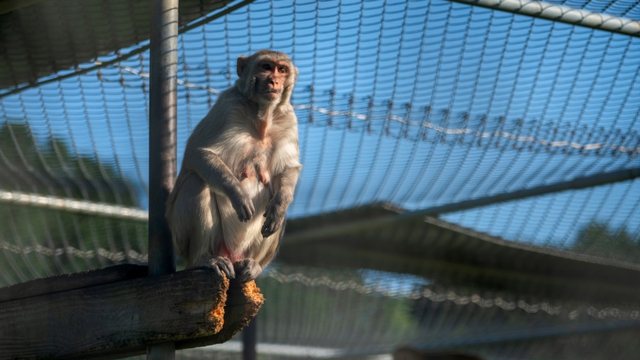
The 43 monkeys of the species known as the rhesus macaque, which accidentally escaped from a South Carolina lab this week, are among the most studied animals on the planet. Centuries of research into this species has provided an insight into humanity, revealing strengths and weaknesses in humans through their behaviors, the study of organs and the genetic code.
This type of monkey has been sent into space by rocket. They have even been stars of a TV show.
Animal rights organizations point out that this type of monkey has been subjected to studies on vaccines, organ transplants and the impact of separation of the baby from the mother. At the same time, many scientists emphasize the importance of studies done with this monkey species to fight AIDS, polio and COVID-19.
In 2003, the lack of this type of monkey threatened to slow down the continuation of scientific studies. Scientists paid up to $10,000 for a monkey of this type to continue research.
"Every major American university that conducts scientific research likely has a few rhesus macaques at the center of its medical school," according to the book Macachiavellian Intelligence: How Rhesus Macaques and Humans Have Conquered the World in 2007.
"The US military and NASA also conduct research with monkeys of this type," wrote the book's author, Dario Maestripieri, a scientist at the University of Chicago.
"For years, the military and NASA trained monkeys on computer games to see if they could learn to fly planes and launch missiles."
People have used the rhesus macaque species for scientific research since the late 1800s, when the theory of evolution began to gain more acceptance, according to a 2022 research paper from the journal eLife.
The first study on this type of monkey was published in 1893 describing the "anatomy of advanced pregnancy," according to eLife.
By 1925, the Carnegie Institute of Science had established a large group of monkeys to study embryology and fertility for this human-like species.
One reason for the increased popularity of this species was their high number.
"Another reason is that 'rhesus macaques' are a very strong species," says Eve Cooper, author of the study that was published in the journal 'eLife' and professor of biology at the University of Colorado in Boulder. "They can live and reproduce in conditions that are not difficult to maintain"
In the 1950s, the kidneys of this type of monkey were used to make the polio vaccine, Salk. NASA also used animals during the space race, as noted in a short history of monkeys in space on the agency's website.
For example, a female rhesus macaque monkey named 'Miss Sam', in 1960 was placed on the space shuttle 'Mercury' which reached a speed of 1,900 kilometers per hour and a height of 14.5 kilometers. 'Miss Sam' returned to earth in good health.
"She returned to her training colony where she lived until her death," NASA writes.
In 2007, scientists discovered that the DNA of the rhesus macaque species was about 93% similar to that of humans.
By comparison, humans and chimpanzees evolved separately from a common ancestor about 6 million years ago, but their genetic code is about 99% similar.
The mapping of the human genetic code in 2001 boosted efforts to similarly decipher the DNA of other animals.
"They are very smart"
For those who have studied the behavior of the rhesus macaque species, the conclusion is equally interesting.
"They have some striking similarities to humans in terms of their social intelligence," says Dario Maestripieri, a professor at the University of Chicago who wrote a book on the monkey species.
For example, they are very family-oriented, supporting family members when fights break out, he told the Associated Press news agency on Friday. "They also recruit allies when attacked."
"They are very political," Maestripieri professed. "They spend most of their daily lives weaving political alliances with each other."
Mr. Maestripieri was a consultant for a TV show in India called "Monkey Thieves".
"They started tracking large groups of the 'rhesus macaque' species and naming them," said Professor Maestripieri. "It was a beautiful thing because these monkeys sometimes behave like people. So it's fascinating to follow their stories."/ VOA


The world today, de facto, is in a third world war with th...

According to Israeli Prime Minister Benjamin Netanyahu...

An amateur historian has discovered a long-lost short stor...

Officially not, but many doubts remain about the untimely ...
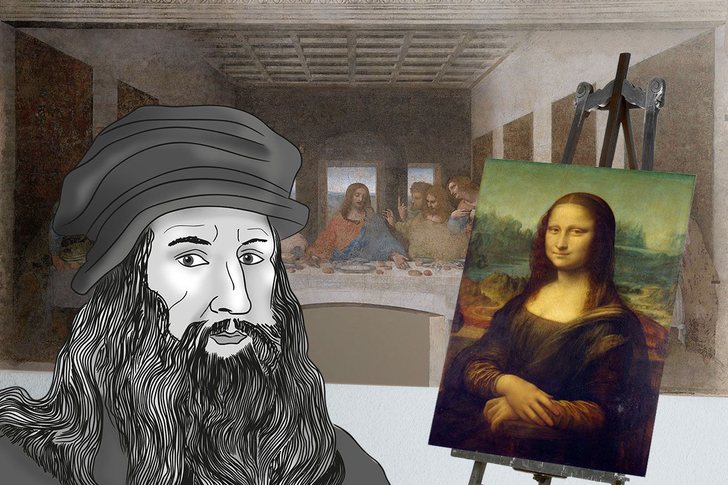
Leonardo da Vinci was born on April 15, 1452 in Vitruvius,...

Finland has been named the happiest country in the world b...

Talking to a polite and sociable seventy-year-old, you mig...
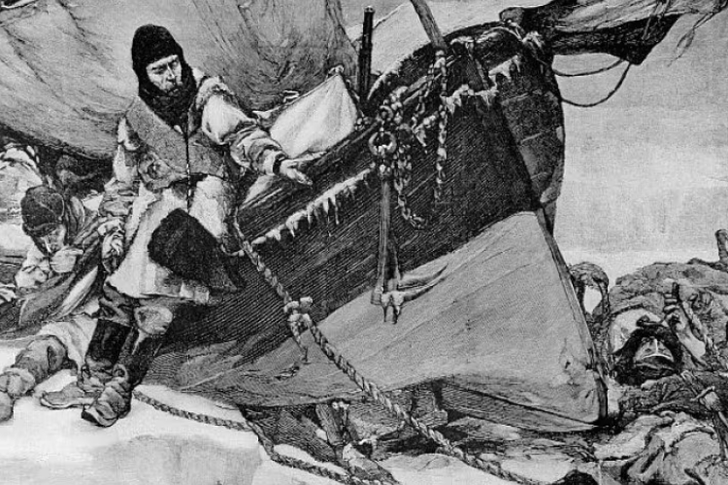
What happened to British captain Sir John Franklin and his...
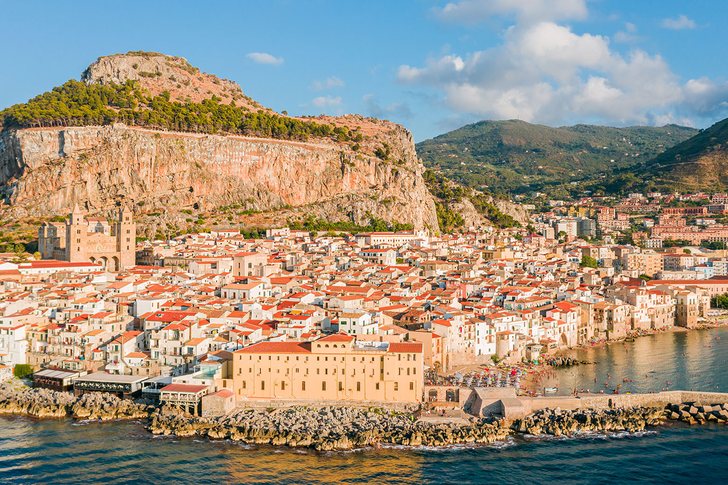
Sicily, one of the largest islands of the Mediterranean an...
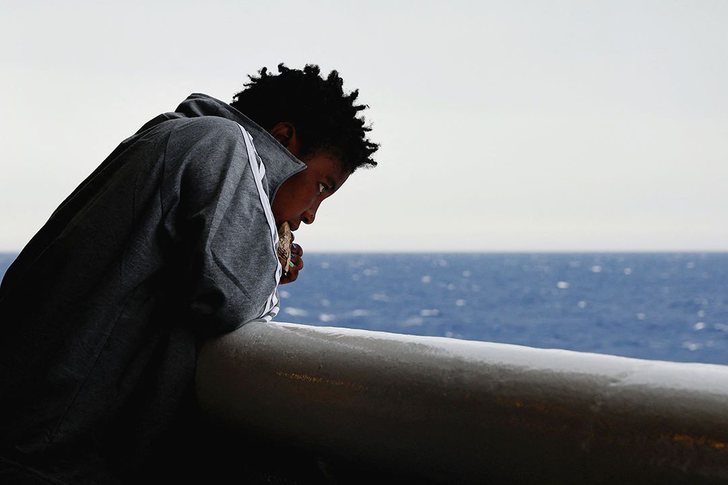
Wearily, they exit the bus and enter the besieged temporar...

The Renaissance artists working in Florence between 1430 a...

The Albanian state, in the framework of the revision of hi...
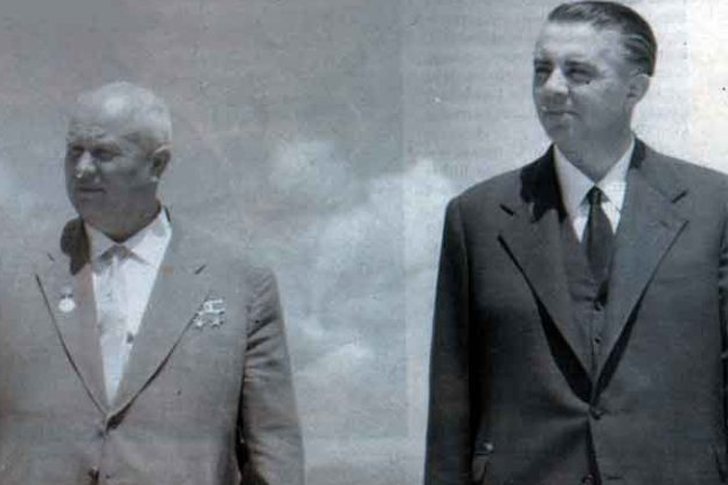
Below we publish the declassified report of the meetin...
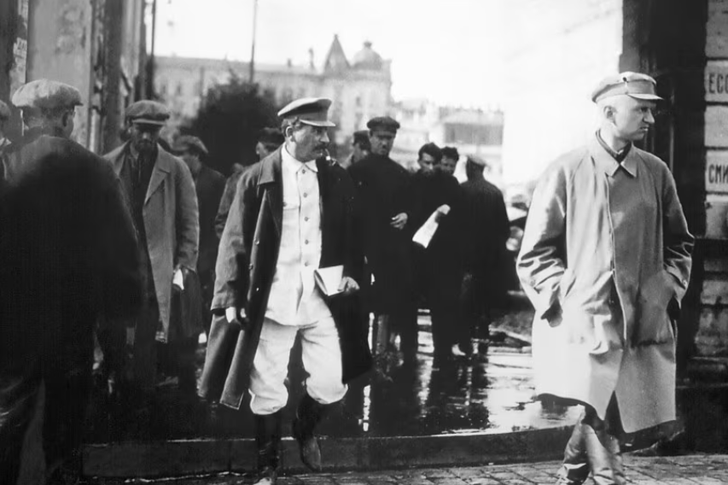
Iosif Vissarionovich Dzugasvili, known as Stalin, the ...
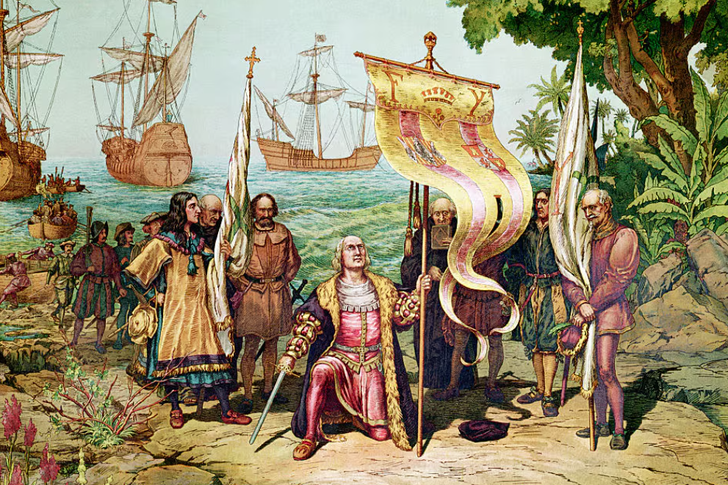
In the school books we learned that when Christopher Colum...

Operation "Valkyrie" (bomb attack of July 20, 1944) was th...

If today it is one of the most famous areas for tourists a...
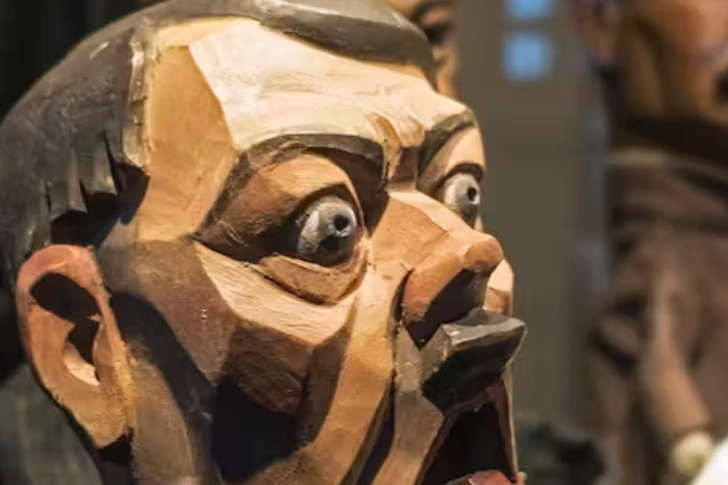
The last decade and a half has seen unrest across the glob...
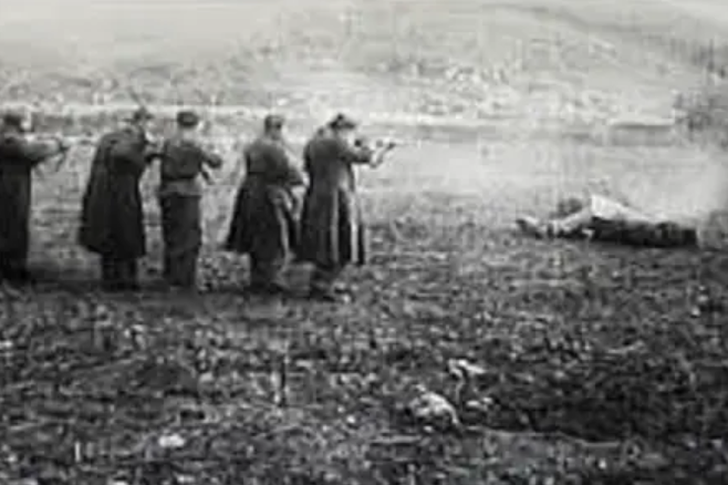
August 23 is "Black Ribbon Day", the official European Day...

It's been a few years since Artificial Intelligence is...

A 39-year-old citizen has been arrested in Lezha, after se...

CNA has launched another investigation that could lead to ...

Irfan Hysenbelliu is a businessman that we call "Irfan the...

In March 2026, CNA launched another investigation centered...

The Special Board of Appeal (KPA) decided this Monday ...

The KPA vetting decided this Thursday to dismiss the p...

Suela Salavaçi, a prosecutor in the Prosecutor's Offic...

The Special Board of Appeal reinstated the prosecutor ...

A serious incident occurred in Lushnje, where citizen IY, ...

As a result of the investigative and procedural actions ca...

A conflict for weak motives was recorded today in the vill...

An accident involving three vehicles occurred a few minute...

Today, our country will be under the influence of stable a...

By noon, cloudiness is expected to prevail in almost all o...

Children without parental care, for whom alternative famil...
On Thursday, our country will be under the influence of st...

Marine Le Pen is entering the decisive phase of the presid...

Member states of the International Criminal Court voted to...

From the declining role of exports to new public investmen...

South Korea is becoming one of the most sought-after desti...
Two windows, a century of history and the metaphysics of p...

In my research at the Central State Archives, specifically...

At a time when industrial products are increasingly taking...

Trust among people is not just a three-syllable word. It c...

This Saturday, one US dollar is bought for 81.7 lek and so...

War, weather and supply disruptions could send gas prices ...
The number of active enterprises in Albania continued to g...

In Albania, the bar-cafe has long become an almost unique ...