


Territorial reform/ Berisha, calls on citizens to protest
DP leader Sali Berisha, in a conversation with citizens, s...

DP leader Sali Berisha, in a conversation with citizens, s...

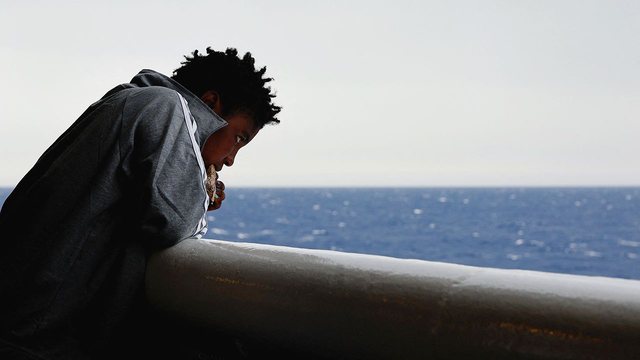
Wearily, they exit the bus and enter the besieged temporary center in El Hierro, one of the Canary Islands. Spanish police register each one, reading the number on a wristband given to them at the port.
The policemen shout: "U8, adult female! U3, minor male!” Next come the men, who make up the vast majority: of the 145 boat arrivals that day, only eight are women and three are children.
Almost all are sub-Saharan Africans.
They are lucky. No one is seriously ill; no one was born at sea, as had happened a week before and all survived.
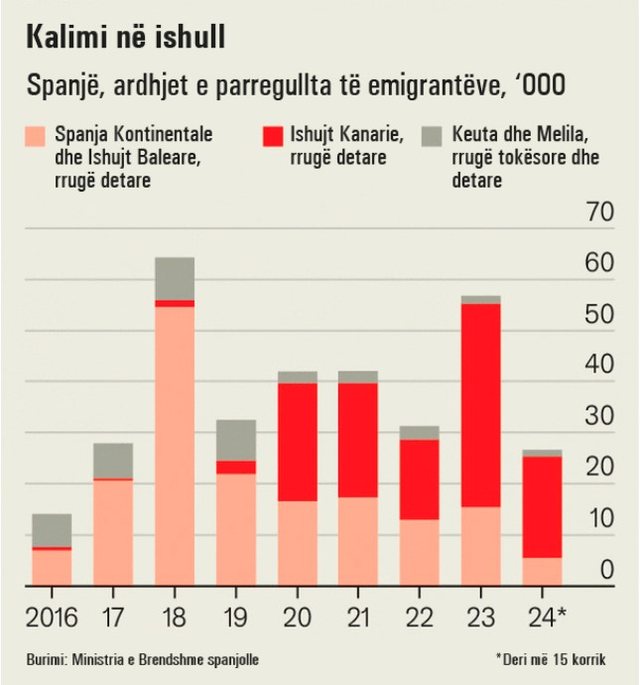
According to the NGO Caminando Fronteras, this year, more than 5,000 migrants died trying to reach Spain, mostly en route from West Africa to the Canary Islands. Meanwhile, around 20,000 people arrived in the first half of 2024.
This makes the West African route an increasingly used crossing. Arrivals across the EU were around 94,000, about a third less than last year.
The boats sail straight West from Africa (usually from Mauritania), to avoid capture by African coastal forces. This lengthens their journey.
When approaching Europe, the nearest island is El Heirro, the smallest and westernmost island of Spain's Canary Islands group. It has only 7000 inhabitants.
El Hierro has responded with dignity. After a few days, the emigrants were moved to an empty monastery, from which they were free to leave.
Many unaccompanied minors are placed with families and attend local schools. The island's head of government, Alpidio Armas, says the situation creates little controversy.
Islanders have long experience with immigration, especially from Latin America. The islands' population is aging and agriculture, tourism and construction need workers. Mr. Armas would like more immigrants to stay.
But most adults are quickly sent to Tenerife. From there, many will move to mainland Spain, where they are far less welcome.
Vox, a right-wing party, resigned from several regional coalition governments in July in protest at plans to disperse asylum seekers across the country.
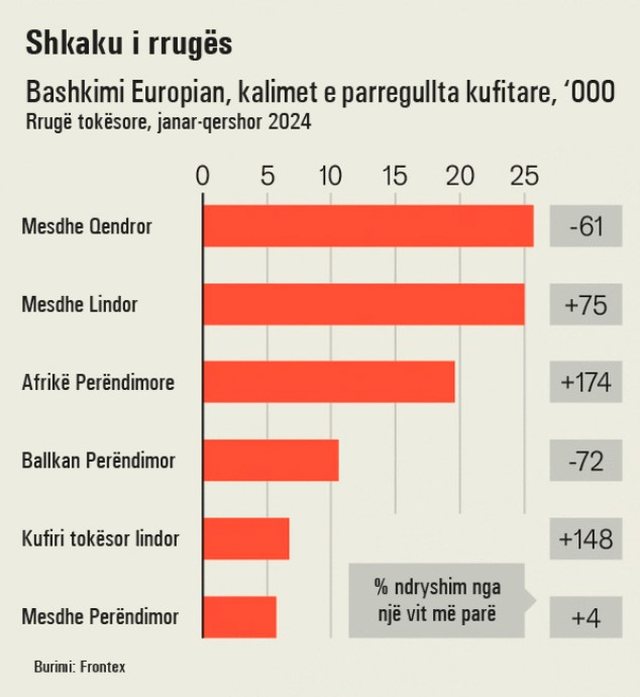
Ships arriving in places like the Canary Islands in Spain and Lampedusa in Italy are the form of illegal immigration that attracts the most attention in Europe.
But in fact, most irregular immigrants in the European Union come by air (entering legally and then staying longer than the visa allows), or by land.
Since the migrant crisis years of 2015-16, when over a million irregular migrants arrived, the EU has been unable to find a common response.
Now, there is finally a deal. In May, the bloc approved an "immigration pact" of ten laws. Margaritis Schinas, the vice-president of the European Commission who helped draft the pact, says that this pact proves that Europe can "lead from the center".
He jokes that he was "encouraged" by the fact that both the right (Italy's Matteo Salvini) and the left (France's Jean-Luc Mélenchon) opposed him.
The agreement enters into force in June 2026. It will greatly strengthen the data system for taking fingerprints and registering immigrants.
This system is known as Eurodac. The idea is to track repeat arrivals and stop people going to other EU countries (already this is banned in theory, but often ignored by the countries of arrival).
Another innovation is a legal fiction according to which those who come to the bloc have not yet entered the EU. This allows for the implementation of the "border procedure", a cornerstone of the agreement.
Immigrants who are thought to pose a security risk, or who come from a relatively safe country (as a country from which less than 20% of previous immigrants have received asylum), can be repatriated under an expedited procedure .
This group also includes countries such as Senegal and Mauritania, which are very poor but not at war. Critics say the border procedure will not be successful.
As the right to seek asylum is part of international law, this provision will probably face legal challenges.
In 2022, around half of irregular arrivals were guaranteed some form of protection in Europe. Arriving from countries such as Mali or Sudan, who usually succeed in their asylum claims, will still have access to the full and lengthy asylum procedure, including appeals.
So are unaccompanied children and the mentally ill. The harmonization of asylum criteria in the 27 EU members aims to equalize the success rates.
(Now in the EU as a whole, 62% of Afghans receive asylum; while in Romania only 28% receive asylum).
In addition, a "solidarity mechanism" will allow border countries to relocate a total of 30,000 or more asylum seekers per year to other EU countries, according to quotas.
States that refuse to take their share of asylum seekers can pay a fee of 20,000 euros ($21,700) per head.
But states can declare an immigration "crisis" and suspend some of their burden-sharing responsibilities (although EU institutions must agree afterwards).
This can be abused by countries like Hungary that oppose the immigration pact.
The pact will not work without diplomacy. Europeans have already made agreements to curb migration with transit countries such as Egypt, Libya, Mauritania, Morocco, Tunisia and Turkey.
These sometimes lead to outrage: in May, several newspapers reported that migrants in Mauritania, Tunisia and Morocco were being picked up and abandoned in the desert, using vehicles donated by the EU.
But this harsh type of border enforcement looks set to continue. This year, Italy reached an agreement with Albania to use Albania as a sort of asylum processing center.
The most difficult part may be making agreements with countries where immigrants come from. EU states want countries of origin to stop sending migrants away and have reached agreements with some of them.
But the "new border procedure" rests on the assumption that they will take their citizens back. These countries often refuse and there is no way to force them.
An earlier "crisis" of ships from West Africa to the Canary Islands in 2006 shows what might be possible.
Spain struck deals with a number of countries of origin, working with local security forces, increasing development aid and allowing more legal immigration.
Bernardino León, Spain's former deputy foreign minister, says countries of origin don't want to do the work of Europeans without rewards: "You have to help them sell something to their people."
The new immigration pact will require an extraordinary number of institutions to work together. Governments need coordinated approaches to immigration, including ministries of the interior, foreign affairs, labor, social security, development and others.
All 27 EU governments must have good relations with each other.
And it must cooperate with the countries of origin and transit. Europe has finally created something resembling a common immigration system. Now you have to make it work./ Monitor.al

The Renaissance artists working in Florence between 1430 a...
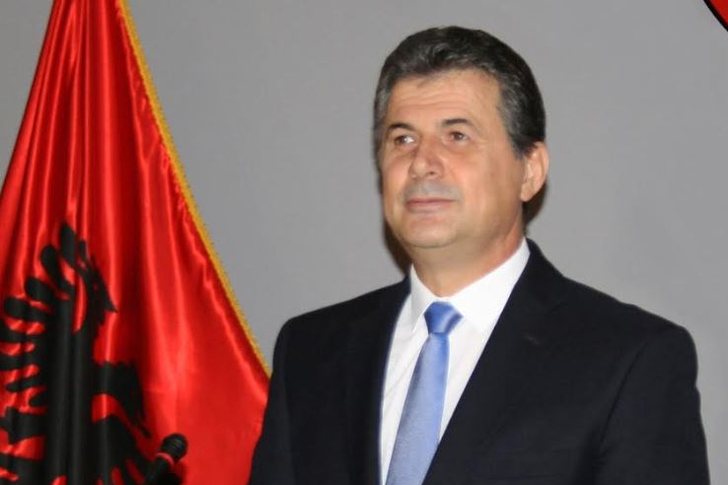
The Albanian state, in the framework of the revision of hi...
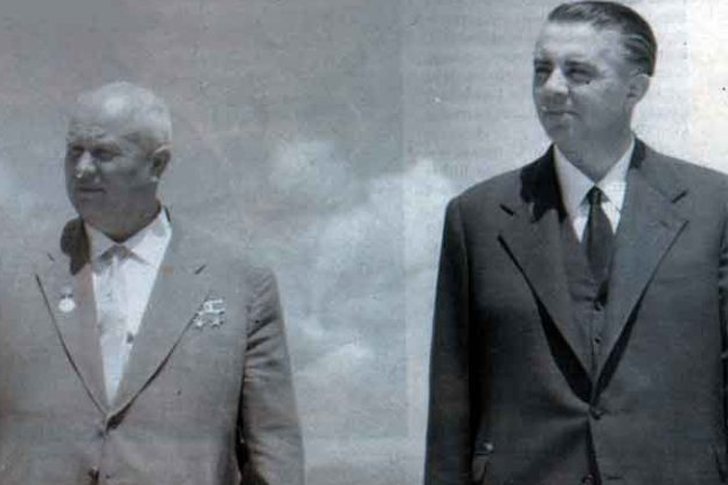
Below we publish the declassified report of the meetin...
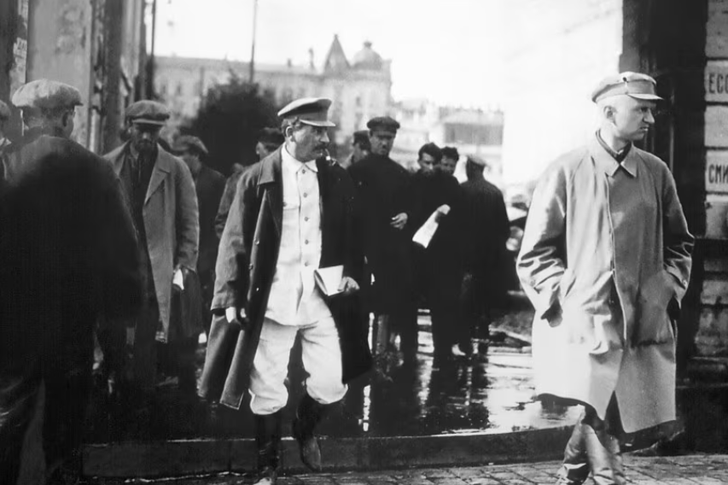
Iosif Vissarionovich Dzugasvili, known as Stalin, the ...
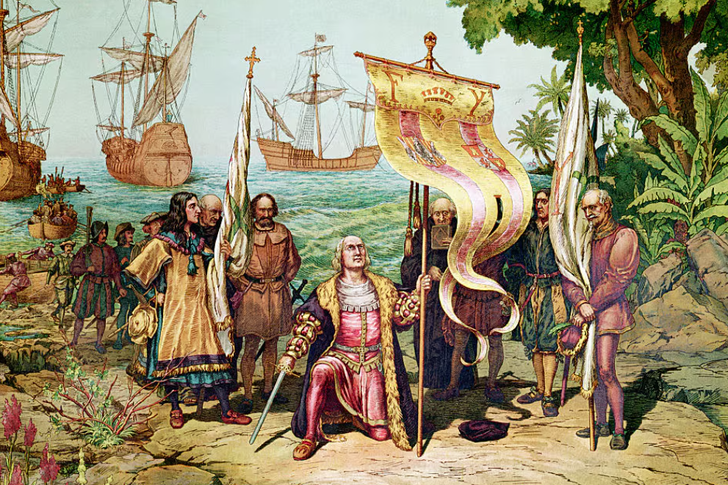
In the school books we learned that when Christopher Colum...

Operation "Valkyrie" (bomb attack of July 20, 1944) was th...

If today it is one of the most famous areas for tourists a...

The last decade and a half has seen unrest across the glob...
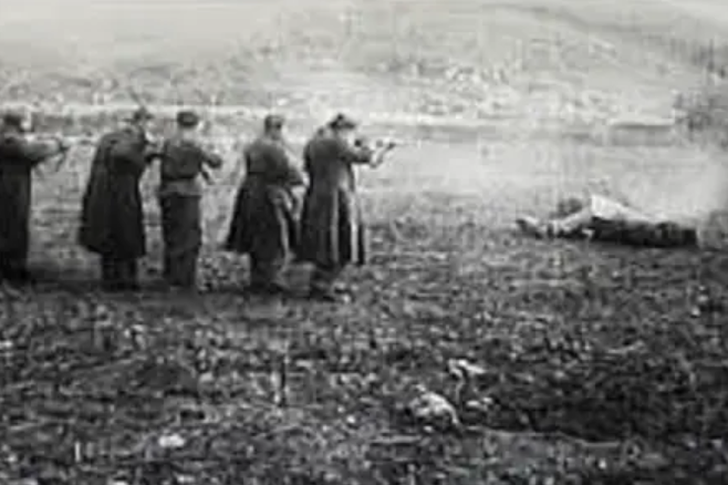
August 23 is "Black Ribbon Day", the official European Day...
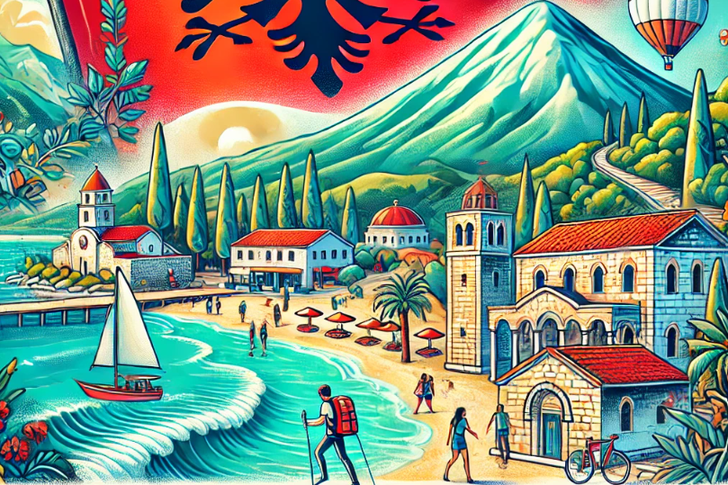
It's been a few years since Artificial Intelligence is...

Tuscan physicist Bruno Pontecorvo (1913-1993), born into a...

Sweden has issued licenses to kill 20% of its brown bear ...
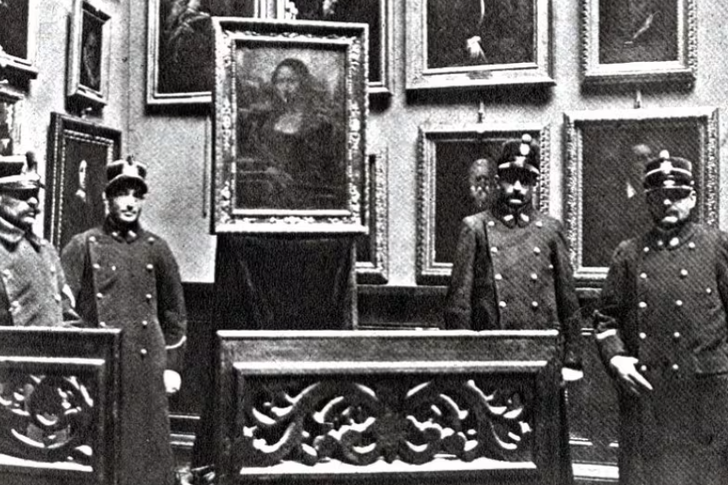
At seven o'clock in the morning on August 21, 1911, the da...
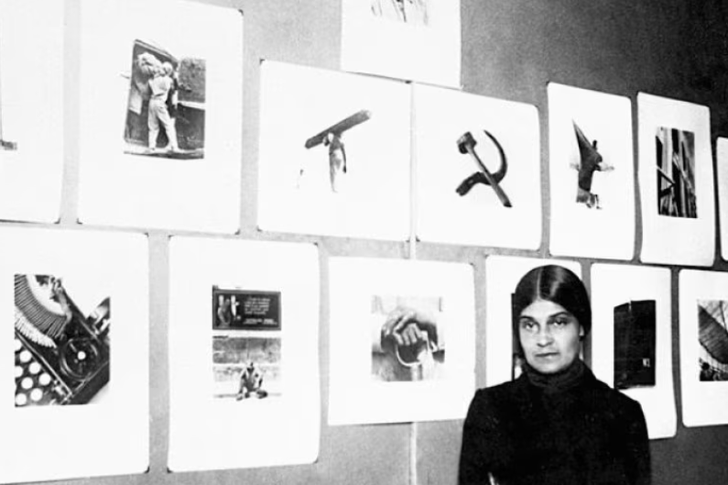
Tina Modotti, born in Friuli in 1896, is known as: actress...

During the 16th century in medieval Japan, wealthy married...
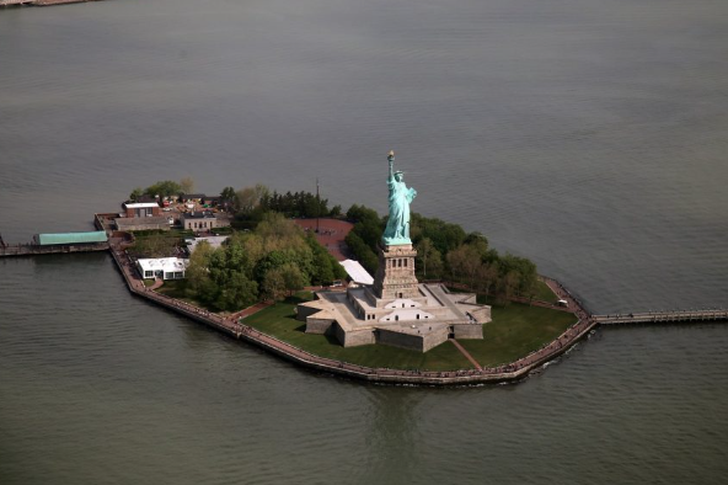
After being envisioned as a towering beacon to guide s...

In the mid-1300s, humanity faced one of its darkest chapte...
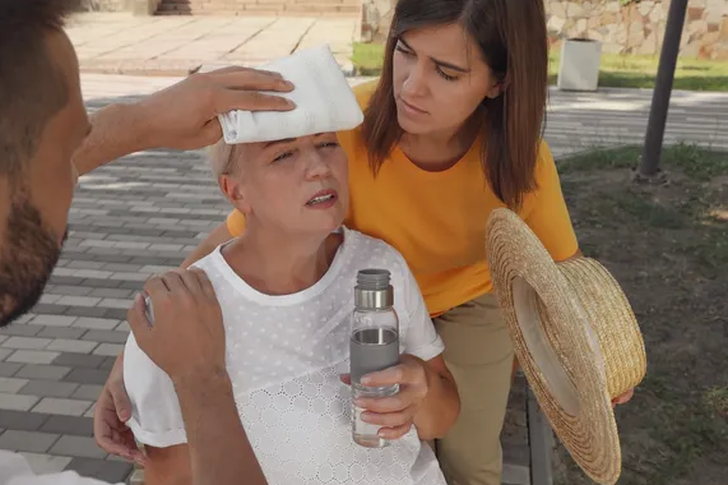
This summer the media has been filled with alarming re...
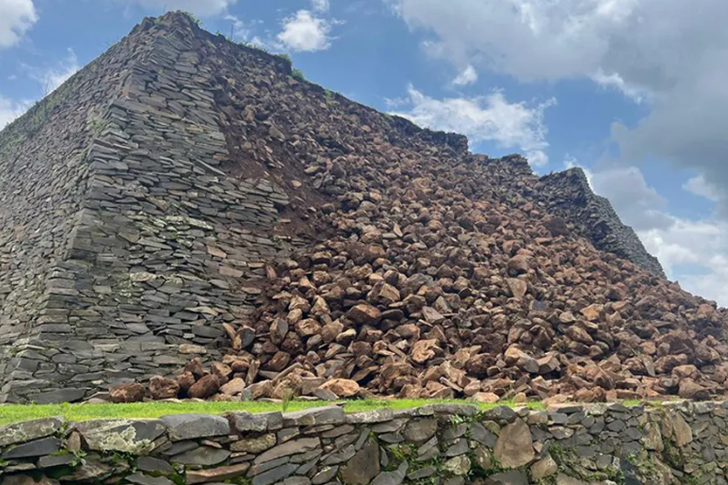
Flooding from heavy rain near Lake Pátzcuaro has caused th...
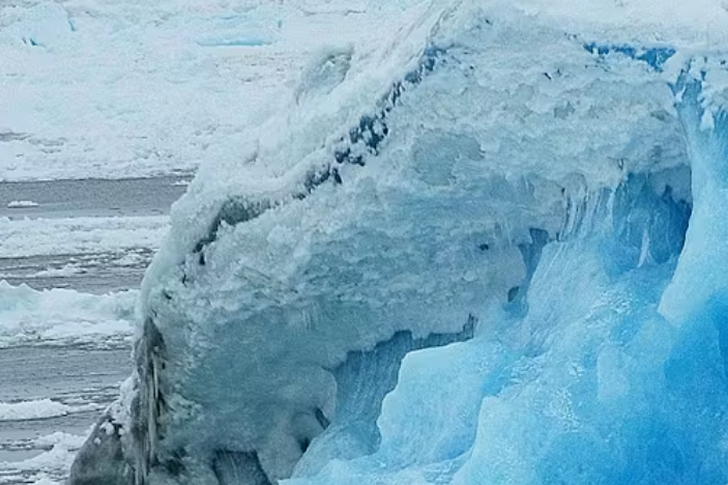
We all played the broken phone game in our childhood, ...

A 39-year-old citizen has been arrested in Lezha, after se...

CNA has launched another investigation that could lead to ...

Irfan Hysenbelliu is a businessman that we call "Irfan the...

In March 2026, CNA launched another investigation centered...

The Special Board of Appeal (KPA) decided this Monday ...

The KPA vetting decided this Thursday to dismiss the p...

Suela Salavaçi, a prosecutor in the Prosecutor's Offic...

The Special Board of Appeal reinstated the prosecutor ...
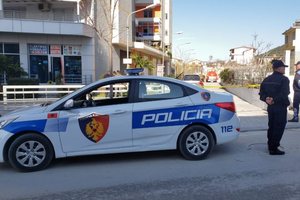
A serious incident occurred in Lushnje, where citizen IY, ...

As a result of the investigative and procedural actions ca...

A conflict for weak motives was recorded today in the vill...

An accident involving three vehicles occurred a few minute...

Today, our country will be under the influence of stable a...

By noon, cloudiness is expected to prevail in almost all o...

Children without parental care, for whom alternative famil...
On Thursday, our country will be under the influence of st...

Marine Le Pen is entering the decisive phase of the presid...
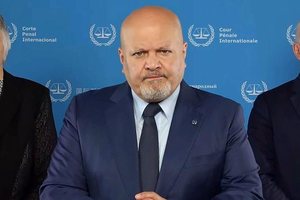
Member states of the International Criminal Court voted to...

From the declining role of exports to new public investmen...

South Korea is becoming one of the most sought-after desti...
Two windows, a century of history and the metaphysics of p...
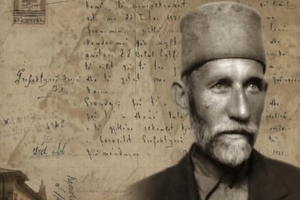
In my research at the Central State Archives, specifically...

At a time when industrial products are increasingly taking...

Trust among people is not just a three-syllable word. It c...

This Saturday, one US dollar is bought for 81.7 lek and so...
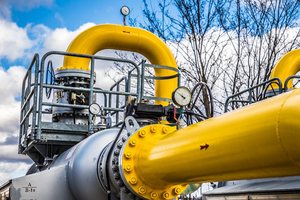
War, weather and supply disruptions could send gas prices ...
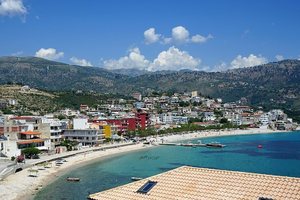
The number of active enterprises in Albania continued to g...
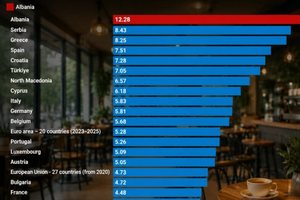
In Albania, the bar-cafe has long become an almost unique ...