

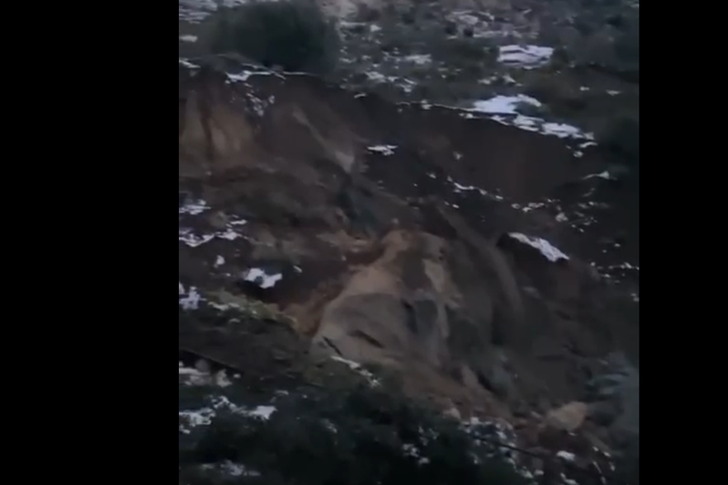
Rocky massif blocks Matogjin-Bashaj axis/ Evacuation of residents planned
The landslide in Vlora has taken alarming measures. This ...


The Albanian economy is growing at a rapid pace compared to other European countries, but in the face of this positive performance, structural risks are crystallizing that could hinder long-term development.
In this interview for "Monitor", Anke Weber, head of the International Monetary Fund's mission for Albania, warns that the shrinking working-age population and strong emigration trends are becoming one of the most serious challenges to growth and productivity.
At the same time, the IMF expresses concerns about the 2026 fiscal package, especially the so-called "Fiscal Peace" scheme, which, according to the institution, risks damaging the culture of tax compliance and efforts to build a modern and fair fiscal system.
The interview also addresses the risks of rapid lending to real estate, fiscal sustainability, and the challenges that Albania must face to fully exploit the opportunities offered by the European Union accession process.
How do you assess the performance of the Albanian economy in 2025? What are the expectations for 2026? What are the main growth drivers and the main risks ahead?
The Albanian economy had a strong performance in the first half of 2025, maintaining one of the fastest growth rates in Europe, despite shocks from the global environment.
Real Gross Domestic Product is estimated to grow by 3.5% in 2025, supported by resilient consumption, stable wage growth, and tourism.
Inflation remains significantly below the 3% target, as a result of the strengthening of the exchange rate and the decline in global commodity prices.
Looking ahead, growth of 3.6% is forecast for 2026. Domestic demand is expected to remain an important growth engine, supported by private consumption and investment.
Although at a somewhat more moderate pace, tourism continues to make a sustainable contribution to economic output. Inflation is expected to gradually converge towards the target by the end of 2026.
Albania's medium-term economic outlook remains positive, with growth rates expected to exceed 3%. However, significant challenges remain, particularly those related to demographic changes.
The working-age population has shrunk by 16 percentage points since 2023, according to the latest Census data, and without decisive policies, the outlook could become increasingly difficult. Emigration — likely to accelerate with EU membership — risks further deepening labor market shortages.
A recent survey shows that one in ten Albanians plans to emigrate in the next 12 months, while one in five may do so within the next decade[i].
In this context, reforms related to the EU accession process — aimed at strengthening the rule of law and governance, boosting employment, and revitalizing business dynamism — will be essential for increasing productivity and alleviating demographic pressures.
You have repeatedly warned about the rapid growth of real estate lending. How do you assess the measures taken by the Bank of Albania? In general, what are some of the main risks to financial stability?
The banking system, as a whole, remains well-capitalized and liquid, above minimum regulatory requirements. However, behind this stability lie some emerging vulnerabilities, which require careful and vigilant supervision.
Structural risks stem from isolated cases of non-compliance with regulatory requirements, lending in foreign currency without protection from exchange rate risk, and the concentration of risk on certain borrowers — particularly the strong link between the state and banks, reflected in the significant holding of government securities on bank balance sheets.
On the cyclical side, the rapid expansion of lending — especially in the real estate sector — constitutes a source of risk, as a significant share of new mortgage loans for households and loans for commercial real estate (CRE) are characterized by high loan-to-value (LTV – this indicator measures how large the loan is compared to the value of the property being purchased) and loan-to-income ratios (how much of the monthly income goes towards loan payments).
Maintaining strong supervisory standards is essential for ensuring financial stability. Supervisory efforts should focus on rigorous compliance with bank capital requirements and, where necessary, include the temporary suspension of dividend distributions and the design of capital conservation plans.
Prudential regulation should be strictly risk-based and should not be used to encourage lending to certain sectors.
On the macroprudential front, further improvements to instruments would enhance the sustainability of the system. The new borrower-focused measures are timely and broadly consistent with IMF recommendations.
These measures close a previous gap in the regulatory framework and should become a permanent part of the financial sector toolkit.
If the risks associated with commercial real estate lending prove systemic, the Bank of Albania may need to consider the use of additional macroprudential instruments.
Moving towards a positive neutral rate for the countercyclical capital buffer and finalizing the systemic risk buffer framework would further strengthen financial stability.
It is worth noting that, after 12 years, Albania is expected to undergo a full Financial Sector Assessment Program (FSAP), jointly conducted by the IMF and the World Bank.
This assessment will in-depth analyze the resilience of the financial sector to shocks, identify hidden vulnerabilities, and assess the effectiveness of financial regulation and supervision, ensuring that Albania's financial system remains strong in the face of emerging challenges.
How would you assess the country's fiscal sustainability? How do you view the 2026 budget and fiscal package, including the proposal for "Fiscal Peace"? What are some of your main fiscal recommendations for the next 5 years?
Albania's fiscal position is assessed as sustainable, reflecting prudent management and a commitment to long-term sustainability of public finances. The country achieved a primary surplus in 2024 and is expected to maintain at least a zero primary balance going forward, in line with the fiscal rule.
Public debt is projected to fall from around 54.5% of GDP in 2025 to below 50% by 2030.
However, significant pressures are emerging in the medium term: increasing social spending needs, defense commitments, and costs related to population aging could narrow fiscal space if revenue and expenditure reforms are postponed.
The 2026 budget maintains a focus on revenue management measures. But postponing key tax policy reforms (e.g. property taxes to 2028 and self-employment/small business tax to 2029) creates risks, especially given that 2029 is a parliamentary election year.
The fiscal package introduces a "fiscal peace" scheme, which cancels and conditionally forgives tax and customs obligations, allows voluntary agreements to predetermine taxable profit and suspend audits, and revalues ??past financial statements at a unified preferential rate of 5%.
Such measures risk undermining the culture of tax compliance and undermining Albania’s progress towards a modern and fair tax system. They also raise concerns about the effectiveness of the anti-money laundering and counter-terrorism financing (AML/CFT) system, including the identification of illicitly sourced income.
Instead, the IMF recommends that debt relief be anchored in permanent legislation, with clear and transparent rules for debt cancellation and in line with international standards.
For the next five years, policies should focus on maintaining fiscal discipline, while simultaneously creating space for priority spending.
The IMF's recommendations include accelerating tax policy reforms to broaden the base and reduce exemptions, modernizing property taxation, and phasing out preferential regimes for small businesses.
Strengthening tax administration through digitalization and risk-based controls will be crucial to fully realize revenue growth within the framework of the Medium-Term Revenue Strategy.
Further progress in governance and reduction of informality would also help increase tax collection.
On the expenditure side, improving investment efficiency and incorporating climate and disaster risk considerations into fiscal planning will help maintain sustainability.
These steps, combined with transparent management of fiscal risks from Public-Private Partnerships (PPPs) and contingent liabilities, can ensure sustainability and support inclusive growth.
Fiscal peace
The fiscal package introduces a “fiscal peace” scheme, which cancels and conditionally forgives tax and customs liabilities, allows voluntary agreements to predetermine taxable profit and suspend audits, and revalues ??past financial statements at a unified preferential rate of 5%. Such measures risk undermining the tax compliance culture and undermining Albania’s progress towards a modern and fair tax system. They also raise concerns about the effectiveness of the anti-money laundering and counter-terrorism financing (AML/CFT) system, including the identification of illicitly sourced income. Instead, the IMF recommends that debt relief be anchored in permanent legislation, with clear and transparent rules for debt relief and in line with international standards.
How can the country maximize the opportunities that come from EU membership?
Despite Albania's impressive macroeconomic achievements in recent years, per capita income remains constrained by low productivity — about a third of the European Union average.
To climb the “income ladder,” Albania must close persistent gaps in governance, infrastructure, human capital, and the business environment.
The EU accession process offers a transformative opportunity: access to the Common Market, deeper integration into European governance structures and, above all, a powerful “anchor” for reform.
The historical evidence from previous EU enlargements is encouraging. A recent IMF study[ii] shows that new member states gained around 30% in GDP per capita within 15 years of accession, driven by productivity gains and foreign investment.
For Albania, similar progress could halve the income gap with the EU over the next 15 years. However, these gains are not guaranteed — they depend on the successful implementation of an ambitious reform agenda focused on increasing productivity.
A priority area of ??reform is governance: strengthening the rule of law and fighting corruption. Closing these gaps would improve the business and investment climate and create a level playing field.
IMF studies show that such reforms — along with active labor market policies, strengthening education and vocational training, and investments in research and development — can increase productivity and reduce incentives for emigration[iii].
Progress in these areas is essential for Albania to accelerate income convergence with the EU and be ready to compete in the Common Market upon accession.
Without decisive reforms to build a dynamic, productive, and skills-based economy, the country risks facing continued emigration as talented workers seek better opportunities elsewhere in Europe./ Monitor

The landslide in Vlora has taken alarming measures. This ...

Residents of Durrës held a protest in front of the municip...
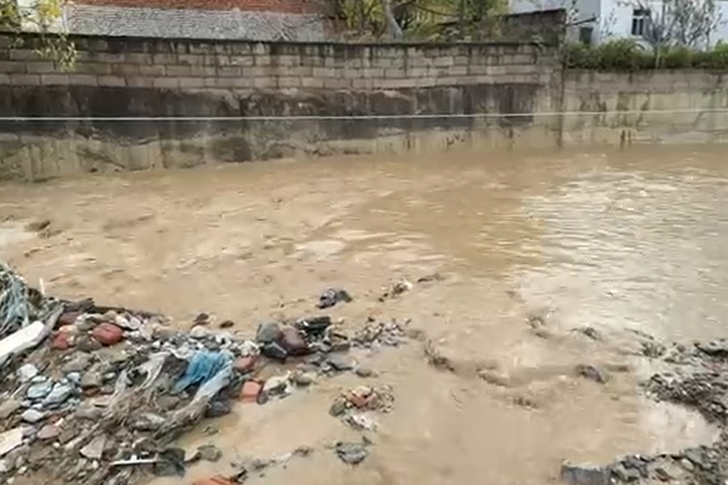
The recent floods in Albania are not just natural events. ...
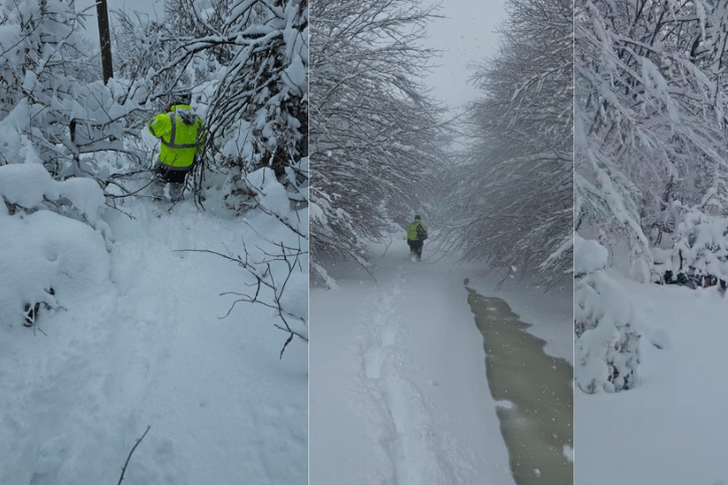
Fillimi i 2026-ës e gjeti Shqipërinë nën presionin e motit...
The Institute of Statistics (INSTAT) will now be headed by...
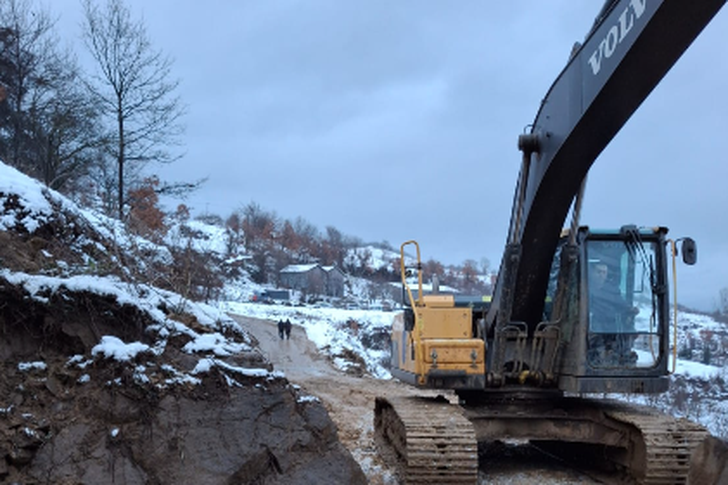
Vehicle traffic on the Dardhas Administrative Unit road re...
The Special Prosecution Office has closed the investigatio...
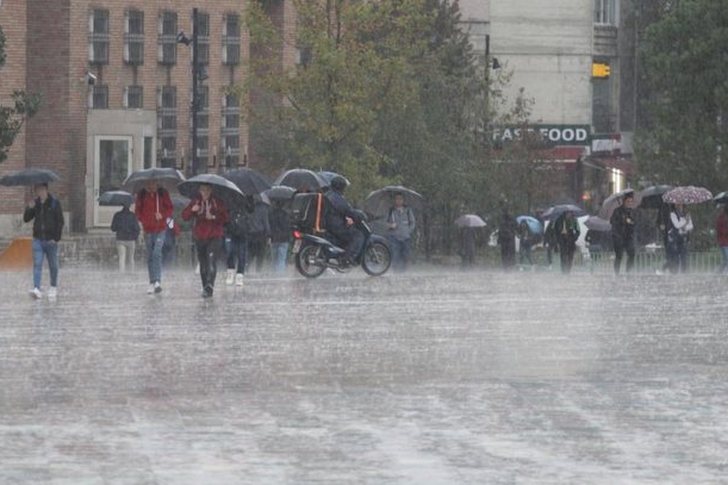
The Institute of Geosciences has shared a forecast regardi...

SPAK has sent the criminal proceedings against a cocaine t...
The Supreme Court will review SPAK's appeal against former...
Prosecutor Arqile Koça has been elected Deputy Prosecutor ...
Intense rainfall and snowfall, accompanied by low temp...
CNA denounced a flagrant case, where Mayor Erion Veliaj de...
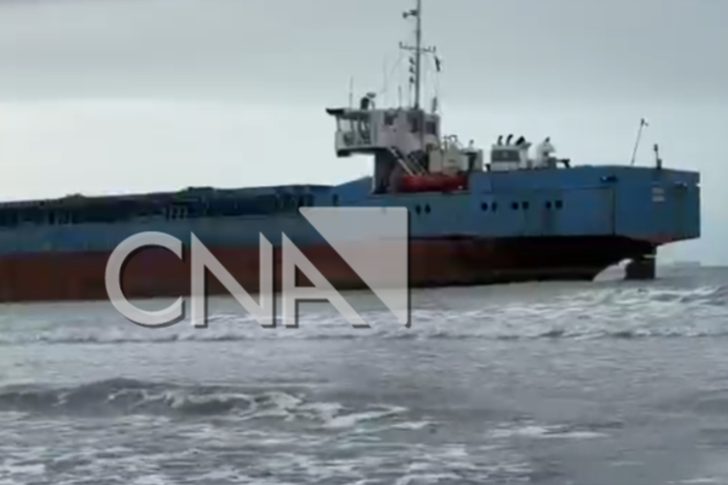
The Tanzanian-flagged ship remains stranded near the coast...
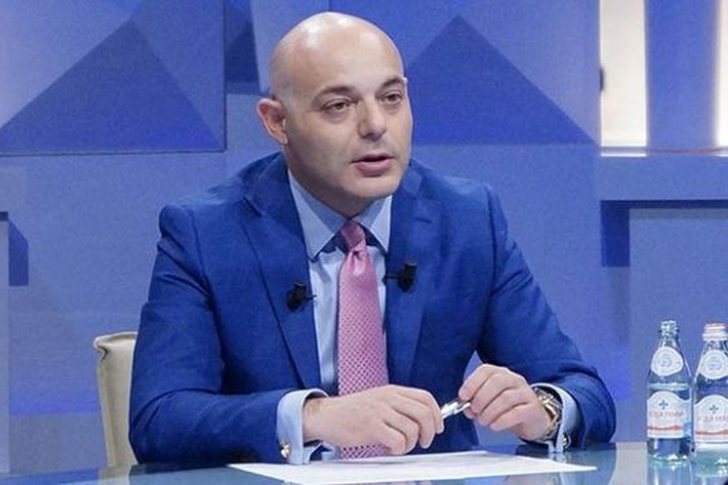
Journalist and moderator of the show "Opinion", Blendi Fev...
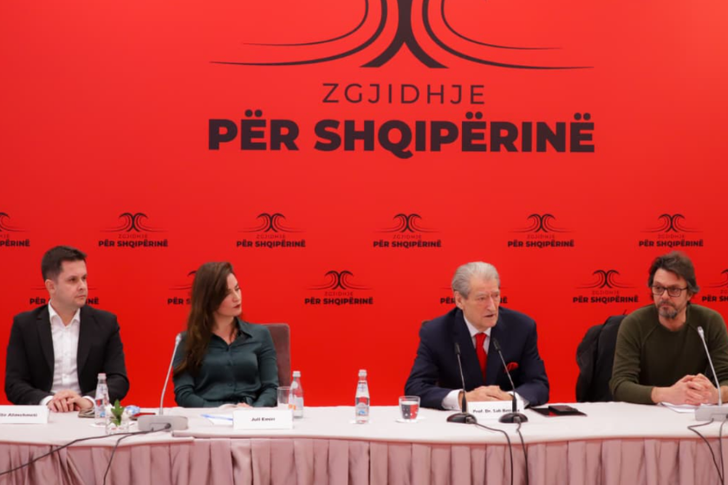
The leader of the Democratic Party, Sali Berisha, has made...
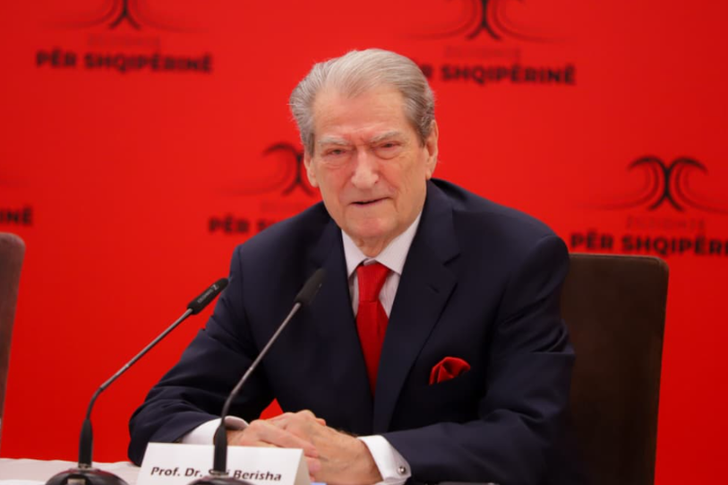
The leader of the Democratic Party, Sali Berisha, in a joi...
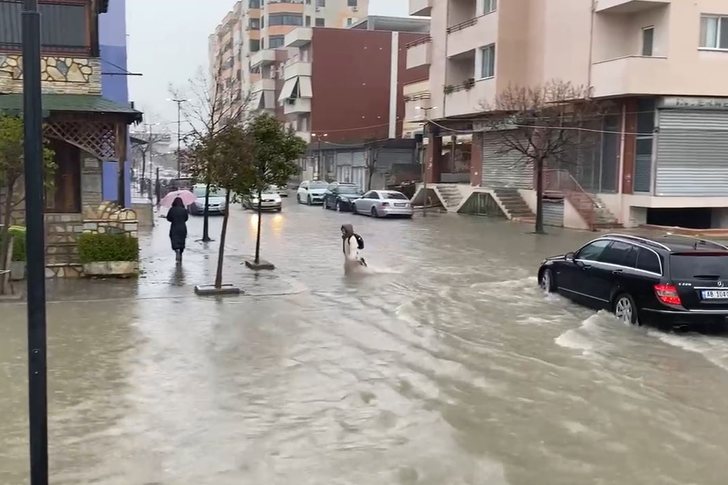
The situation in the Municipality of Durrës remains seriou...
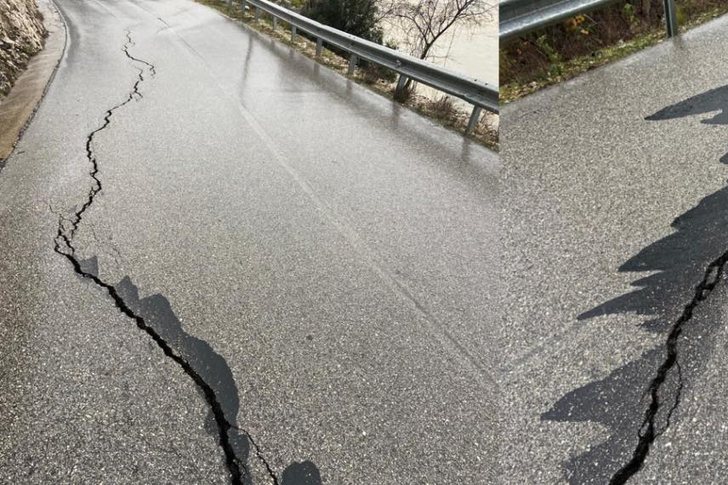
The Prefect of the Gjirokastër District informs citizens a...
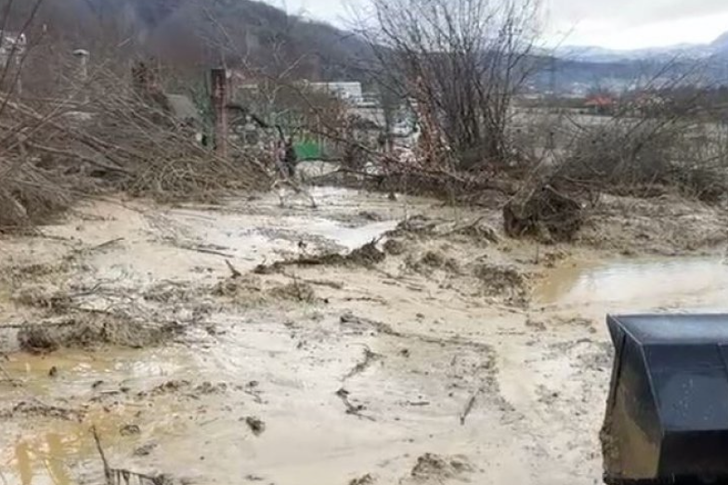
As a result of the collapse of a canal, the Klos-Burrel na...
Irfan Hysenbelliu claims to be a big businessman, an hones...

The murder of officer Enea Mekolli in the line of duty has...
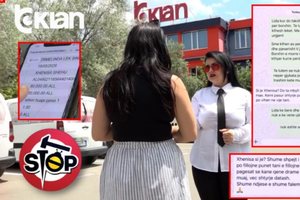
The next case broadcast on the show "Stop", this Thursday,...
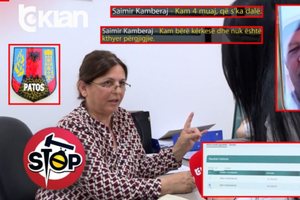
The case published this Thursday, June 4, on the show "Sto...

The Special Board of Appeal (KPA) decided this Monday ...

The KPA vetting decided this Thursday to dismiss the p...

Suela Salavaçi, a prosecutor in the Prosecutor's Offic...

The Special Board of Appeal reinstated the prosecutor ...

A 38-year-old man was arrested today near the Kamza turnof...

A money changer in Durrës lost 60 thousand euros after bei...
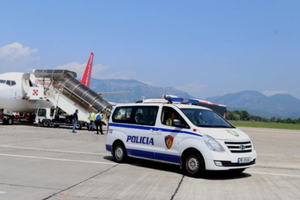
The 6 citizens captured in Dubai, members of criminal grou...
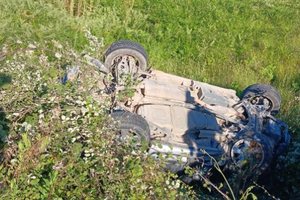
A serious accident occurred on the Kardhiq-Delvinë axis, i...

Today our country will be affected by stable weather condi...

For many children and teenagers, the long summer holidays ...
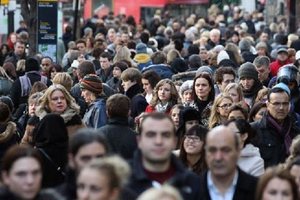
Albania is facing an unprecedented demographic transition,...

On Thursday, our country will be affected by unstable weat...
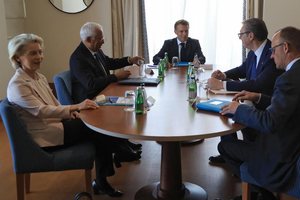
Leaders of the European Union and Western Balkan countries...
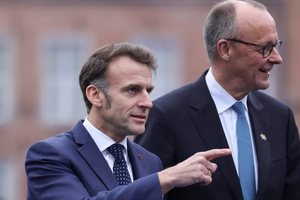
On the eve of the EU-Western Balkans summit, Germany and F...

Russian President Vladimir Putin said the war in Ukraine c...
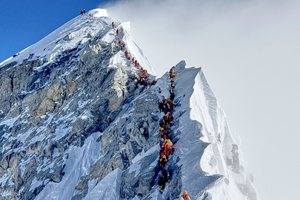
An extraordinary story of survival has been recorded in Ne...

Korça is ready to open the summer season with one of the c...
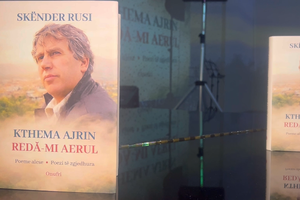
Two years after his passing, the renowned Korçë poet Skënd...
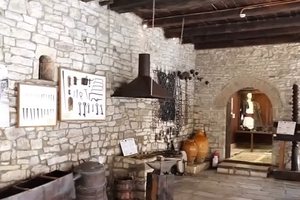
The Ethnographic Museum of Berat has opened its doors to v...
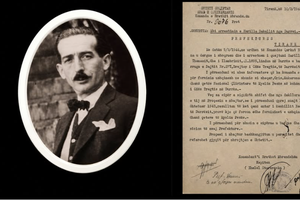
The story of Harilla Bakalli is one of the most chilling t...
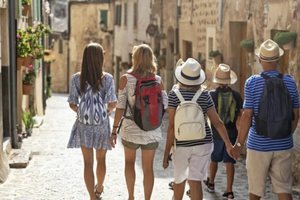
Despite years of efforts at regional cooperation and free ...

Albania is the country with the highest level of severe ma...

This Friday, one US dollar is bought for 81.3 lek and sold...
The government aims to transform the country's industrial ...