

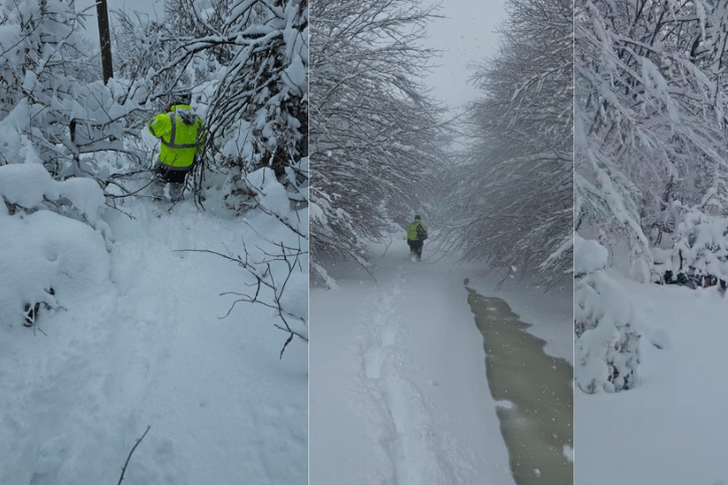
Infrastrukturë e fortë, njerëz të përkushtuar/ Vodafone Albania siguron ndërlidhje edhe në situata emergjence
Fillimi i 2026-ës e gjeti Shqipërinë nën presionin e motit...


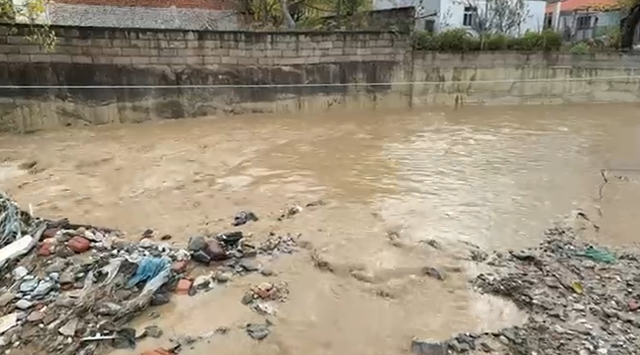
The recent floods in Albania are not just natural events. They are the most brutal reflection of a state that has lost its fundamental function: prevention, protection and responsibility. Water entered homes, businesses and agricultural land, but in reality what has long been flooded is the state itself.
In concrete terms, the failure is both technical and political. The dams, which were supposed to be the first line of defense, ended up out of action precisely where the investments were announced with great fanfare and billed at high prices. The case of the Durrës dam is not an isolated incident, but a symbol of a pattern: public money spent, projects inaugurated, but infrastructure that fails at the moment of testing. This is the classic definition of structural corruption — not just the theft of funds, but the deliberate destruction of state capacity.
The flood takes on an even broader meaning. The successive accusations against the deputy prime minister, ministers and heads of public institutions for corrupt affairs, clientelistic investments and abuse of public funds are like unstoppable flows of water that break the dams of public trust. When the executive branch piles up accusations, but at the same time protects itself politically, the state is not drowning from the outside, but from within.
The prime minister’s refusal to allow parliament to consider lifting the immunity of a key government figure is another critical moment in this flood. Parliament, which should be the institution of checks and balances, is reduced to decorum. When the law stops before the government, but does not stop before the citizen, then we no longer have a rule of law, but personal power.
At the same time, the economy is shrinking in vital sectors: agriculture is hit by floods and the lack of real support, small businesses are closing under fiscal pressure and informality is increasing, while emigration continues to empty the country of its workforce and professionals. This is another form of flood: not with water, but with insecurity and poverty.
The situation becomes even more alarming when the state loses control over its digital infrastructure. The accusations against the AKSHI, where state servers and data are in private hands, constitute a strategic risk. When public information, records, and critical systems are not under direct state control, the line between incompetence and capture by private or criminal interests becomes blurred. This is another level of deluge: the violation of institutional sovereignty.
All these phenomena are interconnected. Physical floods are the result of corrupt investments; corruption is the result of a lack of control; a lack of control comes from the capture of institutions; and the capture of institutions produces a state that no longer serves its citizens, but itself.
The “flood of the state” is not an exaggerated metaphor. It describes a reality where corruption, the arrogance of power, and economic weakness merge into a single crisis. And like any flood, if timely intervention is not made to build real dams — legal, institutional, and moral — the damage is not temporary. It becomes structural.
I fear that it already is.
Consequently, the overthrow is necessary to escape the flood.

Fillimi i 2026-ës e gjeti Shqipërinë nën presionin e motit...
The Institute of Statistics (INSTAT) will now be headed by...
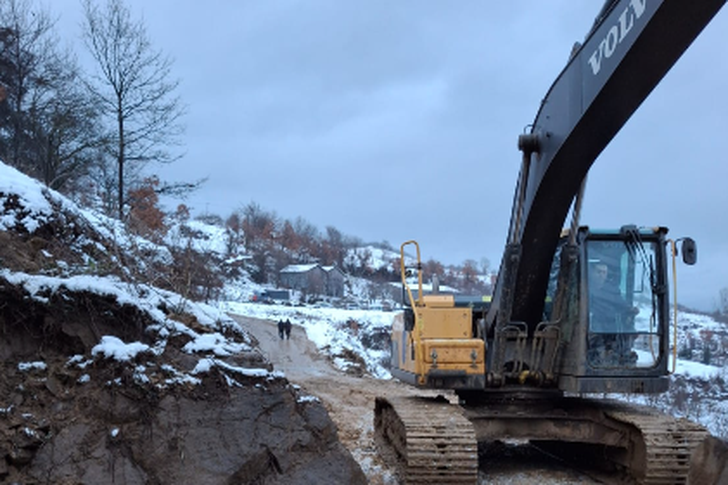
Vehicle traffic on the Dardhas Administrative Unit road re...
The Special Prosecution Office has closed the investigatio...
The Institute of Geosciences has shared a forecast regardi...

SPAK has sent the criminal proceedings against a cocaine t...
The Supreme Court will review SPAK's appeal against former...
Prosecutor Arqile Koça has been elected Deputy Prosecutor ...
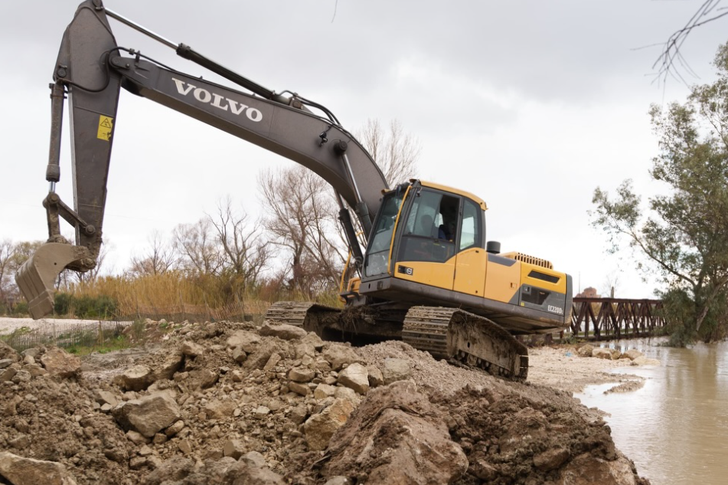
Intense rainfall and snowfall, accompanied by low temp...
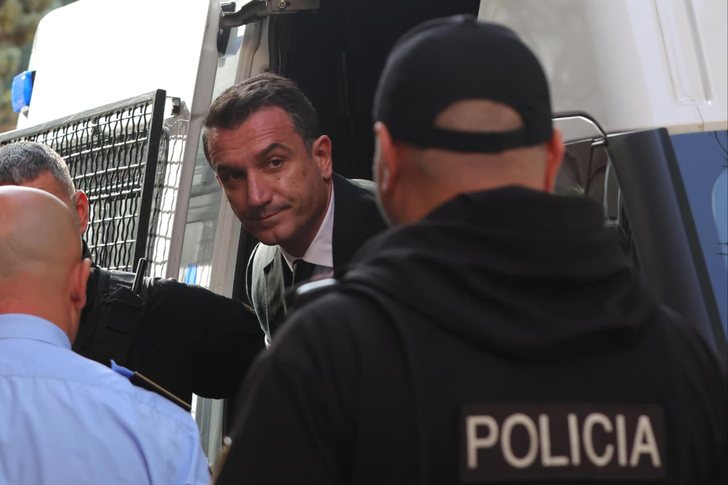
CNA denounced a flagrant case, where Mayor Erion Veliaj de...
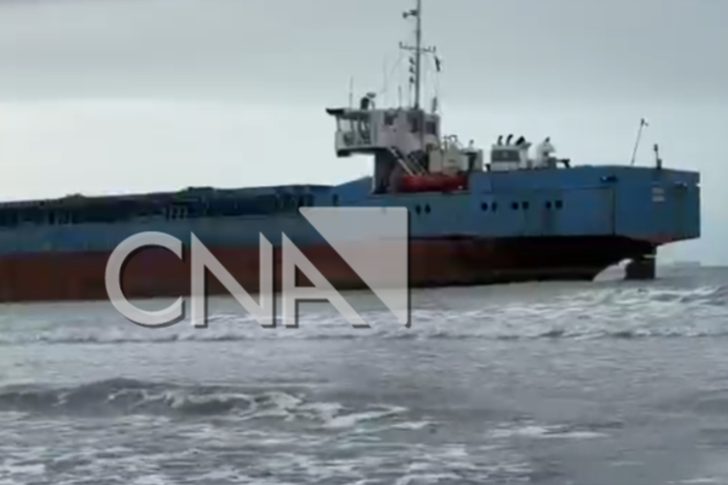
The Tanzanian-flagged ship remains stranded near the coast...
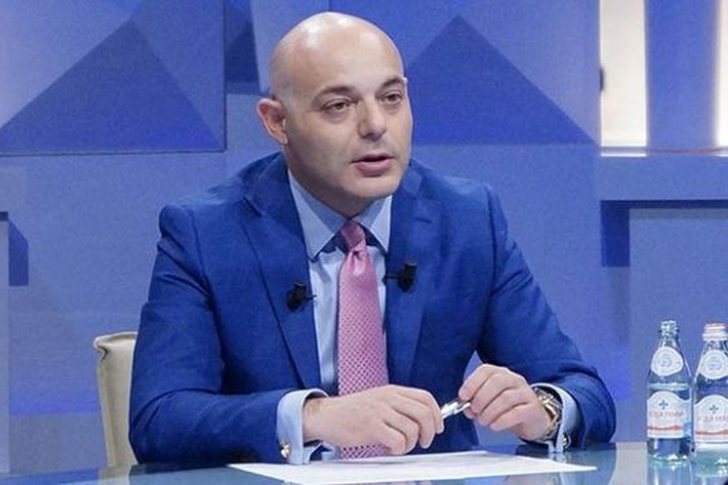
Journalist and moderator of the show "Opinion", Blendi Fev...
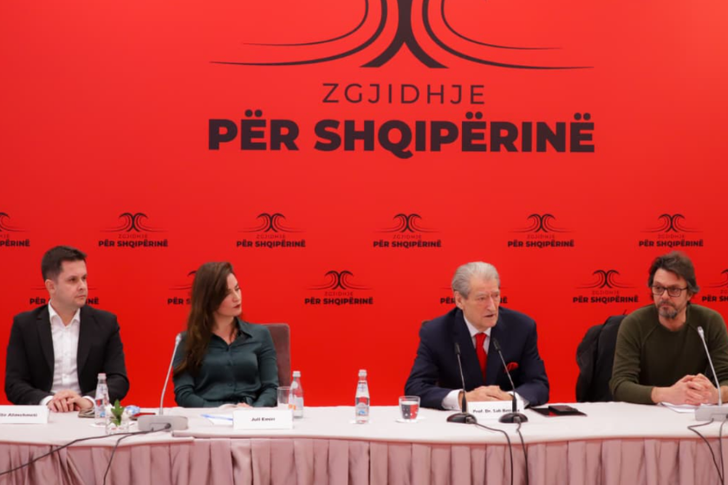
The leader of the Democratic Party, Sali Berisha, has made...
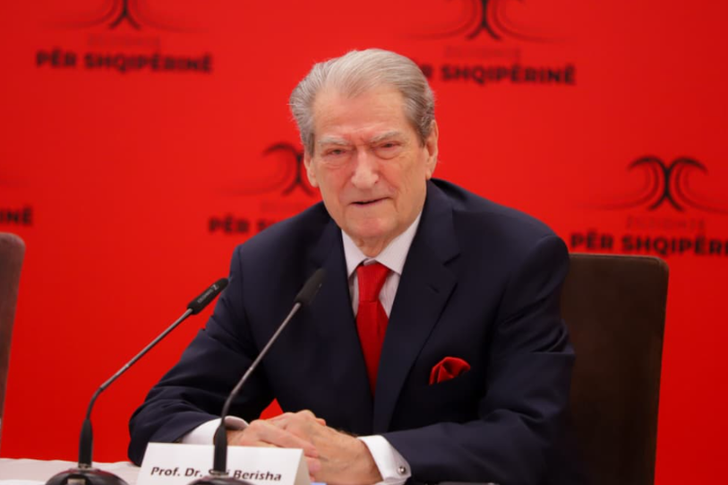
The leader of the Democratic Party, Sali Berisha, in a joi...
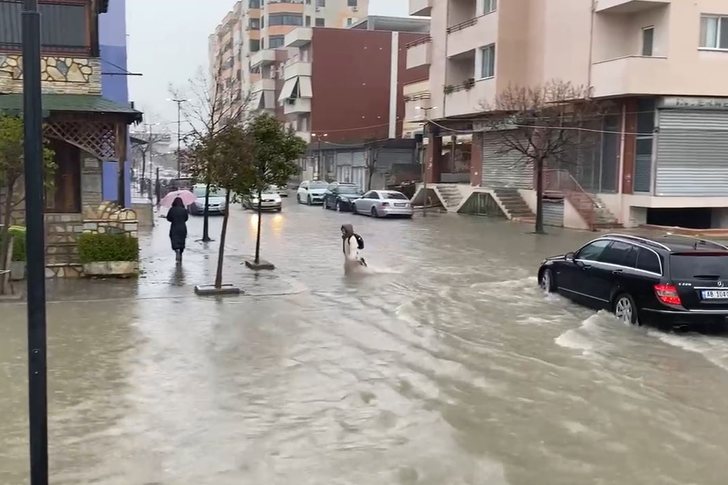
The situation in the Municipality of Durrës remains seriou...
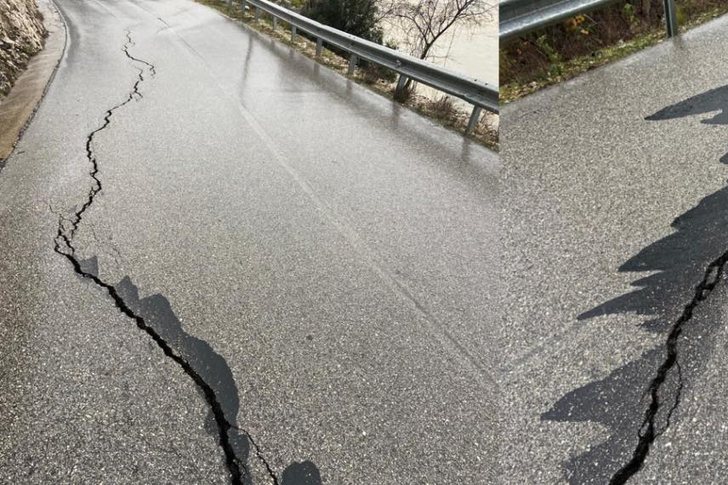
The Prefect of the Gjirokastër District informs citizens a...
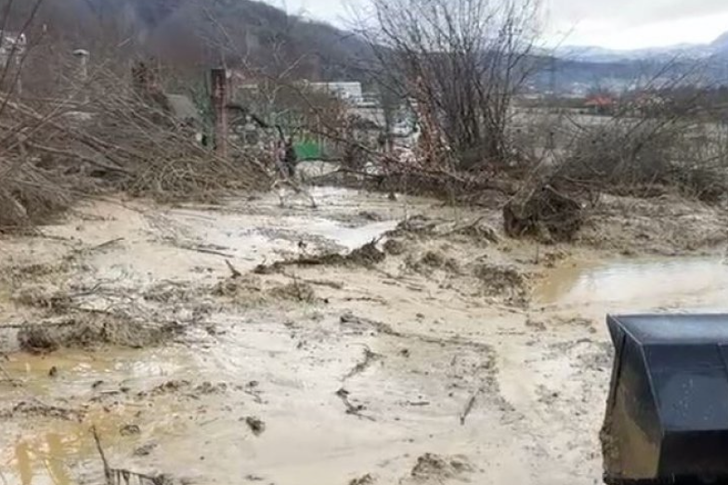
As a result of the collapse of a canal, the Klos-Burrel na...
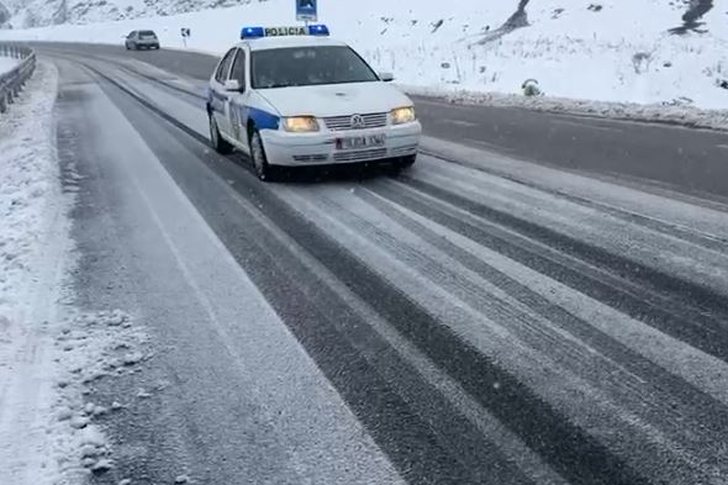
Bad weather continues to grip our country. Snowfall contin...
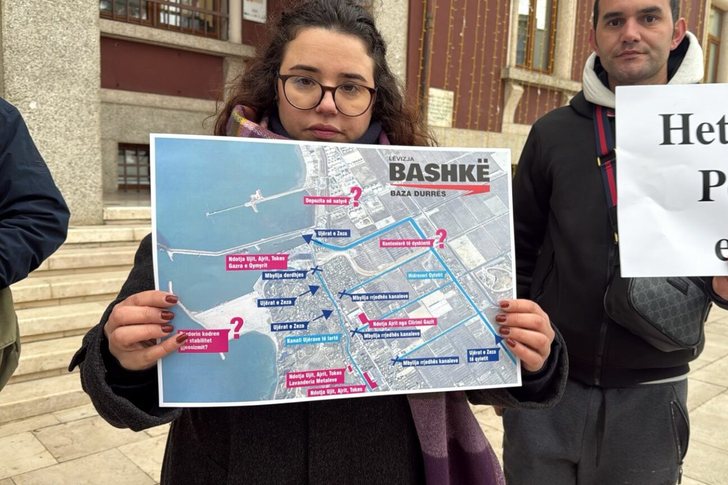
This Friday morning, the "Together Movement" held a protes...
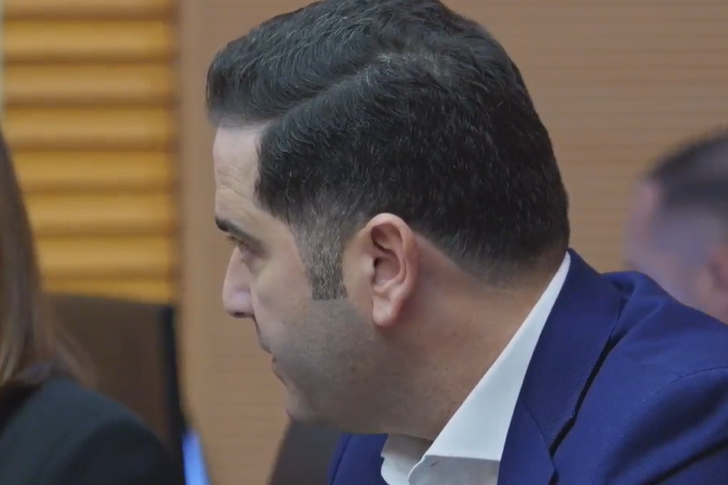
The Minister of Finance, Petrit Malaj, has announced that ...
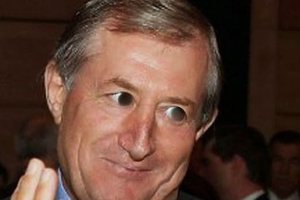
Irfan Hysenbelliu claims to be a big businessman, an hones...

The murder of officer Enea Mekolli in the line of duty has...

The next case broadcast on the show "Stop", this Thursday,...
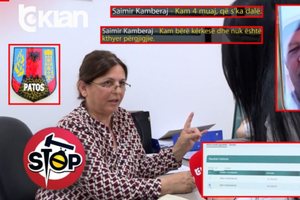
The case published this Thursday, June 4, on the show "Sto...

The Special Board of Appeal (KPA) decided this Monday ...

The KPA vetting decided this Thursday to dismiss the p...

Suela Salavaçi, a prosecutor in the Prosecutor's Offic...

The Special Board of Appeal reinstated the prosecutor ...

A 38-year-old man was arrested today near the Kamza turnof...

A money changer in Durrës lost 60 thousand euros after bei...
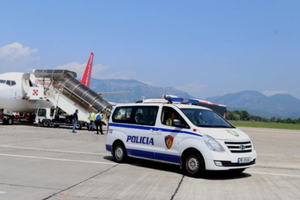
The 6 citizens captured in Dubai, members of criminal grou...
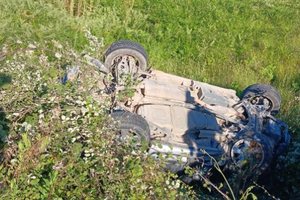
A serious accident occurred on the Kardhiq-Delvinë axis, i...
Today our country will be affected by stable weather condi...

For many children and teenagers, the long summer holidays ...
Albania is facing an unprecedented demographic transition,...
On Thursday, our country will be affected by unstable weat...
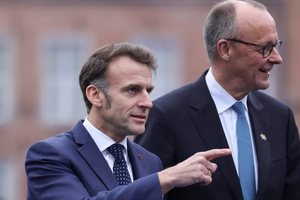
On the eve of the EU-Western Balkans summit, Germany and F...
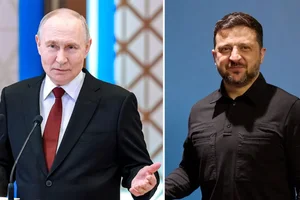
Russian President Vladimir Putin said the war in Ukraine c...
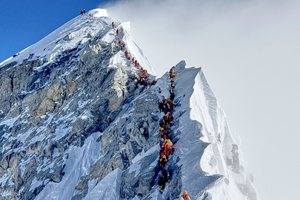
An extraordinary story of survival has been recorded in Ne...
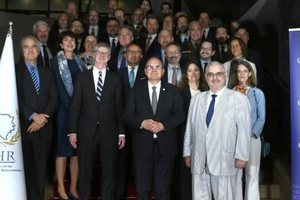
The Peace Implementation Council in Bosnia and Herzegovina...
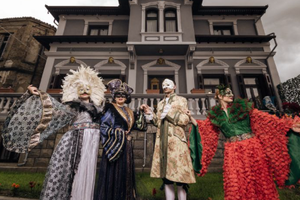
Korça is ready to open the summer season with one of the c...
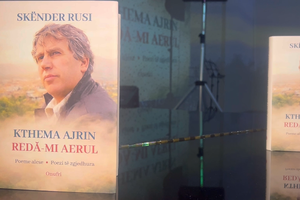
Two years after his passing, the renowned Korçë poet Skënd...
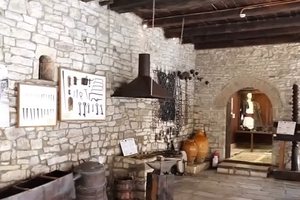
The Ethnographic Museum of Berat has opened its doors to v...
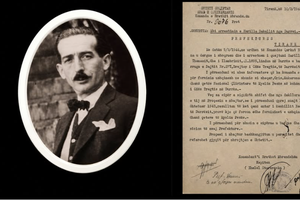
The story of Harilla Bakalli is one of the most chilling t...
Despite years of efforts at regional cooperation and free ...

Albania is the country with the highest level of severe ma...

This Friday, one US dollar is bought for 81.3 lek and sold...
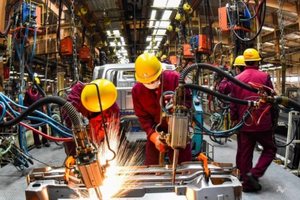
The government aims to transform the country's industrial ...