

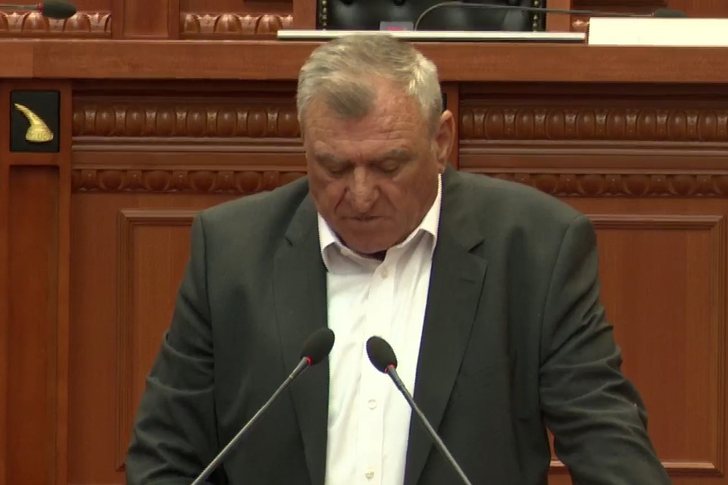
Duke "slaps" the government/ "Hide your head about toxic waste, a scandal with catastrophic consequences"
The head of the Agrarian Environmentalist Party, Agron...


In Albania, some changes in the "Law on the order of doctors" have provoked a wide debate among the health personnel in the country. They were undertaken by the official authorities, after investigations by the prosecutor's office, on a scheme of patient abuse, in which several doctors from the oncology hospital in Tirana were involved, who are thought to have directed patients to private clinics. The normative act of the government aims to create some new balances, mainly related to the dual employment of doctors in the public and non-public system, limiting their working hours in private structures. Representatives of the medical community, as well as the Order of Physicians, have reservations, and tell VOA that these changes were not consulted with them.
The normative act of the government for some changes in the "Law on the order of doctors" aims, according to the authorities, to minimize the conflict of interest in the ranks of doctors. For health personnel working simultaneously in the public and private systems, this act limits working hours to 12 hours per week in the private system. After the financial autonomy of public health structures, doctors will be completely prohibited from double employment. Doctor Arben Ivanaj, head of the hematology service at QSUNT, who has chosen to work only in the public system, is skeptical about how these changes were carried out, without first getting the opinion of the medical community, as he says for the Voice of America.
"Personally, I did not agree that people should work in the two systems. But Doctor's Order is among the best. I think that any intervention in this process should be understood as not being an order that came out of nowhere. We need to discuss before decisions are made. Meanwhile, the decision has been made, it is a political decision. I have nothing to discuss" - said Arben Ivanaj, head of the hematology service at QSUNT.
Fatmir Brahimaj, President of the Order of Doctors, an independent institution that sets ethical and deontological standards, mandatory for every doctor and monitors their implementation during the practice of the profession, says for the Voice of America, that the recent changes in the Law on the Order of Doctors, violate the independence of this institution. When Mr. Brahimaj says this, he has several elements in mind.
“Nga një organizëm edukues kthehet në ndëshkues, nga i pavarur kthehet në një shtojcë të Ministrisë së Shëndetësisë. Kodi i etikës dhe i deontologjisë mjekësore vetëm do të hartohet nga ne, sepse merr ekskluzivitet miratimi nga e Ministria e Shëndetësisë. Po ashtu gjykimi profesional që është një element tjetër i rëndësishëm i cili bazohet në rregulloren e hartuar dhe që ka funksionuar gjithë këto vite, tani struktura e këtij komisioni gjykimi dhe kriteret e tij përcaktohen nga Këshilli i Ministrave. Pra vetëm me këto dy shembuj del qartë që nuk mbetet asnjë element i vetërregullimit dhe i vetëqeverisjes të këtij organizimi profesional”- shprehet Fatmir Brahimaj, President i Urdhrit të Mjekëve.
Zyrtarë të Ministrisë së Shëndetësisë, nuk bënë komente të hollësishme për Zërin e Amerikës, rreth pretendimeve të Urdhërit të Mjekëve, por u mjaftuan duke thënë se po kujdesen për qytetarin, pa lënë mënjanë të drejtat e mjekëve.
“Si Urdhri i Mjekëve ashtu dhe Minstria e Shëndetësisë kanë pikërisht atë qëllim të përbashkët, që këto ndryshime ligjore të krijojnë një balancim shumë të mirë midis interesit të mjekut dhe interesit të qytetarit, për ta marrë këtë shërbim në institucionet tona shëndetësore publike”- thotë Entela Ramosaçaj, Zv/Ministre e Shëndetësisë.
Disa prej mjekëve i mbështesin në parim nismat ligjore, që synojnë të vendosin rregulla për dypunësimin e mjekëve, siç është mjeku endokrinolog, në QSUNT, Prof. Florian Toti.
“Ishte një hap i cili pritej, sepse është krijuar një situatë e përgjithshme që mjekët nuk dije ku t’i kërkoje në shtet apo privat. Personalisht e mbështes nismën e qeverisë për ta ndarë mundësisht plotësisht punën në shtet nga privati.”- pohon për Zërin e Amerikës Florian Toti, Pedagog i endokrinologjisë në Fakultetin e Mjeksisë në UMT.
Por përtej këtij gjykimi të përgjithshëm, Z. Toti, duke analizuar aktin normativ, që limiton orët e punës së mjekëve në sistemin privat, kur ata janë të punësuar dhe në atë publik, vëren disa pika të errëta, siç shprehet ai.
“Në aktin normativ thuhet që një mjek që ka ndjekur një pacient në strukturat publike nuk ka të drejtë ta ndjekë në strukturat private. Por ne deri më sot kemi thënë gjithmonë që është pacienti që zgjedh mjekun, dhe jo e kundërta. A mos duhet të ndryshojmë dhe rregulloren e Urdhrit të Mjekëve në lidhje me këtë çështje? Ndryshimet nuk janë konsultuar me grupet e interesit. Dhe për të mos u ndodhur si në rastin e Ligjit të Arsimit të Lartë, ku aktet nënligjore u miratuan pas disa vitesh, do të dëshiroja që të mos mjaftoheshin vetëm me këtë akt normativ.”- vijoi Prof. Florian Toti mjek endokrinolog, në QSUNT.
Zyrtarët konfirmojnë se mjaft detaje do të qartësohen në vijim me akte nënligjore. Por përfaqësues të komunitetit të mjekëve të shërbimit parësor, ofrojnë qasje tjetër, kur bëhet fjalë për cilësinë e jetës për këtë kategori mjekësh që kanë të ardhura më të ulëta, se ata në strukturat spitalore.
"Do you know what a doctor can do with a salary of 100,000 lek per month? He cannot attend any conference abroad per year, since the cost of registering at such a conference to be updated with the latest news of his specialty is 3 thousand euros. This new implementation with time limit will divert the private health service market. Not all will be declared, maybe it will encourage tax evasion. With little income for doctors, it creates ground for corruption in public health structures" - argues Alkerta Ibranji, clinical allergist-immunologist, Polyclinic of specialties No. 2 Tirana.
Experts also raise concerns about how doctors in private health facilities will be monitored, if they work 12 or more hours a week, and what will be the mechanism that proves this. Representatives of the Ministry of Health argue that in order to avoid illegal practices, the role of the Inspectorate Responsible for Health has been strengthened.
"There will definitely be a disciplinary commission and an appeal commission, which will accept requests within 10 days. But on the other hand, if violations of medical ethics and deontology are detected, the measures will definitely range from temporary license suspensions, reprimands as the easiest measure to revocation of the doctor's license, but also fines" - continues Entela Ramosaçaj, Deputy Minister of Health.
During the last decade, the private health system has expanded and strengthened significantly. Experts in the health field suggest that any legal initiative should be looked at carefully, as the entire health system is basically hit.
They recommend the government to carefully assess a reality created mostly by doctors who have invested their life savings in small and medium-sized clinics.
"The normative act for some changes in the "Law on the Order of Doctors" may endanger another element, which may lead to the exit from the health care service provision scheme of these medium and small clinics and the further strengthening of important institutions the health of the country, which have been consolidated during these 20 years and to some extent are in monopoly conditions" - Qamil Dika - Lecturer at the Faculty of Medicine at UMT, told the Voice of America.
Representatives of the medical community also have remarks about the legal provision that determines that permission for a doctor who wants to work in the private sector is granted by the head of the institution where he practices. They argue that this can encourage cronyism and unfair competition.
But one of the biggest concerns of doctors and citizens in the country is related to the quality and quantity of health services in public structures. In many cases, the deficiencies in them have forced patients to turn to the private system, against high payments, and have created a hostile climate between doctors and patients, as the doctors themselves admit.
"Doctors are in no way to blame. They are victims and consequences of this misused system in 30 years of prolonged Albanian transition, but I can never accept that the most important and vital medications are missing in the state, such as those in the case of oncology and oncopediatrics especially. or not working for years, devices that surprisingly work normally in the private sector. No private structure, no matter how much money it has, can compete with a well-managed public hospital" - continued Prof. Florian Toti, lecturer at UMT.
"Doctors are not to blame for absences in institutions. The doctors are not to blame for the long service hours, where you have increased morbidity. Doctors are not to blame for drug shortages. When you say a universal system where medicine is free and the patients come and understand that it is not free, the doctors are the ones who are insulted by the patients, when the doctors are not to blame. If there is a reform that must start somewhere, it is "Blind the public system with all the data" and then you understand if you have problems in private employment as well, before you take the measures" - continues Alkerta Ibranji, allergist.
The official authorities aim to increase the performance of the public health service through the managerial autonomy that they have gained, 5 hospitals in the country as well as QSUT. Financial autonomy will be the next step according to them, in function of this goal. But experts in the field of health, even though they appreciate the 60-70% increase in the salaries of health personnel and the improvement of services for patients, think that this road will be long and with many challenges./ VOA

The head of the Agrarian Environmentalist Party, Agron...
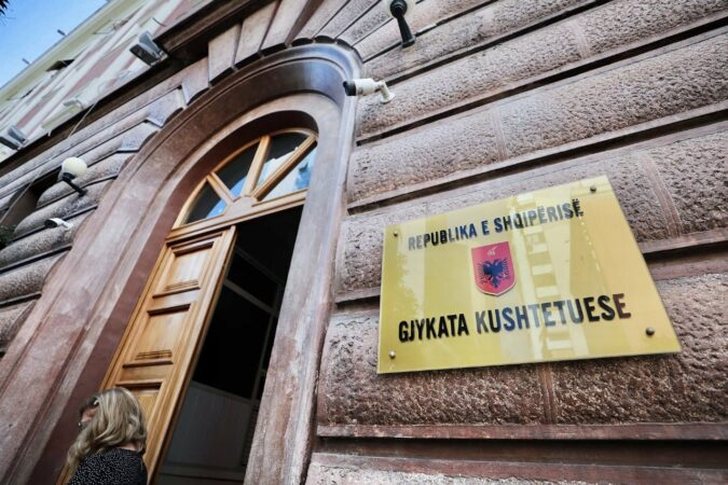
Today at noon, CNA published a news about a full commu...
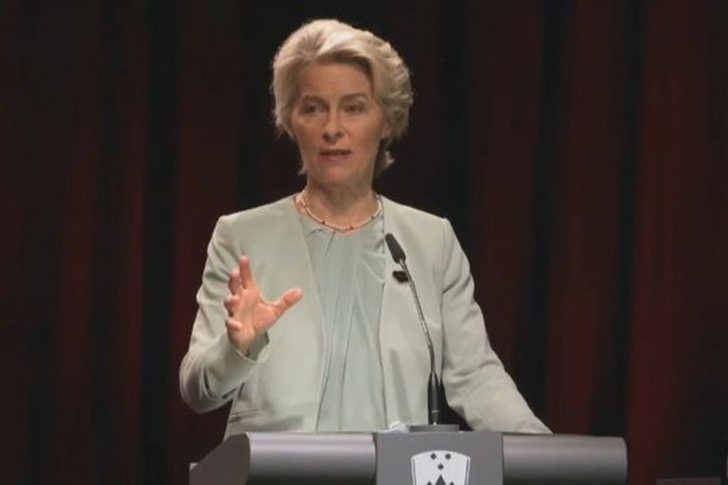
The European Commission will appoint a special commiss...
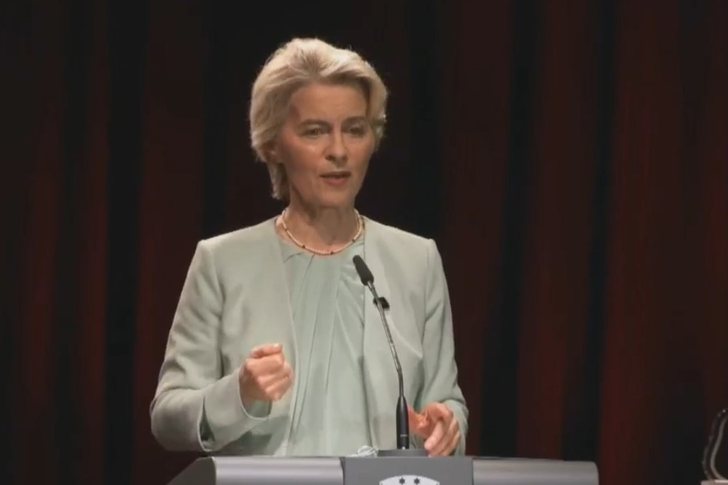
The President of the European Commission, Ursula Von d...
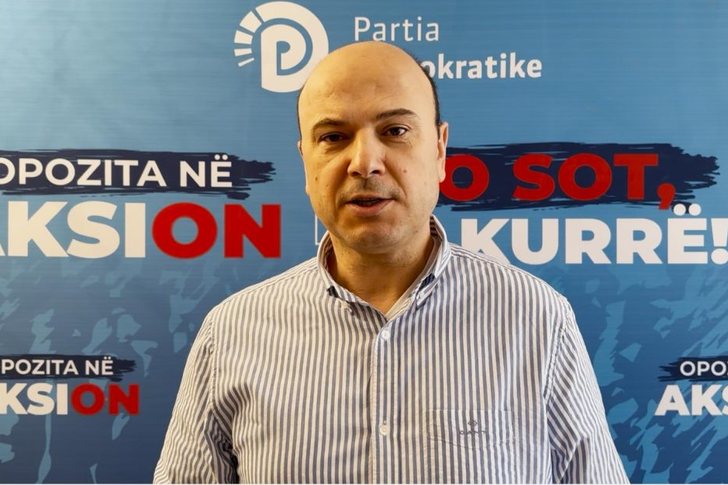
Jamarbër Malltezi has published the map of land ownership in...
Prime Minister Edi Rama has stated that even in the month ...
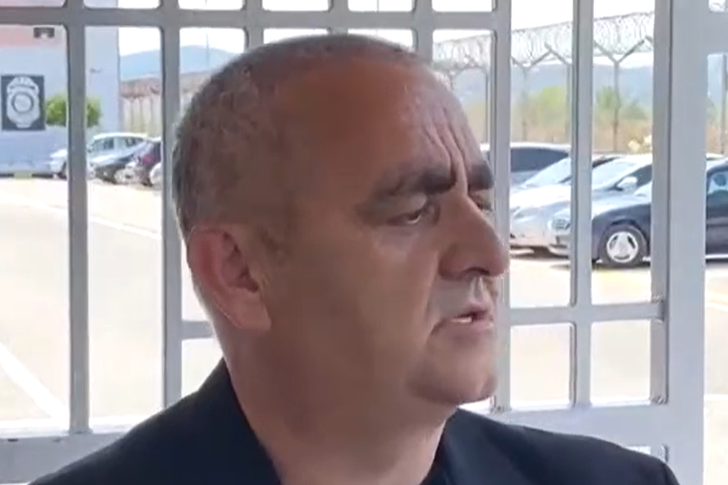
Eurodeputeti Fredi Beleri ka folur për mediat pasi ka ...
The Court of Fier accepts the request of MEP Fredi Bel...
In a message addressed to the Assembly of Albania on t...
Some private messages between a member of the Constitu...
The Minister of Education, Ogerta Manastiriu, has anno...
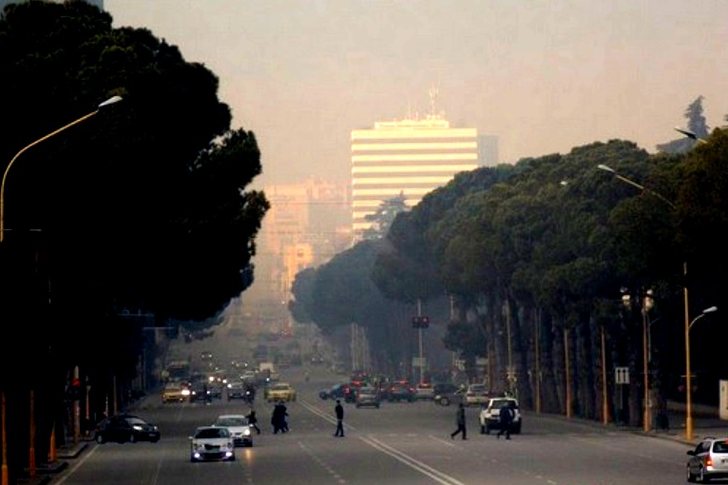
Air pollution in some cities even for the year 2023 ap...
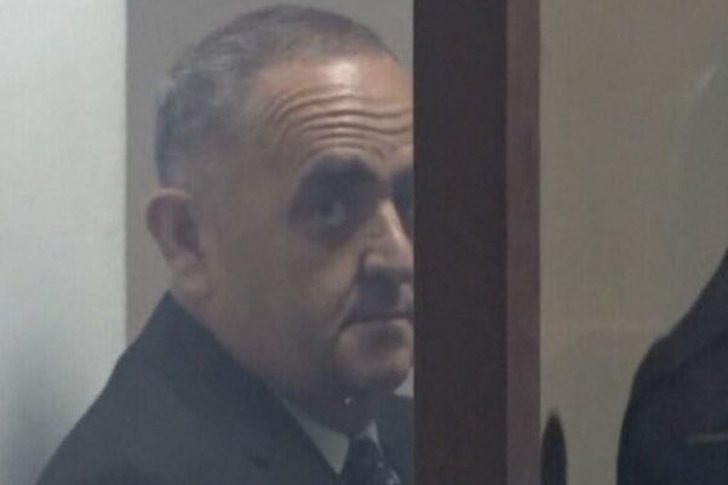
MEP Fredi Beleri appeared today at the Court of First ...
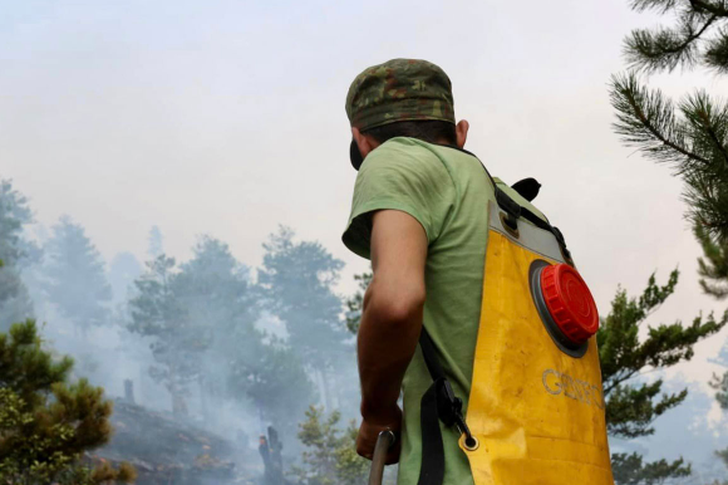
According to data from the National Operational Center...
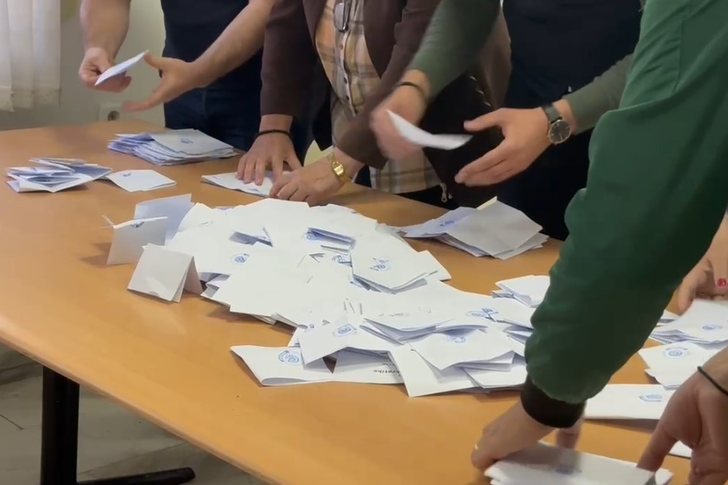
Today at 12:00, in the premises of the Administrative ...
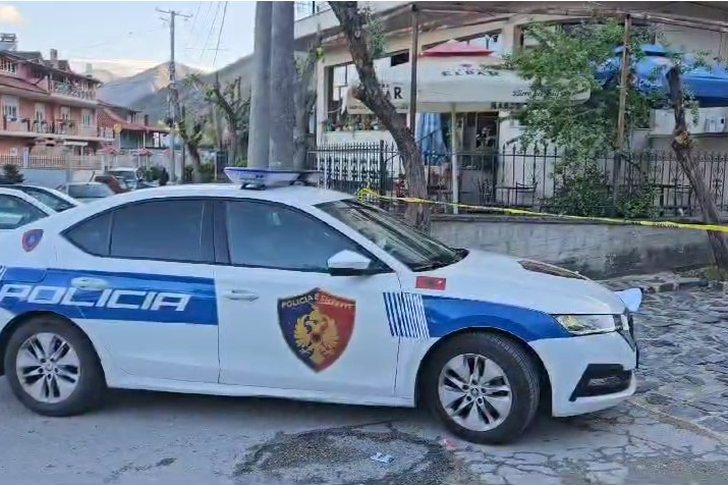
Another case of violence was recorded in Maliq, namely...

TIBO IPTV brings back the TV channels of "Klan HD", "Klan ...

This Monday we are introducing you to some of the main pre...

In the summer months, producers are facing an increase...
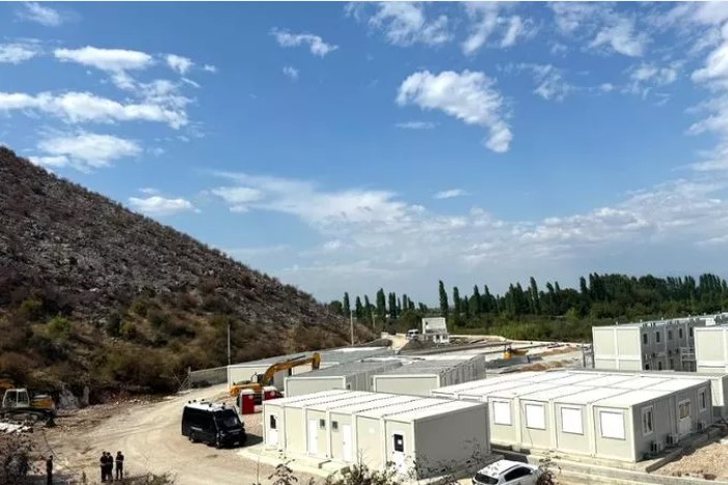
The Italian newspaper "La Stampa" has written an article a...
Irfan Hysenbelliu claims to be a big businessman, an hones...
The murder of officer Enea Mekolli in the line of duty has...
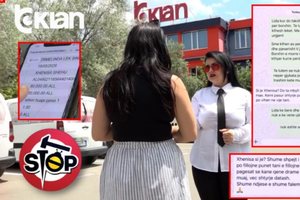
The next case broadcast on the show "Stop", this Thursday,...
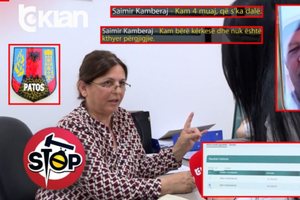
The case published this Thursday, June 4, on the show "Sto...

The Special Board of Appeal (KPA) decided this Monday ...

The KPA vetting decided this Thursday to dismiss the p...

Suela Salavaçi, a prosecutor in the Prosecutor's Offic...

The Special Board of Appeal reinstated the prosecutor ...
A 38-year-old man was arrested today near the Kamza turnof...

A money changer in Durrës lost 60 thousand euros after bei...
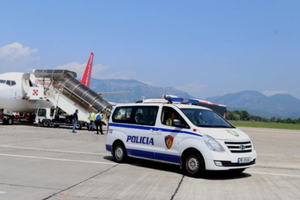
The 6 citizens captured in Dubai, members of criminal grou...
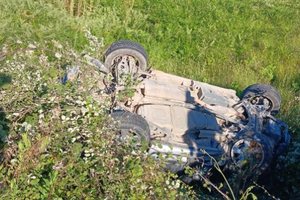
A serious accident occurred on the Kardhiq-Delvinë axis, i...
Today our country will be affected by stable weather condi...

For many children and teenagers, the long summer holidays ...
Albania is facing an unprecedented demographic transition,...
On Thursday, our country will be affected by unstable weat...
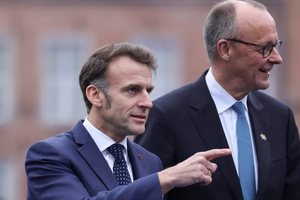
On the eve of the EU-Western Balkans summit, Germany and F...
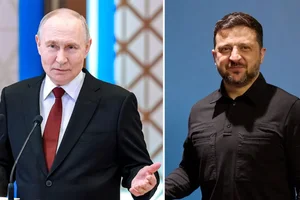
Russian President Vladimir Putin said the war in Ukraine c...
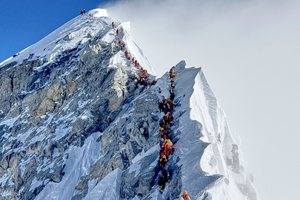
An extraordinary story of survival has been recorded in Ne...
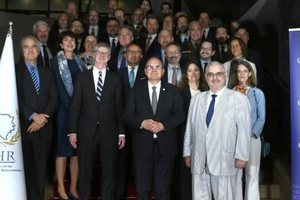
The Peace Implementation Council in Bosnia and Herzegovina...
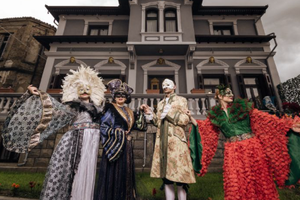
Korça is ready to open the summer season with one of the c...
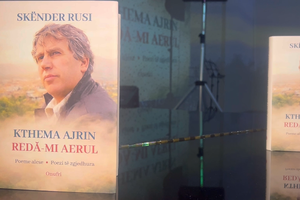
Two years after his passing, the renowned Korçë poet Skënd...
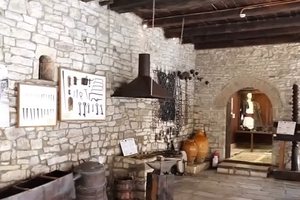
The Ethnographic Museum of Berat has opened its doors to v...
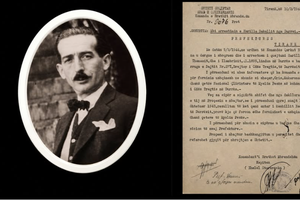
The story of Harilla Bakalli is one of the most chilling t...
Despite years of efforts at regional cooperation and free ...

Albania is the country with the highest level of severe ma...

This Friday, one US dollar is bought for 81.3 lek and sold...
The government aims to transform the country's industrial ...