


Seventh protest held in Tirana against the government
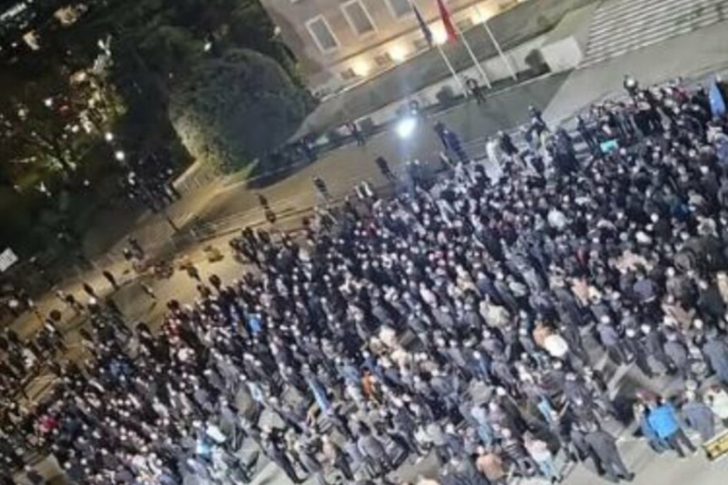
This Saturday, the next civic protest is being held in the...

This Saturday, the next civic protest is being held in the...

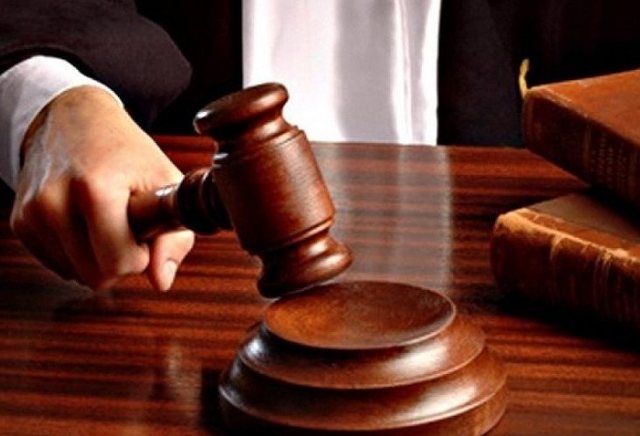
The National Association of Judges reacted this Tuesday, following statements made the day before by Prime Minister Edi Rama, regarding their request for a salary increase.
Through a statement, the SHKGJ describes it as a speculative and populist public campaign undertaken by the Prime Minister.
DECLARATION OF THE NATIONAL ASSOCIATION OF JUDGES OF THE REPUBLIC OF ALBANIA:
The National Association of Judges of the Republic of Albania has followed with regret and concern the campaign of public speculation undertaken by the head of the Council of Ministers and also its media development, which culminated last evening. All this populist smoke has been created and spread with the aim of lynching judges and their associations in connection with a constitutional judicial process, which is in the final decision-making phase at the Constitutional Court.
Therefore, we consider it necessary, not to argue the constitutional justice of the claims presented in the two submitted requests, since their legal articulation and submission to the court of law is already a closed phase of the process, but to not allow the public to be misinformed about the goals of these judicial initiatives. In respect of the principles of the rule of law and the universal democratic and civic standards that our Republic aspires to, we cannot allow ourselves to exert pressure on the Constitutional Court, intimidate the judges, threaten them or disturb their peace of mind, which should be the final phase of the process, the decision-making phase. There is now only one legitimate voice that must be heard and that voice belongs only to the articulation of the decision by the Constitutional Court.
But we cannot remain silent in the face of the prime ministerial, public, media, completely hysterical, which aims to ignite opposition in public opinion for a decision-making and constitutional process that should take place in the courtroom. In all this government and media campaign, fueled day by day to create populist frenzy against a constitutional judicial process, some historical facts must be mentioned, which are neglected to be cited, intentionally by some and by the understandable ignorance of others.
First, the draft law on the status of magistrates, drafted by national and international experts mandated by the Special Parliamentary Commission on Justice Reform, predicted in 2016 that the financial status of magistrates' salaries would be almost a third higher in absolute value than what was hastily decided and without public debate to become law by the Assembly in November 2026. The speed of approving laws in the Assembly and the avoidance of debate on this proposal, universally accepted in the years of drafting the legal reform package, caused the first concession in this direction from the standards of the new justice to occur with the adoption of the amended version of the law on the status of magistrates. This was the first bad faith shown in the relay of those who are only learning how to continue and not stop.
Secondly, as if this concession were not enough, the November 2016 law stipulated that the financial effects of magistrates' salaries would start from 01.01.2019. Thus, for two years and two months, the new reform decided that magistrates would be paid with the old reforms. This moment was the second bad faith in a row.
Thirdly, the baton was passed to the third bad faith, as at the last moment the Assembly changed the transitional provision of the law, providing that magistrates who had not passed the vetting, on the long-awaited date, 01.01.2019, would continue to receive the old salary, the one determined in 2008, with the new law immediately being applied only to magistrates who had passed the vetting. It was precisely the two associations of judges that addressed the Constitutional Court at that time to repeal this third concession to the sincerity of the will of Albanian statesmen, since such legal treatment violated universal standards of justice and equality of citizens before the law. Thanks to the Constitutional Court's repealing intervention at that time, this injustice of the Assembly was corrected and the status of the magistrate was not violated.
Fourth, before the date of 01.01.2019, the Council of Ministers, by decision and in bad faith, showed the fourth lack of sincerity and will in this element of the reform in the justice system. The salary of magistrates, by domestic and international mandated experts and approved by the qualified majority of the Assembly, was constructed in such a way that the reference salary was inextricably linked to a certain category of senior civil servant in the Prime Minister's Office, taking into account the protection of the status, independence and dignity of the magistrate in this progressive economic standard, not only at the moment of the adoption of the law, but in any law that would be adopted in the future, according to the vision of Article 138 of the Constitution. The fourth lack of sincerity of will on the one hand and the subsequent bad faith on the other hand by the Council of Ministers led to the fact that, under the instructions of the Ministry of Finance, the High Judicial Council, the High Prosecutorial Council and further every court and prosecutor in the country took as a basis a lower salary reference for building the financial status of the magistrate, given that the category of civil servant in the Council of Ministers, which the law on the status of the magistrate had referred to, had already been deliberately and in bad faith suppressed by the executive.
Fifth, to correct this unconstitutionality, which was caused to the organic law by a normative sub-legal act, already identified and denounced by the Supreme State Audit in 2020, the Assembly legalized the unconstitutionality of the decision of the Council of Ministers, which before 01.01.2019 had abolished precisely the administrative position of civil servant in the Prime Minister's Office solely in order to violate and not enjoy the financial status of magistrates, by fictitiously reducing them one category lower in the reference salary. This was the fifth lack in a row of sincerity and will to implement this element of reform in the justice system. This law was contested by the judges' association in the Constitutional Court and in 2022 the latter repealed it, arguing, among other things, that the financial status of magistrates could not be reduced, that the Assembly was free to compose the reference salary but that this freedom, according to Article 138 of the Constitution, was conditioned in any case by the non-deterioration of their financial status qualitatively and materially.
Sixth, in contradiction to this resistance and the emancipation of the judicial power and civil society of judges, the Council of Ministers decided once again to intervene in the financial status of magistrates, qualitatively and materially reducing it but hiding this reduction under the bad faith of a formula that ensures only the absolute value of the reference salary but not the standard of Article 138 of the Constitution and the jurisprudential standard of the Constitutional Court. Disappointed by this sixth lack of sincerity and by this subsequent lack of confidence in the implementation of one of the most important elements of the reform in the justice system by the Council of Ministers and the Assembly, outraged by this behavior and their violation of the inviolability of the dignity of magistrates, the judges' associations have activated the jurisdiction of the Constitutional Court for the third time in a row, now to decide whether or not the 2023 law complies with its jurisprudence and with Article 138 of the Constitution, which in straightforward terms orders that: "The salary and other benefits of judges cannot be reduced."
This is precisely the history of the continuous and recidivism of the interventions of the executive and legislative powers in the status of magistrates and in the independence of the judiciary, in a manner incompatible with the Constitution. These unconstitutional interventions have started in 2016, to continue in 2019, in 2021 and further in 2023. Meanwhile, in yesterday's speech by the head of the executive, it was publicly and threateningly warned that, even after the decision of the Constitutional Court, another solution and alternative to the style of the next attack will be found, which falls to be the seventh bad faith in a row, although so far only promised.
Through this reaction, we seek to publicly convey that all civil and constitutional initiatives of judges' associations do not aim at "salary increases", a term deliberately chosen, false and speculative, solely to oppose populism to the constitutional judicial process, as a weapon of legal impotence and the power of suppression. All these constitutional and civil initiatives of judges' associations have not been undertaken over the years to convey to the public the false debate about which profession is more important and which should be paid more. In this history of constitutional objections, for 10 years now, it is not the judicial power that is seeking to impose itself on the executive and legislative powers. This is speculation. The truth is that it is the latter who seek to undo Article 138 of the Constitution and with it the constitutional purposes for which such a norm has been sanctioned since 1998. This is a malicious goal of the public campaign launched to transform the constitutional judicial process into a people's court.
We believe that the behavior of judges' associations over the years in this regard should not be perceived as destabilizing for the country, neither from a social, legal, nor financial perspective.
On the contrary, attempts to present them in this way constitute another speculative approach. All this civil enterprise of judges' associations in the face of these government and legislative initiatives, openly or secretly unconstitutional, should be assessed as only contributing to the strengthening of the principles of the rule of law, democracy, the independence of the judiciary and also the emancipation of magistrates. This behavior should reflect in the public only the sense of civic determination to not allow oppression by any power./CNA

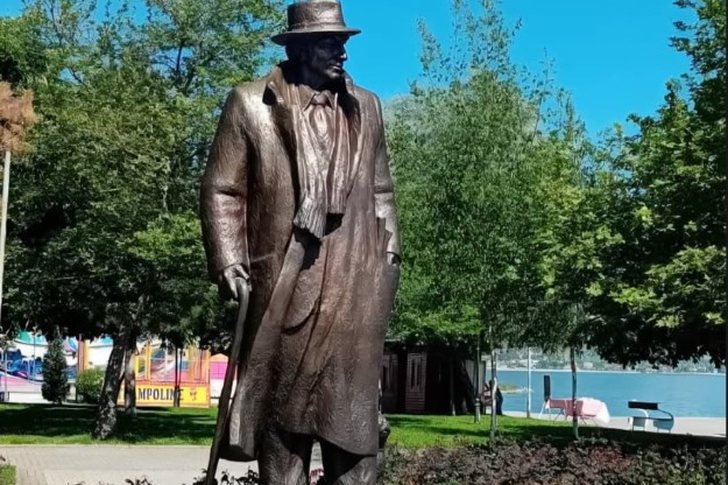
The Municipality of Pogradec has reacted after the intervi...

The Centralized Purchasing Operator recently announced the...
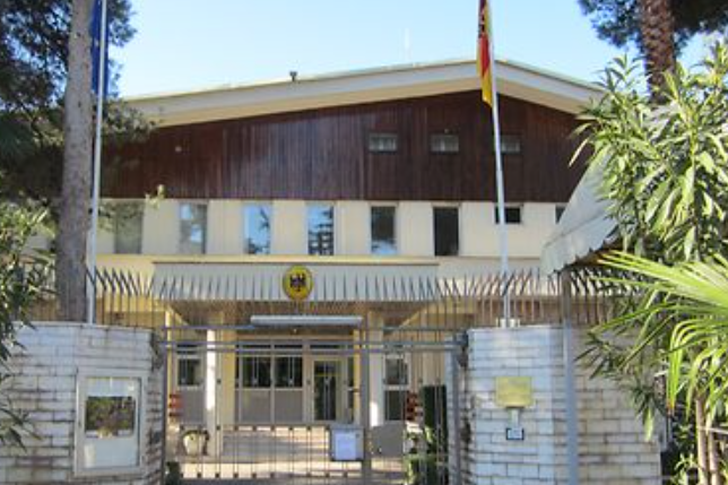
The German Embassy in Albania has announced that the state...
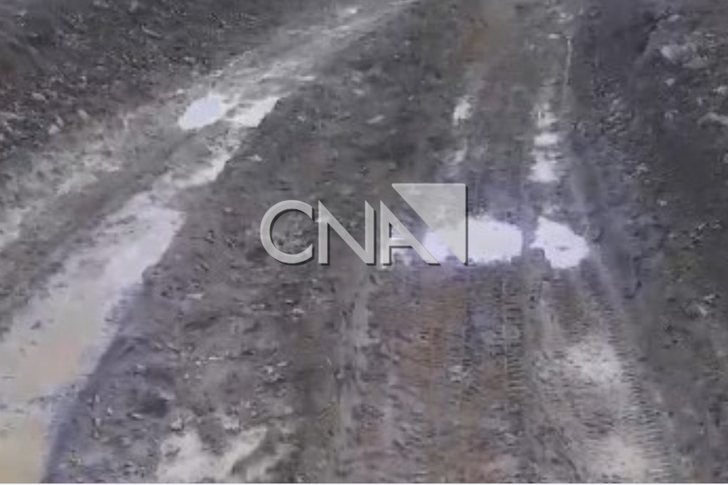
The roads in the village of Blush in Kolonjë are in a degr...
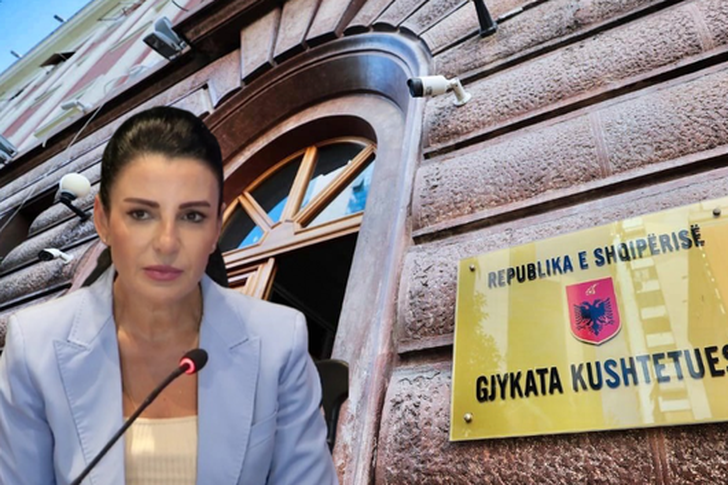
The Constitutional Court will not make a decision on Ballu...
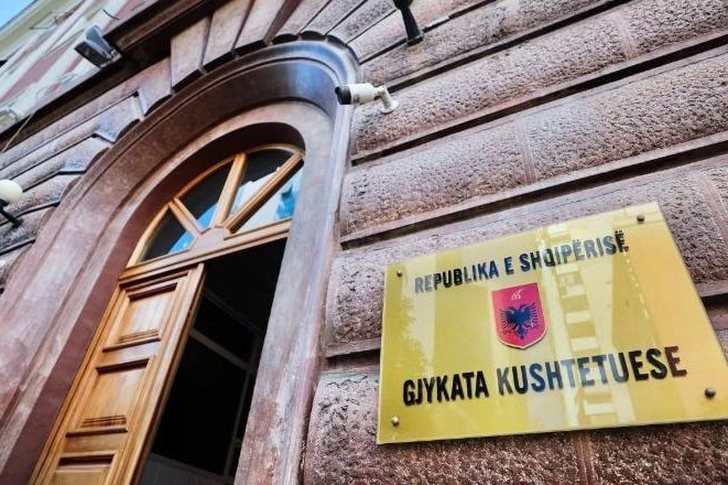
The Constitutional Court convened again today regarding th...

Democratic Party MP Belind Këlliçi is in the United States...
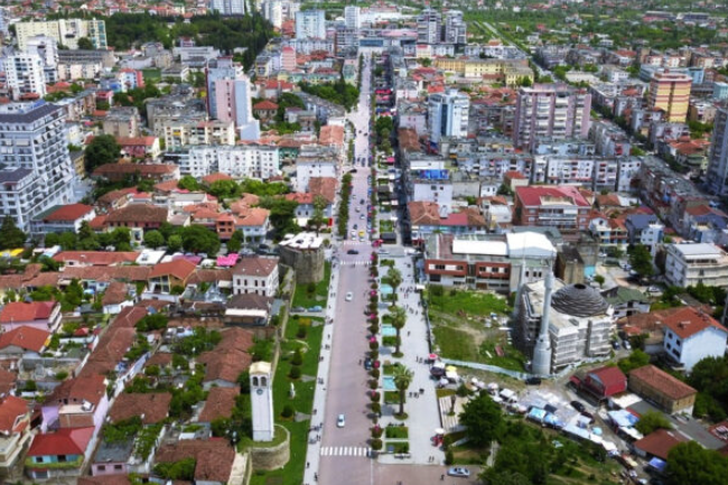
DP MP, Luciano Boçi, has stated that Elbasan is the city w...
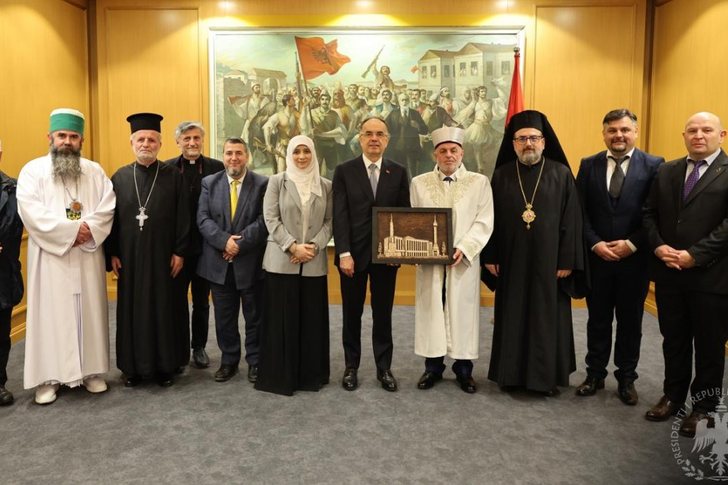
The President of the Republic, Bajram Begaj, today hosted ...
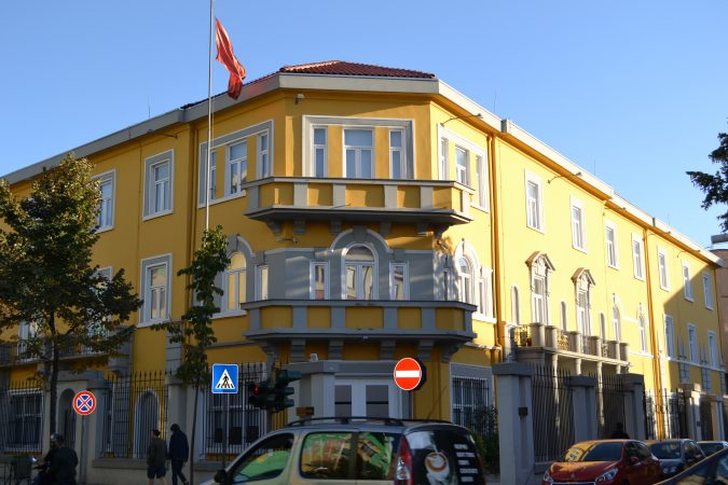
The Ministry of Education has published the dates of the ...

PL leader Ilir Meta has reacted after the statements of Ju...

The court hearing for the "Golden Bullet" case is underway...
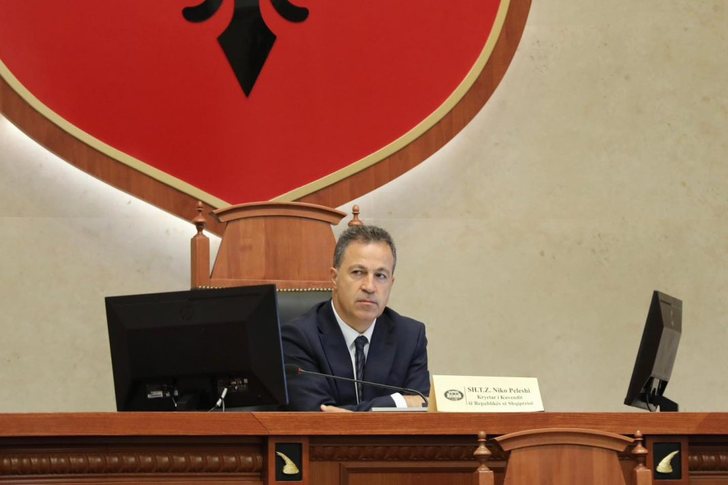
The Speaker of the Parliament, Niko Peleshi, is in the Uni...
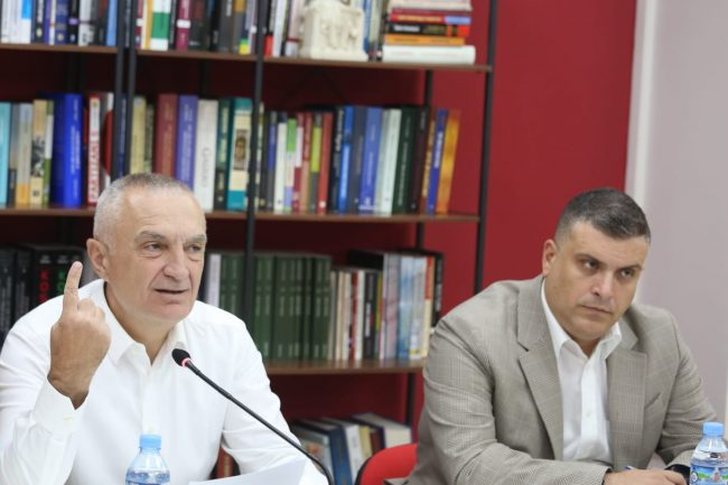
Blushi i Meta has cried over the conditions and treatment ...

Around 400 residents of the village of Tërovë, in the muni...
The Head of the Department of Foreign Policy, Ilda Zhulali...
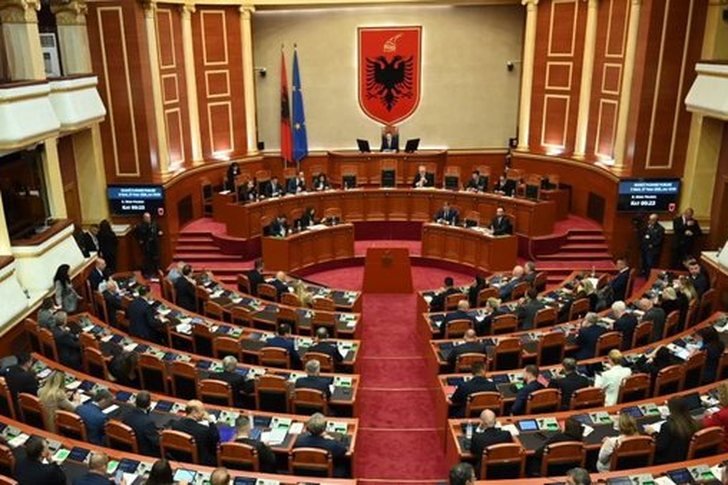
The Albanian Parliament meets today at 10:00, in plenary s...
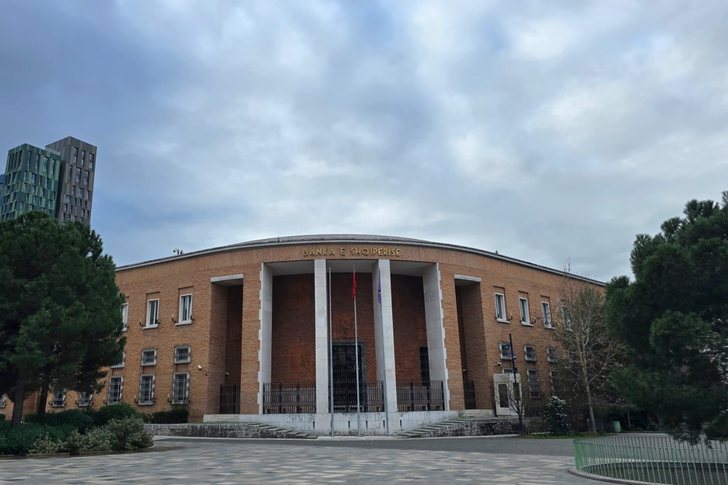
The Albanian Parliament held today a hearing session with ...
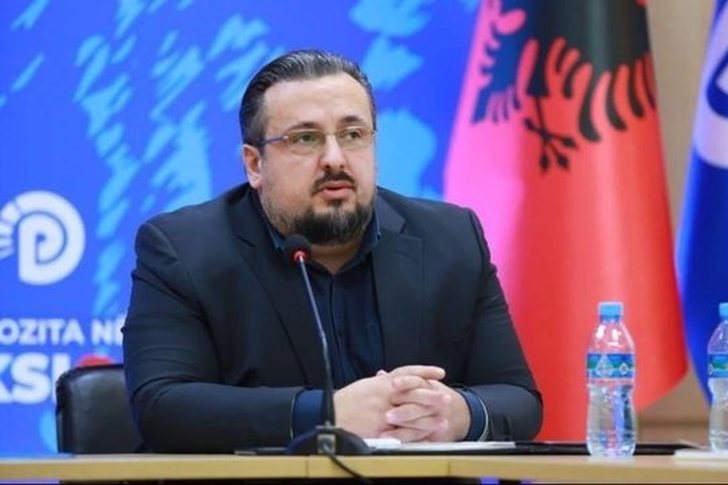
The Deputy Mayor of Tirana City Council from the Democrati...
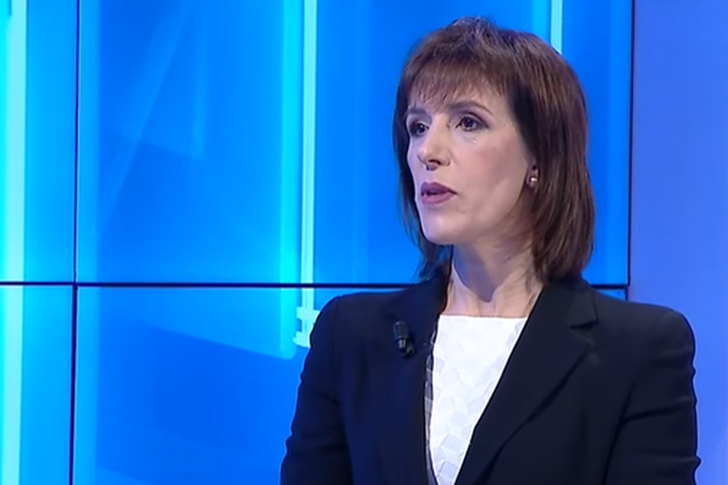
Journalist Klodiana Lala spoke this evening about the assa...

Irfan Hysenbelliu claims to be a big businessman, an hones...

The murder of officer Enea Mekolli in the line of duty has...

The next case broadcast on the show "Stop", this Thursday,...
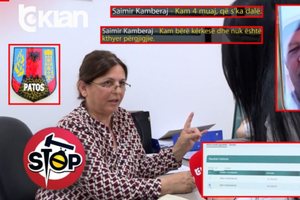
The case published this Thursday, June 4, on the show "Sto...

The Special Board of Appeal (KPA) decided this Monday ...

The KPA vetting decided this Thursday to dismiss the p...

Suela Salavaçi, a prosecutor in the Prosecutor's Offic...

The Special Board of Appeal reinstated the prosecutor ...

An accident was recorded a few minutes ago on the Pogradec...
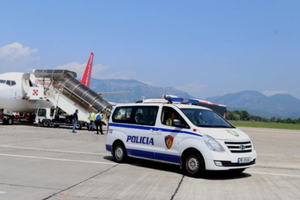
Following the cooperation of Interpol Tirana with Interpol...

An accident occurred this Saturday morning at Shkëmbi i Ka...

A TNT explosion occurred in Lezha in the early hours of th...
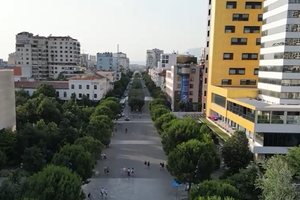
Albanians are officially the hardest working people in Eur...

This Saturday will be characterized by mostly clear weathe...
Today our country will be affected by stable weather condi...

For many children and teenagers, the long summer holidays ...
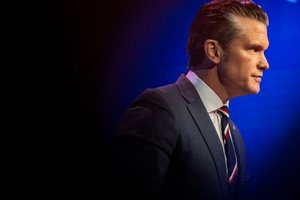
US Defense Secretary Pete Hegseth declared that Europe is ...
A federal judge in Rhode Island struck down a Trump admini...
Thousands of Kosovo citizens living abroad are voting phys...
Pope Leo XIV arrived in Madrid this Saturday, where he beg...
Korça is ready to open the summer season with one of the c...
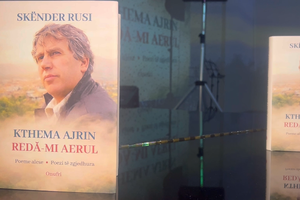
Two years after his passing, the renowned Korçë poet Skënd...

The Ethnographic Museum of Berat has opened its doors to v...
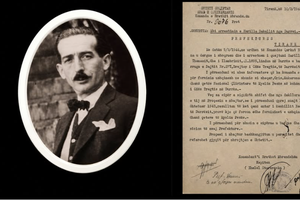
The story of Harilla Bakalli is one of the most chilling t...

The Transparency Board, in today's meeting, decided to red...

This Saturday, one US dollar is bought for 81.4 lek and so...

Despite years of efforts at regional cooperation and free ...

Albania is the country with the highest level of severe ma...