

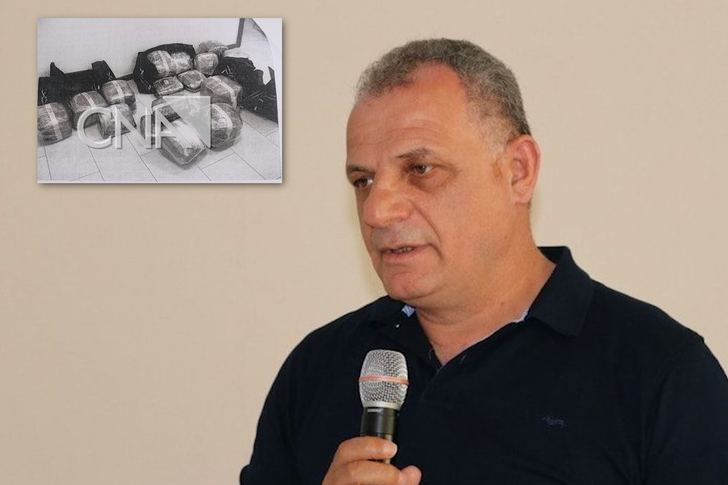
Traffic of 50 kilograms of marijuana / Florence Prosecutor's Office: How Tonin Marinaj led the criminal group
The voluminous investigative file of the Florence Pros...


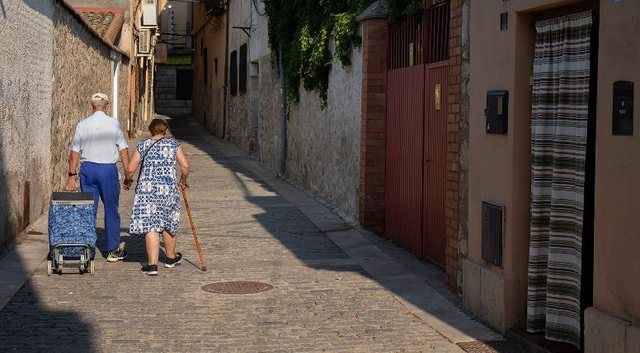
The percentage of households in Albania with elderly people (65+) exceeds those with young children (0-6 years old), indicating a greater prevalence of care responsibilities for the elderly.
Specifically, 32.9 percent of the population lives with an elderly adult aged 65 and over, compared to 11 percent who live with young children aged 0-6, notes the World Bank in a recent report on gender equality in our country.
The presence of the elderly in the family can increase the care for other family members, especially with the care of children, but meanwhile it will increase the needs for care of the third age.
According to the Life in Transition Survey (LITS), 10 percent of Albanian families require care for children and a similar percentage require care for the elderly.
In Albania, family members are the main source of care provision. Care needs are mostly met by other family members rather than institutions or care sources (such as nannies, relatives or friends). Although institutional care is most common for children aged 4-6 years (82 per cent), its use decreases for younger children (0-3 years) and the elderly (46 per cent and 22 per cent respectively). .
Among the most common reasons for not using childcare facilities is reliance on family members and concerns about the quality of service. In Albania, the model for grandparents to take care of their grandchildren still dominates. The quality of childcare services provided in Albania is (rated at 6.2) relatively similar to that of the EU (rated at 6.7).
On the other hand, access to long-term care for the elderly in Albania is limited, despite an increase in demand for this service. According to the International Labor Organization (ILO), 91 percent of Albanian elderly require long-term care, but less than 2 percent receive formal care. The COVID-19 pandemic has further intensified this issue, placing an additional burden on women in terms of unpaid care activities and domestic work.
The closure of schools and nurseries, together with the presence of elderly members at home during the pandemic, contributed to an increase in women's participation in unpaid care activities and household chores. Consequently, 76 percent of women reported increased time spent on unpaid work at home, compared to 66 percent of men.
Similarly, 72 percent of women reported increased time spent on unpaid care activities, compared to 62 percent of men.
Throughout the COVID-19 pandemic, women remained the main contributors to household chores. A smaller percentage of women reported receiving support from their partners for housework than from men. Specifically, only 46 percent of women received support, compared to a higher figure of 67 percent of men.
Gender-based division of care responsibilities significantly affects women's economic participation in Albania. Social norms often dictate that women bear a disproportionate burden of care, limiting their ability to engage in paid work or working longer hours. Women's heavy unpaid care work leaves them poor, hindering their educational attainment, employment opportunities, etc./Monitor

The voluminous investigative file of the Florence Pros...
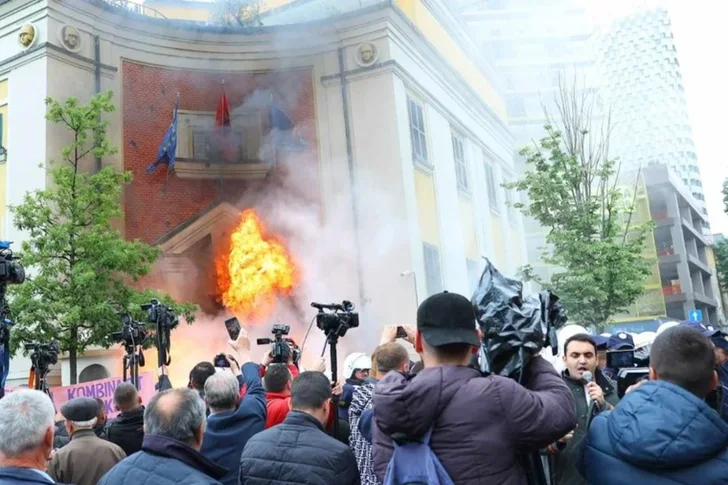
Today, the 23rd protest is expected to take place in front...
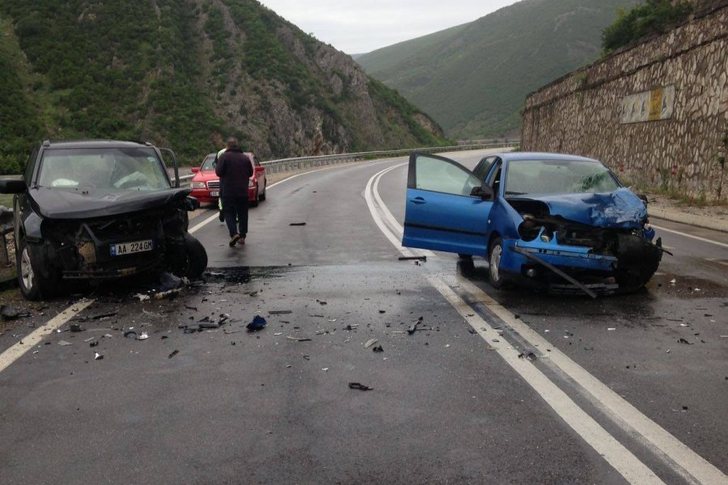
July has again recorded a higher number of accidents c...

This Thursday we are introducing you to some of the ma...
The first part of the day will be dominated by stable ...
In Albania, the Kurum company has reached an agreement wit...
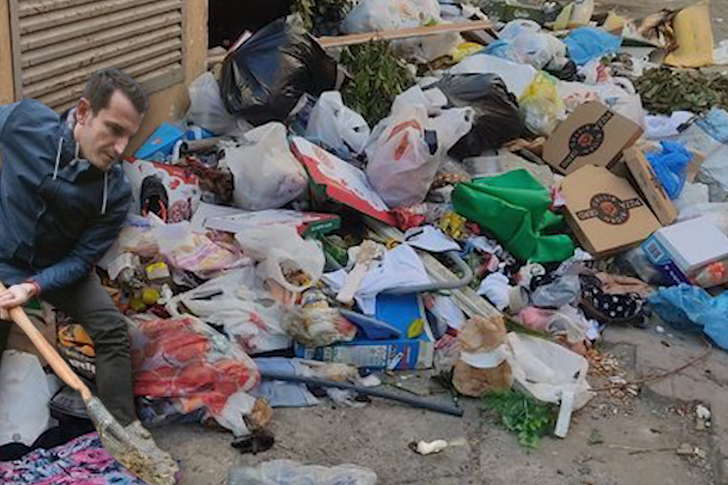
August has been a tragic month for the capital, which ...
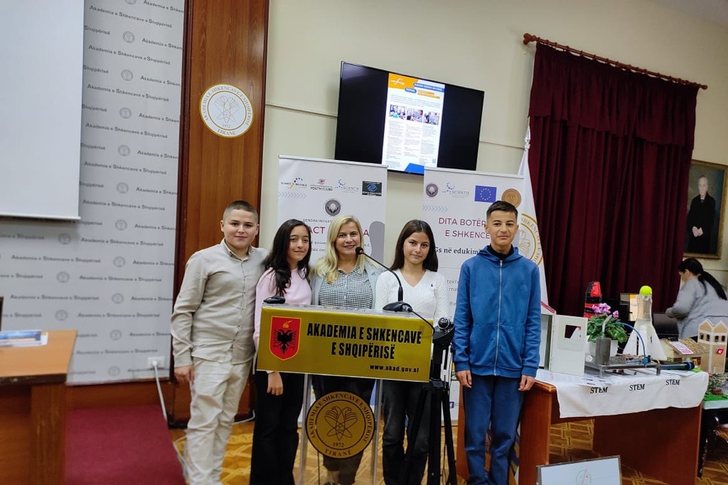
The Vodafone Foundation's Generation Next project has been...
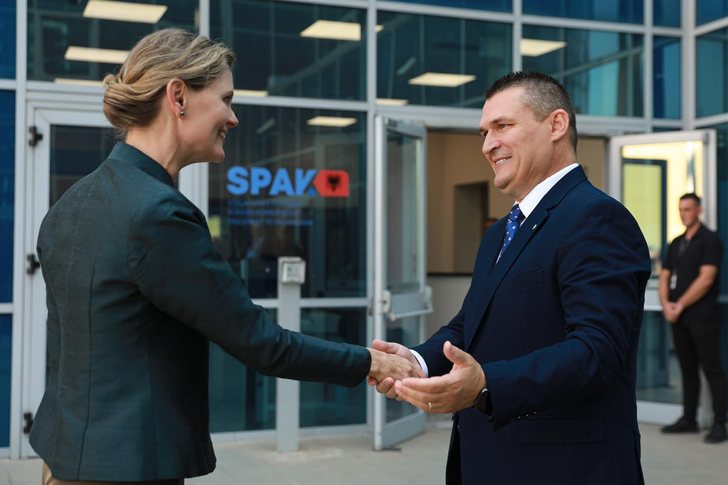
"SPAK and the independent institutions of Albania have the...
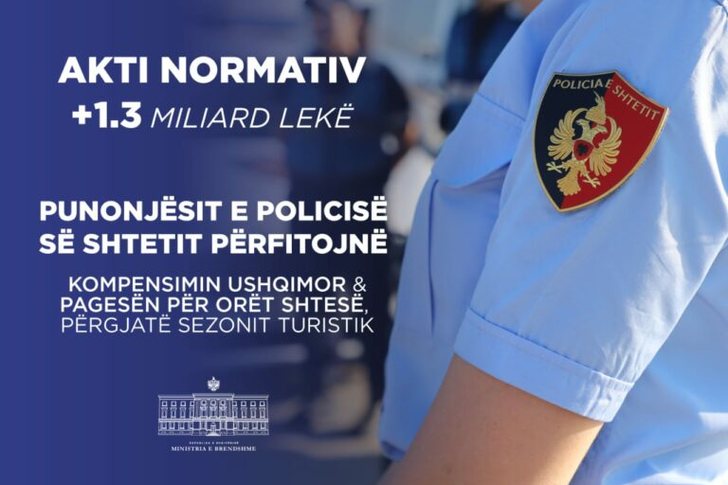
The government has approved the additional payments for Sh...
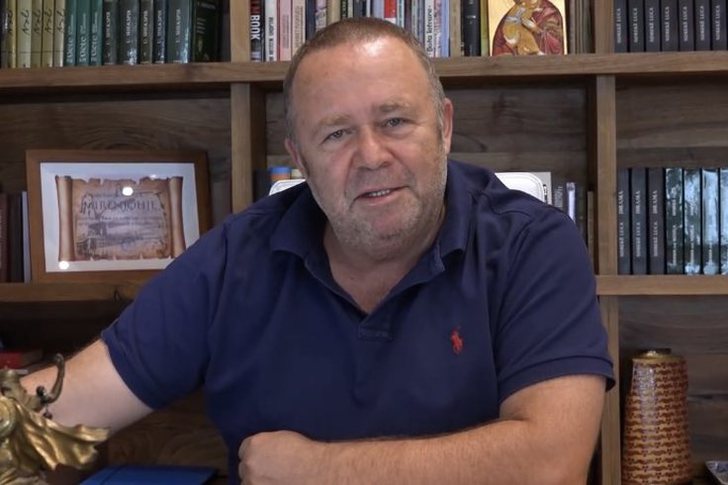
The entrepreneur and businessman Gjergj Luca has state...

CNA.AL is an important source of information and news in A...
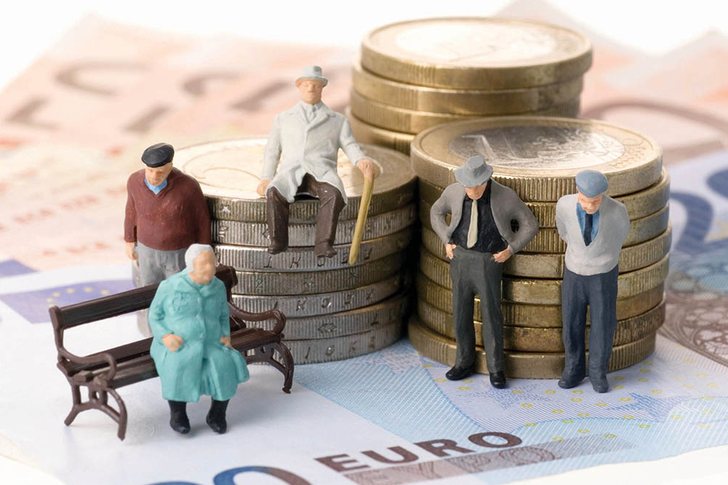
The market of voluntary private pensions exceeded the limi...
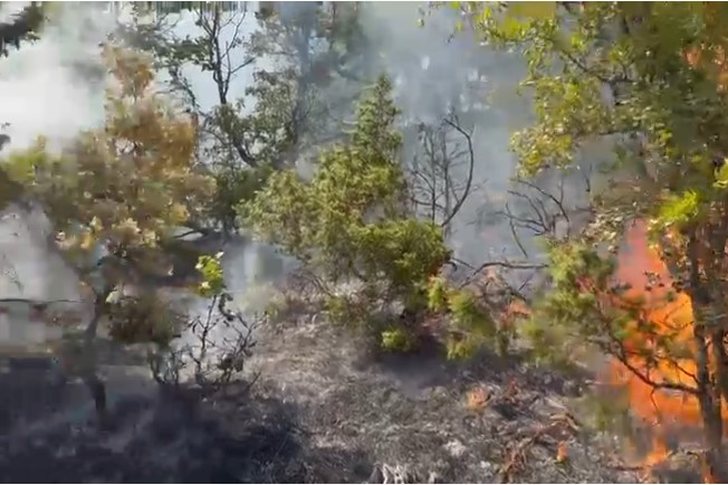
According to data from the National Operational Center for...
On Thursday, August 29, the 23rd protest is expected to ta...
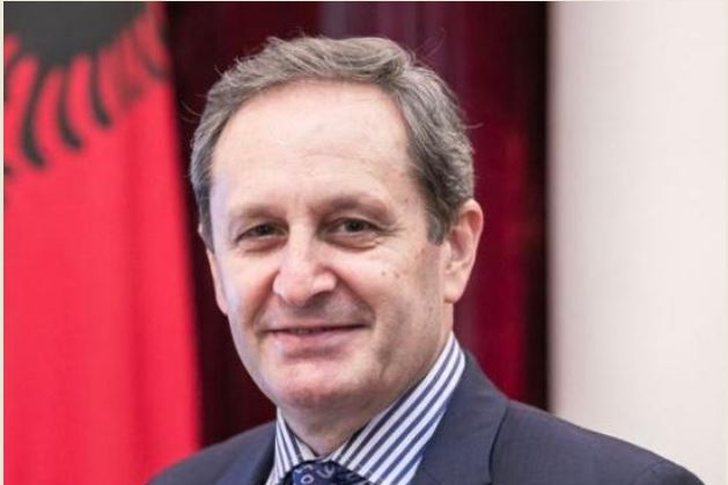
Mr. Minister for Europe and Foreign Affairs, I decided...
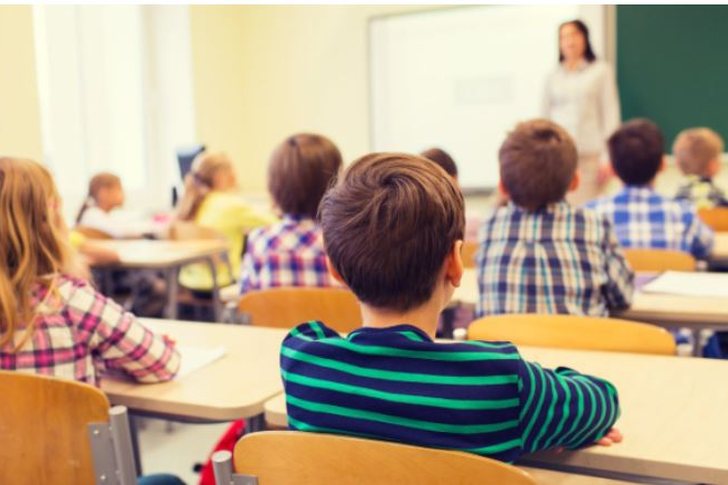
Almost a year after the end of the 2023 Census, INSTAT is ...
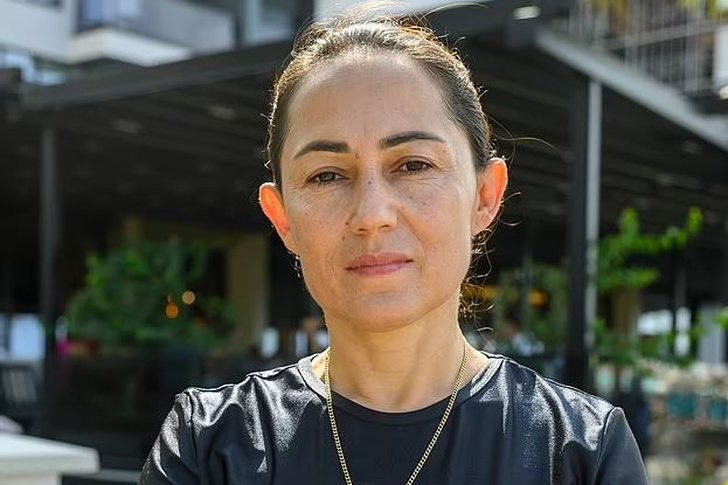
Daily Mail has published an article about the murder ...
This Wednesday we are introducing you to some of the m...
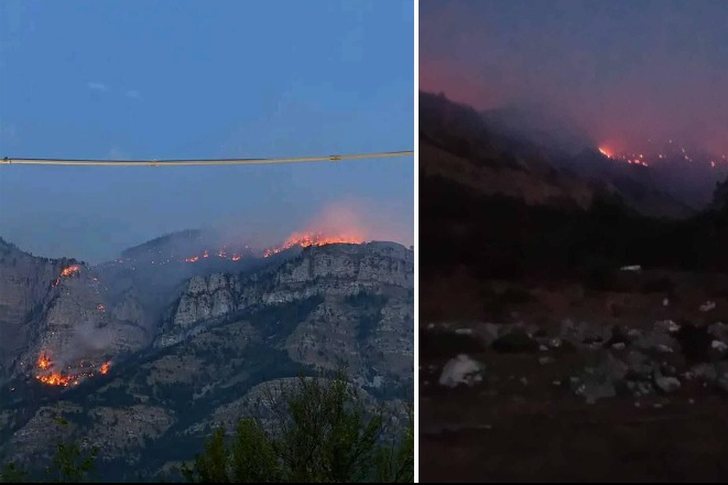
Difficult situation due to the fires on Vela mountain in L...
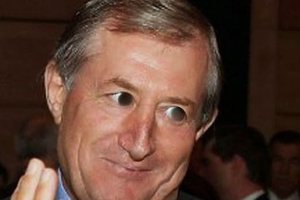
Irfan Hysenbelliu claims to be a big businessman, an hones...
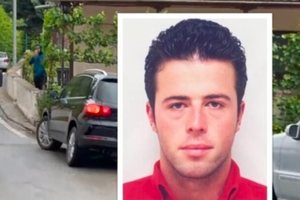
The murder of officer Enea Mekolli in the line of duty has...
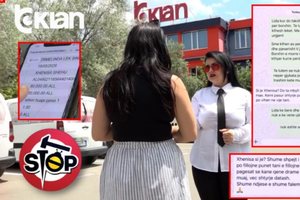
The next case broadcast on the show "Stop", this Thursday,...
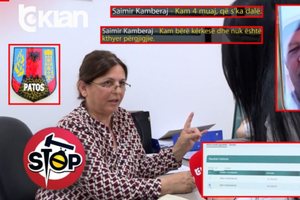
The case published this Thursday, June 4, on the show "Sto...

The Special Board of Appeal (KPA) decided this Monday ...

The KPA vetting decided this Thursday to dismiss the p...

Suela Salavaçi, a prosecutor in the Prosecutor's Offic...

The Special Board of Appeal reinstated the prosecutor ...
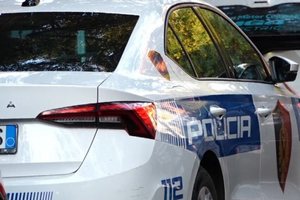
A 38-year-old man was arrested today near the Kamza turnof...

A money changer in Durrës lost 60 thousand euros after bei...
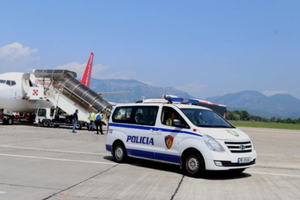
The 6 citizens captured in Dubai, members of criminal grou...
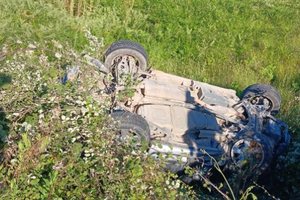
A serious accident occurred on the Kardhiq-Delvinë axis, i...
Today our country will be affected by stable weather condi...
For many children and teenagers, the long summer holidays ...
Albania is facing an unprecedented demographic transition,...
On Thursday, our country will be affected by unstable weat...
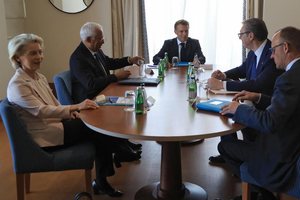
Leaders of the European Union and Western Balkan countries...
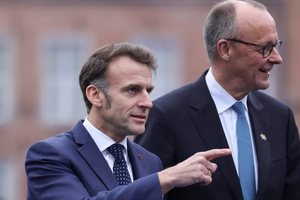
On the eve of the EU-Western Balkans summit, Germany and F...

Russian President Vladimir Putin said the war in Ukraine c...
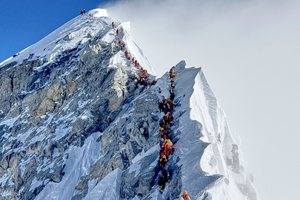
An extraordinary story of survival has been recorded in Ne...
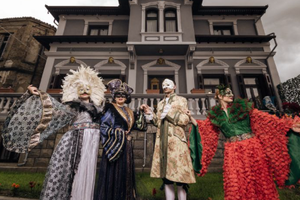
Korça is ready to open the summer season with one of the c...
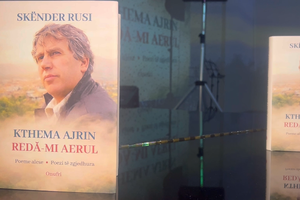
Two years after his passing, the renowned Korçë poet Skënd...
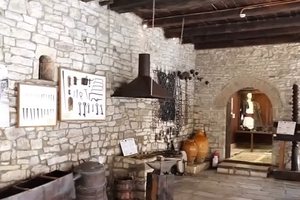
The Ethnographic Museum of Berat has opened its doors to v...
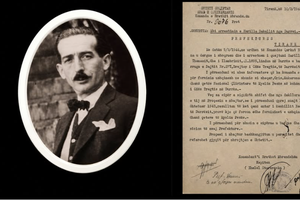
The story of Harilla Bakalli is one of the most chilling t...
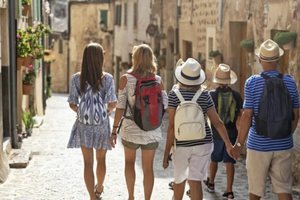
Despite years of efforts at regional cooperation and free ...
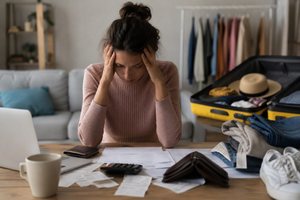
Albania is the country with the highest level of severe ma...
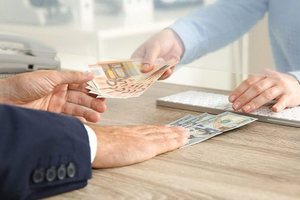
This Friday, one US dollar is bought for 81.3 lek and sold...
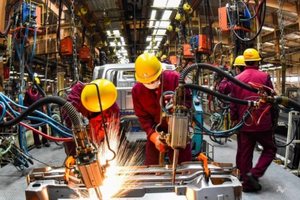
The government aims to transform the country's industrial ...