

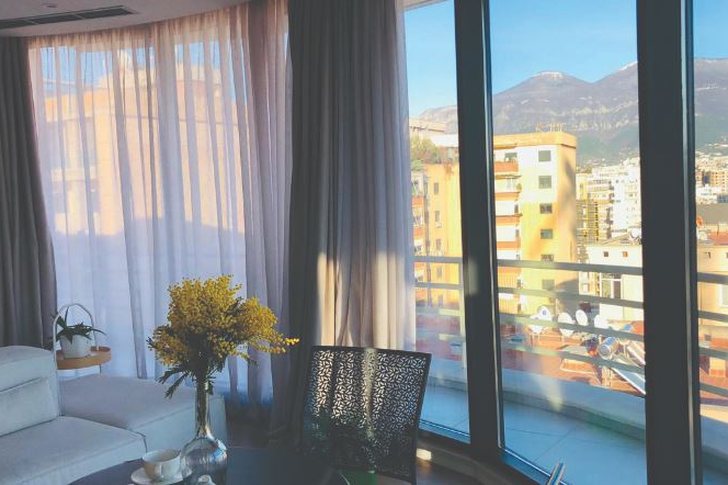
Pessimistic builders expect a drop in orders and apartment prices
After the construction boom of the last two years, the...


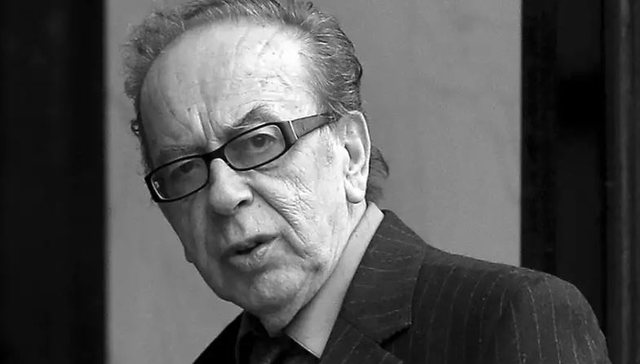
The German-speaking audience of the famous Albanian writer, Ismail Kadare, who passed away on July 1, 2024, was relatively small, but devoted, said the translator of his works, Joachim Röhm, in an interview for DW. This is also confirmed by the fact that his publishing house. S. Fischer, waited two days before writing two quick words as an obituary, after being asked by DW. The ambivalent attitude of German-speaking critics towards the writer Kadare can also be seen in the articles published in the German press on the occasion of his death. But also in these statements given to DW by some researchers from Germany.
Immortal literature
Zuzana Finger, Balkanologist and translator
"The first Albanian book I read, as a student of Balkanology in a translation seminar of Prof. Dr. Norbert Reiter, was "Castle" - by Ismail Kadare. Getting to know the great beauty and power of the language of Kadare?e was a decisive moment for my further professional development.
Ismail Kadare opened the path to world literature for Albanian literature. Thanks to its German translator, Joachim Röhm, German-speaking readers had an important access to Albanian culture. The works of Ismail Kadare became a synonym and sign of quality for Albanian literature. Anyone who read it once, would like to read other Albanian authors.
The works of Ismail Kadare were born in extraordinary existential political conditions and their universal importance that exceeds the limits of Albanian literature lies in the fact that he wrote an artistically immortal literature in the service of humanization."
Cameloni from Tirana
Christian Voß, head of the Department of Slavistics and Hungarology at the University of Berlin and president of the Martin Camaj Association:
"Ismail Kadare is undoubtedly the greatest prose talent from Southeast Europe – he has managed to vividly depict both contemporary history and the pre-communist and Ottoman past in his novels. His most impressive novel for me is "Palace of Dreams" (1981), which talks about a ministry in the Ottoman Empire where all the dreams of the citizens are analyzed and controlled - right up to the grave. An excellent parable about the oppressive state of Enver Hoxha.
But Kadare also wrote novels like "The Winter of Madh" in the style of socialist realism, which glorify the Albanian dictator, who, like David, challenged the Soviet Goliath, Khrushchev, in Moscow in 1961.
Kjo përshtatje me sistemet politike si një kamelon, shpjegon edhe se përse Ismail Kadare, pas kthesës politike në Shqipëri, nuk arriti të luante atë rol politiko-shoqëror që morën përsipër në Gjermaninë Perëndimore shkrimtarë, si Siegfried Lenz, Günter Grass ose Heinrich Böll – duke trajtuar në romanet e tyre çështjet e përgjegjësisë dhe fajit."
Unik në letrat shqipe
Florian Kienzle, albanalog dhe përkthyes
"Takimi im me letërsinë e Kadaresë filloi në fund të viteve '90, kur u shpërngula në Shqipëri me familjen time. Ismail Kadare ishte përkthyer në gjermanisht; çdo roman i tij ia vlente të lexohej dhe për shqiptarët e asaj kohe ai ofronte një burim krenarie, pasi të gjitha vlerat e tjera ishin rrëzuar. Proza e Kadaresë pasqyronte historinë shqiptare: ishte e përgjakshme, epike dhe e përjetshme.
Më vonë, do të vinte një moment kur do të lodhesha me të. Tekstet e tij kishin të bënin shumë pak me periudhën e turbullt të tranzicionit që përjetonim ne çdo ditë. Filluan të më tërhiqnin zëra të rinj dhe të guximshëm, si ato të Mimoza Ahmeti, Ervin Hatibi apo Fatos Kongoli.
Më vonë, kur nisa studimet e albanologjisë në Mynih dhe fillova të lexoj letërsinë shqipe në origjinal, u magjepsa nga fuqia e tij gjuhësore, që vinte herë me pompozitet e herë me qetësi. Sërish ndjeva nevojën për ta lënë. Pyesja veten: Vetëm Kadarenë ka letërsia shqipe? Zbulova autorë të ndaluar në kohën e komunizmit, si Ernest Koliqi, Gjergj Fishta apo Martin Camaj.
Kështu kaloi marrëdhënia ime me Kadarenë: herë i zhytur në universin e tij të pashtershëm, herë i velur dhe në kërkim të autorëve të tjerë.
Kadare nuk do të na mungojë si njeri. Kishte zëra të tjerë më autentikë, siç ishin ish të përndjekurit politikë, që nuk kishin nevojë as për stilizim letrar e as për libra me kuptim të dyfishtë, siç ishin ato të Kadaresë. Megjithatë, kush nuk e ka lexuar Kadarenë ka një mungesë. Vërtet që gjithë bota e tij rrotullohet rreth shqiptarëve, por ai trajton aty mekanizmat e gjithë botës, shtrengimet njerëzore dhe padrejtësitë, dhe, po, ai ka humor, gjë që e kuptova vonë. Me prodhimtarinë dhe universalizmin e tij, ai mbetet unik në letërsinë shqipe."
Përfaqësues i nacionalizmit të orientuar kah Evropa
Konrad Clewing, historian nga Regensburgu, ish-nxënës i Martin Camajt
"Ismail Kadare was a great writer. I want to focus on a misunderstanding that came to light in the news about his death: The German-language media often called him a "Franco-Albanian" writer. Indeed, Kadare, apart from his Albanian citizenship and The fact that the latter was not mentioned speaks of the hierarchical attitude of Western intellectuals towards the Balkans. But in fact, Kadare was not a Franco-Albanian writer, but an Albanian writer The West cannot accept this, because their political concept of national identity is reduced to citizenship. While in the case of Kadare, it is confusing. Ismail Kadare was a sharp representative of the oriented Albanian nationalism towards Europe. We hope that we will not feel the absence of the deceased in this direction as well." /DW

After the construction boom of the last two years, the...

This Thursday we are introducing you to some of the main p...
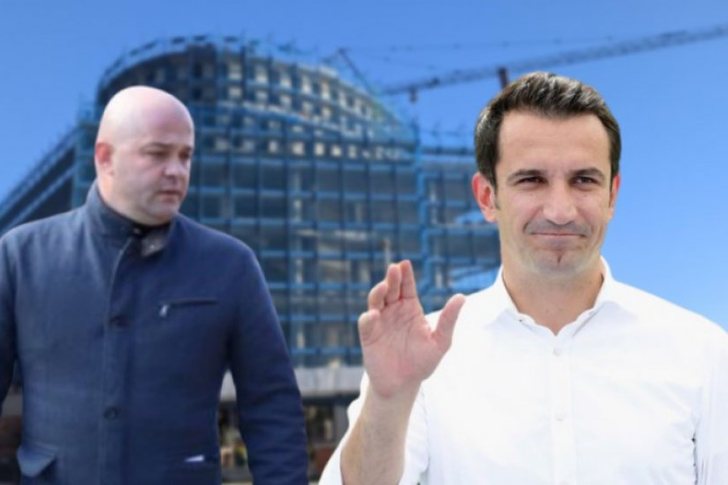
The Special Appeal aggravated the charges against the ...
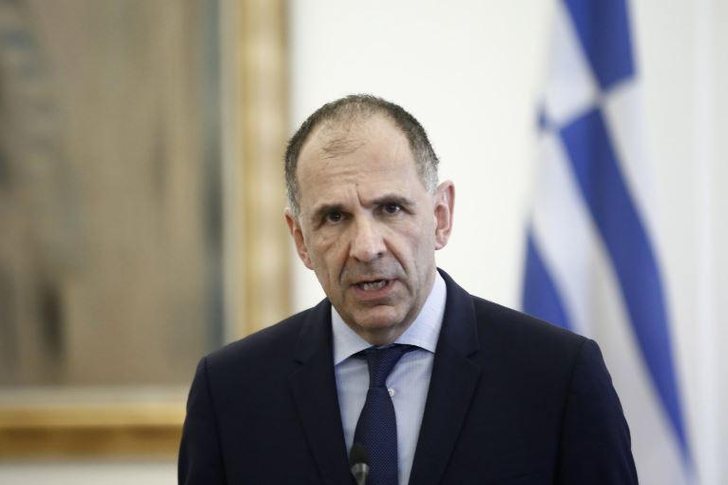
The Greek Foreign Minister, Giorgos Gerapetritis, reac...
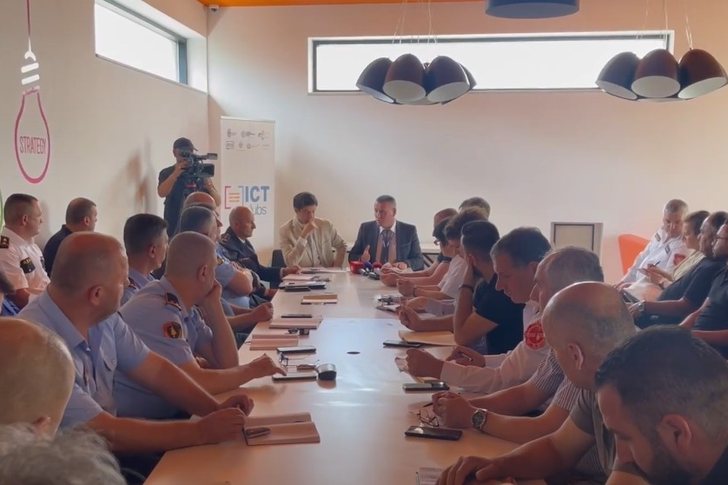
Meetings with law enforcement agencies have started in Alb...
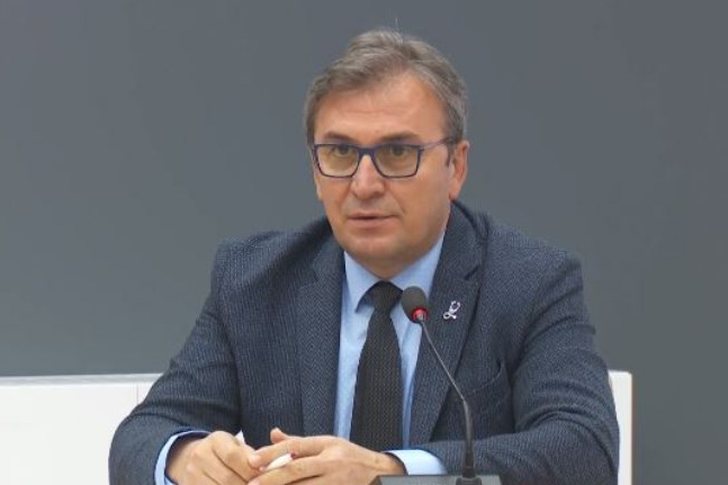
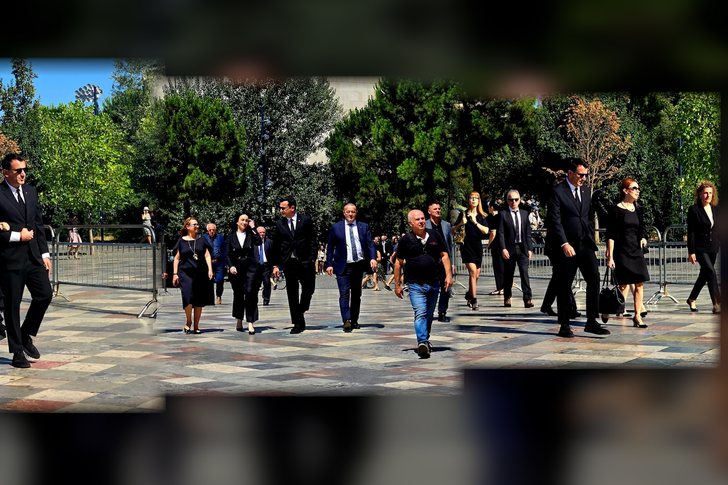
During the burial ceremony of the genius of Albanian l...

The Special Prosecutor's Office against Corruption and...
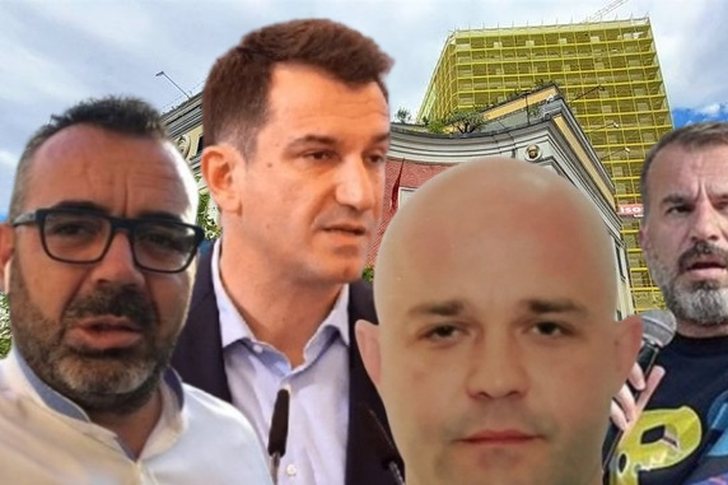
The directors of the mayor of Tirana, Erion Veliaj, Ta...
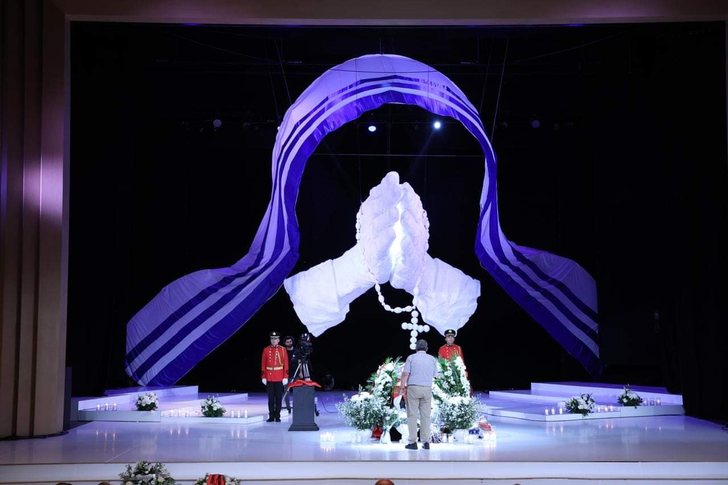
The head of the Interfaith Cooperation Center in Elbas...
19 employees of the Korça Police Directorate and the Migra...
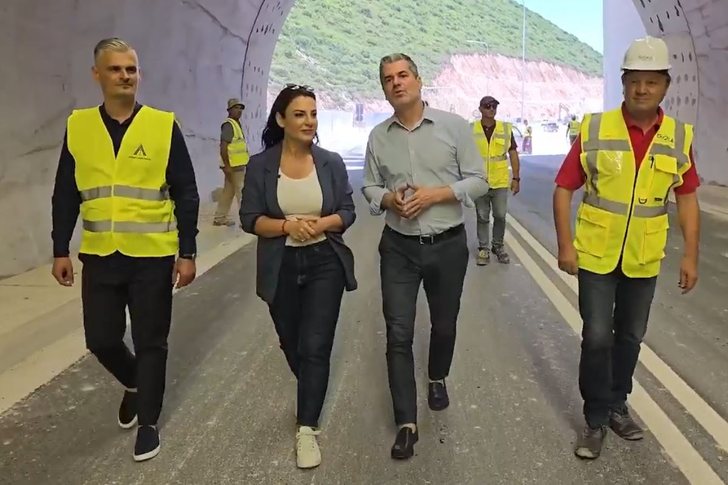
The Minister of Infrastructure and Energy, Belinda Bal...
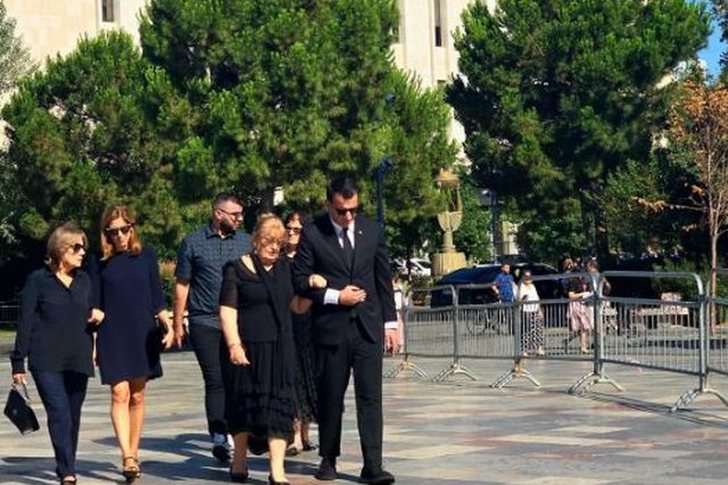
A dirty performance was that of Erion Veliaj this Wedn...
The court suspended 25 employees of the Korça Police D...
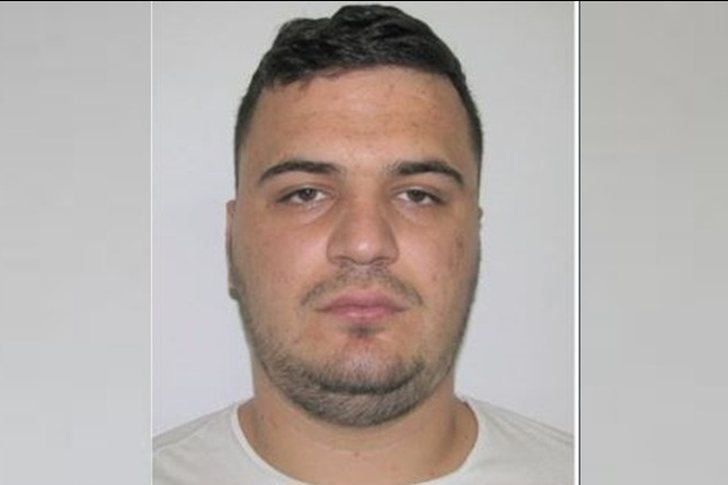
Laert Haxhiu, sentenced to life imprisonment by GJKKO ...
The head of the Municipality of Tirana, Erion Veliaj, ...
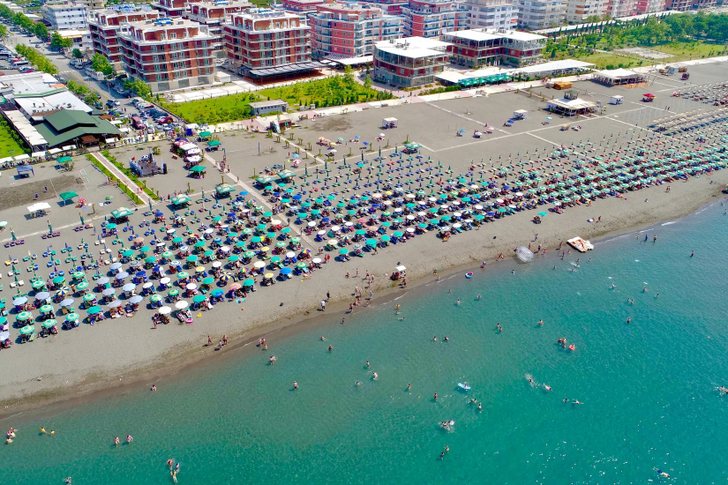
The improvement of the road in the tourist area of V...
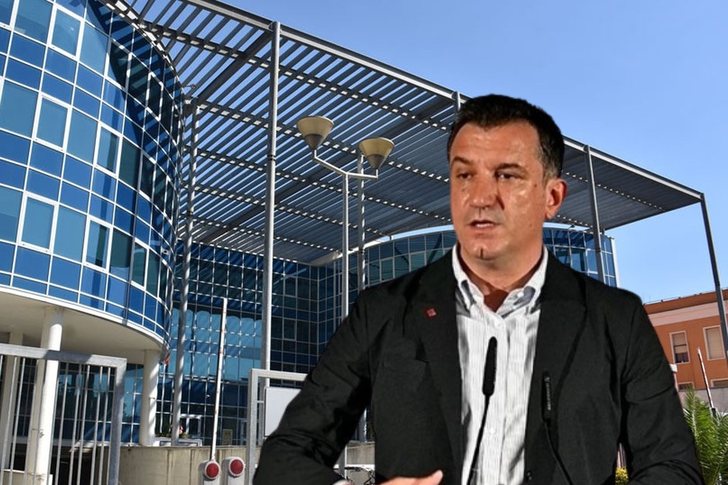
SPAK's investigations into the mega-affair of incinera...
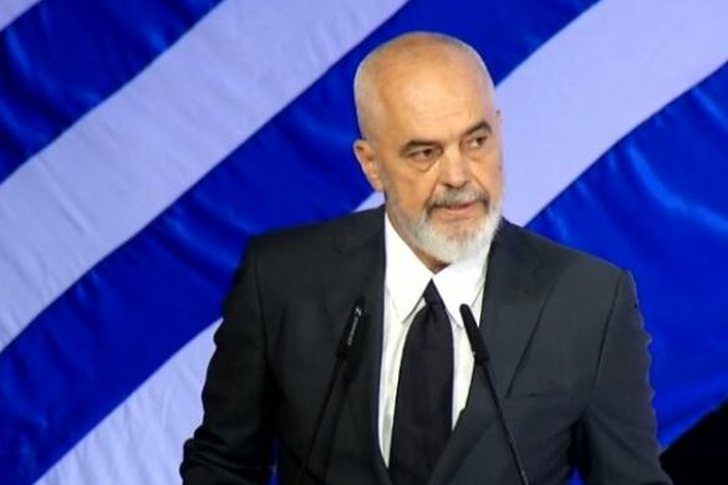
Prime Minister Edi Rama has expressed his opposition t...
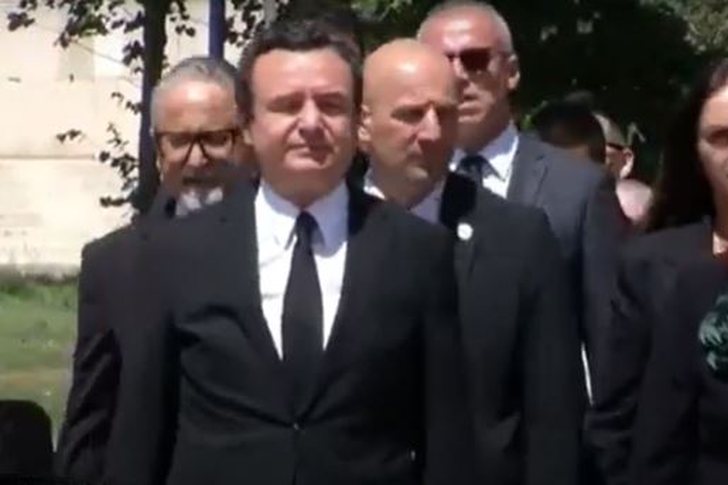
A delegation from Kosovo arrived this morning at the O...
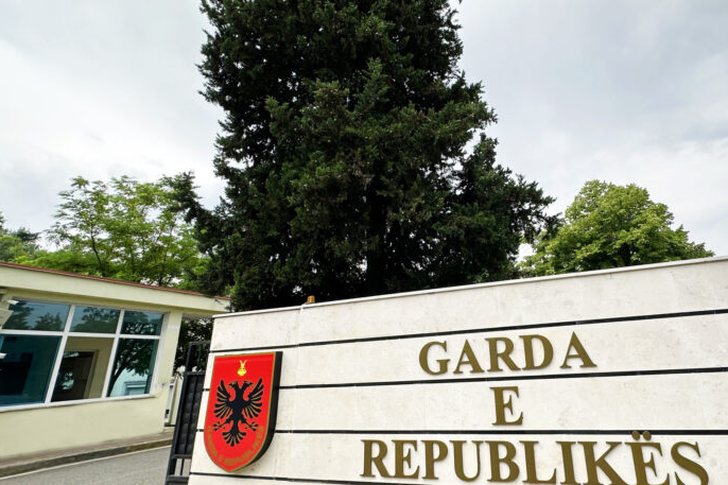
On Wednesday, the names running for the head of the Re...
CNA has put under scanner the assets of Sokol Sadushi, the...
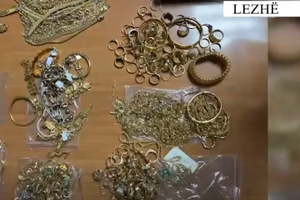
A 39-year-old citizen has been arrested in Lezha, after se...

CNA has launched another investigation that could lead to ...

Irfan Hysenbelliu is a businessman that we call "Irfan the...

The Special Board of Appeal (KPA) decided this Monday ...

The KPA vetting decided this Thursday to dismiss the p...

Suela Salavaçi, a prosecutor in the Prosecutor's Offic...

The Special Board of Appeal reinstated the prosecutor ...
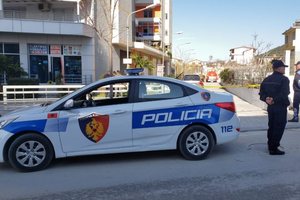
Police have revealed details of the incident that occurred...
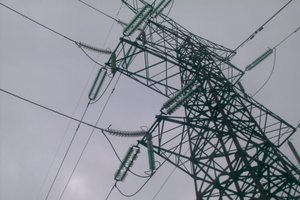
According to preliminary information, a person in his 60s ...
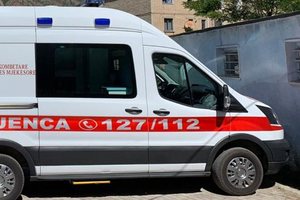
A triple accident occurred on the Peqin-Elbasan axis n...
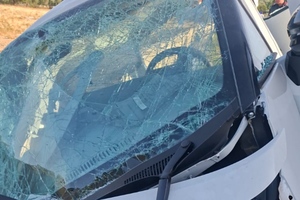
The police have provided details regarding the accident th...
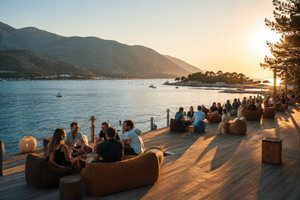
Company leaders can improve productivity by investing in a...
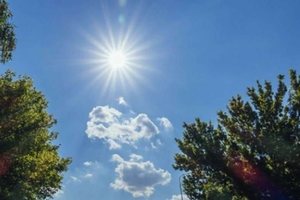
Today, our country will be under the influence of stable a...

As the year 2026 is in its second half, the world is exper...

Today, our country will be under the influence of stable a...
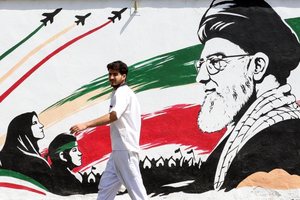
Tehran said it had halted retaliatory attacks against US a...
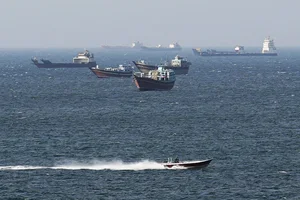
An oil tanker exploded in the Strait of Hormuz after hitti...
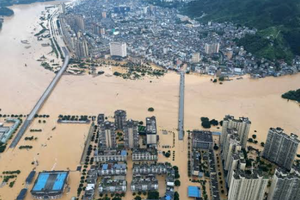
Ten people were killed and dozens more injured by flooding...

One person has died and at least 16 others have been injur...
Two windows, a century of history and the metaphysics of p...
In my research at the Central State Archives, specifically...

At a time when industrial products are increasingly taking...

Trust among people is not just a three-syllable word. It c...
This Sunday, one US dollar is bought for 81.5 lek and sold...
This Saturday, one US dollar is bought for 81.7 lek and so...
War, weather and supply disruptions could send gas prices ...
The number of active enterprises in Albania continued to g...