


Tourist season flow/ Hita announces additional measures at Rinas Airport
The Director General of the State Police, Skënder Hita, an...

The Director General of the State Police, Skënder Hita, an...

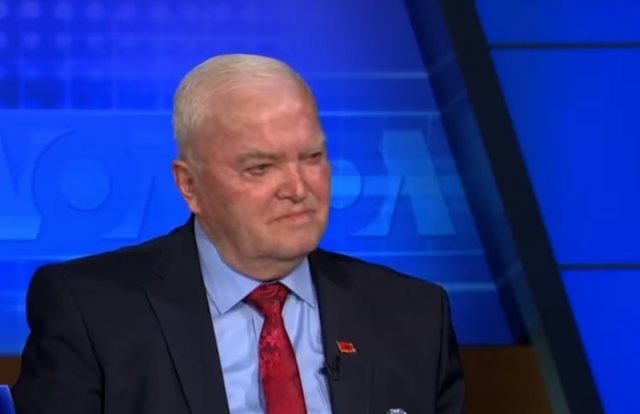
The President of the Union of Independent Trade Unions of Albania, Gëzim Kalaja, lists as the reason for the decline of trade union activity in the country, the oppression that the politics of both sides does to these organizations that protect the interests of employees. Likewise, according to him, trade union protests often encounter prejudices and accusations that a political party is behind them.
In the interview for Voice of America, Mr. Kalaja talks about the state of the mining sector in Albania, problems with outdated technology and difficult working conditions for miners. He says that in those mines that have been taken over by foreign companies, the situation has improved, which cannot be said, according to him, for mines that are managed by former employees of the industry.
Voice of America: Mr. Kalaja, you have been at the head of the Union of Independent Trade Unions for several decades, but in Albania, trade union activities are rare and almost non-existent. How do you explain this lack of employee organization?
Castle Joy:I will answer your question, but I will start with the word non-existent. The Union of Independent Albanian Trade Unions stands in all its institutions, it is spread on the horizontal plane, on the vertical plane, it means in the federations of the professions and the trade unions of the regions. It is true that there has been a decrease in trade union activity due to the oppression of the politics of both sides in the direction of Albanian trade unionism, not only for the Union of Independent Albanian Trade Unions, but also for other trade unions, because you do not I know if you have information, but in Albania, the Ministry of Labor, which is the main coordinator for a trade union, has been removed, to solve its problems and to revive trade union movements. The second is the political pressure that is exerted, because if you are going to hold a protest, you have immediate accusations that you serve x party or y party. However, recently, American justice has sent to us the "Center for Solidarity", which is not only for Albania, but also for the Western Balkans and there is an evolution, a positive forward movement of trade unionism in Albania, but very soon it will life begins and I think the unions will have their main priority, as they have before.
Voice of America: Mr. Kalaja, you are in the US at the invitation of the Miners' Union of America. Albania inherited from the dictatorship many mines with old technology, which have been privatized, but miners have complained about difficult working conditions and there have been quite a few reports of accidents in them. How can these workers be better protected?
Gëzim Kalaja: April 28 is World Occupational Safety and Health Day, for which I am in the United States of America. Today we will travel to West Virginia. We will also participate in a larger rally after the signing of the agreement we made with the Union of Mineworkers of America, which was signed by its president, Cecil Roberts. As far as Albanian mines are concerned, 587 miners have died so far. At the same time, the companies that have come to work are more to get the mineral than to invest. Of course, there are companies that have invested regularly.
Voice of America: But how is the general situation?
Gëzim Kalaja: Where the foreign companies that are investing in Albania have a hand, there is an improvement in the situation of the mining industry. Where it continues to be under the administration of former employees of the mining industry, due to financial impossibility, it continues to be in a very poor condition, in which fatal accidents have also occurred.
Voice of America: What do you think the trade union movements in Albania have achieved since their creation. It has often been talked about a kind of conformity on their part, or a blind agreement with the policy, which has conflicted with the interests of the employees.
Castle Joy:In this case, I will talk about the institution of the Union of Independent Trade Unions of Albania, without taking responsibility for other unions. This has been known since the beginning of 1991, that the BSPSH was the main engine of the overthrow of the dictatorship in Albania. Together with the Albanian opposition, the students and after the victory of the anti-communist opposition in Albania, the BSPSH was taken towards the institutionalization of social relations and the protection of the interests of Albanian workers. It is one of the first institutions that have created and signed collective contracts which are in the archive of the Albanian government, and continues to prioritize the interests of Albanian workers who are already located in the regions or the mining industry, or the energy industry, which improves it which the Albanian government does not do. With rising wages for the mining industry, the government is not involved, the union of miners of Albania is involved, which through collective labor contracts manages to raise the salary. We have reached from 1400 to 1600 dollars for the mining industry, which I think due to the situation in which Albania is, is not small compared to other salaries.
Voice of America: Do you think Mr. Kalaja that Albanians trust unions today?
Gëzim Kalaja: The trade union base has faith in BSPSH and especially the union of Albanian miners is the flagship of the implementation of collective labor contracts and the protection of the interests of Albanian miners.
Voice of America: But today, can an employee in Albania trust the fate of his work, to the unions, to leave it to them to solve his problems? Why not organize on the ground?
Gëzim Kalaja: I believe so. It does not mean that you can achieve results only through protests, because results can also be achieved through the negotiation table, with dialogue. We have held major protests with the presence of 50 or 100 thousand people, imposing the government on the issue of the electricity crisis, on the work of prices and other problems related to the social life of the employees of Albania.
VOA: What is your relationship with the government?
Gëzim Kalaja: Our relations with the government are like the relations of other organizations and political parties with the Albanian government.
VOA: What does it mean?
Gëzim Kalaja : Which means they don't work well./ VOA

The mercenary of the incinerators, the journalist Endr...
In the offices where the fines are paid since the beginnin...
The Constitutional Court once again postponed the hear...
The validity period of the patents will go up to 15 ye...
Dita-ditës po zbardhen fakte të reja rreth abuzimeve d...
The Constitutional Court has once again postponed the ...
After the meeting of the Presidency of the Socialist P...
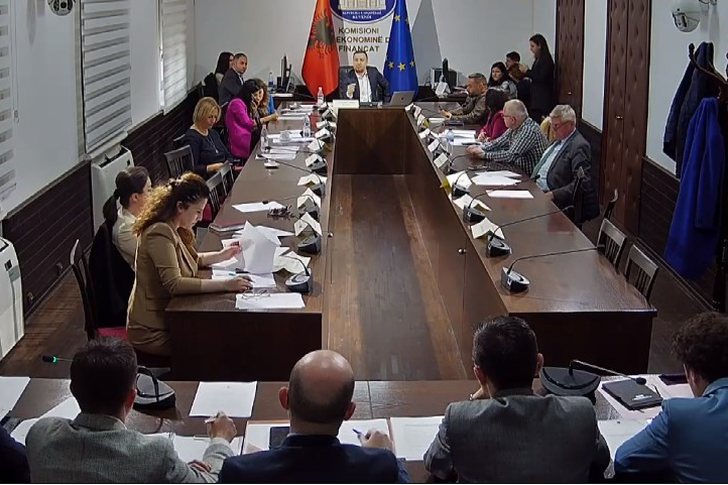
Socialist and democrat MPs have blocked the approval of th...
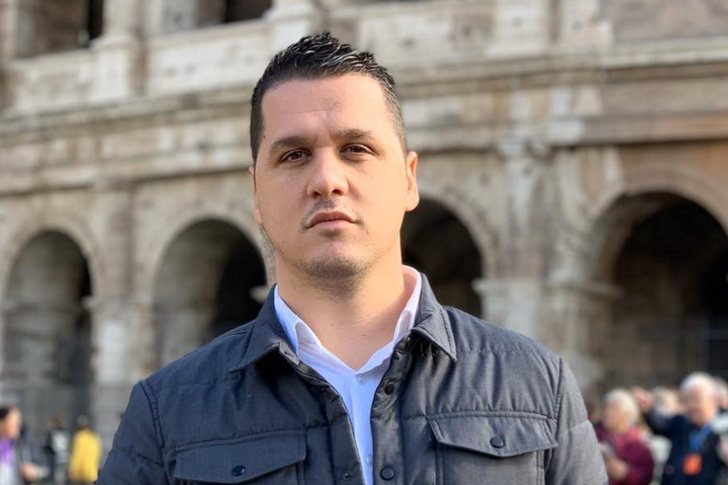
A few days ago, precisely on April 18, CNA addressed s...
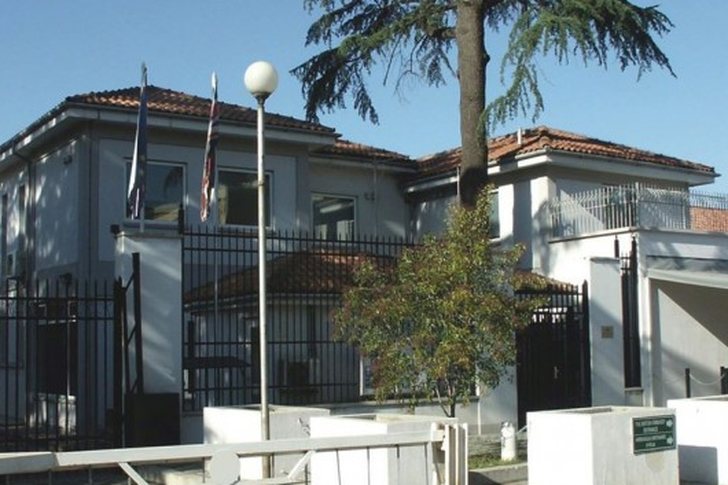
The British Embassy in Tirana has announced that since the...
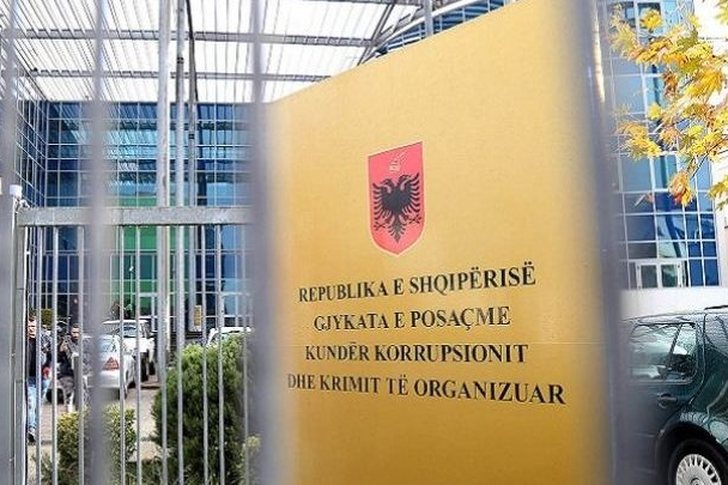
The Special Court has announced the verdict for Bledar Lil...
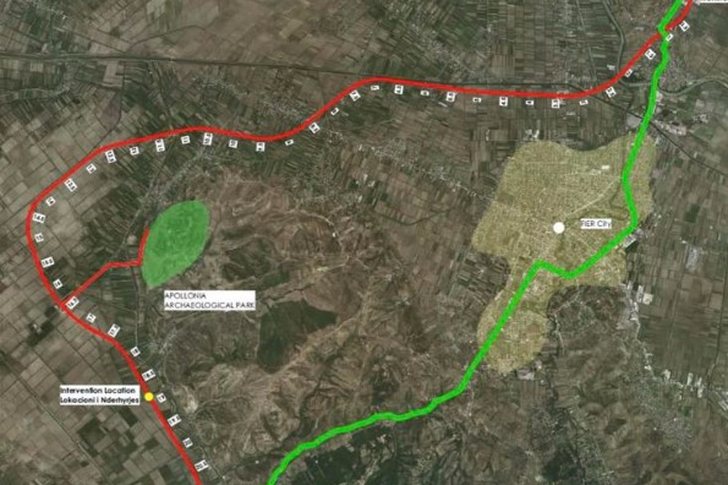
The Albanian road authority has announced that due to the ...
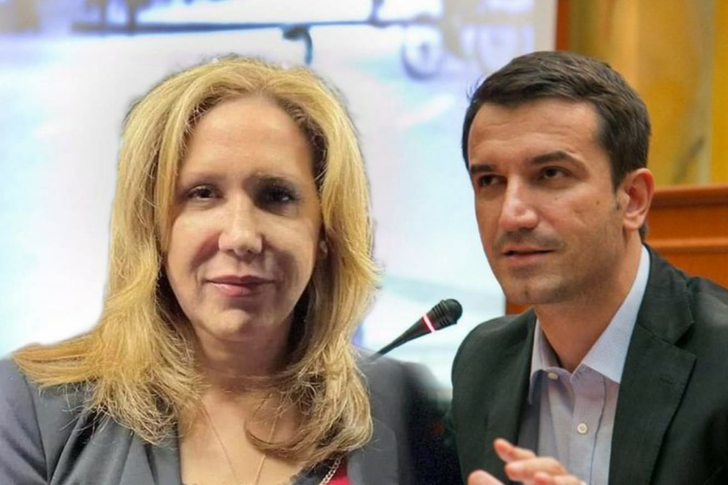
Evi Kokalari, Evis Kokalari or Evi Angelakis is more a...

Moderator Edi Manushi has appeared in SPAK. It is still no...
The arrivals of Albanian and foreign citizens in the Alban...
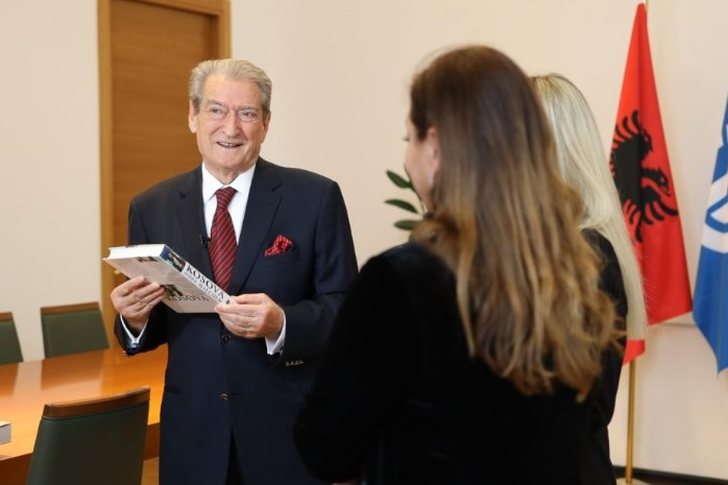
Today, the leader of the coalition "We win together", ...
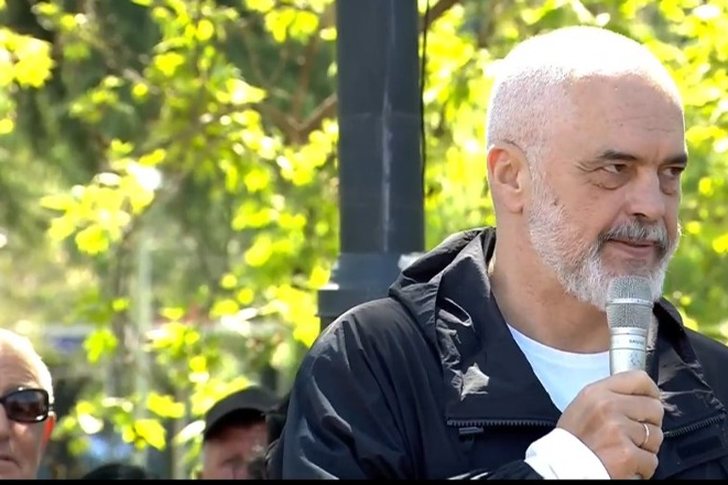
Prime Minister Edi Rama has addressed an invitation to...
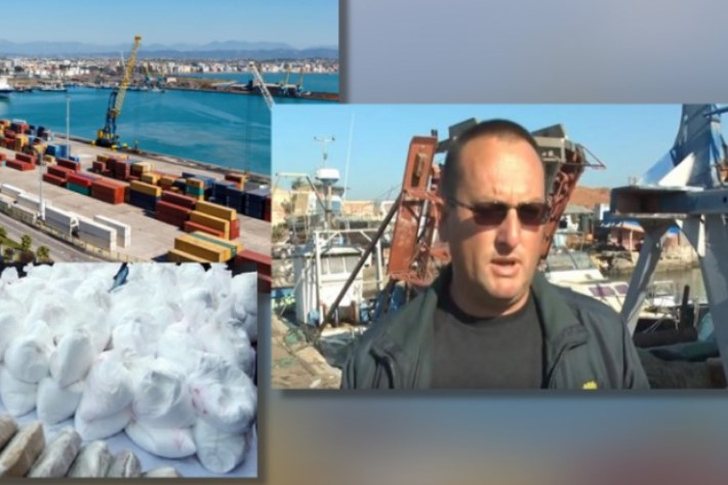
The appeal of GJKKO has upheld the decision to sentence bu...
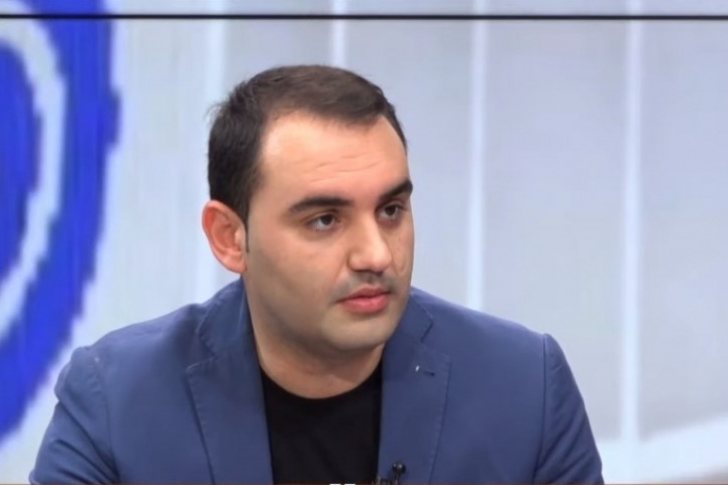
Kandidati i koalicionit "Bashkë Fitojmë", Belind Këlli...
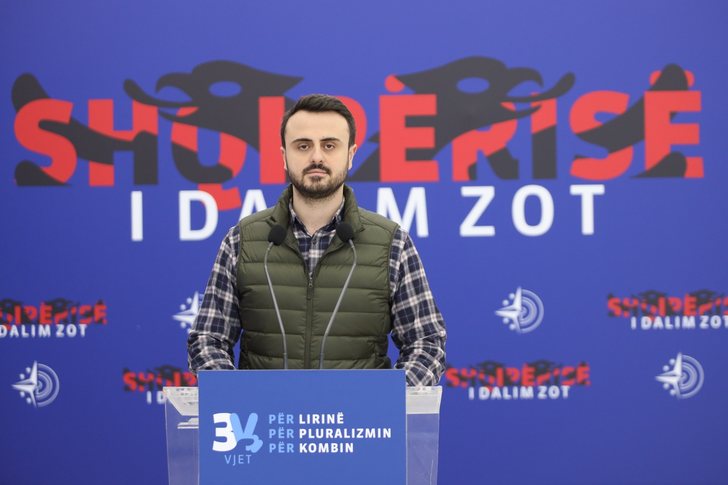
The chairman of the FRPD, Besart Xhaferri, has reacted aft...

Irfan Hysenbelliu is a businessman that we call "Irfan the...

In March 2026, CNA launched another investigation centered...
The arrested mayor of Tirana, Erion Veliaj, with 13 charge...
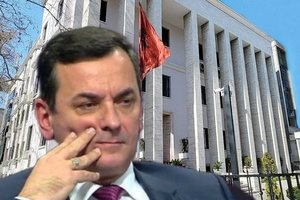
CNA has uncovered the tentacles of the head of the Supreme...

The Special Board of Appeal (KPA) decided this Monday ...

The KPA vetting decided this Thursday to dismiss the p...

Suela Salavaçi, a prosecutor in the Prosecutor's Offic...

The Special Board of Appeal reinstated the prosecutor ...

Two people were arrested and two others were prosecuted af...

At around 08:40, in neighborhood no. 10, Korça, a "Benz" t...
New details are being learned regarding the incident that ...
Several gunshots were reported this evening in Elbasan. T...
Albania has achieved a record for the employment of foreig...
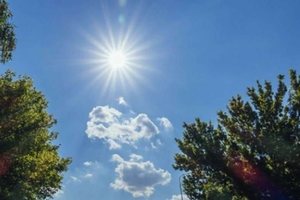
Today our country will be under the influence of relativel...
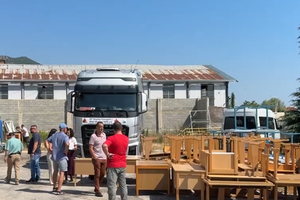
Another humanitarian aid shipment from Germany has arrived...
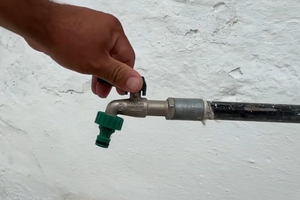
Residents of the village of Memëlisht in the Municipality ...
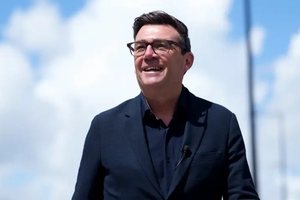
The United Kingdom's new Prime Minister, Andy Burnham, has...
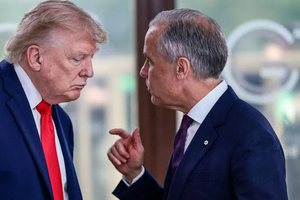
United States President Donald Trump has imposed 50% tarif...
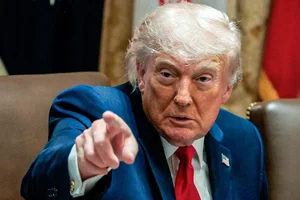
US President Donald Trump responded with harsh rhetoric to...
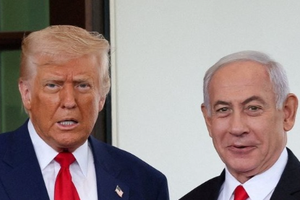
US President Donald Trump said on Monday that Israeli Prim...

At a time when industrial products are increasingly taking...

Trust among people is not just a three-syllable word. It c...

Master of humor Todi Llupi has passed away at the age of 7...

The ninth edition of "MIK Festival" kicked off with one of...
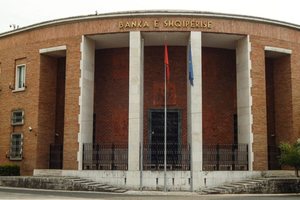
The new draft law "On the Bank of Albania" provides that t...

This Tuesday, one US dollar is bought for 81.2 lek and sol...
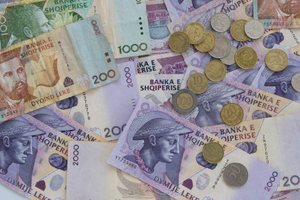
Deputy Minister of Economy and Innovation, Enkelejd Musabe...

This Monday, one US dollar is bought for 81 lek and sold f...