


Analyst: Here's why Trump needs Albania's participation in the Peace Board
Analyst Ermir Gjinishi said today that US President Donald...


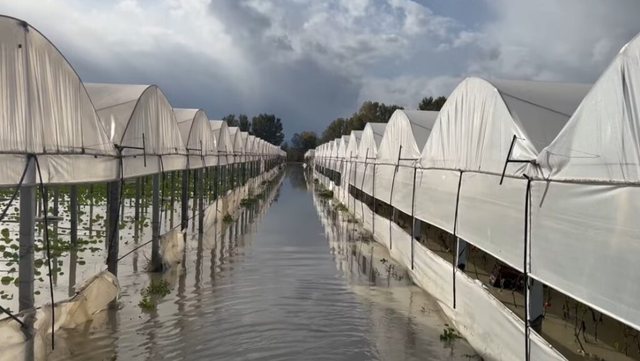
This week, for the fourth time in three months, greenhouse areas in Gorica, Berat, have been flooded.
Since November 2025, the production cycle in this area, known as the granary of Albanian exports, has been violently interrupted by rainfall and then the flooding of the Devoll River, whose HPPs have opened their discharge gates in compliance with regulations.
Gentian Ziu, a farmer in the area, said that this time the nursery greenhouses and others that were recovered were completely damaged and now the situation is more than a disaster.
Vegetable exports in January 2026, according to official INSTAT data, were halved by the devastating effects of the January floods.
Farmers in the area claim that the initial investment for planting one hectare of early crops, such as tomatoes or cucumbers, starts with the cost of seedlings, which averages up to 15,000 euros. Together with chemical fertilizers, irrigation systems and labor, the cost brings the bill to around 25,000 euros per hectare.
When water entered the greenhouses for the fourth time in a row this February, the investments were completely wiped out. The excessive moisture and asphyxiation of the roots make immediate replanting impossible without a costly process of drying and disinfecting the soil. Moreover, the long-term damage extends to the degradation of the structures.
Unlike floods in previous years, the frequency of successive strikes this season has destroyed any chance of recovery. This phenomenon is creating a domino effect from prices in retail markets that are too high for seasonal produce to a decline in exports.
On the other hand, the situation is not improving at all as there is no compensation mechanism or clear warning protocol.
Earlier in January of this year, water in fields and greenhouses damaged harvest production and early season seedlings in areas with intensive agriculture in the regions of Berat, Lushnja, and Fier.
Frosts on the first day of the year, floods, and more frosts and floods these days have dealt a final blow to intensive agricultural production.
The losses from floods and frosts are greater than the financial capacity of a farming family. Albanian farmers neither receive subsidies nor are they insured, so they are totally exposed to losses.
In EU countries, part of the insurance premium is covered by the state, making insurance affordable. In Albania, this lack of support leaves the farmer alone in the face of climate change.
Experts claim that without urgent intervention in the arrangement of the embankments below the dam and without real coordination between departments, Goriçan risks turning from a successful model of greenhouses for exports into a swamp.
Devoll Hydropower's reaction
"Monitor" sent an official request to Devoll Hydropower regarding farmers' claims about the recent floods.
"Regarding the submitted request, please find below information from Devoll Hydropower Sh.A. regarding the management of hydrometeorological situations created in the Devoll River watershed, part of the Seman River basin.
Devoll Hydropower Sh.A.: Since November 2025, the Seman River basin has been experiencing heavy rainfall and high water flows, above historical averages. The catchment area of ??the Devoll cascade at the Banja and Moglica hydropower plants constitutes about 50% of the Seman watershed area.
The reservoirs of the Moglica and Banja hydroelectric power plants have held very large volumes of water and controlled discharges have been carried out according to dam regulations, contributing to reducing the risk of flooding rather than increasing it.
Discharges from Banja constitute only a fraction of the total flow of the Seman River and are significantly lower than the inflows into the Devoll cascade; therefore, claims that the floods were caused by the Banja hydroelectric power plant do not hold up.
During February 2026, maximum hourly flows in the reservoirs reached over 450 m³/s, while maximum controlled discharges from the Banja hydroelectric power plant were around 200 m³/s — a normal operating level under high flow conditions. Currently, discharges are around 150 m³/s and all structures continue to operate within full safety parameters.
Devoll Hydropower regularly exchanges information with authorities from the early stages of the discharge process, also informing the public both on the website and on the social media channel. Controlled discharges are regular and standard practices depending on hydrometeorological conditions, and reservoir monitoring is carried out in real time.
"In accordance with ICOLD international guidelines, hydropower reservoirs are important tools in reducing peak flows (fulls) in downstream areas of the river," the company's response states. /Monitor

Analyst Ermir Gjinishi said today that US President Donald...

The police have taken measures for the national protest ca...

Journalist Artan Hoxha reported today that according to hi...

Prime Minister Edi Rama is participating in a roundtable d...

Journalist Lutfi Dervishi commented today on the discussio...

Former Foreign Minister Aldo Bumçi commented today on the ...

The Fier Court, upon request from the Prosecution, has ord...

The Albanian Road Authority has announced that on the Lib...

The Chairman of the Supreme State Audit Office, Arben Sheh...

Gjykata e Apelit e Tiranës ditën e sotme ka lënë në fuqi v...

Albanian Prime Minister Edi Rama delivered his speech at t...
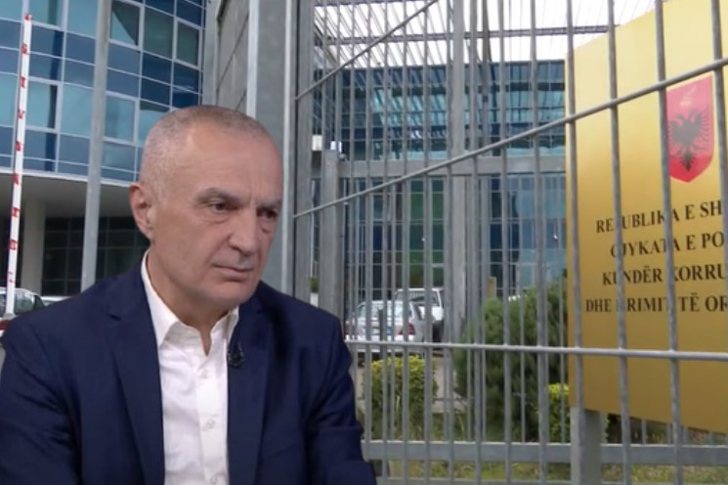
A marathon preliminary hearing is underway at the Special ...

Prime Minister Edi Rama has traveled to Washington, D.C., ...
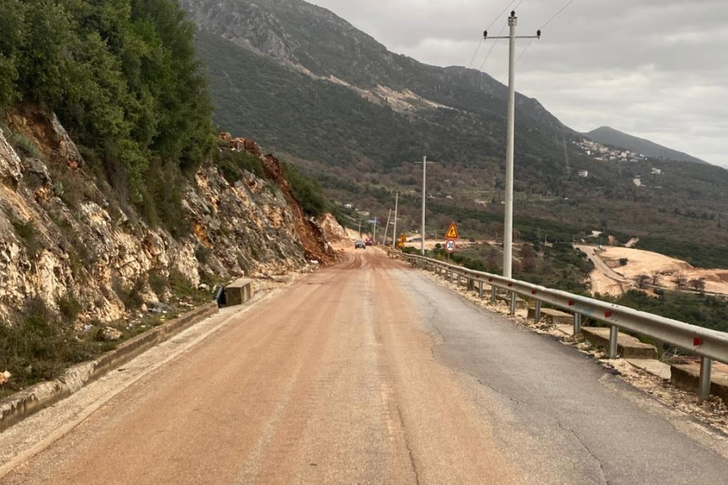
Në kuadër të punimeve për ndërtimin e segmentit rrugor të ...
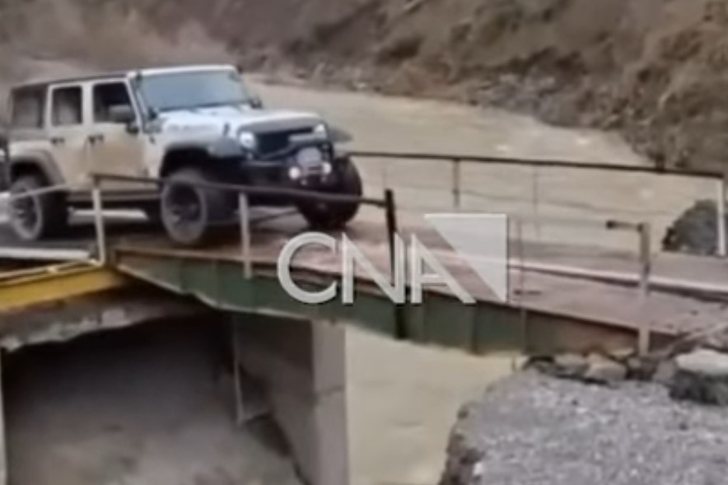
The numerous floods of the Devoll River have caused part o...
The ninth hearing at the Tirana Court (Criminal Chamber) r...

A genuine scheme of disinformation and an attempt to m...

Democratic Party MP Jozefina Topalli said during her speec...

Elio Lazaj, a fine-scoring journalist with a criminal appr...

The well-known businessman and entrepreneur, Gjergj Luca, ...

Irfan Hysenbelliu is a businessman that we call "Irfan the...

In March 2026, CNA launched another investigation centered...
The arrested mayor of Tirana, Erion Veliaj, with 13 charge...
CNA has uncovered the tentacles of the head of the Supreme...

The Special Board of Appeal (KPA) decided this Monday ...

The KPA vetting decided this Thursday to dismiss the p...

Suela Salavaçi, a prosecutor in the Prosecutor's Offic...

The Special Board of Appeal reinstated the prosecutor ...

New details are being learned regarding the incident that ...

Several gunshots were reported this evening in Elbasan. T...
A section of the Fier-Vlora highway was engulfed in flames...

A road accident occurred this Monday near Gramsh. As repo...

Albania has achieved a record for the employment of foreig...

Today our country will be under the influence of relativel...
Another humanitarian aid shipment from Germany has arrived...
Residents of the village of Memëlisht in the Municipality ...

United States President Donald Trump has imposed 50% tarif...

US President Donald Trump responded with harsh rhetoric to...

US President Donald Trump said on Monday that Israeli Prim...

Hungary's Prime Minister, Péter Magyar, took many people b...

At a time when industrial products are increasingly taking...

Trust among people is not just a three-syllable word. It c...

Master of humor Todi Llupi has passed away at the age of 7...

The ninth edition of "MIK Festival" kicked off with one of...

This Tuesday, one US dollar is bought for 81.2 lek and sol...

Deputy Minister of Economy and Innovation, Enkelejd Musabe...

This Monday, one US dollar is bought for 81 lek and sold f...
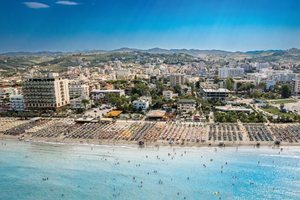
In Golem and Durrës, the season seems dynamic: buses with ...