

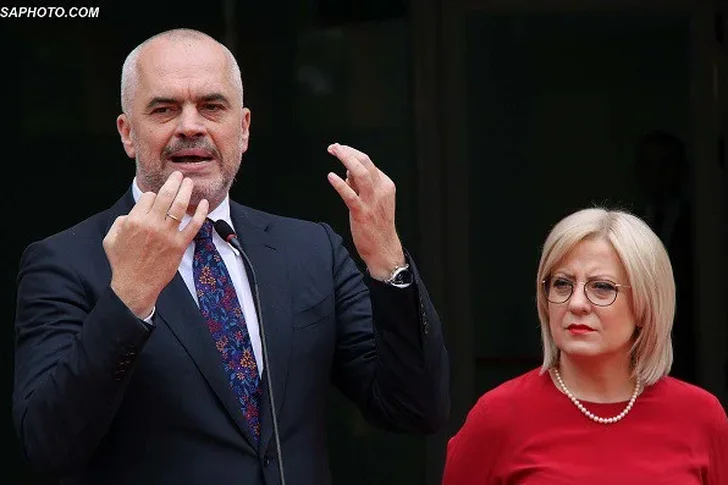
SCENARIO/ Rama rushes Lindita Nikolla against SPAK
The recent actions of the SPAK, the investigations aga...


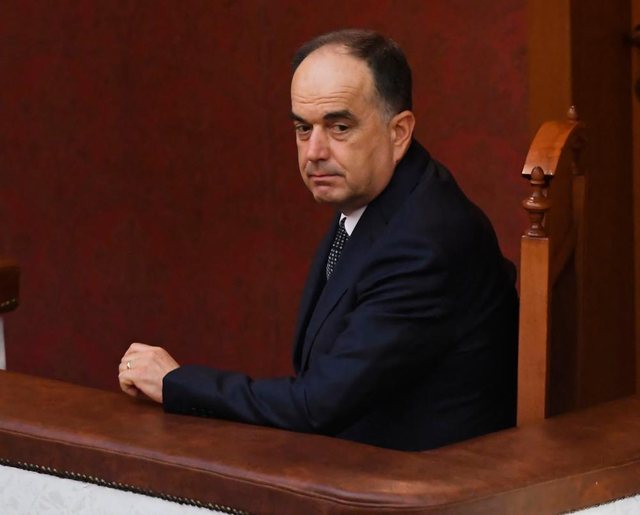
President Bajram Begaj has once again obeyed the government's orders regarding the amendment of the law on the establishment of Investigative Commissions.
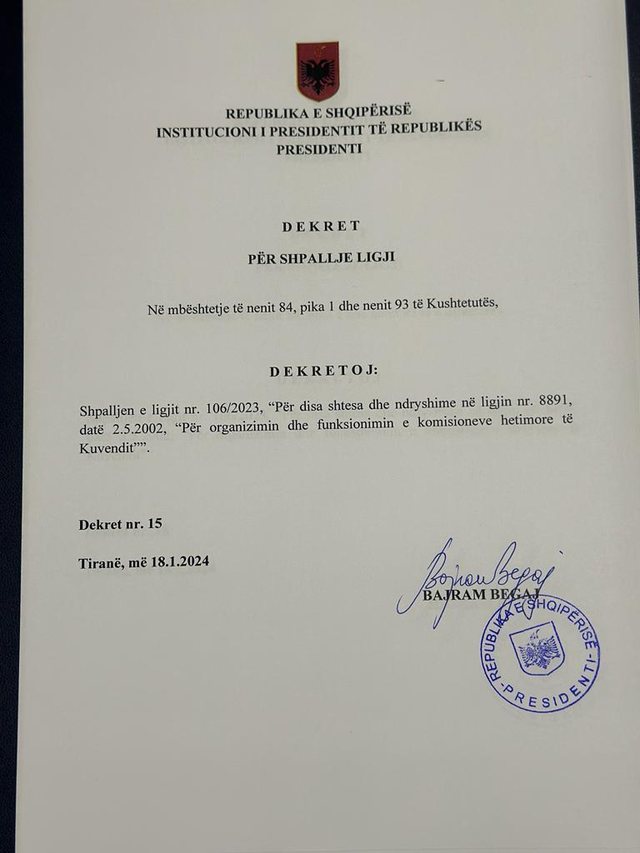
Today the President announced that the law "On some additions and changes to the law no. 8891, dated 2.5.2002, "On the organization and functioning of investigative commissions of the Assembly".
Announcement from the Presidency
Today, the President of the Republic issued the decree "On the promulgation of law no. 106/2023, "On some additions and changes to law no. 8891, dated 2.5.2002, "On the organization and functioning of investigative commissions of the Assembly".
The handling of this institutional practice in recent days has been given political content by a limited number of deputies. For this reason, the Institution of the President of the Republic considers it appropriate to inform the public opinion, as follows:
The promulgation of laws by the President of the Republic takes place at the end of the constitutional control procedure, during which the institution verifies the constitutionality of the new provisions and the procedure for their approval. Constitutional control does not verify any aspect of the law with political content.
The most weighty argument that is raised by a part of the opposition exponents is related to the claim that the entry into force of this law can undermine the dialogue between the political parties in the Assembly: - "This unilateral law must be returned to the parliament and approved by consensus ".
The President of the Republic considers it very important to sit down in negotiations to find a compromise solution for this subject, as for any other subject subject to debate, contestation or political conflict. The quick resolution of the objections to this law would form a serious opportunity to build trust relations on a concrete example of cooperation. This is the reason why the President of the Republic immediately invited the most vocal exponents of the opposition to seek a compromise with the parliamentary majority and use the interim, until the end of the deadline for the promulgation of the law, to resolve in dialogue with the majority all the issues that concerned them regarding the newly approved law.
Indeed, the period from the adoption of the law, until the end of the 20-day deadline for its announcement, was exhausted without any effort to offer and find compromise solutions, which keeps the goal of blocking its entry into force alive. of the law, but defeats the objective of "discussion and consensual approval of changes in the law on investigative commissions".
Regarding the claims of unconstitutionality of the new legal provisions, made public by some representatives of the opposition, we clarify as follows:
1. It has been claimed that the approval of the draft law was accompanied by procedural irregularities. This claim does not stand up to constitutional scrutiny. Procedural violations do not constitute a sufficient reason for returning the law for review. The procedure for reviewing and approving draft laws is a matter of the internal Regulation of the Assembly, the control of the implementation of which is carried out by the internal bodies of the Assembly, tasked by the Regulation itself for this purpose.
It is a public fact that no request has been filed in the internal instances of the Assembly with allegations of procedural violations related to this law. Procedural violations can form subjects for constitutional review only if the procedural violations rise to the level of constitutional violations. Such is, for example, the case when a law, for which the Constitution requires approval by a qualified majority, is approved with a smaller number of votes. Neither of the alleged procedural violations rises to the level of a constitutional procedural violation. Consequently, it does not make this law unconstitutional.
Similarly, the claim that this law should have been approved by consensus is not related to any requirement of the Constitution, so the President of the Republic cannot return it for consideration because it lacks consensus.
2. It has been claimed that the approved amendments do not include the consolidated position of the Constitutional Court, according to which the parliamentary majority is obliged to accept the establishment of the investigative commission and that it can only question the object of the investigation and only if there are claims for violation of constitutional principles. In front of this claim, there are two essential facts, which protect the constitutionality.
First, the obligation to set up an investigative commission, when requested by no less than 35 deputies, is an obligation that originates from Article 77 of the Constitution and there are no provisions of this law to contradict it.
Secondly, the jurisprudence of the Constitutional Court, which has also determined the limits of the discretion of the parliamentary majority, in this case, is also not contradicted by any provision of this law. The opinion that this issue should have been included in the text of the law with concrete wording, according to this line, can be considered rational, but the absence does not make the law unconstitutional, just as it does not undo the obligations stemming from the Constitution and the jurisprudence of the Constitutional Court.
3. It has been claimed that the provisions of the new law on the rules for conducting closed-door meetings of the investigative commission aim to eliminate transparency, which is the essence of its work. Formulations that define by number the cases when closed-door meetings can take place serve transparency, because by limiting the cases, they discipline the decision-making of the commission and reduce the possibility of abusing this mechanism. The cases mentioned in the law are exceptional and each of them serves the protection of another constitutional or legal interest. These provisions do not eliminate transparency. Their offense can do that. The law cannot be called unconstitutional. Activity contrary to it, yes.
4. It has been claimed that the new rule for taking evidence and subpoenaing witnesses is unconstitutional. Even this claim does not stand up to constitutional scrutiny. It is true that the provision for taking evidence and summoning witnesses with an interim decision forms a regression in relation to the previous law, which did not subject the performance of these procedures to a vote, but the issue itself has no constitutional subject. It cannot be claimed, for example, that in this case we are dealing with the violation of an acquired right, because the constitutional principle of protection of acquired rights operates in a different field and for completely different subjects. In this case, we are facing two legal solutions, competing with each other, but both are constitutional.
On the other hand, the rules for taking testimony and its content cannot be considered restrictive. They clarify the procedural position of the witness and are in harmony with Albanian legislation (including foreign reference models).
5. Regarding the request for the involvement of the President of the Republic in the process of political dialogue, this constitutes a consideration of a different nature from the considerations that belong to the procedure of constitutional review of laws. The return of laws for consideration is not the constitutional instrument given to the President of the Republic to facilitate dialogue. Laws are not promulgated for the sake of "political dialogue between the parties", but as part of the legislative process, because they successfully pass the constitutional filter.
On this occasion, we once again bring to attention the message of the President of the Republic addressed to the deputies on the occasion of the opening of the new parliamentary session and his call for constructive dialogue and willing cooperation between political forces, as the only way that serves the good of common, national interest and the consolidation of Albania's positions in the international arena.
This call is also valid in the field of the establishment and successful operation of parliamentary investigative commissions.

The recent actions of the SPAK, the investigations aga...

Vodafone and Microsoft Corp (MSFT) announced the creation ...
Ditën e sotme, për shkak të motit të keq është ndaluar...
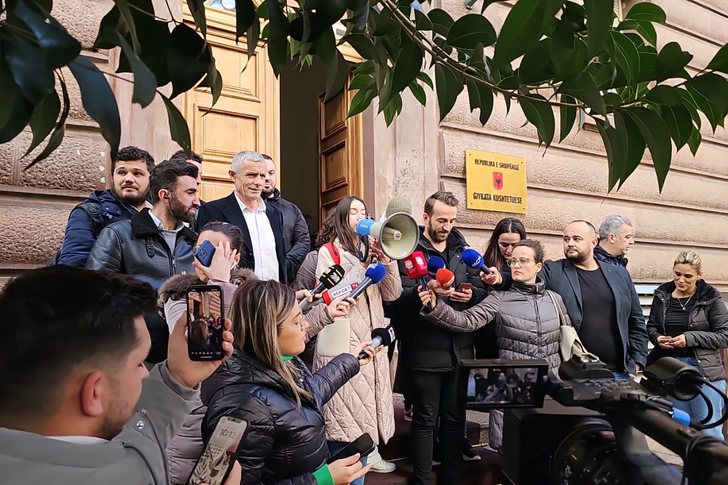
Some young people from Lezha are protesting today in f...
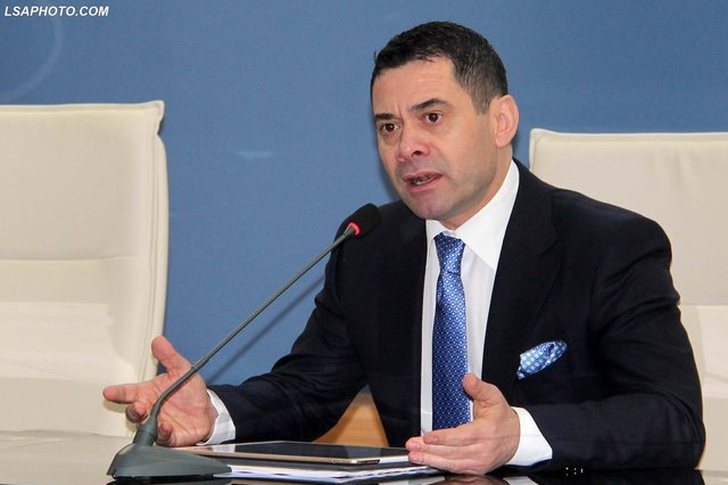
GJKKO has postponed the hearing for former Deputy Prim...
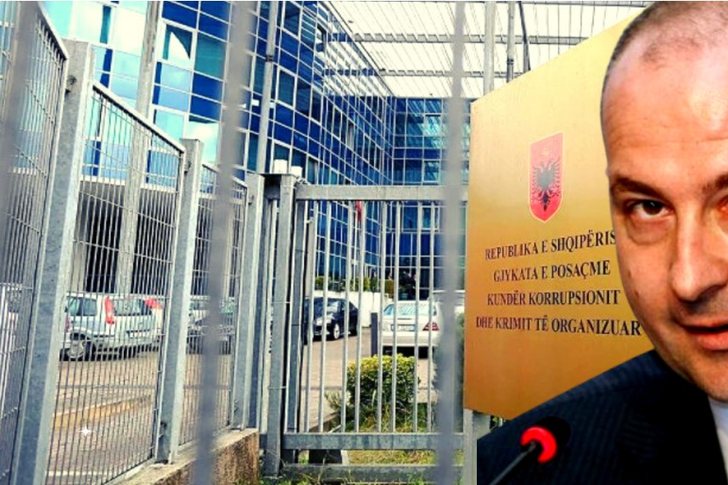
Shtyhet sërish seanca për biznesmenin Rezart Taçin i c...

The hearing in the Special Court for the former minist...
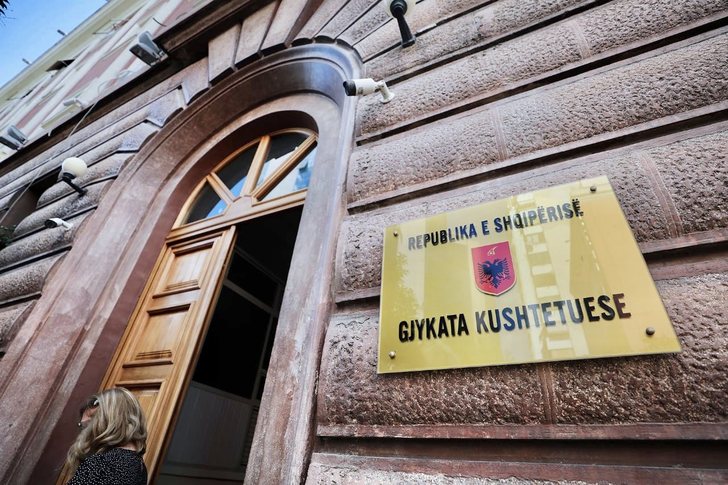
Today, the Constitutional Court will hold a hearing on the...

CNA has provided images from the scene where a 40-year-old...
Journalist Mentor Kikia said in "Now with Erla Mëhilli...
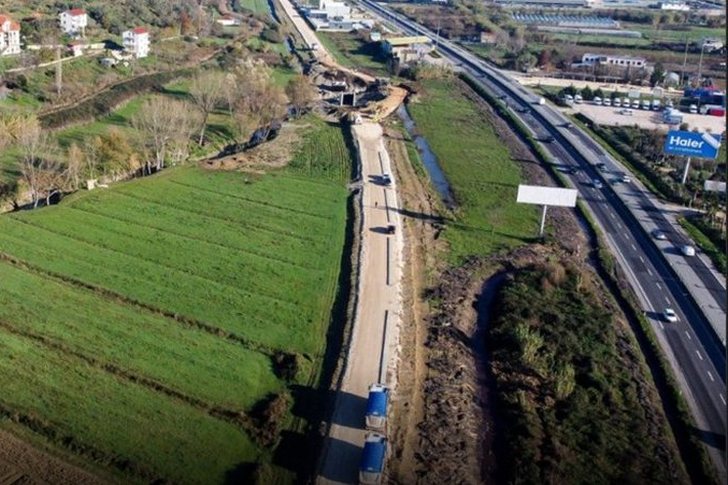
The government approved today the expropriation for public...
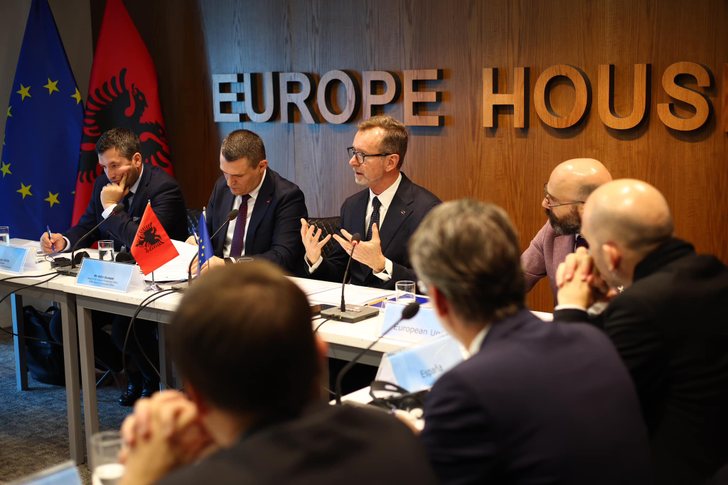
The European Union has reconfirmed its strong support for ...
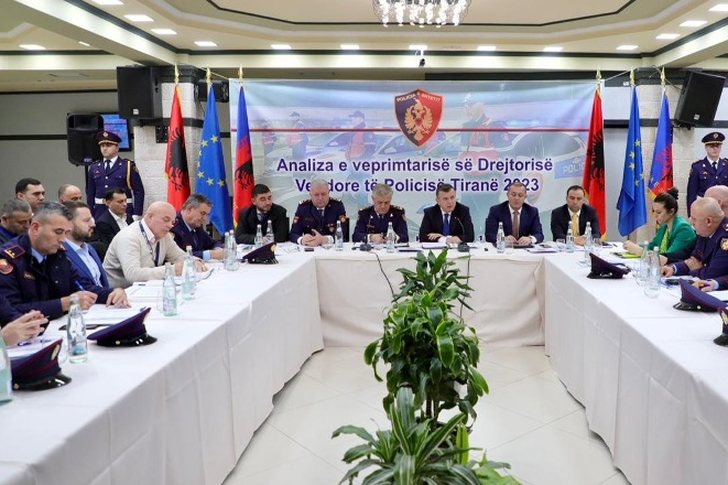
The Minister of the Interior, Taulant Balla, has start...
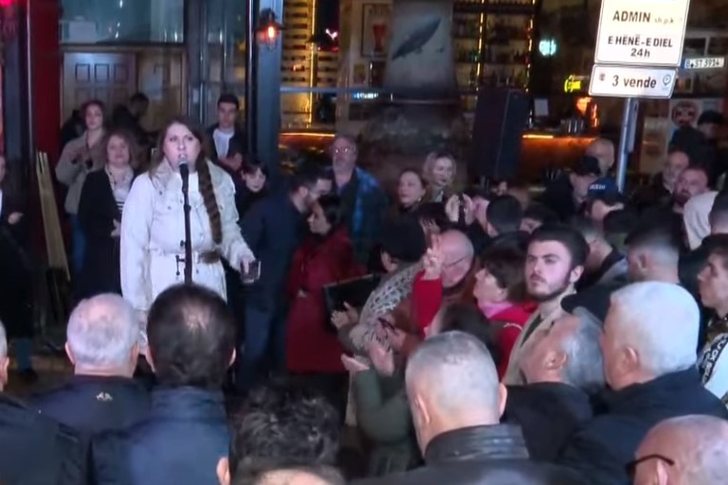
For several weeks in a row, citizens and supporters of the...
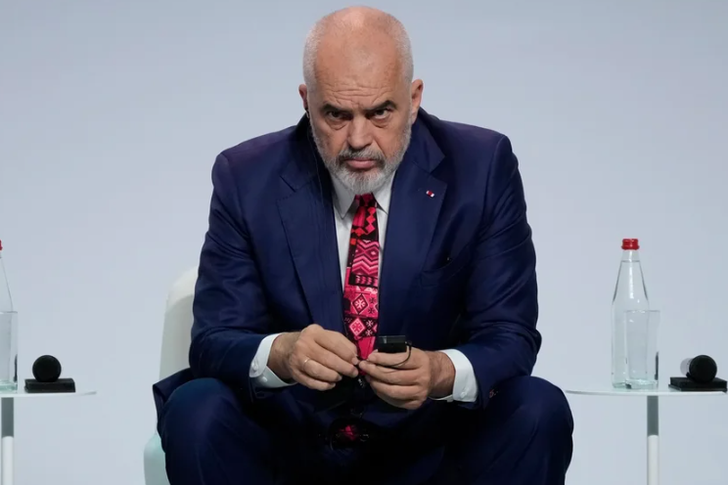
Official sources from today's government meeting told ...
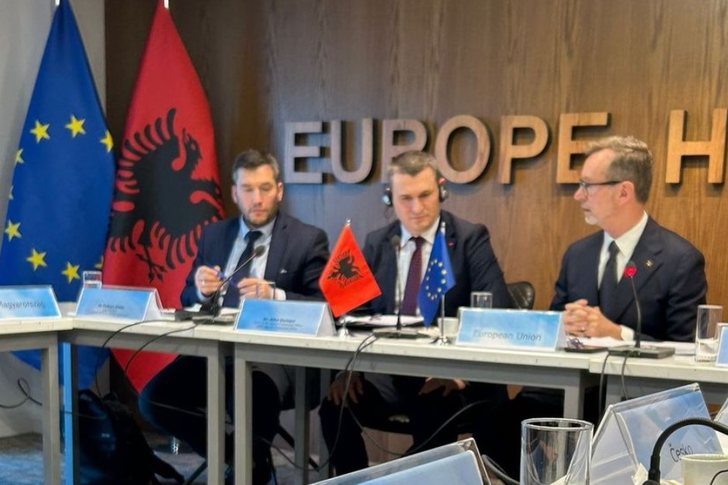
This Wednesday, the head of SPAK, Altin Dumani, held a mee...
SPAK has alarmed Prime Minister Edi Rama a lot, many arres...
" Europe Today ", the news media specializing in current E...
Drejtuesja e Agjencisë Kombëtare të Shoqërisë së Infor...

The Acting Mayor of Himara Municipality, Jorgo Goro, w...
Irfan Hysenbelliu claims to be a big businessman, an hones...
The murder of officer Enea Mekolli in the line of duty has...
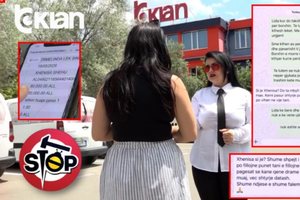
The next case broadcast on the show "Stop", this Thursday,...
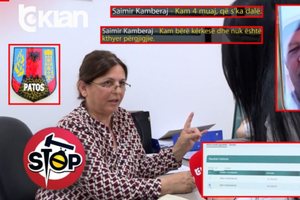
The case published this Thursday, June 4, on the show "Sto...

The Special Board of Appeal (KPA) decided this Monday ...

The KPA vetting decided this Thursday to dismiss the p...

Suela Salavaçi, a prosecutor in the Prosecutor's Offic...

The Special Board of Appeal reinstated the prosecutor ...

An accident was recorded a few minutes ago on the Pogradec...
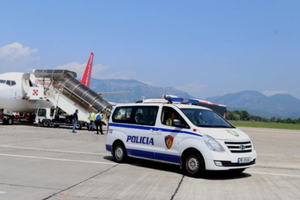
Following the cooperation of Interpol Tirana with Interpol...

An accident occurred this Saturday morning at Shkëmbi i Ka...
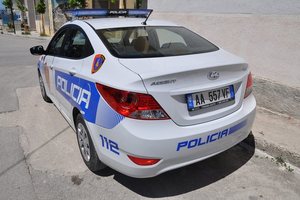
A TNT explosion occurred in Lezha in the early hours of th...
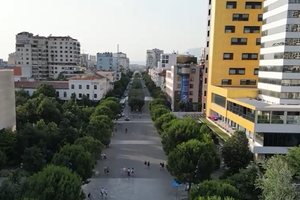
Albanians are officially the hardest working people in Eur...

This Saturday will be characterized by mostly clear weathe...
Today our country will be affected by stable weather condi...

For many children and teenagers, the long summer holidays ...

The military advisor to Iran's supreme leader, Mohsen Reza...

US Defense Secretary Pete Hegseth declared that Europe is ...
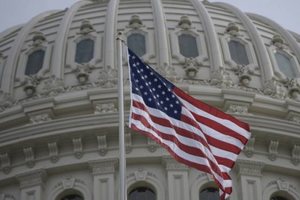
A federal judge in Rhode Island struck down a Trump admini...
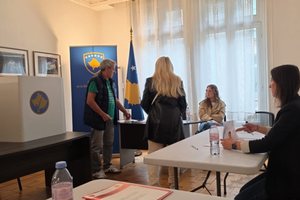
Thousands of Kosovo citizens living abroad are voting phys...
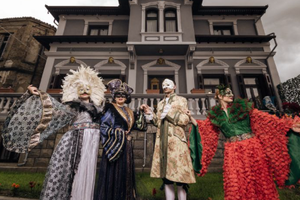
Korça is ready to open the summer season with one of the c...
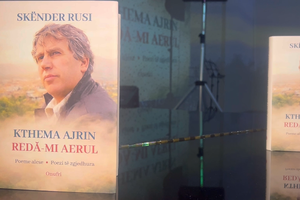
Two years after his passing, the renowned Korçë poet Skënd...
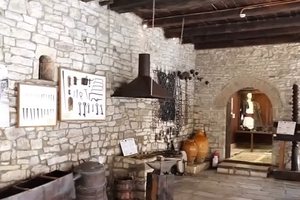
The Ethnographic Museum of Berat has opened its doors to v...
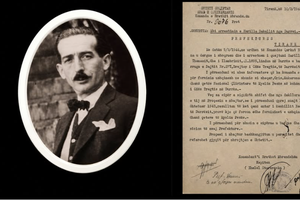
The story of Harilla Bakalli is one of the most chilling t...

The Transparency Board, in today's meeting, decided to red...

This Saturday, one US dollar is bought for 81.4 lek and so...

Despite years of efforts at regional cooperation and free ...

Albania is the country with the highest level of severe ma...